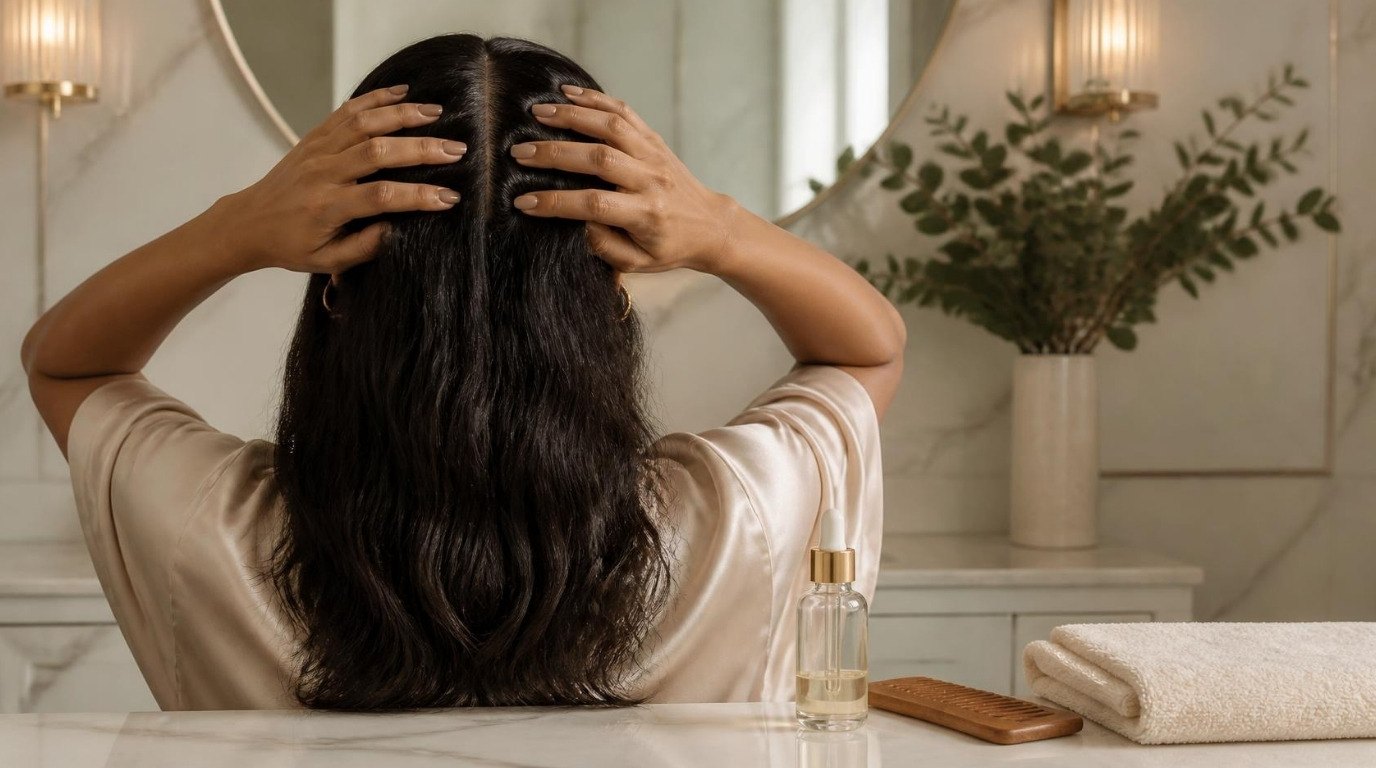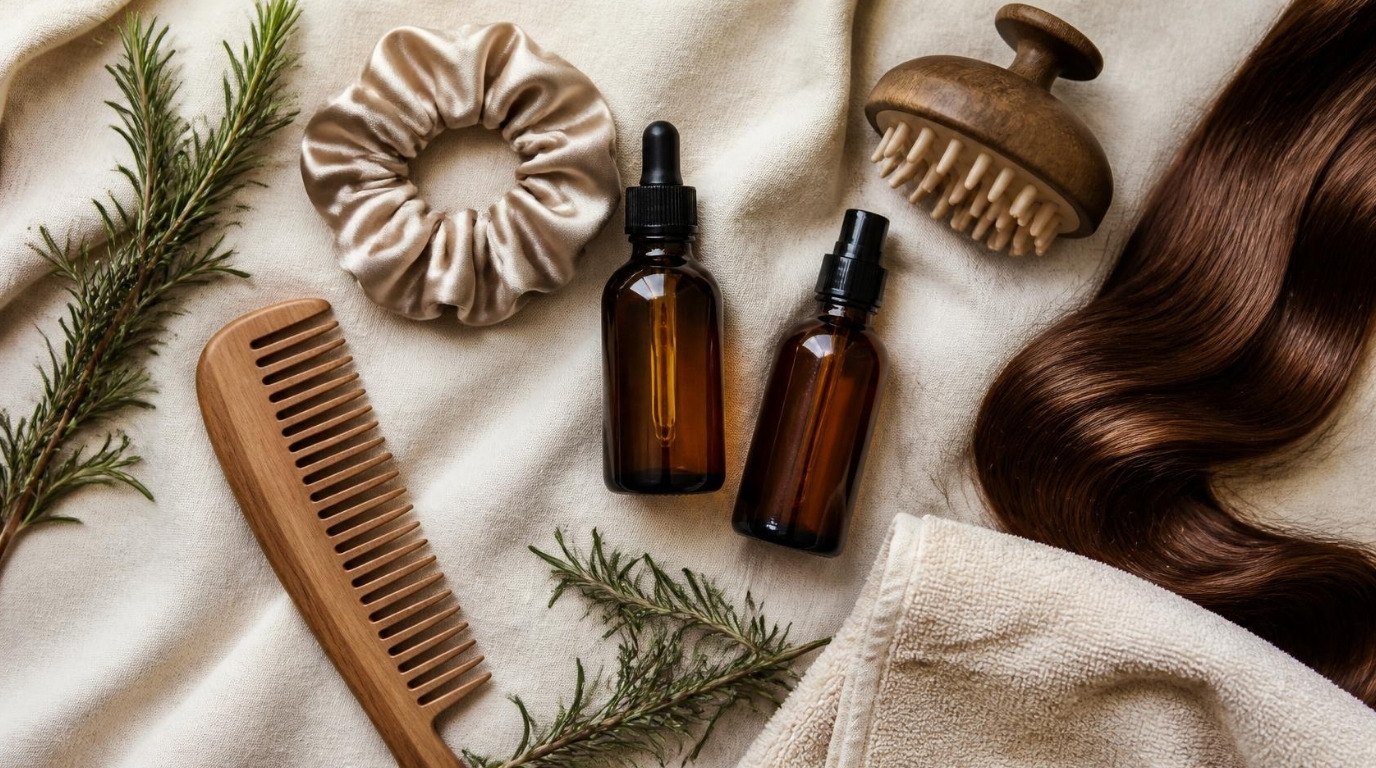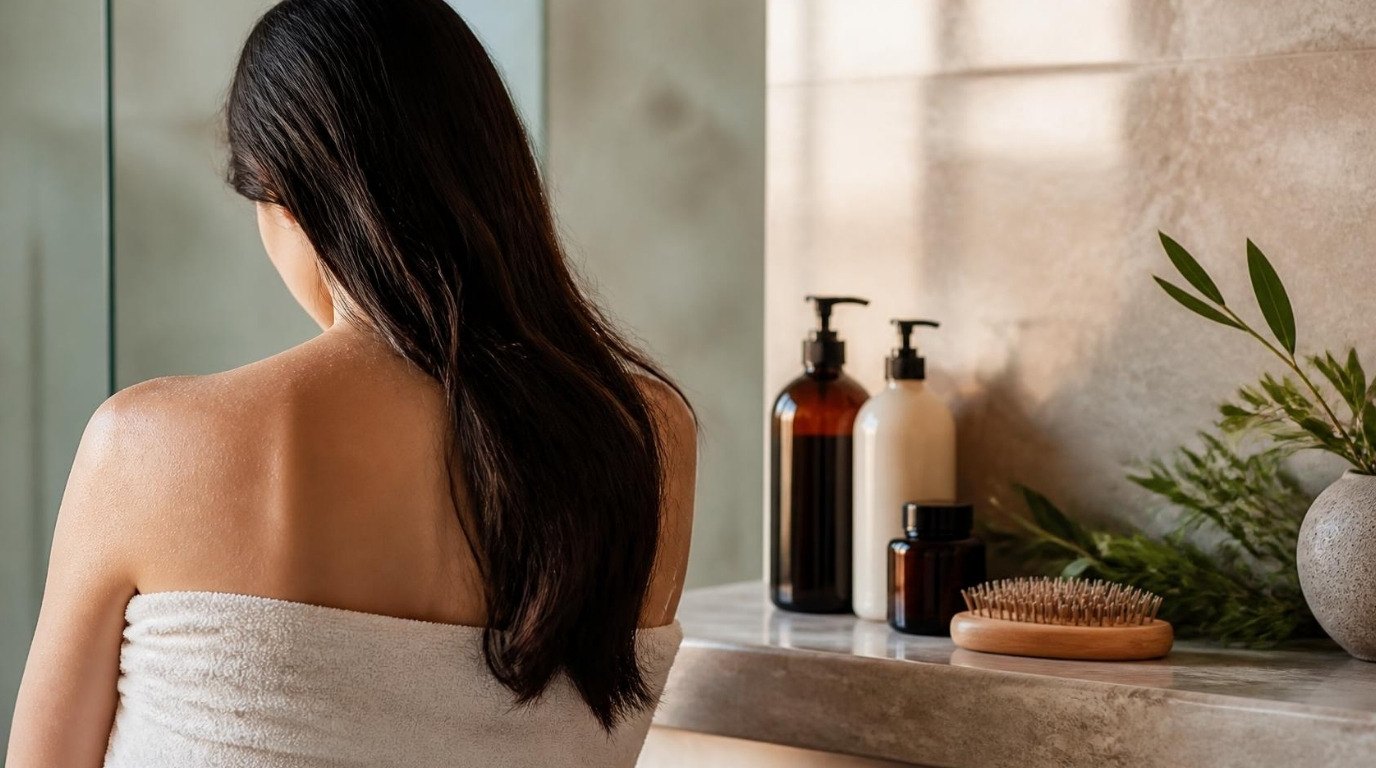
Your scalp is skin. It sheds, it makes oil, it reacts to weather and stress, and it collects everything you put on your hair. Yet most of us treat it like the floor under the carpet: out of sight, rarely cleaned properly. When roots feel greasy by lunchtime, when flakes show up on a dark sweater, or when your hair just looks flat no matter what you do, the real issue is often sitting right there at the root.
That doesn't mean you need a harsh routine. Most scalps don't need scrubbing every day or a cabinet full of treatments. They need a gentle reset every so often, done the right way for your scalp type, and then a little kindness afterward. It took me a while to understand that "clean hair" and "clean scalp" aren't always the same thing (my hair could feel fresh while my roots were quietly coated in dry shampoo).
This guide covers everything about scalp exfoliation: what buildup actually is, who benefits most, physical versus chemical methods, a step-by-step routine, how often to do it, who should skip it, and the aftercare that keeps your scalp calm. There's also a scalp type plan table near the middle, so you can find your method and frequency at a glance. A soft silicone scalp massager is the easiest place to start, but you'll see that you don't need much more than that.
What Scalp Exfoliation Actually Does
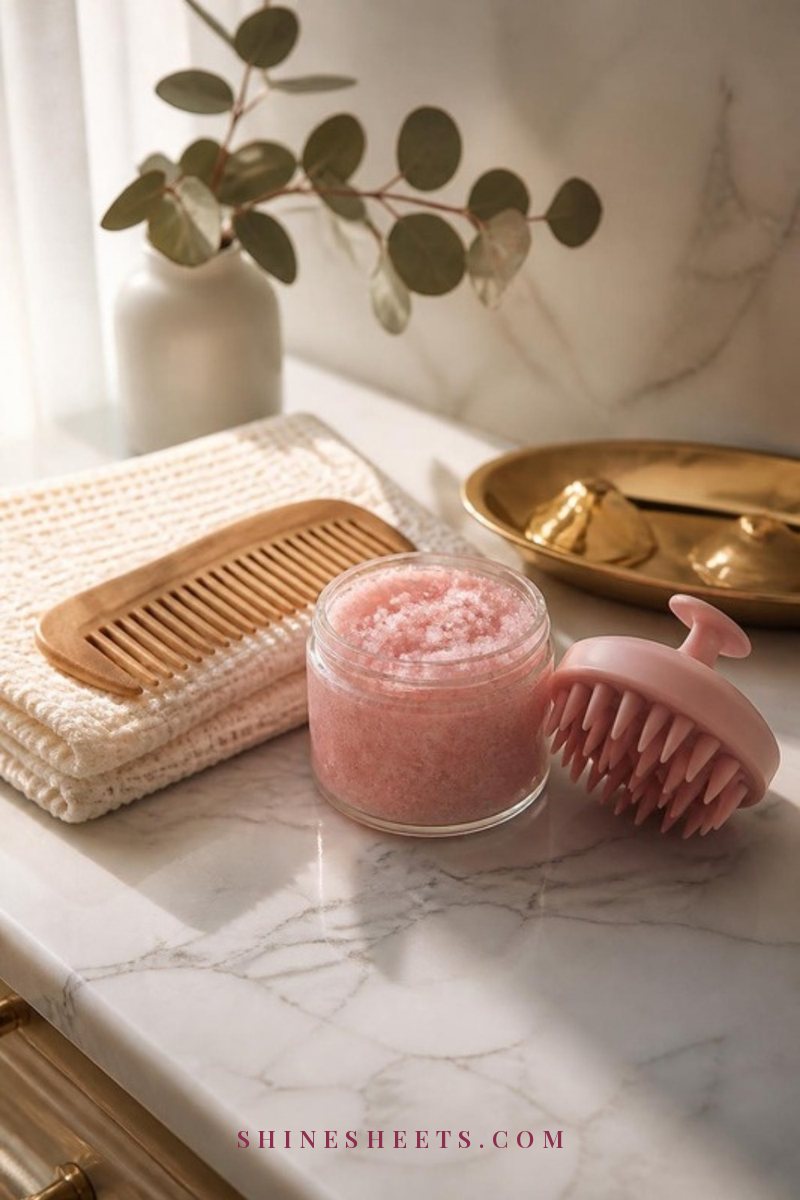
Scalp exfoliation simply means removing what sits on top of the scalp and around the hair follicles so the skin can do its job. That "stuff" is usually a mix of four things:
- Sebum (natural oil): your scalp has more oil glands than most of your face. Oil is good in moderation, but it mixes with everything else and turns sticky.
- Dry shampoo and styling products: powders, mousses, sprays, leave-ins and heat protectants all settle at the root, especially if you rinse quickly.
- Dead skin cells: the scalp renews itself just like your face does. When old cells don't shed evenly, they cling together and show up as small flakes.
- Hard water and environmental grime: minerals from tap water, pollution and sweat add a thin film over time.
When this layer builds up, you might notice roots that get oily faster, hair that looks limp at the crown, a tight or itchy feeling, or a faint "not quite fresh" smell even after washing. Exfoliating loosens that layer so your shampoo can actually reach the skin, your scalp products can absorb, and your hair can lift a little at the root.
What it won't do: it won't cure a scalp condition, and it won't magically grow new hair. Think of it as housekeeping, not a treatment. If you want the full weekly picture (cleansing, massage, serums, protection), my scalp care routine guide walks through the whole week, and exfoliation is just one part of it.
Signs Your Scalp Could Use Exfoliating
Not every scalp needs this, and that's worth saying up front. If your scalp feels comfortable, your hair behaves and you wash with a simple shampoo, you may only need a reset every few weeks or not at all. These signs suggest your scalp would genuinely benefit:
- Your roots look greasy a day after washing, even though your ends feel dry.
- You use dry shampoo more than twice a week (no judgment, I love it too).
- You see small, dry, white flakes that brush off easily, especially after a few days without washing.
- Your scalp feels itchy or "coated" rather than sore.
- Your hair has lost volume at the crown, and products stop working as well as they used to.
- You wear a lot of leave-in conditioner, oils, or styling cream.
- You live in a hard water area and your hair feels rough or dull.
If your roots get oily fast and you aren't sure why, my list of things to try if your hair gets oily too fast covers the habits that make oil worse (and the easy swaps that calm it down). And if you're leaning on dry shampoo between washes, it's worth learning how to use dry shampoo so less of it ends up packed against your scalp in the first place.
Physical vs Chemical Scalp Exfoliation
There are two ways to exfoliate your scalp, the same as with your face and body. Neither is "better" across the board. The right one depends on your scalp type, how sensitive you are, and what you actually enjoy doing (because a routine you like is a routine you'll keep).
Physical Exfoliation: Scrubs and Silicone Brushes
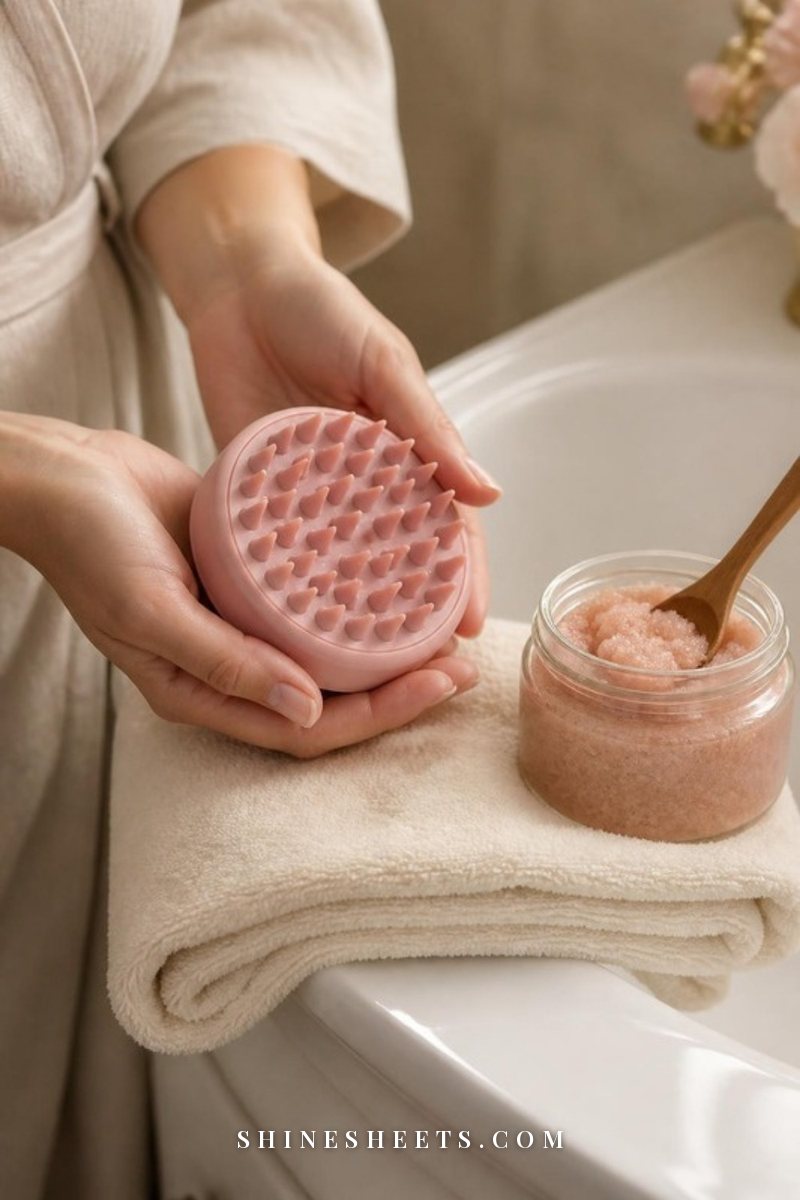
Physical exfoliation uses gentle friction to lift buildup. There are two main tools:
- Scalp scrubs: a cleansing base with fine particles (sugar, salt, or fine jojoba beads). You massage it into wet roots, then rinse. Look for fine, rounded particles rather than sharp, crushed shells or pits, and a formula that rinses clean without leaving grit behind.
- Silicone scalp brushes: soft, flexible bristles you use while shampooing. They massage more than they scrub, which makes them the gentlest physical option and a great entry point if you're nervous.
Best for: normal and oily scalps, heavy product users, and anyone who likes the immediate, tingly "clean" feeling.
Watch out for: pressing too hard. Your scalp is not a pan you're trying to scour. Use the pads of your fingers or the brush with the same pressure you'd use to massage your temples, and keep the movements small and circular.
Chemical Exfoliation: Salicylic Acid and AHA Scalp Serums
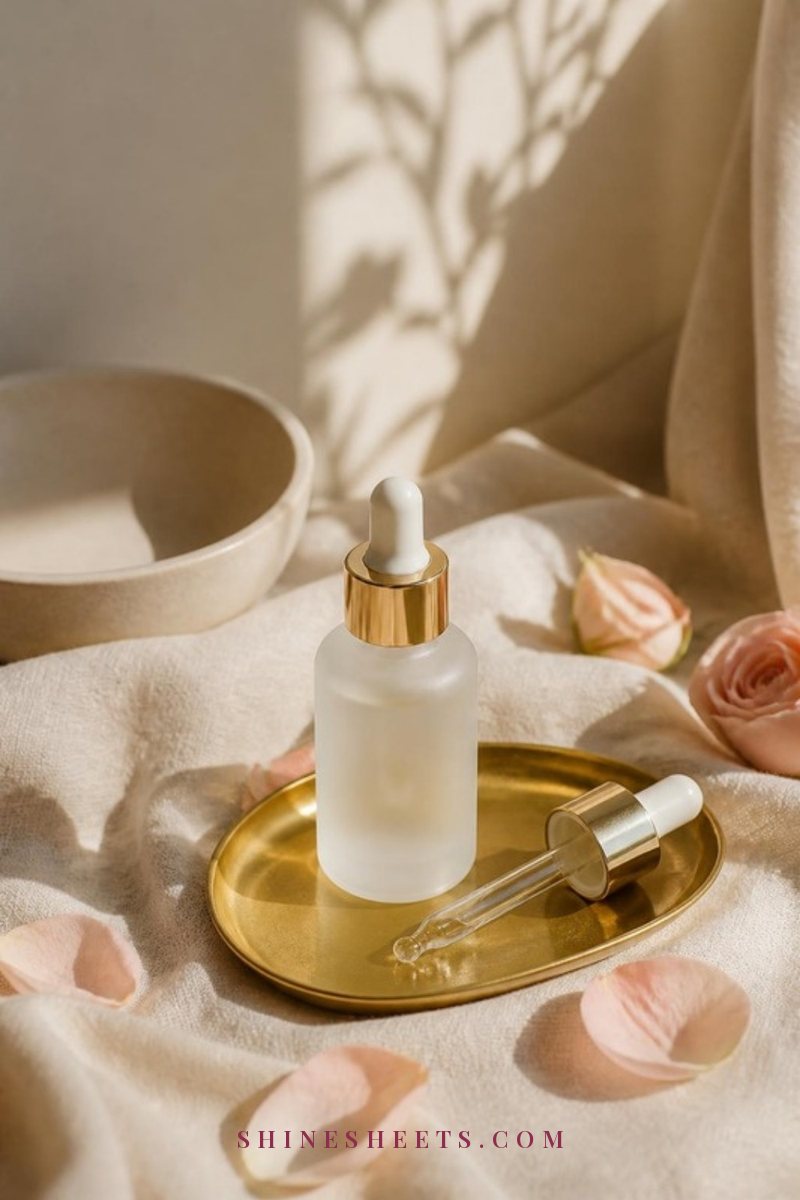
Chemical exfoliants dissolve the "glue" that holds dead cells and oil together, so they lift away without rubbing. You'll usually find them in shampoos, rinse-off treatments, or leave-on serums.
- Salicylic acid (BHA): oil-soluble, so it can work its way into oily buildup around the follicles. It's the classic choice for oily scalps and for the small, dry flakes that come with buildup. A salicylic acid scalp scrub gives you both methods in one step, which is handy if you only want one product.
- AHAs (glycolic or lactic acid): water-soluble, they loosen dead cells on the surface. They often suit drier scalps a little better, especially lactic acid, which tends to feel gentler.
If the BHA and AHA difference feels confusing, my AHA vs BHA guide explains it for your face, and the logic is exactly the same on your scalp.
Best for: oily scalps, scalps with flakes from buildup, and anyone who finds scrubs too rough.
Watch out for: using an acid serum on the same day as a scrub, or several times a week. More acid is not more clean. It's just more irritation.
Here's my honest take: if you're unsure, start with a silicone brush during your normal wash. It's low risk, it feels lovely, and it tells you quickly whether your scalp wants more.
How To Exfoliate Your Scalp: 7 Steps
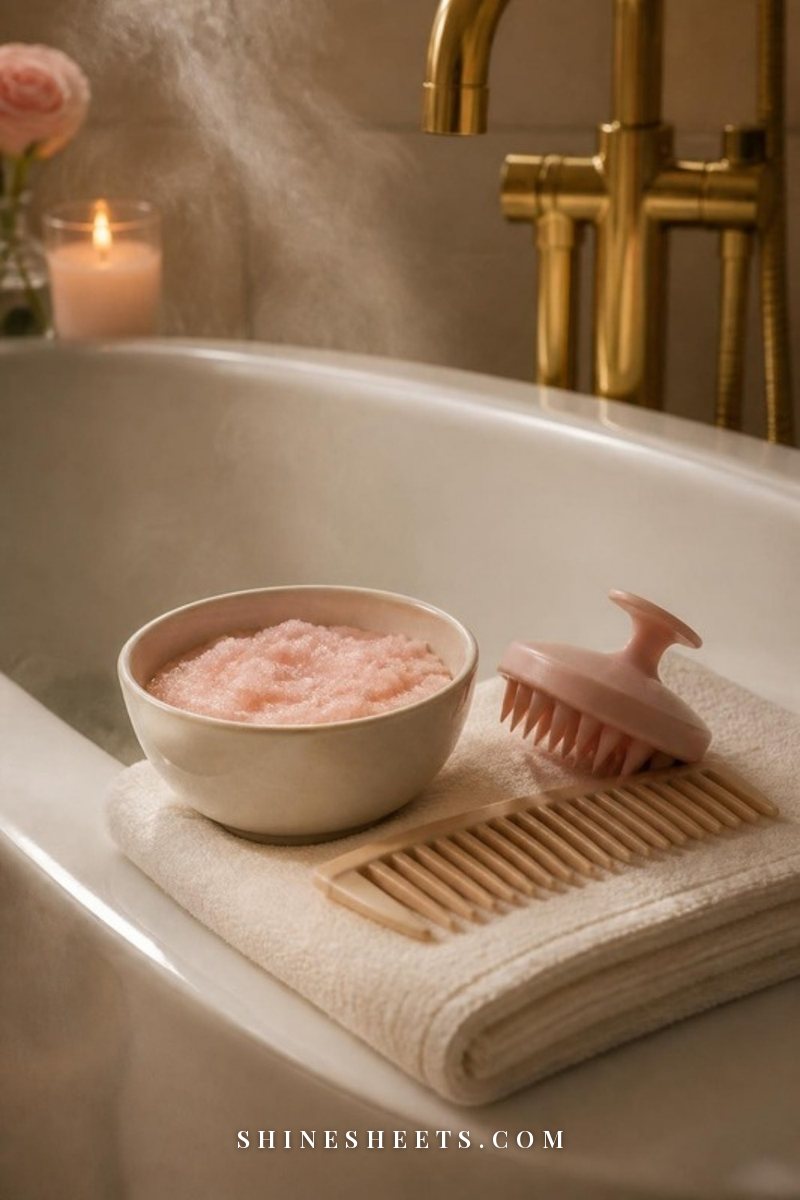
This is the routine for a physical scrub or a brush. If you're using a leave-on chemical serum instead, skip to the note after the steps.
- Detangle dry hair first. Before you get in the shower, run a wide tooth comb through your hair from ends to roots. Tangles plus scrub plus water equals breakage, and a quick detangle prevents that.
- Section if your hair is thick. Loosely part your hair into four sections (two in front, two in back) with your fingers. This lets you reach the scalp instead of just rubbing the top layer of hair.
- Wet your hair with lukewarm water. Hot water feels nice but strips and stimulates more oil. Lukewarm is enough to loosen buildup.
- Apply a small amount of scrub to the scalp, not the lengths. About a teaspoon for medium hair, a little more for thick or long hair. Apply it along your parts, directly on the skin.
- Massage in small circles for 2 to 3 minutes. Use your fingertips (never nails) or a silicone brush. Work from the hairline back to the nape, section by section. Light pressure, slow circles. This is the part that should feel like a mini scalp massage, not a workout.
- Rinse thoroughly, then shampoo once. Rinse for a full minute, longer than feels necessary, to get every particle out. Then shampoo as usual. On a buildup-heavy week, a clarifying shampoo in place of your regular one finishes the job (once a week or less, since it can be drying).
- Condition the lengths only. Apply conditioner from mid-lengths to ends, keeping it off the freshly cleaned scalp, then rinse with cool-ish water.
For leave-on chemical serums: apply to a clean, towel-dried scalp along your parts, a few drops per section. Massage in gently for about 30 seconds and leave it on. Follow the product's directions for frequency, and don't scrub on the same day.
A simple formula to remember: detangle + lukewarm + small amount + small circles + long rinse. If you get those five right, the product matters much less than you'd think.
How Often To Exfoliate Your Scalp
This is where most people go wrong, usually by doing too much. The scalp has its own protective barrier, just like your face, and over-exfoliating can leave it red, tight, itchy, or oilier than before (because it tries to compensate).
As a general guide:
- Oily scalp or heavy product use: once a week.
- Normal scalp: every 1 to 2 weeks.
- Dry scalp: every 2 to 4 weeks, with a gentle method.
- Sensitive scalp: once a month at most, or only a soft silicone brush.
A silicone brush used gently during shampooing doesn't really count as a full exfoliation, so most people can use one at every wash. Scrubs and acid serums are the ones to space out.
Start at the lower end of your range for the first month. If your scalp feels calm and your roots stay fresher longer, keep going. If it feels tight or itchy, stretch the gap.
Your Scalp Type Plan
Here's the table I promised. Find your scalp type, check the method and frequency, and screenshot it so you have it in the bathroom.
| Scalp type | How it feels | Best method | How often | Extra tip |
|---|---|---|---|---|
| Oily | Roots greasy within a day, hair flat at the crown | Salicylic acid scrub or BHA shampoo, plus a silicone brush | Once a week | Clarify every 2 to 4 weeks if you use a lot of product |
| Dry | Tight, sometimes itchy, fine powdery flakes | Gentle lactic acid serum or a soft brush | Every 2 to 4 weeks | Follow with a lightweight hydrating scalp serum |
| Flaky (buildup flakes) | Small dry flakes that brush off, no soreness | Salicylic acid treatment, then a gentle shampoo | Once a week for a month, then every 2 weeks | If flakes are greasy, yellow or stubborn, see a dermatologist |
| Sensitive | Reacts to fragrance, stings easily, turns pink | Silicone brush only, fragrance-free shampoo | Once a month at most for anything stronger | Patch test any new product behind the ear first |
| Normal | Comfortable, roots last 2 to 3 days | Fine-grain scrub or a brush | Every 1 to 2 weeks | Exfoliate more often only in heavy product weeks |
One note on flakes: dry, small flakes from buildup are different from dandruff, which tends to come with oilier, larger flakes and itching that keeps coming back. My guide on how to get rid of dandruff explains the difference and what tends to help.
Who Should Skip It (or Wait)
Scalp exfoliation is gentle when done right, but there are times to put it on pause. Please skip it, or wait, if any of these apply:
- Your scalp is already irritated. Redness, soreness, open scratches, or burning mean the barrier needs to heal first, not be scrubbed.
- You have a sunburned scalp. Your part line burns more easily than you think. Wait until the skin has fully calmed and stopped peeling.
- You just colored, bleached, or chemically treated your hair. Give it at least a week. Fresh color fades faster with exfoliation, and a scalp that has just been through bleach is already sensitized.
- You have a diagnosed scalp condition. Psoriasis, eczema, or seborrheic dermatitis need a plan from a dermatologist, and scrubbing can make flare-ups worse.
- You notice sudden or patchy hair shedding. That's worth a doctor's visit before any new routine.
And a gentle note: if flaking, itching or soreness keeps coming back despite a careful routine, please see a dermatologist. Persistent symptoms can have causes that over-the-counter products won't fix, and there are good treatments available. You're not being dramatic by asking.
Aftercare: What To Do After a Scalp Scrub
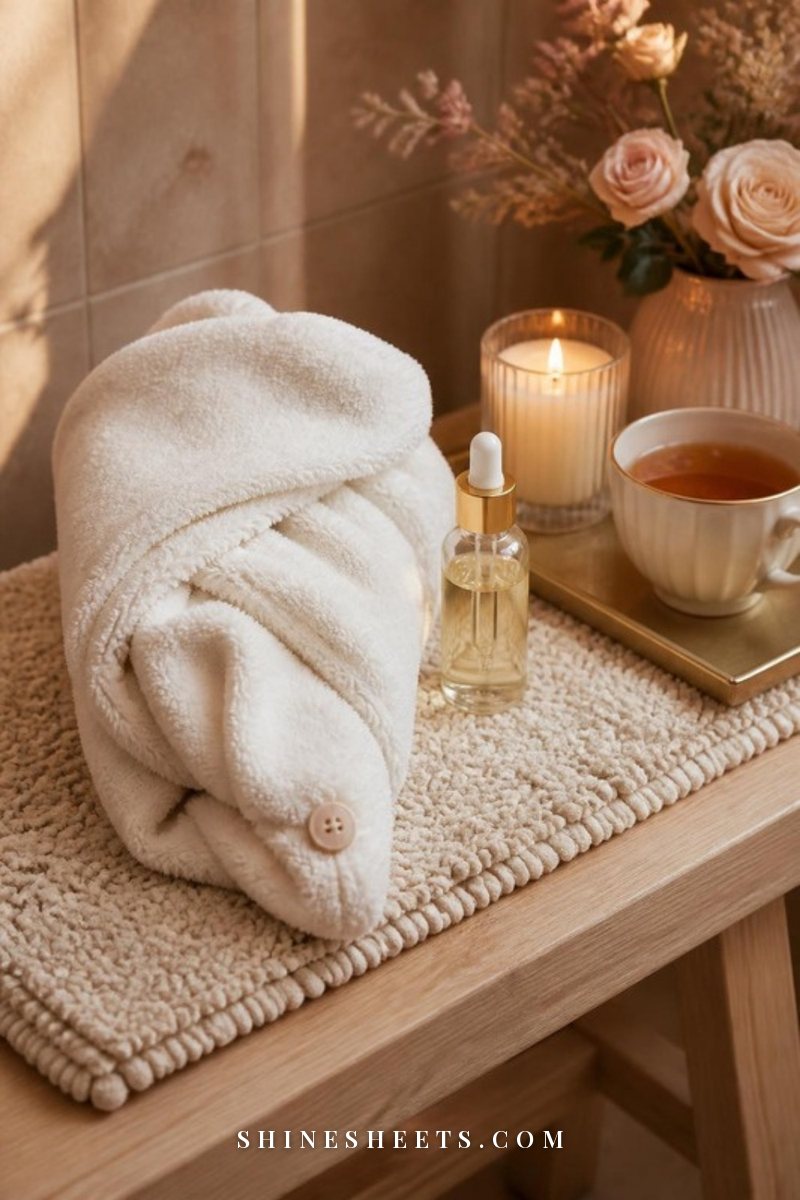
Aftercare is the step most people skip, and it's what makes the difference between "my scalp feels amazing" and "why is my scalp itchy now."
- Blot, don't rub. Squeeze water out of your hair and wrap it in a soft microfiber hair towel wrap for 10 to 15 minutes. Rough towel-rubbing on a freshly exfoliated scalp can irritate it.
- Add a light hydrating serum if your scalp feels tight. A few drops of a lightweight hydrating scalp serum with ingredients like niacinamide, panthenol, or hyaluronic acid can calm and comfort. Skip heavy oils on an oily scalp.
- Use lower heat when drying. If you blow-dry, keep it on medium heat and hold the dryer several inches away from your roots.
- Skip dry shampoo for a day or two. You just cleared the buildup. Give your scalp a short break before adding powder back.
- Protect your part outdoors. A freshly exfoliated scalp can be more sun-sensitive, so a hat or a scalp-friendly sunscreen spray on sunny days is a kind habit.
- Keep the rest of the week simple. No new actives, no extra scrubs, just your usual gentle shampoo and conditioner.
If your lengths feel dry after all that cleansing, look at your conditioner and treatments rather than your scalp routine. Knowing your hair porosity helps you choose conditioners and masks that actually suit your lengths, so you can keep your roots clean and your ends soft at the same time.
5 Mistakes That Make Scalp Exfoliation Backfire
Most "scalp exfoliation made it worse" stories come down to one of these. They're easy to fix once you know them.
1. Exfoliating Too Often
Weekly is the maximum for most people. Daily scrubbing stresses the scalp barrier and can make oiliness and itching worse, not better. If you love the feeling, use a silicone brush with your shampoo and save scrubs for once a week.
2. Using Your Nails
Nails create tiny scratches that sting and can get irritated. Always use the pads of your fingers or a soft brush, and keep your pressure light.
3. Doubling Up on Methods
A scrub, an acid serum, and a clarifying shampoo all in one evening is a lot. Choose one exfoliating step per session. If you use a clarifying shampoo, let that be your exfoliation for the week.
4. Not Rinsing Long Enough
Leftover scrub particles and product residue can leave your scalp itchy and your hair dull, which defeats the purpose. Rinse for at least a full minute, lifting sections of hair so the water reaches the roots.
5. Expecting It To Fix Everything
Exfoliation clears buildup. It doesn't treat dandruff conditions, hair loss, or hormonal changes. If something feels off for more than a few weeks, that's a sign to ask a professional, not to scrub harder.
Final Thoughts
A healthy scalp isn't about doing more. It's about clearing what doesn't belong there, now and then, and then letting your skin rest. Start with the gentlest method that suits your scalp type, keep it to once a week or less, and pay attention to how your roots feel over the next month.
Give yourself the small luxury of a slow scalp massage on reset night, with a warm towel, an evening tea and a candle on the counter. Clean roots, calm skin and hair with a little more lift are well within reach, one gentle wash at a time.