The best sunscreen in the world only works for as long as it stays on your skin. Sweat, oil, touching your face, a mask strap, a scarf, even blotting – all of it slowly wears your morning layer thin. That's why reapplying matters, and that's also why so many of us skip it: nobody wants to smear lotion over a face of makeup they actually liked.
The good news is that you don't have to choose between protecting your skin and keeping your makeup looking fresh. You just need the right method for the right moment, and a realistic idea of what each one can (and can't) do.
This guide covers how to reapply sunscreen over makeup without ruining your base: when you actually need to reapply, how to prep your face first, six methods with exact steps, a comparison table so you can pick the right one in seconds, and what to keep in your bag. I'll also be honest about which top-ups are "real" protection and which are a helpful extra.
Why Reapplying Sunscreen Matters
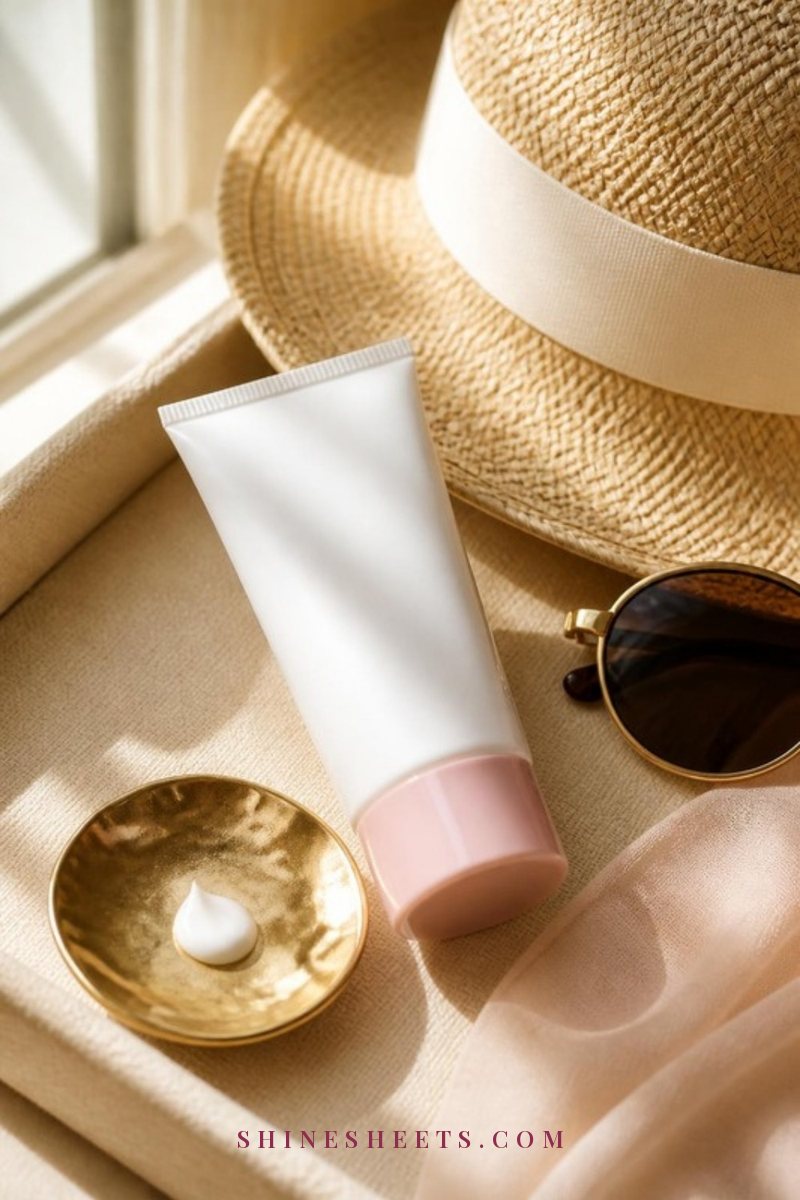
Sunscreen isn't a force field you put on at 7 a.m. and forget. It's a thin film, and that film breaks down. The filters themselves can degrade with sun exposure, and the layer physically moves around as your skin produces oil, as you sweat, and every time your hands, hair or phone touch your face.
By lunchtime on a sunny day, the protection you carefully applied in the morning may be patchy – thinner on the nose, around the mouth and along the jaw, which are exactly the places that tend to get the most sun. Reapplying fills those gaps back in.
It's also worth knowing what sunscreen protects against beyond sunburn: UVA rays are linked to dark spots, uneven tone and the slow breakdown of collagen, and they come through clouds. If you're investing in serums for fading dark spots, keeping your sunscreen topped up is the step that protects all that effort.
A quick reminder on the basics: your morning sunscreen should be broad-spectrum SPF 30 or higher, applied generously (roughly two finger-lengths for face and neck). Every method below builds on that base layer – none of them replace it. If you're still choosing a formula, my guide to choosing the right sunscreen ingredients walks through mineral and chemical filters in plain language.
How Often To Reapply Sunscreen Over Makeup
The general guidance from dermatologists is simple: reapply every two hours when you're outdoors, and right away after swimming, heavy sweating or towel drying. That's the rule for beach days, outdoor lunches, walks, picnics, gardening, sports games and long errands on foot.
Indoor days are different. If you're at a desk away from windows, your morning layer is doing most of the work, and you don't need to set a two-hour alarm. If you sit right next to a big sunny window, or you'll head out at lunch, one top-up around midday is a sensible middle ground. I go into much more detail in my guide to wearing sunscreen indoors, including how much window light really matters.
Here's a rough way to think about it:
- Mostly indoors, away from windows: morning layer only, or one optional top-up before heading out in the afternoon.
- Indoors by a sunny window or with a commute: one top-up around midday or before you leave.
- Outdoors on and off all day: every two hours.
- Swimming, sweating or a hot day outside: every two hours and after each swim or towel-off – and on these days, I'd lean toward a full reapplication rather than a light top-up.
The Honest Truth About SPF Top-Ups
Before we get into the methods, I want to be really clear about one thing, because beauty marketing can make it fuzzy: SPF powders and SPF sprays are top-ups, not full sunscreen layers.
The SPF number on a bottle is measured using a fairly thick amount of product. Hardly anyone dusts powder or mists spray that heavily, which means you get only a portion of the protection printed on the label. That doesn't make them useless – a top-up is much better than nothing, and it helps fill in the spots where your morning layer has worn away. It just means they work best as a supplement to a proper base, not as your only protection on a long day outside.
Think of it like this: your morning lotion or cream is the foundation of your house. Powder and spray are the touch-up paint. For a quick afternoon refresh on an ordinary day, touch-up paint is great. For a beach day, you want to rebuild.
This is also why I'd never skip the morning layer in favor of "my foundation has SPF in it." Foundation and powder alone are rarely applied thickly enough to give you the number on the label.
Before You Start: Blot First
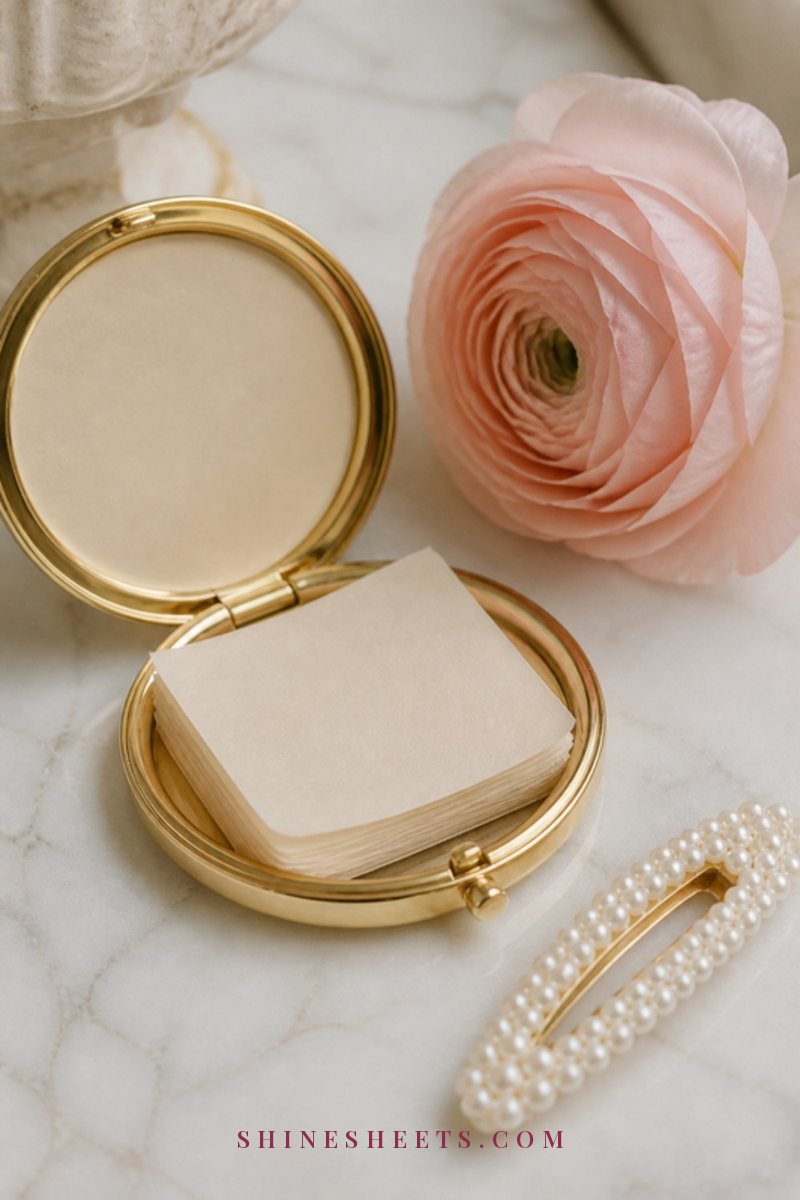
This is the step that makes every method below work better. By midday, most of us have some oil and sweat sitting on the surface of the skin. If you layer sunscreen straight on top, it mixes with that oil, slides around and can make your makeup look patchy or greasy.
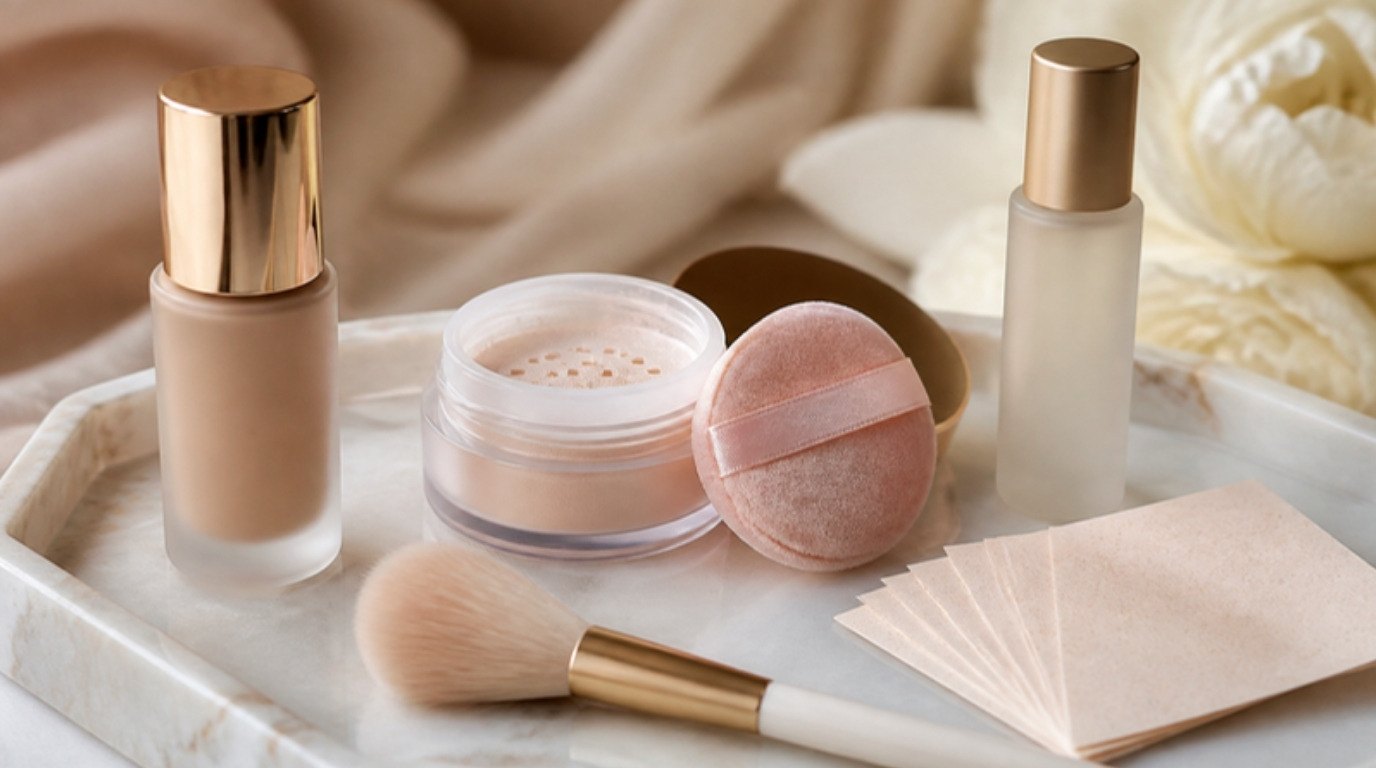
Gently press a pack of blotting papers onto your T-zone, then anywhere else that looks shiny. Press and lift – don't rub, or you'll move your foundation. One sheet per area is usually enough. With my combination skin and very shiny T-zone, I blot the forehead, nose and chin and leave my cheeks alone, because they're usually fine.
If you don't have blotting papers, a clean tissue split into a single thin layer works in a pinch. Once your skin looks a little less shiny, you've got a clean canvas for the next layer, and your top-up will sit more evenly.
6 Ways To Reapply Sunscreen Over Makeup
Each method has its own strengths. Read through them once, then use the comparison table further down to decide which one (or two) fits your day.
1. SPF Setting Spray
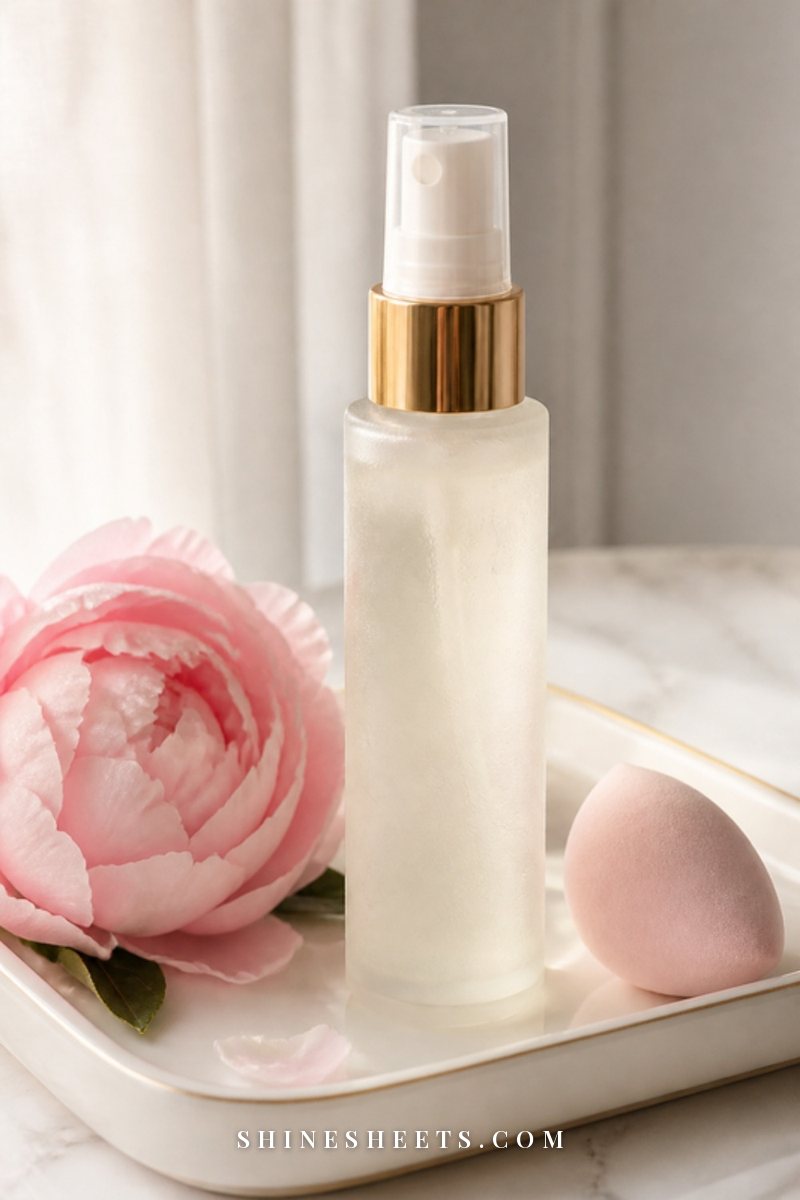
A setting spray with sunscreen is the easiest option for keeping makeup intact, because nothing touches your face. It's also the one people tend to under-apply.
- Blot first, as above.
- Close your eyes and mouth and hold your breath for a moment – you never want to breathe in a mist.
- Hold the bottle about 6–8 inches from your face.
- Mist in a slow "X" and then a "T" shape so every area gets coverage.
- Repeat for three to four full passes until your skin looks evenly dewy, not just lightly spritzed.
- Let it dry for a minute, then gently pat (don't rub) with clean fingertips if needed.
Look for an SPF 50 setting spray made for faces, labeled broad-spectrum, with a fine, even mist. A spray that comes out in big droplets will spot your makeup. Never spray toward your eyes or in a closed, poorly ventilated room, and spray onto your hands first for the area right around the eyes if you prefer.
Best for: an office day with an afternoon walk, dewy or natural makeup, and anyone who hates touching their face. Less ideal for: windy days (the mist blows away) or a long day at the beach.
2. SPF Powder
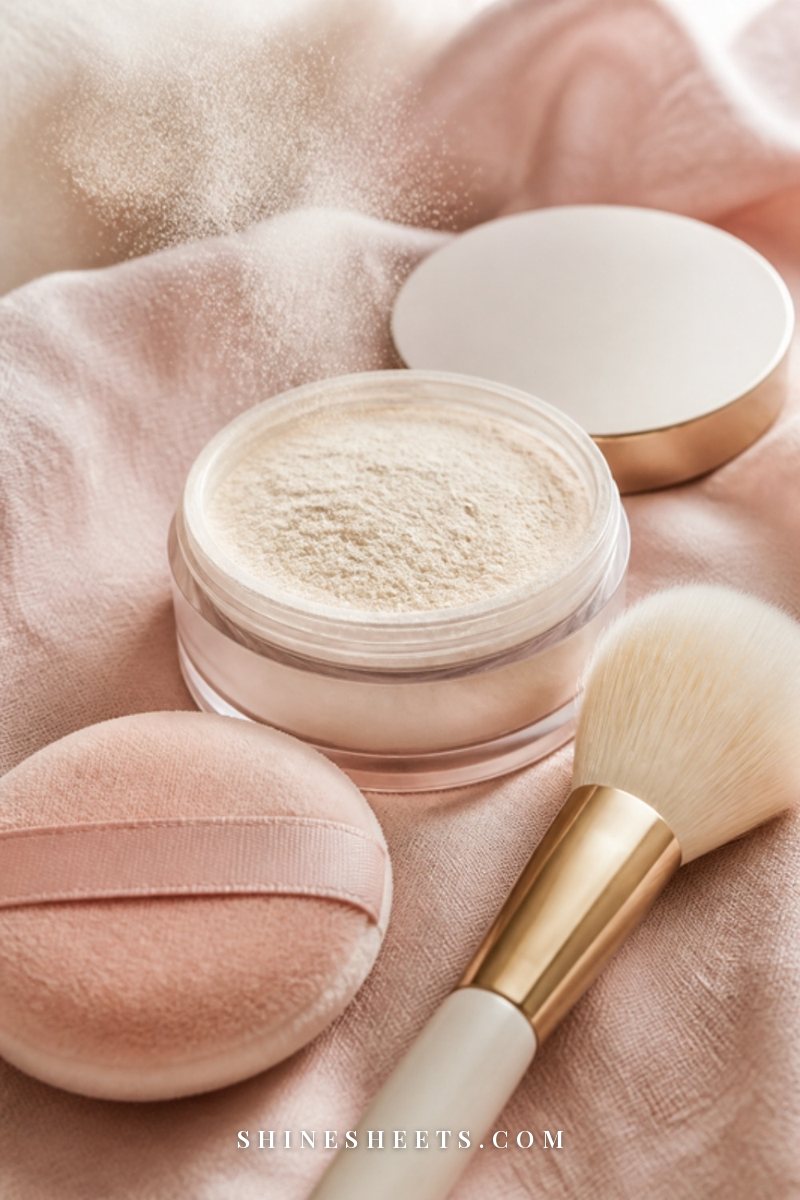
A mineral sunscreen powder doubles as a mattifier, which makes it a favorite for oily and combination skin. The trick is to use more than feels natural.
- Blot your skin first.
- Tap the brush into the powder, then tap off the excess on the lid.
- Press and roll the brush over your face rather than sweeping, so you deposit powder instead of moving makeup.
- Build several layers – think three or four rounds – focusing on your nose, cheekbones, forehead and upper lip.
- Finish with a quick, light sweep down to blend any visible powder.
A mineral SPF powder with a built-in brush is handy because it lives in your bag without spilling. Look for zinc oxide or titanium dioxide, a sheer or lightly tinted shade, and broad-spectrum on the label.
A quick caution: too many layers on dry skin can look cakey. If your skin is dry, keep powder for the T-zone and choose a spray or stick for the rest. And if you're torn between powder and spray in general, my comparison of setting powder vs setting spray explains how each one behaves on different skin types.
3. Sunscreen Stick
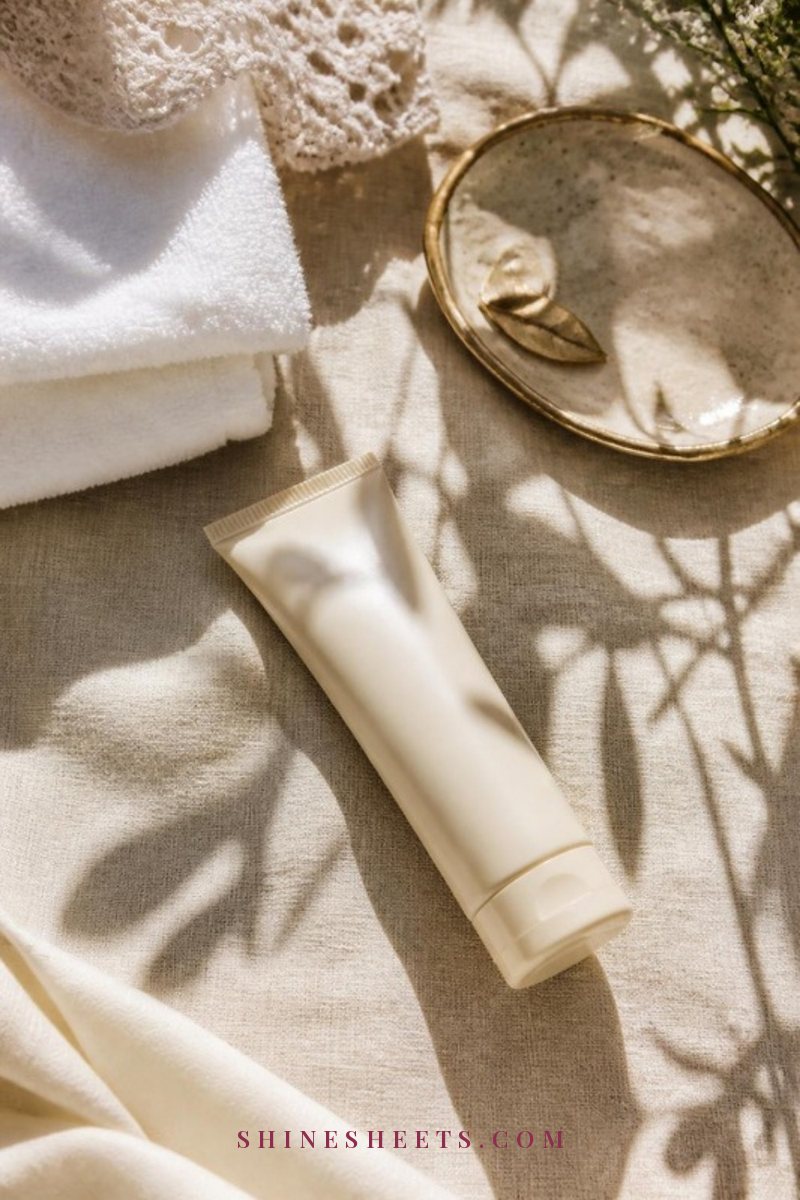
Sunscreen sticks are compact, mess-free and give you a more substantial layer than powder or spray, which makes them my pick for outdoor days. The key is technique: dragging a stick across foundation will lift it right off.
- Blot first.
- Glide the stick lightly over the high points – nose, cheekbones, forehead, chin – with almost no pressure.
- For the area around foundation-heavy zones, press the stick onto a fingertip instead and pat it on.
- Use small pressing motions to blend; don't swipe.
- Repeat for a second pass on the nose and cheekbones, where you burn first.
A clear sunscreen stick for the face is the most foolproof choice because it won't leave a white or tinted cast on top of your foundation. Look for broad-spectrum SPF 50, a non-greasy finish and a shape small enough for your bag.
Best for: hikes, outdoor events, kids' games, beach days, and touching up the nose and ears. Less ideal for: very full-coverage makeup, unless you pat carefully.
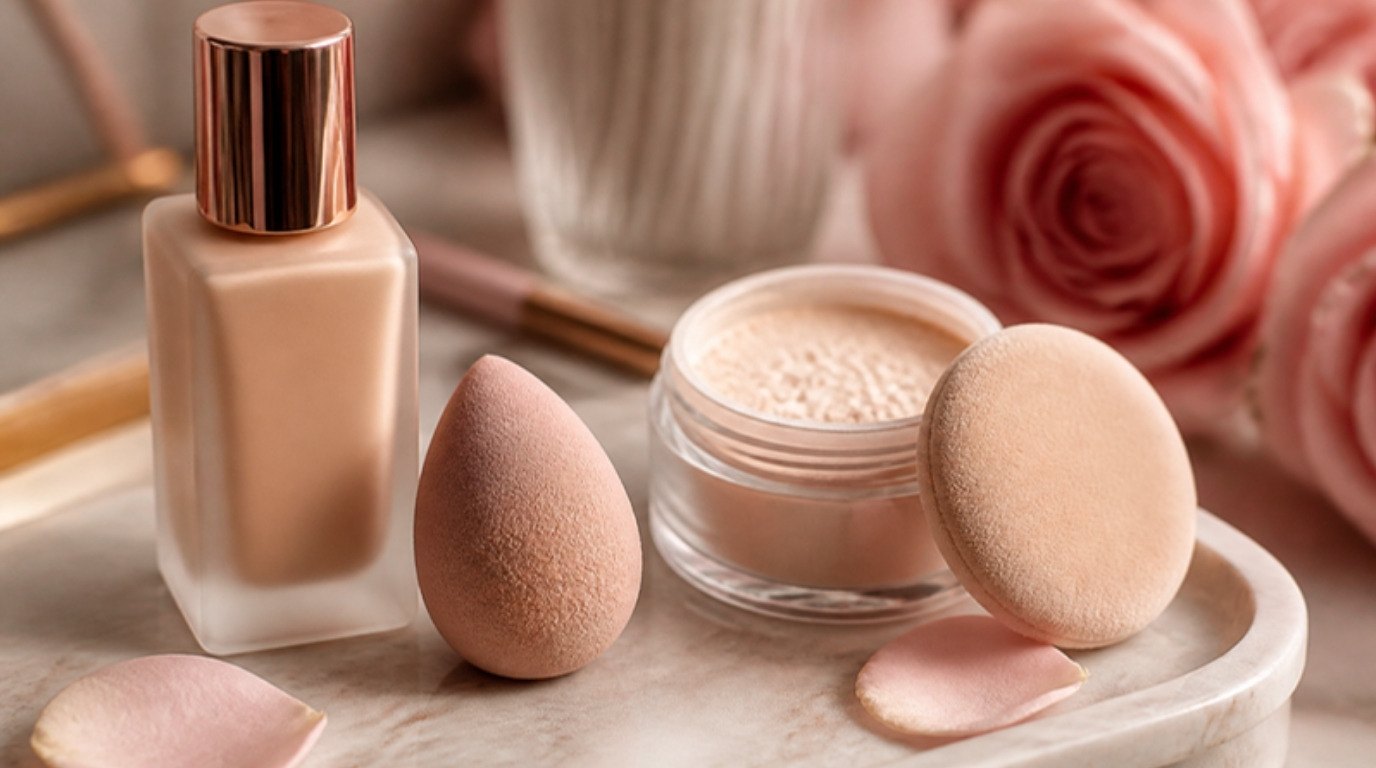
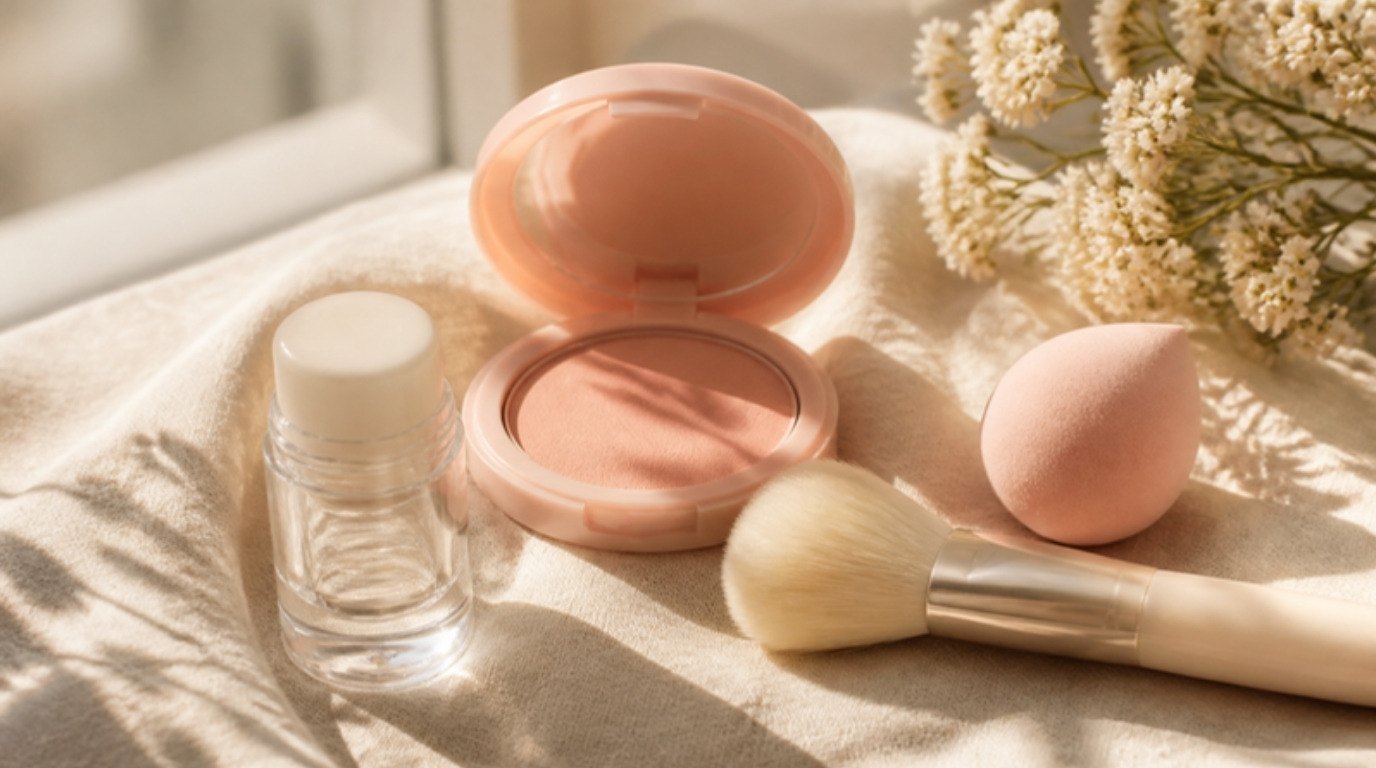
4. Sunscreen With a Damp Sponge
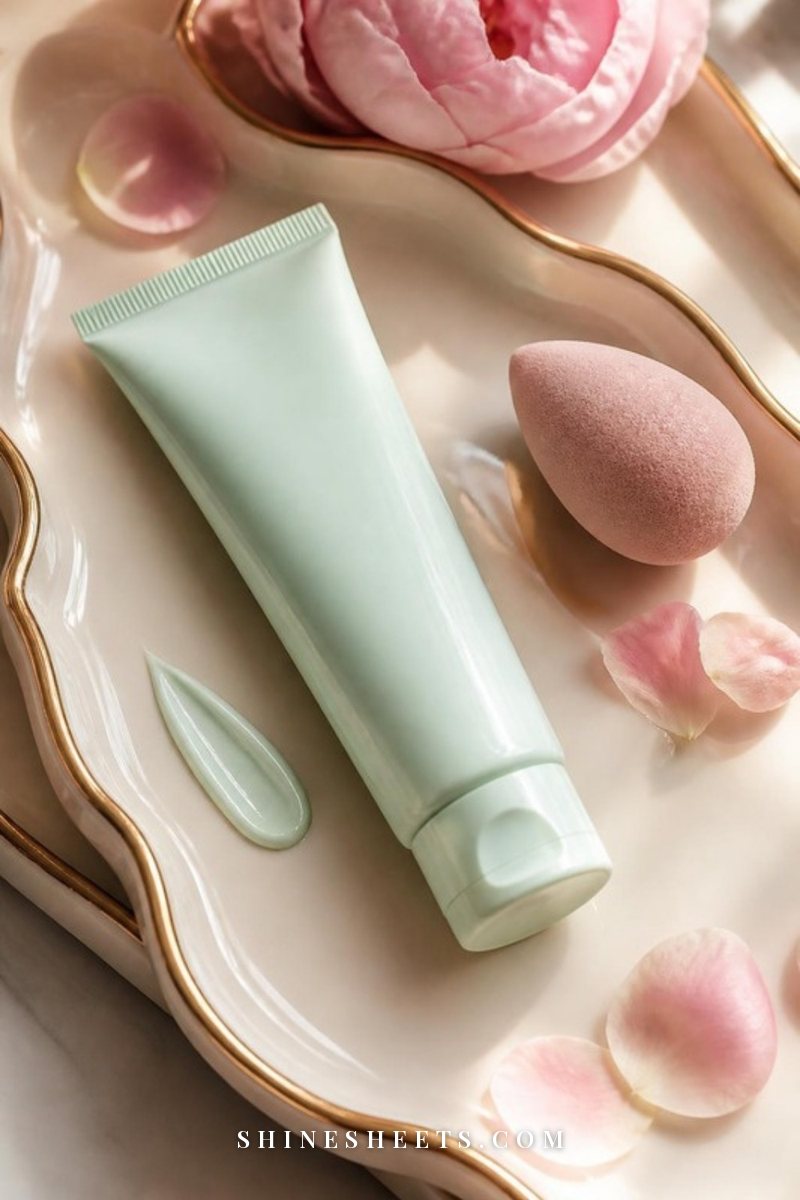
This is the closest you'll get to a true, full sunscreen layer without removing your makeup – and it's surprisingly gentle on your base when you do it right.
- Dampen a sponge and squeeze it until it's barely damp.
- Squeeze a small amount of your regular sunscreen (a lightweight fluid works best) onto the back of your hand.
- Tap the sponge into the sunscreen.
- Press it lightly over your face section by section – forehead, nose, cheeks, chin. Press, lift, move. No dragging.
- Go back for a second round until you've used a generous amount.
- Let it settle for two minutes, then blot or dust a tiny bit of powder if you feel shiny.
A soft, clean makeup blending sponge is all you need. Wash it regularly, because a damp sponge in a bag is a happy home for bacteria.
Best for: long outdoor days when you want real coverage, and lighter makeup looks. If you wear a full-coverage base, expect a softer, more sheer finish afterward – which honestly looks lovely by mid-afternoon anyway.
5. Tinted SPF Over Foundation
If your morning foundation is fairly light, a tinted sunscreen can work as both your top-up and your touch-up. You're essentially adding a sheer second layer of coverage that happens to protect your skin.
Use the same pressing technique as above, with a sponge or fingertips. Start with a pea-sized amount on the areas that look uneven or have worn off (usually around the nose and chin), then press it outward. Stick to a shade that matches your foundation, or one a touch lighter, so you don't build up a darker mask by evening. This method is lovely for a foundation that needs to last all day – it refreshes coverage and protection in one step.
6. The Full Reset
Sometimes the cleanest option is starting over. After the beach, a run, a sweaty summer commute or a long cry (it happens), your makeup is probably already halfway gone.
- Remove makeup with a gentle cleansing wipe or micellar water on a cotton pad.
- Pat your skin dry.
- Apply a full layer of sunscreen – the full two-finger amount.
- Wait two to three minutes for it to set.
- Re-apply only what you need: concealer, a little blush, mascara, lip color.
This takes about ten minutes, but it gives you true protection and a fresher face than any amount of layering over a sweaty base.
Method Comparison Table
Here's how the methods compare at a glance. "Protection level" is about how much sunscreen you realistically add in normal use, not what the label says.
| Method | Protection level | Best for | Finish |
|---|---|---|---|
| SPF setting spray | Light top-up | Office days, dewy makeup, no-touch touch-ups | Dewy, refreshed |
| SPF powder | Light top-up | Oily and combination skin, shiny T-zone | Matte, soft-focus |
| Sunscreen stick | Medium | Outdoor days, nose, cheekbones, ears | Natural to slightly dewy |
| Sunscreen with a damp sponge | Medium to high | Long days outside, lighter makeup | Natural, sheer |
| Tinted SPF over foundation | Medium | Light-coverage bases, uneven areas | Even, skin-like |
| Full reset | High (full layer) | After swimming, heavy sweating, beach days | Fresh, like morning |
My own rule: on ordinary days, a spray or powder. On outdoor days, a stick or the sponge method. After swimming, a full reset. Screenshot the table if it helps you decide in the moment.
How To Keep Your Makeup Intact
A few small habits make every method look smoother:
- Press, never rub. Rubbing is what lifts foundation. Pressing and rolling keeps it in place.
- Start with a long-wearing base. A primer and a thin layer of foundation hold up to top-ups far better than a thick layer.
- Let your morning sunscreen set. Give it three to five minutes before foundation so the layers don't pill.
- Use thin layers. Two light rounds of anything look better than one heavy one.
- Touch up color last. After your sunscreen layer, add a little blush or bronzer back where it faded.
- Keep your tools clean. A dirty sponge or brush drags old product (and oil) around.
If you have oily skin and find everything slides by noon, my tips on makeup for oily skin will help your base hold up so top-ups have something solid to sit on.
Mineral Options for Sensitive Skin
If your skin stings or turns red easily, mineral formulas with zinc oxide or titanium dioxide are often the gentlest choice for top-ups, and they're the base of most SPF powders anyway. Fragrance-free is a good extra filter to use when shopping. Patch test any new sunscreen on your jawline or inner arm for a few days before putting it all over your face, and if a product keeps causing redness, burning or breakouts, a dermatologist can help you find one that works with your skin.
What To Carry in Your Bag
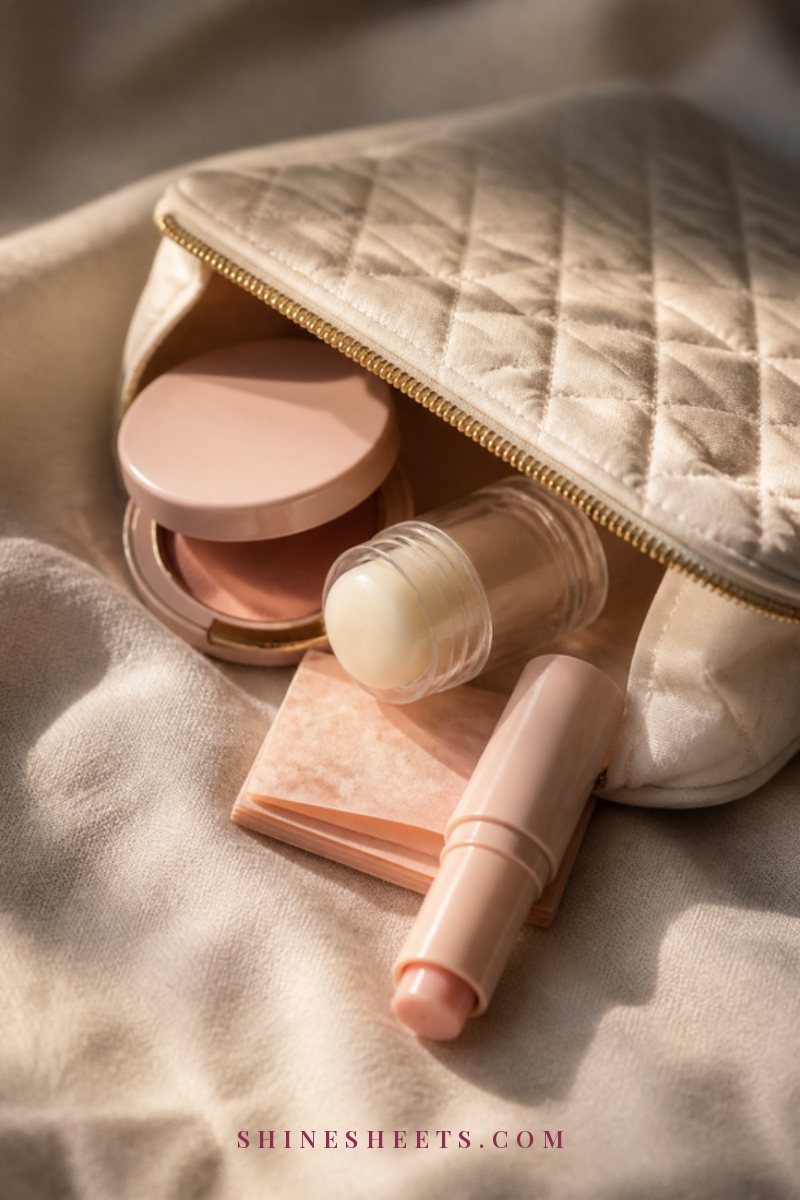
The easiest reapplication is the one that's already in your bag. A small, dedicated pouch means you never have to wonder where your sunscreen went. A cream quilted travel pouch keeps everything together and makes it easy to move between bags.
Here's what I'd put in it:
- One reapplication product (a spray, powder or stick – whichever fits your days most)
- A small pack of blotting papers
- A clean sponge in a small case, if you use the sponge method
- A lip balm with SPF – lips burn too
- A mini concealer for quick touch-ups after your top-up
Keep the pouch out of a hot car and direct sun when you can. Heat can break down sunscreen faster and change the texture of sticks and creams. And check the expiry date once a season – sunscreen loses strength over time.
A Simple Reapplication Routine for Your Day
If you like having a plan rather than remembering rules, here's a routine you can adapt:
- Morning: full layer of broad-spectrum SPF 30+, let it set, then makeup.
- Midday: blot, then mist with SPF spray or press on SPF powder.
- Before heading outside in the afternoon: blot, then stick on the nose and cheekbones or the sponge method all over.
- After a swim or a workout: full reset.
- Evening: cleanse thoroughly to remove all those layers – double cleansing works beautifully here.
Pairing reapplication with something you already do helps it stick. Lunch, leaving the office, or the moment you put on sunglasses are all easy cues.
Common Mistakes To Avoid
- Relying on makeup SPF alone. Your morning sunscreen layer is the non-negotiable part.
- One quick mist and done. Sprays need several full passes to make a difference.
- Forgetting the edges. Ears, hairline, neck and the backs of your hands get a lot of sun too.
- Skipping it on cloudy days outdoors. UVA rays don't care about clouds.
- Using an old, hot-car sunscreen. If the texture has separated or the date has passed, replace it.
- Rubbing. It's worth saying twice – press, don't rub.
Final Thoughts
Reapplying sunscreen over makeup doesn't need to be perfect to be worth it. A few presses of a stick or a few passes of spray are far better than nothing, and on the days you're outside for hours, a proper layer is a small act of care for the skin you'll have for years.
Pick one method that fits your usual day, tuck it into your bag, and let it become as automatic as reaching for your lip balm. Your future skin will be quietly grateful.