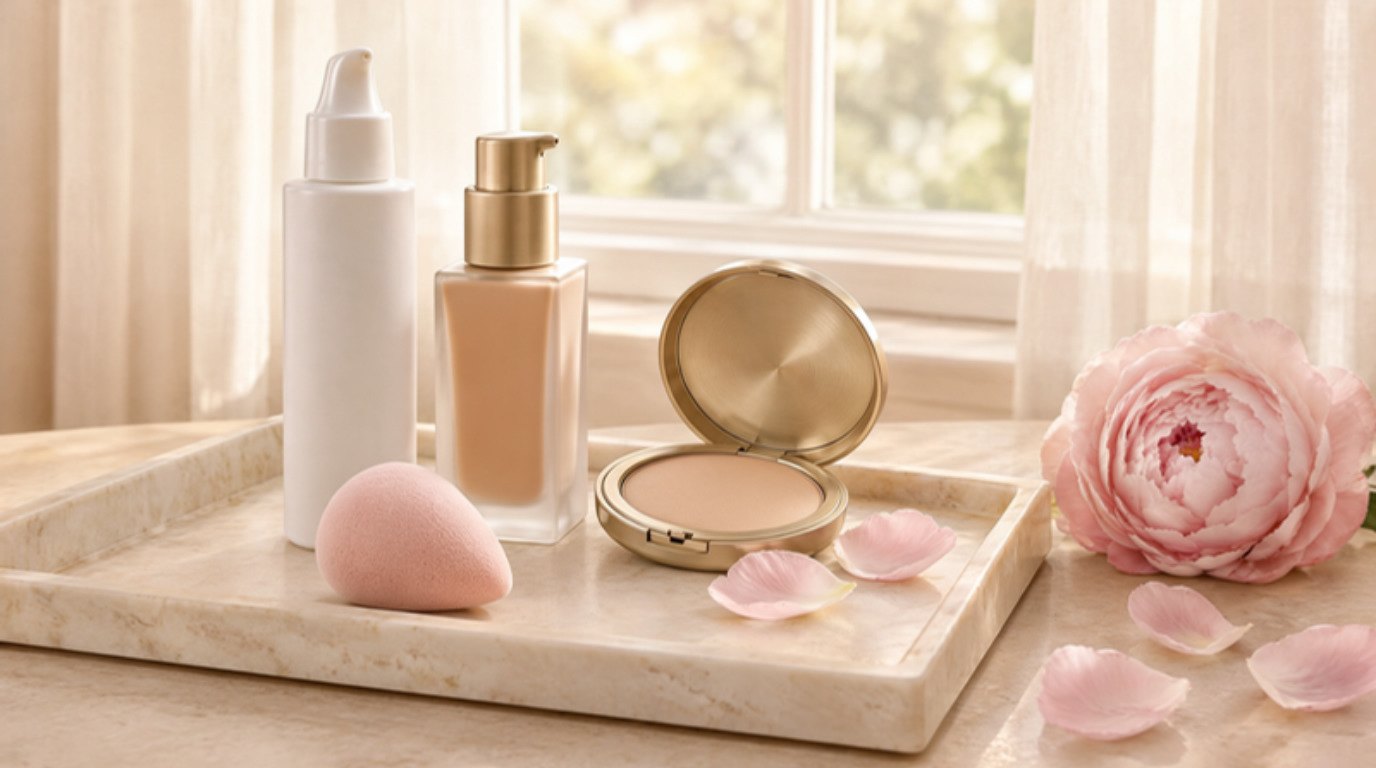
Here is the gentle truth about SPF in makeup: it helps, but it rarely protects you enough on its own. Not because the SPF number on the bottle is fake, but because of how much makeup you actually wear. To get the protection printed on the label, you would need to apply far more foundation or powder than anyone puts on their face.
That doesn't mean your SPF foundation was a waste. It just means it works best as a bonus layer, not the main event. Think of it like a cardigan over a coat on a cold day. Nice to have, but you wouldn't go out in just the cardigan.
In this guide, I'll walk you through the honest answer to whether SPF in makeup is enough, why it falls short, when it's a lovely extra, how to layer sunscreen and makeup so nothing pills or slides, how to top up during the day, and five myths worth letting go of. There's also a simple table that shows each product type side by side.
No scare tactics here. Just clear, calm information so your morning routine actually does what you want it to.
The Short Answer: Is SPF in Makeup Enough?
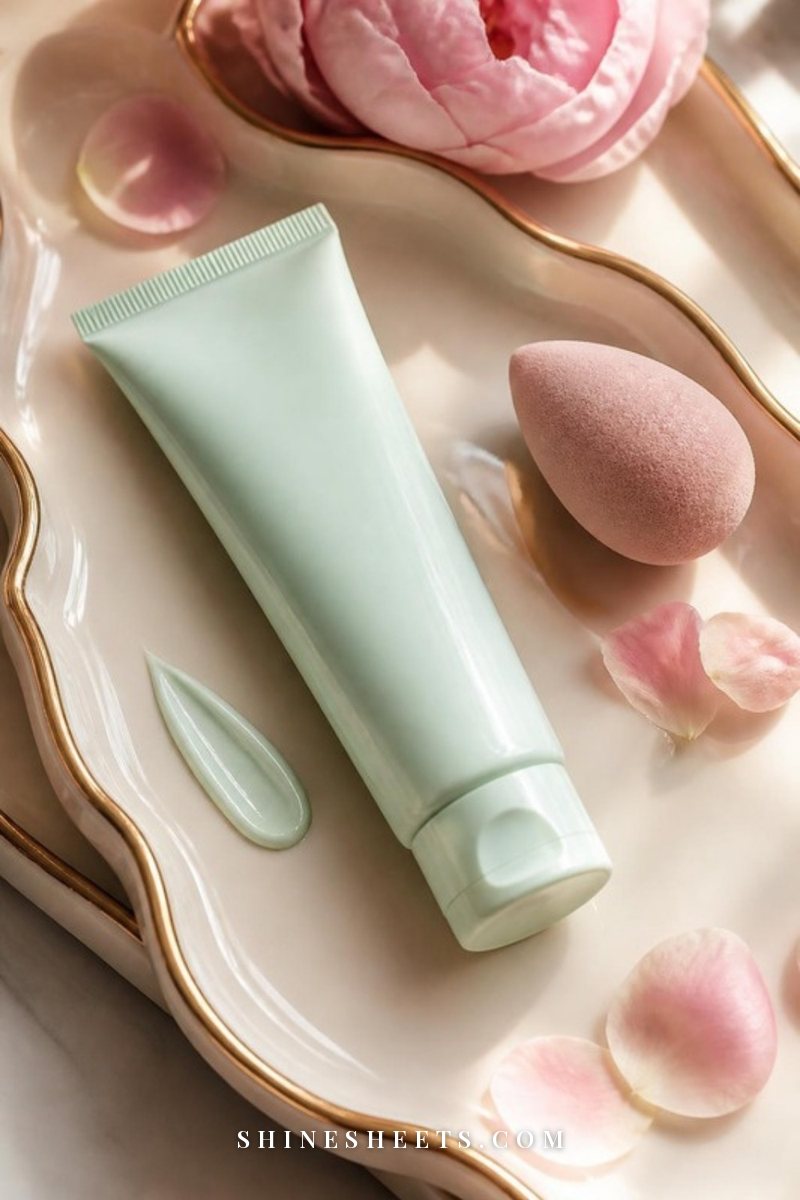
For most people, most days: no, not on its own. SPF foundation, tinted moisturizer and powder can add a little extra protection, but they usually can't replace a dedicated sunscreen applied in a full layer.
The reason is simple. SPF numbers are measured in a lab using a generous, even layer of product. Real life looks very different. You dot foundation where you need it, blend it thin, maybe skip the edges of your face, and powder goes on in the lightest dusting. The protection you end up with is often a fraction of what the label promises.
The easiest rule I know is this: sunscreen does the protecting, makeup does the polishing. If your makeup also has SPF, wonderful. Consider it a small bonus that fills in any gaps.
If you're not sure how much sunscreen a "full layer" really is, my guide to how much sunscreen to use on your face with the two-finger rule breaks it down in a way that's easy to remember.
Why Makeup SPF Falls Short
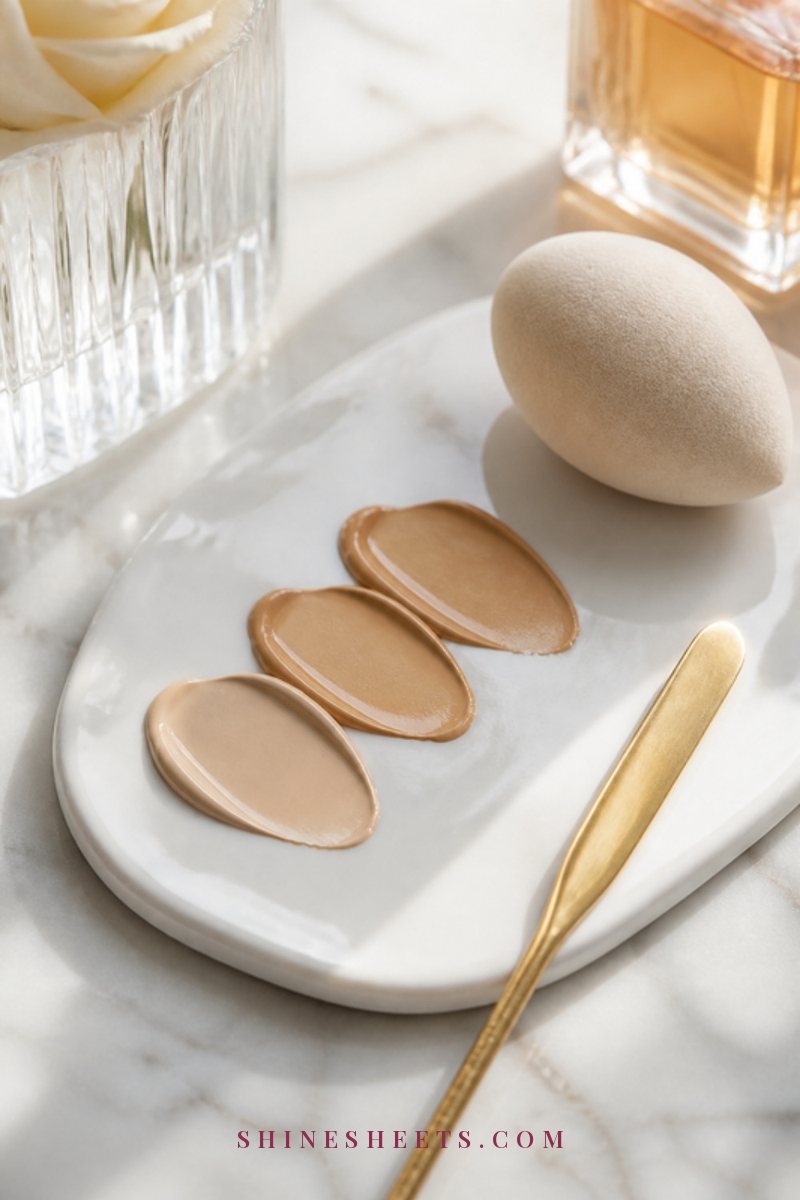
It helps to understand the "why," because once it clicks, you'll stop second-guessing your routine. There are three main reasons.
SPF Is Tested at a Set, Generous Amount
When a product is tested for SPF, testers apply a fixed, fairly thick amount to the skin. It's much more than most of us would ever choose to wear as foundation. Apply less, and you get less protection. The relationship isn't a neat one-to-one, but the direction is always the same: thinner layer, weaker protection.
With sunscreen, applying that amount is realistic. With foundation, it would look heavy, feel cakey and probably settle into every line by lunchtime. Nobody wants that, and nobody should have to.
Makeup Goes On Thin and Uneven
Most of us apply foundation strategically. A little more on redness, a little less on the forehead, barely anything near the hairline, jaw and ears. That's exactly how makeup should be applied, but it means some areas get almost no protection at all.
Sunscreen is different. You spread it everywhere in one even layer, including the spots makeup tends to skip: the sides of your face, under the jaw, around the nose and the tops of your ears.
Powder Layers Are Featherlight
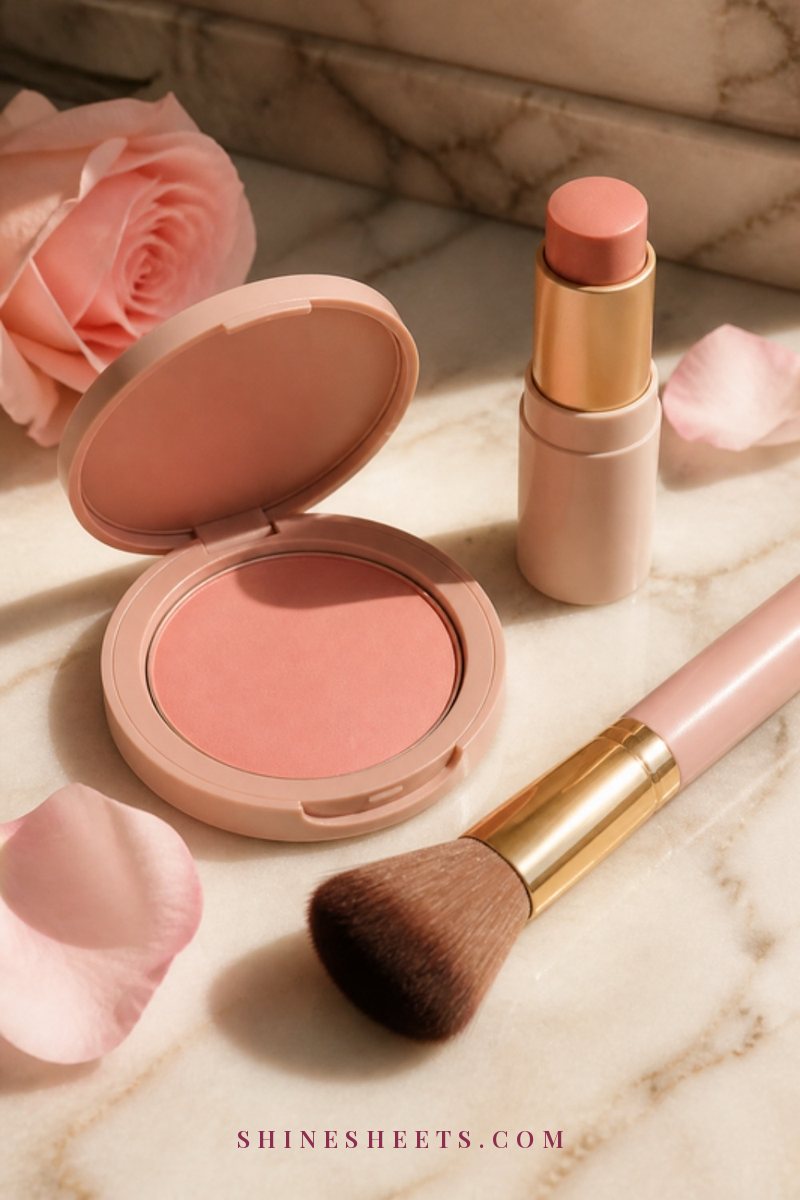
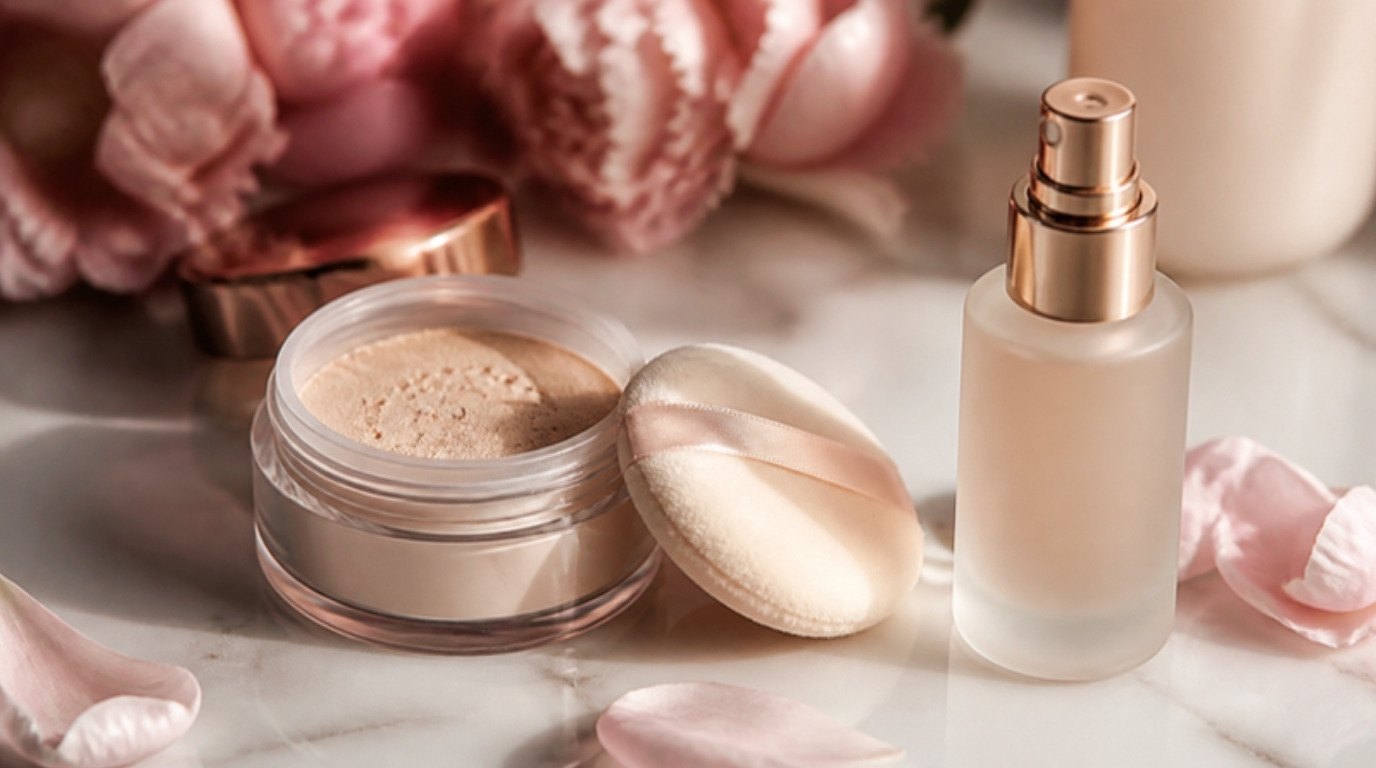
SPF powders are clever, and I really like the idea of them for touch-ups. But think about how you use powder: a light press on the T-zone, a soft sweep on the cheeks. That's a tiny amount of product. To reach the number on the compact, you'd need to keep layering until your face looked dusty.
Powder also tends to sit where you place it and miss everything else. So it's a helpful topper, but not a base layer of protection.
SPF Makeup at a Glance: How Much Protection You Really Get
Here's the side-by-side I wish someone had shown me years ago. Screenshot it if it helps, and use it as a quick gut check when you're choosing products.
| Product | Typical amount used | Protects enough alone? | Best use |
|---|---|---|---|
| Dedicated face sunscreen | A full, even layer (about two finger lengths) | Yes, when applied generously and reapplied | Your main daily protection, every morning |
| SPF foundation | A few drops, blended thin, often uneven | Usually not | A bonus layer on top of sunscreen |
| SPF tinted moisturizer | A sheer layer, sometimes skipped at the edges | Usually not, unless you apply it as generously as sunscreen | Light-coverage days, layered over sunscreen |
| SPF setting powder | A very light dusting | No | Midday top-ups and shine control over makeup |
| SPF setting spray or mist | A few quick spritzes, hard to judge coverage | No | A gentle refresher between proper reapplications |
| SPF cushion compact | A few pats with the puff | Not on its own; better when layered well | Touch-ups on the go, especially on drier skin |
Notice the pattern? The products that feel lightest on your skin are also the ones that protect the least when used alone. That isn't a flaw. They were designed to look beautiful, and the sunscreen underneath does the heavy lifting.
When SPF Makeup Is a Nice Extra
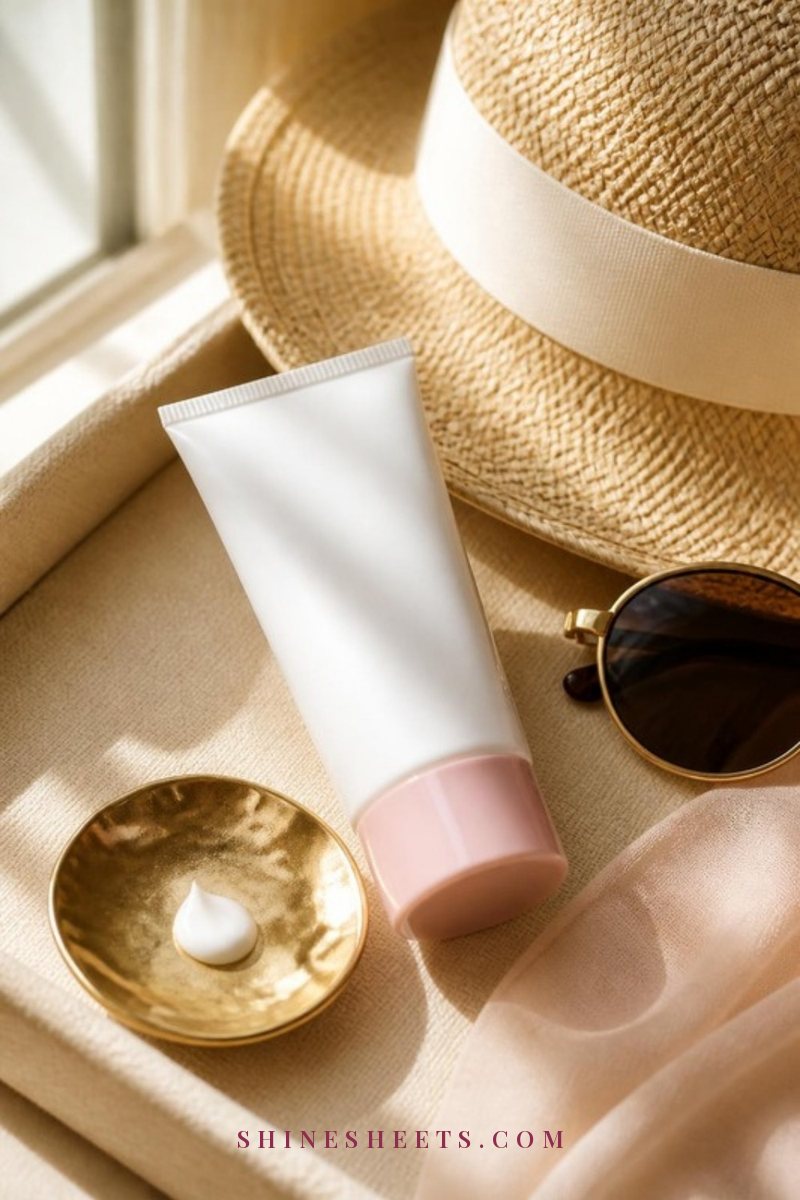
I don't want you to walk away thinking SPF makeup is pointless. It has a real, sweet spot. Here's when I'd happily reach for it:
- On top of sunscreen, every day. An extra layer of protection fills in tiny gaps where your sunscreen might have rubbed off or gone on thinner.
- On busy, mostly indoor days. You still want your sunscreen in the morning, but SPF makeup adds a little reassurance near bright windows. My guide to sunscreen indoors and on cloudy days explains when that daylight really adds up.
- For midday top-ups. When reapplying a full layer of lotion over makeup isn't realistic, an SPF powder or cushion is a much better option than nothing.
- When you'd otherwise skip foundation's finishing touches. If you were going to wear a base anyway, choosing one with SPF costs you nothing.
If you love a sheer, skin-like finish, an SPF tinted moisturizer is a pretty way to even things out while adding that bonus layer. Look for one with broad-spectrum protection, a shade range wide enough for your undertone, and a texture that feels comfortable on your skin type. Mine is combination and sensitive, so I'd choose a fragrance-free, lightweight formula that doesn't make my T-zone shiny by noon.
How To Layer Sunscreen and Makeup the Right Way
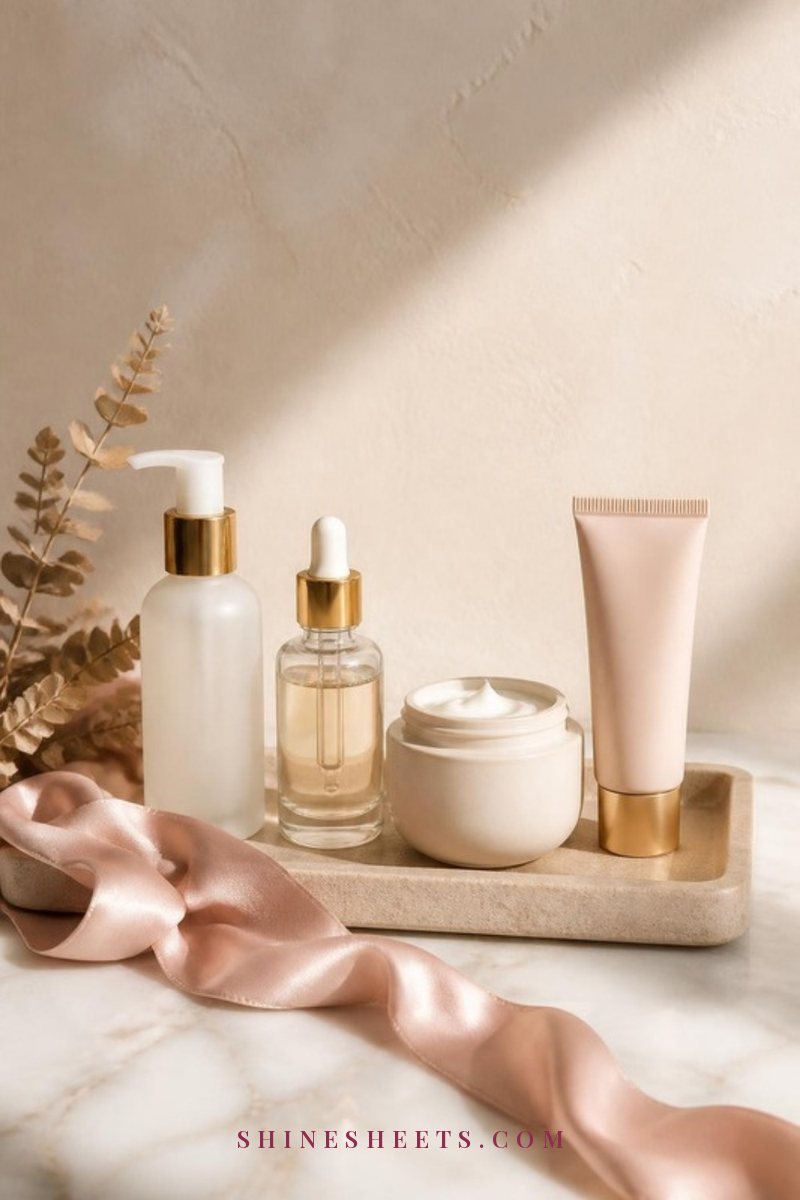
This is where most of the frustration lives. Pilling, patchy foundation, everything sliding by lunch. The good news is that the fix is usually about order and timing, not about buying more.
- Start with light skincare. Cleanse, then apply your usual serum and a light moisturizer if you need one. Keep this step simple. Too many layers underneath is one of the biggest reasons sunscreen pills.
- Give skincare a minute. Wait about a minute or two until your moisturizer no longer feels wet. Brush your hair or make your tea while you wait.
- Apply a full layer of sunscreen. Use the two-finger rule: squeeze sunscreen along the length of your index and middle fingers. Dot it over your forehead, cheeks, nose and chin, then spread it evenly, including your hairline, jaw, ears and neck. A lightweight daily sunscreen fluid makes this much easier, because thin, fast-absorbing textures sit beautifully under makeup.
- Let it set. This is the step everyone skips. Give your sunscreen about five to ten minutes before foundation. It needs time to form an even film, and makeup glides on far more smoothly once it has.
- Add primer only if you need it. Many sunscreens already work as a primer. If your foundation still slides, a thin layer of primer on the T-zone can help. My guide to choosing the right makeup primer for your skin covers which type suits which skin.
- Press, don't rub, your foundation. Use a damp makeup blender sponge and bounce it gently over the skin. Pressing keeps your sunscreen layer intact; rubbing and dragging can move it around and leave thin patches.
- Set lightly. Finish with powder only where you get shiny. For me, that's always the T-zone.
A little formula to remember: skincare, one minute, sunscreen, five to ten minutes, makeup. That small pause is honestly what changed my mornings.
If your sunscreen and foundation still pill, try switching one of them. Sometimes a water-based product and a silicone-heavy product just don't like each other, and no amount of patience will change that. Swapping one formula usually solves it.
How To Reapply Sunscreen Over Makeup During the Day
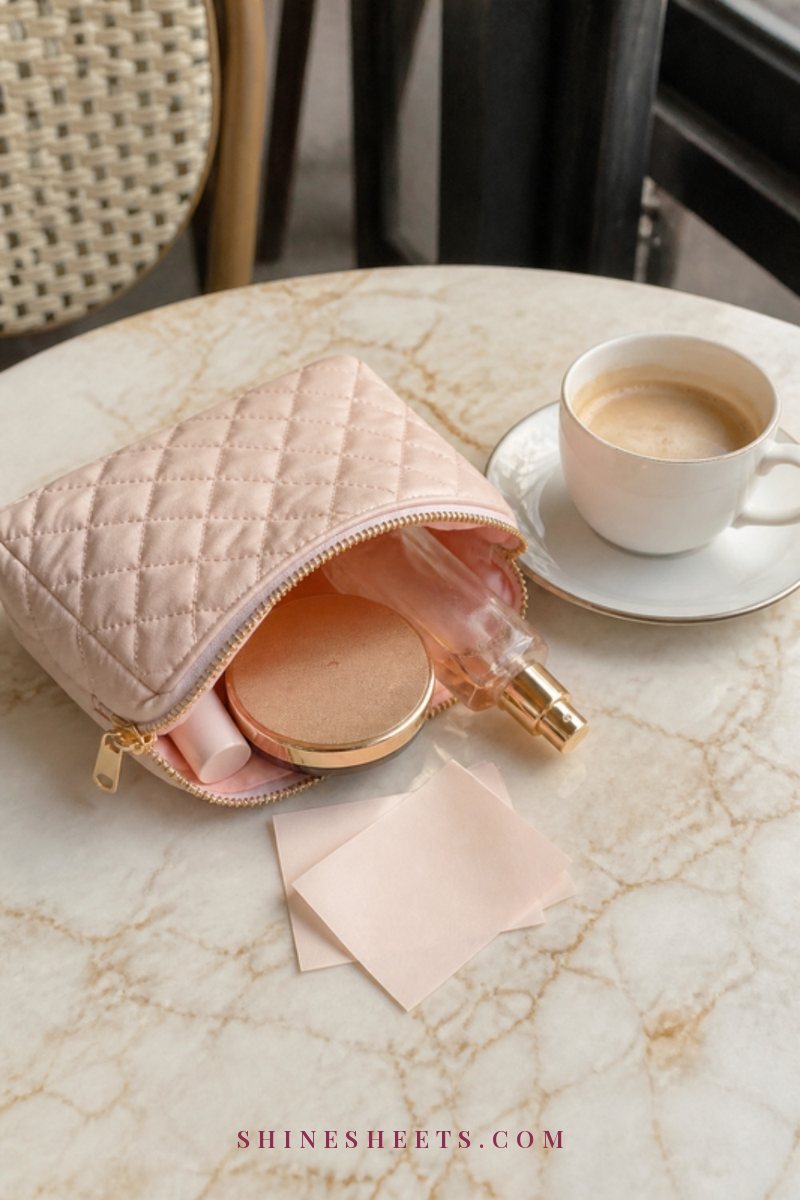
Sunscreen doesn't last all day. It rubs off when you touch your face, wears down with sweat and breaks down with sun exposure. If you're outdoors or sitting near bright windows, reapplying about every two hours is the usual advice, and right away after swimming or heavy sweating.
The tricky part is doing that over makeup without starting from scratch. Here are three gentle options, from lightest to most protective. For a deeper walkthrough, my guide on how to reapply sunscreen over makeup without ruining it goes step by step.
SPF Powder
Blot first. Press a blotting sheet or tissue over oily areas to lift excess shine, then sweep an SPF setting powder generously over your whole face, not just the T-zone. Use several passes rather than one light dusting. A fluffy kabuki powder brush picks up more product than a sparse brush and lays it down more evenly.
Remember, this is a top-up, not a replacement. It works best when you already applied a full layer of sunscreen in the morning.
SPF Setting Spray
Mists are the easiest to use over makeup, but it's hard to tell how much you've actually applied. If you use one, hold it at arm's length, close your eyes, hold your breath, and mist in a few slow passes until your face feels evenly damp. Let it dry fully before touching anything. Never spray directly toward your eyes, and avoid breathing in the mist.
SPF Cushion Compact
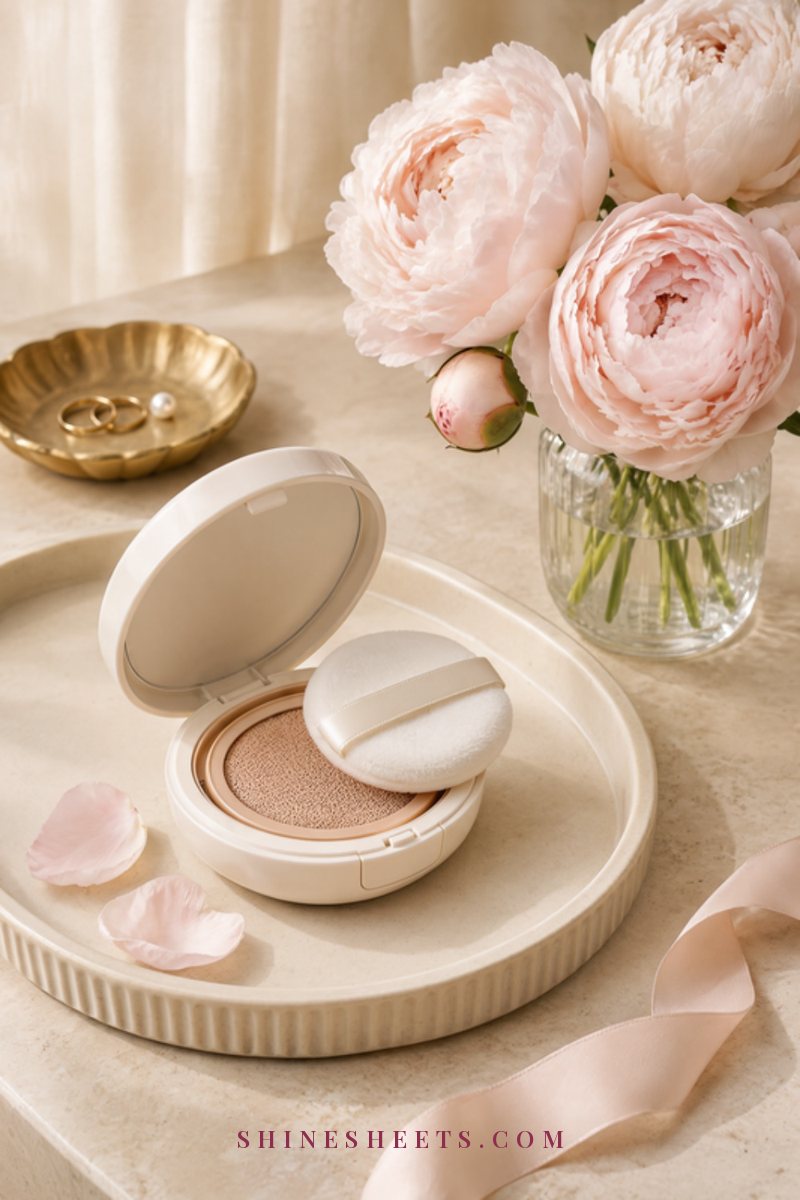
Cushions are a lovely middle ground, especially for normal to dry skin. Press the puff into the cushion and pat it over your face, focusing on the cheeks, nose and forehead. Patting builds up a more even layer than swiping and doesn't disturb the makeup underneath.
A well-reviewed SPF cushion compact from a popular Korean beauty line is a nice pick here. Look for one with broad-spectrum protection, a shade that matches your foundation, and a finish that suits your skin. Dewy for dry skin, more satin for combination or oily skin.
Wash or swap the puff regularly. A puff that lives in your bag collects oil and bacteria, which sensitive skin does not appreciate.
How To Choose a Sunscreen That Plays Nicely With Makeup
The best sunscreen is the one you actually enjoy wearing every day. If your current one feels greasy, leaves a film or turns your foundation patchy, it's very hard to stay consistent. A few things to look for:
- Broad-spectrum and SPF 30 or higher. Broad-spectrum means it protects against both UVA and UVB rays. SPF 30 is the usual everyday baseline dermatologists suggest.
- A texture that matches your skin. Oily and combination skin tends to love gel, fluid or matte formulas. Dry skin often prefers a creamier lotion that doubles as a moisturizer.
- A finish that suits your makeup. A dewy sunscreen under a dewy foundation can turn shiny fast. If you wear a satin or matte base, choose a sunscreen with a softer finish.
- No white cast on your skin tone. Tinted mineral formulas and many chemical filters blend in more easily on medium and deep skin.
- Gentle on sensitive skin. If your skin reacts easily, a fragrance-free formula is a kind place to start.
Give a new sunscreen at least a week before deciding. The first day often feels strange simply because it's different, and many textures settle in once your routine adjusts around them.
5 SPF Makeup Myths To Let Go Of
These come up again and again, and they are completely understandable. Let's gently clear them up.
Myth 1: SPF Numbers Add Up
It sounds logical: SPF 30 sunscreen plus SPF 15 foundation equals SPF 45. Unfortunately, it doesn't work that way. You don't get to add the numbers together. Your protection is mostly decided by how well your best layer was applied, which is why a full, generous layer of sunscreen matters so much more than stacking several thin SPF products.
Myth 2: Darker Skin Doesn't Need Sunscreen
Deeper skin tones have more natural melanin, which offers some protection, but it isn't a replacement for sunscreen. Sun exposure can still cause dark spots, uneven tone and skin damage on every skin tone. If finding a sunscreen that disappears on your skin has been the struggle, my guide to mineral vs chemical sunscreen explains which filters tend to blend in more easily.
Myth 3: A High-SPF Foundation Means You Can Skip Sunscreen
Even a foundation labeled SPF 50 runs into the same problem: you'd need to wear far more of it than looks or feels comfortable. A high number on a thin layer is still a thin layer.
Myth 4: You Only Need Protection on Sunny Days
Clouds and windows filter some light, but not all of it. Daily sunscreen is a habit worth keeping regardless of the weather, and you can let your makeup SPF be the extra layer on brighter days.
Myth 5: Morning Makeup SPF Lasts All Day
No sunscreen lasts all day, whether it's in a tube or in your foundation. It wears off with time, touching, sweat and sun. If you're outside for long, plan a top-up, even a quick one with powder or a cushion.
A Kind Word on Sensitive Skin and Safety
I have combination, sensitive skin, so I treat every new sunscreen or SPF makeup like a polite stranger: friendly, but I'd like to get to know it first.
- Patch test new products. Apply a small amount behind your ear or along your jaw for a few days before using it all over. If you notice redness, itching or bumps, stop using it.
- Keep products away from your eyes. If a sunscreen stings, try a gentler formula around the eye area, often a mineral one.
- Check dates and texture. Sunscreen that has separated, changed smell or passed its expiry date should go.
- See a dermatologist if you burn easily, react to sun exposure in unusual ways, or notice a new spot or one that is changing in size, shape or color. They can recommend protection that fits your skin and check anything that worries you.
Sunscreen is protective, but it isn't a promise. Shade, hats, sunglasses and avoiding the strongest midday sun all work together with it.
Final Thoughts
SPF in makeup is a lovely bonus, and there's no need to throw anything out. Let a dedicated sunscreen do the real work every morning, give it a few minutes to settle, then add the makeup you love on top. A small top-up in the afternoon, and you're covered.
It's a simple routine once it clicks, and it means your skin gets real protection while your makeup gets to just be pretty.