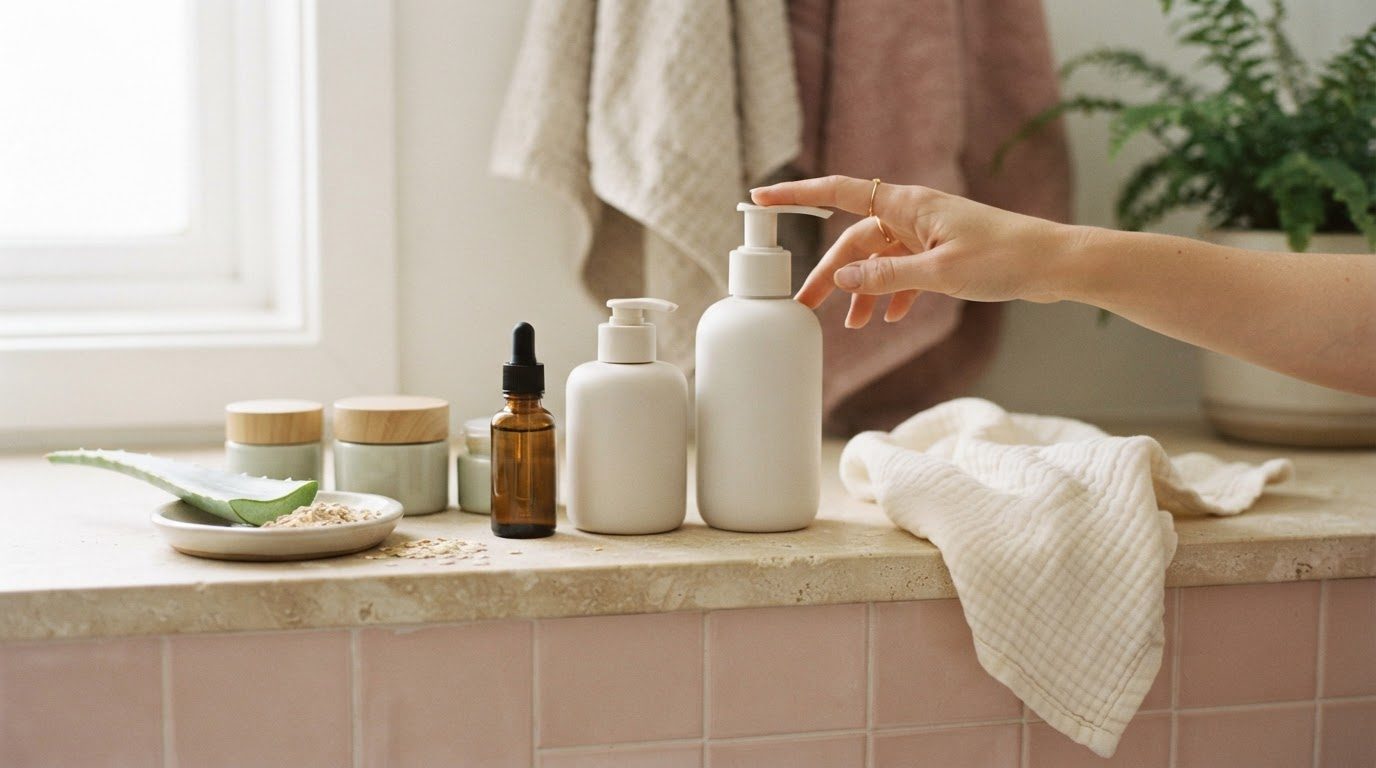
Sunburned skin doesn't need a cabinet full of products. It needs three simple things, in this order: to cool down, to stay hydrated and to be left alone while it repairs itself. Most of the extra misery that comes with a burn (the stinging, the patchy peeling, the flakes that seem to last forever) comes from doing too much, not too little.
A burn is your skin telling you it took more UV than it could handle. The redness, heat and tenderness are signs of inflammation, and the peeling a few days later is your body clearing out damaged cells so fresh skin can take over. You can't rush that process, but you can make it a lot more comfortable and avoid making it worse.
This guide to sunburn care walks you through what is actually happening in your skin, how to soothe it in the first 24 hours, what to skip while it heals, how to handle peeling gently, a stage-by-stage table you can screenshot, the signs that mean it's time to see a doctor and how to keep the next burn from happening.
Take a breath. Your skin is already working on it, and your job is mostly to be kind to it.
What Happens to Your Skin When It Burns
Ultraviolet light, mostly UVB, damages the DNA in your skin cells. Your skin responds the way it responds to any injury: it sends extra blood to the area (hence the redness and warmth), releases inflammatory signals (hence the tenderness and that tight, hot feeling) and starts sorting out which cells can be repaired and which need to go.
A few things are useful to know here:
- Sunburn develops over hours. The redness often keeps building for 6 to 24 hours after you come inside, so a "light" pink at the beach can look much angrier by bedtime. Start caring for it as soon as you notice it.
- Clouds and water don't cancel UV. A lot of burns happen on overcast days or after swimming, when it felt cool and you forgot to reapply.
- Burned skin has a weakened barrier. It loses water faster than usual and reacts more easily to fragrance, acids and friction. That's why products you normally love can suddenly sting.
- Tanning and burning aren't opposites. Both are signs of UV damage. A burn is simply the louder version.
Small honest admission: with combination, sensitive skin, my face goes pink long before the rest of me does, and for years I treated a burn like an emergency that needed every soothing product I could find. What actually helped was the opposite, fewer products and more patience.
Why Sunburned Skin Peels
Peeling usually starts three to seven days after a burn. The cells in the top layer of your skin were damaged badly enough that your body decided to replace them, so it lets them loosen and shed in sheets or flakes. It can look dramatic, but it's a sign of repair, not a sign that something new has gone wrong.
The peeling skin underneath is newer and thinner than usual. It's often a little pinker, more sensitive and quicker to dry out, which is why gentle care matters most in this stage. Pulling at flakes before they're ready exposes skin that isn't fully finished yet and can leave raw patches or uneven marks that take weeks to settle.
How much you peel depends on how deep the burn went. A mild burn may only flake a little; a stronger one can peel for a week or more. Either way, the plan stays the same: moisture, patience and hands off.
5 Steps To Soothe Sunburn in the First 24 Hours
The first day is when soothing makes the biggest difference. Work through these in order, then repeat the cooling and moisturizing steps as often as your skin asks for them.
1. Get Out of the Sun and Cover Up
The moment you notice pink, stinging or hot skin, head indoors or into deep shade. Every extra minute of UV adds to the damage, even if the burn already feels "done." If you can't go inside right away, cover the area with clothing and put on a wide-brimmed hat.
Once you're inside, take off anything tight, damp or sandy. Swimsuits and fitted straps trap heat and rub against tender skin.
2. Cool Your Skin Gently, Not Icily
Take a cool (not cold) shower or bath for 10 to 15 minutes, or lay a clean, soft washcloth soaked in cool water over the burned area for 10 minutes at a time. Repeat a few times a day while the heat lasts.
Skip ice and ice packs directly on the skin. Extreme cold can injure already damaged skin and often makes the stinging worse once it wears off. When you're done, pat yourself dry with a soft, plush white bath towel instead of rubbing, and leave your skin a tiny bit damp for the next step.
3. Apply a Light, Fragrance-Free Soother
While your skin is still slightly damp, smooth on a thin layer of something light and calming. Two classic choices:
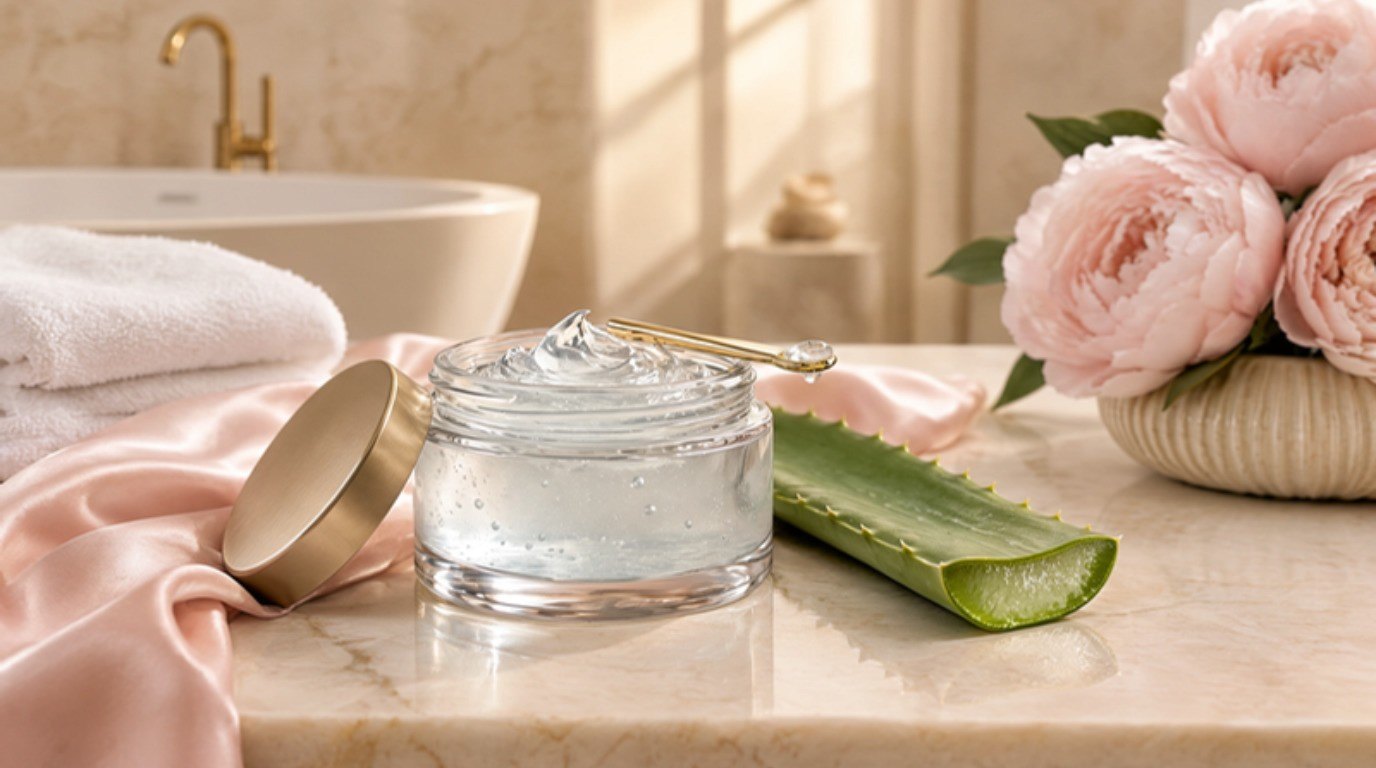
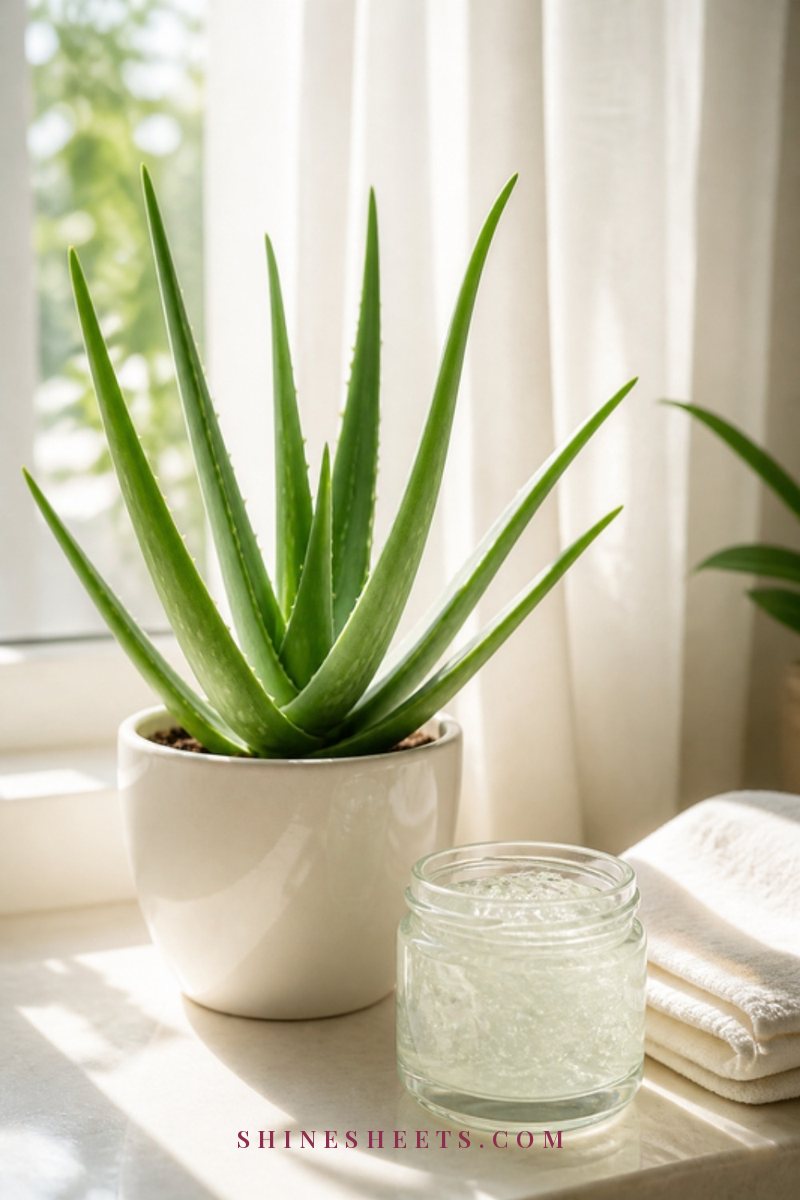
- Aloe vera gel. Look for a fragrance-free aloe vera gel with aloe near the top of the ingredient list and no added alcohol or perfume. It feels cooling and lightweight, which is exactly what hot skin wants. If you'd like more background on how it works, my guide to aloe vera for your face covers what it can and can't do.
- A panthenol lotion. Panthenol (provitamin B5) is a gentle humectant that helps skin hold onto water. A panthenol soothing body lotion is a nice pick for larger areas like shoulders and legs, especially once the first sting fades.
Apply gently with flat fingers, no rubbing, and reapply two or three times a day. If you can, patch test anything new on a small, unburned spot first, because skin that's already inflamed reacts more easily. Some people keep their aloe in the fridge for an extra cool feel, which is fine as long as it's chilled rather than icy.
4. Wear Loose, Soft Clothing
Friction is the quiet enemy of a sunburn. Choose loose, breathable layers in soft natural fibers, and let them float rather than cling. A cream cotton loungewear set is a lovely pick here: soft, airy and gentle on hot shoulders.
At night, light cotton or linen sheets are kinder than heavy blankets. If your back or shoulders are burned, sleeping on your side with a pillow behind you can take some pressure off.
5. Drink Water and Rest
A burn draws fluid toward the skin's surface and away from the rest of your body, so it's easy to end up slightly dehydrated. Keep a glass of water nearby and sip steadily through the day. A cup of cool herbal tea counts too.
Rest matters more than people expect. A larger burn can leave you tired, achy or a little headachy. If you need help with pain, a pharmacist can suggest a suitable over-the-counter option for you and how to take it safely. And let yourself have a quiet evening: dim light, a glass candle on the side table and an early night are all part of the plan.
7 Things To Avoid While Your Skin Heals
This is the part that saves you the most discomfort. Burned skin is fragile, and many everyday habits can turn a few days of pink into a week or two of irritation.
- Picking or pulling peeling skin. Even when a flake is hanging by a thread, snip it with clean small scissors if it bothers you, but don't pull. Pulling tears the newer skin underneath.
- Scrubs, loofahs and exfoliating mitts. These remove skin that isn't ready to come off and leave raw, blotchy patches. Hold off until all the peeling has stopped.
- Retinoids and exfoliating acids. Pause retinol, retinal, prescription retinoids, glycolic, lactic and salicylic acids on burned areas until the skin is fully healed and calm. Ask your doctor before pausing any prescription product.
- Heavy oils and thick balms on hot skin. Occlusive, greasy layers can trap heat in the first day or two. Save richer creams for the peeling stage, when the heat has gone.
- Fragrance and alcohol-heavy products. Perfumed lotions, body mists and alcohol-based toners tend to sting and irritate. Keep your pretty body mists for later.
- Numbing sprays you haven't checked with a pharmacist. Some products with "-caine" ingredients can irritate or sensitize already inflamed skin. A pharmacist can tell you whether one is right for you.
- More sun. Burned skin burns again faster. Stay covered and in the shade until it has healed, and use sunscreen on any exposed skin that isn't broken.
Sunburn Myths To Skip
Old advice has a way of sticking around. Here are the home remedies I'd leave in the past:
- Butter, oil or anything greasy from the kitchen. These trap heat, can irritate and may raise the risk of infection on damaged skin.
- Toothpaste, vinegar or lemon juice. All of them can sting, dry or burn sensitive skin further.
- "Tanning it out." Going back into the sun to turn a burn into a tan only adds more UV damage.
- Popping blisters to help them heal. Blisters protect the skin underneath. Opening them invites infection.
- "A base tan protects you." A tan offers very little protection and is itself a sign of UV damage.
The simple, slightly boring tools (cool water, a light soother, soft clothes and water to drink) are the ones that actually help.
Sunburn Care Stage by Stage
A burn changes from day to day, and so does what your skin needs. Here's the whole journey in one place. Screenshot it and keep it on your phone for the next beach weekend.
| Stage | What your skin needs | What to use | What to skip |
|---|---|---|---|
| Hour 0–6: fresh burn (pink, hot, stinging) | Cooling and protection from more UV | Shade, cool shower or compress for 10–15 minutes, water to drink | Ice on skin, more sun, tight clothing |
| Hour 6–48: peak redness (tight, tender, warm) | Calm, light hydration and rest | Fragrance-free aloe gel or panthenol lotion 2–3 times a day on damp skin, loose cotton clothes | Heavy oils, fragrance, retinoids, acids |
| Day 2–4: settling (less heat, dry, itchy) | Barrier support and comfort | Light fragrance-free moisturizer after short lukewarm showers, mild cleanser | Scratching, hot showers, scrubs |
| Day 3–7: peeling (flakes, patchy skin) | Gentle moisture and patience | Ceramide cream on damp skin, small clean scissors for loose flakes, soft towels | Picking, pulling, exfoliating mitts, peeling masks |
| Week 2 and beyond: new skin (pinker, sensitive) | Protection while it matures | Daily broad-spectrum SPF 30+, reapplying, shade and covering up | Restarting strong actives too soon, more burns |
Timing is approximate. A mild burn may move through these stages in a few days, while a stronger one can take two weeks or longer. Follow your skin, not the calendar.
How To Care for Peeling Skin
Peeling is the stage that tests your patience the most, especially on your shoulders, nose or chest. The goal is simple: keep the new skin moist and protected, and let the old skin go in its own time.
Let Flakes Shed on Their Own
Resist the urge to "help." Loose flakes will come away naturally in the shower or when you pat dry. If an edge keeps catching on your clothes, trim it gently with small, clean scissors, cutting only the part that is already lifted.
Keep your nails short and smooth for the week, so absent-minded scratching does less harm. It's a small thing, and it makes a real difference.
Moisturize on Damp Skin
Take a short, lukewarm shower (about five minutes), pat dry so your skin still feels slightly damp, then apply a light moisturizer within a minute or two. Damp skin holds onto moisture far better than dry skin.
Once the heat has faded, a richer layer becomes helpful. A fragrance-free ceramide moisturizing cream is a pick worth looking for, since ceramides help support the skin barrier while the new layer settles. My guide on how to restore your skin barrier goes deeper into which ingredients help and why.
Reapply morning and evening, plus any time your skin feels tight or itchy.
Cleanse Very Gently
Use a mild, fragrance-free cleanser or body wash, lukewarm water and your hands only. No washcloths with texture, no brushes, no scrubbing. On the body, you often only need cleanser on the areas that truly need it; plain water is enough for gently rinsing burned shoulders or legs.
Keep showers short. Long, hot showers feel soothing in the moment but strip moisture and leave peeling skin drier and itchier afterward.
Caring for a Sunburned Face
Facial skin is thinner and often more reactive, so a burned face deserves its most minimal routine.
- Morning: rinse with lukewarm water or a very gentle cleanser, apply a thin layer of aloe gel or a simple fragrance-free moisturizer, then a mineral sunscreen on any unbroken skin if you're going out.
- Evening: gentle cleanse, then moisturizer. That's it. No serums with acids, no retinoids, no masks for now.
- Makeup: if you can, give your skin a few days off. If you need coverage, choose a light, familiar product and apply with clean fingers or a clean sponge, pressing rather than dragging. Remove it gently the same evening.
- Lips: lips burn too, and they peel just like the rest of your face. A plain balm helps, and the next time you're out, a lip balm with SPF makes a real difference. My guide to lip sunscreen explains what to look for.
When it's time to protect healing skin, many sensitive types find a mineral face sunscreen for sensitive skin more comfortable, though the best sunscreen is truly the one you'll wear. If you're unsure which suits you, my comparison of mineral vs chemical sunscreen lays out both sides honestly.
What To Do About Sunburn Blisters
Small blisters mean the burn reached a little deeper than a typical pink burn. A few small ones on a limited area can usually be cared for at home, gently:
- Leave them closed. The blister roof is a natural bandage that protects the skin underneath from germs.
- Keep them clean. Rinse with lukewarm water and pat dry. No home remedies on blisters, ever.
- Cover loosely if they'll rub. A light, non-stick dressing can help where clothing or straps catch.
- Watch for changes. If a blister breaks, keep the area clean and covered, and look out for the infection signs below.
Blisters over a large area are a different story, which brings us to the most important section.
6 Signs It's Time To See a Doctor

Most sunburns heal on their own with good care, but some need medical attention. Please don't wait it out if you notice any of these:
- Blistering over a large area, such as most of your back, both shoulders or a whole limb.
- Fever or chills after time in the sun.
- Dizziness, confusion or fainting, which can also be signs of heat illness or dehydration.
- Severe pain that isn't easing with cooling, rest and over-the-counter options.
- Signs of infection, such as increasing pain, swelling, warmth, pus, red streaks spreading from the area, or a blister that looks cloudy or yellow.
- A sunburn on a baby or small child. Little ones' skin is especially delicate, so it's always worth a call to their doctor.
Trust your gut, too. If something about a burn worries you or it simply isn't improving after a few days, a doctor or dermatologist can check it and give you advice that fits your skin. That's never an overreaction.
What Happens After the Burn Fades
Once the peeling stops, the new skin may look slightly pinker, blotchy or lighter in patches for a few weeks. That usually evens out with time and daily sun protection. Some people, especially those with deeper skin tones, notice darker marks where the burn was. These tend to fade slowly; gentle care and diligent SPF help most. If you're working on marks that stay, my guide to fading dark spots on the body walks through gentle, realistic options.
This is also a good moment to restart your usual skincare slowly. Bring back one active product at a time, a few days apart, starting with the gentlest. If anything stings, step back and wait another week.
How To Prevent the Next Sunburn

The best sunburn care is the burn that never happens. A few habits do most of the work:
- Choose broad-spectrum SPF 30 or higher for everyday use, and water-resistant if you'll be swimming or sweating.
- Use enough. Most people apply far less than the amount sunscreen is tested at. For your face, the two-finger rule is an easy guide; my article on how much sunscreen to use on your face breaks it down. For your body, about a shot glass full covers an adult.
- Apply 15 minutes before going out so it has time to settle evenly.
- Reapply every two hours outdoors, and right after swimming, sweating or towel drying.
- Don't forget the easy-to-miss spots: ears, the back of the neck, the part in your hair, the tops of your feet and your lips.
- Use shade generously, especially in the middle of the day when UV is strongest.
- Cover up with a wide-brimmed hat, sunglasses and light long sleeves on long days outside.
A small formula I like: SPF + shade + a hat. Any one of them helps; all three together make a burn far less likely.
A Simple Sunburn Care Kit
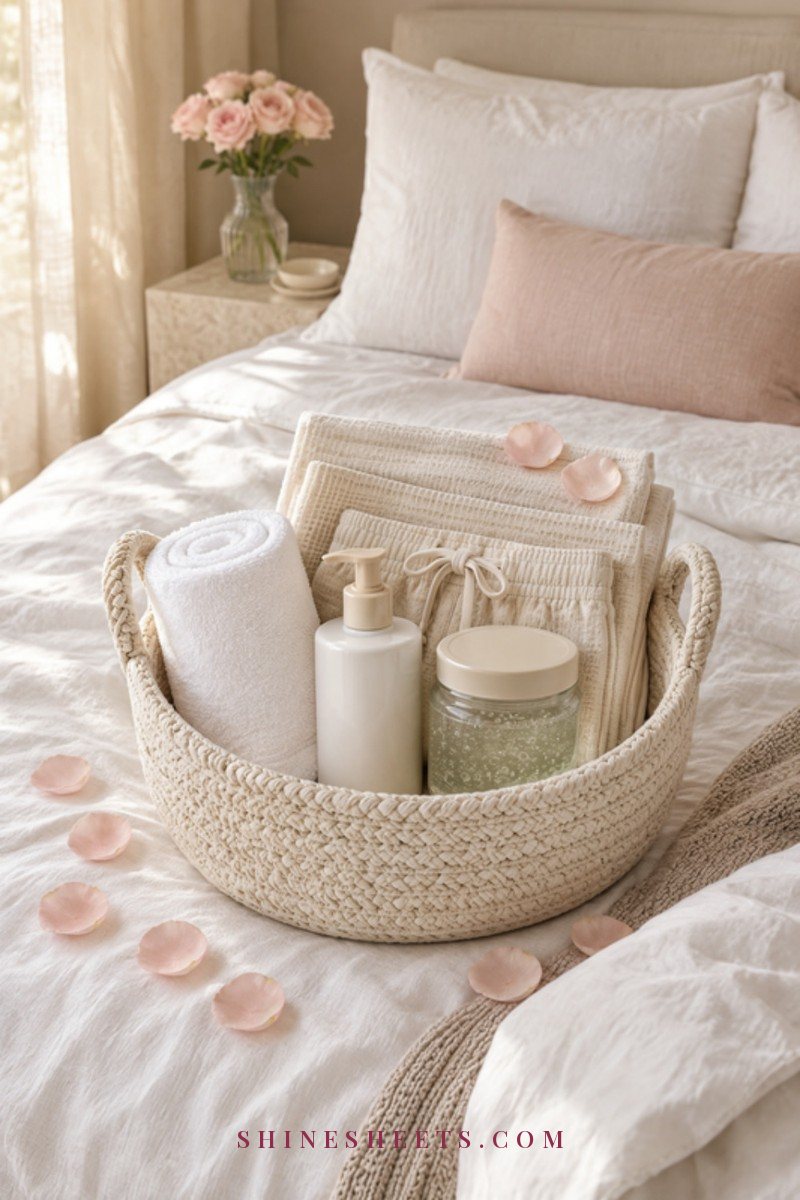
If you're heading somewhere sunny, it helps to pack the soothing basics in advance, so you aren't hunting for the right product while your shoulders are glowing red. Keep it simple:
- A fragrance-free aloe gel for the first day.
- A panthenol or ceramide lotion for the days after.
- A gentle, fragrance-free cleanser.
- A soft towel and a loose cotton outfit.
- A broad-spectrum sunscreen and a lip balm with SPF.
- A refillable water bottle.
Everything in this little kit is something you'd use anyway, which means it never feels like wasted space in your bag.
Final Thoughts
A sunburn can make you feel a little silly, a little sore and very aware of every seam in your clothes. Please don't be hard on yourself. It happens to almost everyone at some point, and your skin is remarkably good at healing when you give it what it needs.
Cool it gently, keep it hydrated, leave the peeling alone and protect the new skin while it settles. Patch test anything new, and reach out to a doctor if a burn feels like more than a burn. A few quiet, gentle days now and your skin will thank you with a calm, comfortable recovery.