Windburned skin isn't a sign that you need a stronger cream or a new serum. It's a sign that your skin barrier has been stripped and needs less: less heat, less friction, fewer actives and a lot more simple, steady moisture. Treat it gently for a few days and most mild windburn settles on its own.
The tricky part is that windburn feels urgent. Your cheeks sting, they look red and tight, and the instinct is to throw everything at them. That instinct usually makes things worse. My cheeks are the sensitive part of my combination skin (the T-zone gets shiny, the cheeks get angry), and it took me a few cold seasons to accept that the calmest routine is the one that heals fastest.
This guide covers windburned skin from start to finish: what windburn actually is, how it differs from sunburn, rosacea and frostnip, the signs to look for, a gentle at-home routine, what to pause, a day-by-day recovery table, how long healing takes, how to prevent it next time and when it's time to see a doctor.
What Is Windburn?
Windburn is the red, raw, stinging feeling your skin gets after time in cold, dry, windy air. Wind constantly moves air across your face, which pulls water out of the top layers of your skin and wears away the natural oils that normally hold that water in. Cold air holds very little moisture to begin with, so your skin loses more than it can replace.
The result is a weakened skin barrier: the outer layer that keeps hydration in and irritants out. When it's compromised, even water or a moisturizer you normally love can sting for a day or two.
There's often a second factor hiding in there: UV. Snow reflects a large share of the sun's rays back up at your face, so a bright day on the slopes or a long winter walk can give you a mild sunburn on top of the wind damage. Many people who think they have "only windburn" after skiing actually have a bit of both.
Windburn vs Sunburn, Rosacea and Frostnip
Red cheeks in winter can come from a few different places, and knowing which one you're dealing with helps you care for it properly.
Windburn vs Sunburn
Windburn comes from moisture loss and barrier damage; sunburn comes from UV damage to skin cells. Both can look red and feel tender. Sunburn tends to show up a few hours after sun exposure, can feel hot to the touch and may peel in sheets several days later. Windburn usually feels tight and stingy right away and flakes in small, dry patches. If you spent hours outside on a bright, snowy day without sunscreen, assume it could be both and treat it gently either way.
Windburn vs Rosacea
Windburn appears after a specific windy outing and fades within days. Rosacea is a long-term skin condition with flushing, persistent redness across the cheeks and nose, sometimes visible small blood vessels or bumps, and it comes and goes over months and years. Wind and cold are common rosacea triggers, so the two can overlap. If your redness keeps coming back or never fully leaves, my guide to calming redness on your face is a good next read, and a dermatologist can tell you for sure.
Windburn vs Frostnip
Frostnip is an early cold injury, a step before frostbite. Skin may look red and then turn pale, and it often feels numb, prickly or tingly rather than stingy. It usually affects cheeks, nose, ears, fingers and toes. Frostnip needs gentle warming (not rubbing, not hot water) and should feel normal again as it warms. If skin stays numb, turns white or grayish, looks waxy or feels hard, that's no longer windburn or frostnip, and you need medical care right away.
Signs of Windburned Skin

Windburn usually shows up within an hour or two of coming inside. Common signs include:
- Red or pink cheeks, nose or chin, often on the side that faced the wind
- A tight, stretched feeling, especially after washing your face
- Stinging or burning when you apply products, even ones you use every day
- Skin that feels warm or tender to the touch
- Rough, dry patches and small flakes, usually by the next day
- Chapped, cracked lips (they're almost always part of the picture)
Mild windburn is uncomfortable but not dangerous. The key is to stop adding stress to your skin while it repairs itself.
How To Soothe Windburned Skin: A Gentle At-Home Routine
This is the routine I'd follow from the evening you come in from the cold until your skin feels normal again. It's deliberately boring. Boring is what a damaged barrier wants.
1. Rinse With Lukewarm Water

Hot water feels wonderful on cold cheeks and strips oils even faster. Use lukewarm water (about the temperature you'd use for a baby's bath) and keep face washing short, under a minute. Pat dry with a soft, clean towel. No rubbing, no rough washcloths.
If you're also taking a shower, keep it warm rather than steaming and under ten minutes. Long hot showers are one of the most common reasons winter skin stays irritated.
2. Cleanse With a Gentle Cream Cleanser

Skip foaming gels, cleansing brushes and anything with exfoliating beads or acids. A gentle cream cleanser is a pick for windburned skin: look for one that's unscented, labeled non-foaming or hydrating, and contains soothing ingredients like glycerin or ceramides. Massage it in lightly with your fingertips for 20–30 seconds and rinse.
In the morning, if your skin isn't oily, you can simply rinse with lukewarm water instead of cleansing again. Less is more for the first few days.
3. Apply a Ceramide Cream on Damp Skin
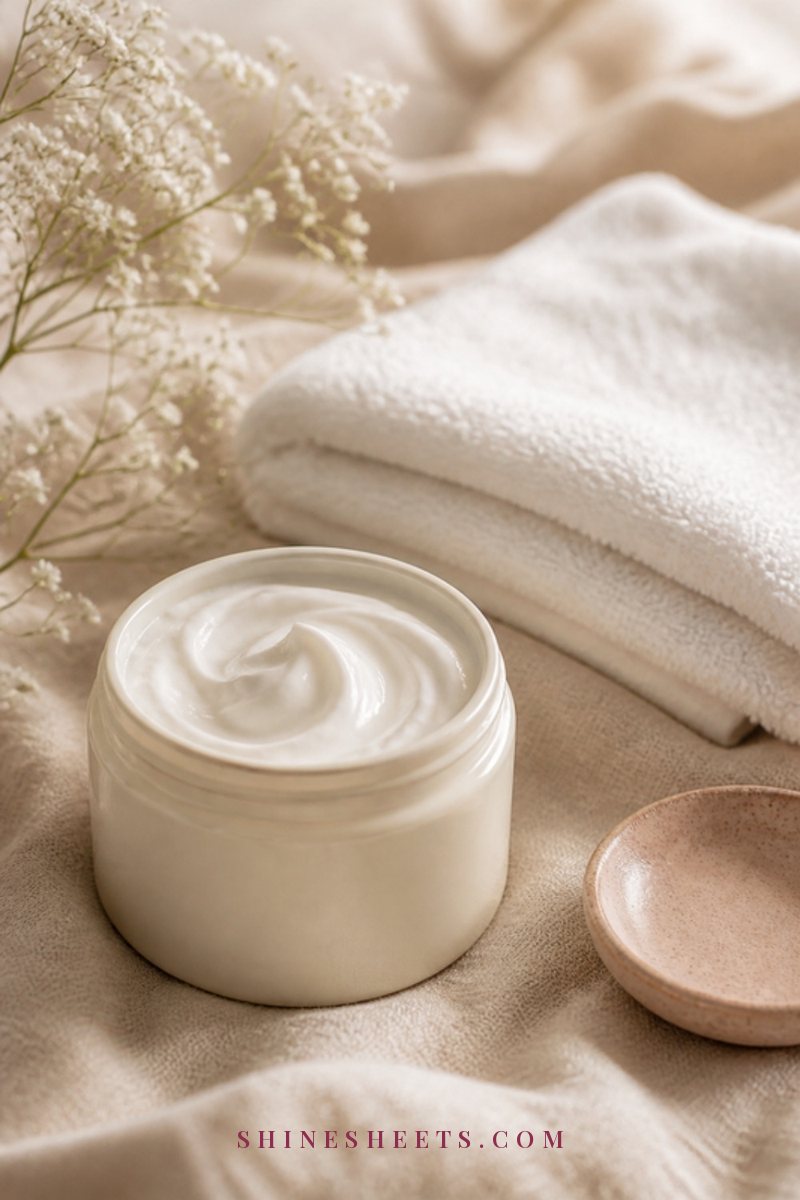
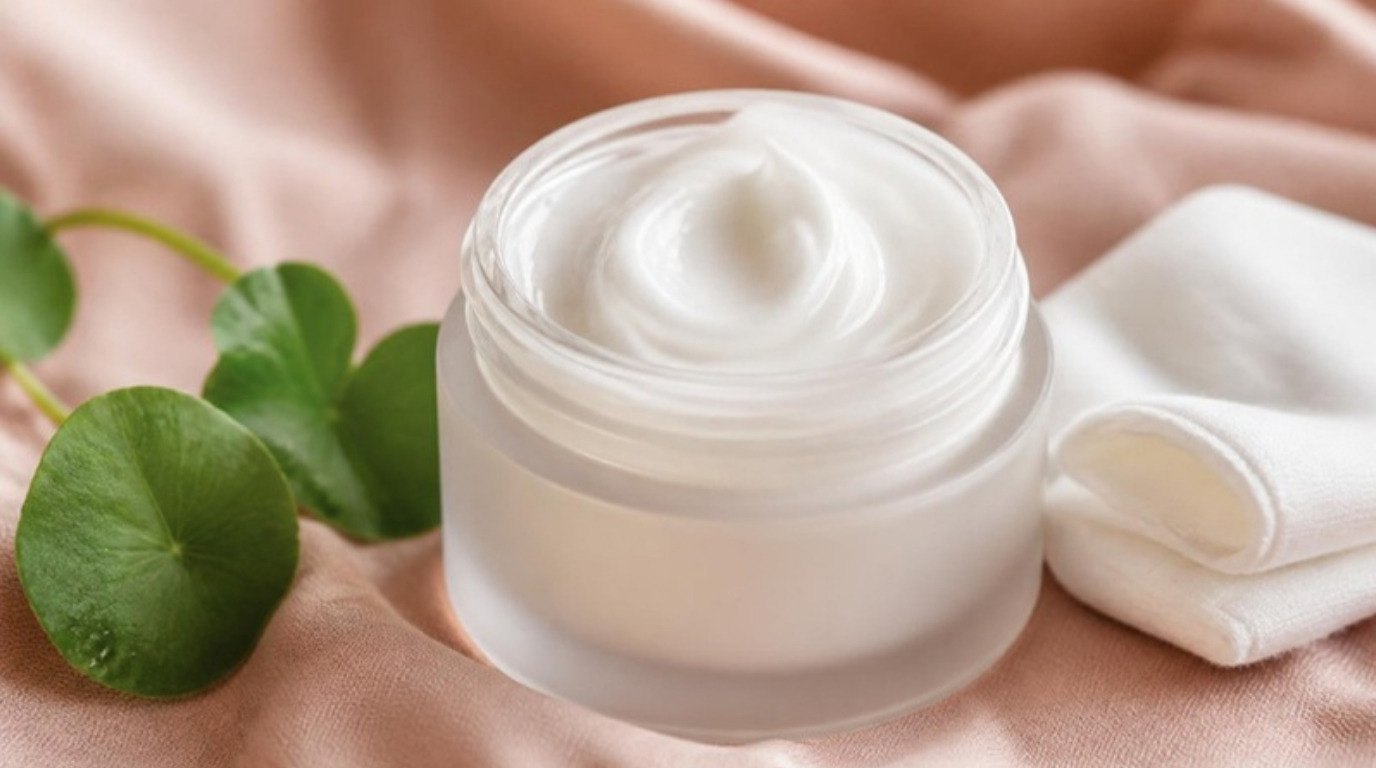
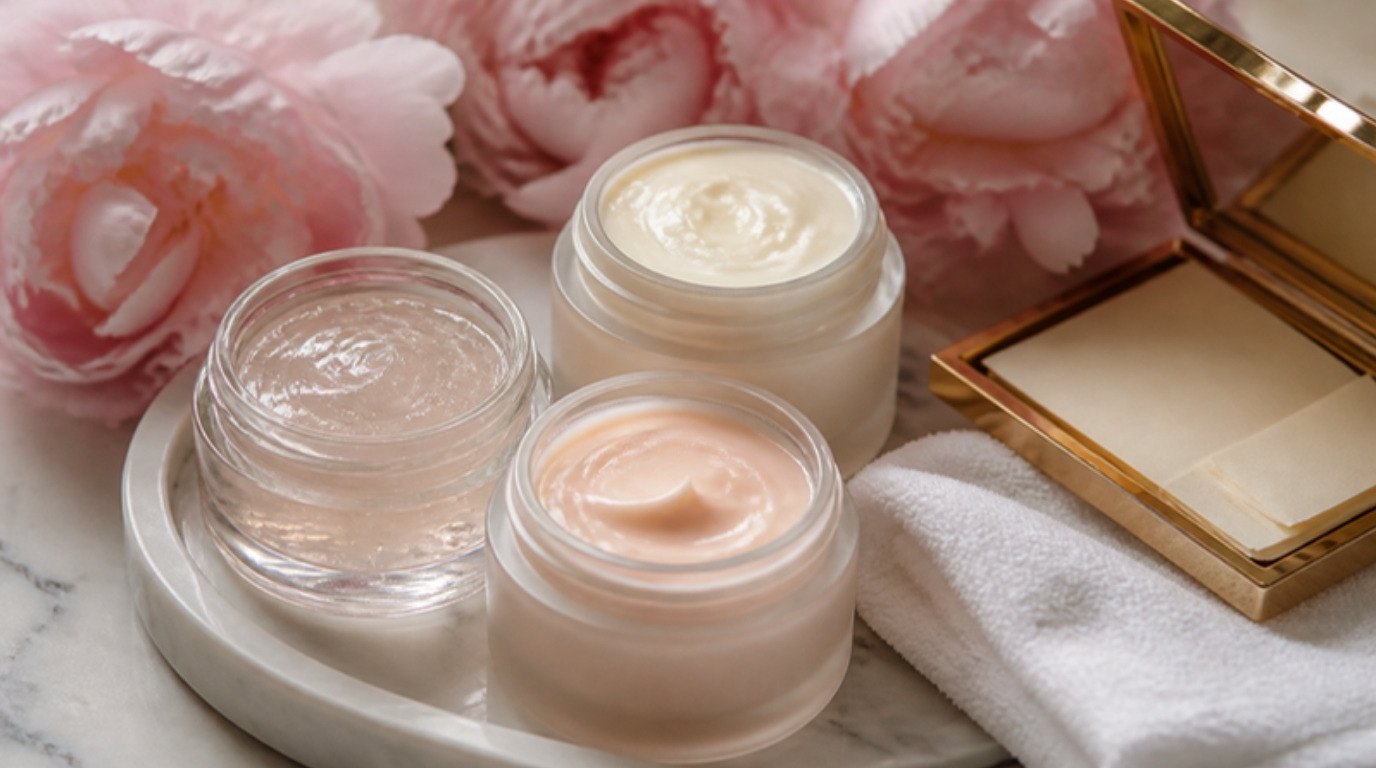
Within a minute of patting your face dry, while your skin is still slightly damp, apply a generous layer of moisturizer. Damp skin absorbs and holds moisture better. An unscented ceramide moisturizer is a pick here: ceramides help rebuild the barrier, and a rich cream texture stays put far better than a gel. Look for no added fragrance and a short ingredient list.
Reapply whenever your skin feels tight, which might be two or three times a day at first. For more on rebuilding the barrier over the coming weeks, my guide on how to restore your skin barrier goes deeper.
4. Seal With a Thin Occlusive at Night
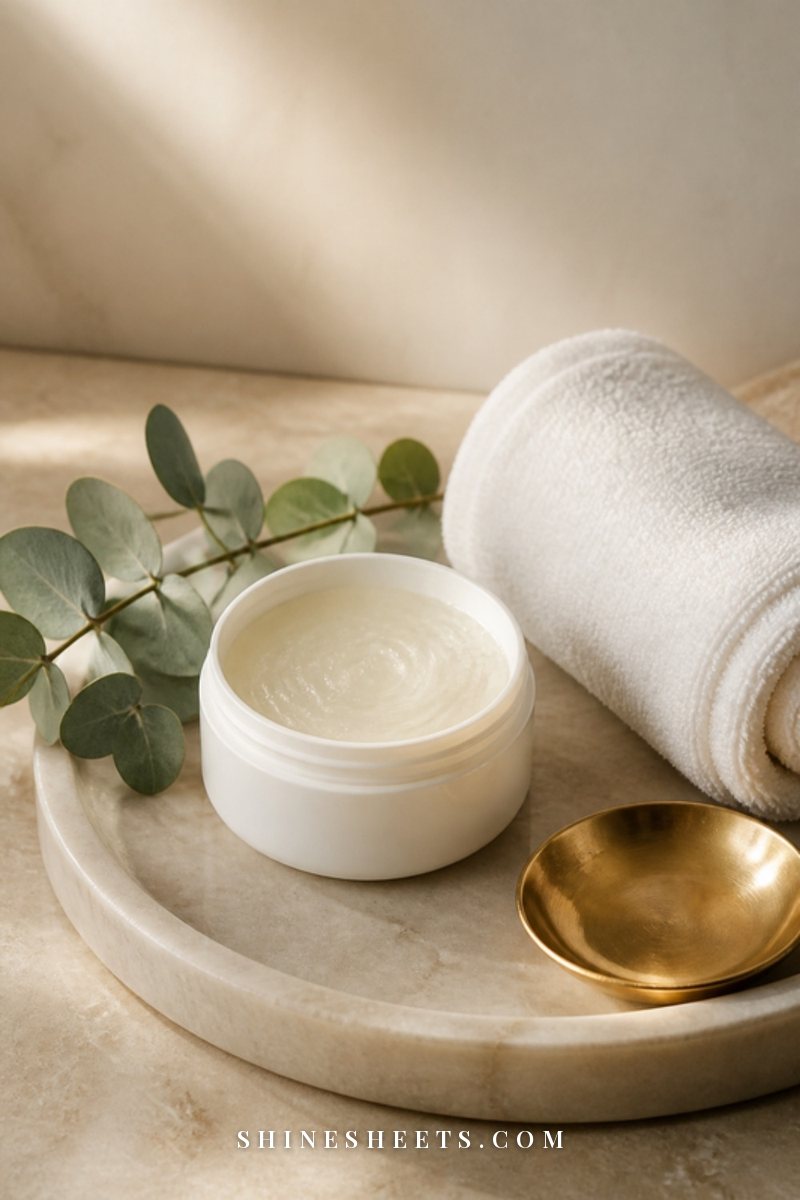
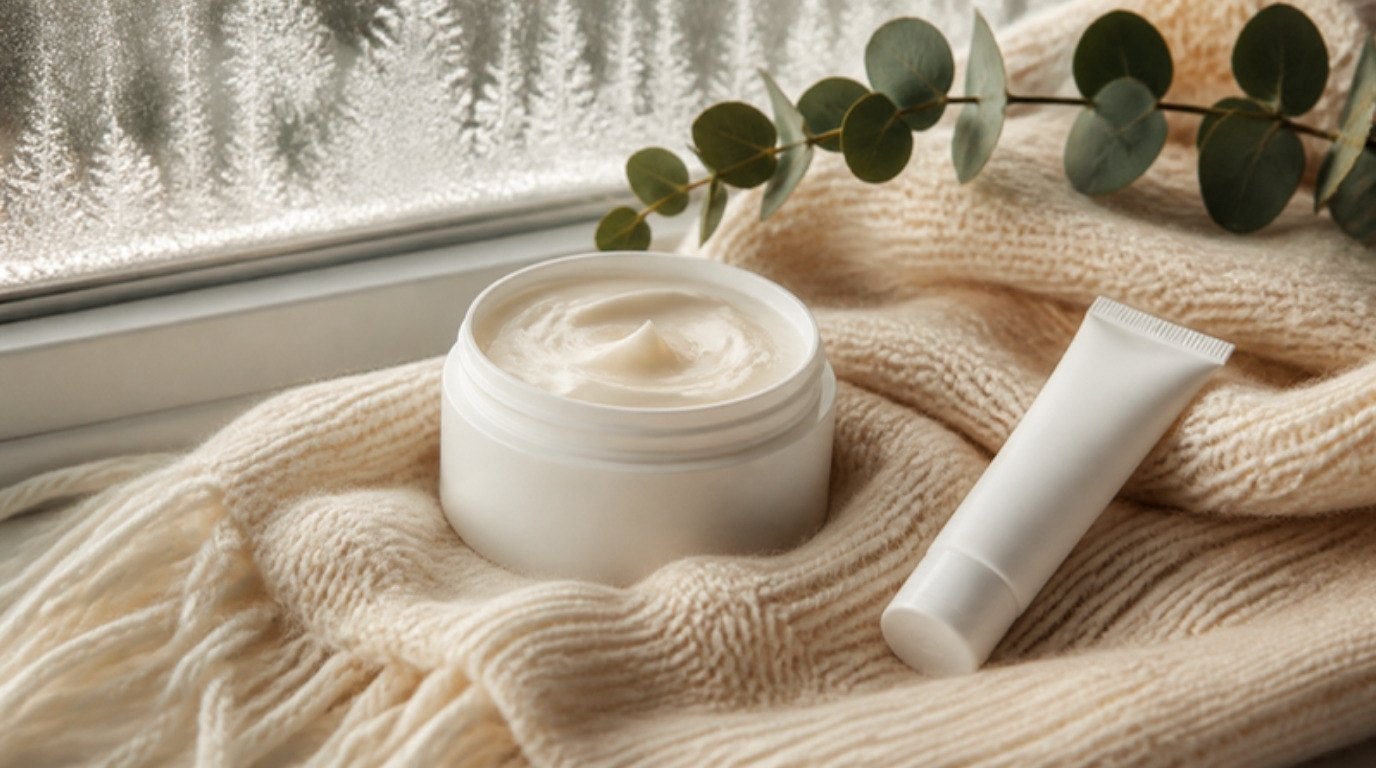
At night, after your moisturizer, press a thin layer of an occlusive over the reddest areas. Occlusives form a seal on top of the skin that slows water loss while you sleep. A petrolatum healing ointment is the classic choice: a rice-grain-sized amount, warmed between your fingertips, is enough for both cheeks. Use it on your lips too.
A small note for my fellow shiny T-zone people: you don't have to put it everywhere. Cheeks, nose and lips are where windburn hits hardest, and that's where the ointment belongs.
5. Use a Cool Compress for Stinging
If your cheeks feel hot or stingy, soak a soft, clean cloth in cool (not icy) water, wring it out and rest it on your skin for 5–10 minutes. Never put ice directly on cold-stressed skin. Follow with moisturizer straight away, because evaporating water can leave skin drier than before.
You can repeat the compress two or three times on the first evening. A few slow breaths while it rests on your cheeks doesn't hurt either. On a rough day, a calm ten minutes with a cup of evening tea is part of the care too.
What To Pause While Your Skin Heals
Damaged skin can't handle the active ingredients it normally tolerates. Pause these for 3–5 days, or until your skin no longer stings when you apply plain moisturizer:
- Retinoids (retinol, retinal, prescription retinoids). If you're using a prescription, check with your doctor before stopping or restarting.
- Exfoliating acids such as glycolic, lactic, mandelic and salicylic acid, including toners and pads.
- Physical scrubs and cleansing brushes.
- Vitamin C serums, which can sting badly on a compromised barrier.
- Fragranced products and essential oils, including scented moisturizers and face mists.
- Clay masks and peel-off masks, which pull moisture and can tug at raw skin.
When you bring actives back, reintroduce one at a time, every other night at first. If anything stings, give it a few more days.
Windburn Recovery: A Day-by-Day Table
Mild windburn tends to follow a fairly predictable path. Here's what each day usually feels like and how to adjust your routine. Screenshot it if you like having a plan in front of you.
| Day | How skin usually feels | Use | Skip |
|---|---|---|---|
| Day 1 (evening of exposure) | Red, hot, tight, stinging with most products | Lukewarm rinse, cool compress, ceramide cream on damp skin, thin ointment on cheeks and lips | Hot water, actives, makeup removal wipes, fragrance |
| Day 2 | Still pink and tight, first dry flakes appear | Cream cleanser once a day, moisturizer 2–3 times, ointment at night | Picking flakes, scrubs, foaming cleansers |
| Day 3 | Redness fading, rough texture, less stinging | Same routine; mineral SPF if going outside | Retinoids, acids, vitamin C |
| Days 4–5 | Mostly calm, a little dry or uneven | Keep moisturizing; light makeup is usually fine if it doesn't sting | Exfoliating to "get rid of" leftover flakes |
| Days 6–7 | Close to normal | Reintroduce one active, every other night | Restarting everything at once |
| After a week | Should feel normal | Your regular routine plus prevention | Ignoring redness that hasn't faded (see a dermatologist) |
Can You Wear Makeup on Windburned Skin?
You can, but give your skin the first day or two off if you possibly can. Makeup itself isn't the main problem; it's the removing. Every swipe of a wipe or round of double cleansing is extra friction on skin that's already raw.
When you do wear makeup again, keep it simple:
- Moisturize first and wait five minutes so your base sits on a cushion of cream instead of dry patches.
- Choose creamy textures such as a hydrating skin tint or cream blush. Powders and long-wear mattifying foundations cling to flakes and can feel tight.
- Apply with your fingertips or a damp sponge, pressing rather than rubbing.
- Skip anything that stings. A sting means the barrier isn't ready yet. Wash it off gently and try again in a day.
- Remove it with your cream cleanser or a gentle cleansing balm, never with makeup wipes, and follow with moisturizer straight away.
Honestly, a little cream blush on healing cheeks can look surprisingly fresh, as long as the skin underneath is comfortable. Comfort comes first.
How Long Does Windburn Take To Heal?
Most mild windburn heals in about 2–5 days with gentle care. The redness and stinging usually ease first, within a day or two, while dryness and small flakes can hang around a little longer. If you also got some sun on snow, expect closer to the longer end.
Healing tends to take longer if you keep going back out into the wind without protection, take hot showers or keep using actives. If your skin is still red, sore or flaky after a week, or getting worse, it's worth seeing a dermatologist, since it may be something else, like irritation, eczema or rosacea.
How To Prevent Windburn

Prevention is mostly about giving your skin a protective layer and covering it from the wind. These four habits make a real difference.
Apply a Barrier Balm Before Going Out
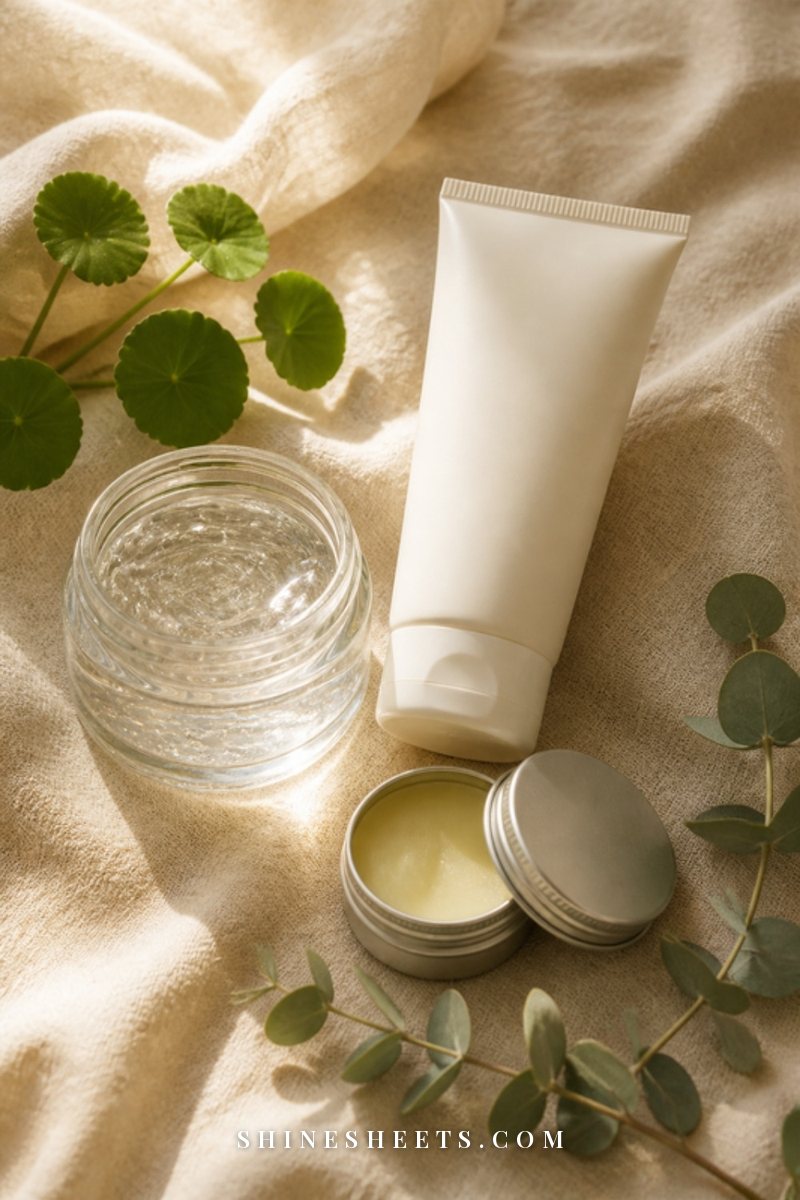
About 15 minutes before a long walk, ski day or windy commute, apply your moisturizer, then pat a thin layer of balm or ointment onto the cheeks, nose and lips. That extra film slows moisture loss in the wind. Bring a small tube or balm in your pocket and reapply on longer outings.
Wear SPF 30 on Snowy Days
Winter sun still burns, and snow reflects it straight back up at you. On bright or snowy days, use a broad-spectrum sunscreen of at least SPF 30 on all exposed skin, including the ears and under the chin. A mineral sunscreen with SPF 30 is a pick for sensitive or windburned skin, because zinc oxide and titanium dioxide tend to sting less than some chemical filters. Reapply every two hours outdoors.
Cover Your Cheeks With a Scarf
A soft scarf pulled up over your cheeks and nose is the simplest windburn protection there is. Choose a smooth, non-scratchy knit, since rough wool can irritate already sensitive skin. A soft cream knit scarf that's long enough to wrap twice is a pick for this. Wash it every week or two, because moisturizer and balm build up on the fabric.
Run a Humidifier at Home

Indoor heating dries the air, which makes recovery slower and leaves skin more vulnerable for your next trip outside. A white cool-mist humidifier in the bedroom helps keep the air comfortable overnight; aiming for roughly 40–50% humidity is a gentle target. Clean it as the manufacturer recommends, and use fresh water daily. My guide to the benefits of a humidifier for skin covers the details, and my full winter skincare routine shows what else to swap when the heating comes on.
Windburn Mistakes To Avoid
Most windburn that drags on for more than a few days is kept going by one of these habits:
- Hot showers and hot water on your face. They feel soothing for a moment and strip your skin even more.
- Picking or peeling the flakes. It can leave raw patches underneath. Let flakes lift on their own with moisturizer.
- Heavy fragrance. Scented creams, perfumed lotions and essential oils are common irritants on damaged skin.
- Rubbing your face dry. Always pat with a soft towel.
- Exfoliating to "smooth things out." Rough texture is part of healing. Scrubs and acids set you back.
- Layering lots of new products. Trying several new things at once makes it impossible to know what's helping and what's stinging. Patch test anything new on a small area of your jaw or inner arm first.
- Forgetting your lips. They windburn too, and they crack easily. If yours don't improve, my sister guide on chapped lips that won't heal can help.
When To See a Doctor
Most windburn is mild and heals at home, but please don't wait it out if you notice any of these:
- Skin that is numb, white, grayish, waxy or hard after cold exposure (possible frostbite: get medical help right away and warm the area gently, never by rubbing or with hot water)
- Blisters, open sores or swelling
- Signs of infection, such as oozing, crusting, spreading warmth or increasing pain
- Redness that lasts longer than a week or keeps coming back
- Pain that feels much stronger than a mild sting
A dermatologist can help if your redness lingers, if you suspect rosacea or eczema, or if your skin reacts to everything. This guide is general information, not a diagnosis, so trust your instincts if something feels off.
Final Thoughts
Windburned skin asks for patience more than products. Lukewarm water, one gentle cleanser, a good ceramide cream on damp skin, a thin seal at night and a few days without actives: that's the whole plan, and it works because it gets out of your skin's way.
Next time the wind picks up, pull your scarf a little higher, add that thin layer of balm and wear your sunscreen on snowy days. Your cheeks will thank you all winter long.