Stress and skin are closely connected, and the link goes both ways. A stressful stretch can show up on your face as breakouts, dullness, dryness or a flare of something you thought was under control, and then seeing those changes in the mirror adds a little more stress on top. The kindest response isn't a ten-step rescue routine. It's doing less, more gently, and looking after the stress itself where you can.
My own combination, sensitive skin is a pretty reliable stress barometer: when life gets busy and my anxiety creeps up, my T-zone gets shinier and my cheeks get touchier. Learning to simplify instead of reaching for stronger products made a bigger difference than any single product ever did.
In this guide on stress and skin, we'll look at what happens in general terms when you're stressed, the common signs, a calm-skin routine for stressful weeks, everyday habits that help, a 10-minute evening ritual for both your mind and your skin, and when it's time to see a dermatologist. There's also a table that matches each stress sign to a likely reason and a gentle fix.
What Stress Does to Your Skin

Researchers are still learning exactly how stress affects the skin, and everyone reacts a little differently. In general terms, though, a few things tend to happen. None of this is a diagnosis, just a helpful way to understand what you might be noticing.
Stress Hormones and Extra Oil
When you're stressed, your body releases stress hormones such as cortisol. These are useful in short bursts, but when stress hangs around, they can encourage your oil glands to produce more sebum. More oil can mean more clogged pores and breakouts, especially in places that are already oily, like the T-zone, chin and jawline.
Slower Barrier Repair
Your skin barrier is the outer layer that holds moisture in and keeps irritants out. Ongoing stress may slow down how quickly it repairs itself. That can leave skin feeling dry, tight, flaky or more reactive to products that usually feel fine.
Flare-Ups of Existing Conditions
Many people notice that skin conditions they already have, such as acne, eczema, rosacea or psoriasis, tend to flare during stressful periods. Stress doesn't cause these conditions on its own, but it can make them harder to keep calm.
Picking, Touching and Poor Sleep
Stress also changes behavior. Many of us touch our faces more, pick at spots, skip our evening routine, sleep less or later, drink less water and reach for more caffeine. Each of these is small, but together they add up on the skin.
Common Signs of Stressed Skin
Stress shows up differently for everyone, but these are some of the most common signs people notice:
- Breakouts, often around the chin, jaw or T-zone.
- Dullness or a tired, gray look.
- Dryness and tightness, sometimes with flaky patches.
- Sensitivity: products that usually feel fine start to sting.
- Redness or flushing, especially on the cheeks.
- Flare-ups of eczema, rosacea or other existing conditions.
- Dark circles and puffiness after short nights.
- More visible marks from picked spots that take longer to fade.
You might notice just one or two of these, and that's normal. Your skin is giving you useful information, not a verdict.
Stress Sign, Likely Reason and Gentle Fix
Here's a quick table to help you match what you're seeing with what might be behind it and a gentle first step. Screenshot it for the next busy week.
| Stress sign | Likely reason | Gentle fix |
|---|---|---|
| Breakouts on chin and jaw | Extra oil, touching your face, skipped cleansing | Gentle cleanse every evening, hands off, a pimple patch on spots |
| Dull, gray-looking skin | Short sleep, dehydration, less circulation | Earlier bedtime, water through the day, a short walk outside |
| Tight, flaky patches | Slower barrier repair | Pause exfoliants, add a richer barrier moisturizer |
| Stinging with usual products | Compromised barrier, sensitivity | Strip back to cleanser, moisturizer and sunscreen for 1–2 weeks |
| Redness and flushing | Stress response, heat, irritating products | Lukewarm water, fragrance-free products, cool compress |
| Eczema or rosacea flare | Existing condition aggravated by stress | Stick to your prescribed plan; see a dermatologist if it worsens |
| Puffy eyes and dark circles | Poor or short sleep | Consistent sleep window, extra pillow, cool compress in the morning |
| Marks from picked spots | Picking and squeezing | Patches as a barrier, daily sunscreen to help marks fade |
If a sign doesn't improve after a few weeks of gentle care, or it's painful or spreading, that's your cue to check in with a dermatologist.
A Calm-Skin Routine for Stressful Weeks
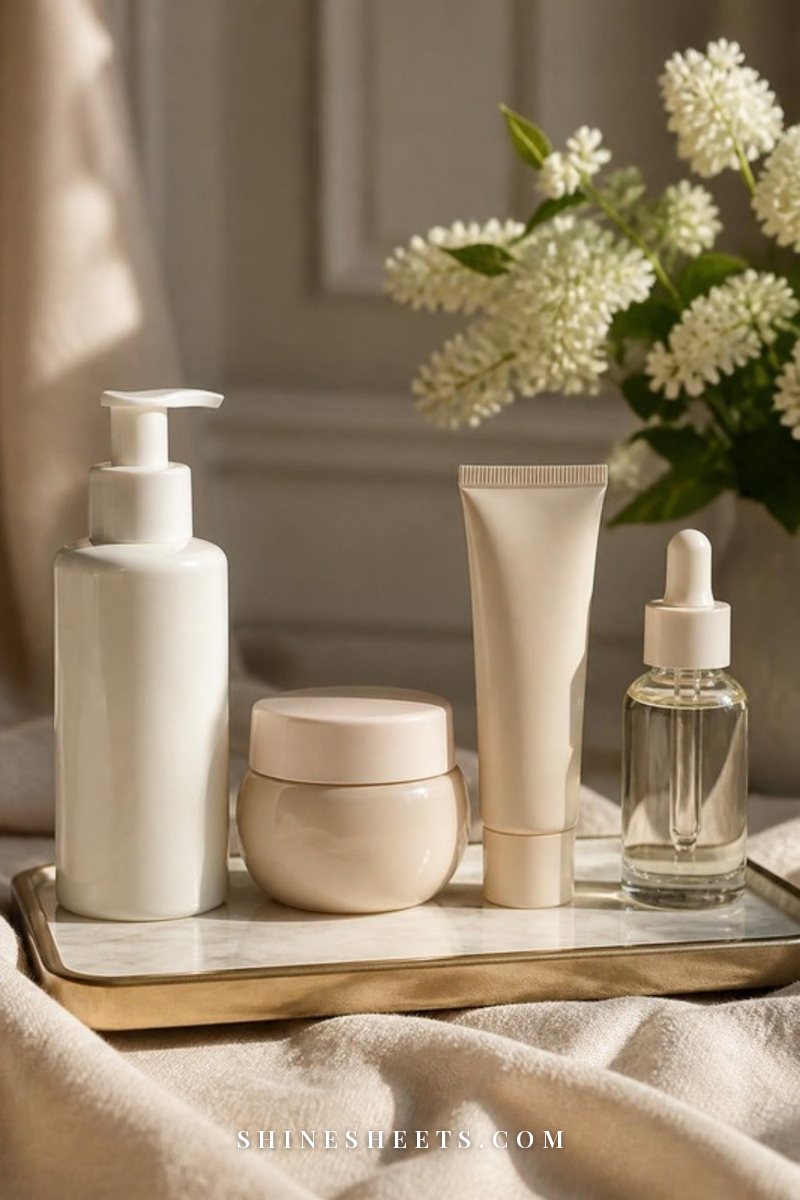
When you're stressed, your skin usually wants fewer products, not more. Think of this as your "stressful week" routine: three steps in the morning, two at night. Patch test any new product on a small area (like behind your ear or along your jaw) for a few days before using it all over.
Morning
- Rinse or gentle cleanse. If your skin feels dry, lukewarm water is often enough in the morning. If you're oily, use a small amount of a gentle cream cleanser with no strong fragrance.
- Moisturize. A simple moisturizer with ingredients like ceramides, glycerin or hyaluronic acid.
- Sunscreen. Broad-spectrum SPF 30 or higher, every day. If your skin is reactive, a mineral sunscreen for sensitive skin is often gentler.
Evening
- Cleanse. Remove sunscreen and makeup gently. No scrubbing, no hot water.
- Moisturize. A barrier repair moisturizer with ceramides is a pick for stressed, tight skin. Apply it on slightly damp skin for extra comfort.
If you'd like more help bringing a stressed barrier back to comfort, my guide to restoring your skin barrier explains the ingredients to look for and the habits that help.
What To Pause
During a stressful stretch, especially if your skin feels tight or stings, consider pausing these for a week or two:
- Exfoliating acids (AHAs, BHAs) and scrubs
- Retinoids, unless prescribed (check with your doctor before stopping prescribed treatments)
- Strong vitamin C serums
- Peel-off masks and clay masks if you feel dry
- Anything new or heavily fragranced
Once your skin feels calm again, reintroduce one product at a time, a few days apart. If sensitivity is a regular thing for you, my sensitive skin routine walks through a gentle long-term approach.
Stressed Skin by Skin Type
Stress tends to exaggerate whatever your skin already does. A few small tweaks to the routine above, depending on your type:
Oily and Combination Skin
You'll probably notice more shine and more breakouts, especially across the T-zone. (Mine is the first place stress shows up.) Resist the urge to strip it all away with harsh cleansers, because skin that feels tight often produces even more oil. Instead:
- Cleanse gently twice a day and use a lightweight gel-cream moisturizer.
- Use blotting papers during the day instead of washing your face again.
- Keep any salicylic acid product to a few evenings a week, not every night, while your skin is reactive.
- Change your pillowcase two or three times a week.
Dry Skin
Stress can leave dry skin even tighter, flakier and more uncomfortable. Focus on comfort:
- Skip the morning cleanser and rinse with lukewarm water instead.
- Choose a richer cream at night and apply it to damp skin.
- Add a humidifier to your bedroom in winter if the air is dry.
- Keep showers short and warm, not hot.
Sensitive Skin
If your skin is sensitive, stress can make even your trusted products sting. This is the time to go fragrance-free, keep your routine to three products and avoid trying anything new. If something stings, rinse it off with cool water and give your skin a few quiet days with just a gentle cleanser and moisturizer.
Daily Habits That Help Stressed Skin
Skincare can only do so much when the stress itself keeps going. These everyday habits support both your mind and your skin, and none of them require perfection.
Protect Your Sleep
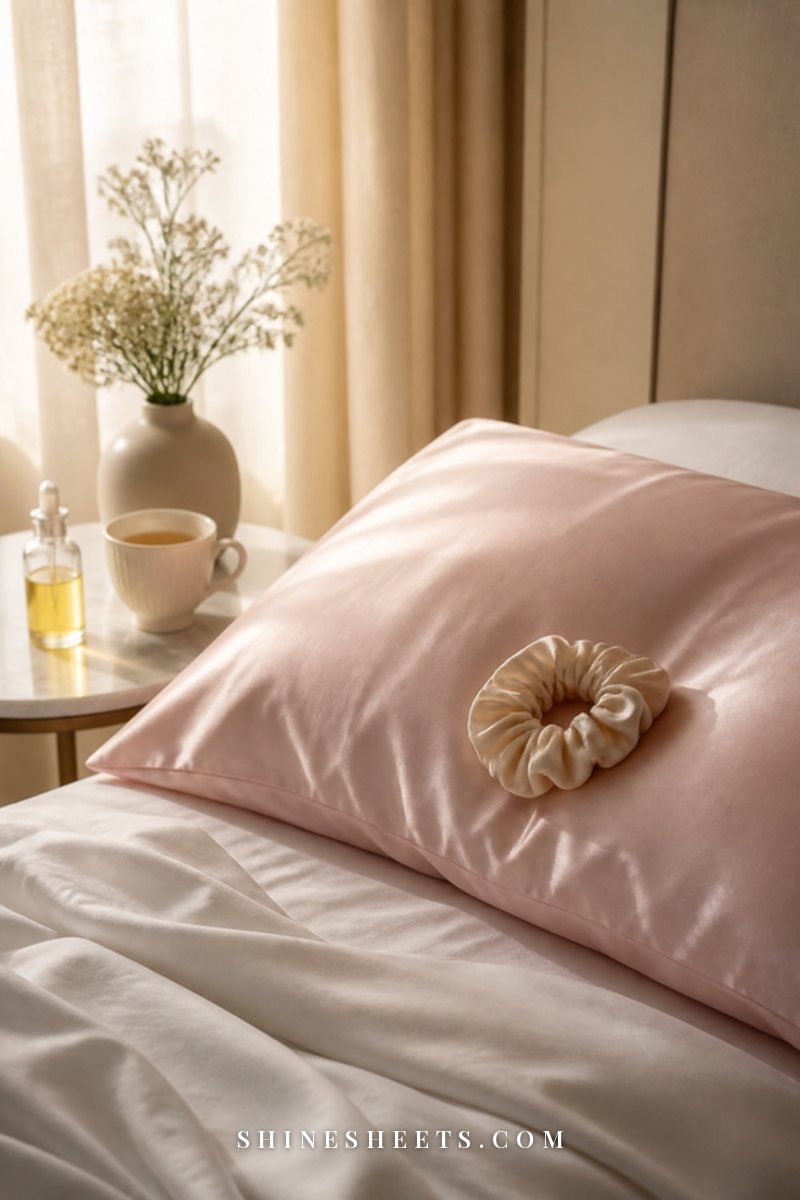
Sleep is when your skin does a lot of its repair work. Aim for a regular sleep window, even if it's not as long as you'd like. Keep your evening routine short so it doesn't feel like a chore, and keep screens out of bed when you can.
A silk pillowcase is a pick for sensitive skin because it creates less friction than rough cotton, and it's a small treat during a hard week. Wash it regularly, as you would any pillowcase.
Keep Your Hands Off Your Face
Touching, picking and squeezing can spread bacteria, irritate skin and leave marks that last longer than the spot itself. A few tricks that help:
- Put pimple patches on spots so you physically can't pick them. My guide to pimple patches explains how to use them well.
- Keep your nails short and smooth.
- Give your hands something to do (a stress ball, a pen, a mug of tea) when you're anxious or concentrating.
- Dim the bathroom lights at night if you tend to inspect your skin up close.
Take Real Breaks
Short breaks during the day can help your nervous system settle. Even five minutes away from your desk, three slow breaths or a quick stretch counts. If stress at work is the main source, my guide to work stress relief has simple ideas you can use between meetings.
Move Gently
A 15–20 minute walk, gentle yoga or stretching can help ease stress and get your circulation going. You don't need an intense workout; on stressful weeks, gentle is often better. Shower or rinse your face afterward if you've been sweating.
Drink Water
Drinking water won't fix dry skin on its own, but staying hydrated supports how you feel overall. Keep a glass or bottle nearby, and notice whether extra coffee on busy days leaves you more jittery. (For me, it sometimes does.)
A 10-Minute Evening Ritual for Mind and Skin
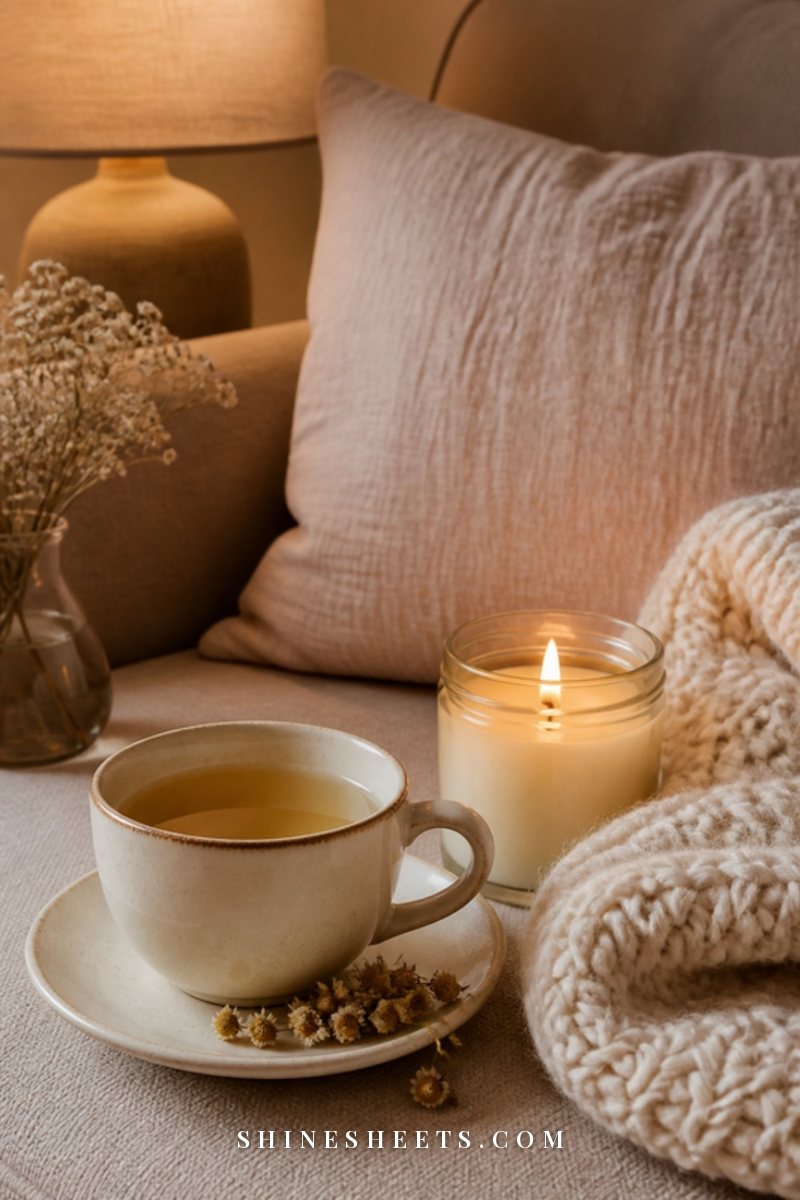
This short ritual combines your evening skincare with a few minutes of real stress relief. It's my favorite way to signal to my body that the day is over.
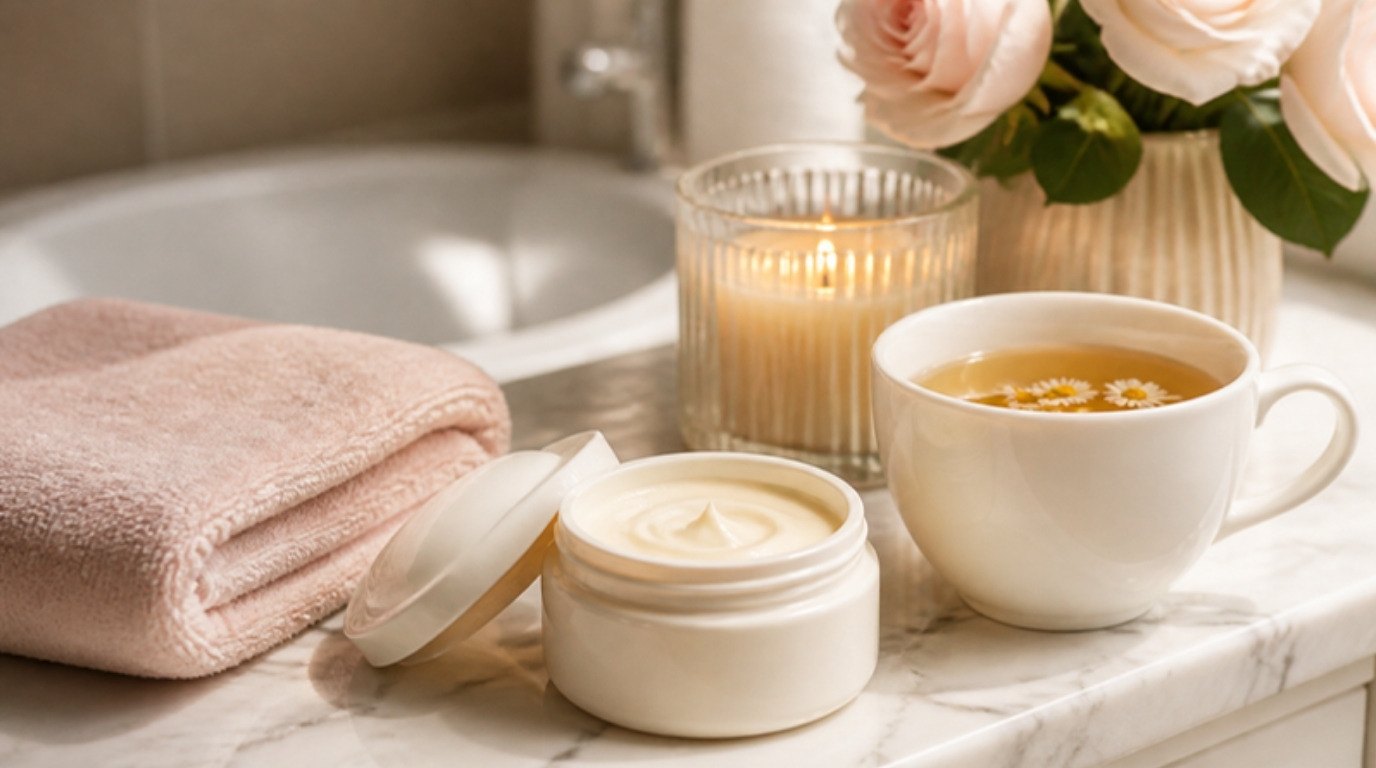
- Minute 0–1: Set the scene. Dim the lights, light a candle and put the kettle on for a cup of chamomile tea or another caffeine-free herbal tea.
- Minute 1–3: Cleanse slowly. Use lukewarm water and massage your cleanser in for a full 30–60 seconds, breathing slowly. Pat dry with a clean towel.
- Minute 3–5: Moisturize with a gentle massage. Warm your moisturizer between your fingers and press it in, using light upward strokes along the jaw and cheeks and gentle pressure at the temples.
- Minute 5–8: Breathe. Sit somewhere comfortable with your tea. Breathe in for four counts, out for six, for about three minutes.
- Minute 8–10: Write it down. Jot down anything still on your mind, plus one small thing that went okay today. Then close the notebook.
It's simple, and that's the point. When stress is high, a ritual you can actually keep is worth more than a perfect one you skip.
Stress Relief That Also Helps Your Skin
The most effective thing you can do for stressed skin is often to lower the stress itself, even a little. These ideas take 5–20 minutes and work for your nervous system and your face at the same time:
- A short walk outside in daylight. Fresh air, gentle movement and a break from screens all in one.
- Slow breathing. Breathe in for four counts and out for six, for two or three minutes. A longer exhale tends to feel calming.
- A warm (not hot) bath or shower. Follow it with moisturizer within a few minutes while your skin is still slightly damp.
- Journaling. Writing worries down before bed can stop them circling, and it keeps your hands busy and away from your face.
- Time with someone you like. A call with a friend or a quiet evening with someone you love can soften a hard day.
- Less news and social media in the evening. Give yourself a screen-free hour before bed when you can.
None of these will erase a stressful season, but each one gives your body a small signal that it's safe to rest and repair.
How Long Does Stressed Skin Take To Settle?
It depends on what you're seeing and how long the stress lasts. As a rough guide, irritation and stinging often calm within one to two weeks of a simplified routine. Dullness usually improves within days of better sleep. Breakouts can take four to eight weeks to settle, because spots form beneath the surface well before you see them. Marks from picked spots can take a few months to fade, and daily sunscreen helps.
Be patient with the process. Changing products every few days in search of a quick fix usually slows things down. Give a gentle routine at least three to four weeks before deciding whether it's working.
Makeup on Stressed-Skin Days
There's nothing wrong with wanting to cover a breakout or brighten a tired face, especially when you're already feeling low. A few gentle guidelines help makeup work with your skin instead of against it:
- Start with moisturizer and sunscreen, and give them a few minutes to settle.
- Spot-conceal instead of using full coverage everywhere. A little concealer on the areas that need it looks fresher and lets the rest of your skin breathe.
- Pat, don't rub. Use your fingertip or a clean damp sponge to tap product over spots.
- Skip heavy powder on dry, flaky patches; it clings and highlights texture.
- Clean your brushes and sponges weekly. Dirty tools can irritate skin that's already struggling.
- Always remove makeup at night, even if it's just a gentle cleanse and moisturizer before bed.
And on the days you'd rather go bare-faced, that's completely fine too. A rested face with a little lip balm often looks better than you'd expect.
What Not To Do When Your Skin Is Stressed
When skin suddenly changes, it's tempting to throw everything at it. A few things that usually make stressed skin worse:
- Adding lots of new products at once. If something irritates, you won't know which one.
- Over-exfoliating to "clear" breakouts. This often leads to more irritation and more breakouts.
- Using drying spot treatments all over. Keep any active spot treatment to the spot itself.
- Hot showers and hot water on the face. They feel soothing but can leave skin drier and redder.
- Comparing your skin online. Filtered, perfectly lit faces aren't a fair comparison, and they add stress.
- Being harsh with yourself. Your skin reacting to a hard time is a normal, human thing.
If your breakouts tend to follow a monthly pattern as well as stressful weeks, my hormonal acne skincare routine may help you plan around both.
When To See a Dermatologist
Gentle care at home helps many stress-related skin changes, but some things deserve professional attention. Please book an appointment with a dermatologist or your doctor if:
- Acne is painful, deep, cystic or leaving scars.
- Breakouts haven't improved after six to eight weeks of a gentle routine.
- Eczema, psoriasis or rosacea is flaring and your usual plan isn't helping.
- You notice sudden or significant hair shedding.
- Skin is itchy, swollen, oozing, crusting or spreading.
- You notice new or changing moles or spots.
- Skin changes are affecting your mood, sleep or confidence.
And if the stress itself feels overwhelming, it's worth talking to a doctor or therapist. Looking after your mental health is skincare too, in the truest sense.
Final Thoughts
The connection between stress and skin is real, but it doesn't have to become a spiral. When life feels heavy, simplify your routine, protect your barrier, keep your hands off your face and give yourself ten quiet minutes in the evening.
Your skin will usually settle as the stress eases, especially when you meet both with patience. Be as gentle with yourself as you are with your face, and reach out for help whenever you need it. You deserve care on the hard weeks most of all.