Red skin rarely needs a stronger product. Most of the time it needs fewer products, cooler water and a lot less friction. Facial redness is often your skin's way of saying that something is irritating it, that it's flushing in response to heat or that its protective barrier is worn thin, and the gentlest answer is usually the one that works best.
That can feel frustrating when you want the pink to disappear by tomorrow morning. But calm skin is built in small, boring, repeatable steps: a soft cleanser, a soothing layer, a good barrier cream and sunscreen every single day. My own skin is combination and sensitive (shiny T-zone, cheeks that turn pink if I so much as look at a scrub), and it took me a while to accept that "doing less" was the actual routine, not a lazy version of it.
This guide walks you through redness on face from start to finish: the most common causes explained simply, a six-step calming routine, a calm skin routine card for morning, evening and flare-up days, what to pause while your skin settles, quick tricks for red moments, a simple trigger diary and the signs that it's time to see a dermatologist.
Take a breath. Your skin isn't broken. It's just asking for a softer approach.
7 Common Causes of Redness on Face
Redness has many possible sources, and often two or three overlap. You don't need to diagnose yourself (please don't, that's a dermatologist's job), but knowing the usual suspects helps you notice patterns. Here are the seven I'd look at first.
1. An Irritated or Damaged Skin Barrier
Your skin barrier is the outermost layer that keeps water in and irritants out. When it's weakened by harsh cleansers, cold wind, too many actives or simply stress, everything stings a little more and redness shows up faster. Signs: tightness after cleansing, products that suddenly burn, flaky patches next to oily ones. If this sounds like you, these ways to restore your skin barrier fast are a good companion to this routine.
2. Over-Exfoliation
This one is so common. Acids, scrubs, peel pads, retinoids, cleansing brushes, all in the same week. Over-exfoliated skin often looks shiny-tight (almost like cling film), feels warm and turns red with every product. The fix is a break, not another treatment. My guide on how to exfoliate your face without overdoing it explains how often is enough once you're ready to go back.
3. Sensitive, Reactive Skin
Some skin simply reacts more easily: to fragrance, essential oils, certain preservatives, even rough towels. Reactive redness tends to appear quickly after applying something and fade within an hour or two. Patch testing new products (behind the ear or on the jawline for three to five days) saves a lot of drama.
4. Sun Exposure
UV light is a quiet but constant source of redness. It inflames the skin and, over time, can make tiny blood vessels more visible. Even a short walk without sunscreen can leave sensitive cheeks pink for the rest of the day.
5. Heat, Alcohol and Spicy Food Flushing
Hot showers, saunas, a warm room after cold air, a glass of wine, very spicy dishes, even a hot cup of tea sipped too fast: all of these can dilate blood vessels and bring on a flush. Stress and embarrassment do the same (my cheeks have announced my nerves more than once). Flushing usually comes and goes, but if it happens often, it's worth tracking.
6. Acne Marks and Post-Breakout Redness
Those flat pink or red spots left after a pimple heals are not new breakouts. They're leftover inflammation, and they fade slowly over weeks to months. Picking makes them last longer, and sunscreen helps them fade faster.
7. Possible Rosacea
Rosacea is a common, long-term skin condition that can cause persistent redness across the cheeks, nose, chin or forehead, sometimes with small bumps, visible vessels, burning or stinging, and even irritated eyes. It can look a lot like sensitive skin, which is why only a dermatologist can confirm it. The good news: it's very manageable with the right care and, when needed, prescription treatments.
Redness vs. Rosacea: A Gentle Note
Everyday redness tends to have a clear trigger and settle when the trigger is removed: you stop the harsh scrub, the cheeks calm down within a week or two. Redness that stays no matter what you do, keeps getting worse or comes with bumps, burning or gritty eyes is a different story.
Please don't wait months hoping a new serum will fix it. A dermatologist can tell you what's going on in one visit and offer options no drugstore shelf can. Everything in this guide is supportive care that suits most reddish, sensitive skin, but it isn't a diagnosis or a cure.
The 6-Step Calming Routine for Red Skin
This routine is intentionally short. Fewer products means fewer chances for irritation and an easier time spotting what helps. Give it at least four weeks before you judge it, because the skin barrier needs time to rebuild.
1. Rinse With Lukewarm Water
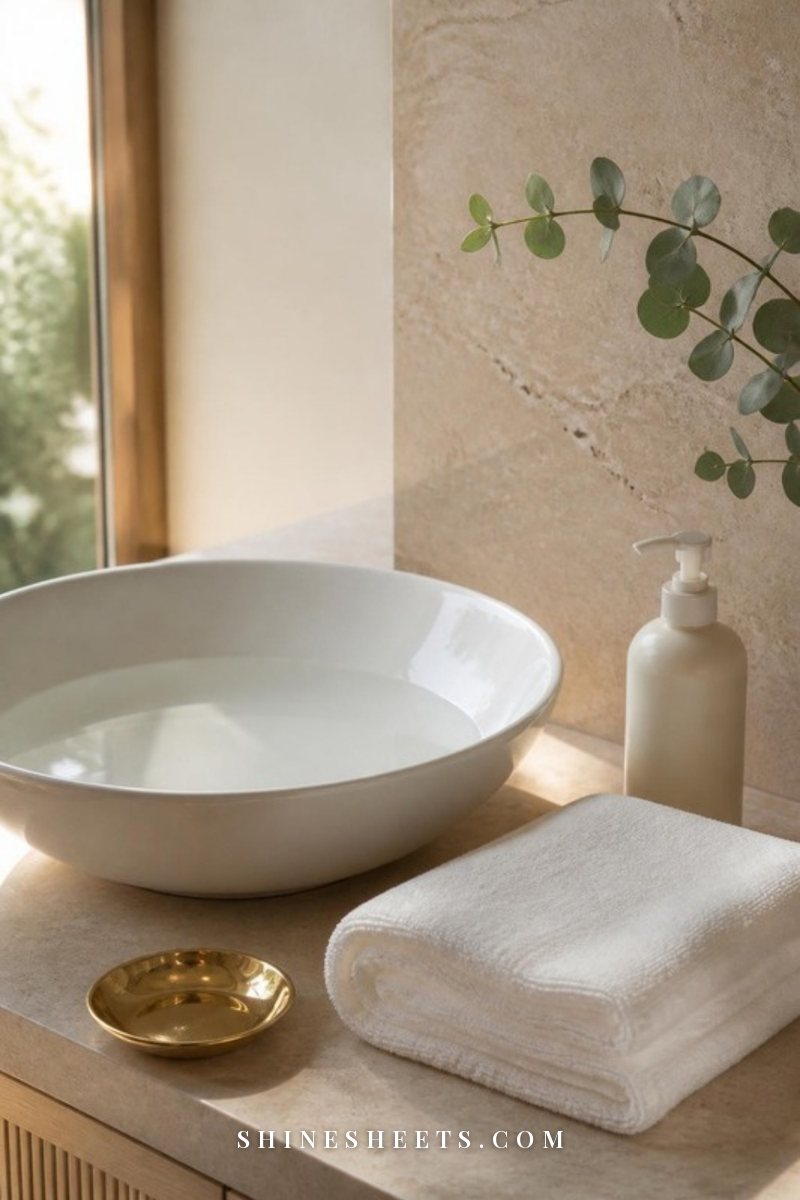
Start with the temperature. Hot water feels comforting, but it strips oils and dilates blood vessels, so red skin often looks worse right after. Aim for water that feels barely warm on your wrist, almost cool. Splash, don't rub, and pat your face dry with a clean, soft towel (pressing, not wiping).
2. Wash With a Gentle, Non-Foaming Cleanser
Big foam usually means strong cleansing agents, which red skin doesn't need. Look for a cream, milk or gel-cream formula that's fragrance-free and leaves your face soft rather than squeaky. A gentle non-foaming hydrating cleanser is the kind of everyday basic I'd choose. Massage it in for about 30 seconds with fingertips only, then rinse with lukewarm water.
In the morning, if your skin isn't oily, a splash of water alone is fine. In the evening, cleanse once; if you wear heavy sunscreen or makeup, a soft cleansing balm first is enough. My sensitive skin routine goes deeper into cleanser types if you're unsure.
3. Add a Soothing Toner or Serum
This is where calming ingredients come in. Apply onto slightly damp skin with your palms (no cotton pads rubbing back and forth). Look for:
- Centella asiatica (cica) – a K-beauty favorite for soothing irritated, reddish skin.
- Niacinamide in a low percentage – around 2–5% supports the barrier and can even out redness over time; higher strengths can sting reactive skin. More in my guide to niacinamide.
- Panthenol, allantoin, madecassoside, oat extract – quiet, comforting helpers.
- Hyaluronic acid or glycerin – for hydration without heaviness.
Pick one soothing product, not three. Layering five calming serums is still five chances for a reaction.
4. Seal It In With a Ceramide Barrier Cream
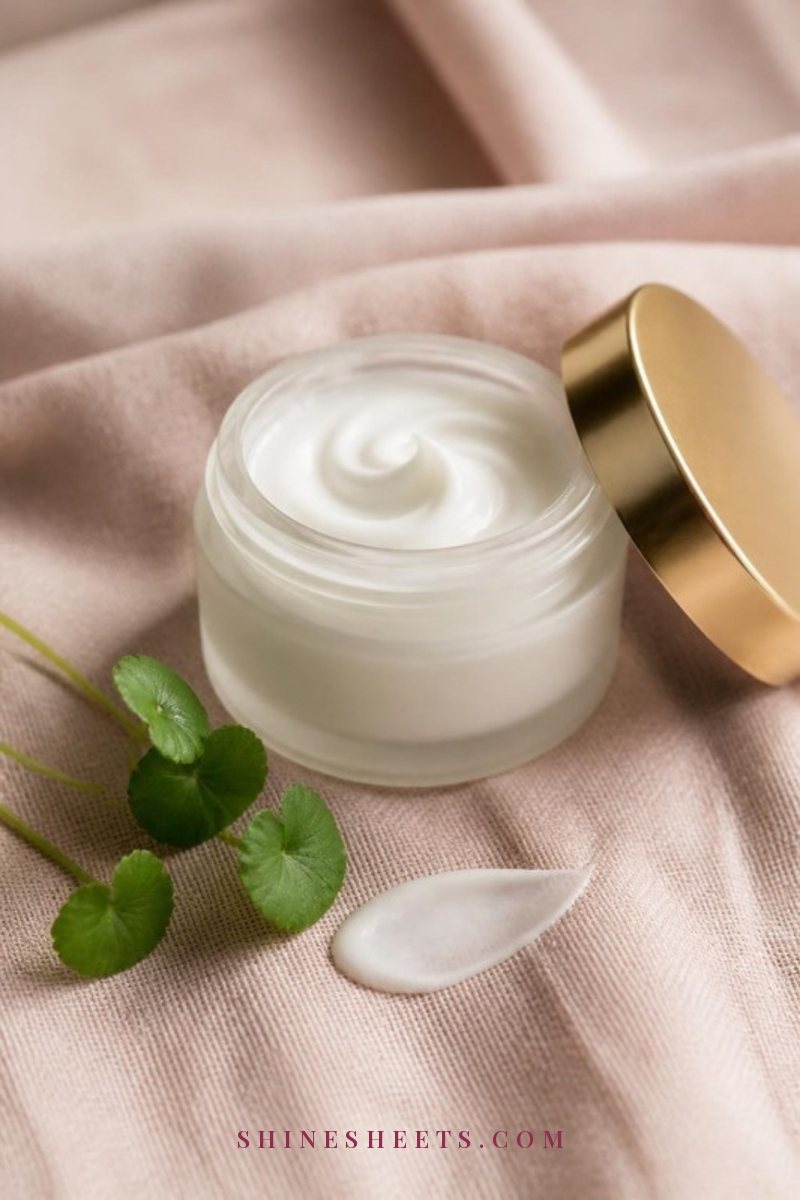
Moisturizer is the step that does the heavy lifting for redness caused by a weak barrier. Ceramides, cholesterol and fatty acids help fill in the "mortar" between skin cells so irritants can't sneak through as easily. A fragrance-free ceramide barrier repair cream is a reliable everyday pick, morning and night.
For extra-angry evenings, a centella calming cream works beautifully as the last step, or as a thin layer on top of your usual moisturizer just on the red areas. If you want to understand why ceramides matter so much, my sister guide on ceramides explains it simply.
5. Wear Mineral SPF Every Single Morning
Sunscreen is non-negotiable for red skin, rain or shine, home or out. Mineral filters (zinc oxide and titanium dioxide) tend to be gentler on reactive skin than some chemical filters, and zinc itself has a calming reputation. A mineral SPF 50 sunscreen for sensitive skin is my suggestion for daily wear; a slightly tinted version can soften the pink at the same time.
Use about two finger-lengths for the face and neck, and reapply if you're outside for more than two hours. Add a wide-brimmed hat on bright days (it counts more than you'd think).
6. Add One Targeted Treatment, Slowly
Once your skin has been calm for three to four weeks, you can consider one targeted ingredient. Azelaic acid is a well-loved option for redness and post-acne marks, and it's often recommended for rosacea-prone skin, but it can tingle at first. I'd talk it through with a dermatologist (they can also prescribe stronger strengths) and start two or three evenings a week. My post on azelaic acid for skin covers how it works.
One new product at a time, two weeks between additions. That's the rule that keeps you from wondering which of four new things caused the flare.
Your Calm Skin Routine Card
Here's the whole routine on one card. Screenshot it and keep it on your phone for the mornings when your brain is still asleep.
| Moment | What To Do | Keep In Mind |
|---|---|---|
| Morning | Lukewarm water rinse (or gentle cleanser if oily) → soothing toner or serum → ceramide moisturizer → mineral SPF 50 | Pat, don't rub. SPF even on cloudy days. |
| Evening | Gentle non-foaming cleanser → soothing serum → ceramide or centella cream | Optional: one targeted treatment 2–3 nights a week, only once skin is calm. |
| Flare-up day | Water or cleanser only → cool compress 5–10 minutes → thick barrier cream → mineral SPF | Skip all actives, skip makeup if you can, keep showers short and lukewarm. |
| What to pause | Scrubs, strong acids and peels, retinoids, fragrance, alcohol toners, hot showers, cleansing brushes | Pause for at least 2–4 weeks, then reintroduce one thing at a time. |
6 Things To Pause While Your Skin Calms Down
Pausing feels counterintuitive when you want results, but taking things away is often the fastest route to calmer cheeks. Here's what I'd put on hold:
- Physical scrubs and cleansing brushes. Grains and bristles create micro-friction that red skin feels for days.
- Strong acids and peels. Glycolic, high-strength salicylic and peel pads can wait. When you bring them back, start with one gentle acid once a week.
- Retinoids. If a dermatologist prescribed one, ask before stopping; otherwise, give over-the-counter retinol a break.
- Fragrance and essential oils. Even "natural" lavender or citrus oils can irritate reactive skin. Look for "fragrance-free," not just "unscented."
- Alcohol-heavy toners. If denatured alcohol (alcohol denat.) is near the top of the ingredient list, it's not a calming toner.
- Hot showers and steamy face routines. Keep showers short and warm rather than hot, and wash your face at the sink afterwards with lukewarm water.
5 Quick Calming Tricks for a Red Moment
Some days the redness shows up anyway: after a warm room, a stressful meeting, a long walk in the wind. These are the gentle first aid steps I'd reach for.
1. Use a Cool Compress
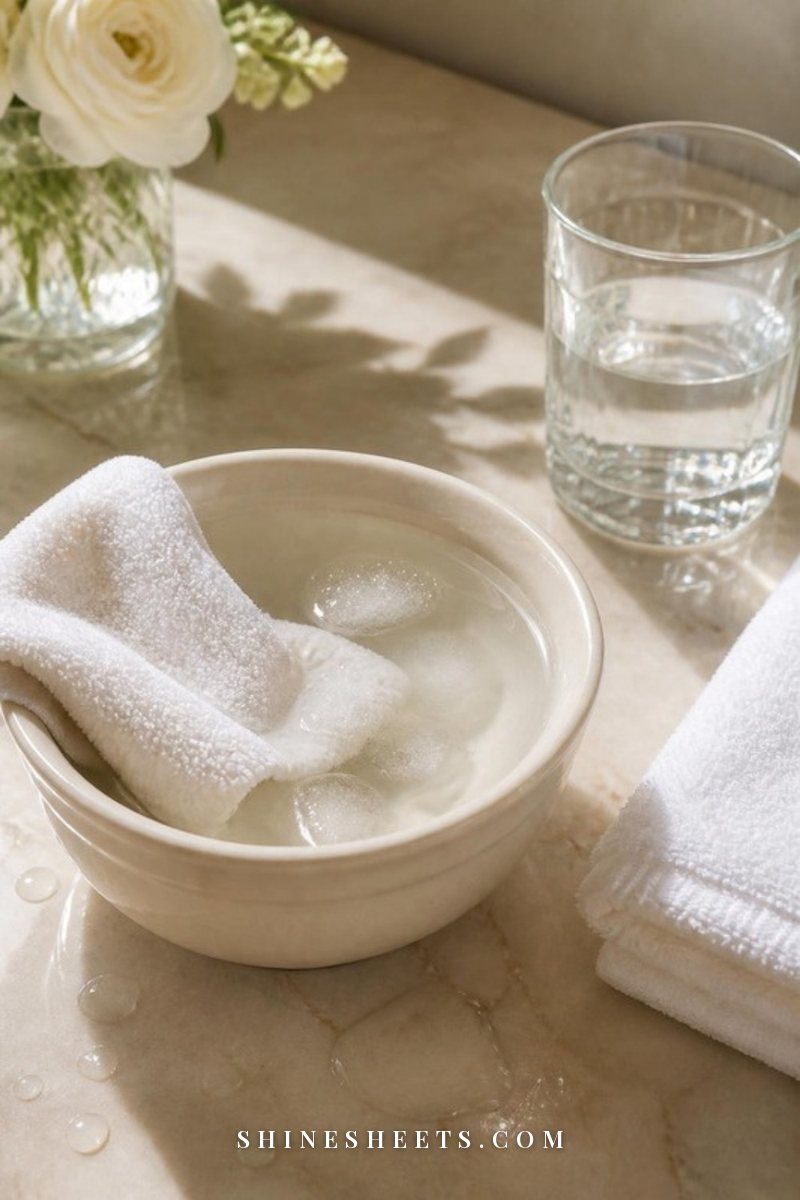
Soak a clean, soft cloth in cool (not ice-cold) water, wring it out and rest it on the red areas for five to ten minutes. Re-dip when it warms up. Cold constricts blood vessels a little and takes the heat out of a flush. Never put ice directly on the skin; extreme cold can trigger redness too.
2. Keep a Cooling Mask in the Fridge
A reusable cooling face and eye mask stored in the fridge (not the freezer) is a lovely thing to have ready. Ten minutes while you sit with your evening tea, and the warmth fades noticeably. Wrap it in a thin cloth if it feels too cold.
3. Hands Off, Literally
Touching, rubbing and checking in the mirror every five minutes keeps the area irritated. Try a small rule: no touching your face unless your hands are freshly washed and you're applying a product.
4. Cool Your Whole Body Down
Flushing is about body temperature as much as skin. Sip cool water, step outside for a minute, loosen a scarf or take off a heavy sweater. If stress set it off, a few slow breaths with a longer exhale than inhale can help the whole system settle (my anxious brain appreciates this as much as my cheeks do).
5. Neutralize With a Green-Tinted Primer
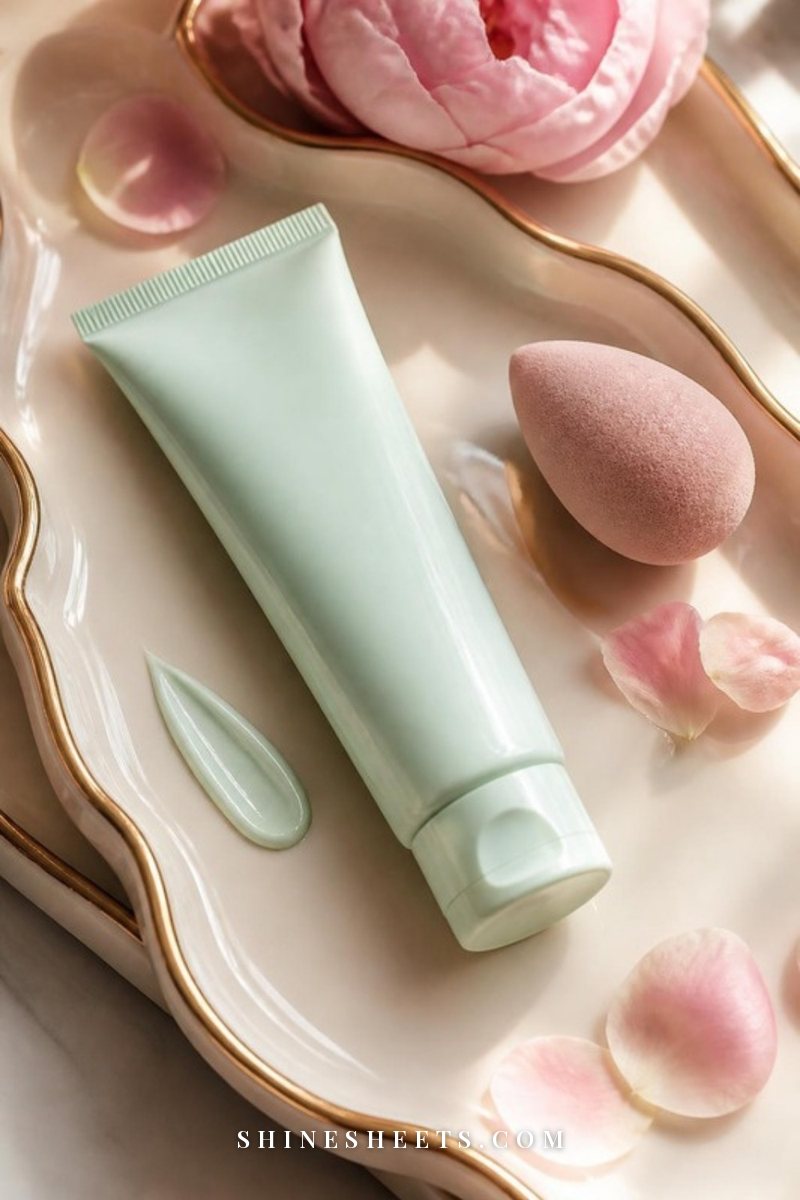
If you wear makeup, green sits opposite red on the color wheel, so a thin layer cancels out pink beautifully. A green color-correcting primer works best pressed only onto the red areas (sides of the nose, cheeks, chin) with fingertips or a damp sponge. Use a little; too much leaves a grayish cast. Follow with a light, skin-like base and dab it on rather than buffing hard.
Find Your Triggers With a Simple Redness Diary

Triggers are personal. One person flushes after red wine, another after a hot yoga class, another after a specific sunscreen. A short diary for two to four weeks turns guessing into knowing. You don't need anything fancy: a notebook or your phone notes is plenty.
Once a day, jot down:
- Redness level from 0 to 5 (0 = calm, 5 = burning and bright).
- Where it appeared: cheeks, nose, chin, forehead, neck.
- Products used that day, especially anything new.
- Weather and temperature: sun, wind, cold, a heated room.
- Food and drinks: hot drinks, alcohol, very spicy meals.
- Stress and sleep: a tense day, a short night, a workout.
After a couple of weeks, look back for repeats. If your cheeks hit a 4 every time you had wine or every time you used one particular serum, that's useful information, and it's also exactly what a dermatologist will want to hear. I like doing this after evening tea, when I'm journaling anyway; two lines take less than a minute.
When To See a Dermatologist
A calming routine helps a lot, but some redness needs professional eyes. Book an appointment if you notice any of these:
- Redness that lasts more than a few weeks despite a gentle routine.
- Small red bumps or pus-filled spots that look like acne but don't respond to acne care.
- Burning, stinging or swelling, especially if it's getting worse.
- Visible tiny blood vessels on the nose or cheeks.
- Eye irritation: dryness, grittiness, redness of the eyelids or eyes.
- Thickening skin, especially on the nose.
- Redness that came on suddenly with a rash elsewhere, fever or feeling unwell (see a doctor promptly).
Getting a diagnosis isn't a failure of your routine. It's the most direct route to calm skin, and many redness-prone conditions respond well to prescription treatments that simply aren't available over the counter. If you've been building a collection of "for sensitive skin" bottles hoping one will finally work, a dermatologist can save you time and money. Bring a photo of your current products along, so you can ask which ones fit your diagnosis.
Small Habits That Keep Redness Away Long Term
Once your skin is calm, a few everyday habits help it stay that way:
- Change your pillowcase twice a week and use a soft, fragrance-free laundry detergent.
- Wash makeup brushes and sponges weekly, so you're not pressing old product and bacteria into reactive cheeks.
- Protect your face from wind with a soft scarf on cold, blustery days, and add an extra layer of barrier cream before you go out.
- Use a humidifier in a heated bedroom during winter; dry air makes the barrier work harder.
- Go slow with new products: patch test, wait, then introduce one at a time.
- Be kind about the bad days. Skin has seasons, hormones and moods. One red morning doesn't erase weeks of good care.
Final Thoughts
Redness on your face can feel loud, but the answer is usually quiet: cooler water, fewer products, a good barrier cream, sunscreen every morning and a little patience while your skin rebuilds. Keep the routine card close, notice your triggers without judging them and let a dermatologist step in when something doesn't settle.
Calm skin isn't about perfection. It's about giving your face fewer reasons to feel defensive, and that's something you can start tonight with a lukewarm splash and a soft, gentle touch.