Skin after crying does not need fixing. It needs cooling, a little moisture and a lot of gentleness. The puffiness and blotchiness are temporary, and with the right small steps most of it settles within an hour or so.
The trick is to work with what your skin is doing instead of scrubbing at it. Cool water, soft patting and a few calm minutes do more than any strong product ever could. I have learned that the less I fuss with my face after tears, the faster it looks like mine again.
This guide is a quick, kind care plan for your skin after crying: why it gets puffy and red, seven calming steps for the hour after tears, a symptom table you can screenshot, how to do light makeup if you need to go out, and what to skip that night.
And before anything else: crying is a normal, healthy release. Nothing here is about hiding that you felt something. It is simply about helping your skin feel comfortable again.
Why Your Skin Looks Puffy and Blotchy After Crying

Understanding what is going on makes the steps feel much more logical. Three simple things happen at once.
Fluid Gathers Around the Eyes
When you cry, your tear glands make far more fluid than usual, and the blood vessels around your eyes widen. The skin around the eyes is very thin and loose, so extra fluid settles there easily. That is why your lids and under-eyes look swollen, sometimes even more so an hour later or the next morning, especially if you cried lying down.
Rubbing Irritates Thin Skin
The eye area has some of the thinnest skin on the body. Wiping and rubbing, even with your hands, adds friction to skin that is already a little swollen. That can make redness stronger and leave your lids feeling tender or tight.
Salty Tears and Tissue Friction Leave Redness
Tears contain salt. When they dry on your cheeks, they can leave skin feeling tight and slightly irritated, especially on sensitive or dry skin. Add a few rough tissues on top and you get those blotchy red patches around the nose and cheeks. Your nose often turns pink too, simply from all the blowing.
None of this is harmful. It is your skin reacting to fluid, salt and friction. The steps below address each one in turn.
7 Calming Steps for the Hour After Tears
You do not need all seven every time. Even the first two make a visible difference. But if you have a little time, doing them in this order works well, because each step prepares the skin for the next.
1. Rinse With Cool Water

Splash your face with cool (not icy) water ten to fifteen times. Cool water gently narrows the widened blood vessels and rinses off the salt from your tears, which is often the main cause of that tight, prickly feeling on your cheeks.
If you are wearing makeup, use a mild, non-foaming cleanser or micellar water on a soft pad first, pressing rather than rubbing. Skip anything with scrubbing beads or a strong scent tonight. A plain rinse is perfectly enough if your face was bare.
2. Pat Dry Instead of Rubbing
Press a clean towel gently onto your skin and lift it away, again and again, instead of wiping. This one change keeps the redness from getting worse. A soft cream cotton face towel kept just for your face is lovely here; look for a smooth, tightly woven cotton or a muslin weave, which feels gentler than a thick, rough bath towel.
Leave your skin very slightly damp. Damp skin takes up the next steps better than bone-dry skin.
3. Try a Cool Compress or Chilled Spoons

Cold is the fastest way to calm puffiness. Soak a clean washcloth in cool water, wring it out and rest it over closed eyes for five to ten minutes. Lie back with your head slightly raised on a pillow, which helps fluid drain rather than pool.
Two metal teaspoons chilled in the fridge for ten minutes work beautifully too. Rest the curved backs gently on your closed lids or under your eyes until they warm up, then swap. Never put ice straight onto your skin, and never press hard on your eyes; wrap ice in a cloth if you use it, and keep sessions short.
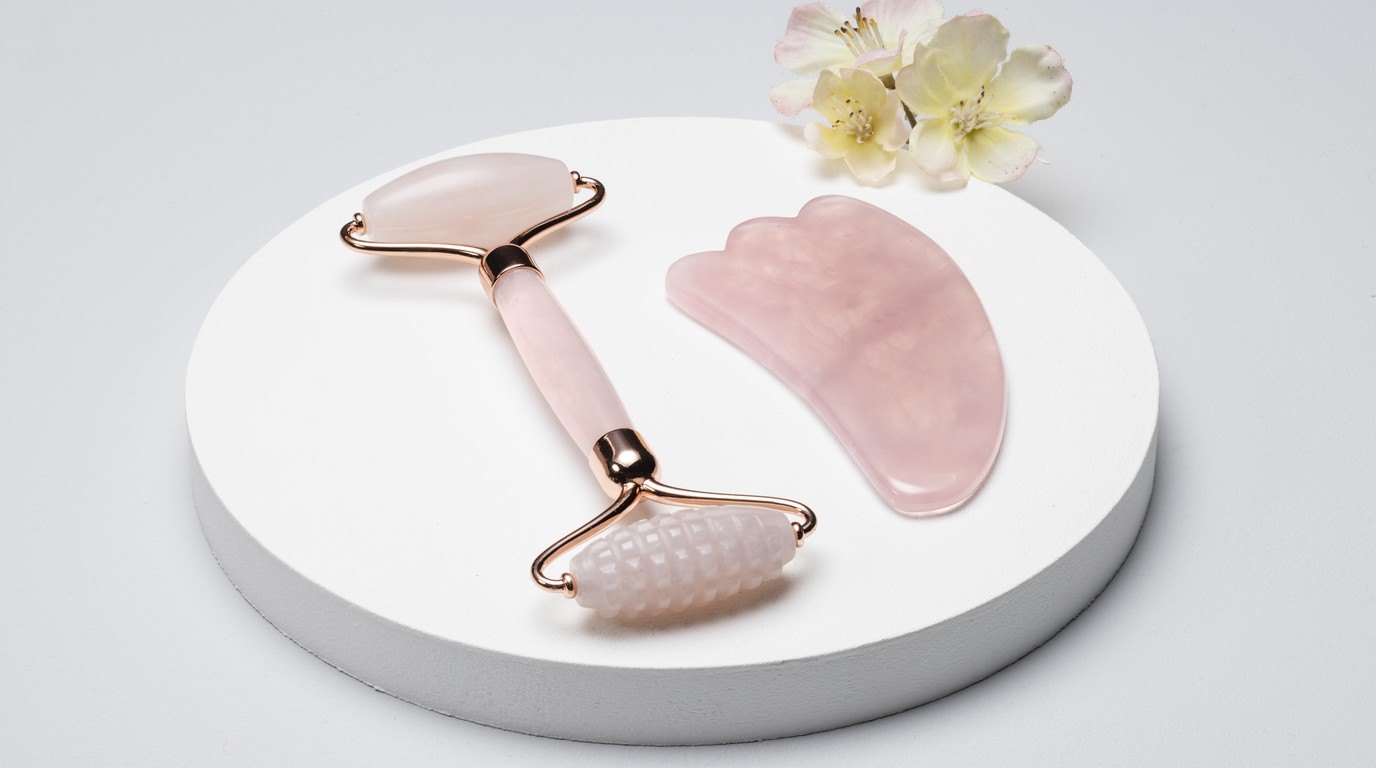
A white facial ice roller is a gentle option to keep in the freezer for this. Roll it lightly from the center of your face outward, without pressing, and keep it moving so no single spot gets too cold. Clean it after each use.
4. Press In a Gentle Hydrating Serum
Once your skin feels cooler, add moisture. Tears and salt leave skin a bit dehydrated, and a hydrating serum helps it feel soft and comfortable again. Choose something simple and soothing rather than active: hyaluronic acid, glycerin, panthenol or centella asiatica are all calm, widely loved ingredients.
A Korean-style centella soothing serum is a good pick for red, blotchy patches. Look for a fragrance-light formula aimed at sensitive skin. Warm two or three drops between your fingertips and press them into your cheeks, nose and forehead. Keep it away from the eye area itself unless the product says it is suitable there.
If your skin often feels tight or stingy after crying, it may be worth looking at your everyday barrier care too. My guide on how to restore your skin barrier has calm, simple steps.
5. Add a Soothing Eye Gel or Cream

For the eye area, a light eye gel feels especially cooling, and it is even nicer if you store it in the fridge. Tap a rice-grain amount along the orbital bone (the bony ridge around your eye) with your ring finger, which naturally uses the lightest pressure. Do not pull or drag the skin.
Cooling hydrogel eye patches are another option. Keep a pack in the fridge, place them under your eyes for ten to fifteen minutes and lie back. Look for patches made for sensitive skin with calm ingredients like caffeine, hyaluronic acid or aloe. If your lids are very swollen, keep them below the eye and away from the lashes.
For everyday puffiness that shows up even without tears, my guide to under eye bags covers the longer-term habits that help.
6. Do a Light Face Massage Towards the Ears
A very gentle massage can help the extra fluid move away from your eyes. With your serum or moisturizer still slightly slippery, place your fingertips at the inner corners under your eyes and glide them outward toward your temples, then down in front of your ears and along the sides of your neck. Use the pressure you would use to stroke a petal.
Repeat five to eight times, then do the same along your cheekbones and jaw. If you want the full routine, my lymphatic drainage face massage guide walks through it in five minutes. Stop if anything feels tender.
7. Drink a Glass of Water
This one is for all of you, not just your skin. A glass of water gives you a minute to breathe, and sipping slowly can help your body settle after a big emotion. A warm caffeine-free tea works too if that feels more comforting.
While you drink, try a few slow breaths, breathing out a little longer than you breathe in. If you want more ways to calm your body after tears, my guide to self-soothing techniques has many gentle ideas.
How Long Does Puffiness After Crying Last?
For most people, the redness on the cheeks and nose fades within thirty minutes to an hour, especially with a cool rinse. Puffiness around the eyes usually takes a little longer, often a few hours, and it can look a touch worse the next morning if you cried shortly before bed and slept flat.
How long it lasts depends on a few things: how long and how hard you cried, how much you rubbed your eyes, how much salt you had that evening, how well you slept and simply how your skin tends to behave. Sensitive or very fair skin often shows redness more clearly and for a bit longer. None of that means you did anything wrong. It is just your skin taking its own time.
If you cried at night and wake up puffy, the same steps work in the morning: a cool rinse, a few minutes with a chilled compress or ice roller, a light eye gel and the gentle massage toward the ears. Most mornings, that is enough to look rested by the time you have finished your coffee or tea.
A 10-Minute Version for When You Need To Go Soon
Sometimes you do not have a full hour. Maybe you cried in the car before a meeting or right before friends come over. Here is the short version that covers the essentials:
- Minute 1 to 2: splash cool water on your face ten times, then pat dry.
- Minute 2 to 7: rest a cool compress, chilled spoons or cold eye patches on your eyes, head tilted slightly back, breathing slowly.
- Minute 7 to 8: press in a few drops of hydrating serum and tap a little eye gel along the orbital bone.
- Minute 8 to 9: glide your fingertips from the inner eyes outward toward your ears five times.
- Minute 9 to 10: drink a glass of water, then add a sheer tinted moisturizer and a nude liner on the waterline if you want it.
If you have no tools with you, a cold water bottle or a can from the fridge wrapped in a tissue works as a quick compress in a pinch. Keep it gentle and brief.
Skin After Crying: Symptom, Cause and Quick Fix
Here is the whole plan in one table. Screenshot it for the moments when you do not feel like reading.
| Symptom | Why it happens | Quick fix | What to avoid |
|---|---|---|---|
| Puffy lids and under-eyes | Extra fluid collects in thin, loose skin around the eyes | Cool compress or chilled spoons for 5 to 10 minutes, head slightly raised | Lying flat for long, pressing on the eyes |
| Red, blotchy cheeks | Salt from tears and tissue friction irritate the skin | Cool rinse, pat dry, soothing serum | Hot water, scrubs, rough towels |
| Pink nose | Repeated blowing and wiping | Soft tissues, a thin layer of plain moisturizer or balm | Rubbing, fragranced products |
| Tight, dry skin | Salt draws moisture out as tears dry | Hydrating serum on damp skin, then moisturizer | Toners with alcohol, strong actives |
| Red, tired-looking eyes | Widened blood vessels and irritation | Cool compress, rest, dim light | Rubbing your eyes, eye makeup right away |
| Puffiness the next morning | Fluid settled overnight | Cool water, ice roller, light massage toward the ears | Very salty snacks the night before, hot showers on the face |
Makeup After Crying: Wait a Little First
If you need to head out, give your skin at least fifteen to twenty minutes after the cool steps before reaching for makeup. Skin that is still red and swollen tends to make makeup sit unevenly, and applying it too soon often means more rubbing.
When you are ready, keep it light and soft:
- Light tinted moisturizer or skin tint. A sheer layer evens out blotchiness without looking heavy on sensitive skin. Press it in with your fingers.
- Color-correcting concealer. A peach or salmon tone helps under-eye shadows, and a green-tinted one tones down red patches around the nose. Tap on a tiny amount, then a skin-tone concealer on top only where you need it. My guide on how to cover dark circles has the full technique.
- Nude inner-rim liner. A nude kohl pencil on the lower waterline makes red, tired eyes look brighter and more awake. Look for a soft, ophthalmologist-tested formula, and skip it if your eyes still sting.
- A little blush and mascara. A touch of cream blush on the cheeks brings back warmth, and one coat of mascara on the upper lashes only keeps smudges away if tears return.
Skip heavy powder under the eyes; it can cling to dry, irritated skin and look patchy. If more tears might come, that is completely fine. Pick a waterproof mascara or skip it altogether.
What To Avoid That Night

Your skin is a little more sensitive than usual after a good cry, so tonight is a night for the gentlest version of your routine. A few things to leave out:
- Hot water. It widens blood vessels further and can make redness and puffiness last longer. Keep your face to lukewarm or cool water, even in the shower.
- Scrubs and cleansing brushes. Physical exfoliation on irritated skin makes redness worse. Save them for another day.
- Strong actives. Skip retinoids, exfoliating acids (AHA, BHA) and strong vitamin C serums that night. They can sting on skin that is already a bit raw.
- Heavily fragranced products. Fragrance can irritate sensitive skin, especially around the eyes.
- Sleeping completely flat. An extra pillow helps fluid drain away from your eyes overnight.
- Rubbing your eyes. If they itch, use a cool compress instead.
A simple evening could be a gentle cleanse, a hydrating serum, a plain moisturizer, a cup of caffeine-free tea and an early night. I find that writing a few lines in my journal after tea helps my mind let go a little, too.
Patch Test New Products First
Skin after crying is not the moment to try something brand new on your whole face. If you bought a new eye patch, serum or eye cream, patch test it first: apply a little to the inside of your arm or behind your ear once a day for a few days and watch for redness, itching or bumps.
If anything stings or burns after you apply it, rinse it off with cool water and leave it out. Calm, familiar products are always the better choice when your skin is already a bit upset.
It also helps to keep a tiny calm kit ready for hard days: a soft face towel, a pack of eye patches in the fridge, a gentle serum you already know your skin likes and a plain moisturizer. When everything is in one place, you do not have to think or shop when you are feeling low. You just reach for it, and the caring part becomes almost automatic.
On sensitive skin like mine, familiar beats exciting every time. A boring, trusted moisturizer is the best friend your face can have after tears.
When Tears Are Telling You Something Bigger
Crying is a normal and often helpful way to release stress, sadness or even relief. Everyone cries, and there is nothing to be embarrassed about.
But if you find yourself crying very often, or you have felt low, empty or overwhelmed for more than a couple of weeks, please be gentle with yourself and reach out. Talking to someone you trust, a doctor or a therapist can really help, and you do not have to wait until things feel unbearable. If you ever feel unsafe, contact your local emergency services right away.
And if your eyes stay swollen for more than a day or two, become painful, or affect your vision, please see a doctor, since that is no longer just about tears.
Final Thoughts
Your skin after crying is just showing that you felt something deeply, and that is part of being human. Cool water, soft patting, a little moisture and a few calm minutes are usually all it needs.
Be as gentle with your face as you would be with a friend who just had a hard moment. The puffiness will fade, the blotches will settle, and you will feel like yourself again soon.