Drying your face is the shortest step in your whole routine, and it's also the one almost nobody thinks about. You spend money on a good cleanser, you take your time massaging it in, and then you grab whatever towel is closest and scrub. The towel itself is rarely the villain behind breakouts, but how you use it, how often you swap it and what it's washed in can make your skin feel calmer or a little more irritated than it needs to be.
The good news is that the fix is tiny. No new routine, no expensive gadget, just a few small habits that take seconds. I have combination, sensitive skin with a T-zone that loves to get shiny, and it took me a while to notice that my cheeks felt tight and pink after washing mostly because of the way I was drying, not the cleanser.
This guide covers everything about drying your face with a towel: whether it really matters, what tends to go wrong, rubbing versus patting, which fabrics are kindest, a comparison table of drying methods, how often to change your face towel, how to wash it, and five easy habits that help your skin look clear and comfortable.
Does Drying Your Face With a Towel Really Matter?
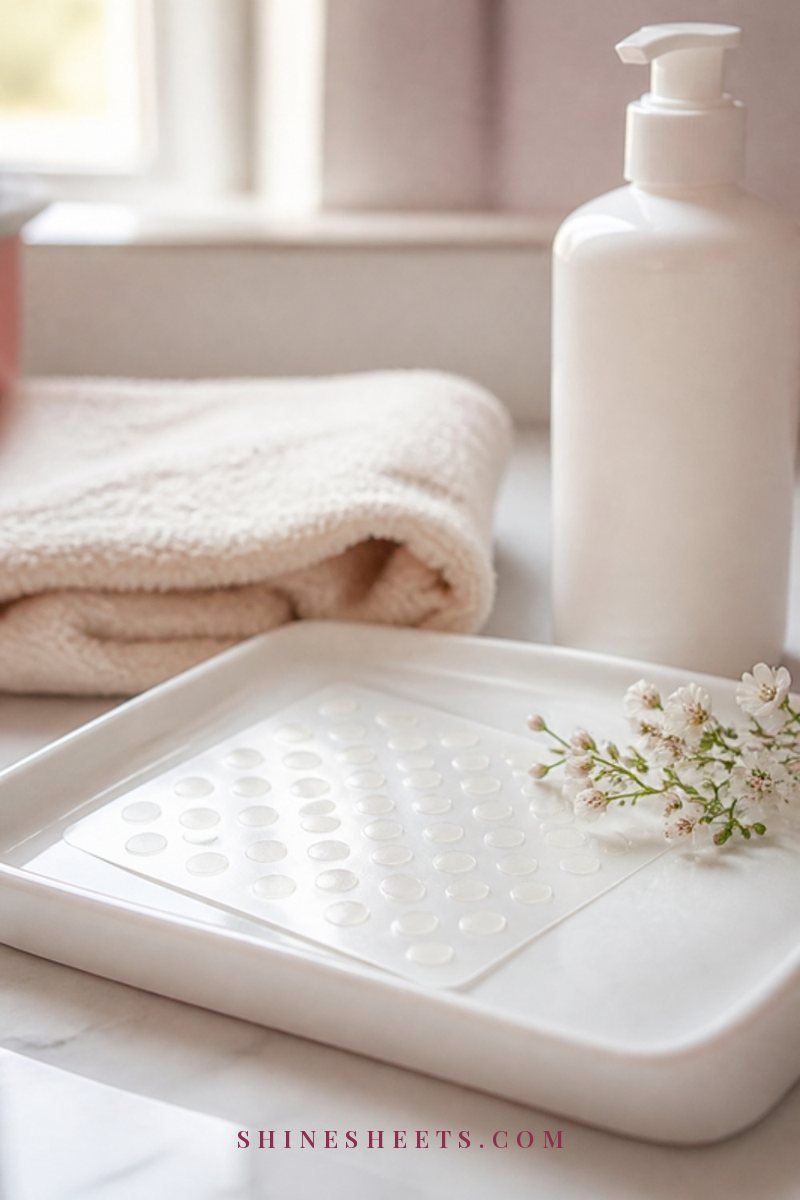
Short answer: yes, a little, and in a calm way. A towel is not going to ruin your skin overnight, and a single towel is very unlikely to be the one reason you break out. Breakouts usually have several causes at once, like oil production, hormones, sleep, stress, products and genetics. Hygiene is one small piece of that puzzle.
What a towel can do is add friction and carry things back to your freshly cleaned skin: leftover makeup, body lotion, hair products, conditioner residue and the general grime a towel collects when it hangs damp in a bathroom for a week. On sensitive skin, rough fabric and heavy fabric softener can also leave your face feeling itchy or tight.
Think of it this way: you just cleaned a surface, so it makes sense to touch it with something clean and soft. That's really the whole philosophy. If your skin is calm and happy with your current towel habit, you don't need to overhaul anything. If you notice redness, tightness or random little bumps, the towel is an easy, inexpensive thing to look at first.
It also helps to know what a towel can't do. It can't clog pores on its own, it can't cause acne by itself, and switching towels won't replace a good cleanser, moisturizer or sunscreen. It's a supporting habit, a bit like washing your makeup brushes: not dramatic, just quietly helpful.
What Actually Goes Wrong With Face Towels

Most face towel problems come down to the same four habits. None of them are a big deal on their own, but together they add up:
- Shared towels. When a towel is used by more than one person, or for your face, hands and body all at once, it collects everything from everyone. A hand towel next to the sink gets touched by just-washed (and not-quite-washed) hands all day.
- Damp towels. A towel that never fully dries between uses stays warm and moist, which is exactly the environment where bacteria and that musty smell thrive. Bathrooms without a window are especially tricky.
- Rubbing hard. Vigorous back-and-forth rubbing creates friction on skin that's just been cleansed and is a little more vulnerable. Over time, that can mean more redness and dryness.
- Fabric softener and fragrance residue. Softeners coat fibers with a film so towels feel silky, but that film can leave towels less absorbent and can bother sensitive skin. Strong fragrance in detergent is another common trigger.
If the musty smell is already there and won't leave, my guide on how to deep clean towels walks you through a proper reset before you start fresh.
Rubbing vs. Patting: Why Gentle Wins
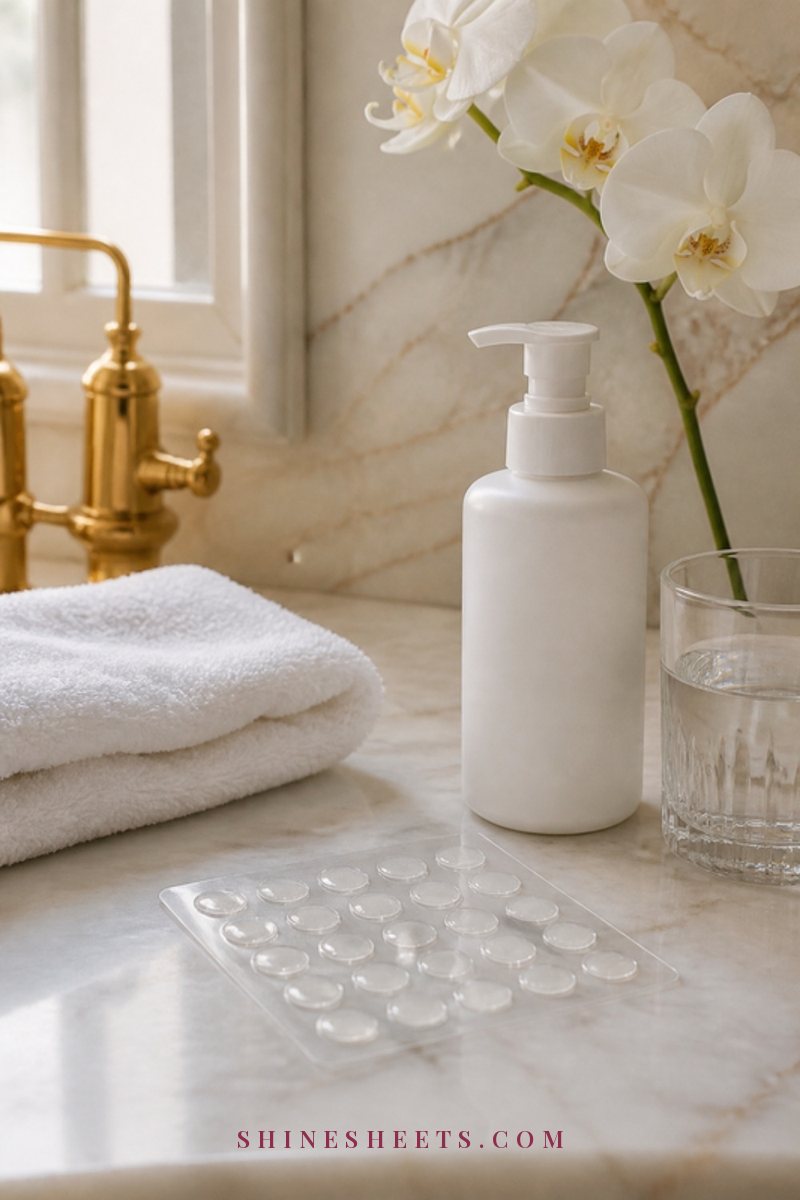
If you change only one thing after reading this, make it this: pat, don't rub. Patting means gently pressing the towel against your skin and lifting it away, section by section, instead of dragging it back and forth.
Here's the simple version I'd follow:
- Rinse your cleanser off completely (leftover cleanser along the jawline and hairline is a sneaky source of dryness).
- Fold your face towel in half so you have a clean, soft surface.
- Press it lightly on your forehead for one or two seconds, then lift.
- Move to your cheeks, nose, chin and jaw, pressing and lifting each time.
- Stop while your skin still feels slightly damp, not bone-dry.
That last step matters more than it sounds. Skin that's left a touch damp is the perfect canvas for your next step. Humectant serums, like ones with hyaluronic acid, are often recommended on slightly damp skin because they have a little water to hold on to. Drying your face completely and then waiting ten minutes can leave it feeling tight before you've even reached for your moisturizer.
Patting takes about ten seconds. Rubbing takes about five. The extra five seconds are very worth it.
Fabric Matters: Choosing a Soft Face Towel
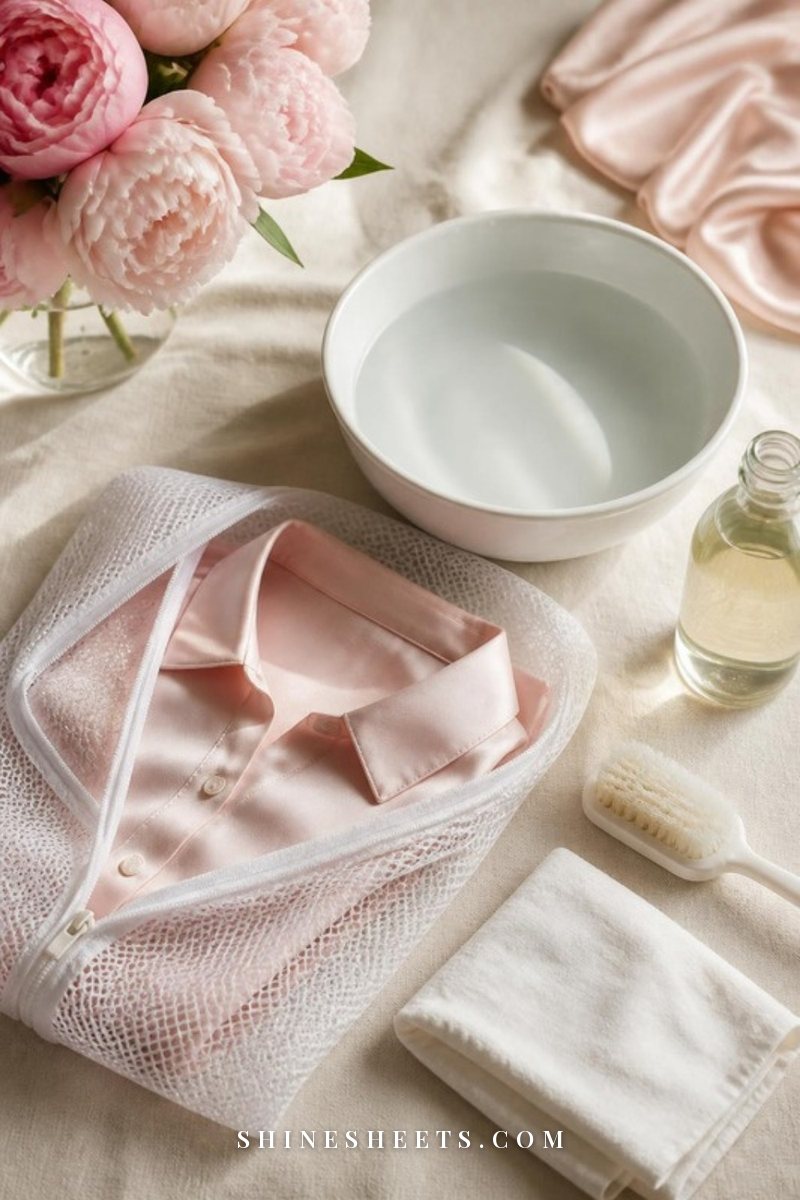
Not all towels feel the same on your face. A big, thick bath towel that's lovely on your body can feel surprisingly scratchy on your cheeks, especially once it's been washed many times and the loops get stiff. Here's what to look for in a face towel:
- Soft cotton terry. Classic, absorbent and easy to wash hot. Look for a smaller size (around washcloth or hand towel size) so you can swap it often without doubling your laundry. A set of soft white cotton face towels makes rotating easy, and white shows when it's time for a wash.
- Microfiber. Very absorbent, quick-drying and silky, which makes it a good pick for small bathrooms where things stay damp. Choose a plush, fine microfiber rather than the slightly grabby kind made for cleaning. Blush microfiber face cloths are a soft, pretty option that dry fast between uses.
- Muslin or bamboo blends. Light, gentle and lovely for sensitive skin, though thinner fabrics need a few more pats.
Whatever you choose, softness is the priority. If a towel feels rough on the inside of your wrist, it will feel rough on your face too.
Face Drying Methods Compared
Here's a quick side-by-side of your options. There's no single right answer, just the one that fits your skin, your bathroom and your budget. Screenshot it if you want it handy.
| Drying method | Pros | Cons | Best for |
|---|---|---|---|
| Shared bath or hand towel | Already there, no extra laundry | Collects body products, hand grime and dampness; used by others | Honestly, best avoided for your face |
| Dedicated cotton face towel | Soft, absorbent, washable, eco-friendly | Needs swapping every 1–3 uses and drying fully | Most skin types with a simple laundry routine |
| Microfiber face cloth | Very absorbent, dries quickly, silky feel | Lower-quality microfiber can feel grabby; avoid fabric softener | Small or humid bathrooms, oily and combination skin |
| Disposable face towels | Fresh every time, great for travel and the gym | Ongoing cost, more waste | Breakout-prone or very sensitive skin, busy weeks, travel |
| Air-drying for a few seconds | Zero friction, no laundry at all | Water drips; leaving skin wet too long can feel tight | A quick pause before serum, very reactive skin |
| Paper tissues | Handy in a pinch | Can shred and leave lint; not very absorbent | Emergencies only |
Your Face Drying Options
Let's look a little closer at the three options most people end up choosing between.
A Dedicated Face Towel

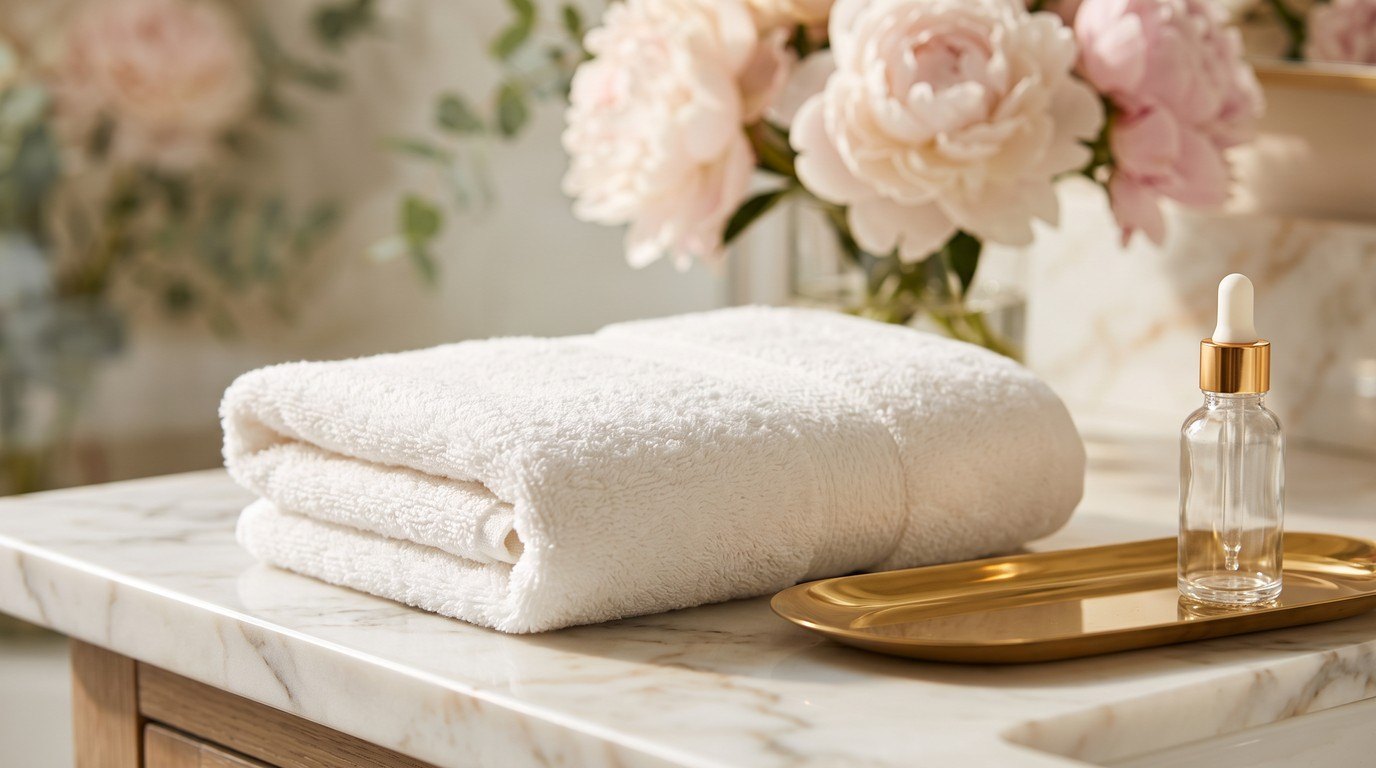
This is the simplest upgrade: one small towel that touches only your face. Not your hands, not your body, not your hair. Keeping it separate means it doesn't pick up body lotion, shampoo, conditioner or whatever was on your hands.
A few details make it work:
- Give it its own spot, away from the sink splash zone and away from the bath towels. A small gold towel hook by the vanity is a pretty way to keep it hanging open so air can reach both sides.
- Use a color or texture that's different from your other towels so nobody in your home grabs it by mistake.
- Hang it unfolded. A towel folded over a rail stays damp in the middle.
Disposable Face Towels

Disposable face towels are thick, soft, single-use cloths (sturdier than tissues, softer than paper towels). You use one, toss it, and you always start with a fresh surface. They're popular in Korean and Japanese skincare routines and with people whose skin reacts easily.
They're a nice middle ground if laundry isn't realistic every few days, during a stressful week when breakouts tend to show up, or for travel. Look for plain, unscented ones that don't shed lint. A pack of soft disposable face towels in a neat holder on the counter feels a little bit spa-like, too.
The trade-off is cost and waste, so many people keep them for the evening routine or for travel and use a cotton towel the rest of the time. Mixing both is completely fine.
Air-Drying for a Few Seconds
Air-drying means skipping the towel altogether and letting the water evaporate. It's the gentlest option in terms of friction, and some people with very reactive skin swear by it.
The catch: water dripping down your neck isn't fun, and leaving your skin wet for several minutes can actually make it feel tighter as the water evaporates. A middle path works well for many people: gently squeeze excess water off your face with clean hands, wait a few seconds, then apply your serum or moisturizer while the skin is still dewy. Or air-dry for a moment, then dab only the dripping spots (chin, hairline) with your face towel.
Face Towels at the Gym, at Work and While Traveling
Home is the easy part. The tricky moments are the ones where you wash your face somewhere else and the only option is a rough hotel towel, a shared gym towel or a paper towel dispenser.
A few simple ideas that keep it gentle on the go:
- Pack your own small towel. A clean microfiber face cloth folds tiny and dries quickly, so it's easy to tuck into a gym bag or suitcase. Bring a small zip pouch for the used one so it doesn't touch your clean clothes.
- Bring a few disposable face towels. Five or six flat ones take up almost no space and solve the hotel towel question completely.
- Skip the communal towel. At the gym, use the provided towel for your body and your own cloth for your face. Gym towels are washed in big batches with strong detergents that sensitive skin may not love.
- When nothing else is around, gently squeeze the water off with clean hands, let your skin air-dry for a few seconds and dab only the drippy spots with a clean tissue.
Small rule of thumb: if you wouldn't wipe a clean plate with it, don't press it on your just-washed face either.
How Often To Swap Your Face Towel
There's no official rule, but a general, sensible guideline is to use a fresh face towel every one to three uses. Here's a simple way to decide where you fall in that range:
- Every use: if you're dealing with breakouts, have very sensitive skin, or your bathroom stays humid and towels never dry fully.
- Every two uses: a nice default for most combination and normal skin.
- Every three uses: if your skin is calm, your towel dries completely between uses and only you use it.
Whatever your number, change it sooner if it smells musty, feels stiff or was used for anything other than your clean face. Having five to seven small face towels in rotation means you always have a fresh one ready without doing extra laundry.
If you're tidying up your skin hygiene in general, the same idea applies to bedding. My guide on how often to change your pillowcase has a simple schedule for that side of things.
How To Wash and Dry Face Towels Properly

A clean towel only helps if it's truly clean and truly dry. Here's the routine I'd follow:
- Wash face towels with other towels, not with heavily soiled items. Keep them away from gym clothes or kitchen cloths.
- Use a warm or hot cycle as the care label allows. Cotton usually handles warm or hot water well; microfiber often prefers warm.
- Choose a gentle detergent. A fragrance-free laundry detergent is a kind choice for sensitive skin, and you don't need much. Too much detergent can leave residue behind.
- Skip fabric softener and dryer sheets for face towels. They make towels less absorbent and leave a coating. If towels feel stiff, a little white vinegar in the rinse compartment helps (never mix vinegar with bleach).
- Dry completely. Tumble dry fully or hang in a well-ventilated spot until they're dry all the way through, not just on the surface. Store only when completely dry.
If you switch detergents, notice how your skin feels for a week or two. A quick patch test helps: wash one face towel in the new detergent and use it on a small area along your jawline for a few days before switching everything. For more laundry basics, my laundry tips guide covers temperatures, loads and drying in more detail.
5 Face Towel Habits That Help Clear-Looking Skin

Put everything together and it comes down to five small habits. None of them take more than a few seconds:
- Keep one towel just for your face. Separate from body and hair towels, used only after cleansing.
- Pat, never rub. Press and lift, section by section, and stop while your skin is still slightly damp.
- Swap it every one to three uses. Sooner if your skin is breaking out or the towel didn't dry fully.
- Let it dry open, and wash it without softener. Hang it spread out, wash with a gentle detergent, dry completely.
- Apply your serum to slightly damp skin. Right after patting, within a minute, so your skin feels comfortable instead of tight.
One bonus thought: these habits work best with a gentle cleanse in front of them. If you'd like a refresher on the steps, my guide on how to wash your face covers water temperature, timing and how long to massage your cleanser in.
When It's Not the Towel
It's worth saying clearly: perfect towel hygiene won't fix every skin concern. If you've had a clean, gentle towel routine for a few weeks and you're still dealing with breakouts, ongoing redness, flaking or itching, the cause is probably somewhere else, and that's not your fault.
A board-certified dermatologist can help you figure out what's going on and what treatment, if any, makes sense. Please see one if breakouts are painful, leave marks, or simply aren't settling down. And if your face stings or burns after washing no matter how you dry it, it's worth checking your cleanser and the rest of your products too. Patch testing anything new along your jawline for a few days is always a good idea with sensitive skin.
Towel hygiene is a small, kind support, not a cure. Think of it as removing one little source of irritation so the rest of your routine can do its job.
Final Thoughts
Drying your face is a ten-second step, but it's ten seconds you get every morning and every night. A soft towel that's only for you, a gentle pat instead of a scrub, and a fresh one every few days is one of the easiest, least expensive kindnesses you can give your skin.
You don't have to get it perfect. Start with patting tonight, add a dedicated face towel this week, and let your skin settle into a calmer rhythm.