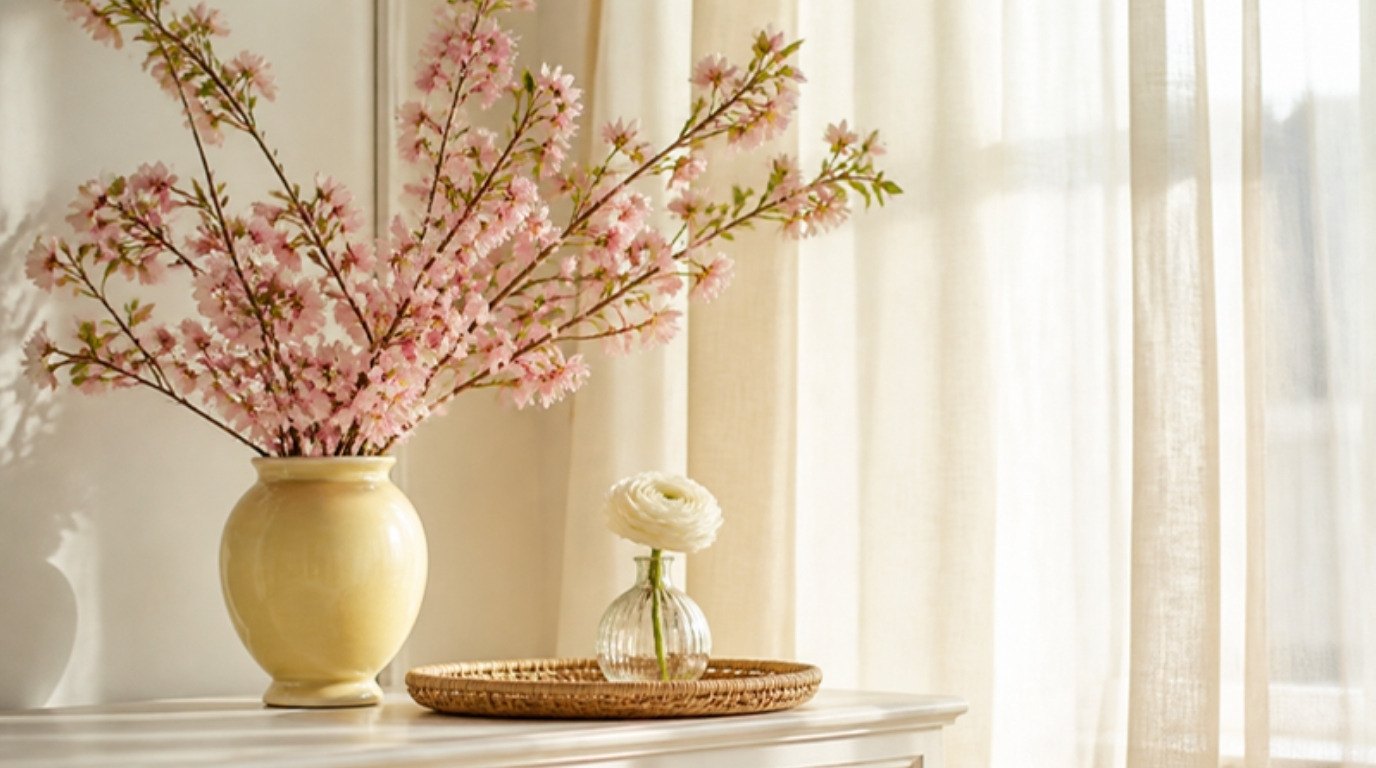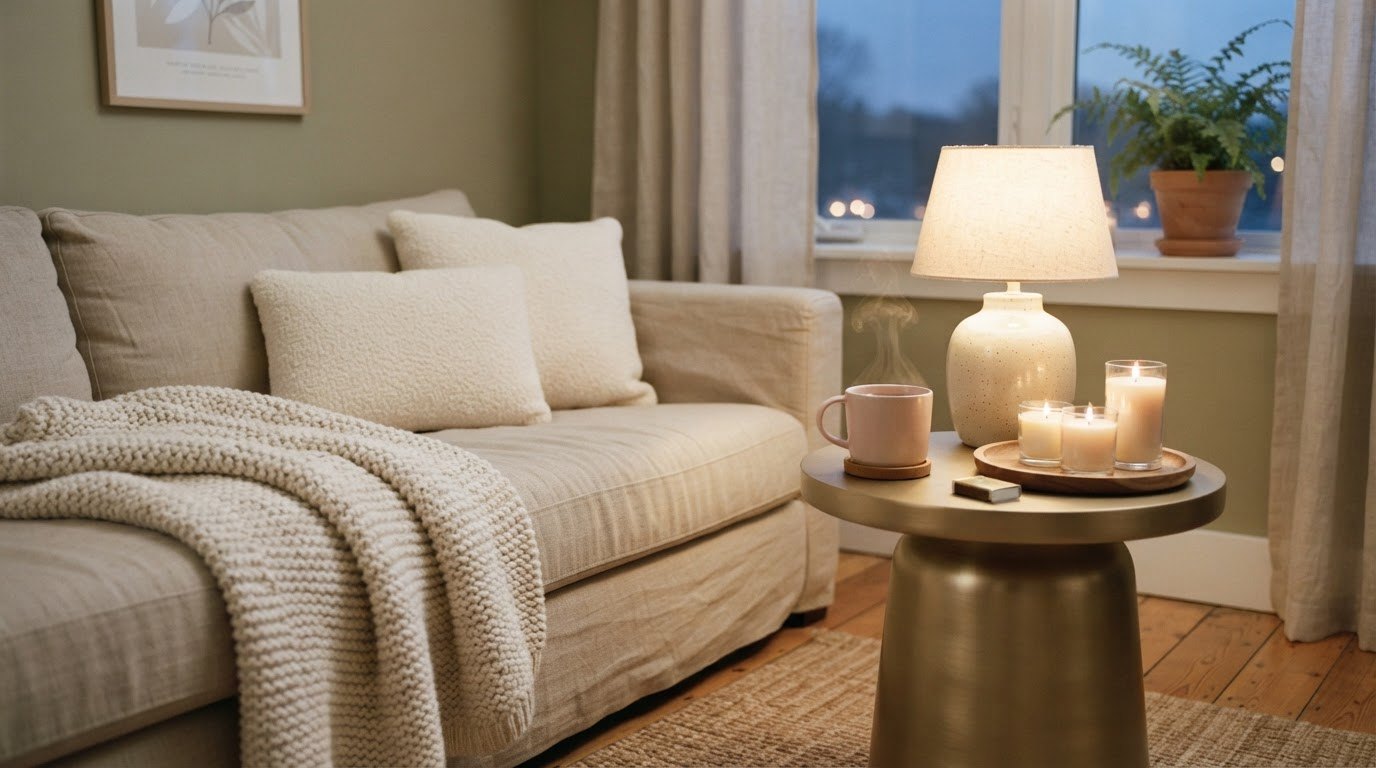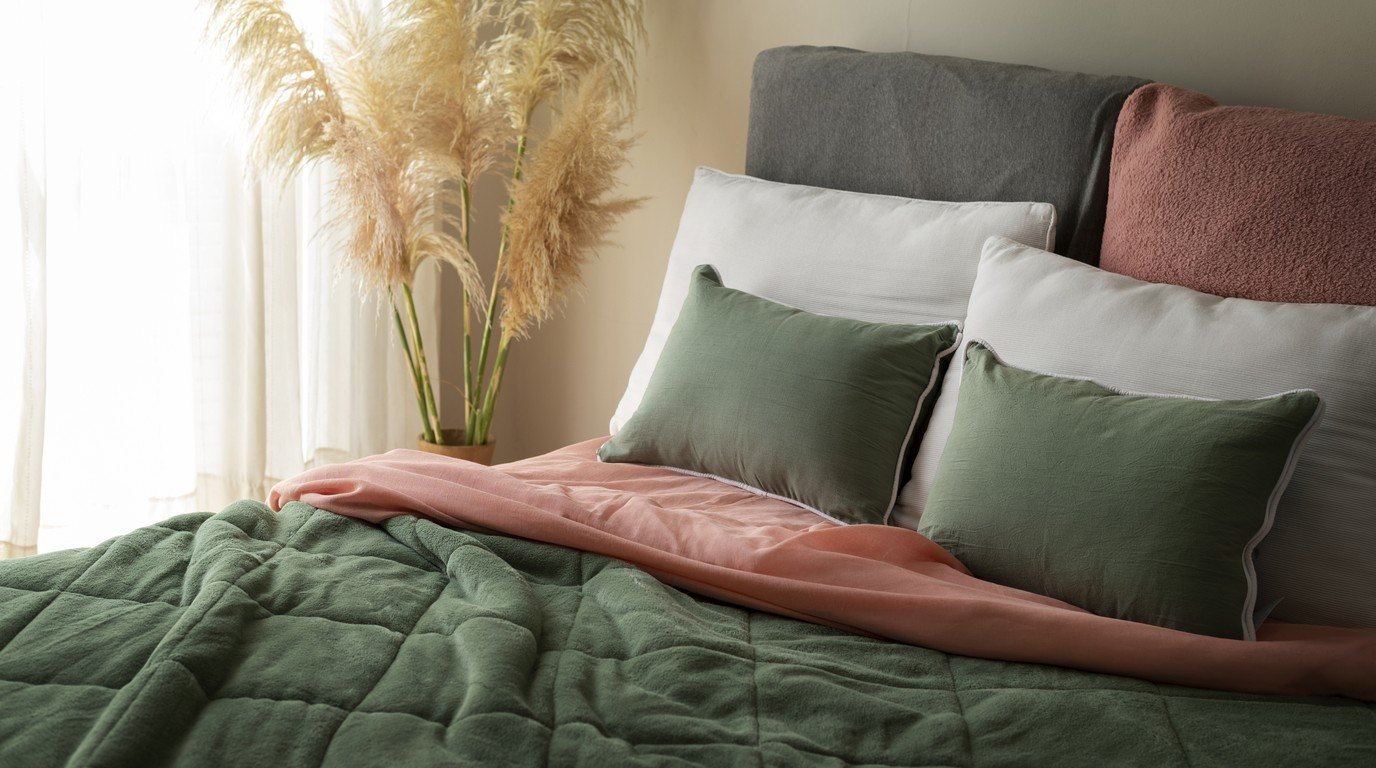
Sage green works in almost any room because it behaves like a neutral with a little life in it. It's soft enough to sit quietly beside cream and oak, but it has just enough color to make a space feel fresh, grounded and a touch closer to nature. That balance is exactly why it rarely feels loud, even when you use a lot of it.
The trick is choosing the right sage for your light and deciding how much of it each room really needs. A whole sage wall can be beautiful; so can a single sage vase on a cream shelf. Both count.
This guide is all about sage green decor: why the color feels so calm, how to pick a warm or cool sage, the colors it pairs with best, seven room-by-room ideas, a simple swap table and plenty of renter-friendly options. If you want help choosing any paint color, my guide on how to choose paint colors covers undertones and light in general. Here we're focusing on one calm color and how to live with it.
I'll admit I'm drawn to anything that makes a room feel slower in the evening, and sage does that better than almost any shade I know.
Why Sage Green Feels So Calm
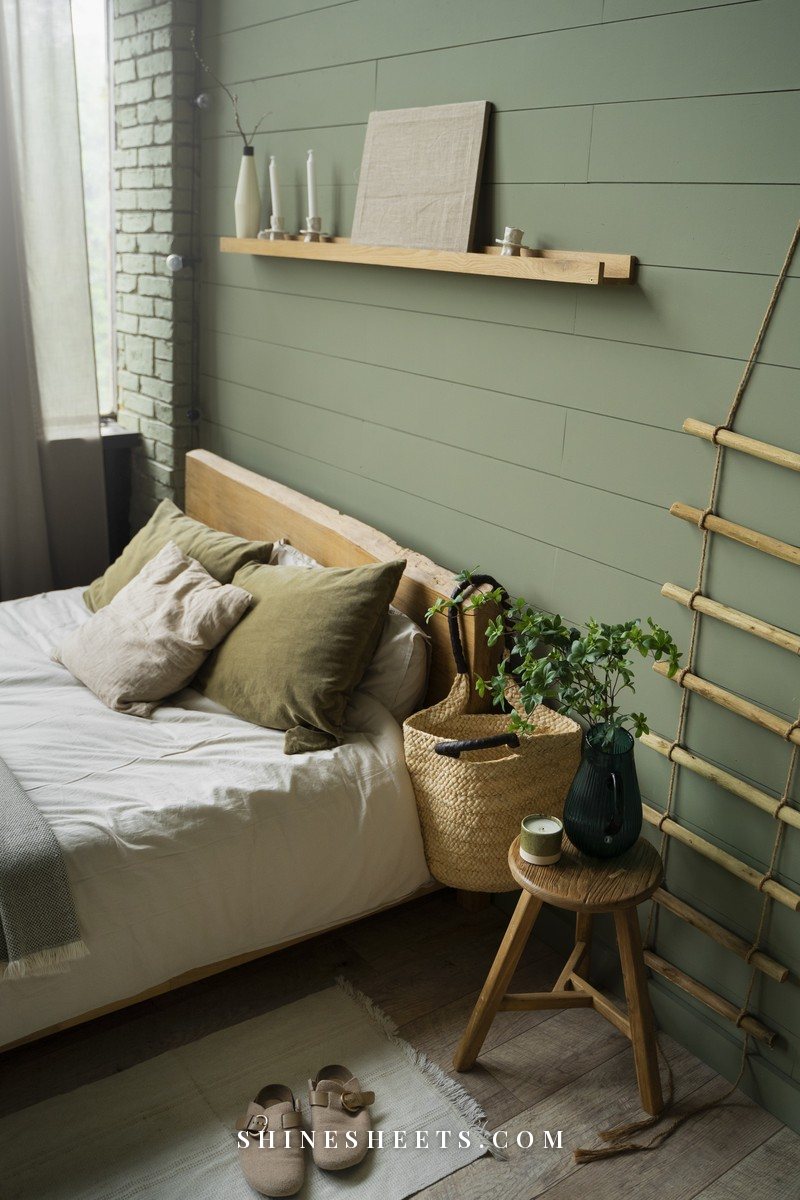
Sage green is a muted green with a lot of grey (and sometimes a little yellow or blue) mixed in. That greyness is the secret. It takes the brightness out of green so your eye reads it as soft and settled rather than energetic.
A few reasons it feels so restful:
- It's muted. Low-saturation colors don't compete for attention, so a sage room feels quieter, even with the same furniture in it.
- It looks like nature. Sage leaves, eucalyptus, olive trees and dried grasses all live in this family. Most of us find that kind of green familiar and easy to be around.
- It works like a neutral. Sage sits comfortably with wood, linen, stone and metal, which is why it fits modern, vintage and farmhouse rooms alike.
- It shifts gently with light. Sage looks a little warmer in the evening and a little cooler on cloudy days, which keeps a room from feeling flat.
It's also forgiving. If you love color but feel nervous about committing, sage is one of the kindest places to start.
Choosing the Right Sage for Your Light
Not all sage greens are the same, and the one that looks perfect in a photo can look grey or minty in your room. The difference usually comes down to undertone and light.
Warm Sage (Yellow Undertones)
Warm sages lean slightly olive or khaki. They feel earthy, soft and sunny, and they're a lovely choice for north-facing rooms that get cool, grey light all day, because the yellow balances the chill. They pair beautifully with oak, cream, brass and gold.
Cool Sage (Grey or Blue Undertones)
Cool sages lean towards grey-green or a faint eucalyptus blue. They look crisp and airy in south-facing rooms with warm, strong light, which keeps them from turning muddy. They're gorgeous with white, soft greys, lavender and brushed silver or pale gold.
How To Test a Sage at Home
Before you commit to anything big, test it in your actual space:
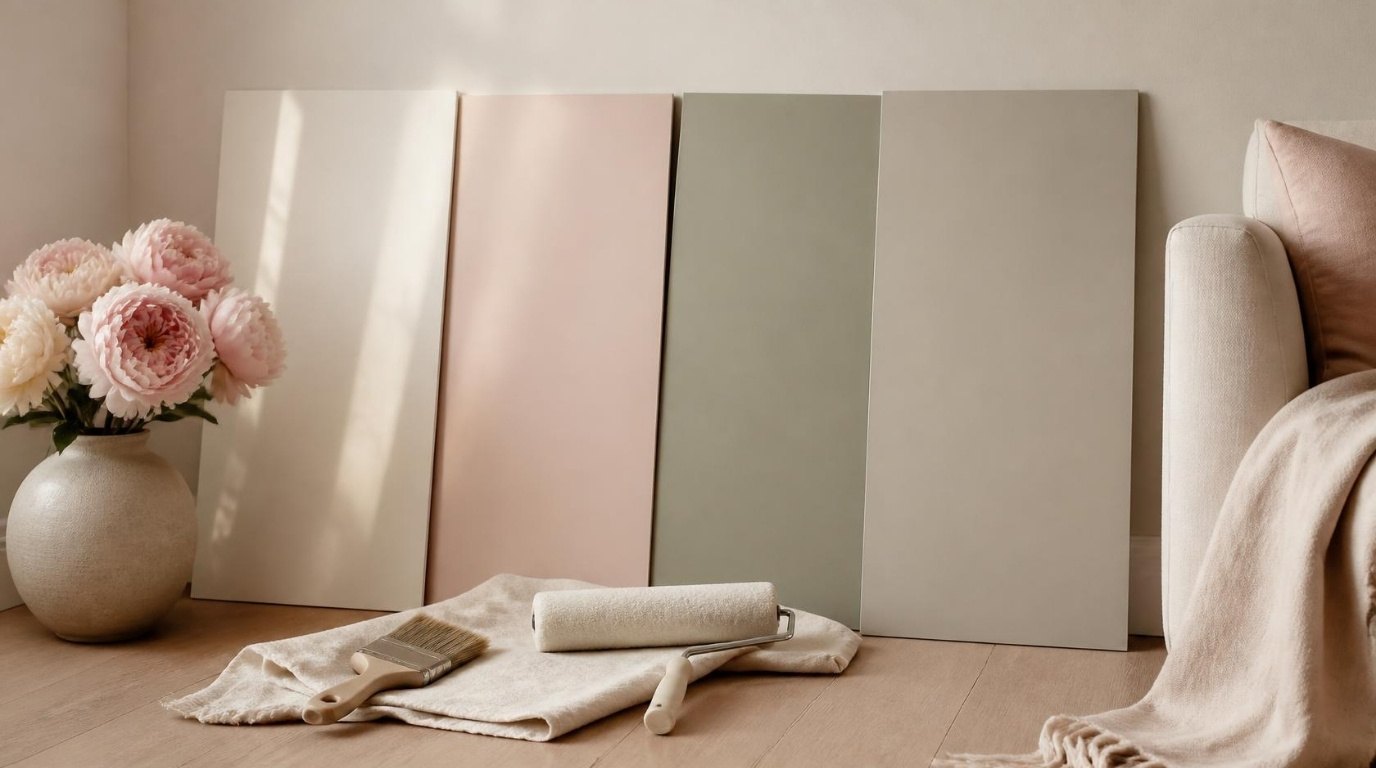
- Get two or three sample pots or large fabric swatches, one warmer and one cooler.
- Paint a large card or piece of lining paper for each (at least the size of a sheet of paper) rather than painting the wall.
- Tape them on different walls and look at them in the morning, afternoon and evening for two or three days.
- Hold them next to your floor, sofa and curtains, since those won't be changing.
- Choose the one that still looks right at night under your own lamps.
For a bigger picture of how one color sits in the flow of your whole home, my guide to a whole-home color palette is a helpful next step.
Colors That Pair Beautifully With Sage
Sage is easy to pair, but some partners make it look especially polished. These six are the ones I come back to most:
- Cream – the softest, warmest partner. Cream walls with sage textiles (or the other way around) feel calm and classic.
- White – crisp and fresh, especially with cool sage. Choose a soft white rather than a stark blue-white so the room doesn't feel cold.
- Oak and light wood – natural wood makes sage feel grounded and lived-in. Think oak shelves, a wooden bed frame or a rattan chair.
- Gold and brass – a little gold adds warmth and a touch of glamour, from picture frames to cabinet handles.
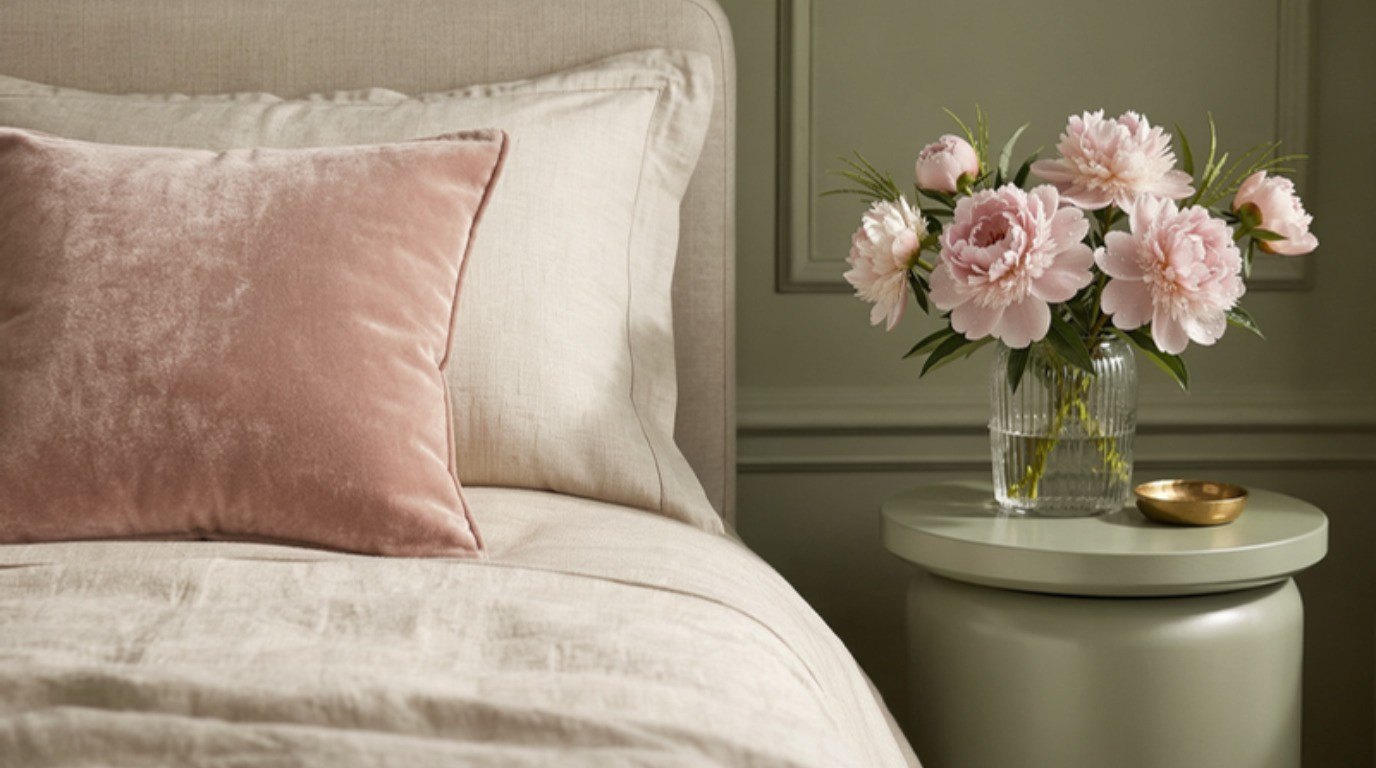
- Blush – a soft pink cushion or throw makes sage feel romantic and gentle, rather than sporty.
- Lavender – an unexpected, dreamy pairing. A lavender vase or bedding accent with cool sage feels like a garden in spring.
A simple formula that rarely fails: about 60% cream or white, 30% sage, 10% gold, wood or blush. If you love warm, layered neutrals, my guide to neutral home decor that never feels bland pairs perfectly with this approach.
7 Ways To Use Sage Green Room by Room
Here are seven ideas, one for each part of your home, from the smallest swap to the biggest commitment.
1. Bedroom: Sage Bedding
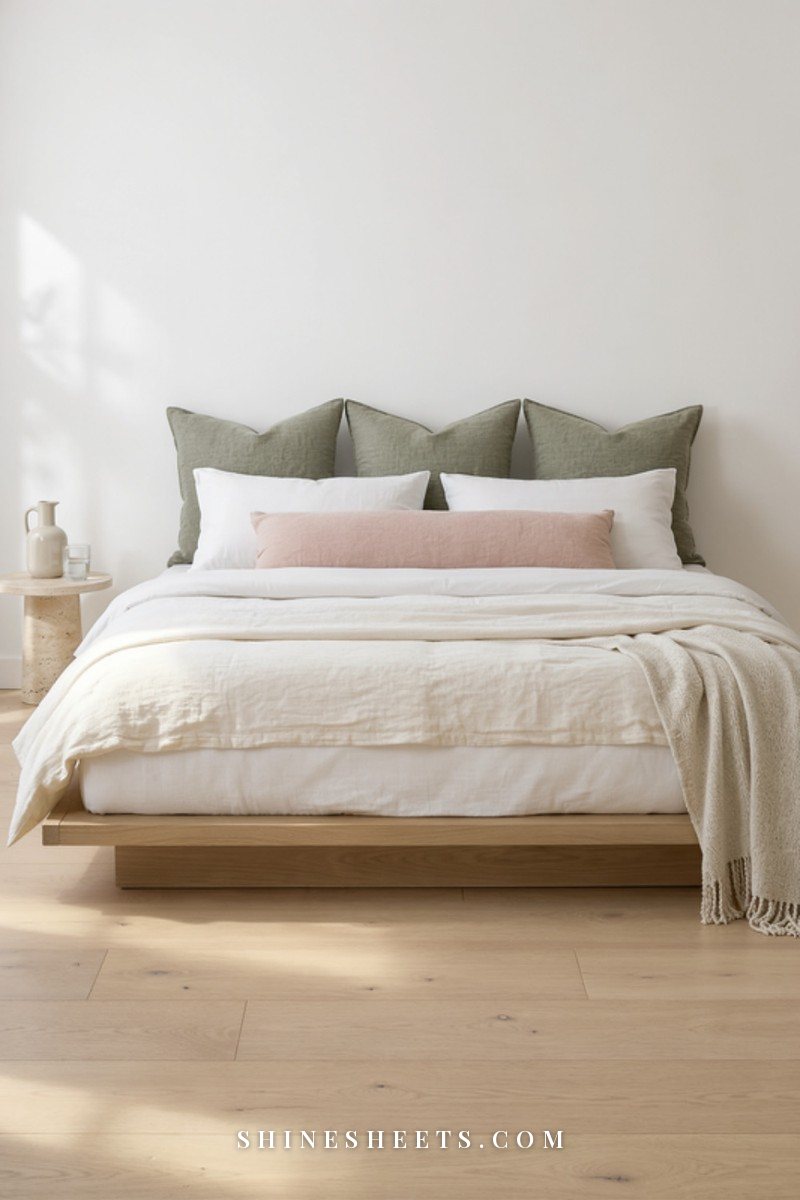
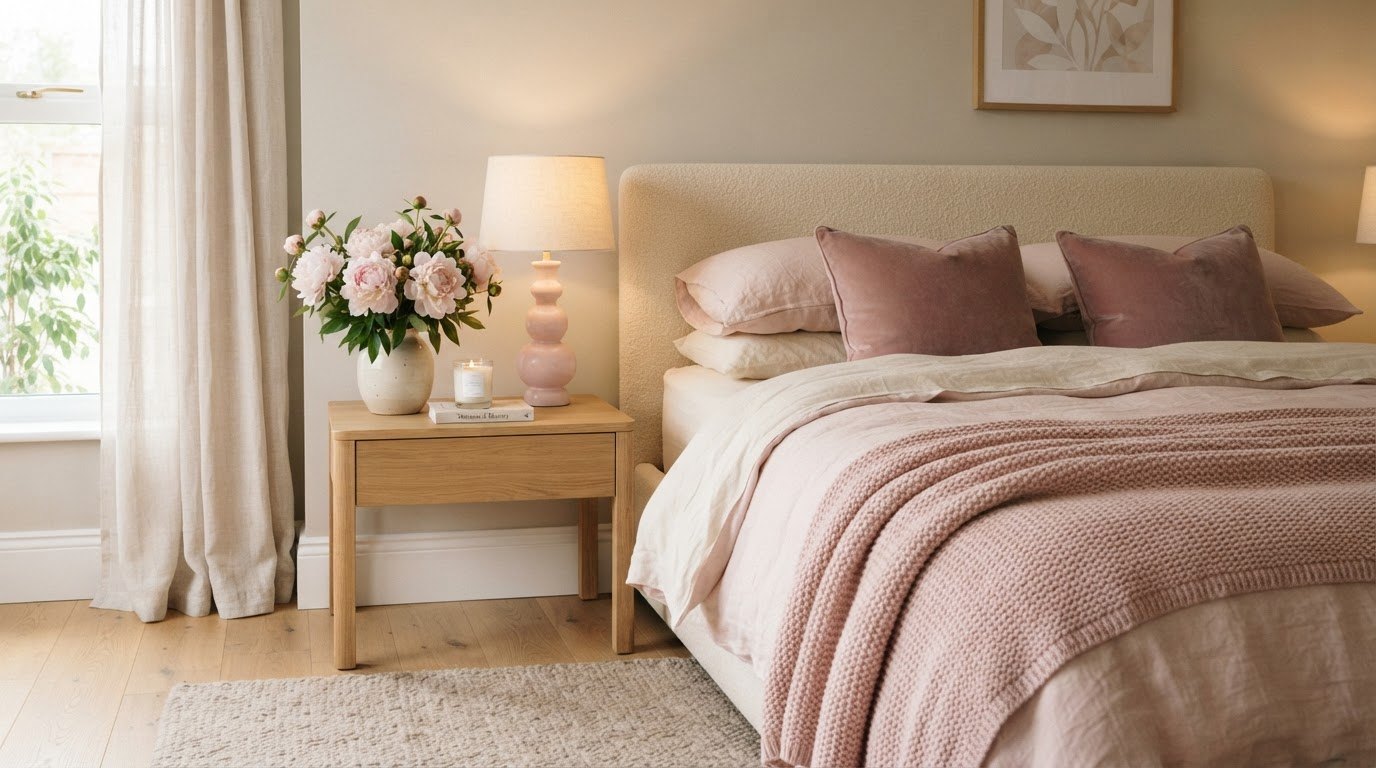
Bedding is the easiest way to bring a lot of sage into a room without touching the walls. A sage green linen duvet cover instantly softens a bedroom, and linen's natural texture keeps the color from looking flat.
Layer it with cream or white pillowcases, then add one blush or oat cushion for warmth. Fold an ivory waffle throw blanket across the end of the bed for a hotel-like finish. If your walls are white, this alone can change the whole mood of the room.
2. Living Room: Accent Chair or Sofa Throws
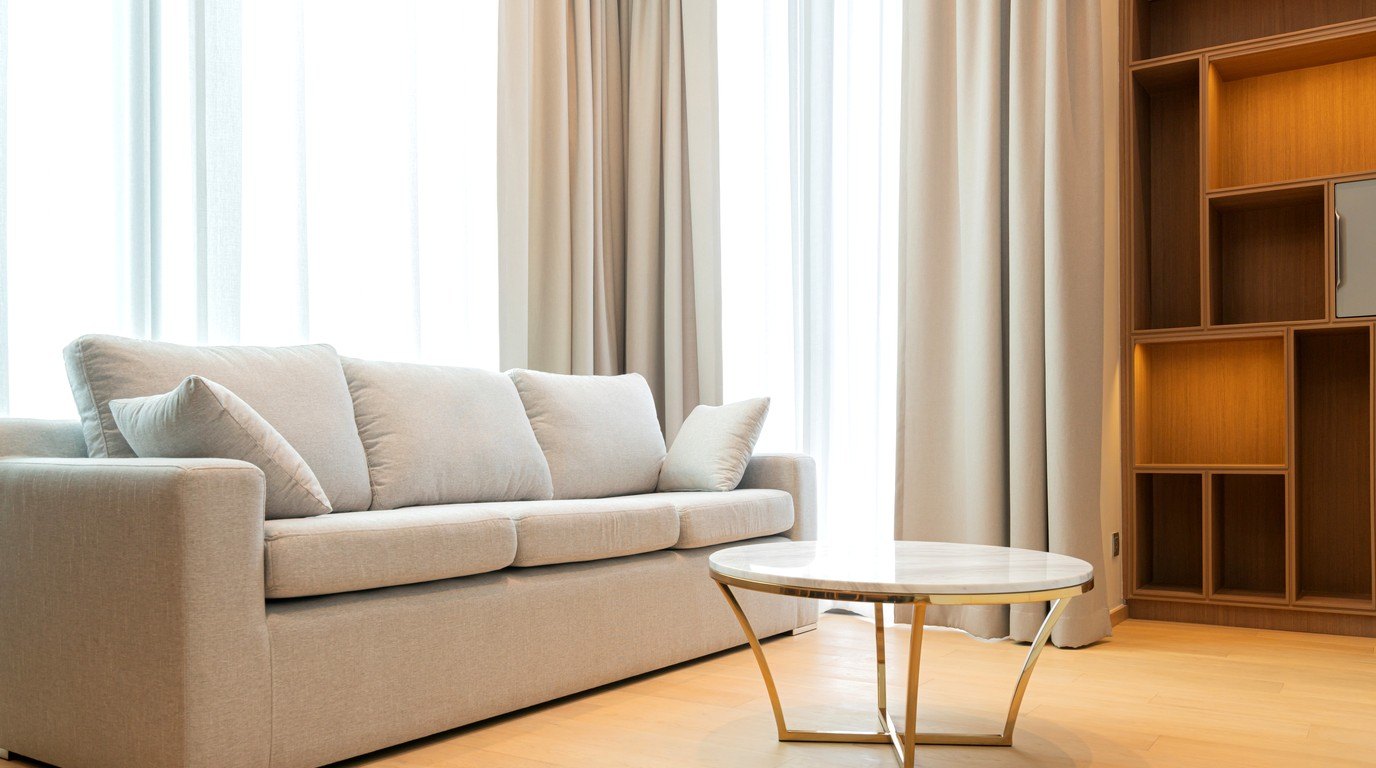
If you're ready for a bigger piece, a sage accent chair or loveseat becomes a calm focal point. If not, start with textiles: a sage throw over the sofa arm, two sage cushions and one textured cream bouclé cushion to balance them.
Keep the rule of three in mind: repeat sage at least three times around the room (a cushion, a vase, a print, a plant pot) so it looks intentional rather than accidental.
3. Kitchen: Cabinet Fronts or Textiles
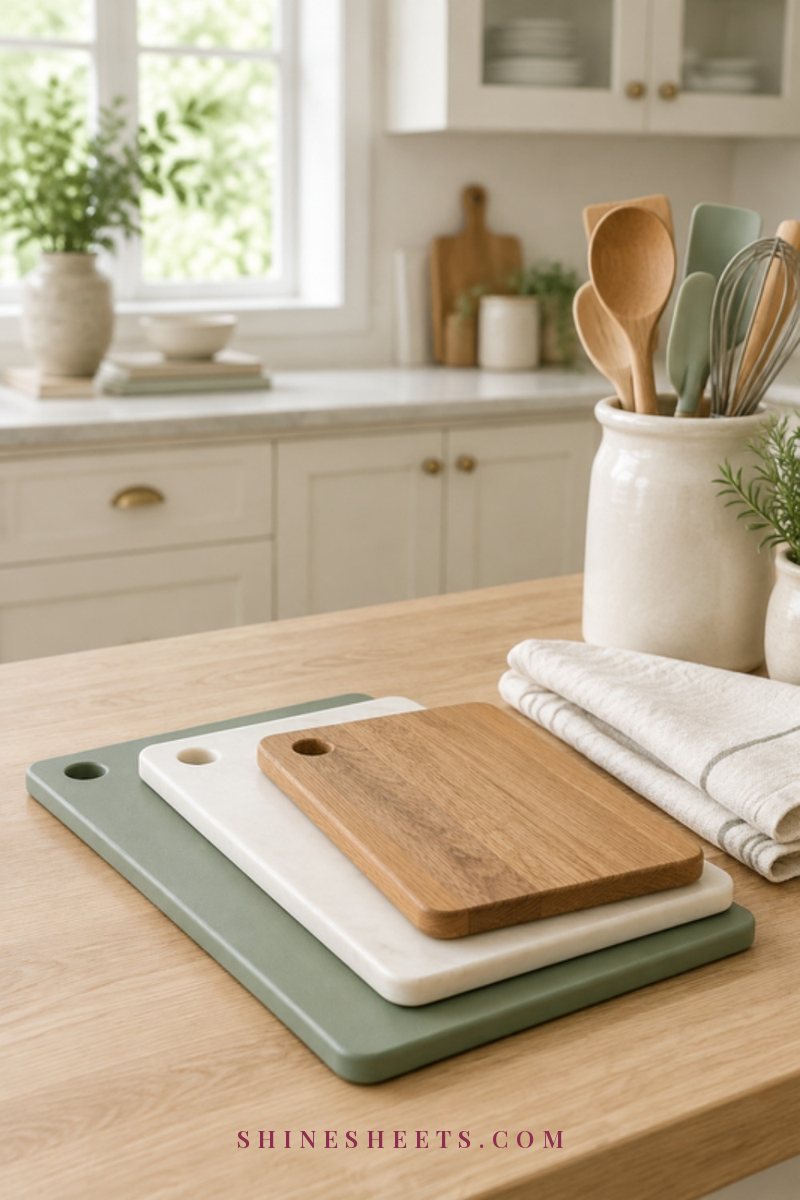
Sage kitchen cabinets are a classic for a reason. With brass or gold handles and a cream or white countertop, they look timeless rather than trendy. If you own your home, painted lower cabinets with white upper cabinets is a lovely, lighter balance.
Renting, or not ready for paint? Bring sage in with tea towels, a linen apron on a hook, a sage ceramic utensil jar or a small runner by the sink. Even a few sage pieces against white cabinets look fresh and deliberate.
4. Bathroom: Towels and Accessories
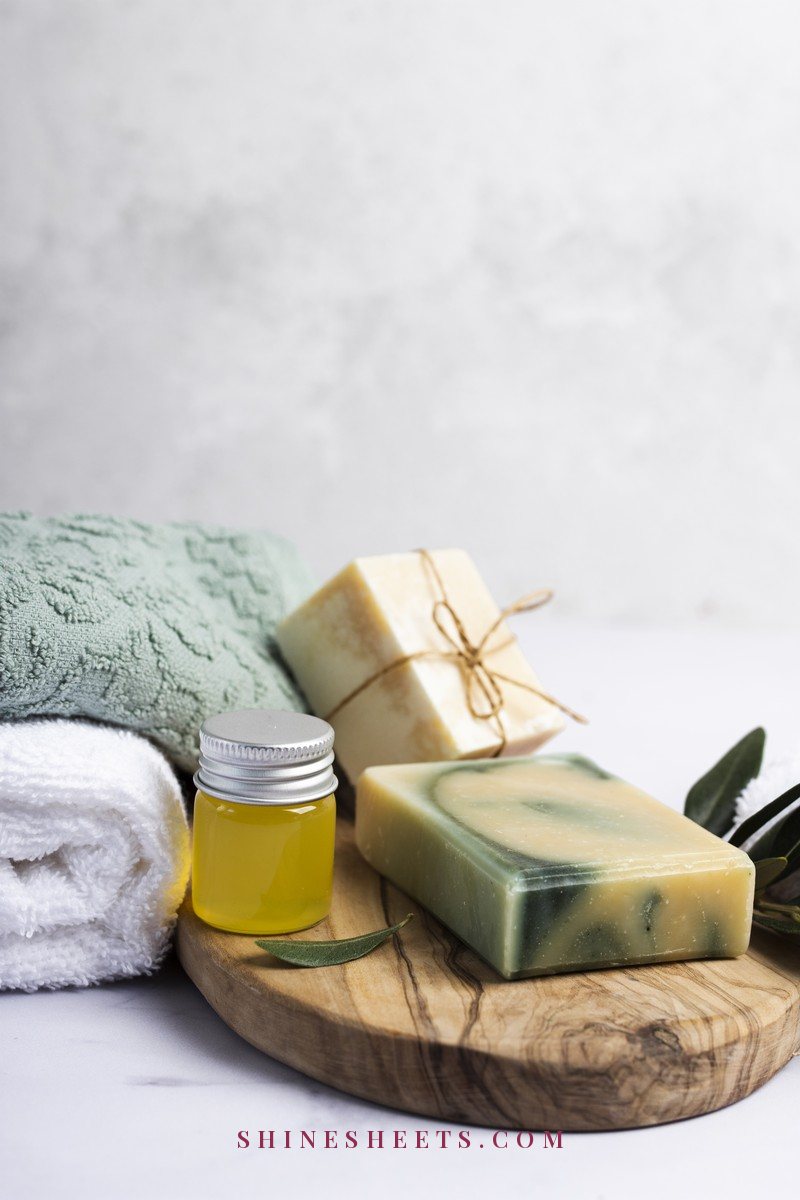
Bathrooms are perfect for sage because the color already feels spa-like. Swap white towels for sage ones, or mix both. Add a cream soap dispenser, a sage bath mat and a few eucalyptus stems in a glass jar.
Keep everything else simple: white tiles, a little gold or brushed brass and one green plant that handles humidity. Bathrooms need good ventilation anyway, so open a window or run the fan after showers to keep textiles fresh.
5. Home Office: A Sage Wall
A home office is a great place for one sage wall, especially the wall behind your desk or the one you face while working. The color feels focused but calm, which is exactly what a workspace needs.
Pair it with an oak desk, a cream lamp and a gold picture frame or two. If a painted wall isn't possible, see my renter-friendly accent wall ideas for gentler ways to create the same effect.
6. Entryway: A Sage Rug
The entryway sets the tone for your whole home, and a sage runner or rug is a soft, welcoming first impression. Choose a washable or flatweave rug, since this spot gets the most traffic.
Add a small wooden bench or console, a woven basket for shoes and a sage ceramic vase with a few dried stems. It's a tiny space, but it says "calm home" the moment you walk in.
7. Dining Area: Sage Table Linens
A sage linen tablecloth or runner turns an ordinary dining table into something that feels considered. Add cream or white napkins, simple white plates and a low vase of blush or white flowers.
Linens are the easiest seasonal update, too. Keep the sage base all year and change only the flowers and candles (in glass holders, never left burning unattended).
Sage Green Room-by-Room Table
Here's the whole plan in one place. Pick one row to start with, or use it to plan a calm, connected palette across your home.
| Room | Sage swap | Pair with | Renter-friendly version |
|---|---|---|---|
| Bedroom | Sage linen duvet cover | Cream pillows, ivory throw, oak nightstand | Bedding and cushions only |
| Living room | Sage accent chair or loveseat | Cream bouclé, blush cushion, gold lamp | Sage throws and cushions on your existing sofa |
| Kitchen | Painted sage cabinet fronts | Brass handles, cream countertop, white walls | Sage tea towels, runner and ceramic utensil jar |
| Bathroom | Sage towels and bath mat | White tiles, cream accessories, brushed gold | Same – towels and accessories are already renter-friendly |
| Home office | One sage painted wall | Oak desk, cream lamp, gold frames | Sage peel-and-stick wallpaper or a large sage art print |
| Entryway | Sage runner or rug | Wooden bench, woven basket, dried stems | A washable sage rug and a sage vase |
| Dining area | Sage linen tablecloth or runner | White plates, cream napkins, blush flowers | Same – linens move with you |
You don't need to do every row. Two or three rooms with a little sage are enough to make your home feel connected.
Renter-Friendly Ways To Add Sage Green
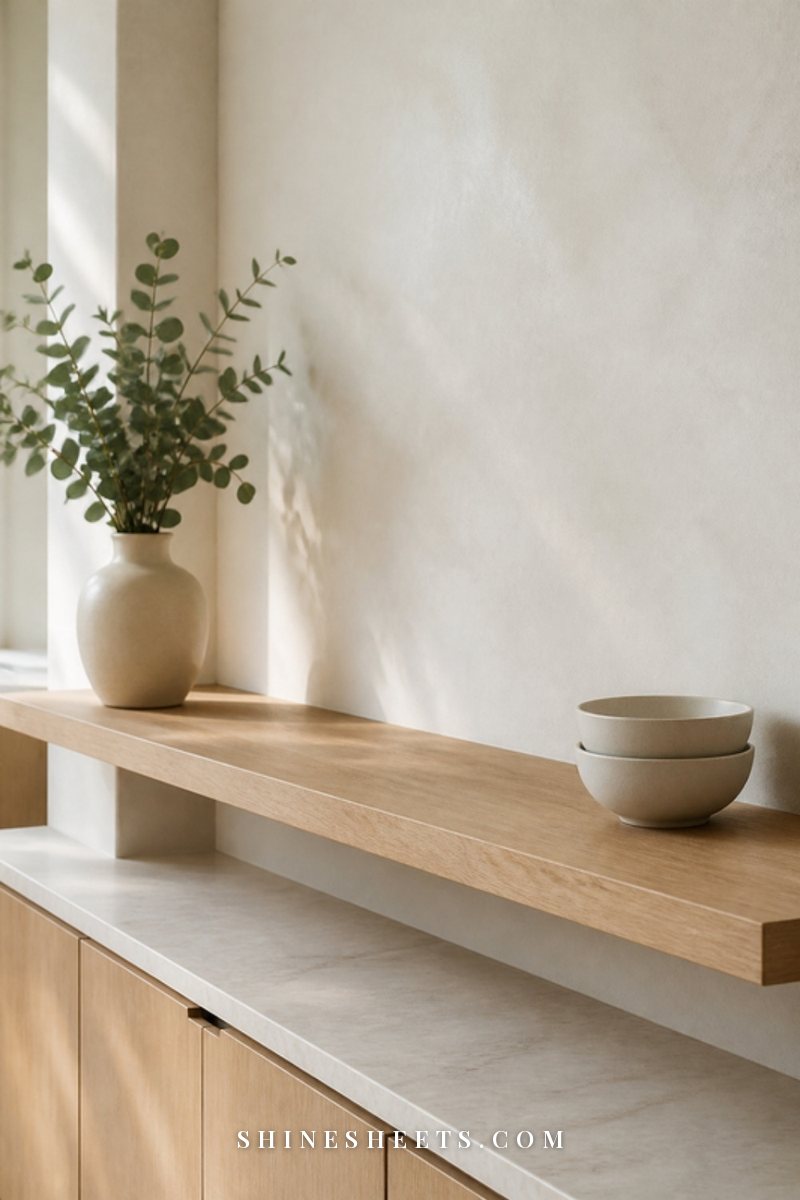
You don't need permission to paint to enjoy sage. Some of the prettiest sage rooms are built entirely from things you can take with you.
- Textiles first. Bedding, curtains, cushions, throws, rugs and table linens carry a lot of color and move house easily.
- Peel-and-stick options. Removable wallpaper in a soft sage print or a plain sage finish can transform one wall. My guide to peel and stick wallpaper explains how to choose and apply it without bubbles, and always test a small piece first to make sure it comes off cleanly.
- Painted furniture. A thrifted side table, a dresser or a bookcase painted sage is fully yours and adds color without touching the walls. Paint outdoors or with windows open, and let pieces dry fully before using them.
- Accessories. Vases, plant pots, lamp bases, candle holders and picture mats all add small doses of sage.
- Large art. A big sage-toned print or a framed fabric panel can feel almost like a painted wall.
- Plants. Eucalyptus, olive trees and trailing pothos echo sage naturally and soften every corner.
If you'd love painted walls, ask your landlord before you start (many say yes to soft neutrals, especially if you offer to repaint before moving out). Whenever you paint, ventilate the room well, keep windows open while it dries and choose a low-odor paint if you can.
How Much Sage Is the Right Amount
There's no single right answer, but it helps to think in three levels. Pick the one that matches how confident you feel, and remember you can always move up a level later.
A Light Touch
One to three small sage pieces per room: a vase, a cushion, a set of towels, a plant pot. This is perfect if your home is mostly white or cream and you want a soft hint of color without changing anything big. It's also the easiest level to undo if you change your mind.
A Balanced Room
One larger sage piece (bedding, a rug, curtains or an accent chair) plus two or three smaller echoes around the room. This is where sage really starts to set the mood. Keep the walls and the largest furniture neutral so the sage has room to breathe.
A Sage-Wrapped Space
Sage walls, or sage walls plus sage cabinetry or furniture. This works beautifully in small rooms like a home office, a powder room or a reading nook, where a wrap of color feels intentional and enveloping. Balance it with plenty of cream, wood and warm light so it feels soft rather than heavy.
A quick tip whichever level you choose: step back and squint at the room. If your eye jumps to one sage item and stops there, add a second and third elsewhere. If your eye can't find anywhere to rest, take one away.
Materials and Finishes That Flatter Sage
The same sage can look completely different depending on what it's printed, woven or painted on. Texture is what keeps a calm color from feeling flat.
- Linen – slightly uneven fibers give sage a soft, washed look. Ideal for bedding, curtains and table linens.
- Velvet – makes sage richer and deeper, with a gentle sheen. Lovely on an accent chair or a single cushion, and a little Old Hollywood when paired with gold.
- Matte ceramic – vases, lamp bases and planters in matte sage feel earthy and handmade.
- Glazed ceramic – a shinier finish catches light and looks fresher, especially in kitchens and bathrooms.
- Paint finish – matte or eggshell is the usual choice for walls, since it keeps sage soft. Kitchens and bathrooms often need a more wipeable finish, so check what the paint label recommends for damp rooms.
- Wood – oak, ash and light walnut all warm sage up. Very orange woods can clash, so hold a sample next to them first.
Mixing two or three of these in one room (say, linen bedding, a matte ceramic lamp and an oak nightstand) is often all it takes to make sage feel layered and finished.
Common Sage Green Mistakes
Sage is forgiving, but a few small things can make it look flat or a bit off. Here's what to watch for:
- Choosing from a screen alone. Sage changes more than most colors between a photo and real life. Always test a sample in your own light.
- Using it in only one spot. A single sage item can look out of place. Repeat it at least three times in a room.
- Pairing it with too many other greens. Bright greens and mint can fight with sage. Let plants be the only other greens in the room.
- Going too cool in a dark room. A blue-grey sage in a north-facing room can feel chilly. Choose a warmer, more yellow sage there.
- Forgetting texture. A room of flat sage surfaces can look dull. Mix linen, bouclé, wood, ceramic and woven pieces.
- Skipping warm light. Sage looks loveliest under warm white bulbs. Very cool bulbs can make it look grey and tired in the evening.
None of these are disasters, and every one of them is easy to fix with a swatch, a cushion or a new bulb.
Final Thoughts
Sage green is one of the gentlest ways to bring color into your home. Start small with a duvet cover, a vase or a set of towels, notice how it feels in your light, then let it grow room by room if you love it.
A calm home isn't about getting every shade perfect. It's about choosing colors that make you exhale when you walk through the door, and sage is a beautiful one to begin with.