An accent wall works because it gives the eye one clear place to land. A room with four equal, plain walls can feel unfinished no matter how lovely the furniture is, while a single wall with color, texture or pattern instantly makes the whole space look intentional.
The best part is that you don't need to own your home, hire anyone or spend a whole weekend covered in paint. Many of the prettiest options peel off, lean, hang on removable strips or come down in an afternoon when your lease ends.
This guide gathers 15 accent wall ideas, grouped by how committed you want to be: renter-friendly options first, then paint ideas if you're allowed to paint, then simple wood paneling and lighting. You'll also find how to pick the right wall, a comparison table of cost, time and difficulty, the soft colors that work almost anywhere, how to remove everything cleanly at move-out and the mistakes worth avoiding. A roll of painter's tape and a quiet Saturday will get you surprisingly far.
How To Choose the Right Wall
Before you pick a color or a pattern, pick the wall. The right one does half the work for you.
- Choose the wall your eye lands on first. Stand in the doorway and notice where you naturally look. That's usually your accent wall.
- Go behind the main piece of furniture. Behind the bed in a bedroom, behind the sofa in a living room, behind the dining table or console in an entryway. The wall then frames the furniture like a backdrop.
- Pick a wall without too many interruptions. A wall with two doors, a radiator and a window is hard to make look deliberate. A mostly solid wall shows off the effect best.
- Think about light. A wall opposite a window gets the most daylight and shows color softly. A wall with the window in it will mostly be seen in shadow, so pattern and texture read better there than subtle color.
- Keep it to one wall per room. Two accent walls compete. If you love the look, carry the color into textiles instead.
Not sure the wall should be the star at all? My guide to wall decor ideas covers lighter ways to dress up a bare wall first.
Accent Wall Options at a Glance
This is the table to come back to when you're deciding. "Renter-safe" means it can usually be removed without damaging the wall when done carefully; always check your lease and test any adhesive on a hidden spot first.
| Idea | Renter-safe? | Cost | Time | Difficulty |
|---|---|---|---|---|
| Peel-and-stick wallpaper | Yes | $$ | 3–5 hours | Medium |
| Removable wall decals | Yes | $ | 1–2 hours | Easy |
| Washi-tape grid | Yes | $ | 2–3 hours | Easy |
| Fabric panels | Yes | $$ | 2–4 hours | Medium |
| Gallery wall on strips | Yes | $–$$ | 2–3 hours | Easy |
| Large leaning mirror | Yes | $$ | 30 minutes | Easy |
| Rug or textile wall hanging | Yes | $–$$ | 1 hour | Easy |
| Picture ledge | Mostly (small screw holes) | $ | 1 hour | Easy |
| Soft color block | Only with permission | $ | 3–4 hours | Easy |
| Painted arch | Only with permission | $ | 3–5 hours | Medium |
| Limewash | Only with permission | $$ | 1 day | Medium |
| Two-tone wainscot line | Only with permission | $ | 4–6 hours | Easy |
| Board and batten | No (nails, caulk) | $$ | 1–2 days | Hard |
| Battens on removable strips | Yes, if light | $$ | 4–6 hours | Medium |
| Plug-in wall sconces | Yes (small screw holes) | $–$$ | 1 hour | Easy |
Cost guide: $ is roughly under $50, $$ is roughly $50 to $200 for an average wall.
Renter-Friendly Accent Wall Ideas
These eight options come down without a paint touch-up, which makes them perfect for apartments, rented houses and anyone who likes to change things often. For more ways to make a rental feel like yours, my guide to apartment decor on a budget has plenty more.
1. Peel-and-Stick Wallpaper
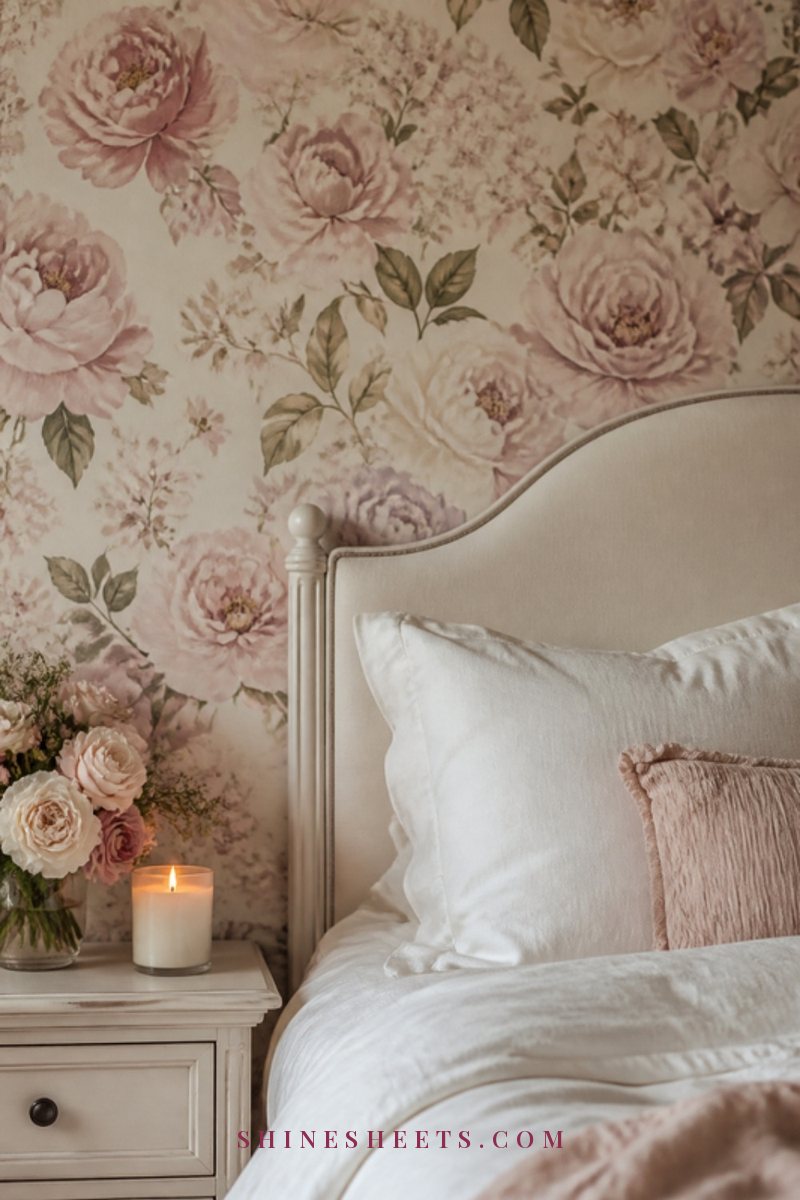
The biggest impact for the least commitment. Choose a small-scale floral, a soft stripe or a tone-on-tone texture; large busy prints are harder to match at the seams. A cream peel-and-stick wallpaper with a delicate pattern feels calm rather than loud.
How to do it well: clean the wall with a barely damp cloth and let it dry for 24 hours. Start in the middle of the wall with a plumb line drawn in pencil, overlap or butt the seams according to the roll's instructions, and smooth outward with a plastic smoother. Trim the top and bottom with a fresh blade. On freshly painted walls, wait at least two to four weeks before applying, or the paint may lift later.
2. Removable Wall Decals
Decals are the softest step in: scattered dots, tiny gold stars, small botanical shapes or a light sprinkle of tiny hearts. Space them on a loose grid (about 6 to 8 inches apart) for a wallpaper effect at a fraction of the cost. Use a level and a small piece of cardboard cut to your spacing to keep them even.
3. Washi-Tape Grid
A grid or simple stripes in washi tape give a playful, graphic wall. Choose a tape width of about half an inch to one inch, mark your lines lightly with a level and a pencil every 12 to 16 inches, then run the tape along the marks. Gold, blush or sage tape on a white wall looks sweet and grown-up at the same time. It peels off cleanly, which makes it a lovely option for a dorm or a first apartment.
4. Fabric Panels
Upholstered or fabric-wrapped panels add softness and even a little sound dampening. Wrap lightweight foam boards or canvas frames in linen, cotton or a subtle print, staple the fabric on the back, then hang them side by side on removable strips. Panels of about 24 by 36 inches placed edge to edge behind a bed make a beautiful, hotel-style headboard wall. Choose a medium-weight fabric without much stretch so it stays smooth, and vacuum the panels with an upholstery brush every month or two to keep dust away.
5. Gallery Wall on Removable Strips
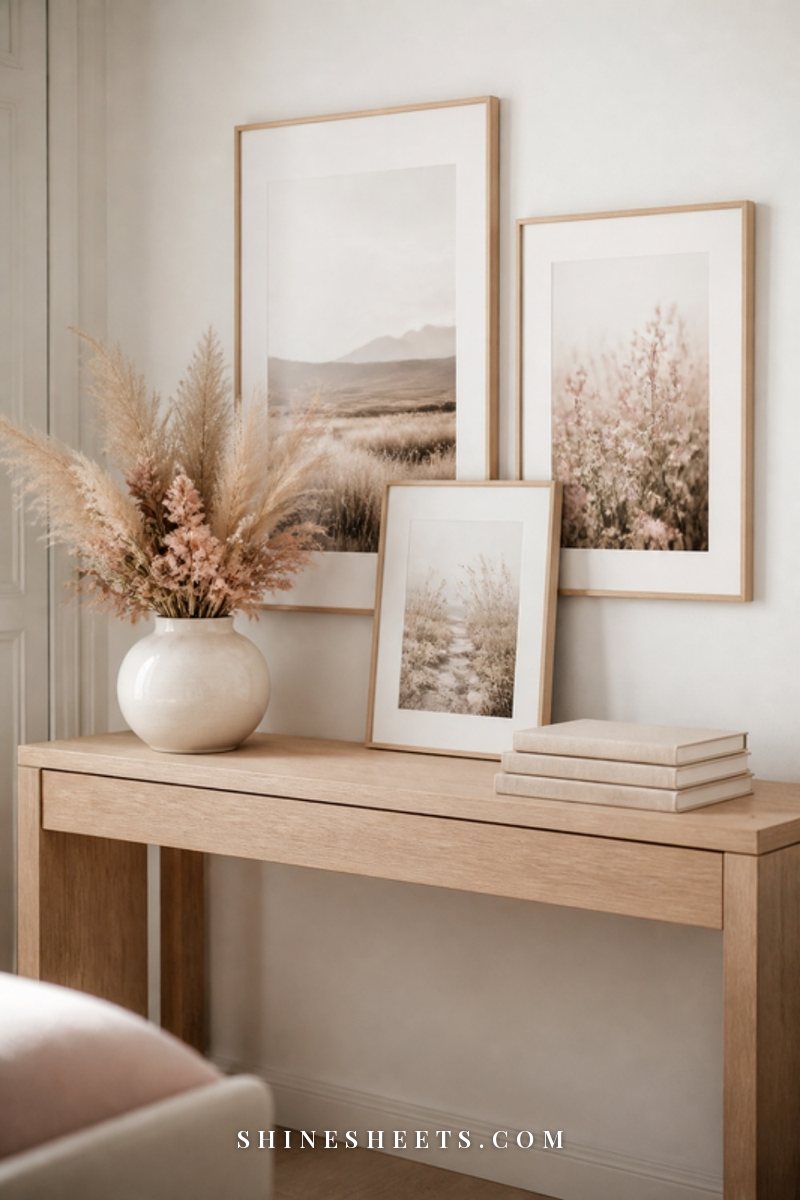
A gallery wall turns your favorite prints into a whole feature. Keep frames light (under about three pounds each) and hang them with adhesive picture-hanging strips, pressing each strip firmly for 30 seconds and waiting an hour before hanging the frame. Keep about 2 to 3 inches between frames and center the whole group around 57 inches from the floor.
My guide to gallery wall ideas walks through layouts, spacing and what to hang if you'd like more detail.
6. A Large Leaning Mirror
A tall floor mirror leaning against a wall bounces light around and makes a small room feel bigger, with zero holes. Choose one at least 60 inches tall with a slim gold, cream or wood frame. Lean it at a gentle angle, and for safety secure the top to the wall with a small anti-tip strap, especially if you have pets or little visitors. Place it where it reflects a window or a pretty corner rather than a cluttered one.
7. A Rug or Textile as a Wall Hanging
A flat-woven rug, a vintage quilt or a large woven hanging becomes instant art with texture. Hang it from a wooden dowel or a curtain rod mounted on two small hooks, or use a rug hanging clip rail. Choose something lightweight; heavy pile rugs pull at their hooks and sag over time. Soft cream, oatmeal and dusty pink tones keep it calm.
8. A Picture Ledge
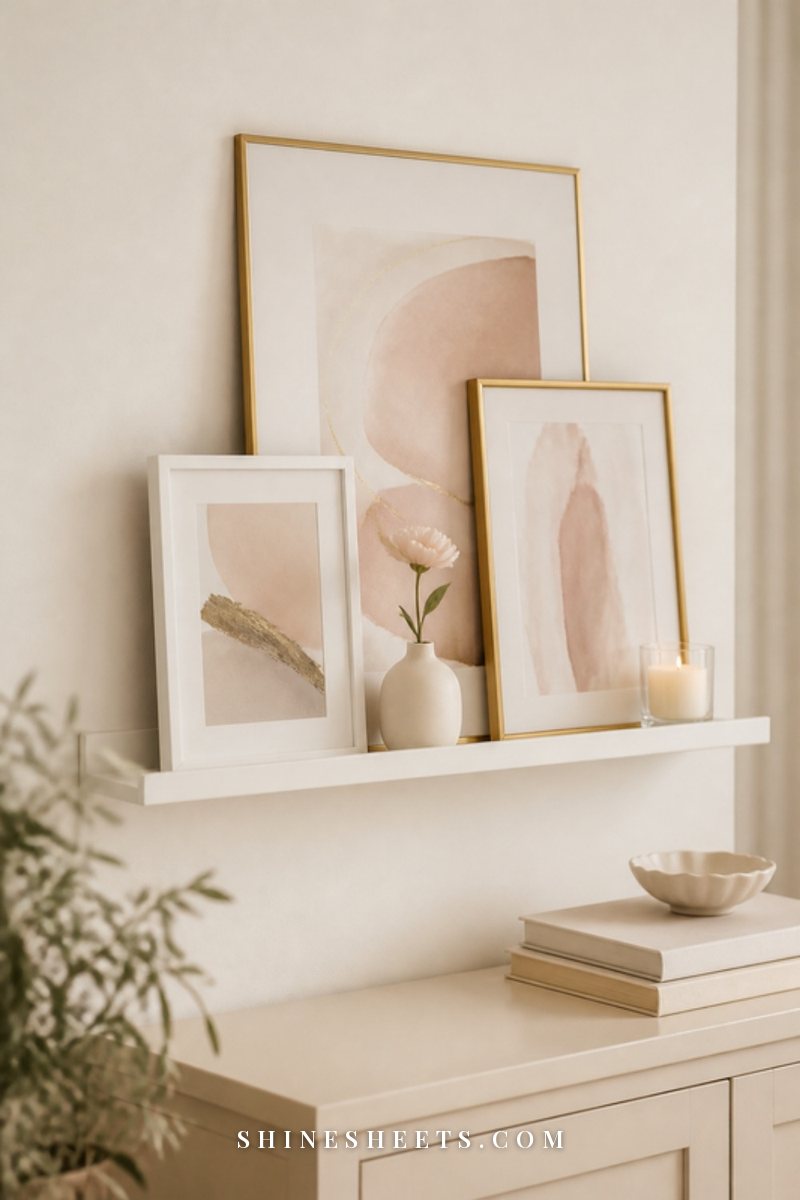
Ledges let you layer and swap art without new holes each time. A long white picture ledge shelf (36 to 48 inches) above a sofa or bed holds leaning frames, a small vase and a candle. Mount it about 8 to 12 inches above the furniture. It takes a few small screws, which most landlords accept, but check your lease, and fill the holes with a little spackle when you move.
Paint Accent Wall Ideas (If You're Allowed)
If your landlord says yes, or you own your home, paint is still the cheapest way to change a room. Choosing a shade can be the hardest part, so my guide on how to choose paint colors explains undertones and light step by step. Keep windows open while you paint and for a few hours after, and choose a low-VOC paint if you can.
9. Soft Color Block
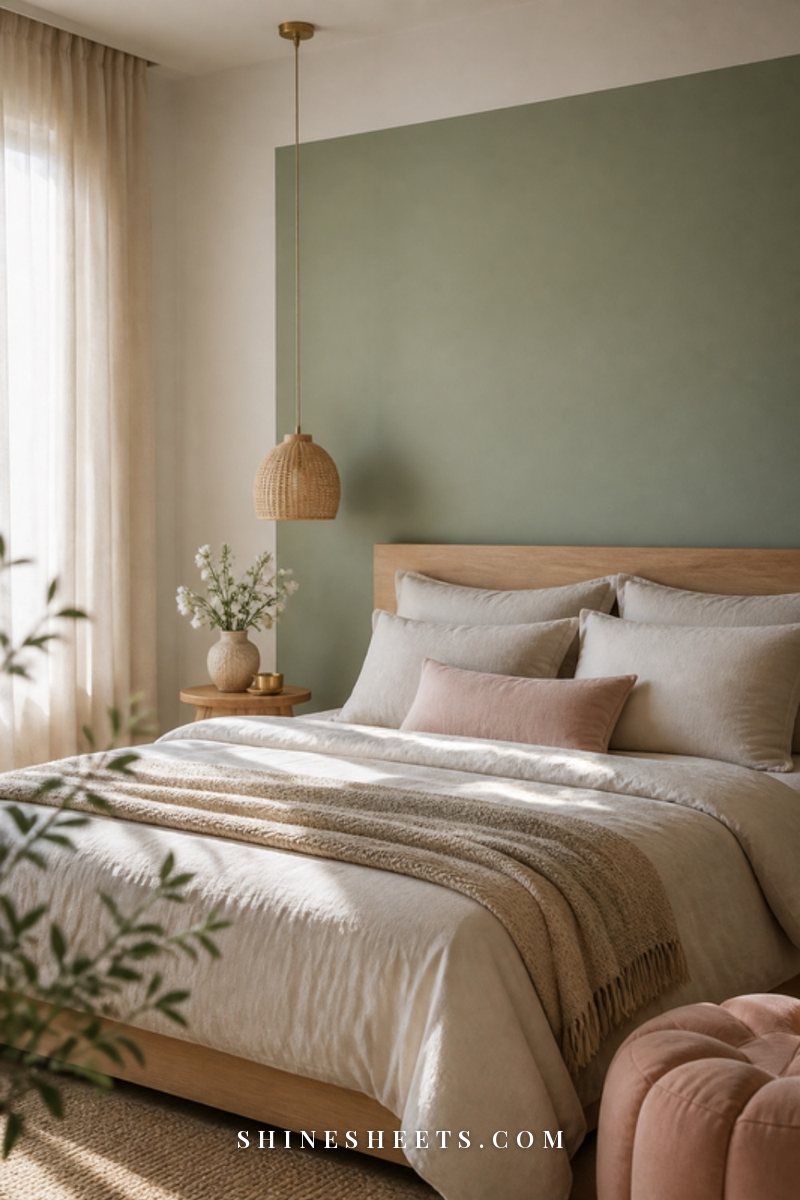
Instead of painting the full wall, paint a rectangle behind the bed or desk: for example, the width of the headboard plus 12 inches on each side, up to about two thirds of the wall height. Tape the edges carefully, press the tape down with a credit card and remove it while the last coat is still slightly wet for crisp lines.
10. A Painted Arch
An arch adds softness and a little architecture. Mark the center, tie a pencil to a piece of string and use it like a compass to draw the curve, then paint inside the line with a small angled brush. An arch about 4 to 5 feet wide behind a bed, desk or reading chair frames the furniture beautifully.
11. Limewash
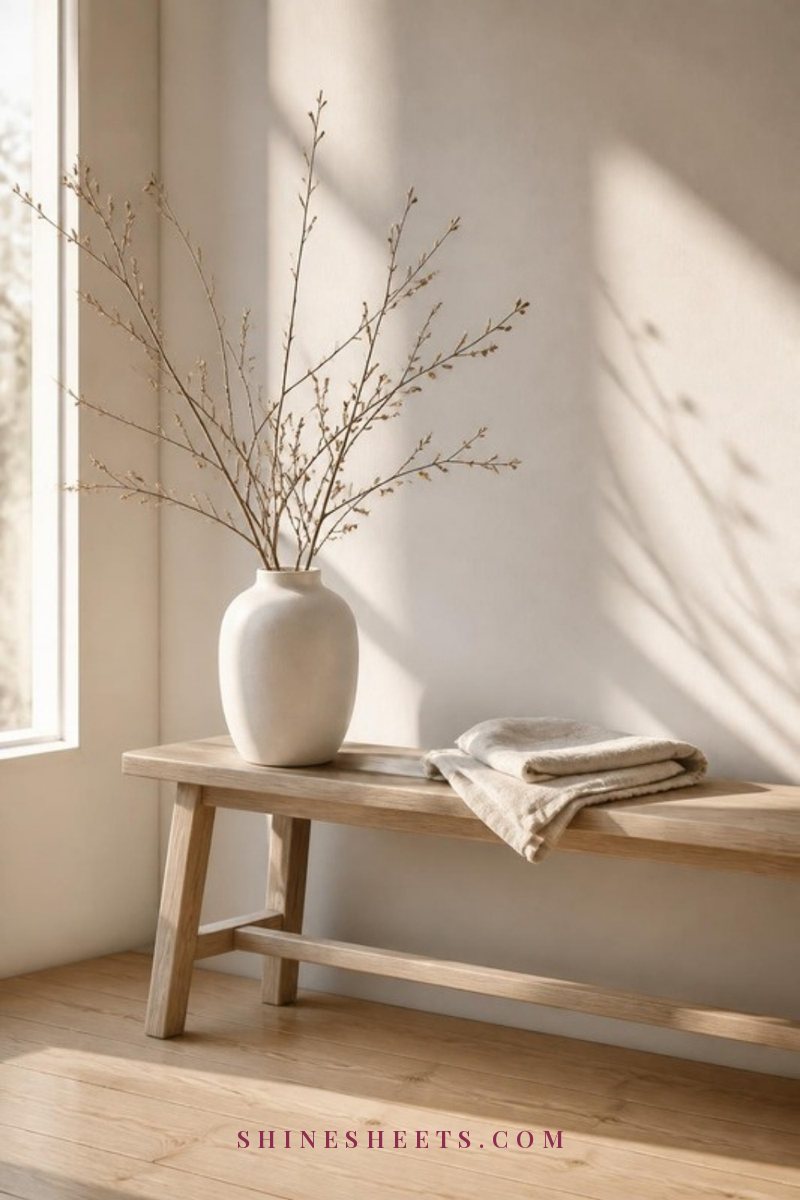
Limewash gives a cloudy, plaster-like texture that looks expensive and calm. Apply it with a large block brush in loose, crisscross strokes, working in small sections and keeping a wet edge. Two coats are typical, with drying time in between per the product instructions. It usually needs a mineral primer on standard painted walls. Wear gloves and eye protection, because lime is alkaline and can irritate skin and eyes.
12. Two-Tone Wainscot Line
Paint the lower third of the wall one shade (around 36 to 42 inches high) and the upper part a lighter one. A deeper sage or warm greige on the bottom with cream above feels classic and makes the wall look taller. A thin painted line or a simple flat trim strip where the colors meet makes it look finished.
DIY Wood Paneling Ideas
Wood paneling adds depth and a crafted feel. One version is a proper project; the other is a rental-friendly cheat.
13. Board and Batten
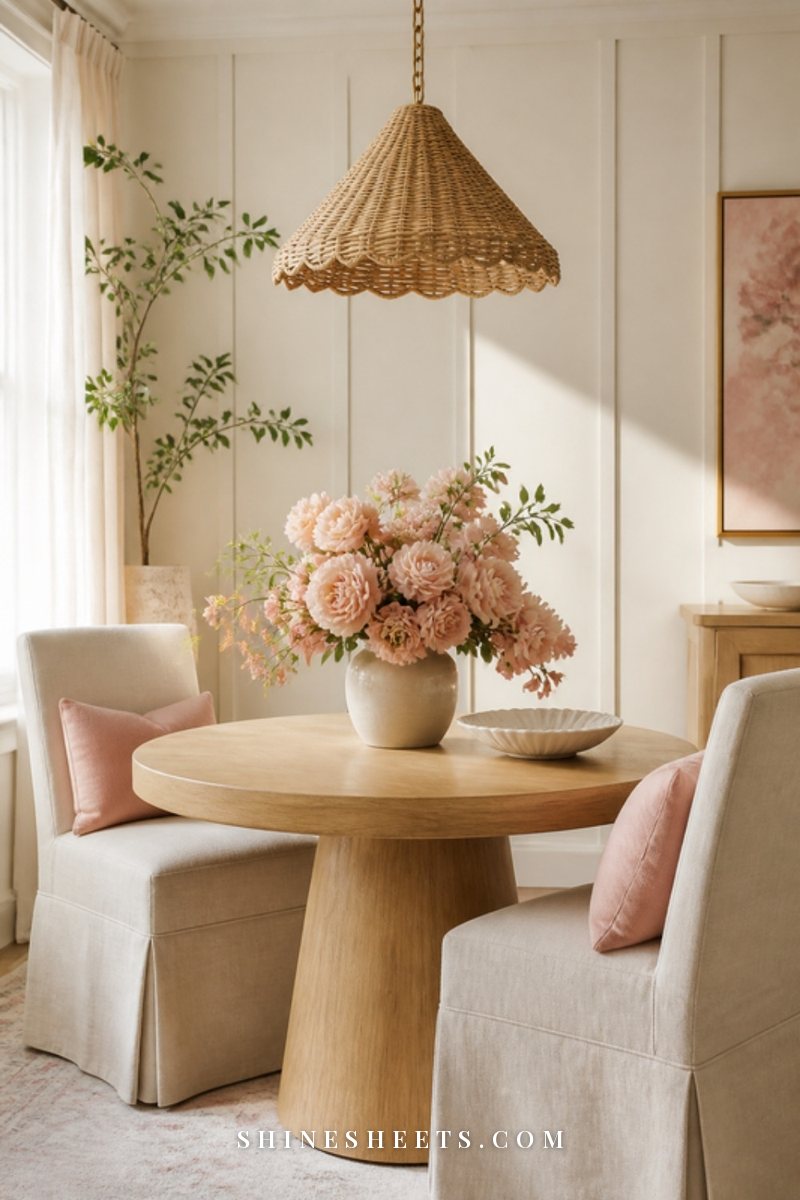
Classic board and batten uses vertical strips of MDF or pine (about 2 to 3 inches wide) spaced 12 to 18 inches apart, often with a horizontal top rail at around two thirds of the wall height. The strips are glued and nailed, the seams caulked and the whole wall painted one color. It takes a weekend and some tools, so it's best for homeowners. A wood batten trim kit with pre-cut strips makes the cutting part much easier.
14. Battens on Removable Strips
For renters, very light battens (thin pre-primed strips or lightweight foam trim) can be painted first and then attached with heavy-duty removable mounting strips. Keep the pattern simple, such as vertical lines only, and paint the battens the same color as the wall for a subtle, textured look. Test one strip on a hidden spot for a week before doing the whole wall.
Lighting as an Accent
Light changes how a wall feels after sunset, and sometimes it's all an accent wall needs.
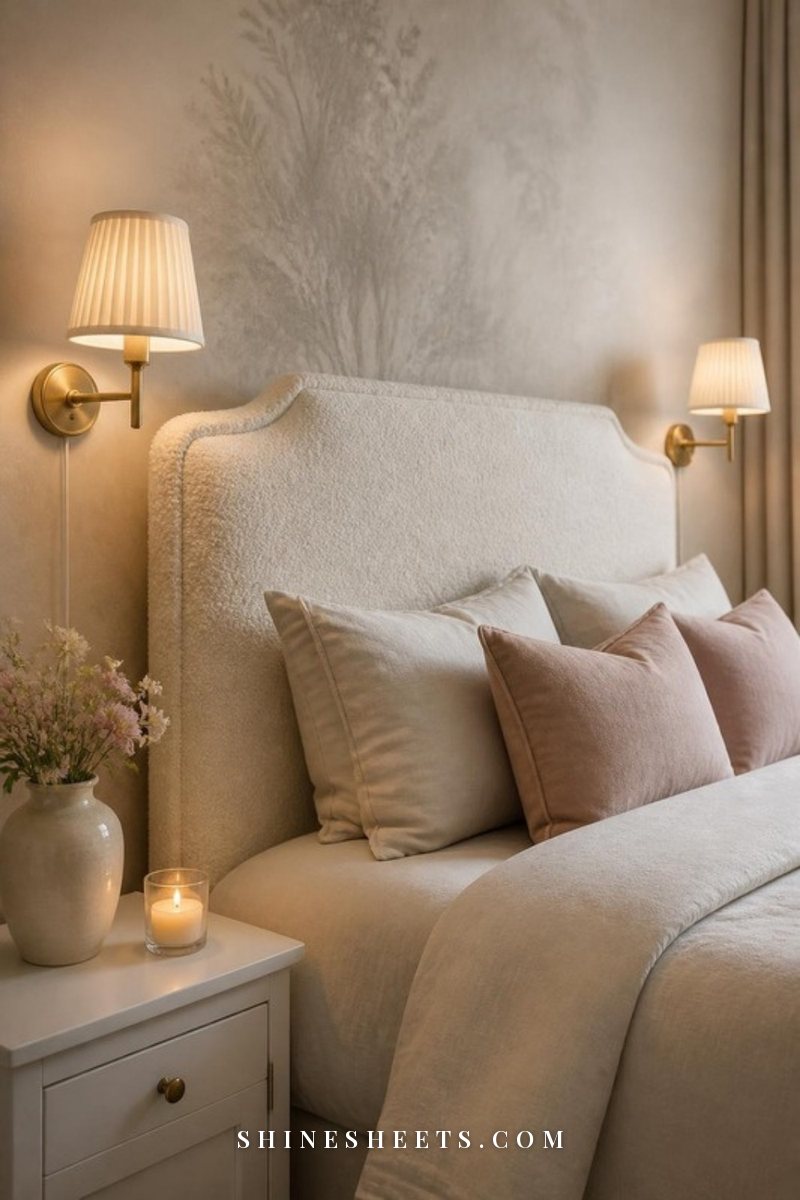
15. Plug-In Wall Sconces
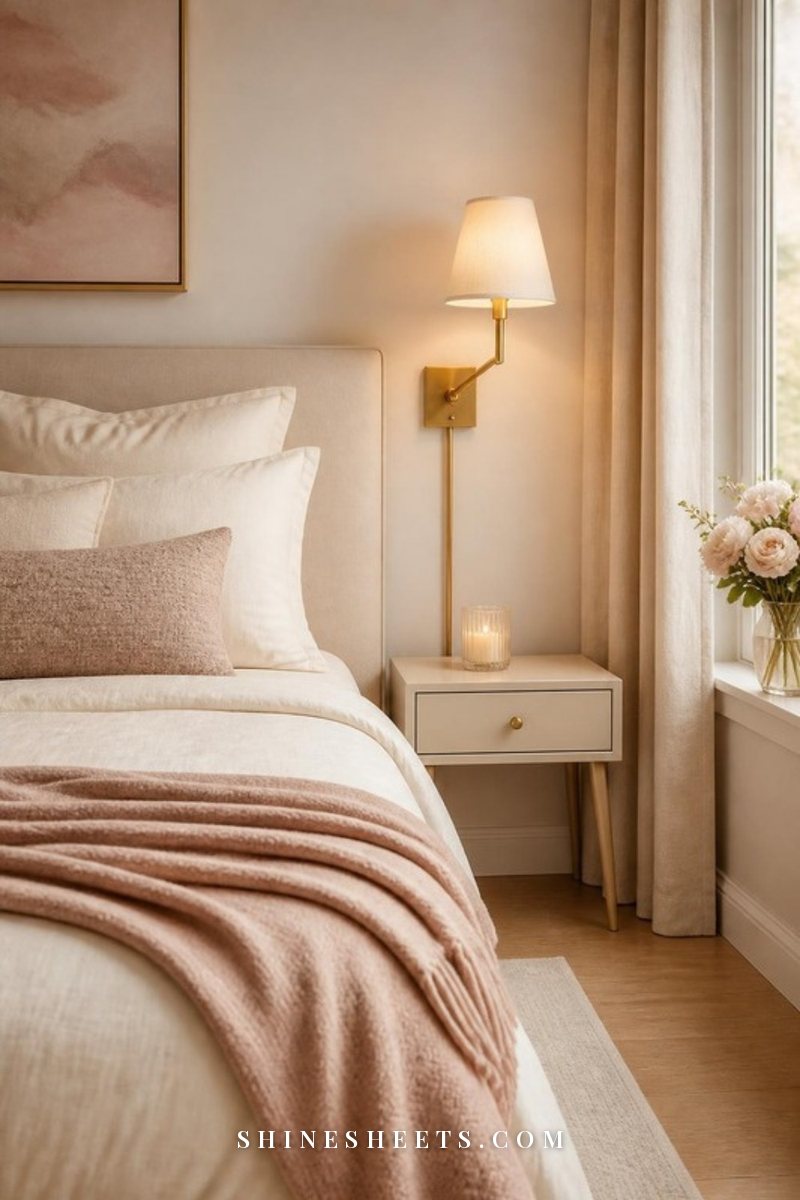
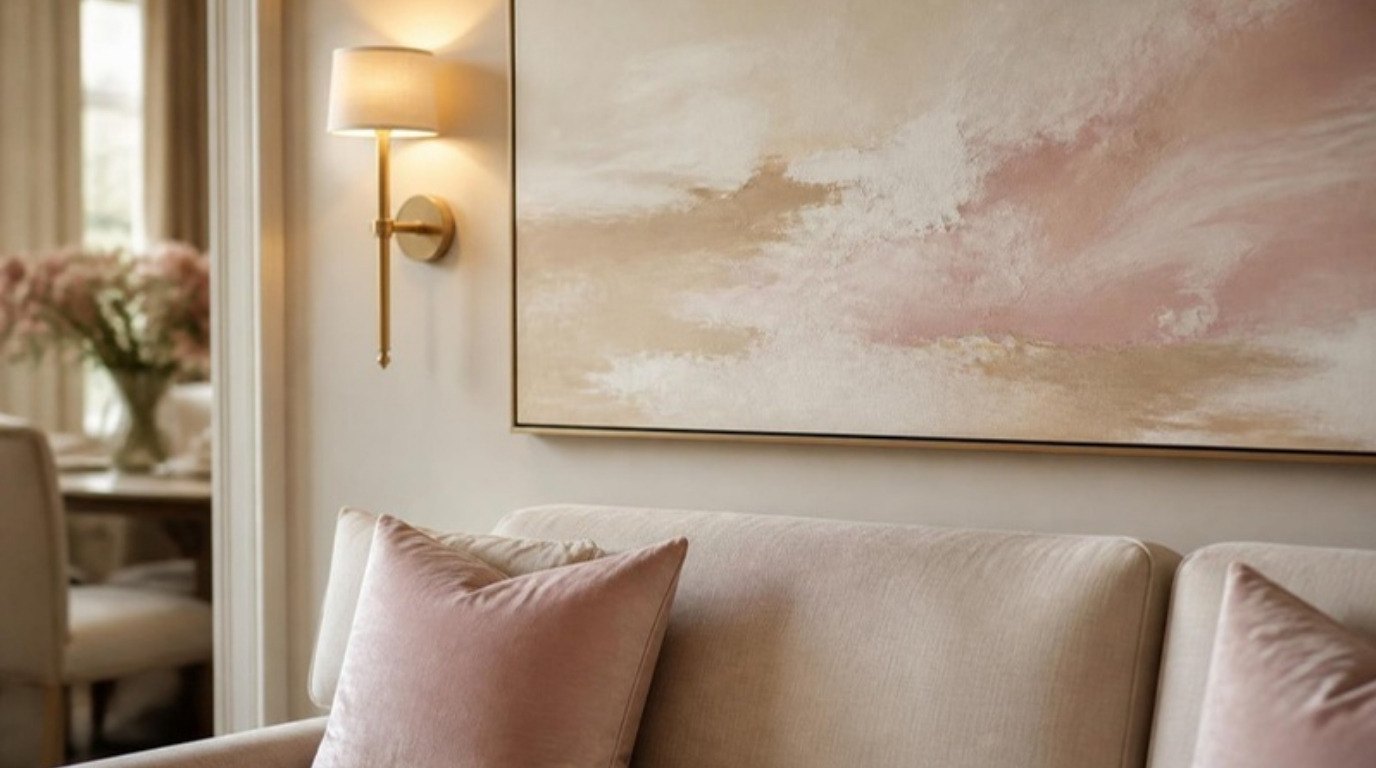
A pair of sconces on either side of a bed or a single one beside a reading chair creates a warm glow and draws attention to the wall. Plug-in wall sconces with fabric shades need no electrician: mount them at about 60 inches from the floor beside a bed or slightly higher above a chair, and run the cord down the wall with a paintable cord cover. Use warm bulbs (2700K) and keep cords tidy and away from walkways. More ideas live in my guide to lighting ideas.
Soft Colors That Work on Almost Any Accent Wall
You don't need a dramatic color for an accent wall to work. Soft shades feel restful and pair easily with what you already own.
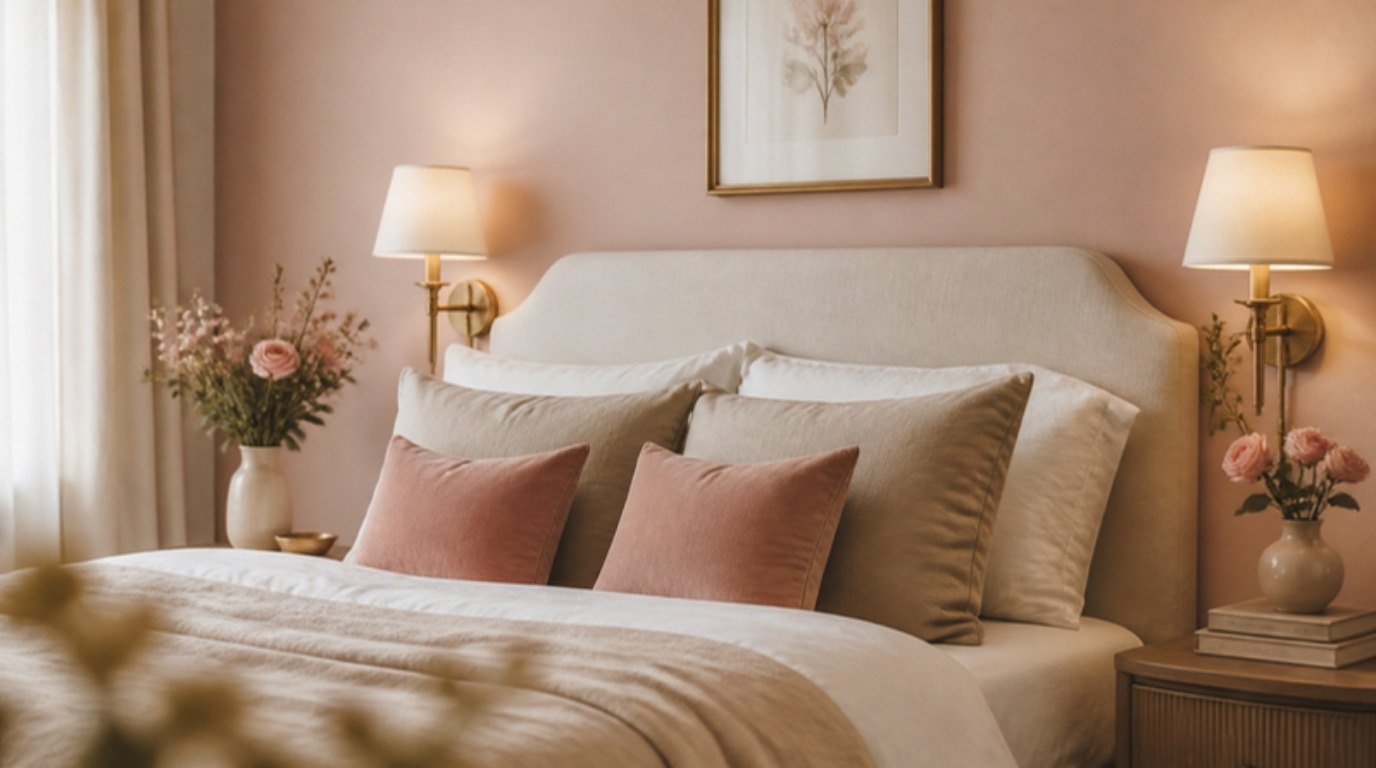
- Blush. Warm and flattering in both daylight and lamp light. Choose a pink with a little beige in it so it reads grown-up rather than sugary.
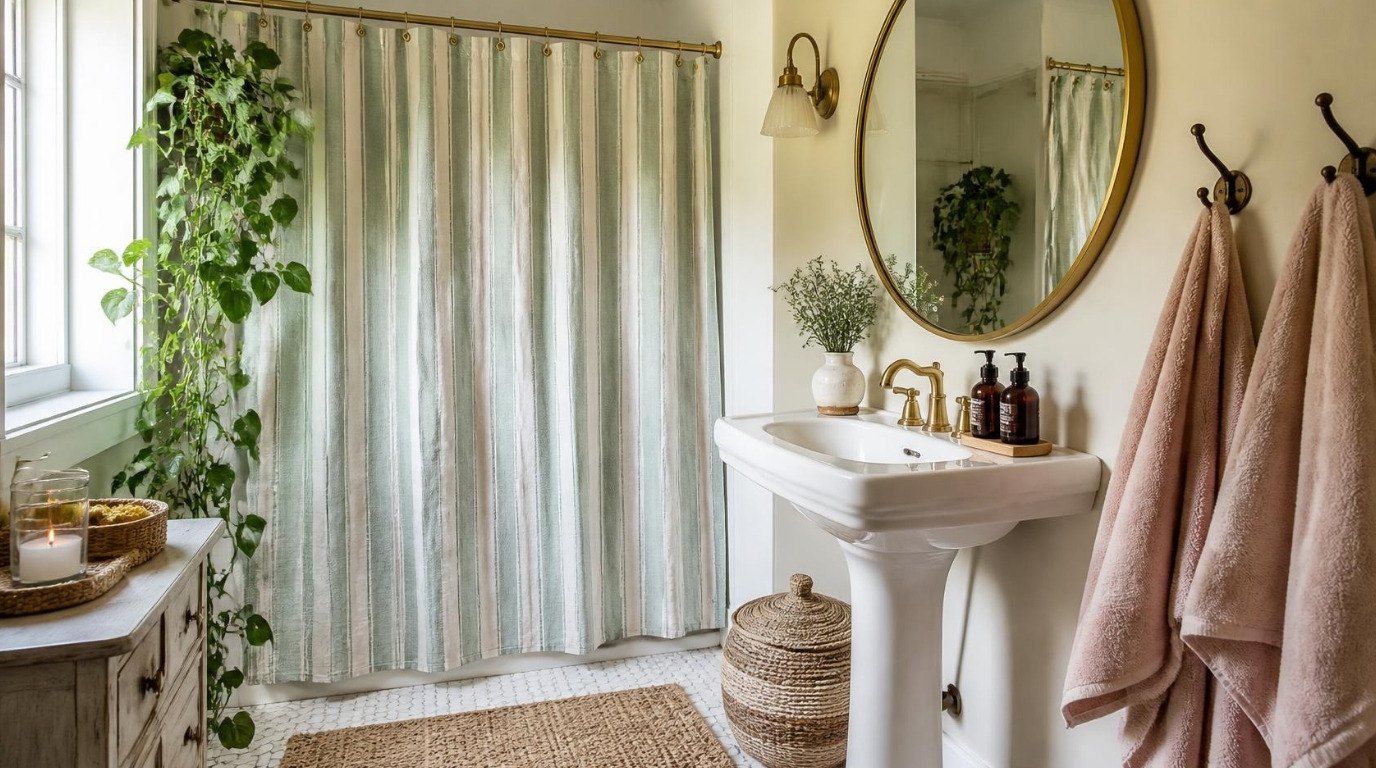
- Sage. Calm, natural and lovely with wood, linen and plants. A grayed sage works in almost any light.
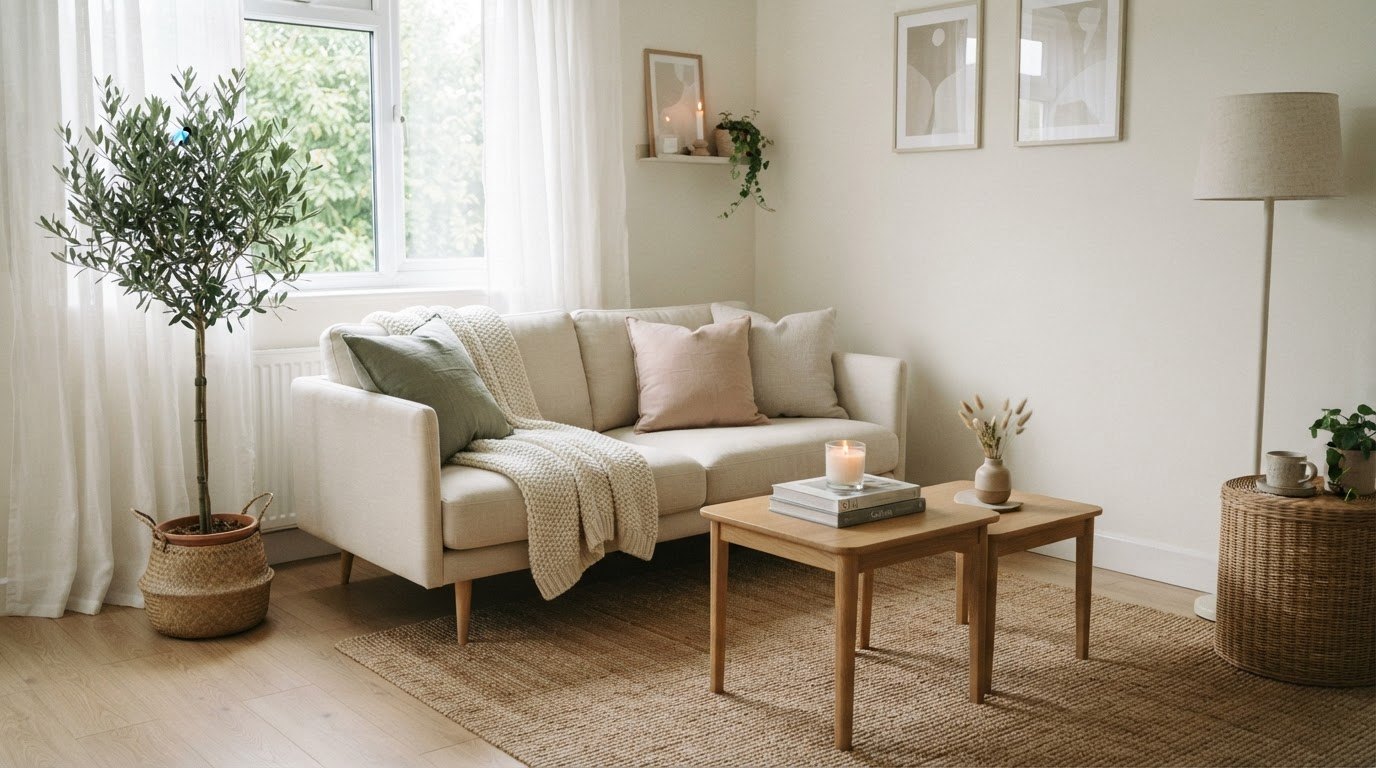
- Warm greige. The safest choice for open spaces, because it connects with both cream and wood tones.
- Cream. A soft cream wall in an otherwise bright white room feels quietly luxurious, especially with texture like limewash or panels.
Finish matters too. For a painted accent wall, a matte or eggshell finish looks soft and hides small bumps, while satin is easier to wipe in hallways and dining nooks. Avoid high gloss on a large wall; it shows every flaw in side light.
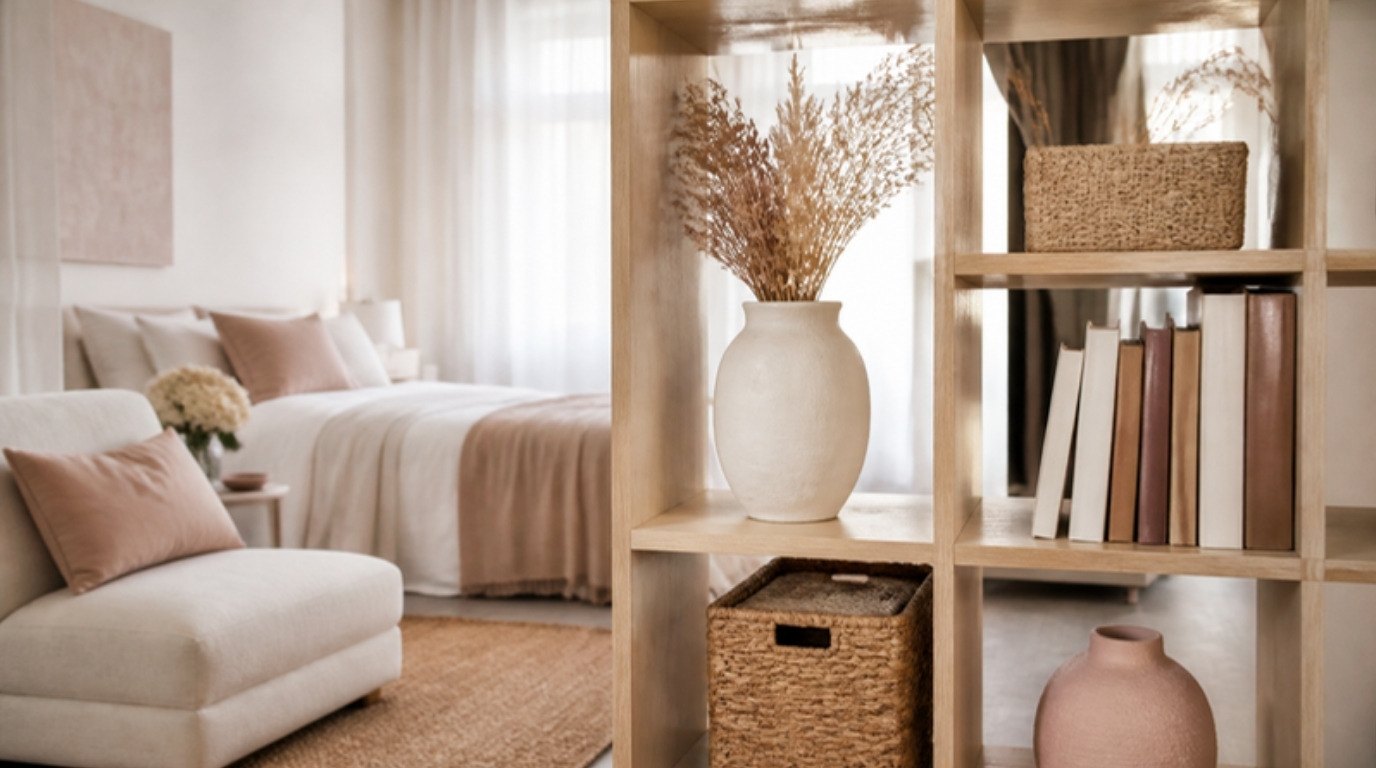
Pair the color with texture. A blush wall loves cream linen and brass, sage sits beautifully next to light oak and rattan, and greige looks richest with warm white bedding and a chunky knit. Pick one metal finish and one wood tone for the room and repeat them, and the accent wall will look like it was always meant to be there.
Always paint a large swatch (about 2 by 2 feet) or tape up a sample sheet and look at it morning, afternoon and evening before you commit.
How To Remove Everything Cleanly at Move-Out
Getting your deposit back is part of the plan. A little care at the end keeps renter-friendly options truly renter-friendly.
- Peel-and-stick wallpaper: peel slowly at a low angle, close to the wall. If it resists, warm it for 20 to 30 seconds with a hairdryer on low and try again.
- Adhesive strips: pull the tab straight down along the wall, slowly, never toward you. This releases the adhesive without tearing paint.
- Decals and washi tape: lift a corner with a fingernail and peel back over itself. Wipe any residue with a soft cloth and a drop of mild dish soap in warm water.
- Small screw holes: fill with lightweight spackle, let dry, sand lightly and touch up with matching paint if you have it.
- Painted walls: if your lease requires it, repaint the original color. Two coats of a good primer-and-paint usually cover soft shades easily.
Accent Wall Mistakes To Avoid
A few small missteps can make an accent wall feel accidental instead of intentional. Here are five to watch for:
- Wrong scale. A tiny pattern on a huge wall looks like texture from across the room, and a giant print in a small bedroom can feel overwhelming. Match pattern size to the room.
- Too busy. A bold wallpaper plus a gallery wall plus a shelf of objects is too much on one surface. Let the wall be the star, or let the art be the star, not both.
- The wrong wall. Accenting a wall you never look at, or one broken up by doors and windows, makes the effort disappear.
- No connection to the room. Repeat the accent color at least twice elsewhere, such as a pillow, a throw or a vase, so the wall belongs. My pink room decor guide shows how to do this gently with blush tones.
- Rushing the prep. Dusty walls, fresh paint under wallpaper and unpressed tape edges cause most of the peeling and bleeding people blame on the product.
Final Thoughts
An accent wall is one of the simplest ways to make a room feel finished and personal, and it doesn't have to be permanent to be beautiful. Start with the wall your eye already loves, pick an option that suits your lease and your weekend, and keep the palette soft.
Whether it's a sweep of blush paint, a row of framed prints or two warm sconces beside your bed, that one wall can quietly change how the whole room feels every single time you walk in.