Color drenching works for a simple reason: when the walls, trim, ceiling and doors all share one color, your eye stops jumping from edge to edge and the whole room relaxes. Instead of a white box with a few colorful things inside it, you get a soft, wrapped-up space that feels intentional – even if the furniture is a mix of old and new.
It sounds bold, and it can be. But in a gentle shade like sage, blush or warm cream, it's one of the calmest looks you can give a room, and it doesn't need expensive renovations. A few gallons of paint, a good brush and a spare weekend go a long way. If you rent, there are lovely ways to get the same feeling with textiles and removable options.
This guide covers what color drenching is, why it works so well, how to choose your shade, a 7-step method for painting a room, the best rooms to start with, a room-by-room table of soft shades and finishes (with a renter-friendly alternative for each), safety notes on ventilation and paint, and the mistakes worth avoiding.
What Is Color Drenching?
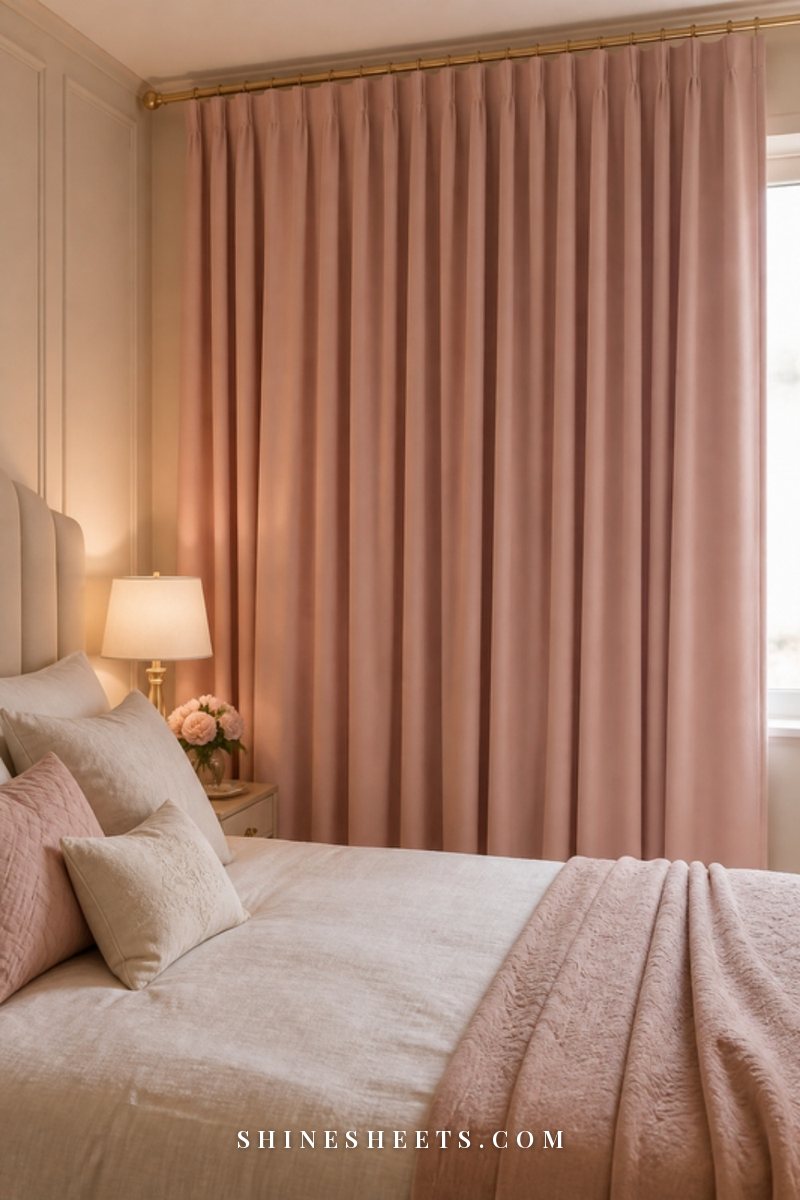
Color drenching means using one color (or a few very close tones of it) across almost every surface in a room: walls, skirting boards, window frames, door frames, doors, radiators and often the ceiling. Some people take it further and paint a bookcase, a dresser or even a radiator cover in the same shade.
It's different from a classic accent wall, where one wall stands out from the rest. If you'd like a smaller first step, my accent wall ideas are a lovely way to test a color. Drenching is the opposite approach: nothing stands out, because everything belongs together.
You'll also hear the phrase "tonal" drenching, which means using two or three shades from the same color family – say, a mid sage on the walls, a slightly deeper sage on the trim and a paler version on the ceiling. It gives you the same cocooning feeling with a little extra depth, and it's very forgiving.
Why Color Drenching Works
It can feel counterintuitive that more color would make a room calmer. Here's what's actually happening.
It Blurs the Edges
In a typical room, white trim and a white ceiling draw lines around every wall, door and window. Your eye follows those lines and reads the room's exact size and shape. When the trim and ceiling match the walls, those edges soften and the room starts to feel like one continuous space. Awkward corners, odd angles and slightly wonky door frames simply stop being noticeable.
It Makes Small Rooms Feel Snug
The old advice says small rooms should be white to feel bigger. Sometimes that's true, but a small room painted white can also just look like a small white room. A drenched small room leans into its size and feels snug and wrapped-up instead, like a little jewel box. It's one of my favorite tricks for a box room, a narrow hallway or a tiny bathroom.
It Calms Visual Noise
When the background is one steady color, your furniture, art and plants become the focus, and the room feels less busy overall. That's especially helpful if you're prone to feeling overwhelmed by clutter (I am – my anxiety likes a tidy, quiet backdrop). Fewer contrasts mean fewer things fighting for your attention.
How To Choose Your Shade
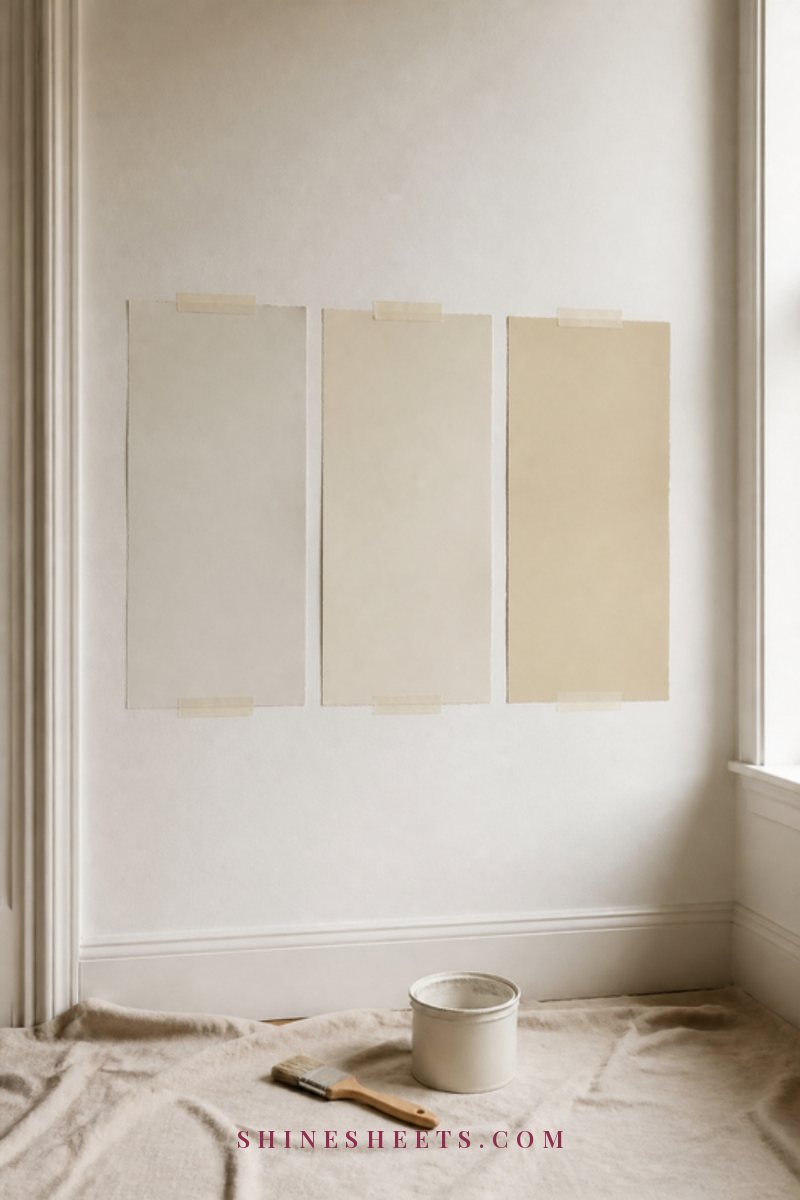
Because you're about to cover every surface in one color, getting the shade right matters more than usual. Here's how to do it without guesswork. For a deeper dive into the basics, my guide on how to choose paint colors covers undertones and light step by step.
Read the Undertone
Every color has an undertone that shows up once it covers a whole room. A beige can lean pink, yellow or green. A sage can lean gray, yellow or blue. Hold your swatch next to a sheet of plain white printer paper: the undertone becomes much easier to see. Warm undertones (yellow, pink, red) feel soft and enveloping. Cool undertones (blue, gray, green) feel fresh and calm.
Check Your Light Direction
- North-facing rooms get cool, even light. Choose warmer shades here – a warm beige or a blush with a hint of peach – so the room doesn't feel gray.
- South-facing rooms get warm light most of the day. Almost anything works, and cooler shades like baby blue or a gray-green sage stay fresh.
- East-facing rooms are bright in the morning and cooler later. Soft greens and warm whites handle both.
- West-facing rooms are cooler in the morning and warm and golden in the evening. Muted blush and warm creams look beautiful at sunset.
Test Swatches at Different Times
Paint two coats of each sample onto large pieces of white card (at least the size of a sheet of paper – bigger is better) and move them around the room for three days. Look at them in the morning, at midday, in the evening with lamps on and on a cloudy day. Place one near the floor and one near the ceiling. A small set of low-VOC sample pots in soft sage tones is an easy way to compare a few shades side by side.
Soft Shades That Drench Beautifully
Deep greens and inky blues get a lot of attention, but soft shades drench just as well and feel lighter day to day. These five are easy starting points:
- Sage green – calm and natural, lovely with wood and linen.
- Blush pink – warm and flattering, especially in north-facing rooms.
- Warm cream – the gentlest drench of all, softer than stark white.
- Baby blue – airy and fresh, perfect for a bathroom or bedroom.
- Warm beige – grounded and calm, a natural partner for textured fabrics.
Choose a slightly muted version of each (a little gray or brown in the mix). Very clean, bright pastels can feel sugary once they cover a whole room.
How To Color Drench a Room in 7 Steps
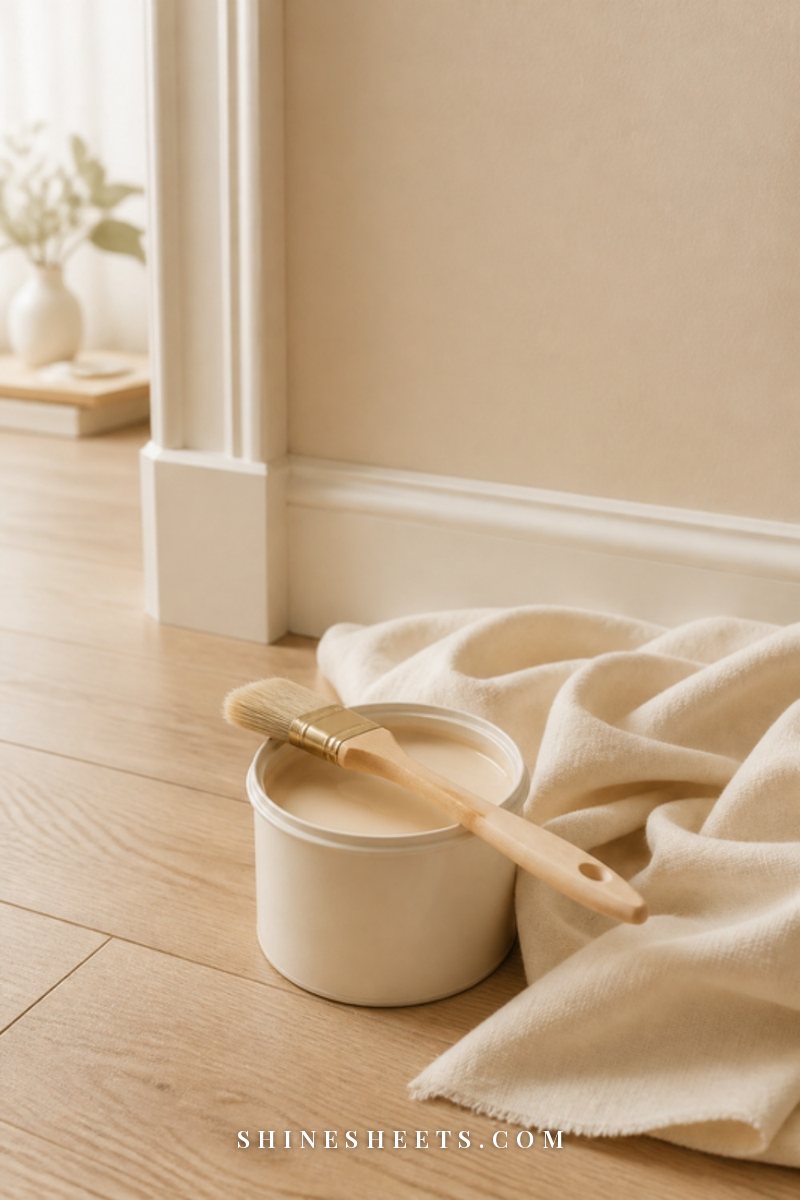
Plan a full weekend for a small room and a little longer for a bigger one. Here's the order that saves the most time and frustration.
1. Pick the Room
Start with a small, low-stakes room you use often – a bedroom, a bathroom or a hallway. You'll learn how the color behaves without committing your whole home. If you're planning more than one room eventually, it's worth thinking about how they'll connect; my guide to creating a whole-home color palette helps rooms flow into each other.
2. Test Your Shade
Use the swatch method above for at least three days. If you're torn between two shades, go with the slightly lighter one. Color always looks stronger on four walls than on a little card.
3. Choose Your Finishes
Using one color doesn't mean using one finish. The classic drench formula is:
- Walls: matte or flat-matte, for a soft, velvety look.
- Trim, doors and window frames: eggshell or satin, which wipe clean and give a subtle sheen.
- Ceiling: flat or matte, which hides small bumps.
- Bathrooms and kitchens: a moisture-resistant or kitchen-and-bath matte for walls.
The slight difference in sheen gives the room gentle depth while the color stays the same.
4. Prep the Room
Move furniture to the middle and cover it, lay drop cloths, remove switch plates and outlet covers (turn off the power if you're working near electrics), fill small holes and lightly sand glossy trim so the new paint sticks. Wipe everything down with a damp cloth and let it dry. Painter's tape is helpful along the floor and around fixtures you're keeping. If you're going from a dark color to a light one, or painting over glossy oil-based trim, use a primer first.
5. Paint the Ceiling First
Always start at the top so any drips land on surfaces you haven't painted yet. Use a roller on an extension pole and work in sections. Two thin coats are better than one thick one. Most water-based paints can be recoated after a few hours, but check the can, because drying times vary.
6. Paint the Walls, Then the Trim
Cut in the edges with a brush, then roll the walls in a loose "W" pattern, two coats. Once the walls are dry, switch to your eggshell or satin for trim, doors and frames. A good angled sash brush makes the trim so much easier, especially around window frames and door panels. Here's the lovely part of drenching: because everything is the same color, you don't have to be perfect where wall meets trim.
7. Add Textiles in the Same Family
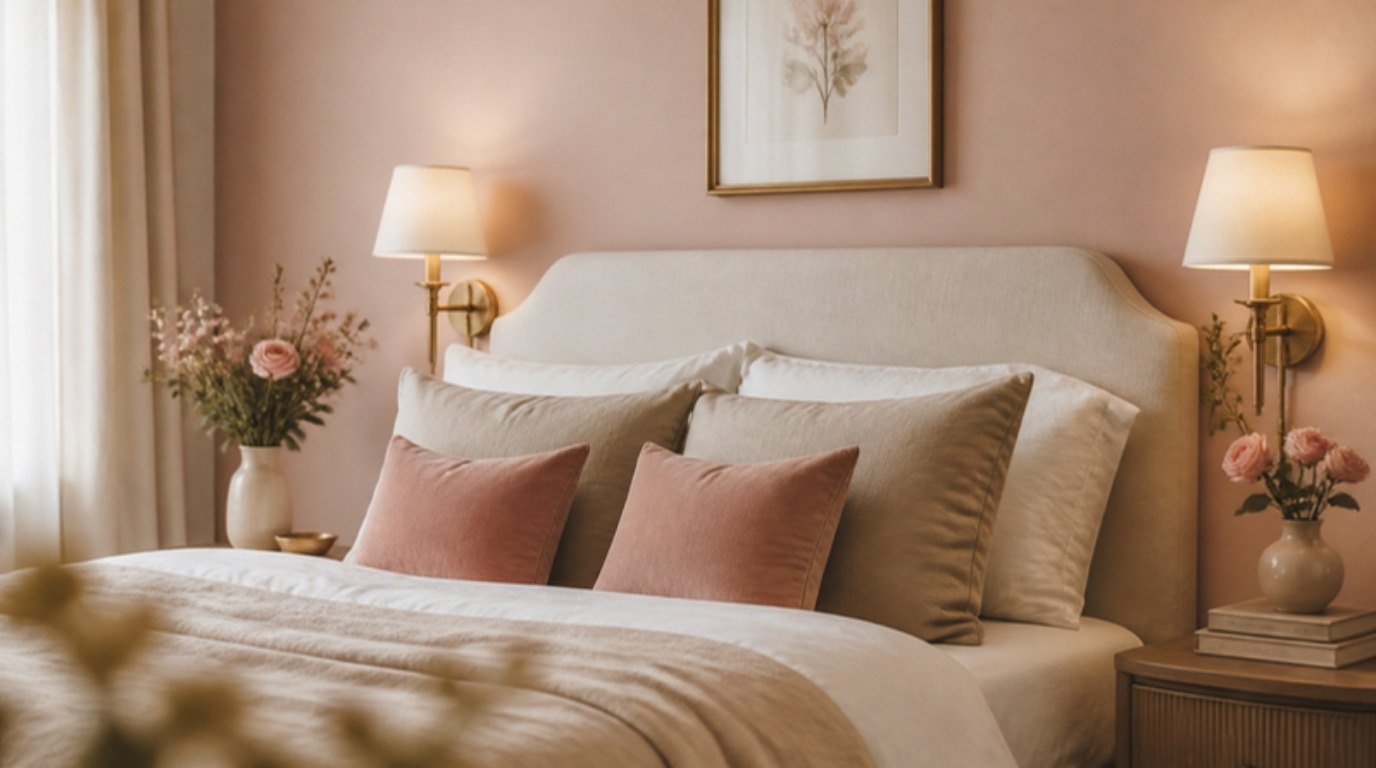
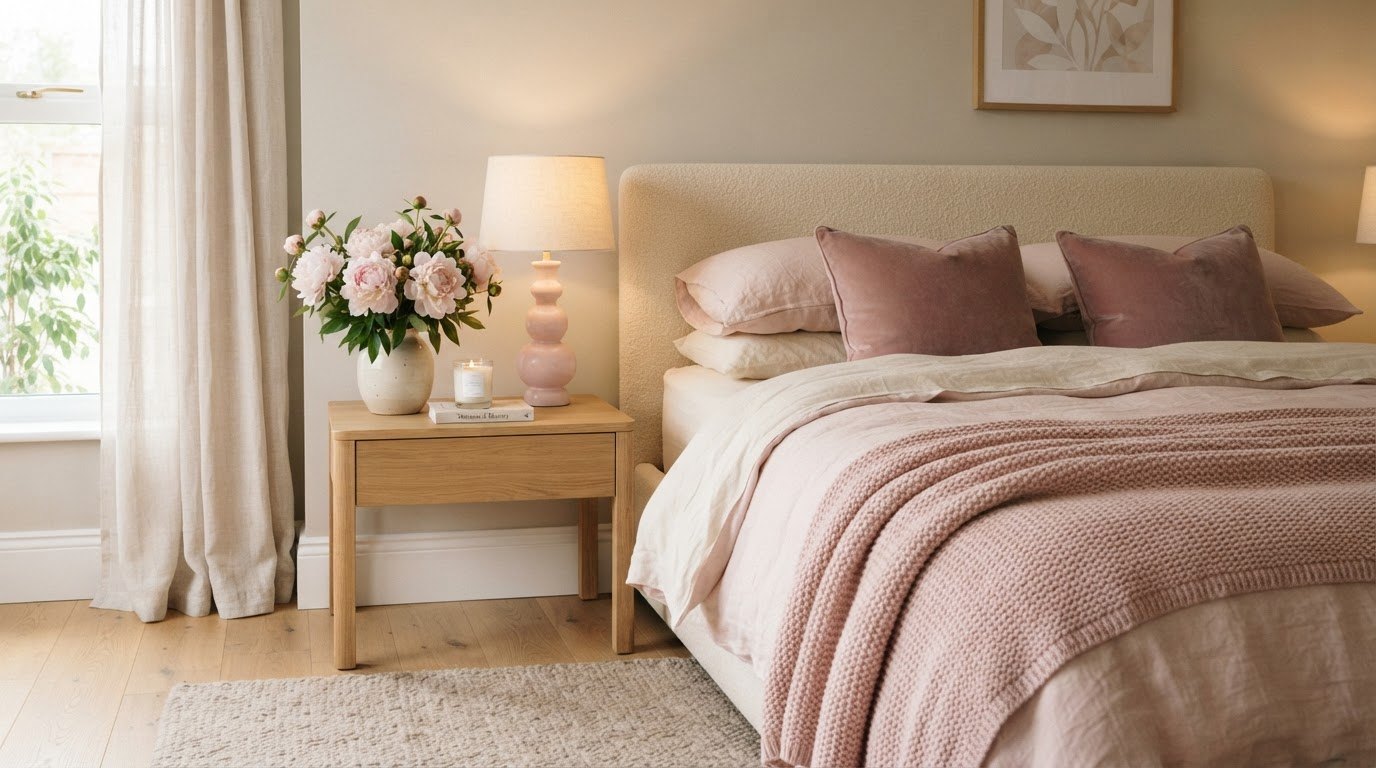
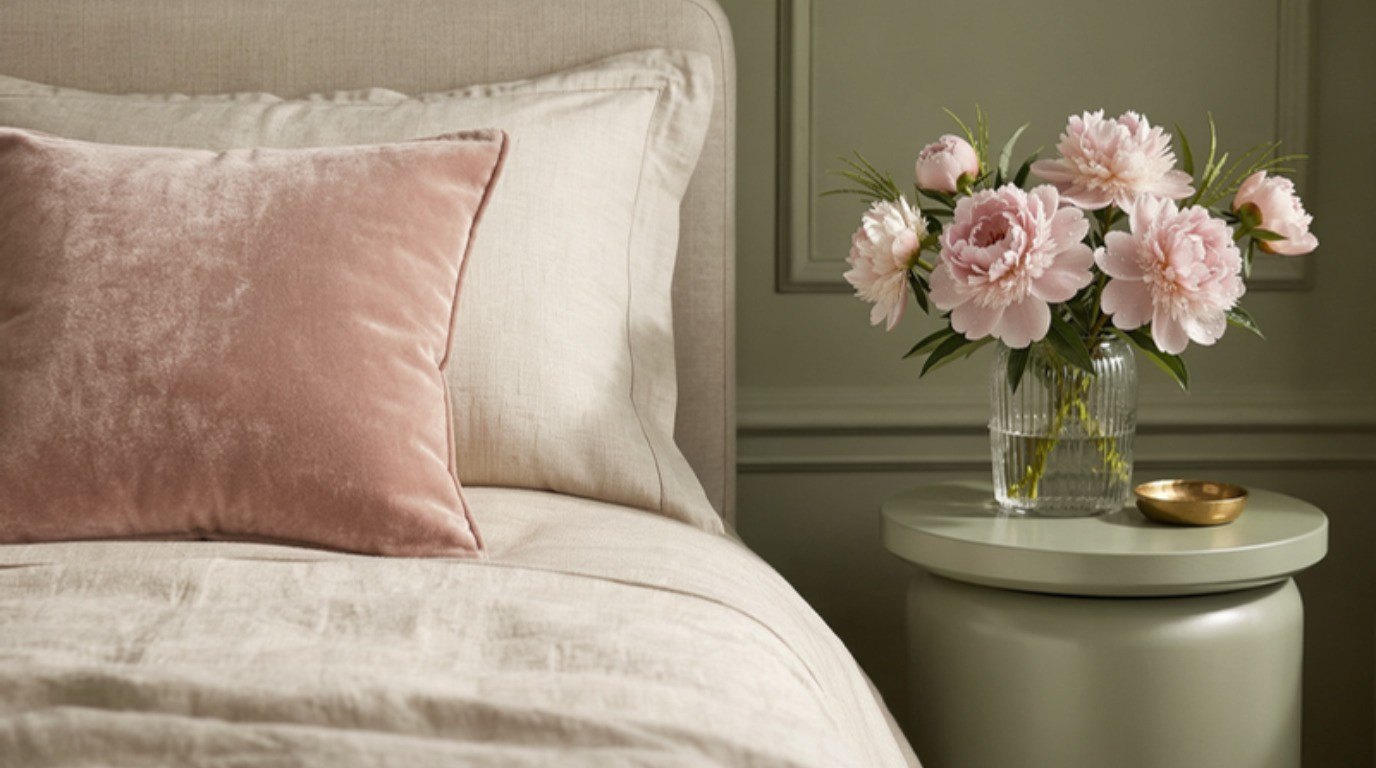
This is where the room comes to life. Choose bedding, curtains, cushions and throws in shades from the same color family, a little lighter or darker than the walls. For a sage room, that might mean cream linen bedding, sage curtains and a beige textured throw. For a blush room, try blush velvet cushion covers and warm wood. Mix textures – linen, velvet, wool, boucle – so the room feels rich rather than flat.
Best Rooms To Start With
Any room can be drenched, but some are easier and more rewarding for a first try.
A Small Bedroom
Bedrooms are made for a calm, wrapped-up feeling, and you'll mostly use them in the evening, when a drenched color looks its most soothing. Painting the ceiling the same color makes the room feel snug as you fall asleep. My small bedroom ideas pair nicely with this look.
The Bathroom
Bathrooms are small, so you'll need very little paint, and the many awkward edges (pipes, boxed-in cisterns, little windows) disappear once everything is one color. Use a moisture-resistant paint and keep the room well ventilated while it cures.
A Hallway
Hallways are often dark and full of doors, which makes them perfect candidates. A warm cream or soft beige drench turns a pass-through space into a welcoming first impression. Paint the doors too, on the hallway side.
A Home Office
A soft sage or muted blue drench can make a work corner feel focused and quiet. Because there's less visual contrast, it's easier to settle into a task. Keep a warm lamp on your desk so the color doesn't feel cold on gray afternoons.
The Color Drenching Room Guide
Here's the unique part of this guide – a quick room-by-room guide you can screenshot before you head to the paint store. Each row suggests a soft shade, a finish and an option if you can't paint.
| Room | Suggested soft shade | Finish | Renter-friendly alternative |
|---|---|---|---|
| Small bedroom | Muted sage or warm blush | Matte walls and ceiling, eggshell trim | Bedding, curtains and a headboard throw all in one shade |
| Bathroom | Baby blue or soft cream | Moisture-resistant matte, satin trim | Towels, bath mat and shower curtain in the same tone |
| Hallway | Warm cream or light beige | Scrubbable matte walls, satin doors and skirting | A runner rug and large framed prints in matching tones |
| Home office | Gray-green sage or muted blue | Matte walls, eggshell trim and shelves | Paint only the desk and shelves, add a matching rug |
| Living room nook | Warm beige or greige | Matte walls, eggshell built-ins | Removable wallpaper in a plain textured weave behind the sofa |
| Guest room | Soft blush | Matte walls and ceiling, satin door | Peel-and-stick paint panels on one or two walls plus tonal bedding |
| Kitchen corner | Pale sage or warm cream | Kitchen-and-bath matte, satin cabinets | Tea towels, a runner and open-shelf ceramics in the same family |
If you're unsure between two rows, start with the room you spend the most quiet time in. That's where you'll feel the difference first.
Renter-Friendly Color Drenching
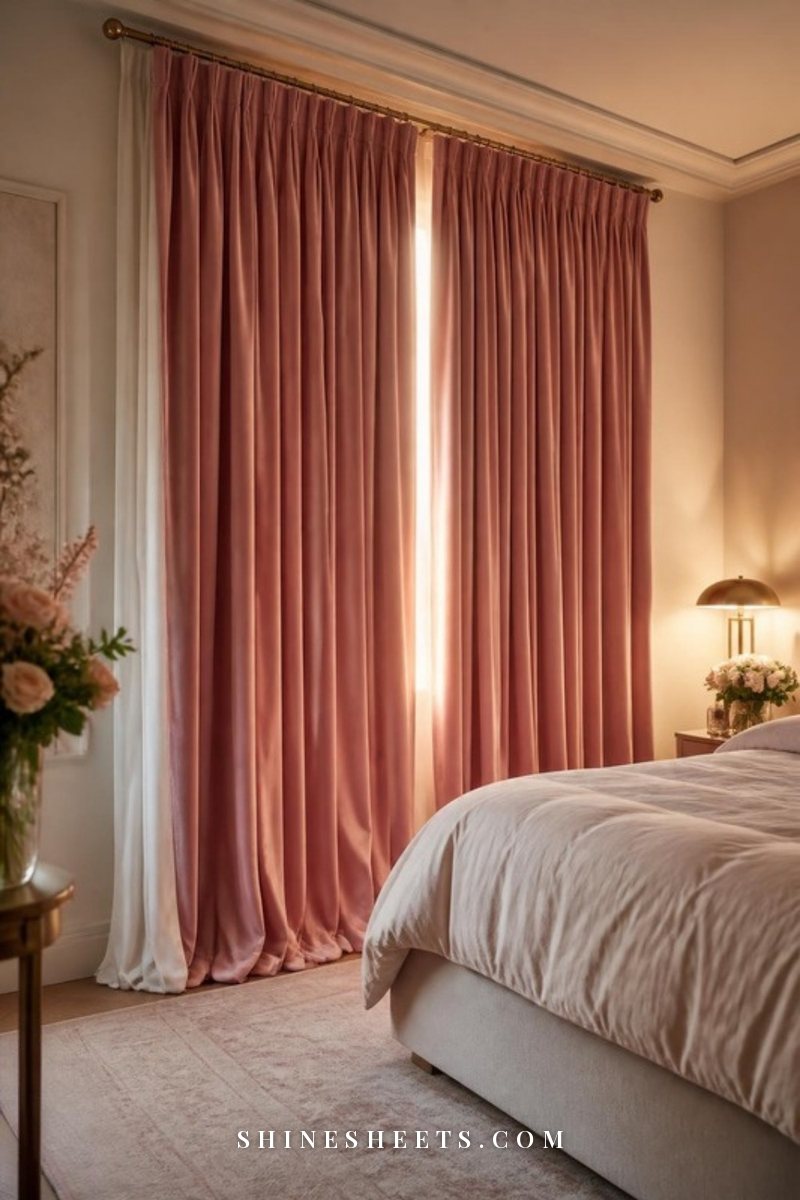
You don't need to own your home to enjoy this look. Here are four ways to try it, from most to least commitment.
Ask Your Landlord First
Many landlords will say yes to soft, neutral shades, especially if you offer to repaint before you move out or choose a color they approve. Ask in writing, mention the exact shade and finish, and keep their reply. A gentle cream, beige or pale sage is an easier yes than a deep green.
Drench With Textiles
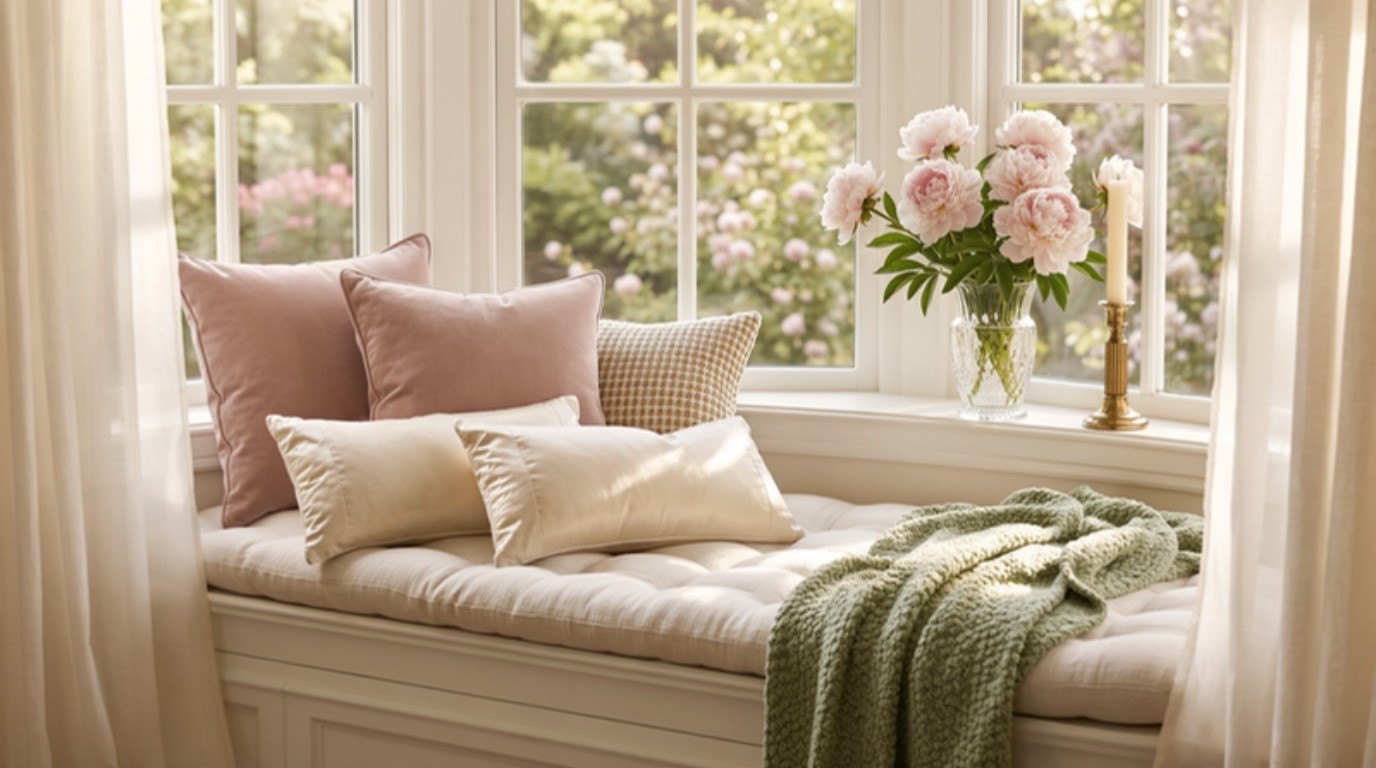
Even with white walls, you can create a drenched feeling by choosing one color family for bedding, curtains, cushions, throws and a rug. Full-length curtains in the same shade, hung wide and high, do a lot of the work, because they cover so much wall. This is the most flexible version, and you take it all with you when you move.
Use Peel-and-Stick Paint Panels or Removable Wallpaper
Peel-and-stick paint samples come in large sheets, and removable wallpaper in a plain linen or grasscloth-look texture can cover a wall or two. Test a small piece in a hidden spot first and follow the removal instructions carefully. They can pull paint on some surfaces, so check with your landlord before covering a whole room.
Paint Only the Furniture
Choose one shade and paint a dresser, a bookcase, a side table and a picture frame or two. Group them together against a wall with matching textiles nearby. You get the tonal, cocooning effect in one corner, and your walls stay exactly as they were.
Ventilation and Low-VOC Paint
Painting a whole room – ceiling included – means a lot of paint in one small space, so a little care goes a long way:
- Choose low-VOC or zero-VOC water-based paint. It has less of the strong paint smell and fewer airborne chemicals.
- Keep windows open and run a fan pointing outward while you paint and for a day or two afterward.
- Take breaks in fresh air every hour or so, and stop if you feel dizzy or get a headache.
- Sleep in another room for at least the first night after painting a bedroom, if you can.
- Keep kids and pets out until the paint has dried and the smell has faded.
- Older homes: if your home may have old lead paint, don't sand it yourself – have it tested first.
If you're pregnant or have asthma or other breathing concerns, it's worth asking your doctor before a big painting project, or having someone else do the painting while you stay elsewhere.
Color Drenching Mistakes To Avoid
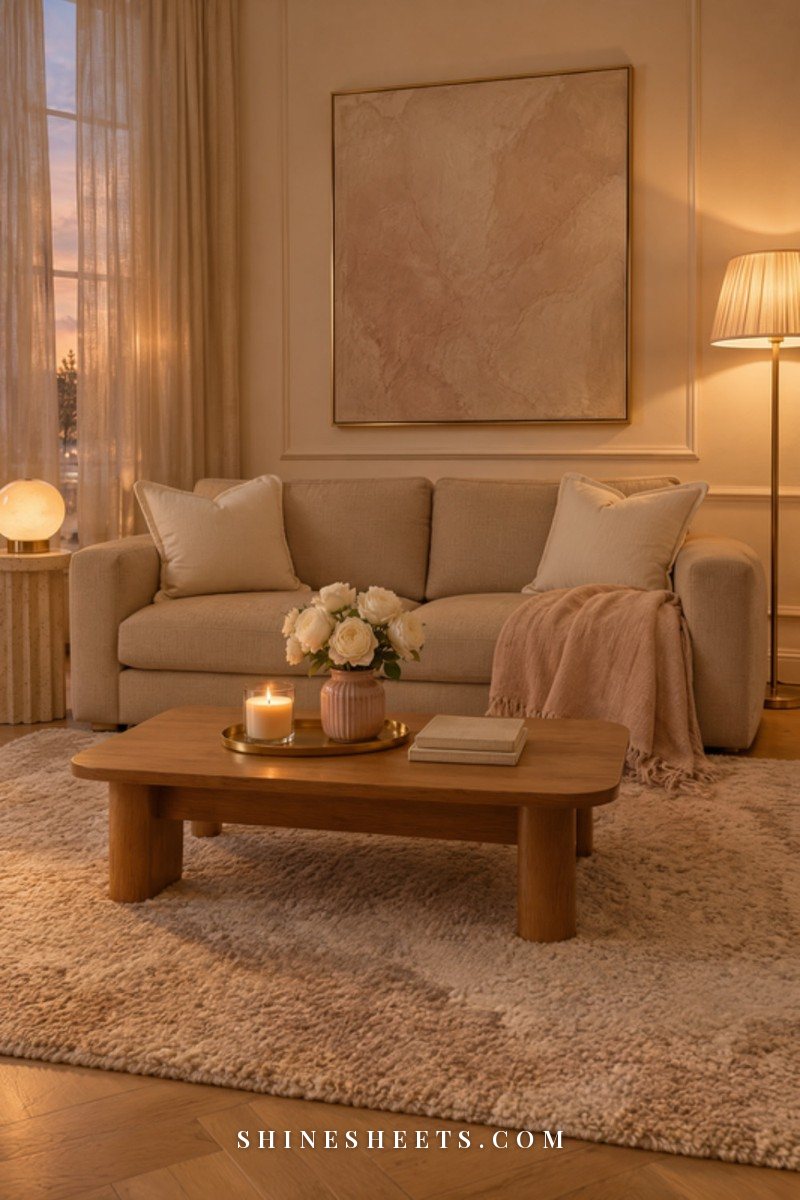
Most drenching disappointments come down to a handful of small, fixable things. Watch out for these, and see my guide to common home decor mistakes for more easy fixes.
- Skipping the swatch test. A color that looks perfect on a chip can turn gray, green or pink across a whole room.
- Going too bright. Clean, saturated pastels can feel childish when they're everywhere. Choose a muted version.
- Using one finish for everything. Matte trim scuffs quickly. Use eggshell or satin on doors and frames.
- Forgetting the lighting. Cool white bulbs can make soft shades look flat. Warm white bulbs (around 2700K) keep them glowing in the evening.
- Too many contrasting accessories. A drenched room loves tonal, textured pieces. Lots of bright, unrelated colors break the calm.
- Rushing the coats. Paint the second coat only when the first is fully dry, or you'll see patchy marks once the light hits.
Final Thoughts
Color drenching is less about being bold and more about being consistent. One gentle shade, wrapped around a room, can make even a small or slightly awkward space feel calm, finished and very much yours.
Start with one small room or one corner of furniture, take your time with the swatches and let the textiles do the rest. A soft, wrapped-up room is a lovely thing to come home to.