Red hair color doesn't fade because you're doing something wrong. It fades because red is simply the most delicate shade in the whole dye family. The good news is that once you understand why it slips away, keeping it bright mostly comes down to a handful of small, repeatable habits.
Copper, auburn, strawberry, cherry or a deep ruby: every red needs a little extra care to stay vivid between salon visits. And if you're a natural redhead, your color deserves protecting too, just in a slightly different way.
This red hair care guide covers why red fades so fast, what dyed and natural reds each need, 9 fade-stopping habits, a fade-cause table you can screenshot, and the extras that make a real difference: hard water, glosses between appointments and patch testing.
Think of it as a little maintenance plan for the most gorgeous color on the chart.
Why Red Hair Color Fades So Fast
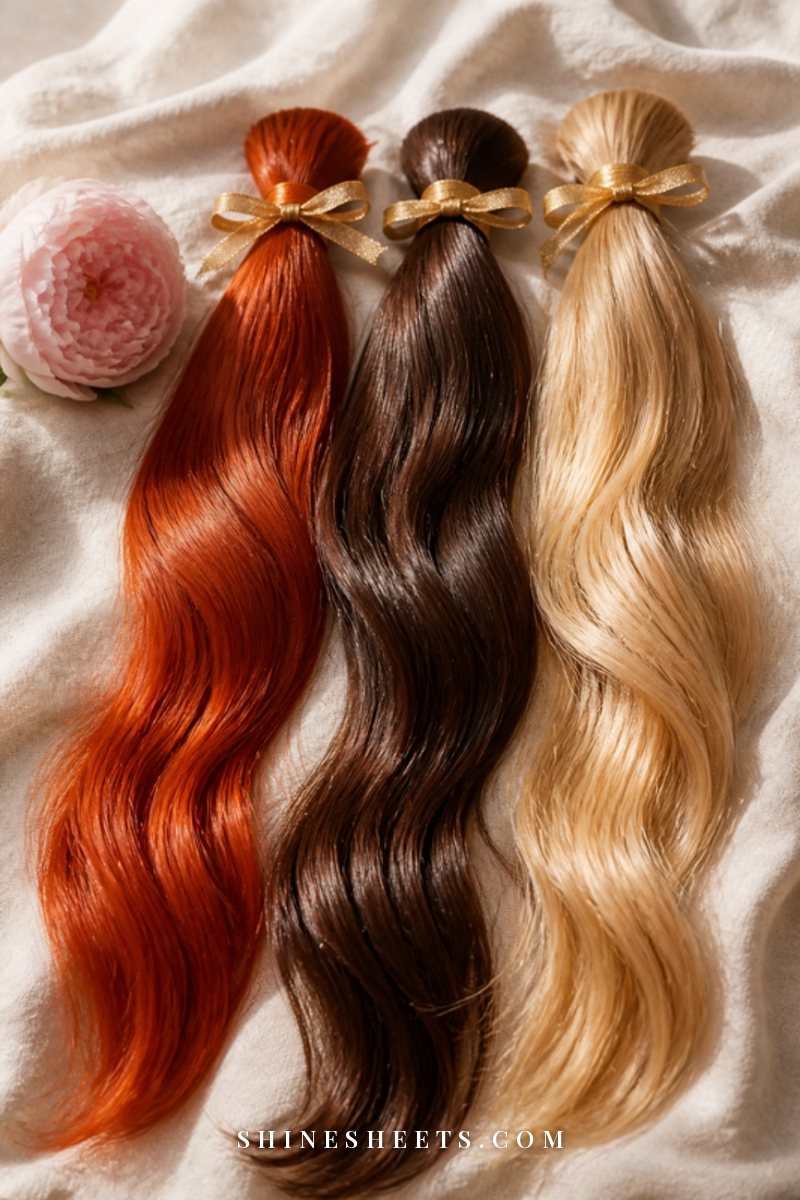
Here's the simple science. When you dye your hair, color molecules travel into the hair strand and settle inside. Red pigment molecules are larger than many other color molecules, so they don't sink as deeply into the strand. They tend to sit closer to the surface, where every wash, every hot tool session and every sunny afternoon can pull a little of them back out.
On top of that, most red shades are created on hair that's been lightened at least a little. Lightening opens up the outer layer of the hair (the cuticle), which makes the hair more porous. Porous hair grabs color fast and lets it go just as fast.
Put those two things together and you get the classic red hair story: a stunning, glossy shade on day one and a faded, slightly orange or brassy version a few weeks later. It's not you. It's chemistry. And chemistry can be worked with.
If you're still deciding which red to go for, my guide on how to pick the best hair color for you helps you match a shade to your skin's undertone before you book.
Dyed Red vs. Natural Red: What Each Needs
Most of this article focuses on dyed copper, auburn and red shades, because those are the ones that wash out. But natural redheads have their own care list, so here's a quick split:
- Dyed red hair loses pigment through washing, heat, sun and chlorine. The main goal is to keep the cuticle closed and smooth, wash gently and top up the tone at home.
- Natural red hair doesn't wash out the way dye does, but the sun can still lighten and dull it over time, and it's often fine and prone to dryness. The main goal is sun protection, gentle cleansing and plenty of moisture.
Natural redheads also tend to have fair, sensitive skin, so a hat in strong sun does double duty: it protects your color and your scalp. Most of the habits below help both groups, so read on either way.
9 Habits That Stop Red Hair Color From Fading
You don't need all nine to see a difference. Start with the first four, which are the biggest wins, then add the rest as they fit your routine.
1. Wait 48–72 Hours Before Your First Wash
Fresh color needs time to settle. In the first two to three days after dyeing, the cuticle is still closing back down and the pigment hasn't fully locked in. Washing too soon is one of the fastest ways to lose that salon-fresh vibrancy.
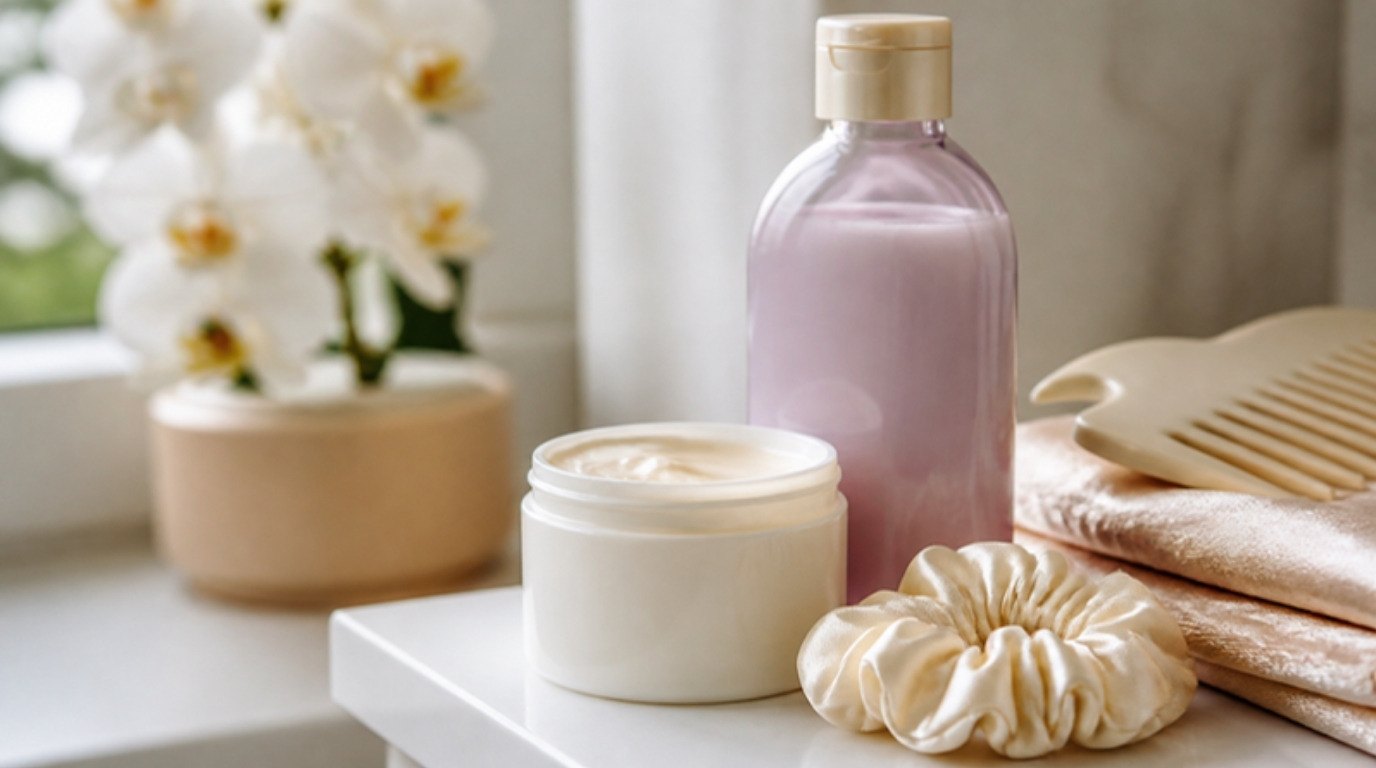
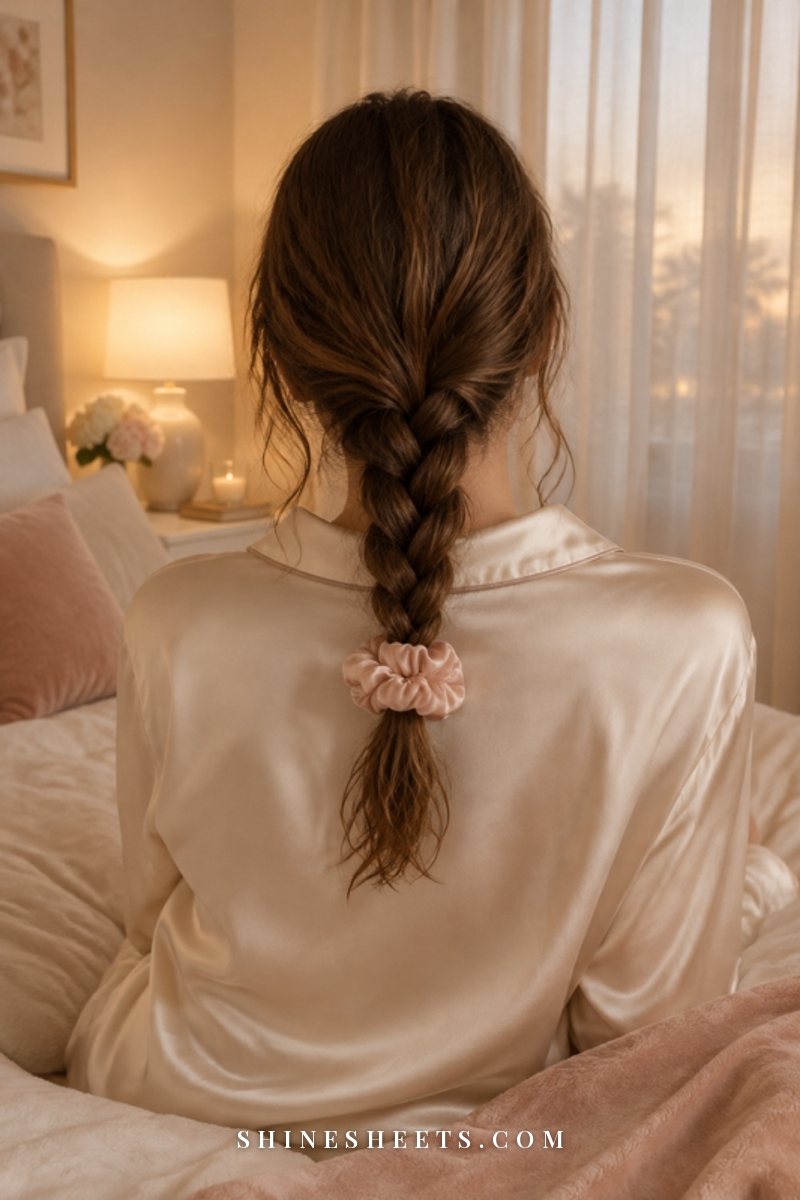
Ask your colorist how long they recommend for your specific formula, but 48–72 hours is a common guideline. In the meantime, a little dry shampoo at the roots and a loose silk scrunchie at night keep things fresh without water.
2. Wash Less Often
Every wash takes a bit of red pigment with it, so the simplest habit is also the most powerful: wash less. If you wash daily now, try every other day for two weeks, then every third day if your scalp is happy.
On in-between days, rinse with water only if you need to refresh after a workout, or use dry shampoo at the roots. Your scalp may feel oilier for the first week or two while it adjusts, which is completely normal. My weekly hair care routine shows how to space wash days without your hair feeling neglected.
3. Rinse With Cool Water
Hot water lifts the cuticle, and a lifted cuticle lets color escape. You don't need an icy shower (nobody enjoys that), just lukewarm water while you wash and a cool rinse for the last 20–30 seconds.
A small trick that helps: wash your hair separately from your body, leaning forward over the tub, so your hair isn't sitting under hot water for the whole shower.
4. Switch to a Sulfate-Free, Color-Safe Shampoo

Strong cleansing agents like some sulfates are great at removing oil, and unfortunately great at removing red pigment too. A sulfate-free, color-safe shampoo cleans more gently, so less color goes down the drain each time.
Look for words like "color-safe," "sulfate-free" and "for color-treated hair" on the bottle. Use a coin-sized amount, focus it on your scalp and let the suds run through the lengths rather than scrubbing them. Your ends are usually the most porous part, so they fade first.
5. Use a Red-Toned Color-Depositing Conditioner or Mask
This is the habit that turns red hair care from defense into offense. A color-depositing conditioner contains a little pigment that tops up your shade every time you use it. For warm reds, a copper color-depositing conditioner is a pick; for deeper auburns and cherries, look for one labeled red or ruby.
How to use it: after shampooing, squeeze out excess water, apply it through the lengths with gloves on, leave it for 3–10 minutes (longer means more color) and rinse with cool water. Once a week is a good starting point; you can go up to every wash if your color fades quickly. Always do a strand test first on a hidden section underneath, because the result depends on your base color.
6. Use Heat Protectant Every Single Time
Heat is a big reason red turns dull and brassy. High temperatures break down color molecules and rough up the cuticle at the same time. A heat protectant spray creates a thin barrier between your hair and the heat, and it should be used before every blow-dry, curl or straighten, not just on special occasions.
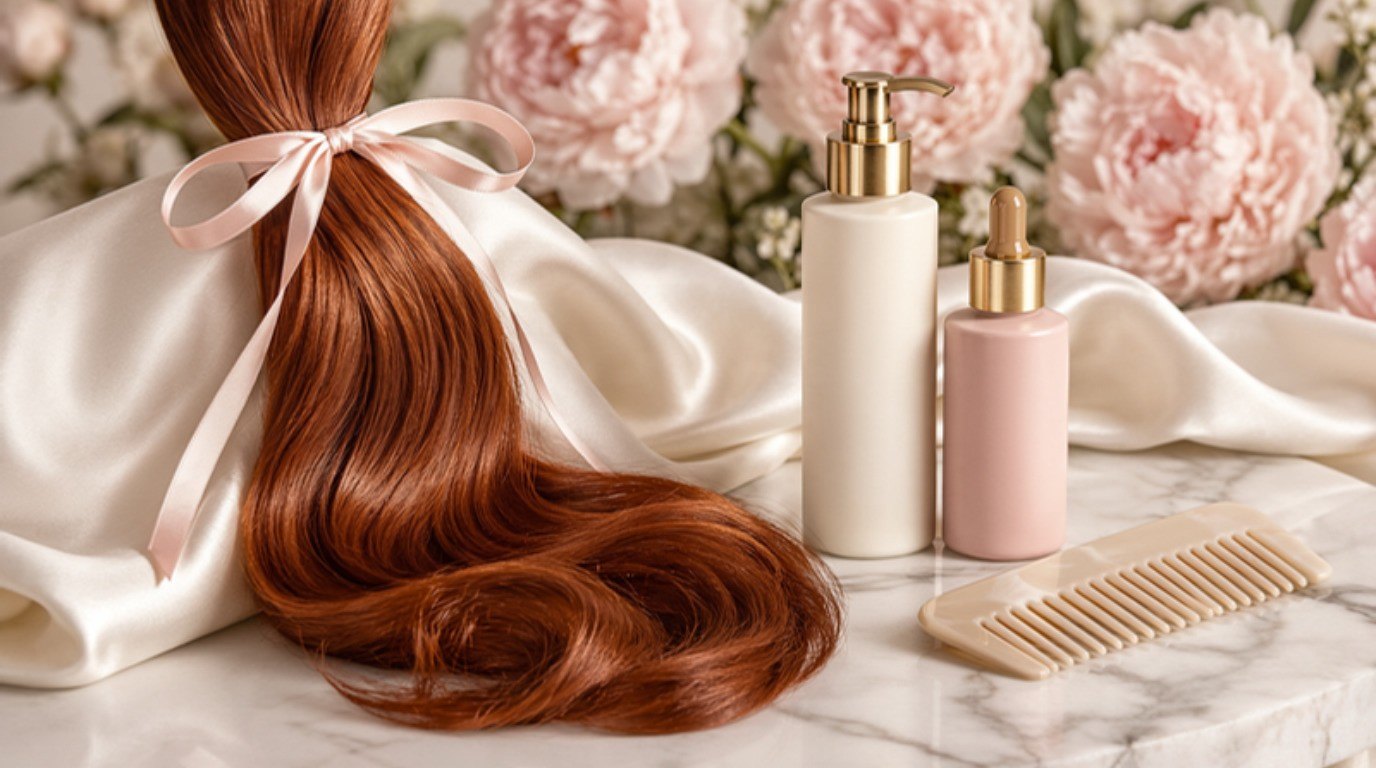
Mist it evenly over damp hair section by section, from mid-lengths to ends, then comb it through so every strand is covered. A wide-tooth comb in blush is a pick here, because it detangles wet hair without the snapping and stretching a fine-tooth brush can cause.
7. Turn Your Hot Tools Down
Most hair doesn't need the highest setting. Fine or lightened hair usually styles well at lower heat, while thick, coarse hair may need a bit more. A good rule: use the lowest temperature that still gets the result you want, and do one slow pass instead of several quick ones.
Let your hair air-dry about 70–80% of the way before blow-drying, and finish with the cool shot button to help smooth the cuticle. Fewer heat days per week is the best upgrade of all, if your routine allows it.
8. Protect Red Hair From the Sun
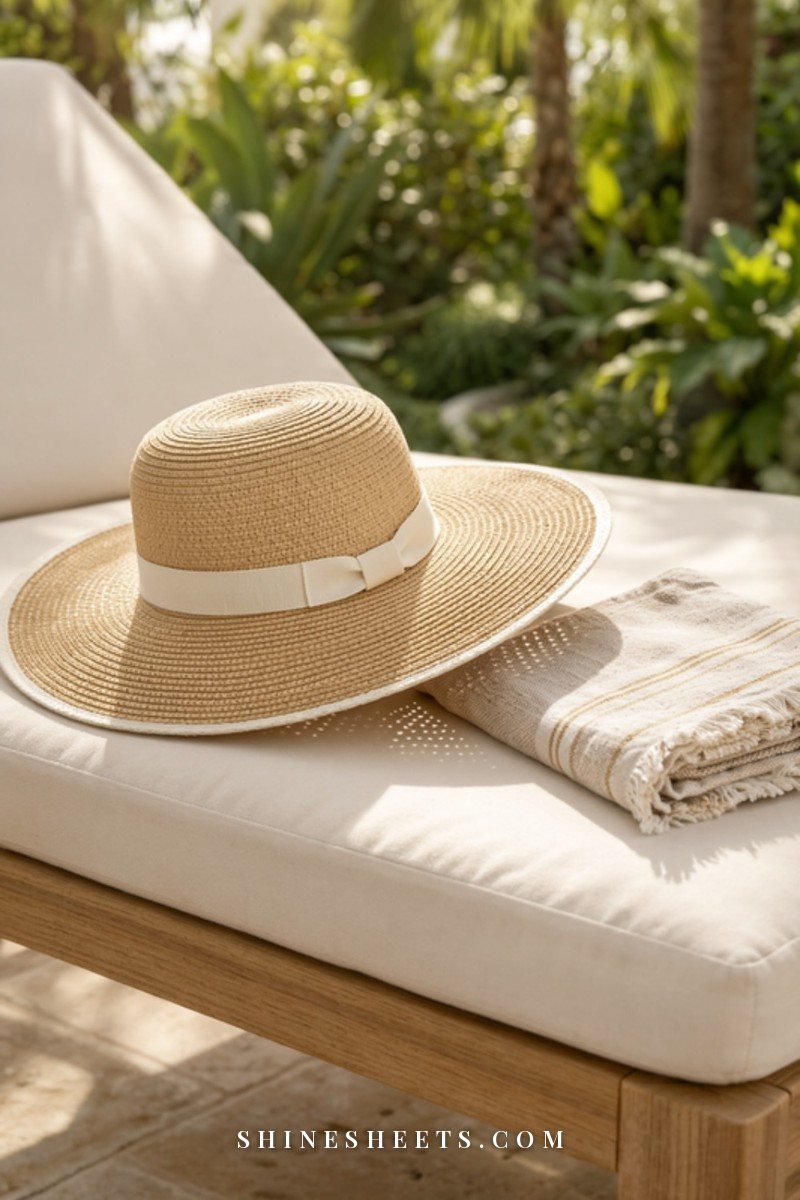
UV light fades red faster than almost anything else, for both dyed and natural reds. On sunny days, a wide-brim straw sun hat is the easiest protection there is: no product, no fuss, and it shades your scalp and face too.
When a hat isn't practical, look for a leave-in or a hair mist with UV filters and mist it over dry hair before you head out. Reapply after swimming or a few hours outdoors. Your skin still needs its own sunscreen, of course; hair products don't cover that.
9. Guard Against Chlorine
Pool chlorine can strip color and leave red hair dull and dry. Before swimming, wet your hair with clean tap water and apply a little leave-in conditioner. Hair that's already full of water and conditioner absorbs less pool water.
A snug swim cap adds another layer of protection if you swim often. Afterward, rinse with clean water as soon as you can and follow with a gentle conditioner. A gentle clarifying shampoo every few weeks can help if you swim regularly, but it also lifts some color, so save it for when your hair feels coated.
Extra Care for Natural Redheads
If your red grew out of your own head, you won't be fighting wash-out the way dyed reds are, but your hair still has a few particular needs. Natural red hair strands are often slightly thicker individually, yet many redheads have fewer strands overall, and the hair can lean dry and prone to frizz. Gentle care keeps that natural shine (and the lovely warm glints in sunlight) looking its best.
- Treat the sun as the main enemy. Over a summer, natural red can lighten toward strawberry or look a little washed out. A hat and a UV hair mist are your two best tools.
- Moisturize generously. A rich conditioner every wash and a nourishing mask once a week help with dryness and frizz. Focus on the ends, which are the oldest and most fragile part of the hair.
- Be gentle with brushing. Detangle wet hair with a wide-tooth comb, starting at the ends and working up, rather than dragging a brush from the roots.
- Skip the harsh stuff. The same sulfate-free, cool-water habits that protect dyed reds help natural reds stay soft and shiny too.
- Protect your scalp. Fair, sensitive skin often comes with red hair, and your part line can burn in strong sun. A hat covers it far better than any hair product can.
And if you ever decide to deepen or brighten your natural red with a gloss, the same patch test advice further down applies to you too.
Red Hair Fade Table: Causes, Effects and Fixes
Here's everything in one place. Screenshot it and keep it on your phone for your next bathroom shelf check:
| Fade cause | What happens to red pigment | Fix | How often |
|---|---|---|---|
| Washing too soon after dyeing | Color washes out before the cuticle has closed | Wait 48–72 hours, use dry shampoo | After every color appointment |
| Frequent washing | Small amounts of pigment leave with each wash | Space out wash days | Every 2–3 days if your scalp allows |
| Hot water | Cuticle lifts and lets color slip out | Lukewarm wash, cool final rinse | Every wash |
| Harsh shampoo | Strong cleansers strip pigment along with oil | Sulfate-free, color-safe shampoo | Every wash |
| Natural fading over time | Shade gets lighter and more orange or brassy | Red-toned color-depositing conditioner | Weekly, or every wash for fast faders |
| Hot tools | Heat breaks down color molecules | Heat protectant, lower settings | Every styling session |
| Sun and UV | UV light breaks down pigment, hair looks dull | Hat or UV hair mist | Every sunny day outdoors |
| Chlorine | Color strips and hair dries out | Pre-wet, leave-in, cap, rinse after | Every swim |
| Hard water minerals | Mineral buildup dulls shine and shifts tone | Shower filter, occasional gentle clarifying | Filter daily, clarify every 3–4 weeks |
For a broader look at keeping any shade bright, from blonde to brunette, my guide on how to make hair color last longer covers the basics for all colors.
Hard Water and a Shower Filter

If your hair feels rough, looks dull a week after coloring or your red keeps shifting toward a muddy orange, hard water might be part of the story. Hard water carries minerals like calcium and magnesium that build up on the hair, making it look flat and interfering with how color reflects light.
A few signs: white spots on your faucet and shower glass, soap that doesn't lather easily, and hair that never quite feels clean. A filtered shower head can help reduce some of what reaches your hair, and it's usually renter-friendly, since you simply unscrew the old head and screw the new one on. Replace the cartridge as often as the instructions say, typically every few months.
My guide to hard water hair goes deeper into the signs and gentle fixes if you think this applies to you.
Refresh With a Gloss Between Salon Visits
A gloss (sometimes called a glaze) is a sheer, semi-permanent color treatment that adds tone and shine without lifting your hair. For red hair, it's a lovely way to bridge the gap between full color appointments, often around the 4–6 week mark when the shade starts to look tired.
You can book a quick gloss at the salon, which is usually shorter and less expensive than a full color, or try an at-home gloss in a red or copper tone. If you go the at-home route, follow the timing on the box, wear gloves, protect your hairline with a little balm and strand test first. My guide to hair gloss at home walks you through the whole process step by step.
A clear gloss is also an option if you're happy with the tone and just want the mirror-like shine back.
Patch Test Every New Color Product
This one isn't about fading, but it matters. Hair dyes, glosses and some color-depositing products can cause allergic reactions, even if you've used a similar product before without problems. Ingredients vary between brands, and sensitivities can develop over time.
Before using any new color product, follow the patch test instructions on the package, which usually means applying a small amount behind your ear or on your inner elbow and waiting the time stated (often 48 hours). If you notice itching, redness, swelling or burning, don't use it and talk to a doctor or dermatologist if the reaction is strong or doesn't settle. And always skip at-home color on your brows or lashes; that area needs professional care.
A Simple Weekly Red Hair Care Routine
Here's how the habits fit into a normal week, so you're not trying to remember all nine at once:
- Wash day 1: Sulfate-free shampoo, regular conditioner, cool rinse, heat protectant before drying.
- Between washes: Dry shampoo at the roots, silk scrunchie at night, hat or UV mist on sunny days.
- Wash day 2: Sulfate-free shampoo, red-toned color-depositing conditioner for 5 minutes, cool rinse.
- Wash day 3: Sulfate-free shampoo, a nourishing mask on the ends, cool rinse.
- Every few weeks: A gentle clarifying wash if you have hard water or swim often, followed by a color-depositing treatment to replace any lifted tone.
- Every 4–6 weeks: A gloss or toning refresh, at home or at the salon.
If your red ever turns a shade you didn't expect, like a little too orange or too pink, my article on the hair color wheel trick for unwanted undertones explains how opposite tones cancel each other out.
Final Thoughts
Red hair care is less about expensive treatments and more about small, kind habits: fewer, cooler washes, gentle products, heat and sun protection and a little tone top-up at home. Each one saves a bit of pigment, and together they keep your red rich and glossy for much longer.
Start with the first four habits this week and add the rest as they fit. Your color is part of how you feel like yourself, and it deserves that little bit of extra care.