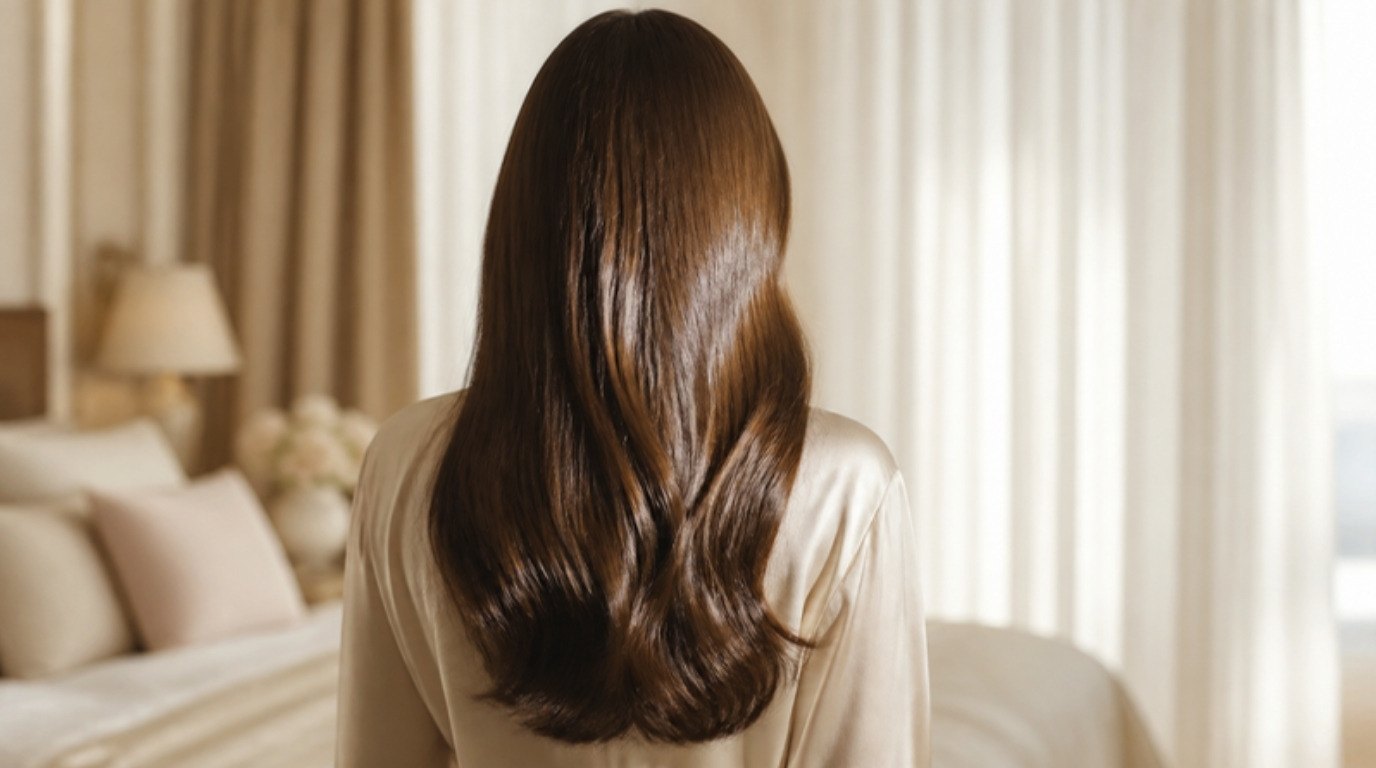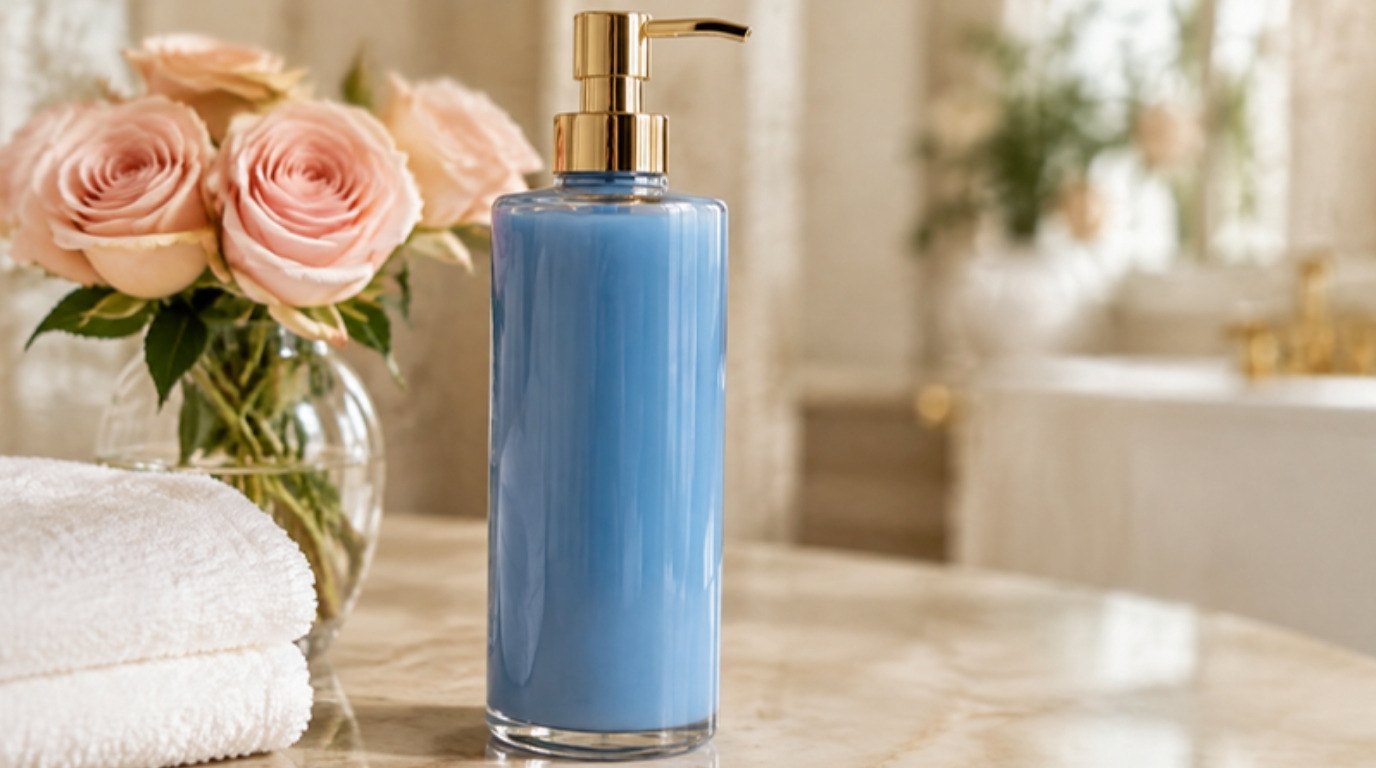
Brassy brown hair isn't a sign your color "went wrong". Every brown shade, natural or dyed, has warm red and orange pigments sitting underneath, and as the cooler top tones fade, those warm ones are simply what's left to see. Blue shampoo doesn't fight your hair – it just puts a little coolness back on top.
That's why it works so beautifully on lightened brown, balayage and highlights, and why it can feel like it does nothing at all on very dark, untreated hair. Knowing which camp you're in saves you a lot of money and a lot of frustration at the shower shelf.
This guide is all about blue shampoo for brunettes: why brown hair turns brassy, how blue shampoo works (the color wheel in plain words), how it differs from purple shampoo, who it really suits, a simple 6-step routine, the most common mistakes, and the small habits that keep brass away between washes. There's also a table to help you pick the right toning product for your exact hair situation.
No magic bottles here, just a clear plan that keeps your brown looking cool, rich and intentional.
Why Brown Hair Turns Brassy
"Brassy" usually means your brown looks more orange, coppery or red than you'd like, especially in sunlight. It tends to creep in slowly, so you often notice it in a photo before you notice it in the bathroom. Here are the three main reasons it happens.
Sun and Heat
UV light breaks down hair pigment, both natural and dyed, and the cooler, ashier molecules tend to fade first. Hot tools speed this up too: every pass with a flat iron or curling wand at a high temperature lifts the cuticle a little and lets color escape.
That's why brass often shows up after a summer outdoors or a few months of daily heat styling. The fix isn't to avoid the sun forever – it's to protect your hair the same way you'd protect your skin, with a hat or scarf on long sunny days and heat protection before styling.
Hard Water and Minerals
If your water is hard, it carries minerals like calcium, magnesium and sometimes a little iron or copper. Over time these build up on the hair, and they can add a dull, warm cast – especially on lighter or porous brown hair. Some people notice their color turns warmer much faster at home than when they travel, and water is often the reason.
Signs to look for: hair that feels coated or straw-like even after conditioner, a dull surface, and brass that comes back within days of toning. My guide to hard water hair signs and easy fixes explains how to tell for sure.
Fading Dye and Lightened Hair Showing Warm Pigments
This is the big one. When brown hair is lightened – with bleach for balayage or highlights, or with a lighter box dye – the process reveals what colorists call underlying pigment. On brown hair, that's red, orange and gold. Your colorist then adds a toner or gloss to cool it down to the shade you asked for.
Toners are not permanent. They fade a little with every wash, and as they do, the warm orange underneath starts to show through. Even all-over brown dye fades this way: the cool tones go first and the warm ones stay longer. So brass is really a fading process, not a mistake, and it's exactly what blue shampoo is designed to slow down.
How Blue Shampoo Works: The Color Wheel in One Minute

On a color wheel, colors directly opposite each other cancel each other out. Blue sits opposite orange. Purple sits opposite yellow. So when you put a tiny amount of blue pigment onto orange-toned hair, the two balance into a more neutral, cooler brown.
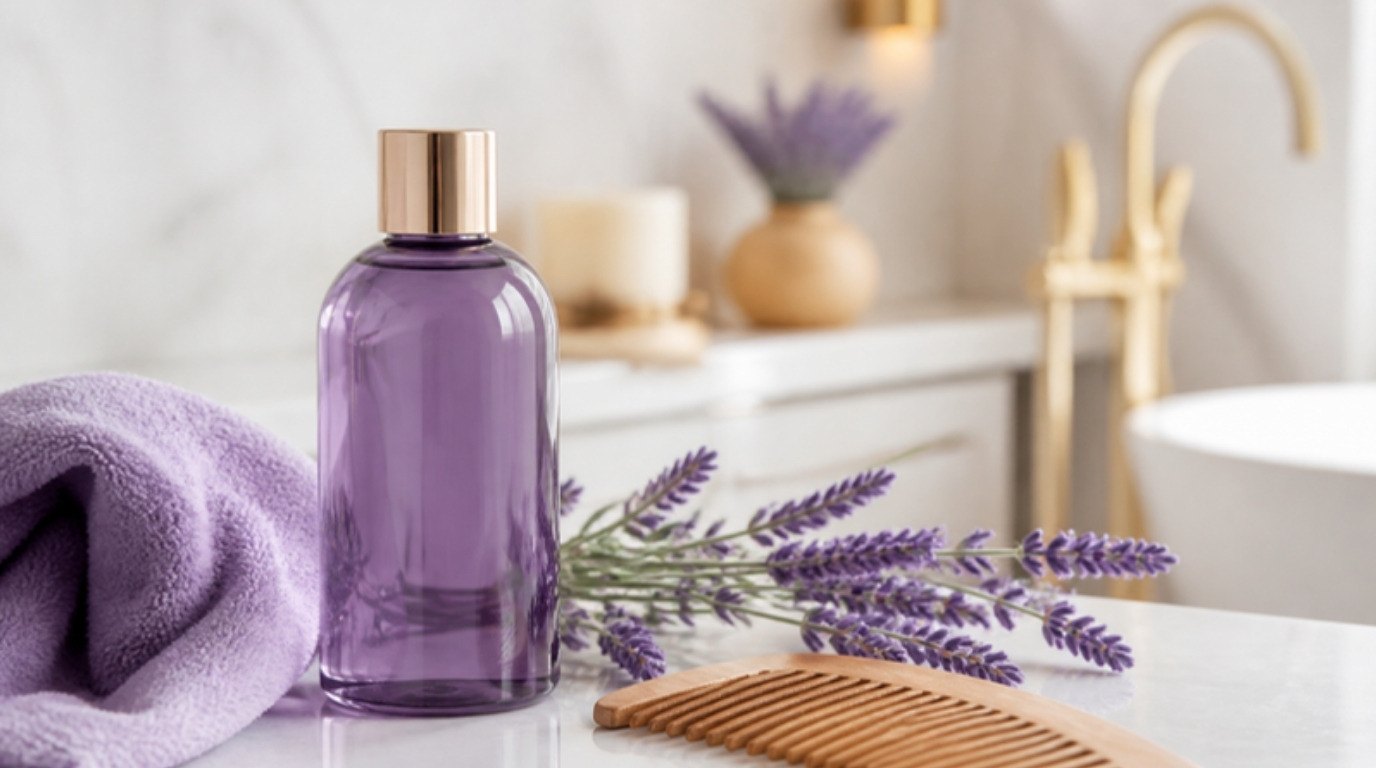
Blue shampoo is a regular shampoo with blue or blue-violet pigment added. While it sits on your hair, a little of that pigment attaches to the surface of the strands, especially in the more porous, lightened areas. It's a gentle, temporary deposit, not a dye. It doesn't lighten, it doesn't change your base color, and it washes out gradually over the following shampoos.
If you'd like to see the whole color wheel idea explained with pictures, my article on the hair color wheel trick for unwanted undertones walks through it step by step.
Blue Shampoo vs Purple Shampoo
This is where most of the confusion comes from, so here it is in plain words:
- Purple shampoo cancels yellow. It's made for blonde, platinum, silver and very light highlights, where the unwanted tone is a lemony or straw-like yellow.
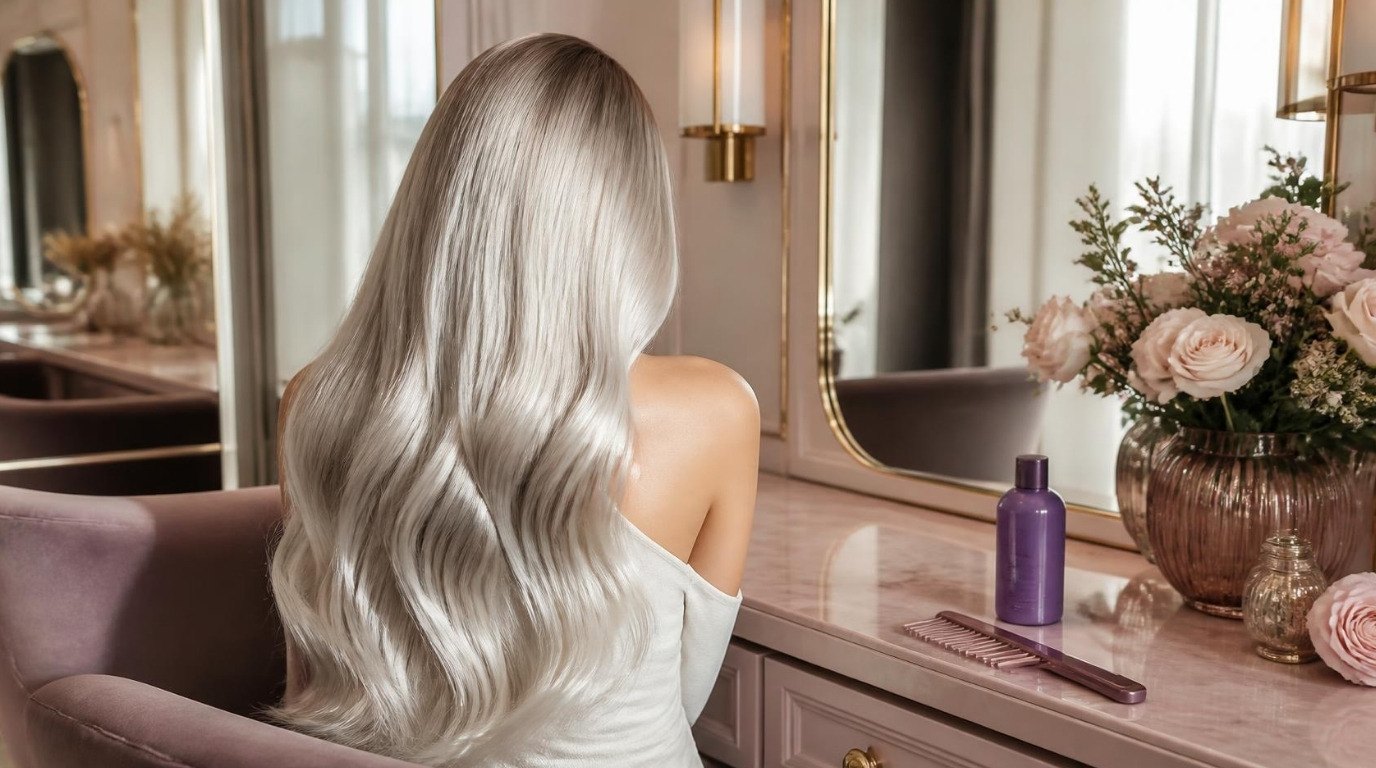
- Blue shampoo cancels orange. It's made for brunettes, brown balayage, caramel highlights and bronde shades, where the unwanted tone is orange or copper.
Some brown balayage has both: orange through the mid-lengths and yellow at the very lightest ends. In that case, you can alternate – blue one week, purple the next – or look for a blue-violet formula that covers a bit of both. If your hair is mostly blonde with a few darker pieces, my guide to using purple shampoo without turning hair lilac is the better fit.
A quick way to decide: look at your hair in daylight next to a white T-shirt. If the warmth reads as orange or rusty, reach for blue. If it reads as yellow or brassy gold, reach for purple.
Who Blue Shampoo Suits (and Who It Won't Change Much)

Blue shampoo works best when there's something light enough for the pigment to show on. Here's an honest breakdown:
- Brown balayage, ombre and highlights: the perfect match. The lightened pieces turn orange as toner fades, and blue shampoo cools them noticeably.
- Light to medium brown that's been dyed or lightened: great results, especially if you see copper in the sun.
- Bronde and dark blonde with warm tones: usually good, though some may need purple at the lightest ends.
- Dark brown dyed hair that fades warm: a subtle but real difference; you may notice it more in sunlight than indoors.
- Very dark, natural (never colored) hair: very little visible effect. The pigment simply can't show on such a dark base, and that's completely fine – your hair isn't the problem.
- Red or copper hair you love: skip it. Blue shampoo is designed to cancel the exact warmth you want to keep.
The Brass Table: Your Hair Situation and the Best Toning Product
Find the row that looks most like your hair and use it as a starting point. You can always adjust after two or three washes.
| Hair situation | Brass color you see | Best toning product | How often |
|---|---|---|---|
| Brown balayage or caramel highlights | Orange in the lightened pieces | Blue shampoo | Once a week |
| Light to medium brown, dyed or lightened | Copper or rusty orange in sunlight | Blue shampoo or blue conditioner | Every 2–3 washes |
| Bronde or dark blonde | Orange-gold, yellow at the ends | Blue-violet shampoo, or alternate blue and purple | Once a week |
| Dark brown dyed hair fading warm | Reddish warmth | Blue or green-tinted toning shampoo, plus a cool gloss | Every 2–3 washes; gloss every 4–6 weeks |
| Brown hair with very light blonde ends | Yellow at the tips | Purple shampoo on the ends only | Once a week |
| Very dark natural hair, never colored | Slight warmth in strong sun only | No toning needed; a clear gloss for shine | Gloss every 4–6 weeks if you like |
Screenshot it for your next wash day. If you have a colorist, they can also tell you exactly which tone they used, which makes the choice even easier.
How To Use Blue Shampoo for Brunettes in 6 Steps

A good blue toning shampoo is the main piece here. Look for one that says it's made for brunettes or brown hair, ideally sulfate-free and with some conditioning ingredients, because toning shampoos can feel a little drying. Then follow these steps:
- Shampoo first if your scalp is very oily. If your roots are greasy or you've used a lot of dry shampoo, do a quick wash with your regular shampoo first. Oil and product sit between the pigment and your hair, so this helps the blue shampoo work evenly.
- Apply it to damp, not dripping, hair. Squeeze out excess water with your hands. Very wet hair dilutes the pigment. Start with the brassiest areas (usually the lightened mid-lengths and ends), then work the rest through your hair with your fingers or a wide-tooth comb for even coverage.
- Leave it on for 2–5 minutes. Two minutes for a first try or very porous, lightened hair; up to five for darker brown or stubborn orange. Set a timer on your first few washes so you learn what your hair needs.
- Rinse well. Rinse with lukewarm to cool water until the water runs clear. Leftover pigment can make hair look dull or patchy, so give it a full extra 30 seconds.
- Condition. Follow with a color-safe conditioner on your mid-lengths and ends. This puts moisture back, smooths the cuticle and helps the cooler tone look glossy rather than flat.
- Use it once a week or every few washes. Swap it in for your normal shampoo once a week, or every two to three washes if you wash often. More isn't better – it's the steady rhythm that keeps brass away.
Common Blue Shampoo Mistakes
Most "blue shampoo didn't work" stories come down to one of these. All of them are easy to fix.
Leaving It On Too Long
It's tempting to think that 15 minutes will fix in one wash what five minutes fixes slowly. On lightened or porous hair, that can leave a dull, grayish or slightly blue-green tint, especially on the lightest pieces. Stay within 2–5 minutes, and if you need more toning, do it over a few washes instead of all at once.
Dull or Ashy Results
Brown hair looks rich because of a little warmth. Cancel all of it and the color can look flat, ashy or even slightly muddy, especially indoors. If that happens, take a break from blue shampoo for a week or two, use a regular color-safe shampoo, and come back to it less often. You want "less orange", not "no warmth at all".
Dry Ends
Toning shampoos can be a little stripping, and lightened ends are often already on the dry side. If your ends feel rough after toning, always follow with conditioner, add a mask once a week, and try applying the blue shampoo mostly to the brassy areas rather than to your whole head every time.
Uneven Patches
Very porous areas (often the ends and the face-framing pieces) grab pigment faster than the rest. If you notice darker or cooler patches, apply to the less porous areas first and the ends last, or mix the blue shampoo with a little of your regular shampoo to soften it.
And one practical note: blue pigment can tint grout, light towels and white bathtubs if left sitting. Rinse your shower after use and keep a darker towel for toning days.
What To Expect From Blue Shampoo
Blue shampoo is a subtle helper, not a color change, so it's worth knowing what "working" actually looks like. Here's a realistic picture:
- After the first wash: the orange in your lightened pieces looks a little softer, especially in daylight. On darker brown, you may barely see a change yet.
- After two to four weeks of weekly use: your brown should look more balanced and less coppery, and the brass should come back more slowly between washes.
- Over a few months: it helps your salon toner last longer, so your color looks closer to how it did on the day you got it done.
What it won't do: turn very orange hair into cool ash brown in one wash, lighten your hair, or replace a proper toner after bleaching. I'll admit I once expected a dramatic before-and-after from toning products in general, and it took a while to see that the quiet, steady version is the one that actually keeps color looking good.
Blue Shampoo or Blue Conditioner?
Both exist, and they do slightly different jobs. A blue shampoo tones while it cleans, which is great when brass is clearly showing. A blue conditioner deposits pigment more gently and adds moisture at the same time, which makes it a kind option for dry, lightened ends or for weeks when your hair only needs a light refresh.
A simple rhythm that suits many brunettes: blue shampoo once a week when the orange is noticeable, then switch to a blue conditioner once a week as maintenance when your color looks the way you like it. If your hair is fine or gets weighed down easily, keep the conditioner on your mid-lengths and ends only.
How To Keep Brass Away Between Washes
Blue shampoo is a correction. These habits are the prevention, and together they mean you need the blue bottle less often.
Filter Your Shower Water
If you have hard water, a white filtered shower head is one of the simplest upgrades for color-treated brown hair. Look for one that's easy to install without tools and has replaceable cartridges, and change the filter as often as the instructions say – an old filter stops working quietly. Renters can usually swap it in and put the original back when moving out.
A clarifying or chelating shampoo once or twice a month also helps lift mineral buildup, followed by your usual conditioner.
Protect From Heat and Sun
Before blow-drying or hot tools, mist a heat protectant spray through damp hair from mid-lengths to ends and comb it through. Keep tools at the lowest temperature that works for you. On long sunny days, a hat or a silk scarf protects your color as much as your scalp.
Rinse Cooler
Hot water opens the cuticle and lets color escape faster. You don't need an icy shower – just finish with lukewarm to cool water for the last 20–30 seconds of your wash. It's a small habit that adds up over weeks. My guide to making hair color last longer has more easy habits like this one.
Add a Gloss Now and Then
A gloss is like a top coat for your hair color: it adds shine and can refresh the tone at the same time. Every four to six weeks, an at-home hair gloss treatment in a clear or cool brown shade can bring back the richness that toning shampoos sometimes flatten. Follow the timing on the package exactly and do a strand test first.
If you'd like the full step-by-step, my article on hair gloss at home for glassy, shiny hair walks you through it.
A Gentle Note for Sensitive Scalps
Toning shampoos contain pigments and sometimes fragrance, so if your scalp is sensitive, patch test first: put a small amount behind your ear or on your inner arm, leave it for the same time you'd leave it on your hair, rinse, and wait 24 hours. If you notice redness, itching, burning or bumps, don't use it. During use, rinse straight away if anything stings, and if irritation lasts, check in with a doctor or dermatologist.
Blue shampoo can't repair damage or change your base color, and it won't do the job of a salon toner on very orange hair. If your brass is strong after lightening, a colorist can re-tone it, and blue shampoo then helps the result last.
Final Thoughts
Brassy brown hair is just warm pigment doing what it naturally does as color fades. With the right shade of toning shampoo, a few minutes on the timer and a steady once-a-week rhythm, you can keep your brunette cool, rich and exactly the way you liked it when you walked out of the salon.
Pair it with softer water, a little heat protection and an occasional gloss, and you'll find yourself reaching for the blue bottle less and simply enjoying your color more.