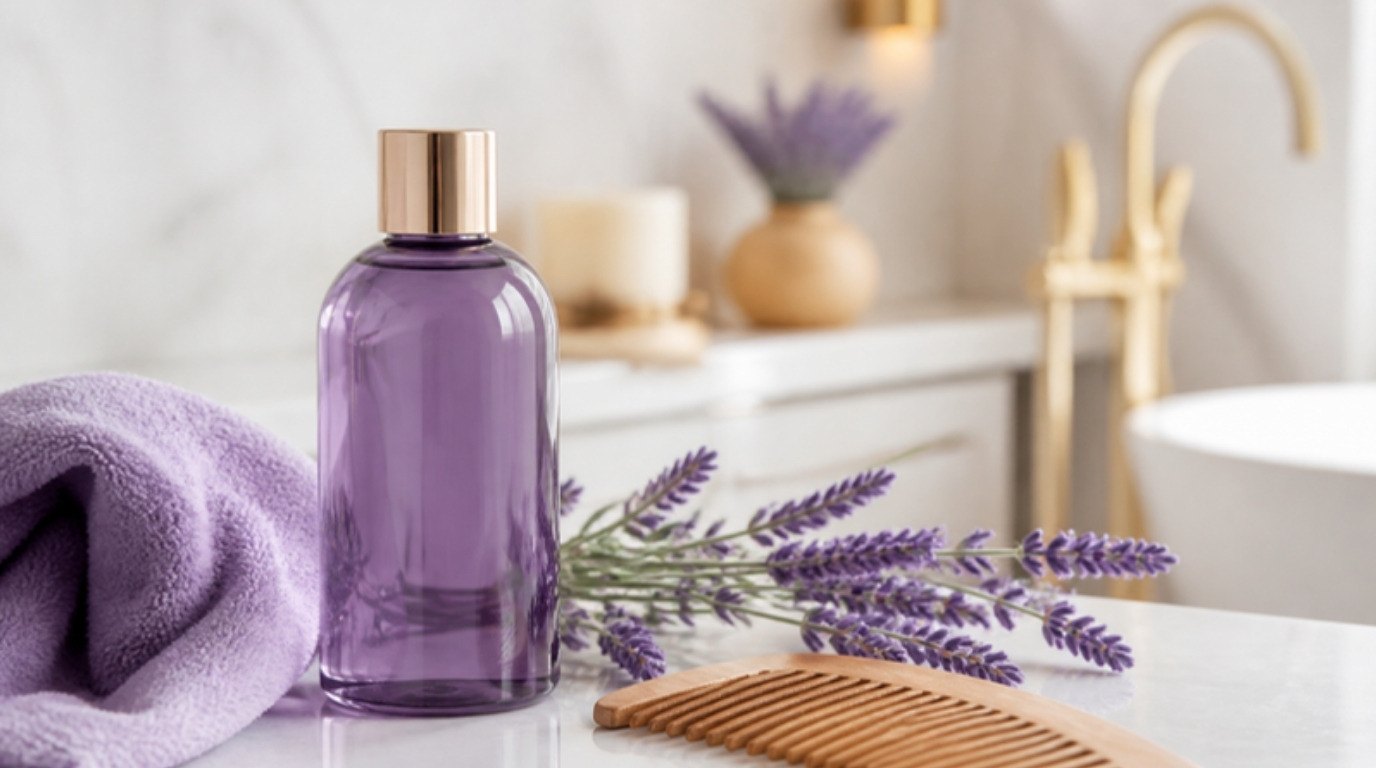
Purple shampoo is one of those products that works beautifully when you use it lightly and goes wrong when you use it like regular shampoo. A minute or two on the right parts of your hair can take blonde from brassy back to bright. Ten minutes all over can leave you with soft lilac streaks you never asked for.
The good news is that the difference comes down to a few simple choices: who it's for, where you apply it, how long you leave it and how often you reach for it. Once you know those, the bottle stops feeling like a gamble.
This guide covers everything about purple shampoo: why it cancels yellow, who needs it (and who needs blue shampoo instead), how to use it step by step, a timing table by hair shade, how often to use it, what to do if your hair turns lilac, the dry-hair method for stubborn brass, gentler conditioner options and how to keep pigment off your hands and towels.
Why Purple Cancels Yellow
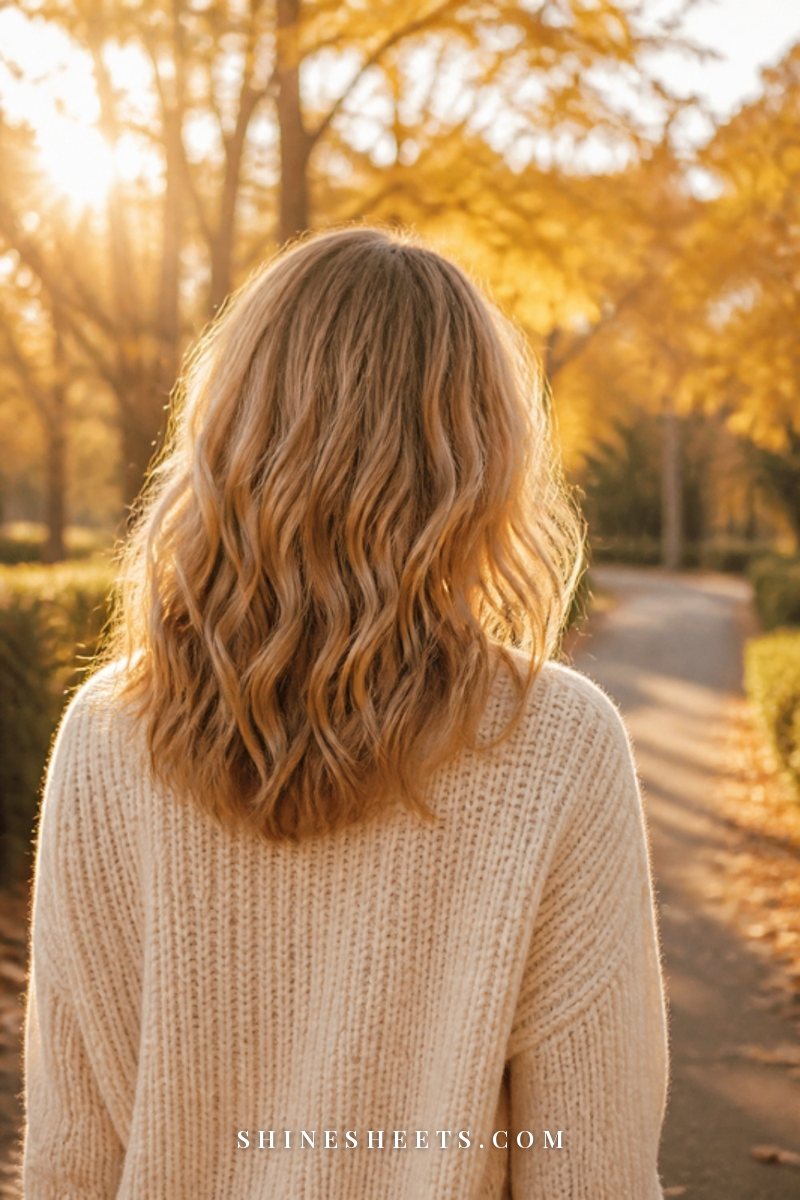
Here's the color wheel in one sentence: purple sits opposite yellow, so a thin layer of purple pigment neutralizes yellow tones and makes blonde look cooler and brighter. That's all purple shampoo does. It doesn't lighten your hair or repair it, it simply deposits a little violet tint on the surface that cancels out warmth.
Blonde turns yellow for everyday reasons: sun, hard water minerals, heat styling, chlorine and the natural warm pigments that show up as lightened hair fades. If you'd like the full color theory, my guide on how to get yellow undertones out of blonde hair with the color wheel trick explains it in detail.
It helps to know what purple shampoo can't do, too, because a lot of disappointment comes from expecting too much from one bottle:
- It won't lighten hair. If your blonde looks darker than you'd like, that's a job for your colorist, not a toner.
- It won't fix orange. Purple only neutralizes yellow. Deeper copper and orange tones need blue.
- It won't repair damage. Rough, straw-like ends need moisture, gentle handling and regular trims.
- It isn't permanent. The tint washes out over a few shampoos, which is exactly why you repeat it once or twice a week.
Think of it as maintenance between salon visits: a quick touch-up that keeps your color looking the way it did the day you left the chair.
Who Needs Purple Shampoo (and Who Needs Blue)
Purple shampoo is for yellow tones. Orange tones need a different color. Picking the right one is half the battle.
Blonde and Highlighted Hair
Platinum, ash, beige and golden blondes all benefit when yellow starts creeping in. With highlights or balayage, focus on the lightened pieces only, since your darker base won't show much difference. For the rest of your routine, my blonde hair care routine covers washing, conditioning and heat protection.
Silver, Gray and White Hair
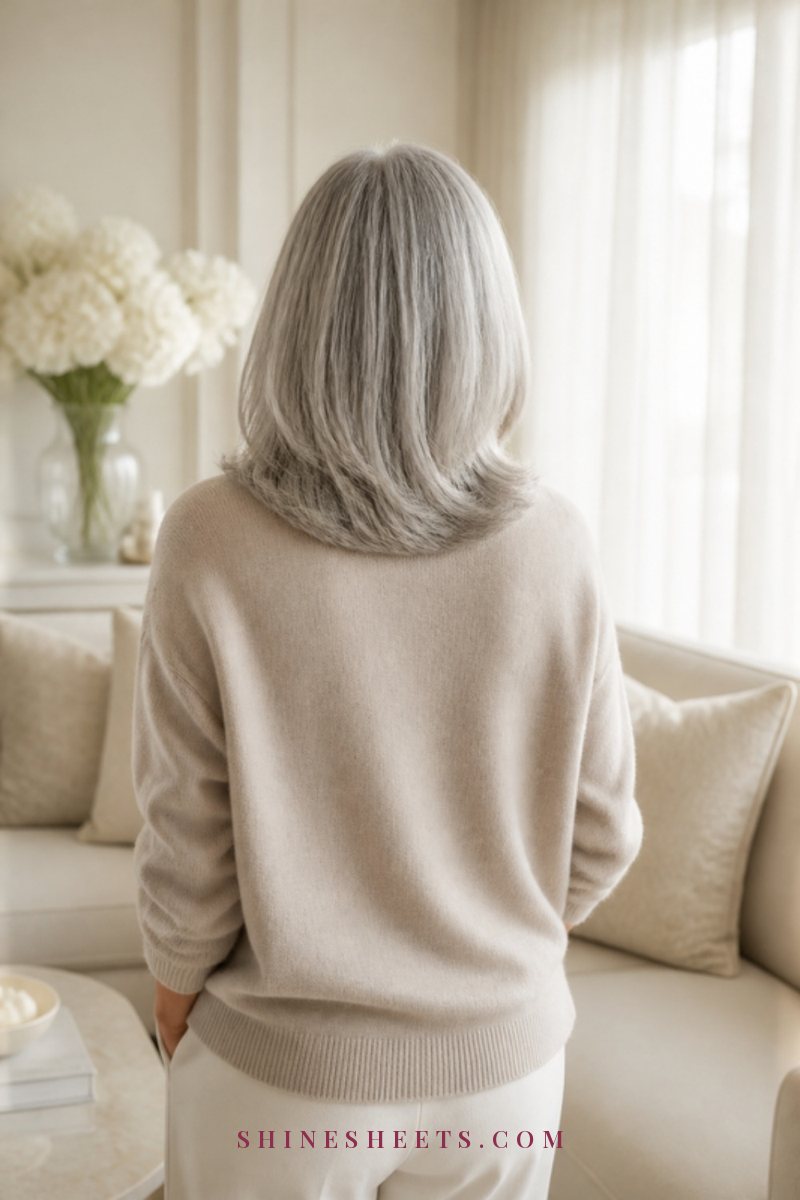
Natural gray and white hair can pick up a yellowish cast from sun, pollution, hard water and styling products. A little purple shampoo once a week keeps it crisp and silvery. Go easy on time here, since white hair shows violet very quickly. My guide to silver hair care has more ideas for keeping gray soft and bright.
Light Brown Hair With Brassiness: Try Blue
If your brown or dark blonde hair is turning orange or copper rather than yellow, purple won't do much. Blue sits opposite orange on the color wheel, so a blue shampoo for brunettes is the better fit. The same rules apply: short contact time, focus on the brassy parts, once or twice a week.
How To Use Purple Shampoo: 7 Steps
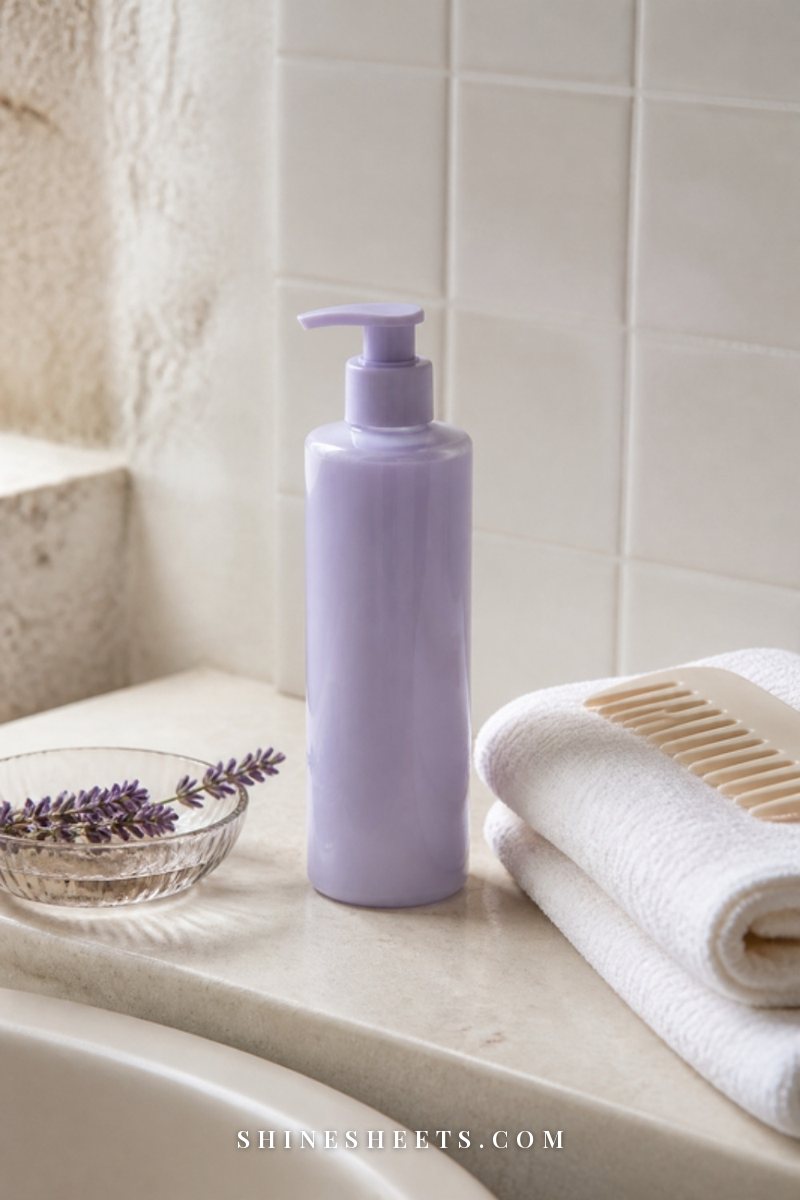
Most people go wrong by treating purple shampoo like a regular wash. Use it like a short toning treatment instead.
- Start with soaking wet hair. Water helps spread the pigment evenly. Squeeze out the excess so it doesn't drip and dilute the product too much.
- Wear gloves. Purple pigment can tint your nails and cuticles. A pair of pink nitrile gloves keeps your hands clean.
- Use a small amount. About a quarter-sized amount for shoulder-length hair. You can always add more next time.
- Apply to the brassiest areas first. Usually the ends, the front pieces around your face and any lightened sections. Your roots usually need the least.
- Work it through gently. Lather lightly and make sure it's evenly spread, so you don't get darker patches.
- Set a timer. Start with one to two minutes. Only build up in later washes, and never go past the maximum time on the label.
- Rinse thoroughly with cool to lukewarm water, then condition. Purple shampoos can feel a bit drying, so follow with a moisturizing conditioner on the mid-lengths and ends.
Patch test any new product on your inner arm or behind your ear 48 hours before the first use, and stop if your scalp itches, stings or turns red.
How To Choose a Good Purple Shampoo
Purple shampoos vary a lot in strength. Some are pale lilac and very gentle, others are almost black-violet and work in seconds. Here's what I'd look for:
- Pigment strength that matches your hair. Very light, platinum or white hair does best with a softer formula. Darker blonde with stubborn brass can handle a deeper pigment.
- A clear maximum time on the label. This is your safety line. If the label doesn't say, treat two to three minutes as your upper limit until you know how your hair reacts.
- A gentle, color-safe cleanser. Lightened hair is already a bit fragile, so a sulfate-free or mild formula is kinder for regular use.
- Some moisture. Ingredients like glycerin, panthenol or plant oils help balance out the drying feel some toners have.
- A bottle you can control. A squeeze bottle or pump makes it easier to use a small amount instead of pouring too much into your palm.
A well-loved purple shampoo for blonde hair with a clear time limit on the label is the easiest place to start. If you've just had a salon toner, give it a week or so before you begin, so you don't stack pigment on fresh color, and ask your stylist which strength they'd suggest for your shade.
Purple Shampoo Timing Table by Hair Shade
This table is my starting point for each hair shade. Always treat the label as your upper limit, and if your hair is very light or porous, start at the shortest time.
| Hair shade | Starting time | How often | Notes |
|---|---|---|---|
| Platinum or icy blonde | 30 seconds to 1 minute | Once a week | Shows violet fastest. Mix with regular shampoo at first. |
| Freshly bleached or very porous blonde | 30 seconds, diluted | Once a week | Wait a few washes after bleaching if your stylist agrees. |
| Golden, honey or beige blonde | 1 to 2 minutes | Once or twice a week | Aim for less yellow, not cool ash, so you keep the warmth you like. |
| Highlights or balayage | 1 to 2 minutes on lightened pieces | Once or twice a week | Focus on the highlights, not the darker base. |
| Natural gray or silver | 1 to 2 minutes | Once a week | Build up slowly; gray can turn lavender quickly. |
| White hair | 30 seconds to 1 minute | Every week or two | Shortest time of all. |
| Dark blonde with yellow tones | 2 minutes | Once or twice a week | Can go up to the label maximum if brass is stubborn. |
| Light brown with orange brass | 2 minutes (blue shampoo) | Once a week | Use blue, not purple, for orange tones. |
Screenshot it and check it the next few times you shower. After two or three washes, you'll know exactly how your hair reacts.
How Often To Use Purple Shampoo
For most blondes, once or twice a week is plenty. Use your regular color-safe shampoo for the other washes. Daily purple shampoo tends to build up, dull your hair and push it toward gray or lilac, and it can feel drying over time.
A simple rhythm:
- Wash 1: purple shampoo, then a moisturizing conditioner.
- Washes 2 and 3: a gentle color-safe shampoo and conditioner.
- Repeat. If your blonde still looks bright, skip a week.
In summer, after swimming or after a beach trip, you may need it a little more often. In winter, less.
What Results To Expect
Purple shampoo is subtle on purpose. After the first wash, most blondes see a softer, less brassy tone rather than a dramatic change. Here's a realistic picture:
- After one wash: yellow looks a little calmer, especially at the ends and around the face.
- After two or three weeks: your tone settles into a steady, brighter shade, and you'll know your ideal timing.
- Between salon visits: the color stays closer to how it looked on the day it was done, though it won't fully replace a professional toner.
If you see no difference at all after several washes, your brass may be more orange than yellow (try blue), or your formula may be too gentle for your shade. If the result looks flat or grayish, you're likely overusing it, so cut back to once a week and add a moisturizing mask.
One more thing worth knowing: lighting changes everything. Bathroom bulbs make blonde look warmer, and daylight shows the real tone. Check your hair by a window before you decide whether you need more or less time next wash. It's a small habit that saves a lot of guesswork, and it keeps you from chasing a shade that only exists under one lamp.
Help, My Hair Turned Lilac
Don't panic. Purple shampoo stains only the surface, so the tint fades on its own, usually within one or two washes. To speed it up:
- Wash with a clarifying shampoo. A gentle clarifying shampoo lifts pigment and residue. Lather, leave it for a minute, then rinse well. My guide to clarifying shampoo explains how often it's safe to use.
- Repeat with your regular shampoo if any tint remains.
- Follow with a deep conditioner, since clarifying can leave hair feeling dry.
- Skip purple shampoo for at least a week, then start again with a shorter time.
If your hair turned lilac in just a minute or two, it's likely very porous. Dilute the purple shampoo with your regular shampoo (about one part purple to two parts regular) the next time.
The Dry-Hair Method for Stubborn Brass
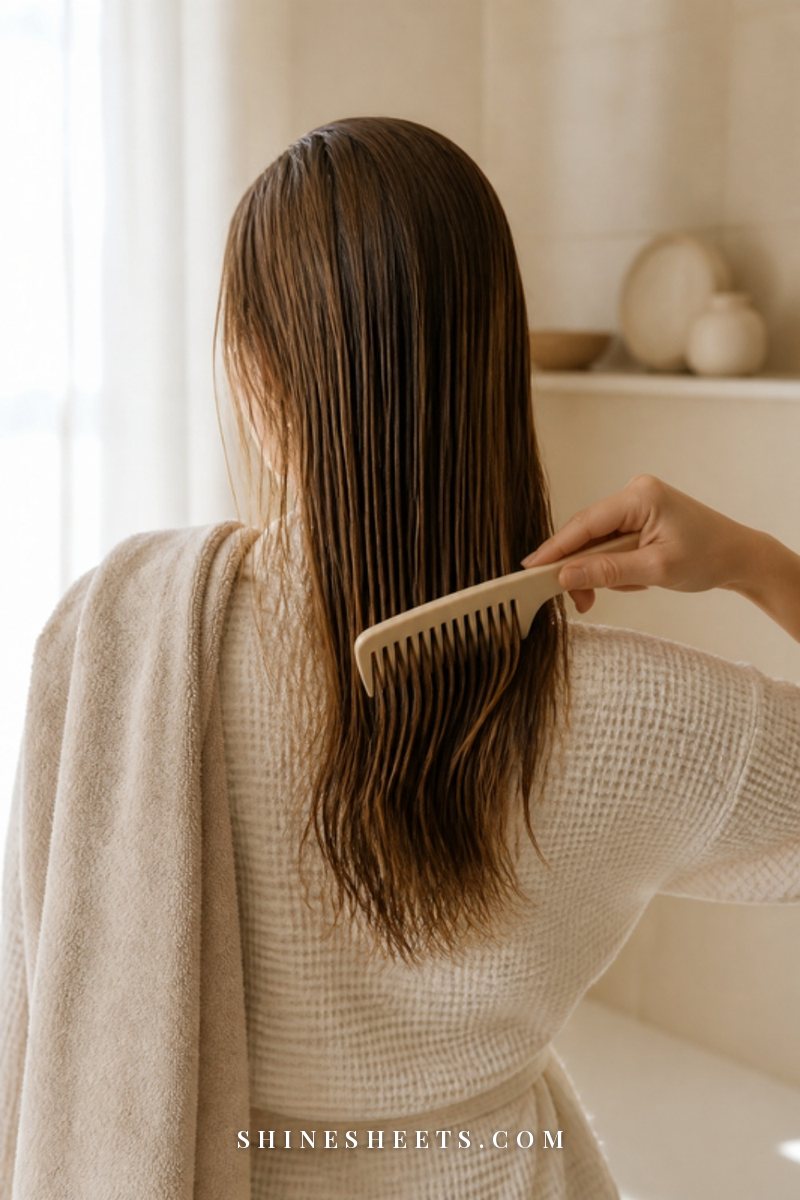
Some purple shampoos and masks can be applied to dry hair for a stronger effect. Dry hair absorbs pigment faster and more intensely, so only use this method if the label specifically allows it.
How it works: section dry hair with clips, apply a thin, even layer only to the brassiest areas, set a timer for the shortest suggested time, then wet your hair and rinse thoroughly. Check a small strand first, ideally a hidden piece underneath, to see how your hair takes the color. This is a once-in-a-while fix, not a weekly routine.
Purple Conditioner and Masks: The Gentler Option
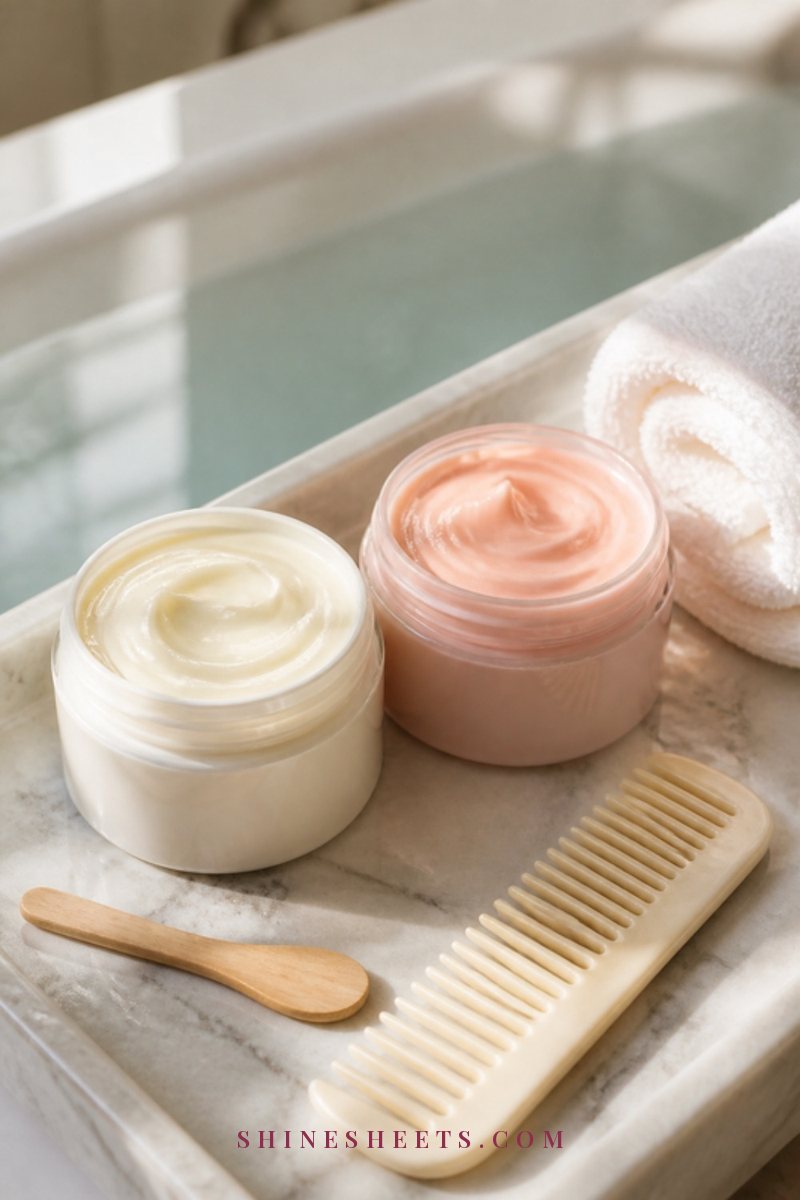
If your hair is dry, fine or prone to turning lilac, a purple conditioner or mask might suit you better than shampoo. These usually deposit pigment more gently while adding moisture, and you control exactly where they go.
- Purple conditioner: swap it in for your regular conditioner once a week. A purple conditioner for blonde hair is a good choice if you want toning and softness in one step.
- Purple mask: stronger, so start with three to five minutes, or the label time, and apply mid-lengths to ends.
- Mix-in trick: add a small amount of purple mask to your regular conditioner for a very light tone.
If you'd like shine without any color correction, my sister guide to a hair gloss at home covers clear and tinted glosses.
Porous Ends Grab More Pigment
Ever noticed your ends turn purple first while your roots barely change? That's porosity. Lightened, heat-styled ends have a more open surface, so they soak up pigment faster than healthier hair near the scalp.
To keep tone even: apply to roots and mid-lengths first, then the ends for just the last thirty seconds, or protect the ends with a little conditioner before you start. Learning your hair porosity helps you choose times and products more confidently.
Protecting Your Hands, Towels and Tub
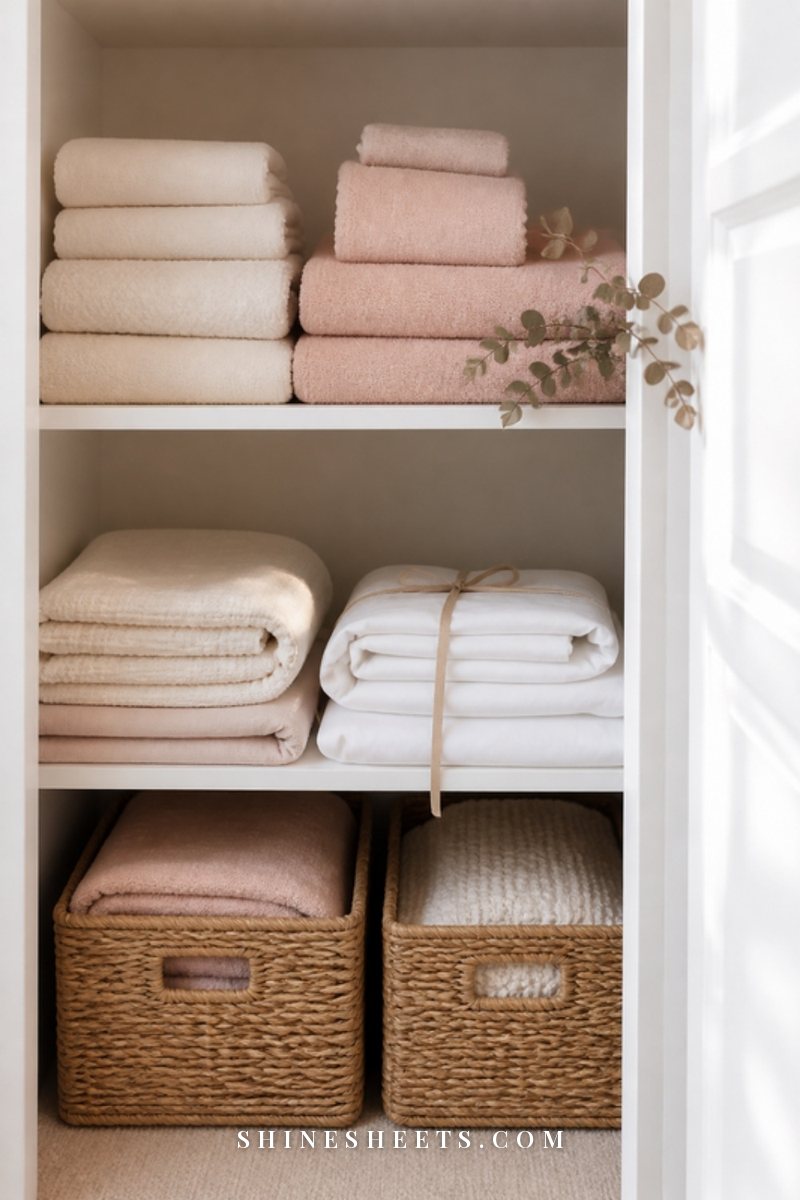
Purple pigment can transfer onto things you don't expect. A few easy habits:
- Gloves for application, especially if you have light nails or sheer polish.
- A darker or lavender towel for toning days. A lavender microfiber hair towel hides any tint and is gentle on wet hair.
- Rinse the tub or shower floor right after, before any purple drips settle.
- Avoid light pillowcases for the first night if your hair is still damp.
Keeping Blonde Bright Between Purple Washes
Purple shampoo works best as one part of a calm routine, not the only thing standing between you and brass. A few habits slow down yellowing so you need it less often:
- Wash with lukewarm or cool water. Very hot water opens the hair surface and lets color fade faster.
- Use heat protection every time. Hot tools are one of the quickest ways to warm up blonde.
- Clarify once or twice a month if you have hard water, since mineral buildup can look yellow or dull.
- Cover up in strong sun. A hat or a hair product with UV filters helps on beach days.
- Wet your hair with clean water before swimming and rinse soon after, so it soaks up less chlorine.
- Stretch time between washes where your scalp allows. Fewer washes mean slower fading for both your color and your tone.
Put together, these small steps keep your color closer to how it looked on salon day, and purple shampoo becomes a gentle weekly touch-up rather than a rescue mission.
7 Common Purple Shampoo Mistakes
- Using it every wash. It builds up and can make hair dull or grayish.
- Leaving it on too long. More time doesn't always mean better results, especially on light or porous hair.
- Applying it all over. Your roots and darker sections rarely need it.
- Using it on orange tones. Orange needs blue, not purple.
- Skipping conditioner. Purple shampoos can be drying, so always follow with moisture.
- Applying it to towel-dried hair without checking the label. Less water means stronger, patchier pigment.
- Judging the result while hair is wet. Wet hair looks darker and cooler. Let it dry fully before deciding whether to adjust your timing.
A quick note: if your scalp feels itchy, sore or flaky after any toning product, stop using it. For ongoing scalp irritation or noticeable hair shedding, a dermatologist is the right person to see.
Final Thoughts
Purple shampoo is a small, simple tool that does one job well: cancelling yellow. Use it on the brassy parts, keep the timing short at first, and give it a rest between washes.
Once you find your timing, a few minutes a week keeps blonde, silver and highlighted hair bright and fresh, and the lilac surprises become a thing of the past.