Keratosis pilaris isn't a sign that you're dirty, lazy about skincare or doing anything wrong. Those tiny rough bumps on the backs of your arms are just little plugs of keratin, the same protein that makes up the outer layer of your skin, sitting at the opening of your hair follicles. They're harmless, incredibly common and, the good news, they respond really well to a gentle, consistent routine.
The catch is that the instinct most of us have (scrub harder!) is exactly what makes KP angrier. Bumpy arms don't need force. They need softening, moisture and a little patience. It took me a while to accept that the gentlest approach is also the one that actually works, especially with sensitive skin like mine.
This guide covers everything you need to know about keratosis pilaris: what it is, why it flares in winter, an eight-step routine to smooth bumpy arms, a quick guide to the three ingredients that help most, a weekly KP routine table you can screenshot, a realistic four-week timeline and the signs it's time to see a dermatologist.
Think of it as a soft, steady reset for your skin, not a battle with it.
What Keratosis Pilaris Actually Is
Keratosis pilaris (most people just call it KP) happens when your skin produces a little more keratin than it sheds. Instead of flaking away invisibly, that extra keratin collects around the opening of a hair follicle and forms a tiny, hard plug. Hundreds of those plugs side by side create the sandpaper texture you feel when you run your hand over your upper arm.
A few things worth knowing:
- It's very common. KP shows up in a huge number of teens and adults, and it often runs in families.
- It's not contagious and it has nothing to do with hygiene.
- It loves dry skin. People with dry skin or eczema-prone skin tend to notice it more.
- It can come and go. Many people find it calmer in humid summer months and rougher in winter.
- It can't be "cured" for good, but it can be smoothed and kept quiet with the right habits.
That last point matters, because it changes your goal. You're not trying to erase KP in one weekend. You're building a routine that keeps the plugs soft so they can shed on their own.
Signs It's KP (and Not Something Else)
KP has a pretty recognizable look, but it's easy to confuse with breakouts, ingrown hairs or a rash. Here's what typically points to keratosis pilaris:
- Small, rough bumps about the size of a grain of sand, usually on the backs of the upper arms, the fronts of the thighs, the buttocks and sometimes the cheeks.
- The bumps can be skin-colored, white, pink or red, and on deeper skin tones they may look brown or slightly darker than the surrounding skin.
- The texture feels like goosebumps that never go away, or like fine sandpaper.
- They usually don't hurt, though they can feel a little itchy when the skin is very dry.
- Squeezing one sometimes releases a tiny coiled hair or a white speck of keratin (please don't do this, more on that later).
If the bumps are mostly on your legs and look like dark dots after shaving, you might be dealing with something slightly different. My guide to strawberry legs walks through how to tell them apart, and if you see red, tender bumps after shaving, the tips on how to get rid of ingrown hairs may fit better.
Why KP Gets Worse in Winter
If your arms feel smoother in July and bumpier in January, you're not imagining it. Cold outdoor air holds very little moisture, and indoor heating dries the air even further. Your skin loses water faster, the outer layer becomes tight and less flexible, and those keratin plugs harden and stay put instead of shedding.
Long, hot showers (so tempting when it's freezing) make it worse, because hot water strips away the natural oils that help skin hold on to moisture. Add thick sweaters rubbing against your arms all day and it's easy to see why KP has a seasonal flare. If your whole face and body feel parched once the heating comes on, my winter skincare routine covers the bigger picture, and the KP steps below slot right into it.
The Gentle KP Routine: 8 Steps To Smooth Bumpy Arms
These eight steps work together. You don't need to start them all on day one, but the more of them become habit, the smoother your skin tends to stay.
1. Keep Showers Short and Lukewarm

Aim for showers of about 5 to 10 minutes in water that feels comfortably warm on your wrist, not hot. If your skin is pink when you step out, the water was too hot. I know, the steamy shower is half the reason to get up on a cold morning, but your arms will thank you.
A small trick: turn the temperature down by just a notch for the last minute. It's not a cold shower, just a gentle cool-down that keeps your skin from feeling tight afterwards. If you love a long, pampering shower, save it for one evening a week and follow it with extra moisture. My everything shower routine has a KP-friendly order of steps for those nights.
2. Wash With a Gentle Exfoliating Body Wash
Regular foaming body washes can leave dry skin even drier. For KP areas, look for a salicylic acid body wash that's fragrance-free or lightly scented and doesn't feel squeaky after rinsing. Salicylic acid is oil-soluble, so it can work its way into the follicle opening and loosen the keratin plug from the inside.
How to use it: lather a small amount onto the backs of your arms (and thighs, if needed), then leave it on for about 60 seconds while you rinse your hair or wash the rest of your body. That short contact time gives the acid a chance to work. Rinse well and use a plain gentle cleanser everywhere else.
Start with 2 or 3 showers a week and only move to daily use if your skin feels comfortable, not stingy or tight.
3. Pat, Don't Rub, Dry
Rubbing a towel back and forth over bumpy skin is a mini scrub you don't need. Instead, press the towel gently against your skin and lift it off. Leave your arms slightly damp, not dripping, because the next step works best on damp skin.
Swap rough, stiff towels for soft cotton or bamboo ones if you can. It sounds small, but your skin meets that towel every single day.
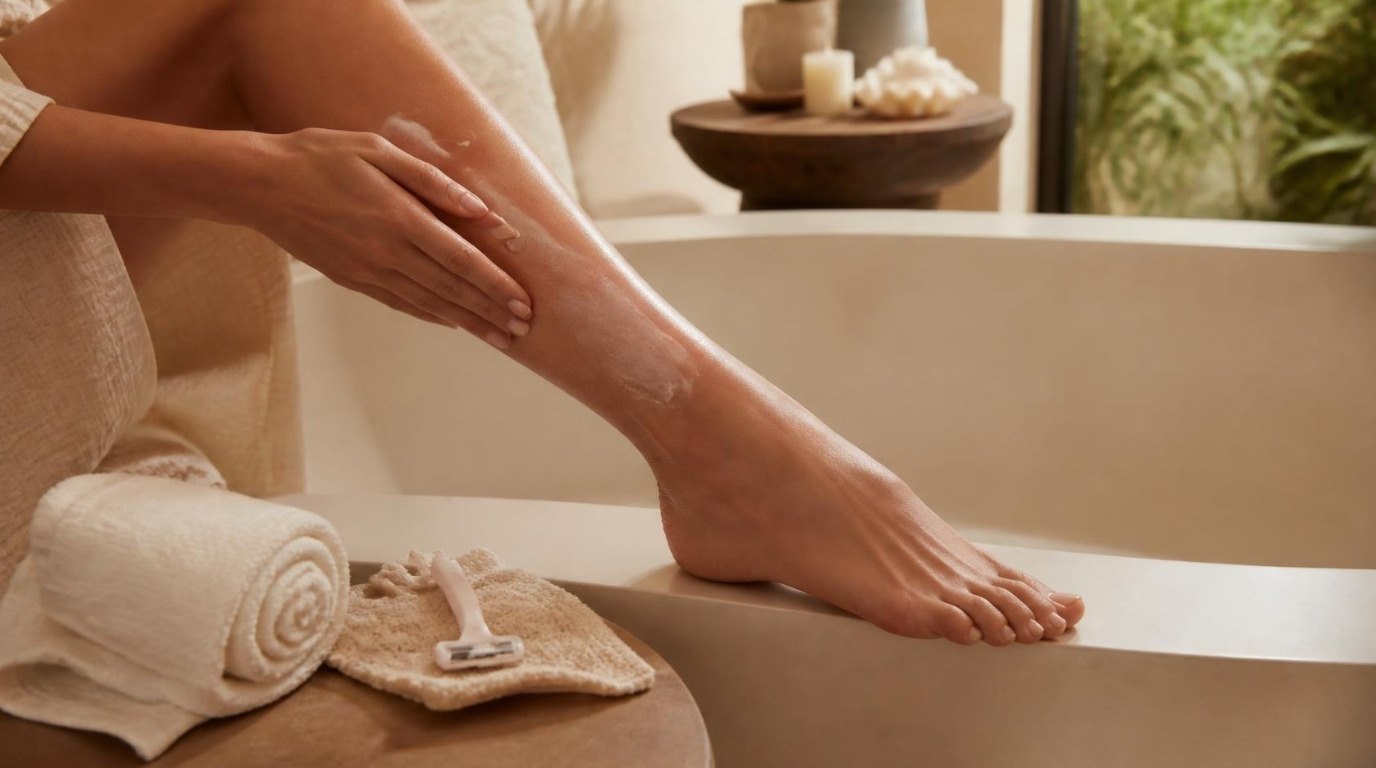
4. Apply an Exfoliating Lotion on Damp Skin
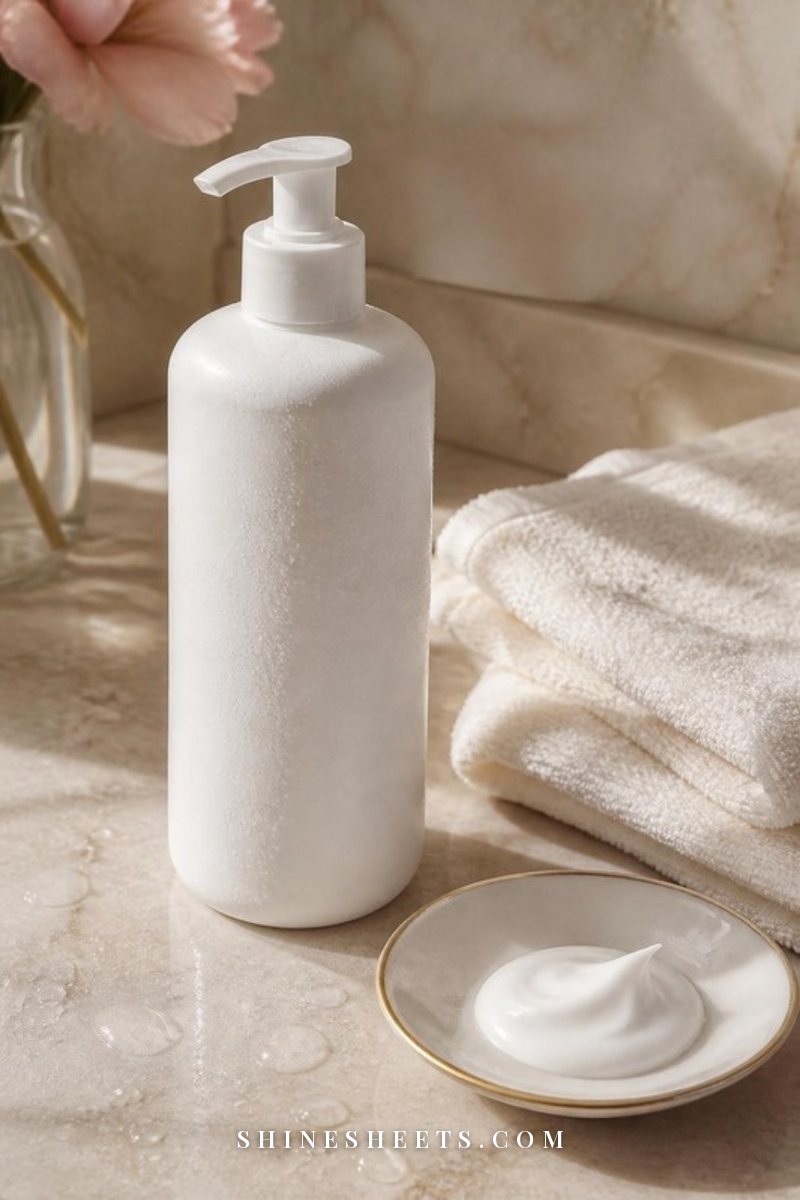
This is the step that does the most heavy lifting. Within about three minutes of stepping out of the shower, while your skin still feels a little damp, smooth on a body lotion with a chemical exfoliant. Damp skin absorbs moisture better and the lotion spreads more easily, so you need less of it.
Two ingredients are the classic KP heroes:
- Lactic acid: a gentle AHA that dissolves the "glue" holding dead skin cells together while also helping skin hold water. A lactic acid body lotion is my first suggestion for most people with KP.
- Urea: a humectant that softens thick, rough skin. Look for a urea body lotion with around 10% for everyday use; higher percentages are stronger and best for very rough patches.
Use about a nickel-sized amount per arm and massage it in with gentle circles for 20 to 30 seconds. A tingle for a minute or so is normal at first. Burning, stinging that lasts or redness that lingers means your skin needs a break: skip a night and go back to plain moisturizer.
If you're curious about how these acid families differ, my sister guide to AHA vs BHA explains it in plain language.
5. Seal It In With a Fragrance-Free Cream
On nights you don't use an exfoliating lotion, or on top of one if your skin is very dry, add a rich cream. Fragrance can irritate sensitive or already-inflamed skin, so a fragrance-free body cream with ceramides is the safest everyday choice. Ceramides help repair the skin barrier, which keeps moisture in and irritation out.
Simple rule: lotion when you want to treat, cream when you want to comfort. On the coldest weeks, many people do both, lotion first, then a thin layer of cream on top once it has sunk in.
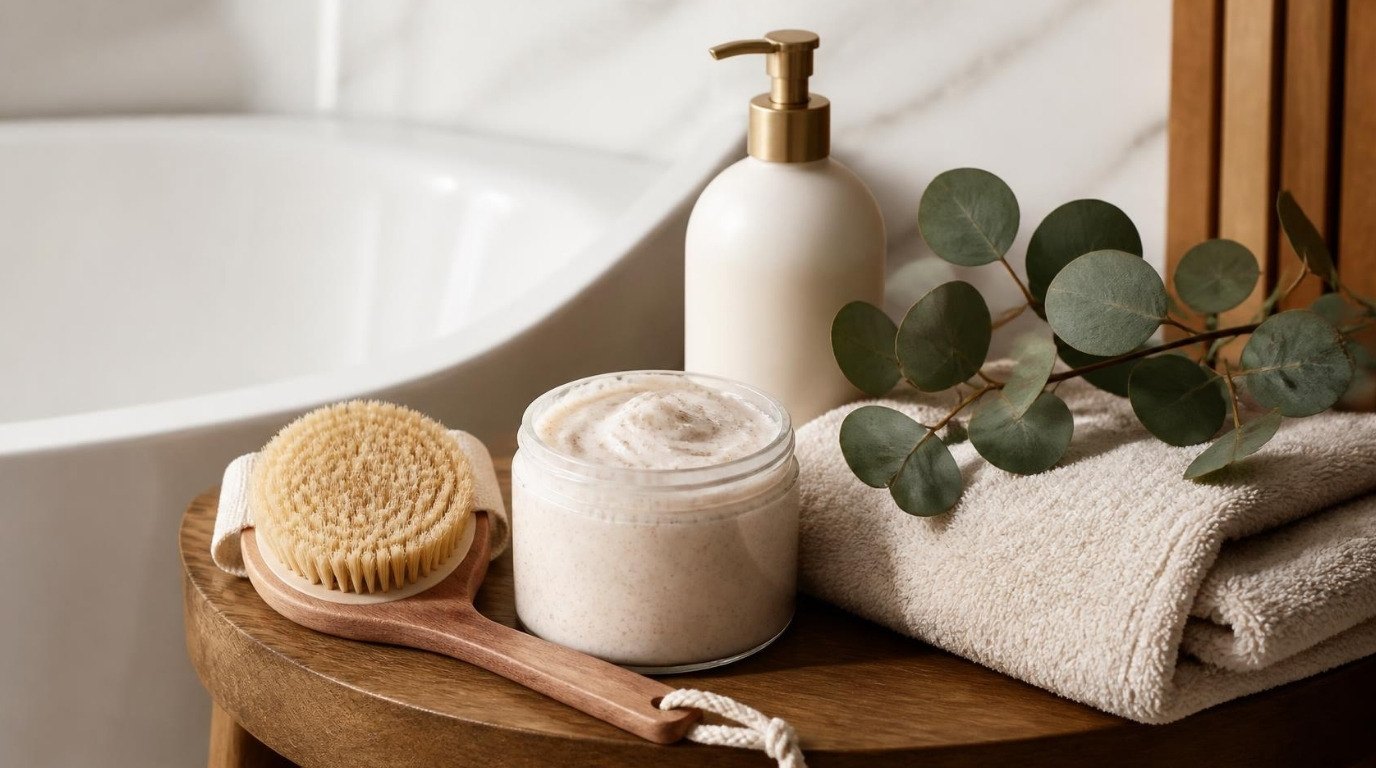
6. Swap Hard Scrubbing for a Soft Brush
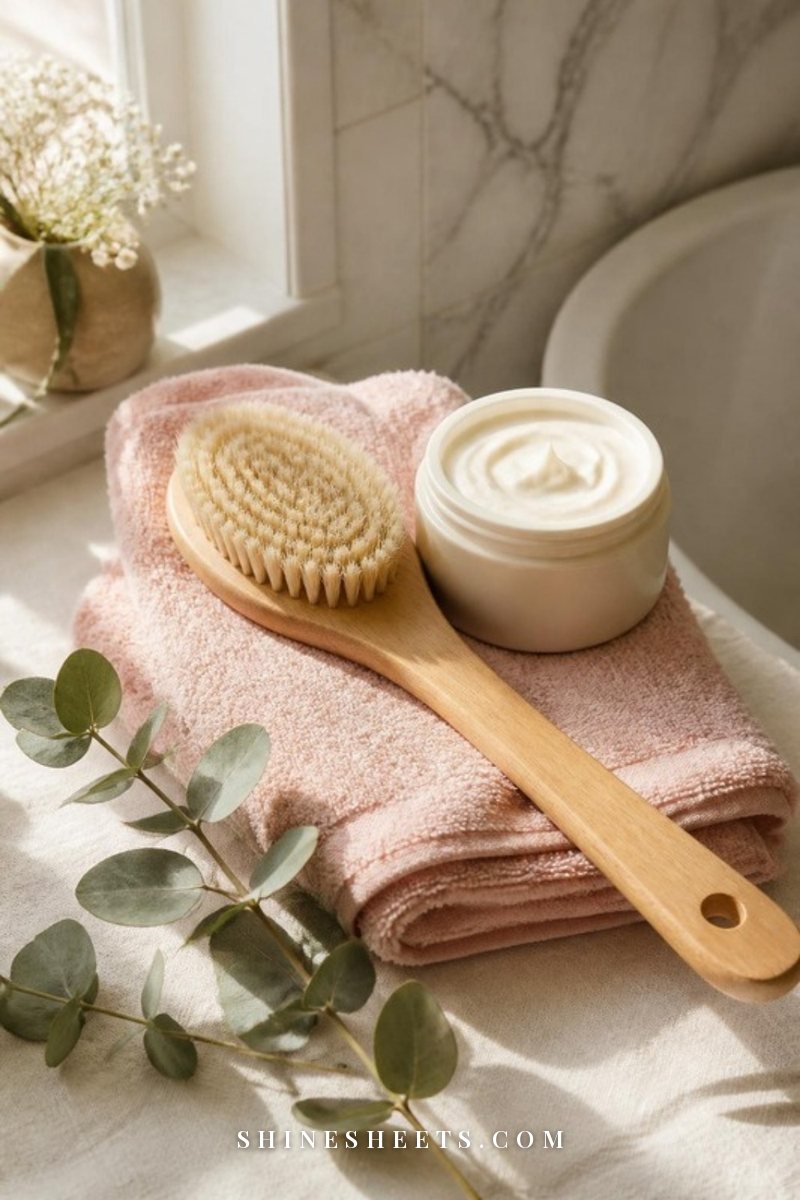
Grainy scrubs, loofahs and stiff brushes feel satisfying, but they tend to irritate the skin around each bump, which makes KP look redder and more noticeable. If you like a bit of physical exfoliation, choose a soft-bristle body brush and treat it like a gentle massage, not a sanding tool.
Use it once or twice a week at most, on dry or slightly damp skin, with light upward strokes for about 30 seconds per arm. The pressure should feel like a brush through your hair, never scratchy. Skip it entirely on any day your skin is pink or tender, and never use it on the same night as an acid lotion if your skin is sensitive.
7. Add Humidity to Your Air

Your skin spends seven or eight hours a night in your bedroom air, so making that air less dry quietly supports everything else you do. A white cool-mist humidifier on your nightstand or dresser can make a real difference in winter, both for KP and for dry lips and a scratchy throat.
A comfortable indoor humidity sits roughly between 30 and 50 percent. Clean the humidifier as the instructions suggest (usually every few days) and use fresh water each time, so it doesn't become a home for mold. If a humidifier isn't an option, even a bowl of water near a radiator helps a little.
8. Keep Your Hands Off the Bumps
This one is hard, I know. When a bump has a little white center, it's very tempting to squeeze it. But picking can lead to scabs, dark marks and even small scars that last much longer than the KP itself, especially on deeper skin tones that are prone to post-inflammatory dark spots.
If your hands keep wandering, try this: every time you notice yourself touching your arms, rub in a tiny bit of cream instead. It turns a picking habit into a moisturizing one.
Lactic Acid vs Urea vs Salicylic Acid: Which One Is for You
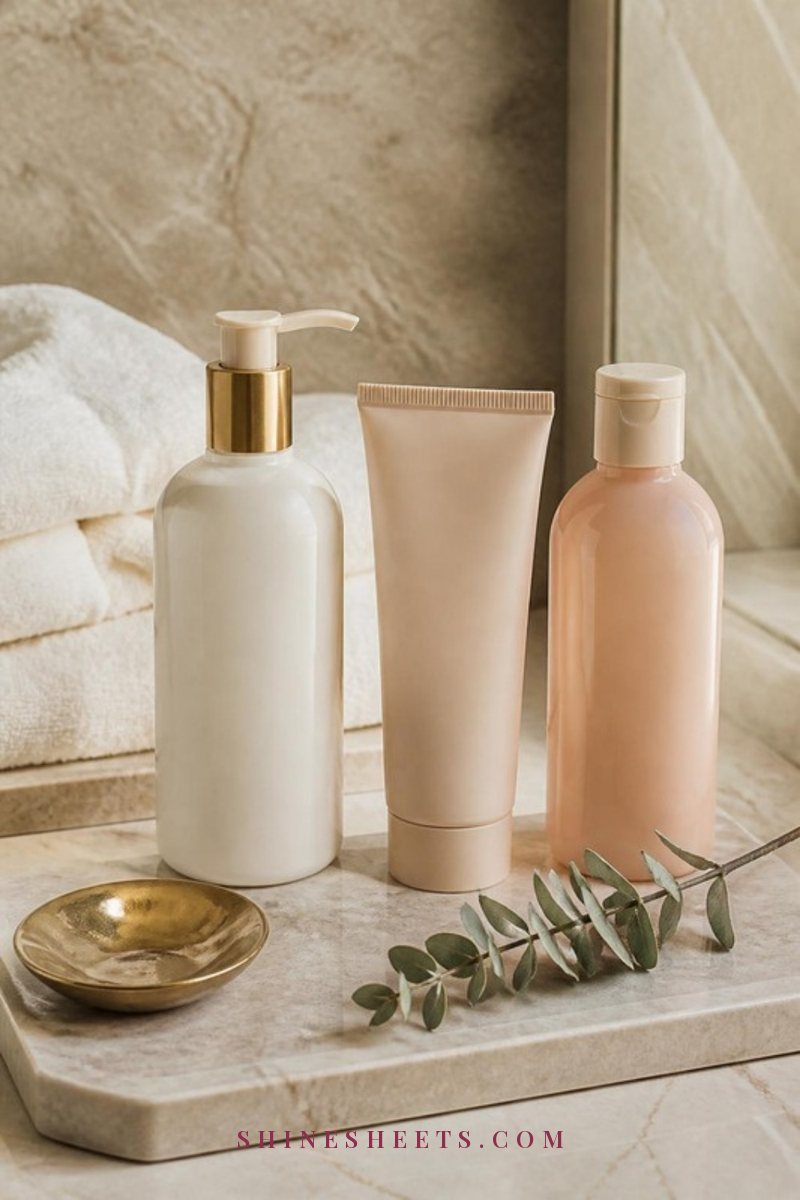
You don't need all three. Most people do well with one leave-on product and one wash-off product. Here's a quick way to choose:
| Ingredient | Best for | Format | How often to start |
|---|---|---|---|
| Lactic acid | Rough bumps plus general dryness | Leave-on lotion | 3 nights a week |
| Urea | Very rough, thick, dry skin; sensitive skin that dislikes acids | Leave-on lotion or cream | Daily, if comfortable |
| Salicylic acid | Bumps with redness or a slightly oily, clogged feel | Wash-off body wash | 2 to 3 showers a week |
One gentle caution: don't layer a strong acid lotion over an acid body wash on the same day at the beginning. Alternate them so your skin can get used to each one. And because AHAs can make skin more sensitive to the sun, use sunscreen on any treated skin that will be exposed, like arms in a sleeveless top.
Your Weekly KP Routine Table
Here's a simple week that alternates treatment and comfort, so your skin never gets overloaded. Screenshot it and keep it on your phone for the first month.
| Day | In the shower | After the shower | Extra |
|---|---|---|---|
| Monday | Salicylic acid body wash on KP areas, 60 seconds | Fragrance-free cream on damp skin | Humidifier on overnight |
| Tuesday | Gentle plain cleanser | Lactic acid lotion on damp skin | Humidifier on overnight |
| Wednesday | Gentle plain cleanser | Urea lotion or fragrance-free cream | Soft brush, 30 seconds per arm (before showering) |
| Thursday | Salicylic acid body wash on KP areas, 60 seconds | Fragrance-free cream on damp skin | Humidifier on overnight |
| Friday | Gentle plain cleanser | Lactic acid lotion on damp skin | Sunscreen on arms if going sleeveless |
| Saturday | Gentle plain cleanser, a slightly longer shower is fine | Urea lotion, then a thin layer of cream | Optional soft brush if skin feels calm |
| Sunday | Rest day: lukewarm water only on KP areas | Fragrance-free cream | Check in: is skin smoother, redder or the same? |
If your skin feels irritated at any point, drop back to cream only for two or three days, then restart with fewer acid days. The routine should feel easy and comfortable. If it feels like punishment, it's too much.
The same rhythm works beautifully as part of a wider body care routine, so you're not adding a whole separate system, just a few targeted swaps.
What To Expect: A 4-Week KP Timeline
KP improves slowly because the plugs need time to soften and shed with your skin's natural turnover. Knowing what's normal at each stage makes it so much easier to keep going.
Week 1: Softer, Not Smoother Yet
Your skin will probably feel softer and less tight within a few days, especially if you've been showering in hot water. The bumps themselves will look about the same. You may feel a light tingle from acid products. That's your adjustment week, so stick with the gentlest version of the routine.
Week 2: A Change in Texture
Run your hand over your arm. Many people notice the sandpaper feeling is a bit less sharp, even if the bumps are still visible. This is a great time to resist the urge to add more products or scrub. Consistency is doing the work now.
Week 3: Fewer Rough Patches
Some of the smaller bumps start to flatten, and areas that felt rough may feel closer to normal skin. Redness often lags behind texture, so if your arms still look pink, that's normal. It can take longer for color to calm down than for the bumps to soften.
Week 4: Visible Progress
By now, many people see a clear difference in texture, and sometimes in redness too. Your arms likely won't be perfectly smooth (KP rarely disappears completely), but they should look and feel noticeably calmer. Keep going: if you stop the routine entirely, the bumps tend to come back within a few weeks. Think of it like brushing your teeth for your arms, a small habit that keeps things quiet.
Full results often take two to three months, so week four is a checkpoint, not a finish line.
6 Mistakes That Make KP Worse
- Scrubbing hard. Rough scrubs and loofahs irritate the skin around each bump and can make redness more obvious.
- Using too many acids at once. An acid wash, an acid lotion and a brush on the same night is a recipe for stinging and dryness.
- Hot, long showers. They strip oils and leave skin tighter than before.
- Moisturizing on bone-dry skin. Waiting until skin is fully dry means less moisture gets locked in.
- Picking or squeezing. It can lead to dark marks and scarring that outlast the bumps.
- Quitting after a week. KP needs at least a month of consistent care before you can judge whether something works.
When To See a Dermatologist
KP is harmless, but you deserve a proper look if something doesn't feel right. Book an appointment with a dermatologist or your doctor if:
- The bumps are spreading quickly or appearing in new places like your face, back or chest.
- Your skin is very itchy, painful, swollen, warm or oozing.
- You've followed a gentle routine for two to three months and see no change at all.
- The redness or dark marks bother you and you'd like to explore stronger options.
- You're not sure it's KP at all, since some other skin conditions can look similar.
- You're pregnant or breastfeeding and want to check which ingredients are suitable for you.
A dermatologist can confirm the diagnosis and, if needed, suggest prescription creams or in-office treatments. A quick, kind note: this guide is for general information and isn't a substitute for personal medical advice, so always check with a professional if you have a skin condition, allergies or concerns about a new product.
Final Thoughts
Bumpy arms are one of the most common things skin does, and they don't make you any less lovely in a sleeveless dress. Keratosis pilaris simply asks for softness instead of force: lukewarm water, a gentle acid a few times a week, moisture on damp skin and a lot of patience.
Pick two steps from this guide to start tonight, give them four weeks, and let your skin take its time. Smooth, comfortable arms are usually much closer than they feel right now.