Polyglutamic acid and hyaluronic acid aren't really rivals. They hydrate skin in two different ways, and once you understand that difference, choosing between them (or using both) becomes surprisingly easy. One mostly pulls water in, the other mostly helps keep it there.
The confusion is understandable. Both are clear, slippery serums, both promise plumper, bouncier skin, and both show up on the same shelves with very similar marketing. Underneath, though, they behave a little differently on your face, and that changes which one your skin will like best, especially in dry air or with a fragile barrier.
This guide is a head-to-head of polyglutamic acid vs hyaluronic acid: what each one is in plain words, the five differences that matter, a comparison table, which one suits dehydrated, dry, oily and sensitive skin, why hyaluronic acid can sometimes feel tight, and how to layer both in the right order. If you already know you love hyaluronic acid and just want to use it well, my guide to hyaluronic acid and the damp skin rule covers that in detail.
As always, barrier first, no miracle promises and a gentle, one-step-at-a-time approach.
Polyglutamic Acid vs Hyaluronic Acid: The Short Answer
If you only read one section, make it this one:
- Hyaluronic acid is a humectant. It attracts and holds water, so it's best at giving skin a quick drink of hydration.
- Polyglutamic acid is also water-loving, but it's a larger molecule that forms a light, flexible film on the surface of your skin. That film helps slow down water loss.
- Choose hyaluronic acid if your skin feels thirsty and you want an affordable, easy hydrator.
- Choose polyglutamic acid if your skin loses hydration quickly, you live with dry air, or hyaluronic acid sometimes leaves you feeling tight.
- Use both if your skin is dehydrated and you want hydration that lasts: hyaluronic acid first, polyglutamic acid after, moisturizer on top.
Neither is "better." They just do slightly different jobs.
What Is Hyaluronic Acid?
Hyaluronic acid is a substance your body makes naturally. It's found in your skin, joints and eyes, where it helps hold water and keep tissues cushioned. In skincare, you'll often see it listed as sodium hyaluronate (its salt form), which is a little more stable and easier to formulate.
On your face, hyaluronic acid works as a humectant, meaning it draws water to itself and holds it in the upper layers of the skin. That's why skin often looks smoother and more bouncy within minutes of applying it. The effect is real but temporary, which is why it needs a moisturizer on top to help keep that water from evaporating.
Hyaluronic acid comes in different molecule sizes. Many serums blend several sizes, so some sits on the surface and some reaches a little deeper into the outer layers. That's one reason it's such a versatile, widely loved ingredient.
What Is Polyglutamic Acid?
Polyglutamic acid (often shortened to PGA) is a long chain of glutamic acid, an amino acid. It's usually made through fermentation, and it was originally known from natto, a fermented soybean food, which is why you'll sometimes see it called a "fermented" ingredient in K-beauty.
The key thing to know is that polyglutamic acid molecules are large. Instead of sinking into the skin, they mostly stay on the surface and form a thin, breathable, slightly flexible film. That film holds water and helps slow transepidermal water loss (the everyday evaporation of water from your skin).
You may see marketing claims that polyglutamic acid "holds several times more water than hyaluronic acid." I'd take those with a gentle pinch of salt. What matters more for your skin is the practical difference: PGA feels like a soft, hydrating veil that helps your other hydrators last longer.
5 Key Differences Between Polyglutamic Acid and Hyaluronic Acid
Here are the five differences that actually change how each one feels and works on your skin.
1. How They Hydrate
Hyaluronic acid's main job is to draw water in and hold it in the upper layers of skin. Polyglutamic acid also holds water, but its standout job is to help keep water in by forming a film on the surface. Think of hyaluronic acid as filling the glass and polyglutamic acid as putting a light lid on it.
2. Molecule Size
Hyaluronic acid is available in a range of sizes, from large molecules that stay on the surface to smaller ones that reach a little further into the outer layers. Polyglutamic acid is a very large molecule, so it mostly works right on top of the skin. Some people with sensitive skin find very low-molecular-weight hyaluronic acid a little irritating, while surface-staying ingredients like PGA tend to feel calmer.
3. How the Film Feels
Hyaluronic acid usually sinks in quickly and leaves skin feeling plump and slightly dewy. Polyglutamic acid leaves a more noticeable, smooth, slightly silky film. Some people love that "second skin" feel, especially under makeup. Others with very oily skin may find it a touch tacky, so a thin layer is key.
4. Best Climates
Humectants like hyaluronic acid work best when there's some moisture around, either in the air or on your damp skin. In very dry air, heated rooms or on airplanes, they can feel less comfortable if they aren't sealed in. Polyglutamic acid's film-forming nature makes it a great partner for those dry conditions, because it helps slow down evaporation.
5. Price
Hyaluronic acid is everywhere, and you can find good serums at very gentle drugstore prices. Polyglutamic acid is less common and often a bit more expensive, though more affordable options have appeared, especially in Korean skincare. If you're on a budget, a basic hyaluronic acid serum plus a good moisturizer will cover most needs.
Polyglutamic Acid vs Hyaluronic Acid Comparison Table
Here's everything side by side. Screenshot it for your next skincare shop:
| Feature | Polyglutamic acid | Hyaluronic acid | Best for |
|---|---|---|---|
| Main job | Forms a film that helps slow water loss | Draws water in and holds it | HA for a quick drink, PGA for lasting hydration |
| Molecule size | Very large, stays on the surface | Various sizes, surface and outer layers | PGA for reactive skin, HA blends for all-round hydration |
| Texture and feel | Smooth, silky, slightly filmy | Light, watery, sinks in quickly | PGA under makeup, HA for oily skin |
| Dry air and heating | Works well, helps reduce evaporation | Best sealed with moisturizer | PGA for dry climates and indoor heating |
| Layering order | After HA, before moisturizer | First, on damp skin | Both together for dehydrated skin |
| Price and availability | Less common, often pricier | Everywhere, very affordable | HA for budget routines |
| Sensitive skin | Usually well tolerated | Usually well tolerated, some find tiny molecules irritating | Patch test either one |
Texture, Feel and How They Layer
Both serums are water-based, which makes them easy to layer. The general rule in skincare is thinnest to thickest, and that's exactly how these two fit together.
- Hyaluronic acid is usually the thinnest, most watery layer, so it goes on first, right after cleansing and toner, on damp skin.
- Polyglutamic acid is slightly thicker and more film-like, so it goes after hyaluronic acid once that has sunk in for about 30 seconds.
- Moisturizer always comes after both to seal everything in.
Two or three drops of each is plenty for your whole face. Press them in with your palms rather than rubbing, and if either one starts to pill, use less or give it a little longer to settle before the next step.
Which One Does Your Skin Need?
Here's how I'd choose, skin type by skin type. Your own experience always wins, so treat these as starting points.
Dehydrated Skin
Dehydrated skin lacks water (not oil), so it can feel tight yet still look shiny, with fine "crinkly" lines that disappear when you moisturize. This is where using both together shines: a hyaluronic acid serum on damp skin, polyglutamic acid on top, then moisturizer. Not sure if your skin is dehydrated or dry? My guide to dehydrated vs dry skin helps you tell the difference.
Dry Skin
Dry skin lacks oil, so water-based hydrators alone won't be enough. Either serum can help, but the real hero for you is a richer moisturizer with ceramides, fatty acids or shea. Polyglutamic acid can be a lovely middle layer to help everything last longer.
Oily Skin
Oily skin still needs hydration, and lightweight hyaluronic acid is often the easiest fit. If you want to try polyglutamic acid, use one or two drops only, so the film doesn't feel heavy. For my own combination skin, a light hydrator on the cheeks and a lighter touch on the shiny T-zone usually feels best.
Sensitive Skin
Both are generally gentle, but keep formulas simple and fragrance-free. Polyglutamic acid tends to be very well tolerated because it stays on the surface. If hyaluronic acid serums ever make you sting, look for one with larger molecules or try PGA instead.
Dry Air and Indoor Heating
Heated rooms, air conditioning, flights and cold winds all pull moisture from skin. A polyglutamic acid serum is especially helpful here, because its film helps reduce evaporation. Pair it with a rich moisturizer, and consider a small humidifier in the bedroom if your air is very dry.
Why Hyaluronic Acid Can Feel Tight in Dry Air
Some people notice their skin feels tighter, not softer, after using hyaluronic acid, especially in winter or air-conditioned rooms. This is a common experience, and there are a few simple reasons it might happen:
- It was applied to dry skin. Humectants work best with some water to hold onto. On bone-dry skin in dry air, there's simply less hydration available.
- It wasn't sealed in. Without a moisturizer on top, water held by hyaluronic acid can evaporate, and as it does, skin can feel tight.
- Too much product. A thick layer can dry down into a slightly stiff film that feels tight rather than plump.
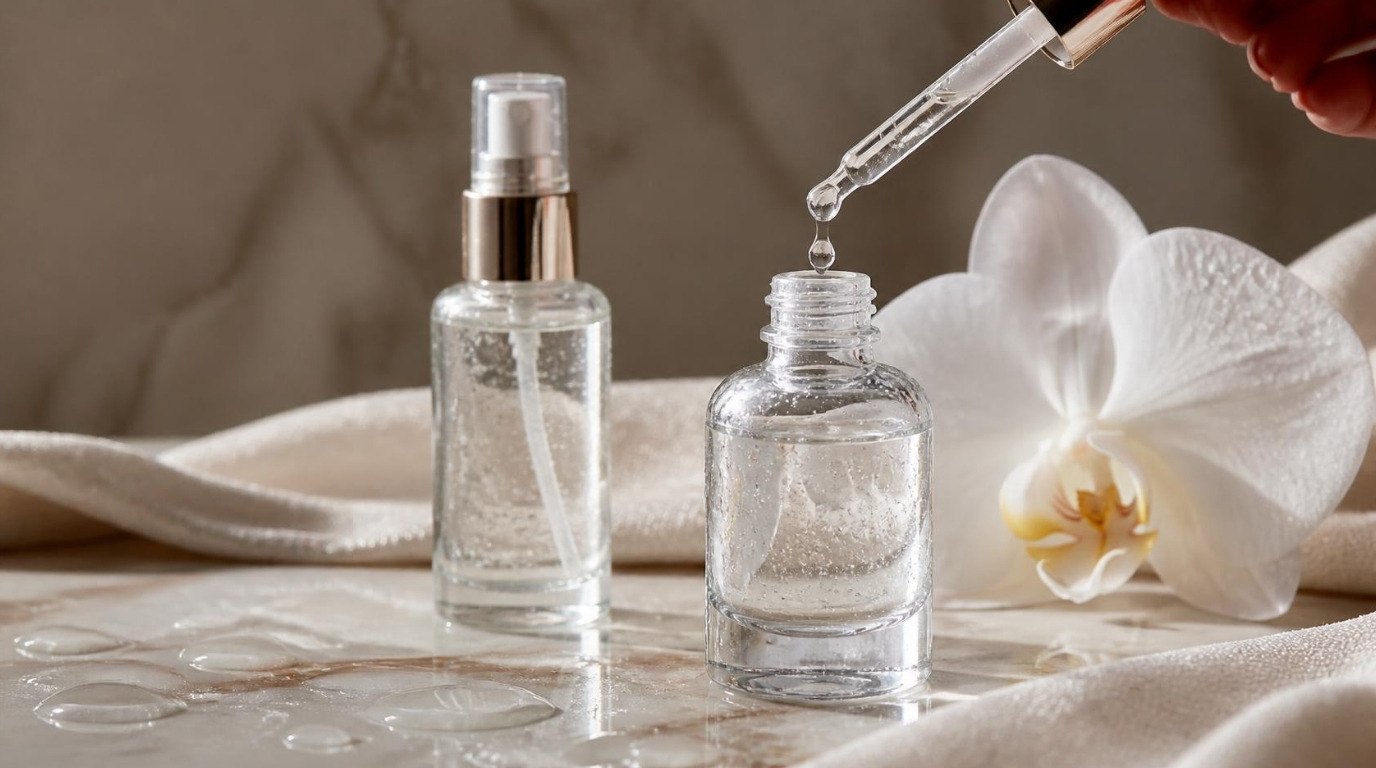
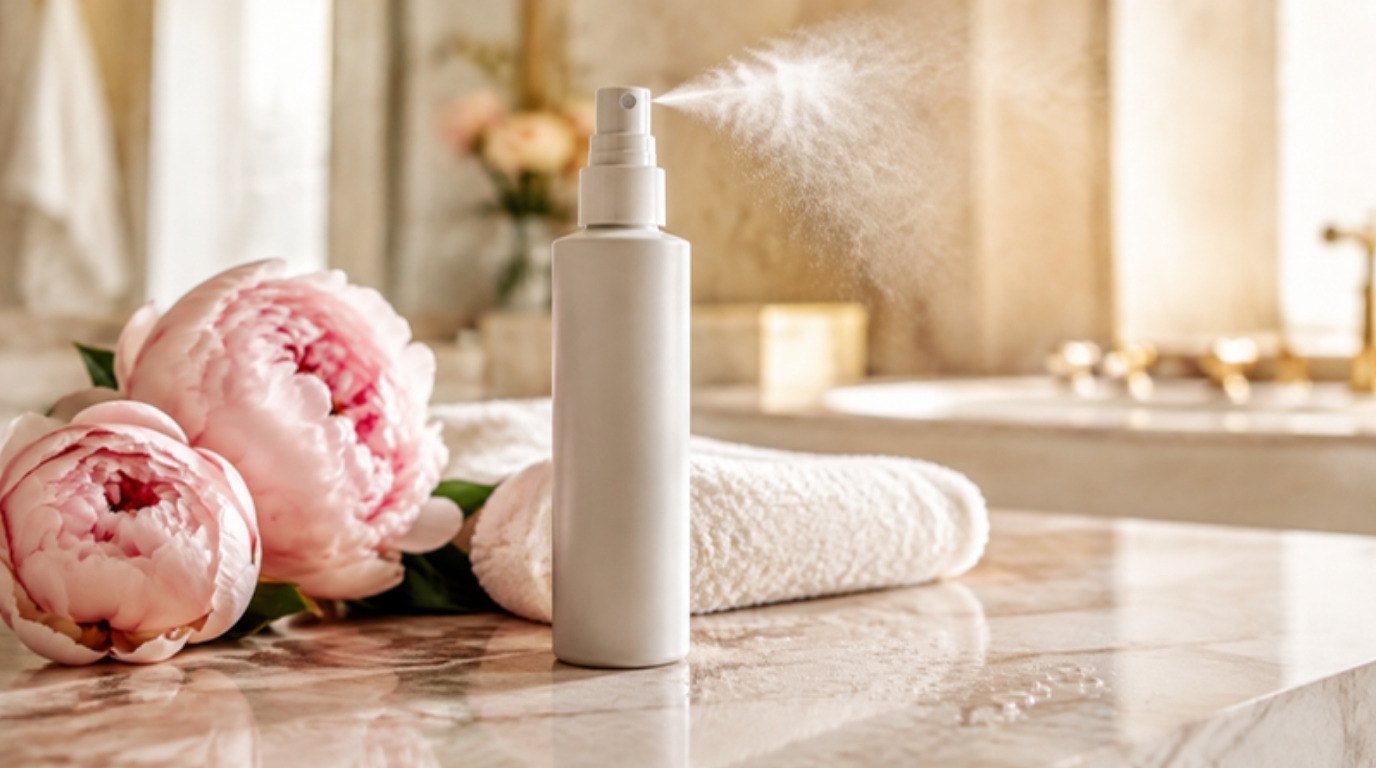
The fix is usually easy: apply hyaluronic acid to damp skin (a quick spritz from a white fine-mist spray bottle filled with plain water works well), use just two or three drops, and always follow with moisturizer within a minute or two. Polyglutamic acid in between helps even more. If you love the idea of layering hydration in a structured way, my guide to skin flooding builds on exactly this principle.
How To Use Both Together
Using both is simple once you know the order. Here's a gentle five-step routine you can follow morning or evening:
- Cleanse gently. Lukewarm water and a mild cleanser. Leave your skin slightly damp.
- Add a hydrating toner (optional). A Korean hydrating toner pressed in with your palms adds a first layer of water and keeps skin damp for the next step.
- Apply hyaluronic acid. Two or three drops on damp skin, pressed in. Wait about 30 seconds.
- Apply polyglutamic acid. Two or three drops over the top, pressed in gently. Wait until it feels smooth rather than wet.
- Seal with moisturizer. A ceramide moisturizer locks everything in and supports your barrier. In the morning, finish with sunscreen.
If your moisturizer feels too heavy or too light with this routine, my moisturizer guide helps you choose between gel, cream and balm textures.
Prefer fewer steps? Many serums now combine hyaluronic acid and polyglutamic acid in one bottle, often with glycerin too. That's a great shortcut, and it works just as well as two separate layers for most people.
What To Look For in a Hydrating Serum
Whichever one you choose, a few simple label clues help you pick a formula your skin will be happy with:
- Fragrance-free. Hydrators are meant to calm and comfort, and added fragrance is one of the most common reasons a "gentle" serum stings.
- A short ingredient list. Water, the hydrator (sodium hyaluronate, hyaluronic acid or polyglutamic acid), maybe glycerin or panthenol, and a preservative. Simple is good.
- Supporting soothers. Panthenol, allantoin, centella or beta-glucan are nice extras for sensitive or easily red skin.
- Packaging you'll actually use. A dropper or pump bottle that's easy to dose keeps you from using too much.
- No alcohol high on the list. Drying alcohols near the top of the ingredient list can work against the whole point of a hydrator.
Morning or Evening: When To Use Each
Both hydrators are gentle enough for morning and evening, so it's really about how you like your skin to feel.
- Mornings: Hyaluronic acid is a lovely lightweight base under sunscreen and makeup. If your skin looks dull by midday, a thin layer of polyglutamic acid on top can help it stay comfortable for longer, and its smooth film sits nicely under foundation.
- Evenings: This is a great time to layer both, especially on nights without strong actives. A cushioned, hydrated barrier overnight often means calmer skin in the morning.
- Retinol or acid nights: A simple hydrating serum under your moisturizer can make those nights feel softer. Apply the active as directed, then keep the rest of the routine plain.
And remember sunscreen every morning, whichever hydrator you choose. Hydrated skin is comfortable skin, but protected skin is healthy skin.
Patch Testing and Introducing One at a Time
Even gentle hydrators can occasionally disagree with someone's skin, usually because of another ingredient in the formula (fragrance, preservatives, botanical extracts) rather than the hydrator itself. A little caution keeps things calm:
- Patch test. Apply a small amount behind your ear or along your jawline once a day for three to five days. If you see redness, itching, bumps or swelling, don't use it on your face.
- Introduce one at a time. Start with one serum for two weeks before adding the other. If your skin reacts, you'll know exactly which product caused it.
- Keep the rest of your routine steady. Avoid starting a new active (like retinol or an acid) at the same time.
- Know when to get help. Dryness, flaking or irritation that doesn't improve with a gentle routine, or skin that cracks, burns or keeps getting worse, deserves a visit to a dermatologist. Sometimes persistent dryness has a cause that needs proper care.
Hydrating serums can make skin look and feel more comfortable, but they don't treat skin conditions, and that's okay. They're there to support your skin, not fix everything.
6 Common Hydration Mistakes To Avoid
These small slip-ups are behind a lot of "it didn't work for me" moments:
- Skipping moisturizer. Serums hydrate, moisturizers seal. You usually need both.
- Applying hyaluronic acid to dry skin in dry air. Dampen your skin first.
- Using too much. Two or three drops of each is enough. More can feel sticky or tight.
- Layering in the wrong order. Thinnest first: toner, hyaluronic acid, polyglutamic acid, moisturizer.
- Expecting overnight transformation. Hydration helps skin look smoother and feel comfortable, but consistency over weeks is what makes the real difference.
- Forgetting other hydrators. Simple, affordable humectants work beautifully too. My guide to glycerin for skin shows why this humble ingredient deserves more love.
Final Thoughts
Polyglutamic acid and hyaluronic acid are less of a "which one wins" story and more of a "which one fits" story. Hyaluronic acid brings water in, polyglutamic acid helps it stay, and a good moisturizer keeps the whole picture comfortable.
Start with the one that matches your skin and your climate, introduce it slowly, and let your skin tell you what it likes. Comfortable, well-hydrated skin is a quiet kind of luxury, and it's absolutely within reach.