Dark spots rarely fade because you found one miracle serum. They fade because you calm the signals that keep making pigment, protect your skin from the sun every single day, and give it enough weeks to shed the old marks. Tranexamic acid is one of the gentlest helpers for that first part, and it's why so many dermatologists like it for stubborn, uneven tone.
It's also wonderfully low-drama. Unlike stronger brightening ingredients, it rarely stings, it plays well with most of your routine, and it suits sensitive skin types that react to almost everything else. With combination, easily irritated skin myself, I'm always relieved when an ingredient that works is also kind.
In this guide to tranexamic acid for dark spots, you'll learn what it is (in plain words), what it can and can't help with, how to use it morning or night, which concentrations to look for, how to layer it with niacinamide, vitamin C and azelaic acid, how long results really take, and who should be careful. There's also a dark spot ingredient comparison table to help you choose the right partner for your skin.
What Is Tranexamic Acid in Skincare?
Tranexamic acid (often shortened to TXA on labels and in reviews) is a synthetic form of the amino acid lysine. It was first used in medicine for a completely different purpose, and over time doctors noticed it also seemed to reduce certain types of pigmentation. Today, a topical version shows up in serums, essences, toners and even sunscreens as a brightening ingredient.
The important thing to know: the tranexamic acid in your skincare is applied to the skin, at low concentrations, and it's a very different thing from tranexamic acid tablets, which are prescription-only (more on that at the end). In skincare, it's considered a mild, well-tolerated ingredient that works quietly in the background.
It's water-soluble, so it's usually found in lightweight, watery serums rather than oils. That also makes it easy to slip into almost any routine without adding a heavy layer.
How Tranexamic Acid Works on Dark Spots
Here's the simple version. Dark spots happen when pigment cells (melanocytes) get the message to make extra melanin. That message can come from sun exposure, inflammation (like a pimple), hormones, heat or friction. The extra pigment then gets passed to the skin cells around it, and you see a mark.
Tranexamic acid helps interrupt some of the signals that tell those pigment cells to work overtime, especially signals linked to inflammation and to the tiny blood vessels in the skin. Many brightening ingredients block the pigment-making process itself; tranexamic acid works a bit earlier, by calming the "make more pigment" alarm.
That's why it pairs so well with other ingredients. They work at different steps, so combining them is like closing several doors instead of just one.
What it won't do: it won't bleach your skin, it won't remove raised marks or scars, and it won't fade a spot overnight. It's a slow, steady helper, not an eraser.
What Tranexamic Acid Can Help With
Tranexamic acid is most useful for flat, brown or gray-brown discoloration. Here's where it tends to shine, and where you'll want extra help.
Post-Acne Marks
The flat brown or dark marks left behind after a breakout are called post-inflammatory hyperpigmentation. They're very common, especially on medium and deeper skin tones, and they can linger for months. Because tranexamic acid calms inflammation-related pigment signals, it's a lovely gentle choice here. Just keep in mind that red or pink marks (which are about blood vessels, not pigment) respond differently, and that preventing new breakouts is half the battle.
Uneven Tone and Dullness
If your skin isn't "spotty" so much as patchy, with a slightly uneven or blotchy look, tranexamic acid can help even things out over a couple of months. Many people find their skin simply looks clearer and more uniform, which makes it a nice everyday serum even if you don't have one obvious spot.
Melasma Support (With a Dermatologist)
Melasma shows up as larger, symmetrical patches of brown or gray-brown pigment, often on the cheeks, forehead or upper lip. It's linked to hormones, sun and heat, and it's famously stubborn and likely to return. Tranexamic acid is one of the ingredients dermatologists often include in a melasma plan, but melasma really does deserve a dermatologist. A professional can confirm it's melasma (not something else), guide you on stronger treatments if you need them, and help you avoid ones that can make it worse.
Sun Spots and Body Marks
Sun spots (small, defined brown spots from years of sun) tend to be more stubborn, but tranexamic acid can help soften them when combined with daily sunscreen and other brighteners. It can also be used on body marks, like dark spots on the chest, shoulders or arms. If that's your main concern, my guide to fading dark spots on the body gently covers body-specific routines.
A kind but important note: any spot that changes shape, color or size, bleeds, itches or just looks different from the others should be checked by a doctor or dermatologist before you treat it as a cosmetic concern.
How To Use Tranexamic Acid Step by Step
The beauty of this ingredient is how easy it is to use. Here's a simple routine to follow:
- Patch test first. Apply a small amount along your jawline or behind your ear once a day for a few days. Tranexamic acid is usually well tolerated, but the other ingredients in a formula (fragrance, alcohol, acids) can still irritate.
- Cleanse gently. Start with a gentle, non-stripping facial cleanser. Squeaky-clean skin is usually irritated skin, and irritation can actually trigger more pigment.
- Apply toner or essence if you use one. If your tranexamic acid is in a toner or essence format, this is its step.
- Apply your tranexamic acid serum. Use two to three drops (or one pump) on dry or slightly damp skin. Press it over the whole face rather than spot-treating, since pigment often hides under areas that look clear.
- Layer other serums thinnest to thickest. If you're adding niacinamide or another water-based serum, apply it next and let each layer settle for a minute.
- Moisturize. A ceramide moisturizer helps keep your skin barrier strong, which matters because a calm barrier is less likely to react and form new marks.
- Finish with sunscreen in the morning. Broad-spectrum SPF 30 or higher, every day, generously. More on this below, because it decides whether your efforts actually work.
Use it once or twice a day. Most people can start with once daily for the first week or two, then move to twice daily if their skin feels comfortable.
How Much Tranexamic Acid To Look For
Most over-the-counter tranexamic acid products contain somewhere between about 2% and 5%. That range is where it tends to be both effective and gentle. Some products list the percentage on the front, and some just include it in the ingredient list, where it may appear as "tranexamic acid" fairly high up.
- Around 2–3%: a great starting point for sensitive skin or for maintaining an even tone.
- Around 3–5%: often found in targeted dark spot serums, good for stubborn post-acne marks and patchiness.
- Combination formulas: many serums mix tranexamic acid with niacinamide, licorice root or other brighteners at lower individual percentages. These can be very effective because the ingredients support each other.
Higher isn't automatically better. A comfortable formula you use twice a day for three months will do far more than a strong one that makes you skip days. If you're browsing, look for a fragrance-free tranexamic acid serum with a short, simple ingredient list.
Morning or Night?
Both work. Tranexamic acid isn't sensitive to sunlight the way some ingredients are, and it doesn't make your skin more sun-sensitive, so you can use it whenever it fits best.
- Morning: a lovely spot for it, layered under your moisturizer and sunscreen. If you also use vitamin C in the morning, both can go on (more below).
- Night: perfect if your morning routine is already full, or if you want to pair it with ingredients like azelaic acid.
- Both: twice daily tends to give the best results once your skin is used to it.
If you use a retinoid at night, you can still use tranexamic acid in the same routine, but keep the rest of the evening simple so your skin isn't overloaded.
What To Layer With Tranexamic Acid
Because it works at a different step of pigment-making than most brighteners, tranexamic acid is a great team player. Here are its best partners.
Niacinamide
This is the classic pairing. Niacinamide helps reduce the transfer of pigment to the surface of your skin and supports the barrier, while tranexamic acid calms the signals that make pigment. Together, they're gentle, effective and fine morning and night. A simple niacinamide serum layered after your tranexamic acid is an easy combination for most skin types. For more on how it works, see my full guide to niacinamide for calm, balanced skin.
Vitamin C
Vitamin C is an antioxidant that helps protect against sun-related damage and also blocks part of the pigment-making process. It's a strong morning partner, especially under sunscreen. If you're using a pure vitamin C (L-ascorbic acid) serum, apply it first on clean, dry skin and give it a minute or two before your tranexamic acid. If vitamin C tends to sting your skin, gentler derivatives exist. My vitamin C serum guide explains who it suits best.
Azelaic Acid
Azelaic acid is a fantastic option if your dark spots come with breakouts or redness, because it helps with all three. It pairs nicely with tranexamic acid, usually at night. Apply the tranexamic acid serum first, then a thin layer of azelaic acid cream or gel. If you're new to it, my guide on why azelaic acid is so good for skin covers how to start slowly.
Retinoids and Exfoliating Acids
Retinoids and gentle exfoliants (like lactic, glycolic or mandelic acid) speed up skin cell turnover, which helps old pigmented cells shed faster. They can be used in the same routine as tranexamic acid, but they're also the most likely to irritate. Introduce one new active at a time, use them only a few nights a week at first, and pull back if your skin feels tight, hot or flaky. Irritation can cause new marks, especially on deeper skin tones.
The Dark Spot Ingredient Comparison Table
Not sure which brightening ingredient (or combination) to choose? This table gives you the quick version. Screenshot it for your next skincare shopping trip.
| Ingredient | Best for | Pairs well with | Gentleness |
|---|---|---|---|
| Tranexamic acid | Post-acne marks, patchy tone, melasma support (with a dermatologist) | Niacinamide, vitamin C, azelaic acid, sunscreen | Very gentle, suits most sensitive skin |
| Niacinamide | Uneven tone, oiliness, redness, barrier support | Tranexamic acid, hyaluronic acid, ceramides, retinoids | Gentle at 2–5%, some react at higher strengths |
| Vitamin C | Sun-related spots, dullness, antioxidant protection | Sunscreen, tranexamic acid, vitamin E, ferulic acid | Can sting in pure forms, derivatives are softer |
| Azelaic acid | Marks with breakouts or redness, rosacea-prone skin | Tranexamic acid, niacinamide, gentle moisturizers | Mild tingling at first for some |
| Retinoids | Stubborn spots, texture, fine lines | Niacinamide, ceramides, moisturizers (at night) | Most likely to irritate, start slowly |
| Exfoliating acids (AHA) | Dull surface, mild marks, texture | Hydrating serums, moisturizers | Can irritate if overused, two to three times a week |
| Licorice root extract | Mild uneven tone, sensitive skin | Tranexamic acid, niacinamide | Very gentle |
If you'd like a full routine built around these ingredients, my guide on how to fade dark spots on your face gently walks you through choosing and combining them step by step.
Why Sunscreen Is Non-Negotiable
Here's the honest truth: without daily sunscreen, tranexamic acid (or any brightening ingredient) is fighting a losing battle. Sunlight, and even visible light and heat for some skin types, keeps telling pigment cells to make more melanin. Every unprotected day can undo weeks of progress.
- Use a broad-spectrum sunscreen with SPF 30 or higher every morning, even when it's cloudy or you're mostly indoors near windows.
- Apply enough: about two finger-lengths for the face and neck.
- Reapply every two hours when you're outdoors, and after sweating or swimming.
- For melasma-prone skin, dermatologists often suggest a tinted mineral sunscreen, because the iron oxides in tinted formulas help block visible light too.
- Add a wide-brimmed hat and shade for long days outside.
If you'd like a gentle option, a mineral sunscreen with SPF 50 is a pick for sensitive skin that doesn't love chemical filters. Choose a texture you genuinely enjoy wearing, because the best sunscreen is the one you'll actually put on every day.
How Long Until You See Results
Patience is the hardest part of fading dark spots, so it helps to know what to expect:
- Weeks 1–4: usually nothing dramatic. Your skin may look a little more even or calm, but spots are still there. This is normal.
- Weeks 4–8: newer post-acne marks often start to look softer and lighter.
- Weeks 8–12: this is when most people notice a clear difference in overall evenness and in the edges of older spots.
- Three months and beyond: deeper or older pigment, sun spots and melasma can take longer, and maintenance matters, because they tend to come back with sun exposure.
Take a photo in the same spot, at the same time of day, in natural light, every four weeks. Day-to-day changes are invisible, but a side-by-side comparison after two months is often surprisingly encouraging.
A Simple Tranexamic Acid Routine
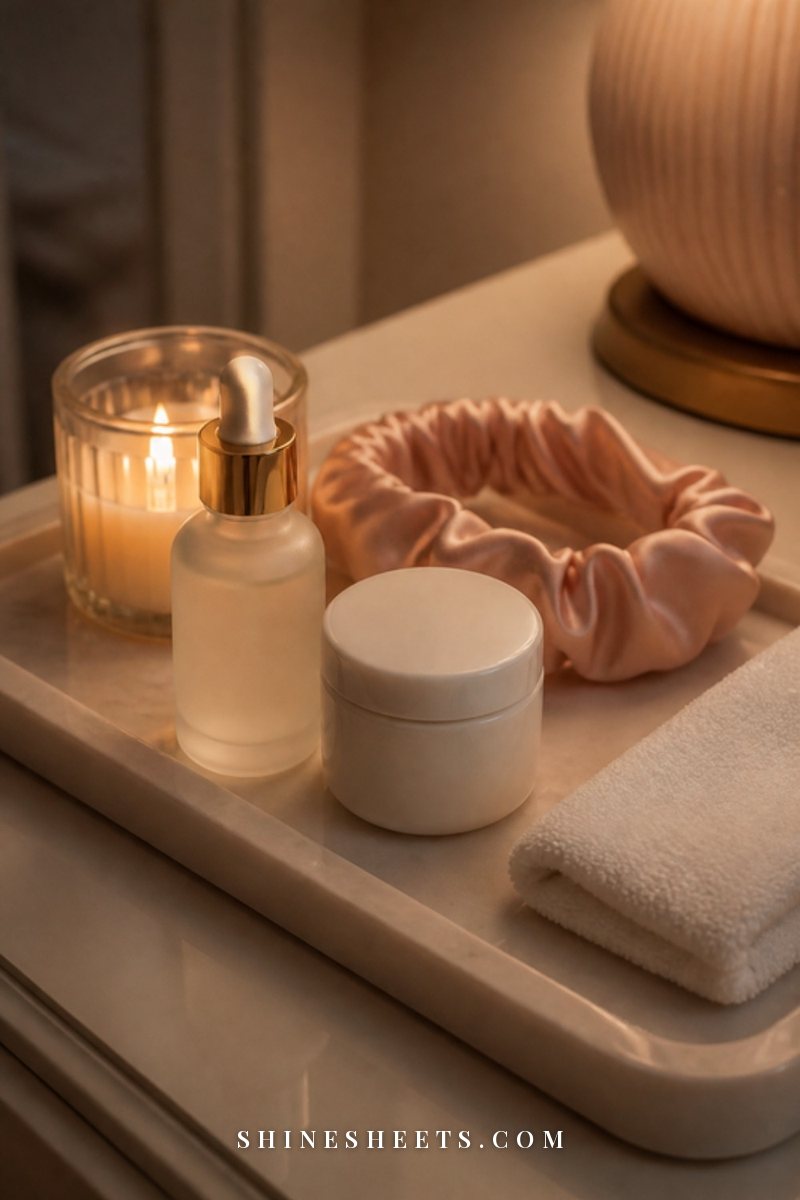
Here's a calm, beginner-friendly routine you can adjust to your skin.
Morning
- Gentle cleanser or a splash of lukewarm water
- Vitamin C serum (optional)
- Tranexamic acid serum
- Moisturizer
- Broad-spectrum sunscreen SPF 30 or higher
Evening
- Gentle cleanser (double cleanse if you wore sunscreen or makeup)
- Tranexamic acid serum
- Niacinamide serum or azelaic acid (choose one to start)
- Ceramide moisturizer
Add a retinoid or exfoliant only after a month of this routine feels comfortable, and only a few nights a week at first. Introducing everything at once makes it impossible to know what's working (or what's irritating).
Common Mistakes That Slow Your Progress
Most "this didn't work for me" stories come down to a few small, fixable habits:
- Stopping too soon. Four weeks is rarely enough. Give a formula at least eight to twelve weeks before you decide.
- Spot-treating only. Pigment often sits under skin that looks clear, so apply a thin layer over the whole area.
- Skipping sunscreen on "indoor" days. Window light still reaches your skin, and one sunny weekend can set you back.
- Picking at breakouts. Every squeezed pimple is a fresh invitation for a new dark mark. A clear hydrocolloid patch is a kinder choice.
- Adding five actives at once. Irritation creates new pigment, especially on deeper skin tones. Slow and steady really is faster here.
- Scrubbing hard. Rough washcloths and gritty scrubs inflame the skin. Gentle hands, lukewarm water, soft towel.
Who Should Be Careful
Topical tranexamic acid is considered gentle, but a little caution goes a long way:
- Very sensitive or reactive skin: patch test and start once daily. React to the formula, not just the ingredient, since fragrance and alcohol are common culprits.
- Pregnant or breastfeeding: check with your doctor before adding any new active ingredient.
- Broken, sunburned or freshly treated skin: wait until it's fully healed. After professional treatments like peels or lasers, follow your provider's aftercare plan.
- Medical history: if you have a history of blood clots or take medication that affects clotting, mention it to your doctor before using it, just to be safe.
- Any spot that's changing: see a doctor first. Never treat a suspicious mole or lesion as a cosmetic dark spot.
If you notice burning, swelling, hives or a rash, rinse it off, stop using it and talk to a pharmacist or doctor.
A Note on Oral Tranexamic Acid
You may see people online talking about tranexamic acid tablets for melasma. Oral tranexamic acid is a prescription medicine with real risks for some people, and it's only appropriate under the care of a doctor who knows your full health history. It's not something to order online or take on your own. If your melasma isn't responding to topical care and sunscreen, a dermatologist is the right person to talk to about every option, including whether this one is suitable for you.
Final Thoughts
Tranexamic acid isn't flashy, and that's exactly what makes it so useful. It's gentle, it works well with almost everything, and it quietly calms the signals behind so many stubborn marks. Pair it with daily sunscreen, a kind cleanser and a good moisturizer, and give it a full three months.
Dark spots fade slowly, but they do fade. Every gentle, consistent morning is a step toward skin that looks clearer and more even, and that feels like yours again.