Dark spots don't fade because you attack them. They fade because you stop giving them reasons to come back, and then you give your skin a steady, gentle nudge in the right direction for a few months. That's the whole secret, and it's a lot kinder (and cheaper) than most of what gets sold as a quick fix.
The tricky part is that "dark spot" is an umbrella term. A freckle-like sun spot, a pink-brown mark left behind by a breakout and a soft patch of melasma across your cheeks all look a bit similar in the mirror, but they don't respond to the same things in the same way. It took me a while to understand that my post-breakout marks needed calm, not more scrubbing.
This guide covers how to fade dark spots on your face gently: the main types of spots, why sunscreen comes before any serum, the brightening ingredients that actually have good evidence behind them, how to combine them without irritation, an ingredient match table you can screenshot, a simple routine for sensitive skin and a realistic timeline so you know what to expect.
Be patient with your skin. It's been doing its best.
What Actually Causes Dark Spots
Every dark spot starts the same way: something tells your pigment cells (melanocytes) to make extra melanin, and that melanin collects in one area instead of spreading evenly. The trigger is what changes, and the trigger is what decides which approach works best.
Sun Spots
Sun spots (also called solar lentigines or age spots) are flat, tan to brown spots with fairly clear edges. They show up where the sun hits most: cheekbones, forehead, nose, the backs of your hands. They're the result of years of UV exposure, so they tend to appear gradually and darken every summer.
They're usually the most stubborn type to fade at home, because the pigment can sit a little deeper and the cause has been building for a long time. Consistent sunscreen plus vitamin C, retinoids and exfoliating acids can soften them noticeably, though very defined spots often need an in-office treatment to disappear completely.
Post-Acne Marks
These are the flat marks left after a breakout heals. Doctors call the brown ones post-inflammatory hyperpigmentation (PIH), and they're especially common in medium and deeper skin tones. Pink or red marks are slightly different (that's leftover redness from inflammation, not pigment), and they respond best to calming, barrier-friendly care.
The good news: post-acne marks are usually the quickest to fade, often within a few months, especially once new breakouts stop adding to the collection. If you're dealing with raised or indented scars instead of flat marks, that's a different topic, and my guide on how to minimize acne scars walks through those options.
Melasma
Melasma looks like larger, blotchy, symmetrical patches, often on the cheeks, upper lip, forehead or chin. It's strongly linked to hormones (pregnancy, birth control, hormone changes), heat and visible light, not just UV, and it tends to come back easily.
Please treat melasma with extra care. Harsh treatments can actually make it darker, and it often needs a long-term plan from a dermatologist. The gentle ingredients in this article (especially azelaic acid, tranexamic acid and tinted mineral sunscreen) are commonly part of melasma routines, but a professional diagnosis first will save you a lot of frustration.
Why Sunscreen Is Step One
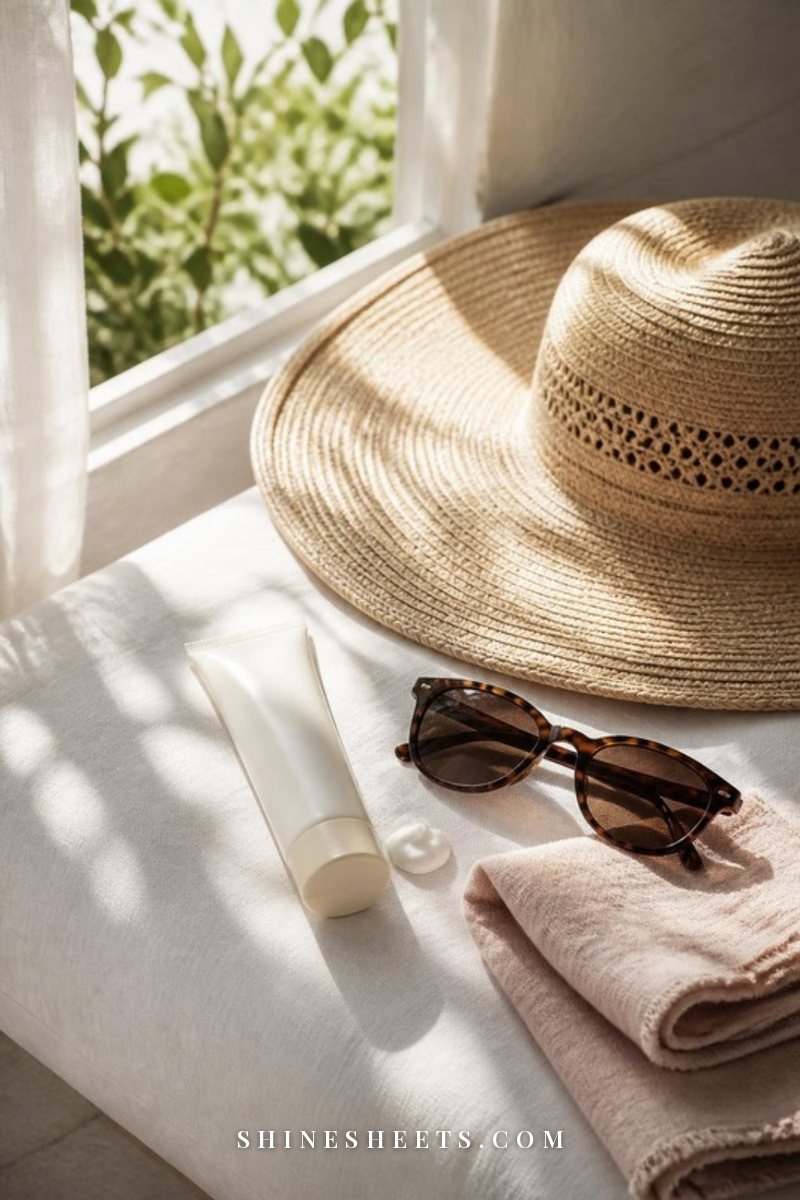
Here's the part nobody wants to hear: no serum can out-brighten daily sun exposure. UV light is the number one signal that tells your skin to make more pigment, so every unprotected afternoon quietly undoes weeks of careful work. Brightening serums without sunscreen are like mopping the floor with the tap still running.
What actually helps:
- Use SPF 30 or higher every single morning, including cloudy days and days you mostly stay inside near windows.
- Use enough. About a quarter teaspoon for your face (the classic "two finger lengths" trick works well) is what gets you close to the protection on the label.
- Reapply every two hours when you're outdoors, and after sweating or swimming.
- Consider a tinted formula if you're dealing with melasma, because the iron oxides in tinted sunscreens help block visible light too.
- Add shade. A wide-brim hat and sunglasses protect the cheekbones and the delicate skin around your eyes, where sun spots love to settle.
For sensitive skin like mine, a mineral formula with zinc oxide and titanium dioxide is usually the calmest choice. Look for a lightweight, non-greasy texture and an SPF of 50 if you're actively fading spots, something like this mineral face sunscreen SPF 50.
7 Gentle Brightening Ingredients That Actually Work
You don't need all seven of these. Most people do beautifully with one morning ingredient and one evening ingredient. Read through, notice which ones match your spot type and your skin's mood, and start small.
1. Vitamin C
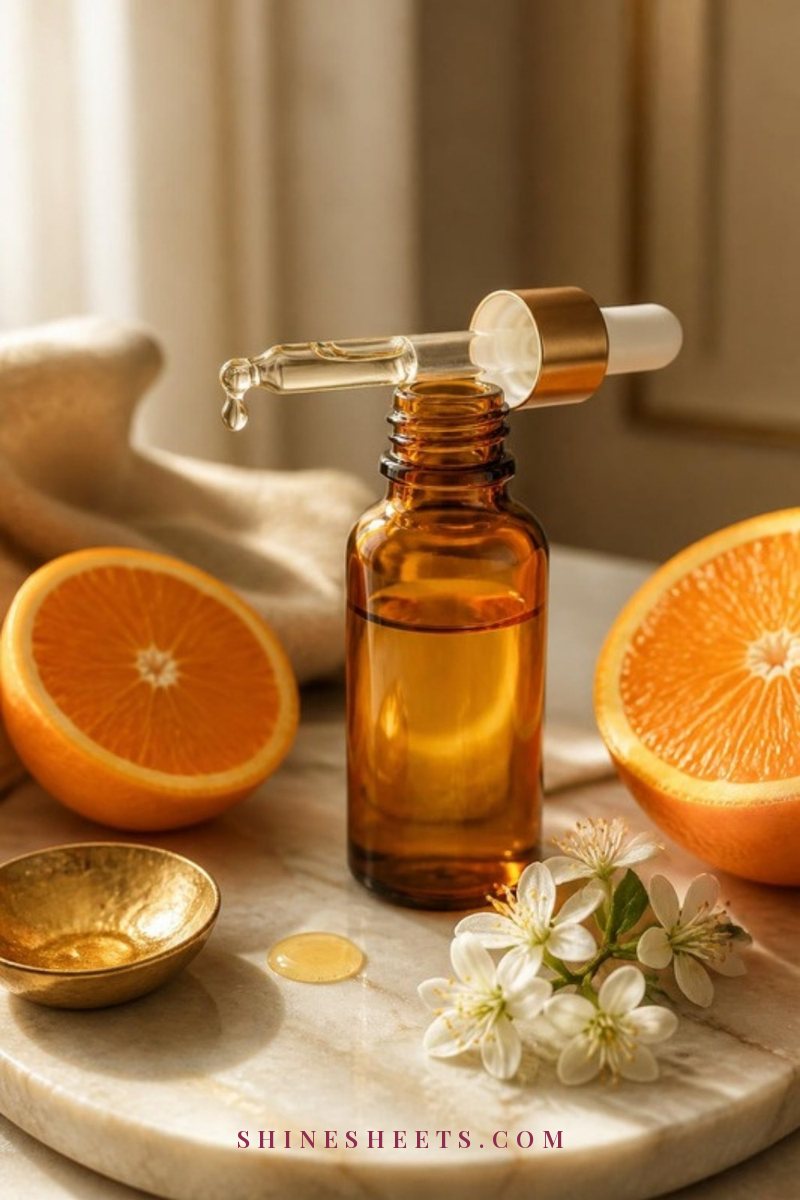
Vitamin C is the classic morning brightener. It's an antioxidant that helps protect skin from sun-related damage (it boosts your sunscreen rather than replacing it) and gently slows down pigment production, so it's a great fit for sun spots and dullness.
How to use it: a few drops in the morning after cleansing, before moisturizer and SPF. Pure L-ascorbic acid at 10–20% is the most studied form, but it can sting sensitive skin. If you're easily irritated, look for gentler derivatives like ascorbyl glucoside or sodium ascorbyl phosphate, or start at a lower strength. A brightening vitamin C serum in dark or opaque packaging stays fresh longer. My full vitamin C serum guide covers who it really suits.
2. Niacinamide
Niacinamide (vitamin B3) is the peacemaker of the brightening world. It helps reduce the transfer of pigment to the surface of your skin, supports your skin barrier, calms redness and balances oil, which makes it a lovely choice for combination, sensitive and breakout-prone skin.
How to use it: morning or evening, after cleansing. You really don't need a high percentage: 4–5% is the sweet spot for most people, and 10% can feel tingly on sensitive skin. A simple niacinamide serum layers nicely under almost anything. I explain more in my niacinamide guide.
3. Azelaic Acid
Azelaic acid is one of the most underrated ingredients for dark spots. It calms inflammation, helps with breakouts and redness, and slows down overactive pigment cells, which is why dermatologists often reach for it for post-acne marks, rosacea-prone skin and melasma.
How to use it: over-the-counter formulas usually sit around 10%, while prescription versions go to 15–20%. Apply a thin layer once a day (evening is easiest), and expect a little tingling for the first week or two. A lightweight 10% azelaic acid cream is a gentle starting point. Read more about why I think azelaic acid is so good for skin.
4. Tranexamic Acid
Tranexamic acid is the newer kid on the block in skincare, and it's especially promising for stubborn, hormone-related pigmentation like melasma. It interferes with some of the signals that switch pigment production on, and it's generally very well tolerated, even by reactive skin.
How to use it: look for topical serums around 2–5%, used once or twice a day. It pairs well with niacinamide and vitamin C, which is why you'll often see them in the same formula. A tranexamic acid serum is a good pick if your spots seem to darken with heat or hormones.
5. Retinoids
Retinoids (retinol, retinal, adapalene and prescription tretinoin) speed up cell turnover, so pigmented cells reach the surface and shed faster. They also help with breakouts, texture and fine lines, which is why they're often part of a long-term plan.
How to use it: evening only, a pea-sized amount, two or three nights a week to start. Retinoids can cause dryness and peeling at first, and irritation itself can trigger new dark marks in deeper skin tones, so slow is the whole point. My retinol for beginners plan has a week-by-week schedule. Skip retinoids if you're pregnant or trying to conceive, and check with your doctor.
6. AHAs (Glycolic, Lactic and Mandelic Acid)
Alpha hydroxy acids loosen the bonds between dead skin cells so they shed more evenly, which brings fresher, more even skin to the surface and helps other brightening ingredients absorb. Glycolic acid is the strongest, lactic acid is gentler and more hydrating, and mandelic acid is the softest of the three.
How to use it: one to three evenings a week, never on the same night as a retinoid. Sensitive skin usually does best with lactic or mandelic acid at 5–10%. AHAs make skin more sun-sensitive, which is one more reason the sunscreen step isn't optional.
7. Alpha Arbutin and Licorice Root
These two are gentle, plant-derived helpers that slow down the enzyme your skin uses to make melanin. They're not as powerful as the heavy hitters above, but they're great supporting players, especially if your skin doesn't tolerate acids or retinoids yet.
How to use it: you'll usually find them already blended into brightening serums and essences (popular in Korean skincare), so check the ingredient list of products you already own before buying something new. They're safe to use morning and evening.
The Dark Spot Ingredient Match Table
This is the part I'd screenshot. Find your spot type in the first column, then pick one or two ingredients from that row. The "patience time" is roughly how long it usually takes to see a visible difference with consistent use and daily sunscreen.
| Spot type | Best-match ingredients | When to use | Patience time |
|---|---|---|---|
| Sun spots | Vitamin C + retinoid | Vitamin C AM, retinoid PM | 12–16 weeks |
| Sun spots on sensitive skin | Vitamin C derivative + lactic acid | Vitamin C AM, lactic acid 2 PMs a week | 12–16 weeks |
| Brown post-acne marks | Azelaic acid + niacinamide | Niacinamide AM, azelaic acid PM | 8–12 weeks |
| Pink or red post-acne marks | Niacinamide + barrier care | AM and PM | 6–12 weeks |
| Melasma (after a doctor's check) | Tranexamic acid + azelaic acid + tinted mineral SPF | Tranexamic acid AM and PM, azelaic acid PM | 12 weeks to several months |
| General dullness and uneven tone | Niacinamide + mandelic or lactic acid | Niacinamide AM, acid 1–2 PMs a week | 6–8 weeks |
| Dark spots plus breakouts | Azelaic acid or adapalene + niacinamide | Niacinamide AM, azelaic acid or adapalene PM | 8–12 weeks |
A little note on reading this table: if a row lists two ingredients, they're meant to be split between morning and evening, not piled on at once. And the patience time starts from the day you stop picking and start wearing sunscreen daily, not the day you buy the serum.
How To Combine Brightening Ingredients Without Irritation
Irritation is the enemy of fading dark spots. Every time your skin gets red, stingy or inflamed, it can respond by making more pigment, especially in medium and deep skin tones. Gentle and consistent always beats strong and sporadic.
My simple formula: one antioxidant in the morning + one active in the evening + moisturizer and sunscreen always. That's it. Everything else is optional.
A few pairing rules that keep things calm:
- Vitamin C and niacinamide can be used together. The old warning about them canceling each other out doesn't really hold up with modern formulas. If your skin flushes, simply use them at different times of day.
- Retinoids and AHAs should live on different nights. Using both at once is the most common reason routines go wrong.
- Azelaic acid plays well with niacinamide and tranexamic acid, and can be alternated with a retinoid.
- Add one new product at a time and wait two weeks before adding another, so you know exactly what your skin is reacting to.
- Patch test first. Apply a small amount along your jawline for three evenings before using it on your whole face.
If your skin starts to sting with plain moisturizer, feels tight all day or looks shiny and raw, pause every active for a week and go back to cleanser, moisturizer and SPF. Your skin barrier needs to recover before it can do any fading.
A Gentle Dark Spot Routine for Sensitive Skin
My skin is combination and sensitive (shiny T-zone, easily irritated cheeks), so this is the kind of routine I'd build for skin like mine. It's deliberately short. You can always add later; it's much harder to calm skin that's already upset.
Morning Routine
- Cleanse gently. Lukewarm water or a soft, non-foaming cleanser. A gentle hydrating cleanser that leaves your skin comfortable, not squeaky, is ideal.
- Brightening serum. Vitamin C (or a gentle derivative) or niacinamide. Let it sink in for a minute.
- Moisturizer. A simple, fragrance-free cream or gel cream, depending on how oily you get.
- Sunscreen. Mineral SPF 50, two finger lengths, all the way to your hairline and ears.
Evening Routine
- Cleanse. If you wore sunscreen or makeup, a gentle first cleanse with a cleansing balm or oil helps, followed by your regular cleanser.
- Treatment. Your one evening active: azelaic acid, a retinoid or an AHA, depending on the night (see the weekly rhythm below).
- Moisturizer. A slightly richer cream at night helps your skin barrier recover.
The Weekly Rhythm
Here's how the evenings might look once your skin is used to everything (start with only one active for the first month):
- Monday, Wednesday, Friday: azelaic acid or retinoid.
- Tuesday: gentle AHA (lactic or mandelic acid), only if your skin feels calm.
- Thursday, Saturday, Sunday: rest nights with just cleanser and moisturizer.
Rest nights are not lazy nights. They're when your skin repairs, and they're a big part of why the routine works long term. I like to pair them with an evening tea and a few minutes of journaling; skin care can be part of winding down rather than another chore.
How Long Does It Take To Fade Dark Spots?
The honest answer: longer than any ad suggests. Your skin renews itself roughly every four to six weeks (a bit slower as we get older), and pigment that sits deeper takes several cycles to work its way out. Most people need 8 to 12 weeks of consistent care to see a real difference, and stubborn sun spots or melasma can take several months.
Here's a realistic timeline:
- Weeks 1–2: your skin adjusts to new ingredients. You might notice a little tingling or dryness, but no visible fading yet. That's normal.
- Weeks 3–6: overall tone often looks a bit brighter and more even. Newer, lighter post-acne marks may start to soften.
- Weeks 8–12: this is when most people see a clear difference in post-acne marks and early sun spots.
- Months 3–6: deeper sun spots and melasma patches gradually lighten, as long as sun protection stays consistent.
Take a photo in the same spot by the same window once every two weeks. Day-to-day changes are too small to notice in the mirror, but side-by-side photos will show you progress you'd otherwise miss, and that's often the thing that keeps you going.
6 Things To Avoid When Fading Dark Spots
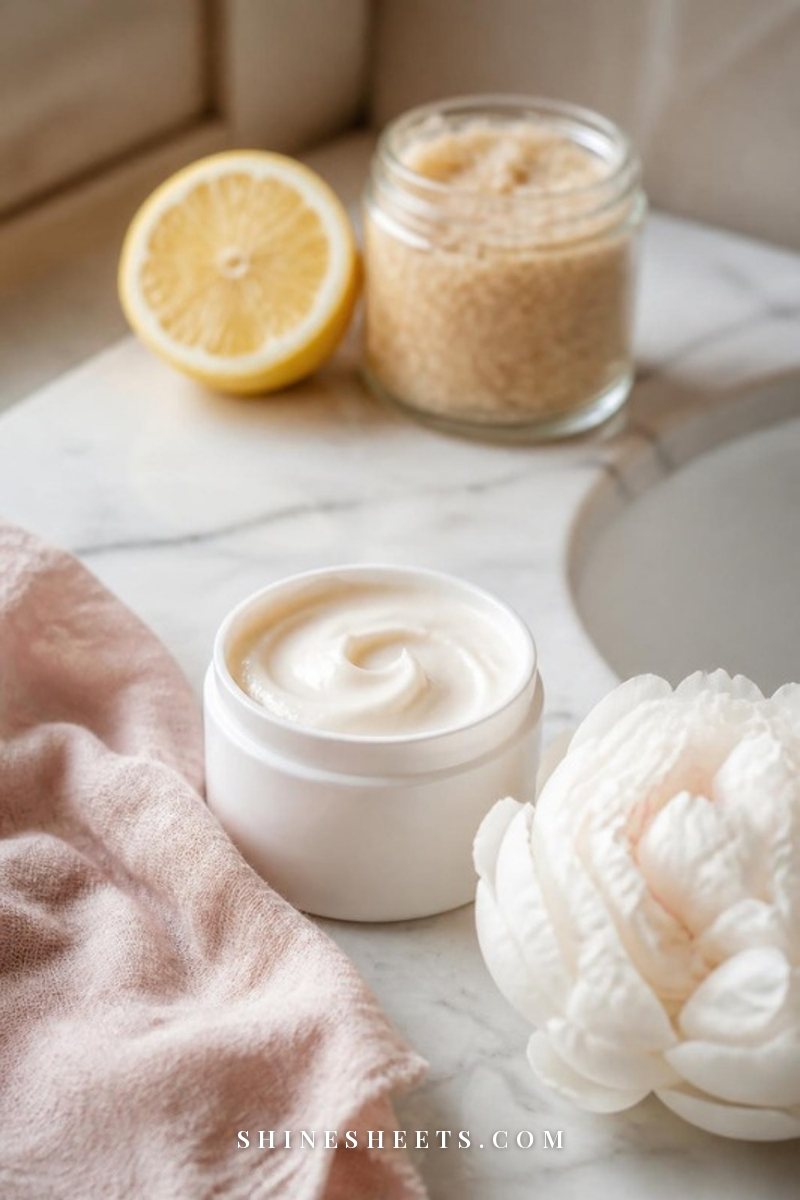
Sometimes the fastest way to fade spots is to stop doing the things that make them darker. These are the most common ones.
1. Lemon Juice and Other Kitchen Remedies
Lemon juice is very acidic and contains compounds that can react with sunlight and cause burns and even more pigmentation. The same goes for baking soda, toothpaste and undiluted vinegar. If you've been wondering about essential oils, I've also looked into whether you can use tea tree oil for dark spots (short version: there are much better options).
2. Harsh Scrubs
Gritty scrubs with crushed shells or large sugar crystals create tiny tears and inflammation, and inflammation is exactly what triggers new pigment. Gentle chemical exfoliation a few times a week is far kinder.
3. Picking and Squeezing
This is the big one. Every picked pimple is a future dark spot that will take months to fade. If you can't resist, put a hydrocolloid patch on the breakout so your fingers can't reach it.
4. Too Many Actives at Once
Vitamin C, a retinoid, two acids and a peeling mask in the same week is a recipe for a damaged barrier. Pick one or two, give them three months and let them do their job.
5. Skipping Sunscreen "Just Today"
One sunny weekend without protection can visibly darken spots you've been fading for weeks. Keep a small sunscreen in your bag so "I forgot" isn't an option.
6. Unregulated Bleaching Creams
Some creams sold online contain high-dose hydroquinone, steroids or even mercury without proper labeling. They can cause serious skin damage. If you're interested in hydroquinone, talk to a dermatologist, who can prescribe it safely and monitor how your skin responds.
When To See a Dermatologist
Most dark spots are harmless, but it's always worth having new or changing spots looked at. Please see a doctor or dermatologist if a spot:
- is new and appeared quickly, especially after your twenties,
- changes in size, shape or color,
- has uneven edges or several colors,
- itches, bleeds or doesn't heal,
- looks different from all your other spots.
A dermatologist can also help if you've been consistent for three or four months and nothing is changing, or if you suspect melasma. They have options like prescription creams, chemical peels and laser treatments that go further than home care, and they can tell you which ones are safe for your skin tone. This article is general information, not medical advice, and it doesn't replace a professional skin check.
Final Thoughts
Learning how to fade dark spots is mostly learning to be patient and gentle with your face. Sunscreen every morning, one or two well-chosen ingredients, no picking and a few months of quiet consistency will do more than any harsh treatment ever could.
Your skin isn't a problem to fix. It's simply carrying a little history, and with time and care, it will soften. Be kind to it, and be kind to yourself while you wait.