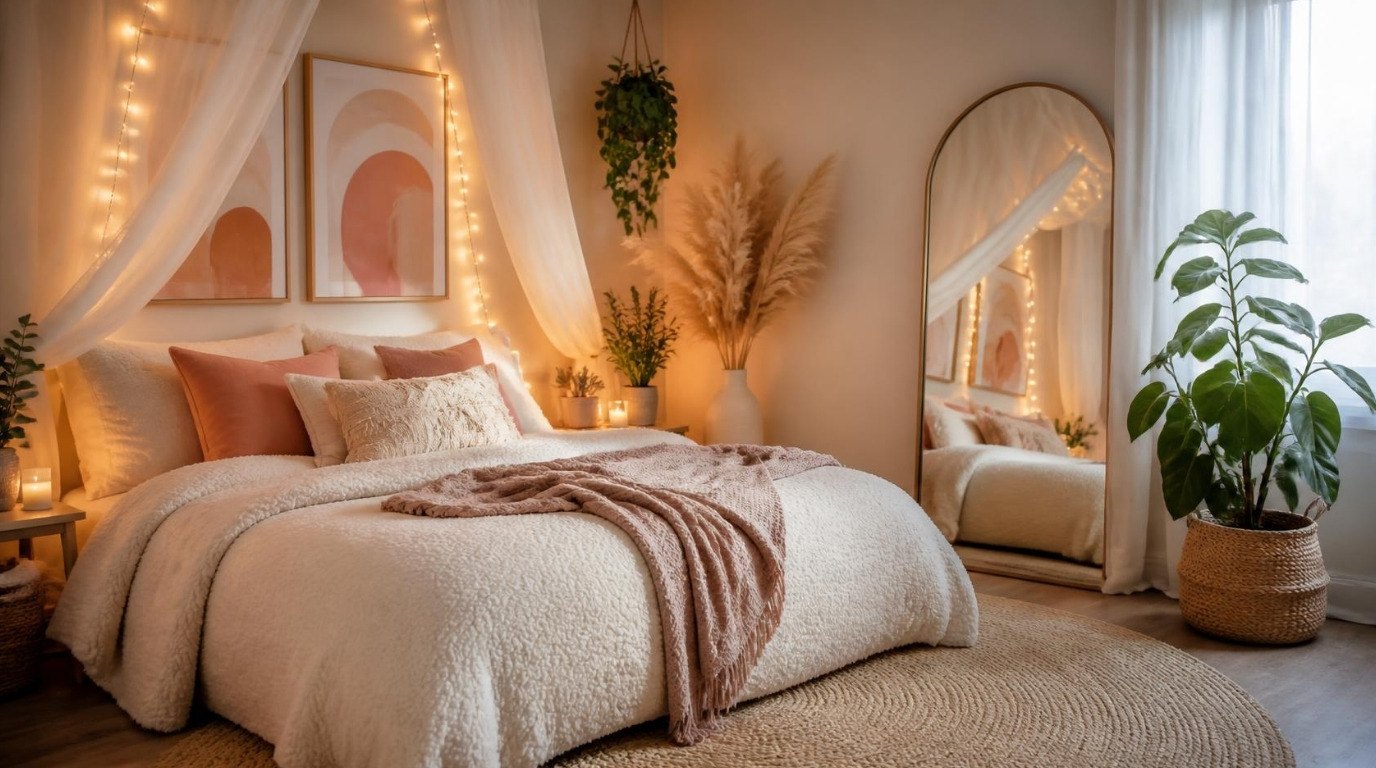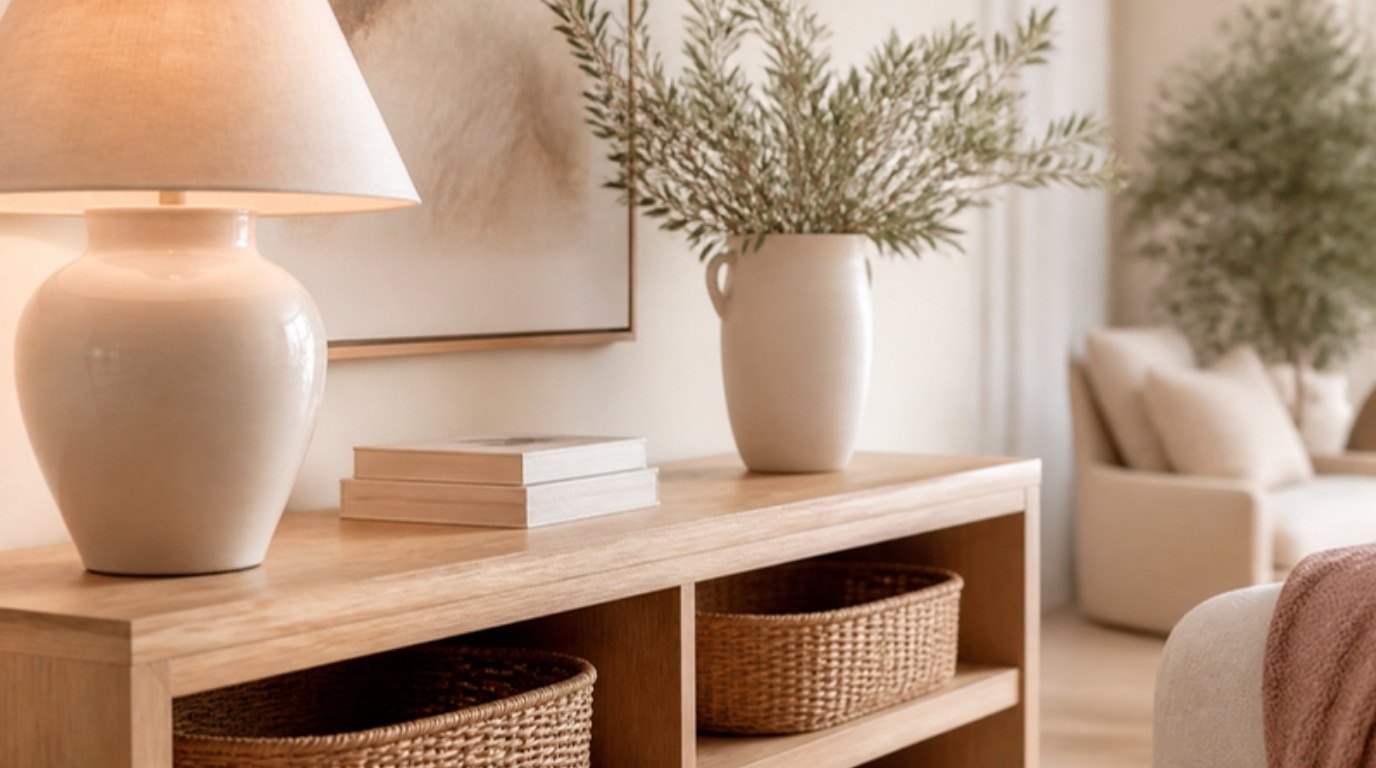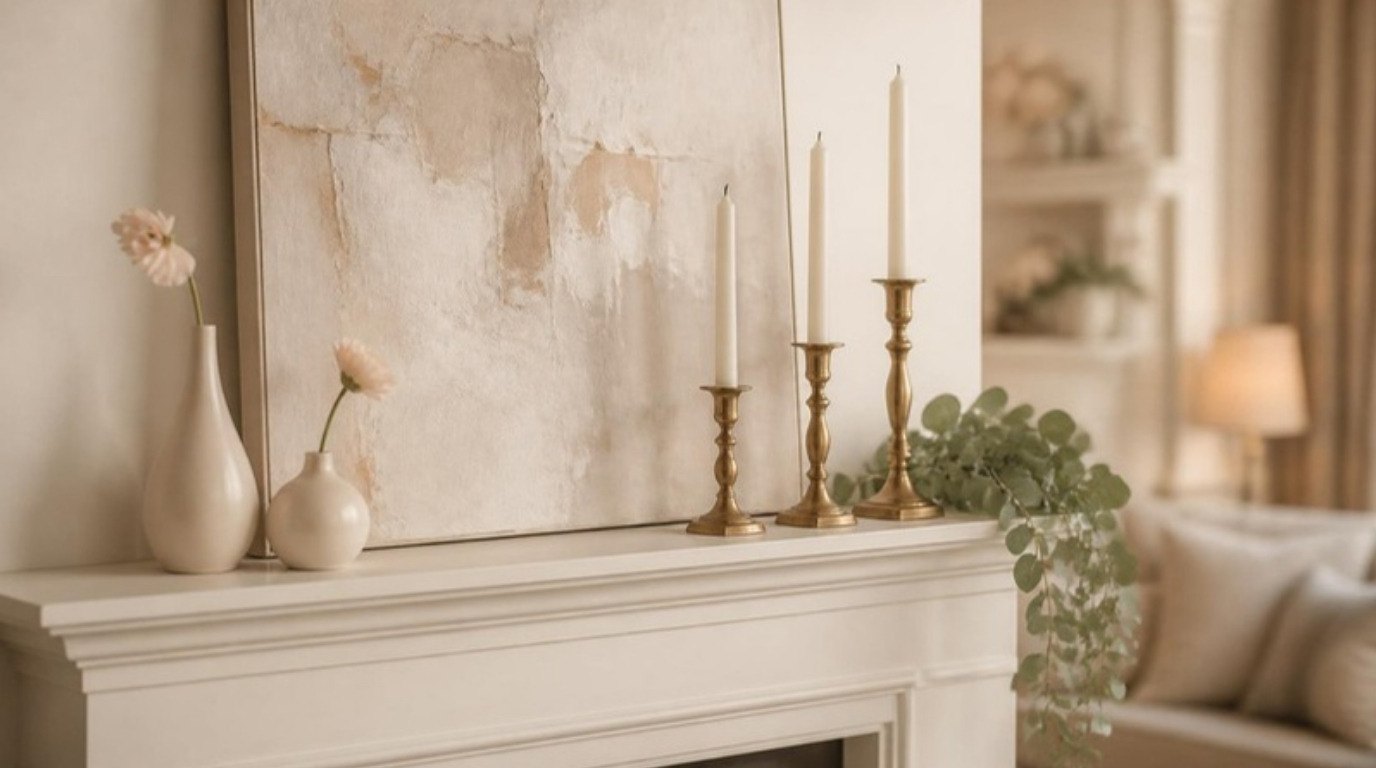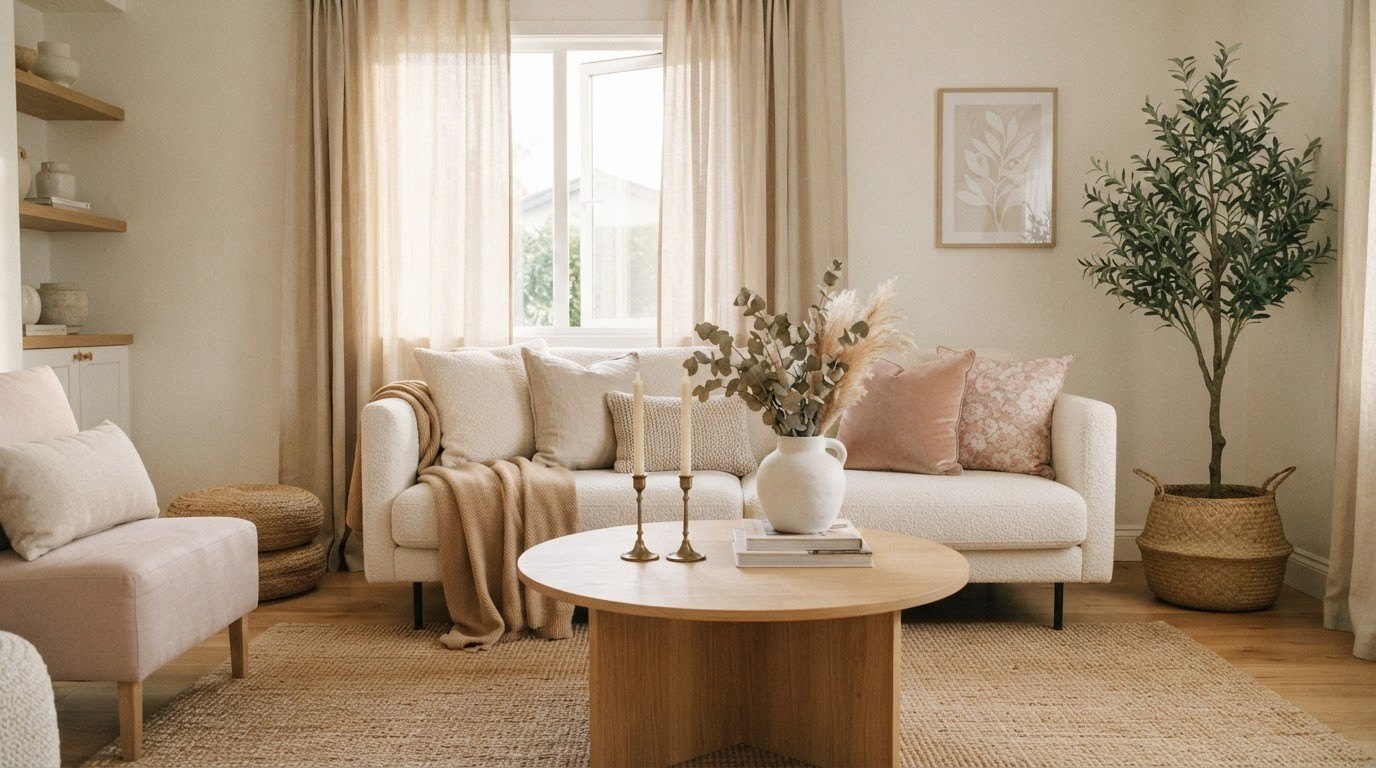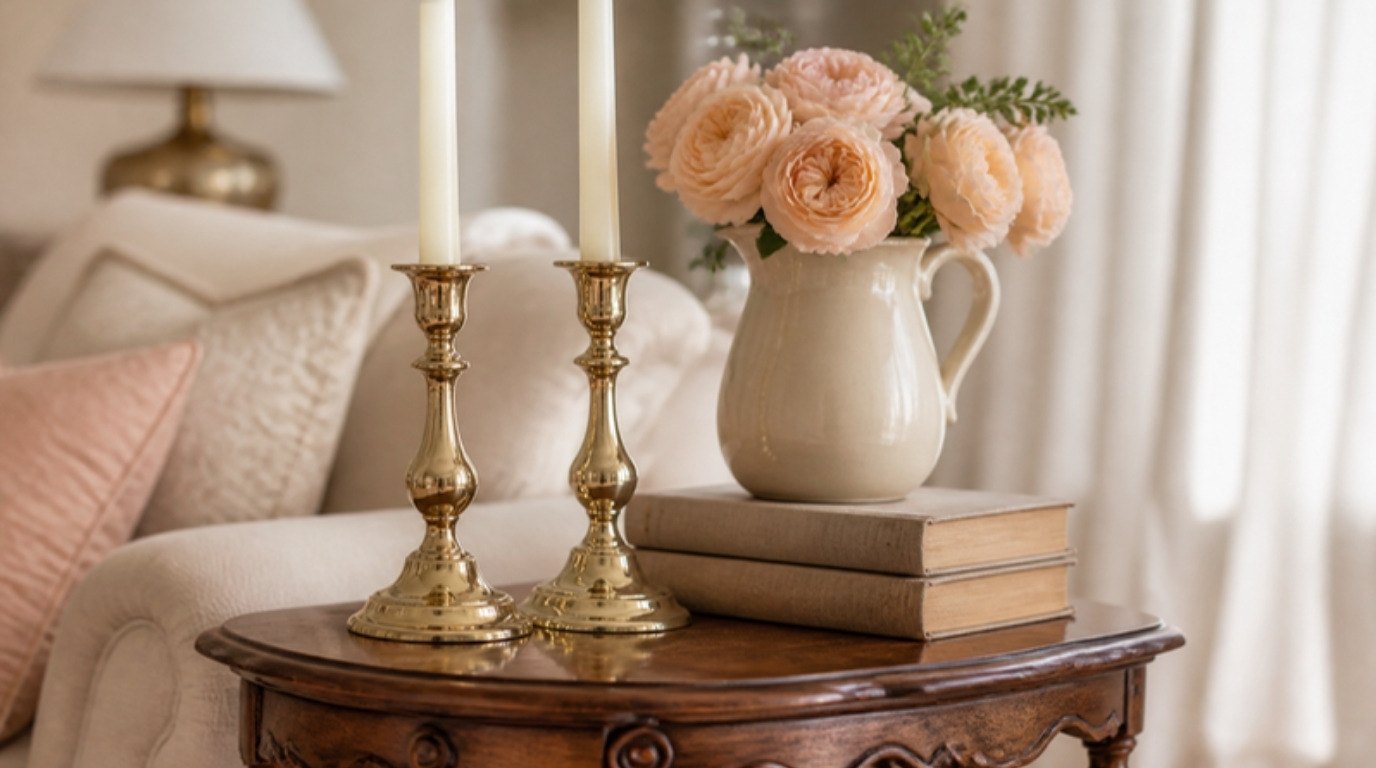
The rooms that feel most personal are rarely bought in one weekend from one store. They are gathered slowly: a brass candlestick from a church sale, a stack of linen napkins from an estate sale, a little oak side table someone else no longer needed. Thrifted and vintage pieces give a home the one thing new furniture can't – a sense that it has a story.
The trick is knowing what to bring home and what to leave on the shelf. A few well-chosen secondhand finds make a room look collected and warm. Too many random ones make it look like a storage unit. The difference is a little bit of editing, a good clean and a simple color plan.
This guide shows you how to decorate with thrifted finds step by step: where to look, what's worth buying, what to skip, a quick buy / check / skip table, how to clean and refresh each type of piece, how to mix old with new, styling ideas room by room and how to keep it all looking like one calm home. It's one of my favorite ways to decorate, because it rewards patience instead of a big budget.
Why Thrifted Finds Make a Home Feel Collected
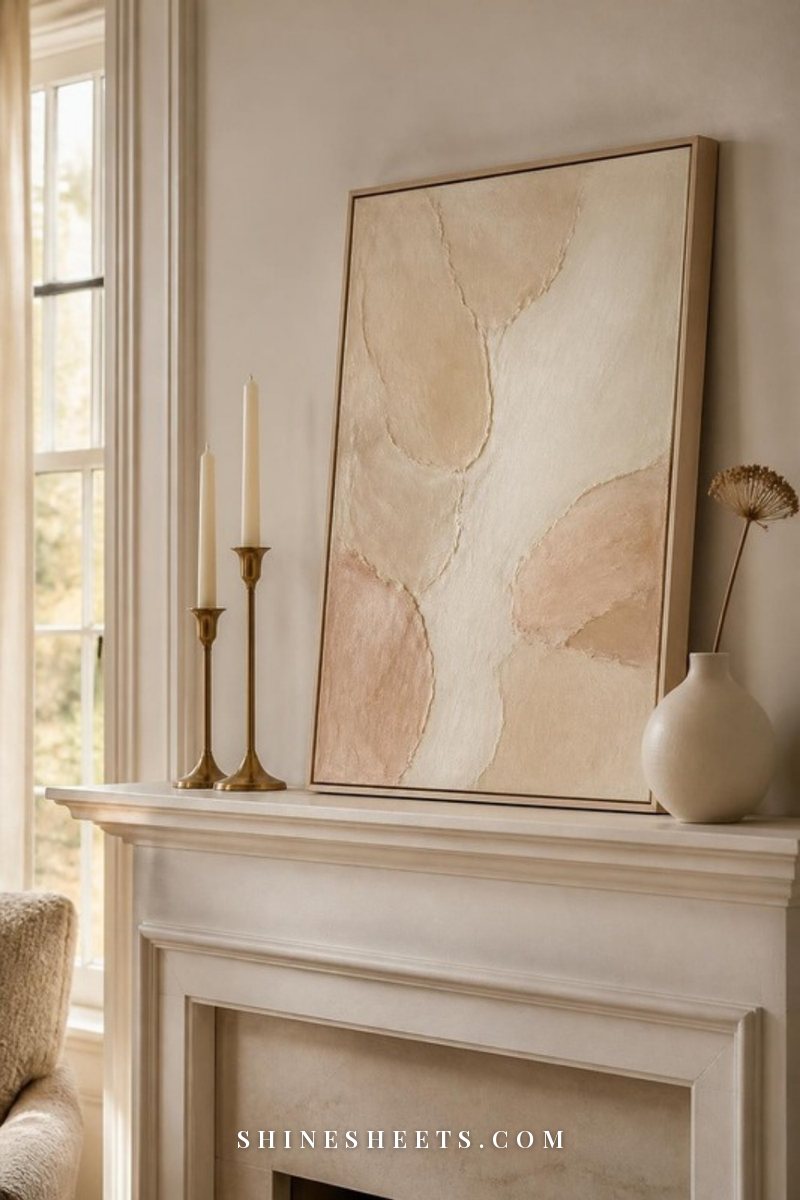
New pieces are lovely, but when everything in a room came from the same few stores in the same season, it can feel a little like a showroom. Older pieces bring variety you can't order: a patina on brass, softened edges on wood, glaze that isn't perfectly even, linen that has been washed a hundred times.
They are also usually better made. Solid wood dressers, heavy ceramic lamps and real brass hardware were often built to last decades, and they still cost less secondhand than flat-pack versions cost new. And there's the quiet bonus: every piece you rescue is one less thing heading to a landfill.
The goal isn't a home that looks like an antique shop. It's a home where a few older things sit happily next to your newer ones, so the whole space feels lived-in and personal. If you love that soft, layered look, my guide to French country decor ideas is built almost entirely on this mix.
Where To Look for Secondhand Treasures
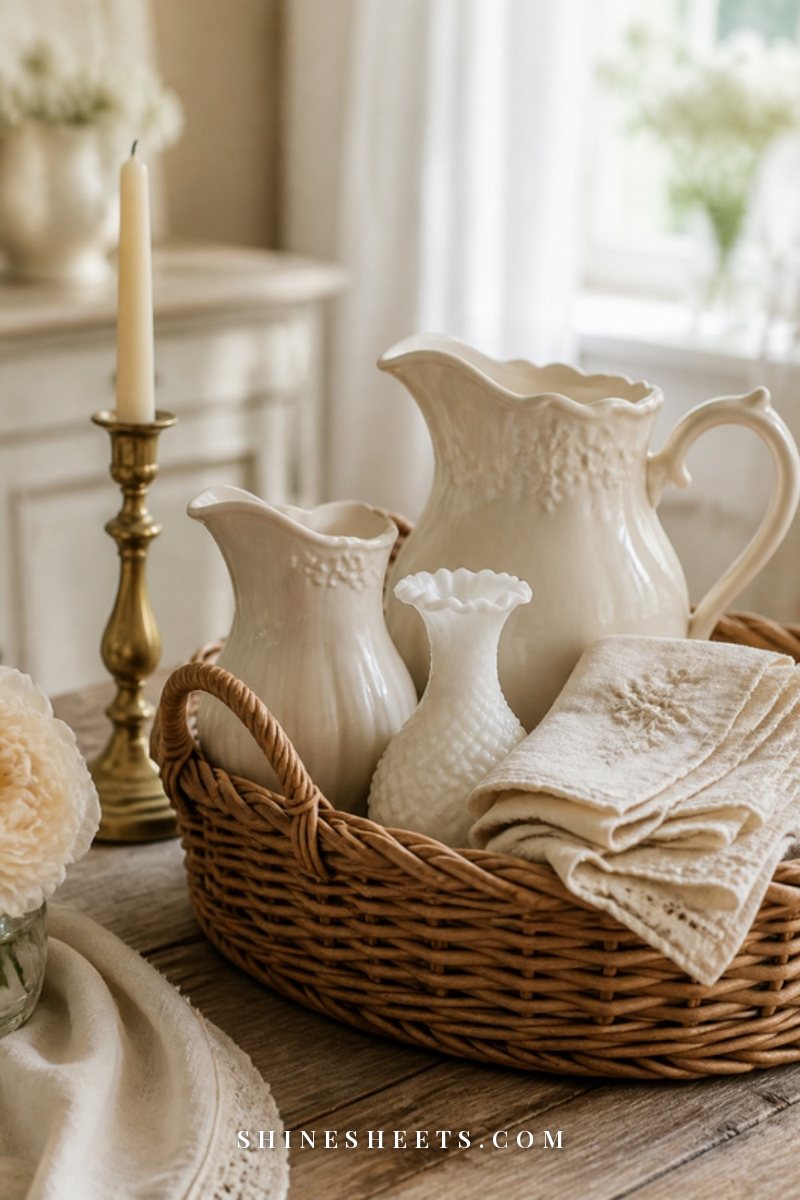
Each place has its own rhythm, prices and kind of treasure. It helps to know what to expect before you go, so you don't spend a Saturday wandering with no plan.
Thrift Stores
Charity thrift stores are the best place for small decor: frames, vases, candlesticks, baskets, books and the odd lamp. Stock turns over fast, so short, frequent visits beat one long trip. Many stores put out new items on certain weekdays – ask the staff, they're usually happy to tell you. Go straight to the housewares shelves first, then the furniture corner, then the linens.
Estate Sales
Estate sales are where you find whole households of well-made pieces: solid wood furniture, real linens, full sets of glassware, brass and silver-plated pieces. The first morning has the best selection, and the last afternoon has the best prices (many sales drop to half price on the final day). Bring a tape measure, a tote bag and a photo of the spot you're shopping for.
Flea Markets and Antique Malls
Flea markets are more curated and a bit more expensive, but they're wonderful for statement pieces like a carved mirror frame, an old botanical print or a pair of ceramic lamps. Polite haggling is normal here. A friendly "Would you take a little less for it?" works better than a dramatic offer, and buying two items from the same seller gives you a natural reason to ask for a bundle price.
Online Marketplaces
Local online marketplaces are perfect for bigger furniture. Search with several words for the same thing ("dresser", "chest of drawers", "bureau"), and try terms like "solid wood", "oak" or "vintage" to filter out particleboard. Always ask for photos of the back and the drawers, meet in a public place or bring a friend for pickups, and check the measurements before you borrow a car.
What's Worth Buying: 10 Thrifted Finds To Grab
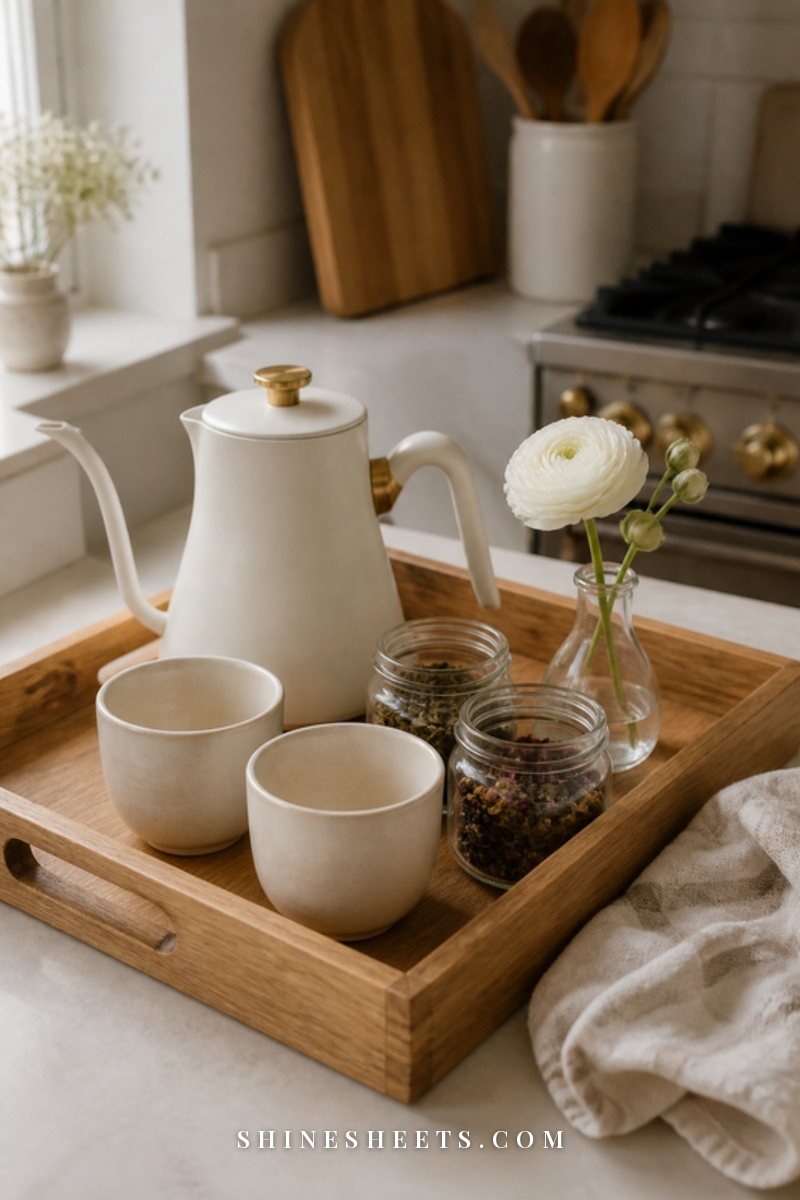
These are the categories where secondhand almost always beats new – in quality, in price or in charm.
- Solid wood furniture. Dressers, side tables, chairs and bookcases. Pull out a drawer: dovetail joints (interlocking "fingers" at the corners) and real wood on the drawer sides are good signs. A wobble is usually an easy fix; water rings often polish out.
- Brass. Candlesticks, trays, bowls, hooks and small frames. Tarnish is fine – it cleans up. Brass is solid and heavy; if a magnet sticks, it's plated steel (still pretty, just handle polishing more gently).
- Ceramics and pottery. Vases, pitchers, bowls and planters in cream, white or soft glazes. Run a finger around the rim to feel for chips, and check the base for hairline cracks if you plan to fill it with water.
- Picture frames. Often the frame alone is worth far more than the price tag. Gilded, wood or simple gold frames can hold your own prints, pressed flowers or a scrap of pretty fabric.
- Baskets. Wicker, rattan and seagrass baskets for blankets, magazines, plants and bathroom towels. Check that the weave isn't brittle or snapping.
- Linens. Tablecloths, embroidered napkins, pillowcases and tea towels in cotton or linen. Old linen is softer than new, and lace or embroidery adds that collected feel instantly.
- Books. Hardcovers with cloth spines in cream, sage, blush or faded blue are the easiest way to add warmth to a shelf. Remove worn dust jackets for a calmer look.
- Lamps. Ceramic, glass and brass lamp bases are thrift store classics. Treat the wiring as something to replace (more on that below), and budget for a new shade.
- Art. Small oil paintings, botanical prints, landscapes and even pretty embroidery. Don't love the art but love the frame? Keep the frame.
- Glassware and silver-plated pieces. Cut-glass bowls, small bud vases, silver-plated trays and sugar bowls for holding rings, cotton pads or matches.
If you only shop for three of these at first, I'd choose brass, ceramics and frames. They're small, inexpensive and they change a room the fastest.
What To Skip (and What To Check First)
Some secondhand items aren't worth the bargain. A few are worth buying only after a careful look.
- Upholstered furniture and mattresses. Sofas, armchairs and headboards can carry smells, mold and bed bugs. If you love a piece, check every seam and crevice with a flashlight for tiny dark spots or shed skins, smell the cushions closely and leave it if anything seems off.
- Cribs, car seats and other baby safety items. Safety standards change and older pieces may have been recalled. These are best bought new.
- Cracked glass and chipped ceramics for daily use. A small chip on a decorative vase is charming. A crack in a glass you drink from, or a bowl you plan to fill with water, is not.
- Old painted furniture you plan to sand. Paint on older pieces can contain lead. If you want to sand or strip it, use a lead test kit first and follow the EPA's lead safety guidance, or simply paint over it without sanding.
- Anything with a strong musty smell. Some smells air out. Deep mildew in particleboard usually doesn't.
- Pieces you'd have to "fix someday." Be honest with yourself. If it needs more than an afternoon of work, it may live in your garage forever.
A kind safety note on lamps: old lamps can have cracked cords, loose sockets or no polarized plug. Don't plug in a lamp with a frayed or stiff cord. Have it rewired by a lamp repair shop or an electrician before you use it – it's usually inexpensive and makes the piece safe for years.
The Buy, Check or Skip Table
Screenshot this before your next thrift trip. It's the quick version of everything above.
| Item | Verdict | What to check |
|---|---|---|
| Solid wood dresser or side table | Buy | Dovetail joints, drawers that slide, no deep water damage |
| Brass candlesticks, trays, hooks | Buy | Magnet test for solid brass, no wobbly bases |
| Ceramic vases and pitchers | Buy | Chips on the rim, hairline cracks on the base |
| Picture frames | Buy | Corners tight, glass intact, hanging hardware present |
| Linens and napkins | Buy | Stains you can live with, no holes along folds |
| Baskets | Buy | Weave not brittle, no musty smell |
| Vintage lamps | Check | Plan to rewire; inspect the cord and socket |
| Painted furniture | Check | Lead test before sanding; sturdy frame underneath |
| Upholstered chairs | Check | Seams for bed bugs, smell, sagging springs |
| Mattresses, cribs, car seats | Skip | Buy new for hygiene and safety |
| Cracked drinking glasses | Skip | Not safe for daily use |
| Particleboard with mildew | Skip | Smell rarely leaves; swells and crumbles |
How To Clean and Refresh Thrifted Pieces
Nearly everything you bring home deserves a gentle clean before it joins your room. It's also the moment a dusty find starts to look like it belongs to you.
Wood Furniture
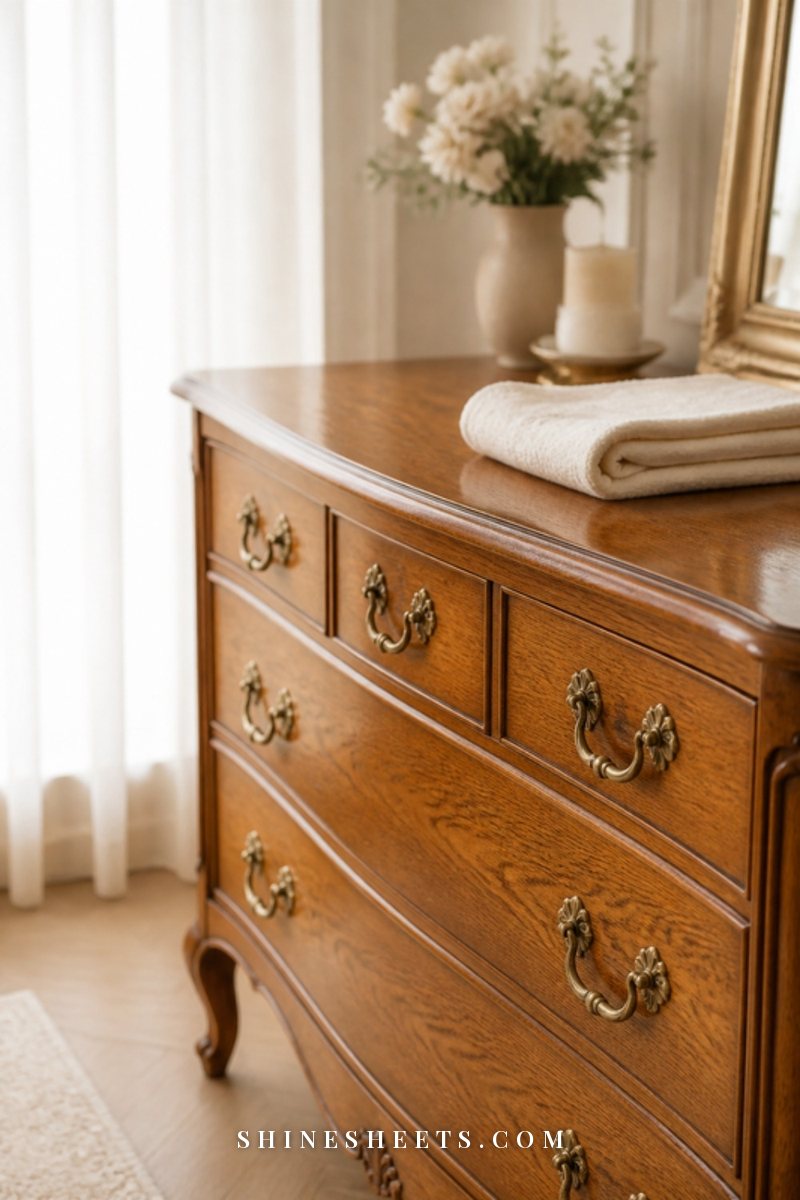
Start with a vacuum and a dry cloth to remove dust from corners and drawers. Then wipe the whole piece with a mild wood soap diluted in warm water (follow the bottle), using a damp – not wet – cloth, and dry it right away. Let it air out for a day with the drawers open.
Once it's dry, a beeswax wood polish brings back the warm glow and hides small scratches. Work in a thin layer with the grain, wait about 15–20 minutes, then buff with a clean cloth. Test any cleaner on the back of the piece first.
Musty drawers? Leave an open bowl of baking soda or a few pieces of charcoal inside for a week, and line them with fresh drawer paper. Stick felt furniture pads under the legs so your floors stay scratch-free.
Want a new color? A cream chalk-style furniture paint covers most surfaces with little prep: clean, scuff lightly (only if you've ruled out lead), then apply two thin coats and a clear wax or topcoat. A cream side table or a sage-painted chair is often all a room needs.
Brass and Metal
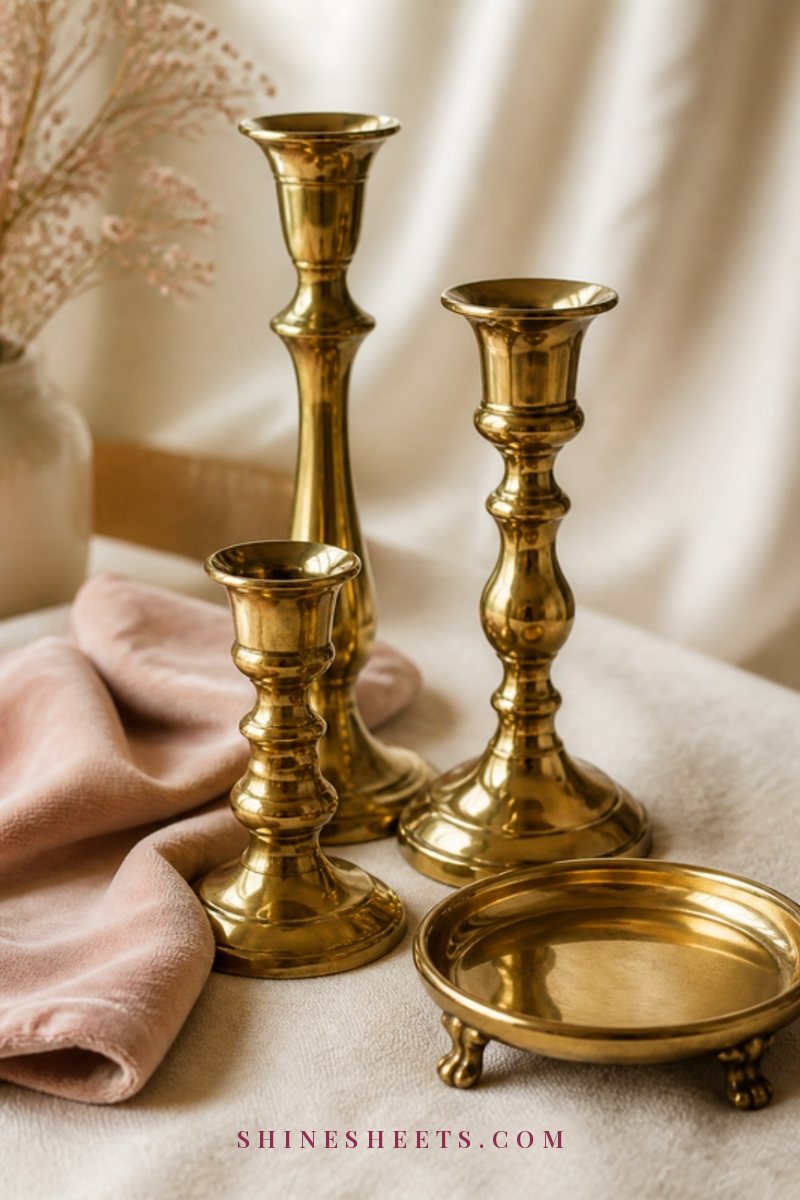
Wash brass in warm soapy water first, rinse and dry. For tarnish, a gentle brass polish applied with a soft cloth, rubbed in small circles, then buffed off, does the job in minutes. Decide how shiny you want it – many people love a little patina left in the details, and it looks more authentic.
Lacquered brass (it looks shiny but won't polish) only needs soap and water. Silver-plated pieces get a silver polish, and very gently, so you don't wear through the plating.
Linens and Textiles
Soak old linens in cool water with a little gentle detergent for a few hours, then wash on a delicate cycle. For yellowing, an oxygen-based whitener soak (never chlorine bleach on old lace) often brightens them. Dry flat or line-dry in the shade, and iron while slightly damp for that crisp vintage look.
Frames, Ceramics and Small Pieces
Ceramics and glass go in warm soapy water, never in the dishwasher if they're hand-painted or gilded. Frames get a dry dust, then a wipe with a barely damp cloth. To freshen a scuffed frame, paint it cream or touch it up with a gold leaf pen. A stack of soft microfiber cloths handles all of this without scratching.
How To Mix Old and New Without Looking Like a Shop
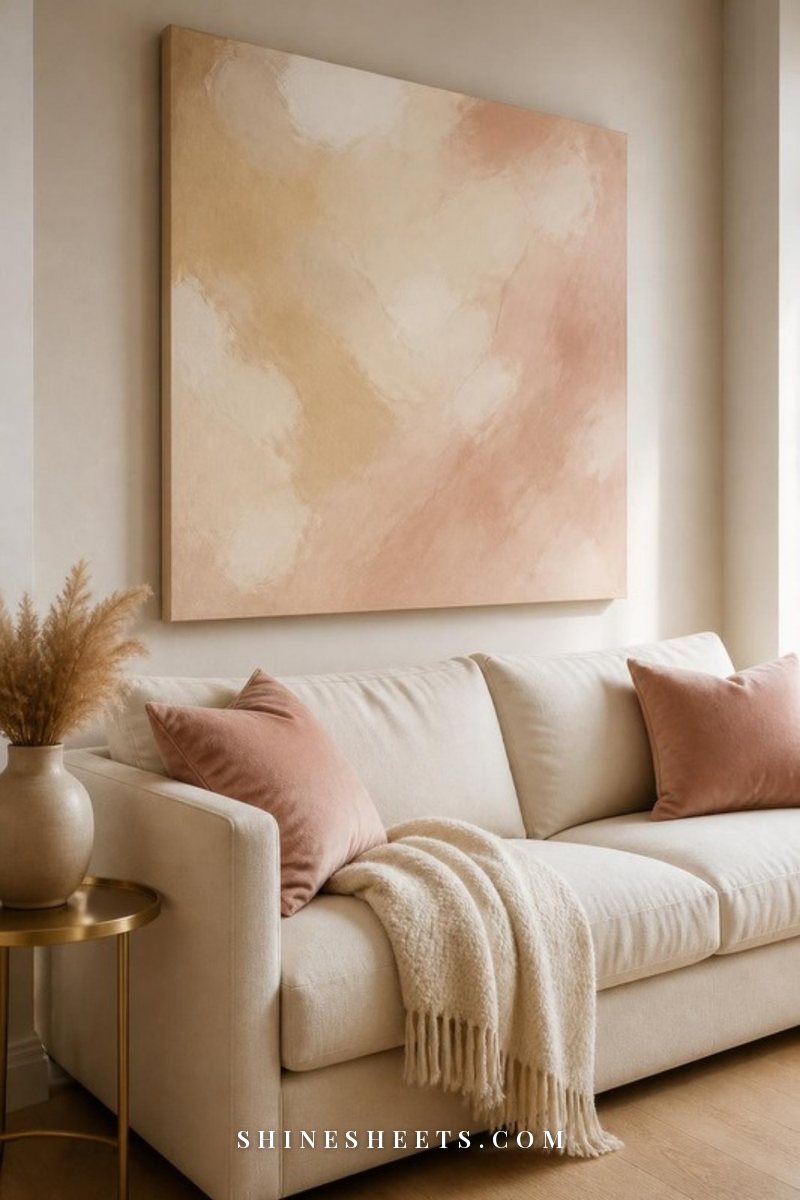
This is where thrifted decor either looks effortlessly collected or a little chaotic. A few simple guidelines keep it calm.
- Aim for roughly one third old, two thirds new. It's not a strict rule, more a starting ratio. Newer, simpler pieces (a plain sofa, clean-lined bed, neutral rug) give older finds space to shine.
- Pick one statement piece per room. A carved dresser, a big gilded frame or an antique armchair. Everything else in the room supports it rather than competing with it.
- Repeat colors and materials. If your thrifted lamp is brass, add one or two more brass touches in the same room – a frame, a candlestick. Repetition makes it look intentional.
- Group small finds in odd numbers. Three ceramic vases of different heights on a tray look styled. Seven scattered across a shelf look like a collection waiting for a home.
- Leave empty space. Every surface needs a little breathing room. If a shelf feels busy, remove one item and see how it reads.
- Update the touch points. A new linen lamp shade on an old ceramic base, fresh cushions on a vintage chair or new knobs on an old dresser instantly bridge old and new.
The calm, uncluttered approach of Japandi decor is a good reminder here: fewer objects, each one chosen, each with room around it.
Thrifted Styling Ideas Room by Room
Here's how secondhand pieces work in each part of the home, with a few easy ideas for every room.
Living Room
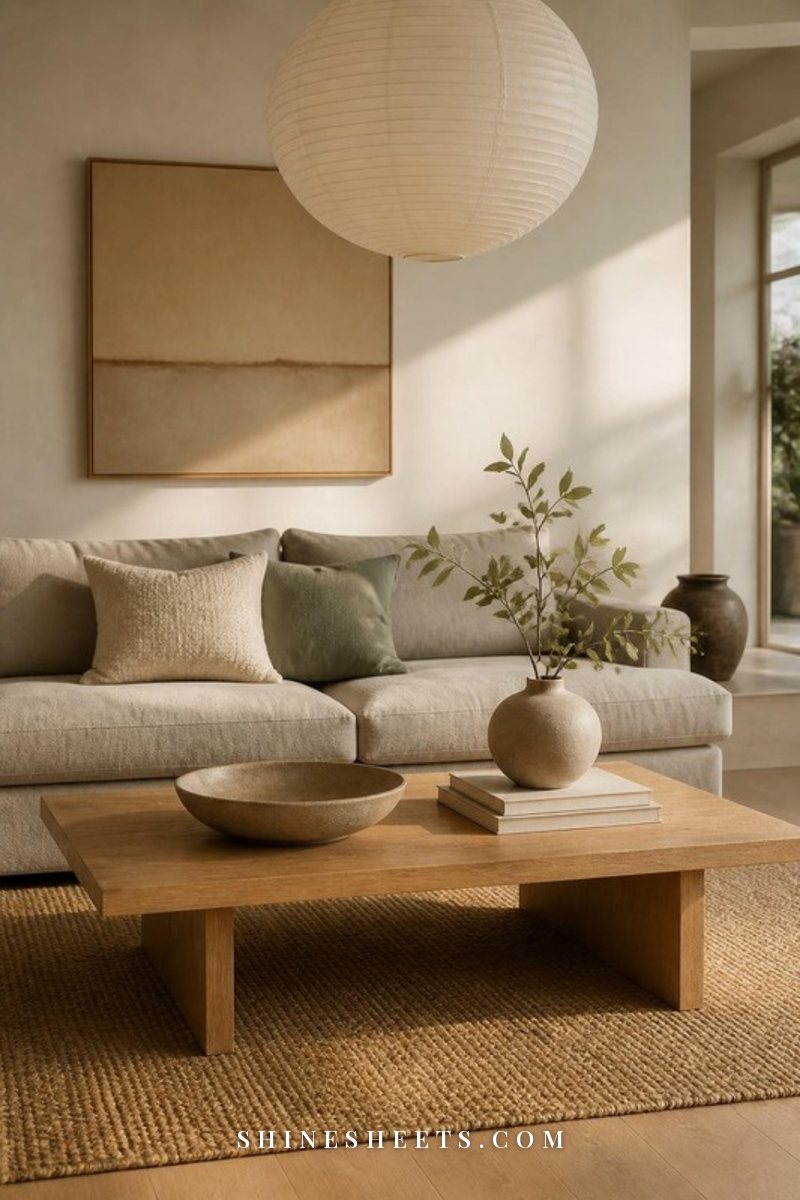
The living room is the easiest place to start. Swap a flat-pack side table for a solid wood one, then style your coffee table with a brass tray, two or three thrifted hardcovers and one small ceramic bowl. Hang a cluster of mismatched gold frames above the sofa (paint them all cream if they feel too varied). A big basket by the sofa holds throws and looks better with age.
Bedroom
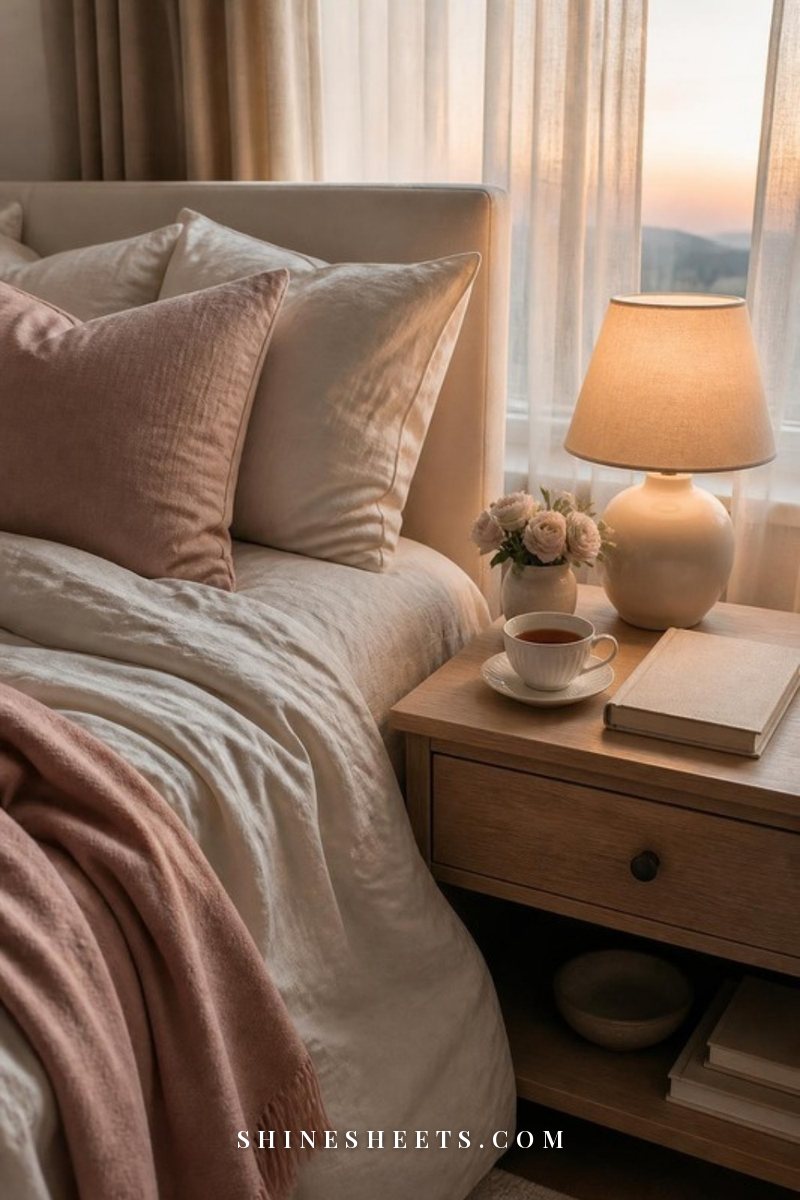
A pair of mismatched vintage nightstands looks charming when you give them matching lamps. An old dresser becomes a lovely place for a small tray of perfume and a framed print. Vintage pillowcases with lace edges, layered over plain linen sheets, add softness without looking costume-like. A small upholstered bench or chair is lovely – just inspect it carefully, as above.
Kitchen and Dining
Open shelves love thrifted ceramics: a row of cream pitchers, a stack of mismatched plates in the same color family, a wooden cutting board leaning at the back. Vintage linen napkins and a cut-glass bowl make an everyday table feel special. Mismatched wooden dining chairs look intentional when they're all painted the same soft color.
Bathroom and Entryway
In the bathroom, a small brass tray holds hand soap and a candle, and a thrifted wicker basket keeps rolled towels. In the entryway, an old wooden bench or narrow table, a brass dish for keys and a framed landscape create a welcoming first impression. Brass hooks from the thrift store are often sturdier than new ones.
Keeping It Cohesive: A Simple Palette for Thrifted Finds
The most common reason thrifted rooms look messy isn't the pieces themselves. It's that every piece is a different color. A small palette fixes that and makes shopping easier, because you can walk past anything that doesn't fit.
- Base: cream, ivory and warm white for walls, textiles and most ceramics.
- Accent: soft blush or sage – pick one as your main accent, use the other sparingly.
- Metal: brass and gold tones, repeated in two or three spots per room.
- Natural: warm wood, wicker and linen for texture.
Before you buy, ask: "Does this fit my palette, does it have a place to go, and do I love it?" Two yeses out of three is a maybe. Three is a yes. If you're working with a small space or a small budget, my post on apartment decor on a budget pairs beautifully with this approach.
And if you love a softer, more countryside look, my guide to cottage style decor ideas uses thrifted finds as the foundation of almost every room.
Thrifting on a Budget (and Why It's Kinder to the Planet)
Thrifting can save a lot of money, but small purchases add up quietly. A few habits keep it a joy rather than a leak in your budget:
- Keep a short wish list on your phone with measurements: "side table, max 20 inches wide, wood." It stops impulse buys and helps you recognize the right piece in seconds.
- Set a monthly thrift budget and bring cash to sales. When it's gone, you're done.
- Use the one-in, one-out habit. When a new vintage vase comes home, an old one goes back to the donation box.
- Wait 24 hours on anything big if the seller allows it. If you're still thinking about it tomorrow, it's probably worth it.
- Count the cost of the refresh. A $15 chair that needs $40 of supplies is still a good deal – but only if you'll actually do the work.
There's a gentle environmental side, too. Furniture and home goods take a lot of resources to make and ship. Giving a solid wood dresser a second life is one of the simplest ways to decorate more sustainably, and it usually looks better than the new alternative.
Final Thoughts
Decorating with thrifted finds is slow in the best way. You don't need to fill a room in a month. Pick a palette, keep a short wish list, clean every piece with care and let your home come together one good find at a time.
The pieces you hunt for, polish and place yourself end up being the ones you love most. A home built that way doesn't just look collected – it feels like you.