After the holidays, most skin doesn't need a dramatic overhaul. It needs a calm, quiet couple of weeks. Late nights, more makeup than usual, travel, rich food, dry indoor heating and cold wind all add up – and the instinct to fix it with a scrub, a peel and three new serums usually makes things worse.
The kindest way to get your glow back is the slow way: repair first, brighten second. It took me a few winters (and one very angry, flaky January) to understand that my combination, sensitive skin bounces back fastest when I do less, not more.
This January skin reset is a simple two-week routine. Days 1–7 are all about calming and repairing your skin barrier. Days 8–14 gently bring back brightness, one step at a time. You'll start with a quick skin check, follow a few easy rules, and get a full 14-day plan table you can screenshot and follow morning and night.
No complicated steps, no expensive treatments, and no rush. Just two weeks of looking after your skin like it's been through a lot – because it has.
Why Skin Feels So Off After the Holidays
Holiday skin stress rarely comes from one thing. It's usually a mix of small factors that pile up over a few weeks:
- Dry indoor heating pulls moisture out of the air, and out of your skin with it.
- Cold wind outside followed by hot rooms inside leaves skin tight and sometimes red.
- Late nights and less sleep often show up as dullness and puffiness.
- More makeup, worn longer – and the occasional night you skipped removing it properly.
- Travel means dry plane air, different water and a skincare routine thrown off track.
- Less water, more sugar and salty snacks, which can leave some people feeling puffier and breakout-prone.
None of this is a failure. It's just what happens when life gets full and fun. The good news is that skin is very responsive to a little consistent care. For a bigger picture of how to support your skin through the cold months, my winter skincare routine covers the swaps that help once the heating comes on.
Start With a Quick Skin Check
Before you change anything, take two minutes to notice how your skin actually feels. Wash your face with lukewarm water, pat it dry and wait about ten minutes without applying anything. Then check for these four signs:
- Tight: Your skin feels stretched or uncomfortable, especially after cleansing. This often points to a stressed barrier or dehydration.
- Flaky: You see dry patches around your nose, eyebrows, chin or cheeks. Your skin needs more moisture and oil, not exfoliation.
- Dull: Your skin looks flat and tired, and makeup sits on top instead of melting in. Usually a mix of dehydration and built-up dead skin.
- Breakouts: New spots, often along the chin or jawline, or tiny bumps across your forehead.
Most people notice two or three of these at once – it's very common to be both dry and breaking out after the holidays. Write down what you see (a note on your phone is fine), because it will help you notice the progress by day 14.
If you're not sure whether your skin is truly dry or just thirsty, my guide to dehydrated vs dry skin explains the difference and why it changes what you reach for.
Five Simple Rules for Your Reset
These rules apply for the full two weeks. They're what keeps a reset gentle instead of turning it into another round of stress for your skin:
- Change one thing at a time. If you add three new products at once and your skin reacts, you won't know which one caused it.
- Patch test anything new. Apply a small amount to a spot along your jawline or behind your ear for a few days before using it on your whole face. My guide on how to patch test skincare walks you through it step by step.
- Use lukewarm water, never hot. Hot water feels lovely in January, but it strips your skin's natural oils.
- Pat, don't rub. Gently press your towel and products into your skin instead of rubbing.
- Give it the full two weeks. Skin takes time to settle. Small changes start to show after a few days, but the real difference comes with consistency.
Days 1–7: Repair Your Skin Barrier
The first week is about giving your skin a break and helping its protective outer layer recover. Think of it as a calm, simple routine with nothing that stings, tingles or "works hard."
Pause Scrubs, Strong Acids and New Actives
For the first seven days, put away physical scrubs, strong exfoliating acids (glycolic, high-strength salicylic), retinoids, vitamin C serums and anything brand new. Even if your skin looks dull, exfoliating a stressed barrier tends to cause more redness, flaking and sensitivity.
If you already use a prescription product from your doctor or dermatologist, don't stop it without asking them first. This pause is for the extras, not for treatments you've been prescribed.
Switch to a Gentle Cream or Milk Cleanser

Your cleanser should leave your skin feeling soft, never squeaky. A gentle hydrating cream cleanser is my pick for this week – look for one that's fragrance-free, non-foaming or low-foaming, and contains glycerin or ceramides.
- Evening: Massage the cleanser onto dry or damp skin for about 30–60 seconds, then rinse with lukewarm water. If you wear makeup or sunscreen, start with a micellar water or cleansing balm first.
- Morning: A splash of lukewarm water is often enough if your skin feels dry. If you're oily in the T-zone (hello, combination skin), use a small amount of cleanser only there.
Layer a Hydrating Serum
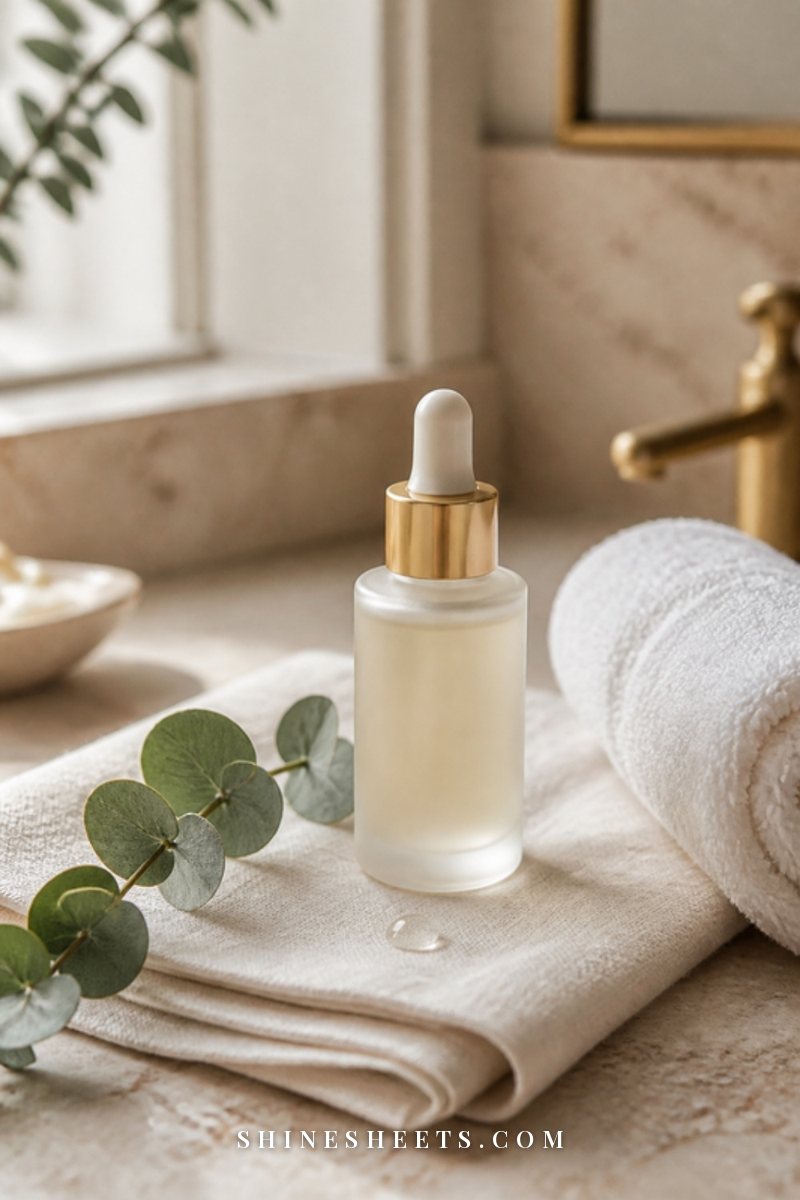
Hydrating serums pull water into the top layers of skin, which helps with that tight, dull look. A simple hyaluronic acid serum is a classic best-seller for good reason – it's lightweight and suits most skin types. Glycerin-based serums work beautifully too.
The trick is to apply it on slightly damp skin. After cleansing, leave your face a little damp, press in two or three drops, then follow with moisturizer straight away to seal it all in. In very dry heated rooms, a hydrating serum on bare, dry skin can actually feel tighter, so the moisturizer on top matters.
Seal It In With a Ceramide Moisturizer
Ceramides are a natural part of your skin barrier, and moisturizers that include them help support it while it recovers. A rich ceramide moisturizing cream is one of the most helpful things you can use this week – look for fragrance-free, with ceramides plus glycerin or hyaluronic acid.
Use it morning and night. If your skin is very dry, you can apply a second thin layer over dry patches. If your T-zone gets shiny, use a lighter layer there and a richer one on your cheeks. For more ways to support recovery, my guide on how to restore your skin barrier has signs to watch for and extra steps that help.
Slug Your Dry Patches
Slugging means applying a thin layer of a simple occlusive (like a petrolatum-based ointment) as the very last step of your evening routine. It acts like a seal, reducing water loss overnight.
During this reset, I'd suggest spot-slugging: just a thin layer on the driest areas, like the sides of your nose, around your mouth or flaky cheek patches. If you're breakout-prone, skip slugging over areas where you get spots. My full guide to slugging skincare explains who should skip it and how to do it without feeling greasy.
Keep Up Daily SPF
Even in January, and even on gray days, daylight still reaches your skin. Daily sunscreen protects a recovering barrier and helps prevent dark marks from old breakouts from lingering.
Use a broad-spectrum SPF 30 or higher every morning as the last step of your skincare. For the face, a good guide is the two-finger rule – roughly a quarter teaspoon. If you're outdoors for a long time, reapply every two hours. If you're unsure how much is enough, my sister guide on how much sunscreen to use on your face breaks it down simply.
Add a Humidifier Near Your Bed

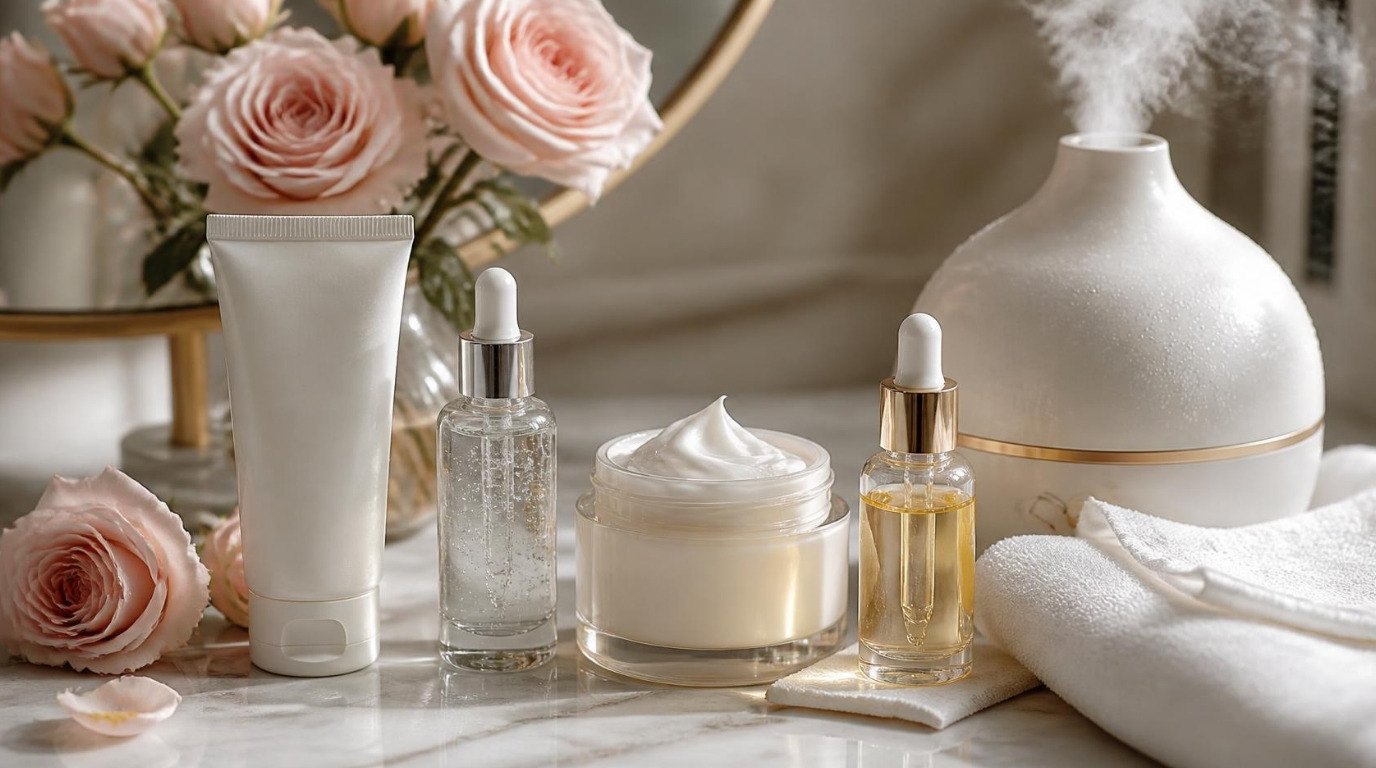
This might be the single best change for winter skin. Dry heating can drop indoor humidity much lower than your skin likes. A white cool mist humidifier by your bed adds moisture to the air while you sleep – the hours when your skin does most of its repair.
Aim for indoor humidity of roughly 30–50% (a small hygrometer helps you check). Empty, rinse and dry the tank daily and clean it regularly following the manufacturer's instructions, so mold and bacteria don't build up. Place it a few feet from the bed, not pointed right at your face.
Days 8–14: Brighten Slowly
By the second week, most skin feels calmer: less tight, less flaky, and more comfortable after cleansing. Now you can gently bring back a little brightness. Keep everything from week one, and add these steps slowly.
Reintroduce One Active at a Time
If your skin felt comfortable for several days in a row, you can bring back one active ingredient. Not two. One. Choose the one that matches your main concern:
- For dullness: A gentle lactic acid serum or toner, twice a week in the evening (for example, day 9 and day 12). Lactic acid is a milder exfoliating acid that also has hydrating properties.
- For texture or breakouts: Retinol, two nights a week (for example, day 10 and day 13). Start with a low strength and a pea-sized amount for your whole face, applied after moisturizer if your skin is sensitive. If you're pregnant, trying to conceive or breastfeeding, skip retinoids and ask your doctor what's right for you.
Never use your exfoliating acid and retinol on the same night. And if your skin stings, burns or starts flaking again, stop the active and go back to the week-one routine for a few more days.
Plan a Sheet Mask Night
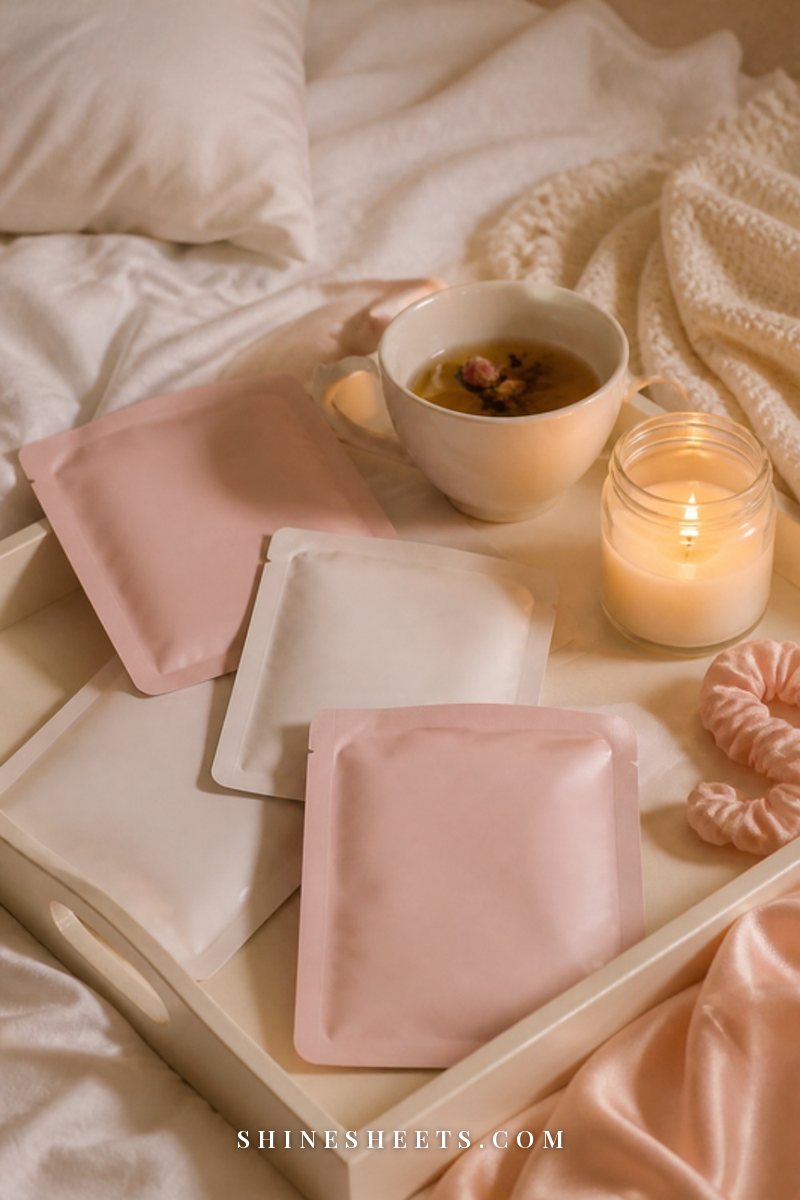
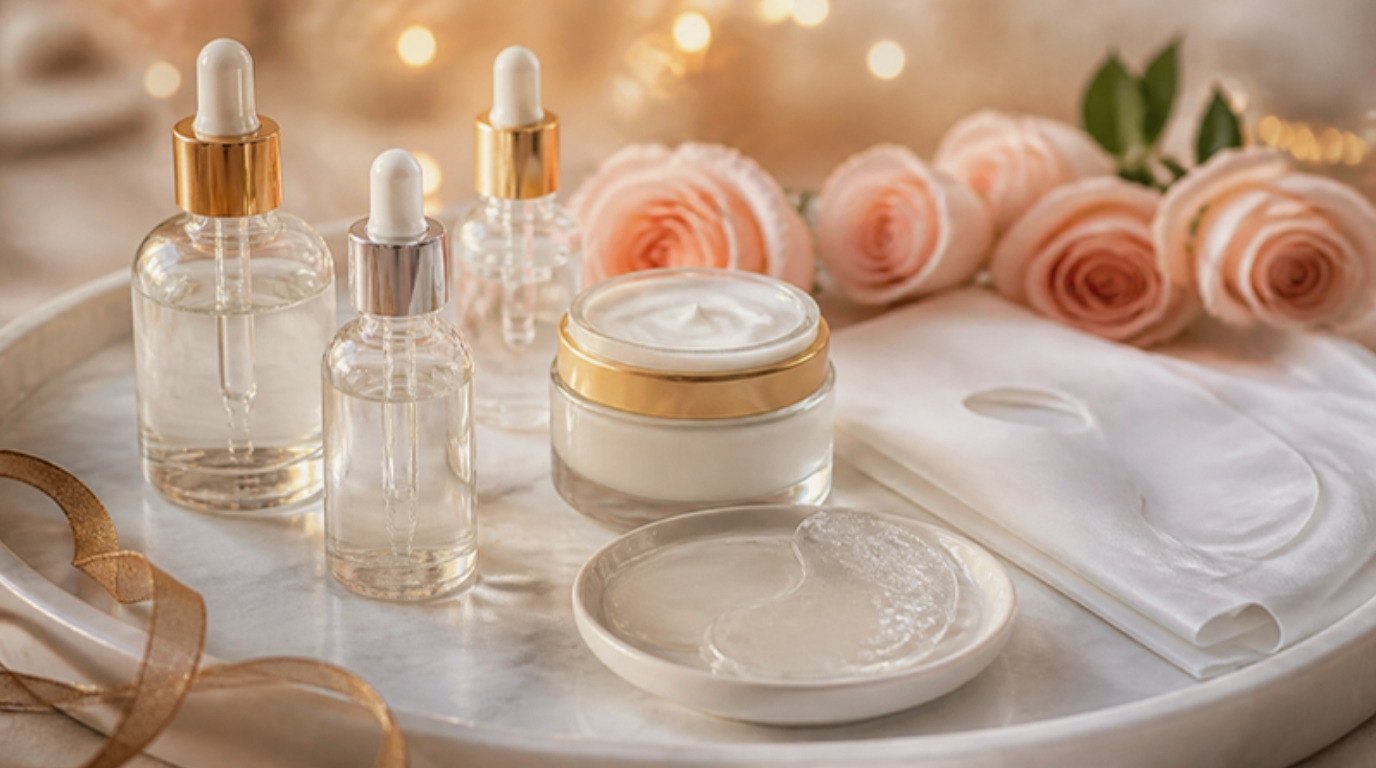
A sheet mask is a lovely way to give dull skin an extra drink of hydration. A set of hydrating Korean sheet masks is easy to keep on hand – look for calming, hydrating ingredients like hyaluronic acid, centella or panthenol, and avoid heavily fragranced ones.
Leave it on for 15–20 minutes (or whatever the package says), and remove it before it dries out. Pat the leftover essence into your skin and follow with your ceramide moisturizer. Once on day 11 is plenty, but a second on day 14 makes a lovely finish. I like to pair mine with evening tea and a few pages of journaling – it turns skincare into a small ritual.
Don't Forget Your Lips and Hands
Lips and hands take a lot of the winter damage, and they're easy to forget. A few small habits help:
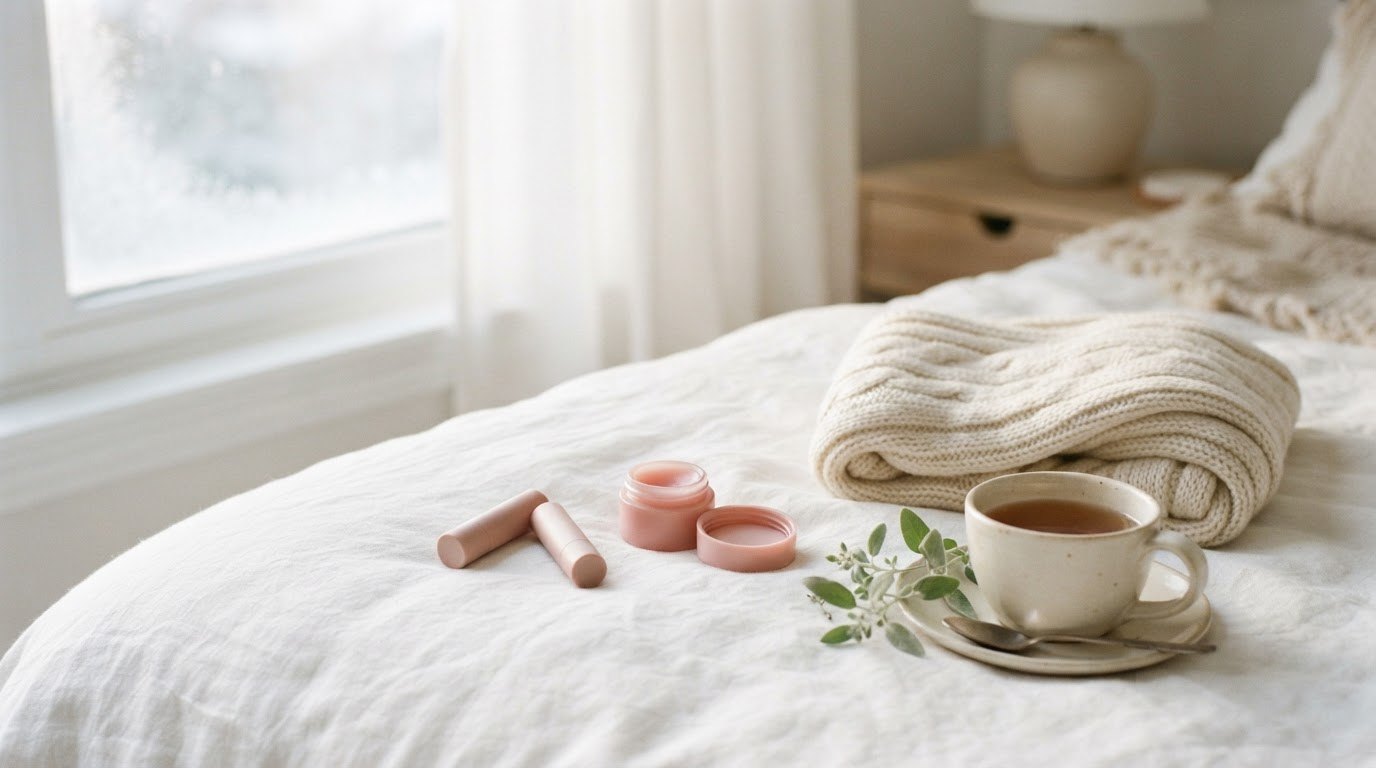
- Lips: Apply a nourishing ceramide lip balm every morning and a thicker layer before bed. Avoid licking your lips and skip lip scrubs until they're no longer cracked.
- Hands: Use a rich hand cream after every wash, and keep one by the sink and one by your bed. Wear gloves outdoors and when washing dishes.
- Cuticles: Massage a little hand cream or oil into your cuticles at night to prevent tearing.
Swap Your Pillowcase and Wash Your Brushes

Two small habits make a surprising difference, especially if you're dealing with breakouts:
- Pillowcase: Change it at least twice a week during your reset. Pillowcases collect oil, product and hair residue. Some people find smooth fabrics like silk or satin feel gentler on dry skin.
- Makeup brushes and sponges: Wash them on day 8 if you haven't since before the holidays. A gentle makeup brush cleaning shampoo works well – swirl each brush, rinse until the water runs clear, gently squeeze out excess water and lay flat on a towel to dry. After that, aim for once a week.
Your 14-Day January Skin Reset Plan
Here's the full plan in one place. Screenshot it and keep it on your phone. If a day doesn't suit your schedule, shift it – the order matters more than the exact dates.
| Day | Morning | Evening | Focus |
|---|---|---|---|
| 1 | Water rinse, hydrating serum, ceramide moisturizer, SPF | Cream cleanser, serum, moisturizer | Skin check, pause actives |
| 2 | Water rinse, serum, moisturizer, SPF | Cream cleanser, serum, moisturizer, slug dry patches | Humidifier on at night |
| 3 | Water rinse, serum, moisturizer, SPF | Cream cleanser, serum, moisturizer | Lips and hands every day |
| 4 | Water rinse, serum, moisturizer, SPF | Cream cleanser, serum, moisturizer, slug dry patches | Lukewarm water only |
| 5 | Water rinse, serum, moisturizer, SPF | Cream cleanser, serum, moisturizer | Early night if you can |
| 6 | Water rinse, serum, moisturizer, SPF | Cream cleanser, serum, moisturizer, slug dry patches | Patch test your chosen active |
| 7 | Water rinse, serum, moisturizer, SPF | Cream cleanser, serum, moisturizer | Re-check your skin |
| 8 | Water rinse, serum, moisturizer, SPF | Cream cleanser, serum, moisturizer | Wash brushes, fresh pillowcase |
| 9 | Water rinse, serum, moisturizer, SPF | Cleanser, lactic acid (or skip), moisturizer | First active night |
| 10 | Water rinse, serum, moisturizer, SPF | Cleanser, serum, moisturizer (or retinol night) | Watch for stinging |
| 11 | Water rinse, serum, moisturizer, SPF | Cleanser, sheet mask, moisturizer | Hydration night |
| 12 | Water rinse, serum, moisturizer, SPF | Cleanser, lactic acid (or skip), moisturizer | Second active night |
| 13 | Water rinse, serum, moisturizer, SPF | Cleanser, serum, moisturizer (or retinol night) | Fresh pillowcase |
| 14 | Water rinse, serum, moisturizer, SPF | Cleanser, sheet mask, moisturizer | Final skin check |
A quick note on the active nights: choose either the lactic acid days (9 and 12) or the retinol days (10 and 13), not both. On the other days, keep it simple. If your T-zone gets oily in the morning, a little cleanser there is fine instead of just water.
What To Expect by Day 14

Two weeks won't transform your skin completely, but most people notice real, gentle changes:
- Your skin feels comfortable after cleansing instead of tight.
- Flaky patches are smaller or gone.
- Makeup sits more smoothly.
- Your skin looks more even and rested, with a soft natural glow.
Breakouts can take longer to settle, often a few more weeks, so don't be discouraged if you still see a spot or two. Compare your day-14 skin check with your day-1 notes – progress is easier to see in writing than in the mirror.
After the reset, keep the base routine (gentle cleanser, hydrating serum, ceramide moisturizer, SPF) as your everyday foundation, and keep using your one active a couple of times a week if your skin is happy. Add anything new slowly, one product at a time.
When To See a Dermatologist
A gentle reset helps with everyday holiday skin stress, but some things need a professional. Please see a dermatologist or your doctor if you notice:
- Itchy, red, scaly patches that could be eczema, or that keep coming back.
- Persistent redness, flushing or burning that doesn't calm down.
- Painful, deep or cystic breakouts, or breakouts that leave marks or scars.
- Any reaction like swelling, hives or blistering after using a product (stop the product right away).
- No improvement at all after several weeks of gentle care.
There's no prize for pushing through on your own. A dermatologist can help you find the right treatment much faster, and it's one of the kindest things you can do for your skin.
Final Thoughts
Your skin carried you through a busy, beautiful, sometimes exhausting season. It doesn't need punishment in January – it needs patience, moisture and a little consistency.
Start with the skin check, keep the first week simple, and bring back brightness slowly. Two quiet weeks from now, your skin will feel calmer, softer and more like itself again, and that's a lovely way to begin the new year.