Washing your hair seems like the one beauty step nobody needs to learn, and yet small details in the shower decide whether your hair feels soft and bouncy or flat, frizzy and tangled. The biggest one? Shampoo is for your scalp, conditioner is for your lengths, and mixing up those two jobs causes most everyday hair frustrations.
Once you get the basics right, everything else gets easier: your products work better, your hair stays clean longer and your ends feel less dry. None of it takes extra time. It's mostly about doing the same steps a little more thoughtfully.
This guide covers how to wash your hair the right way, from detangling before you step in the shower to the final towel dry. You'll find the ideal water temperature, how much shampoo to use for your length, when to double shampoo, how to apply conditioner, a simple step-by-step table, how often to wash and how to adjust everything for an oily scalp, dry ends, curls, color-treated or fine hair.
Before You Wash: Detangle First
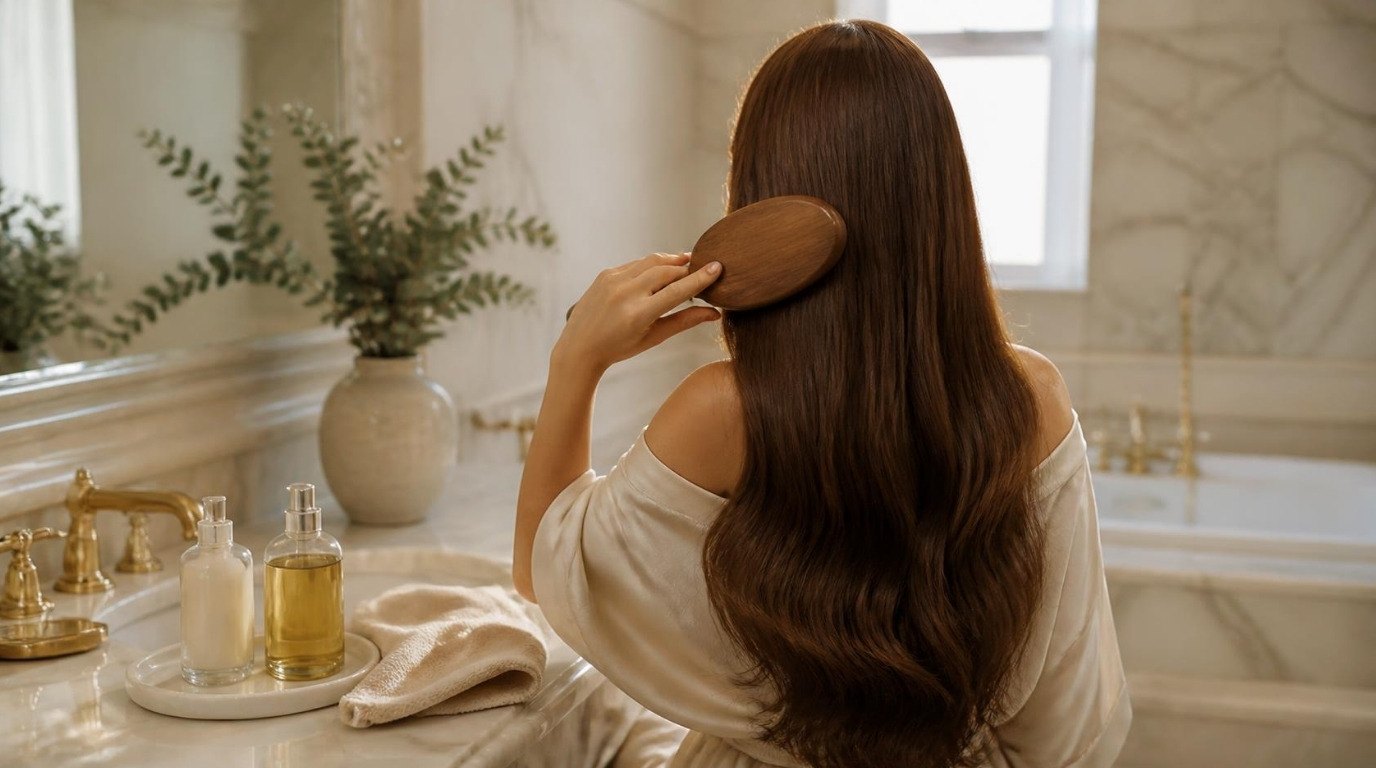
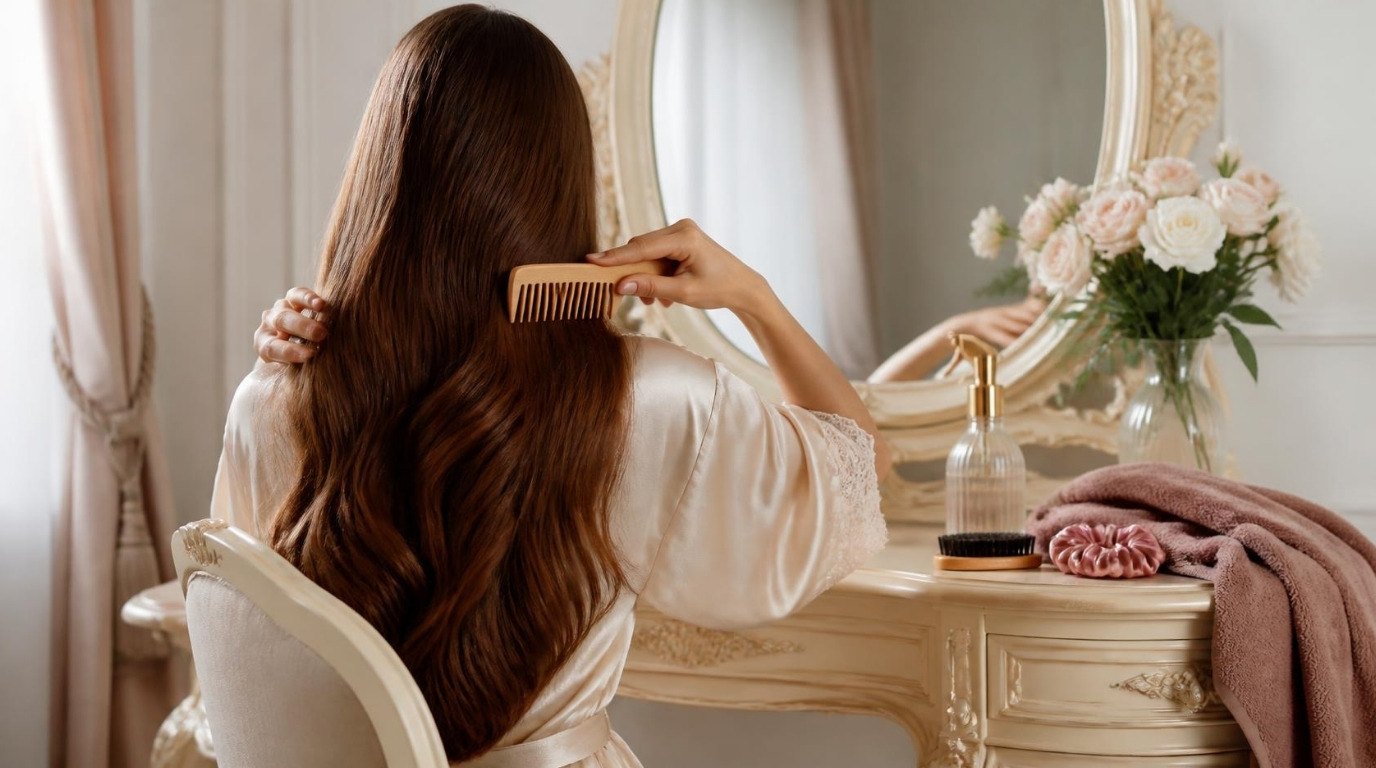
Tangles get worse when hair is wet, because wet hair is more fragile and stretchy. A quick detangle before your shower prevents knots from tightening under the water and means less pulling afterward.
Here's how:
- Start at the ends, holding a section of hair above the part you're brushing so you don't tug at the roots.
- Gently work through knots with a brush or your fingers, moving up the strand a few inches at a time.
- Finish by brushing from roots to ends once or twice to loosen buildup and spread natural oils.
If you have curly or coily hair, skip dry brushing and detangle with your fingers or a wide-tooth comb once conditioner is in, because dry brushing can disrupt your curl pattern and cause frizz. For everyone else, this takes about a minute and makes a real difference.
Get the Water Temperature Right

Very hot water feels lovely in winter, but it can strip natural oils from your scalp and leave your lengths dry and frizzy. It can also fade hair color faster. Cold water, on the other hand, doesn't dissolve oil and product buildup well.
The sweet spot is lukewarm: comfortably warm, not steaming. Lukewarm water opens up the hair cuticle enough for shampoo to clean properly without overdrying. If you love a hot shower, wash your hair first at a lukewarm temperature, then turn the heat up a little for the rest of your shower while keeping your hair out of the stream.
Winter is when this matters most. Cold, dry air already pulls moisture from your hair, and a steaming shower on top of that is often what turns the ends crunchy by February. If you notice more static and frizz in the colder months, turning the water down a few degrees is one of the easiest fixes there is. It costs nothing and you'll usually feel the difference within a couple of washes.
How To Wash Your Hair Step by Step
Here's the full routine. Once it becomes a habit, it takes the same few minutes as before, with much better results.
1. Wet Your Hair Thoroughly
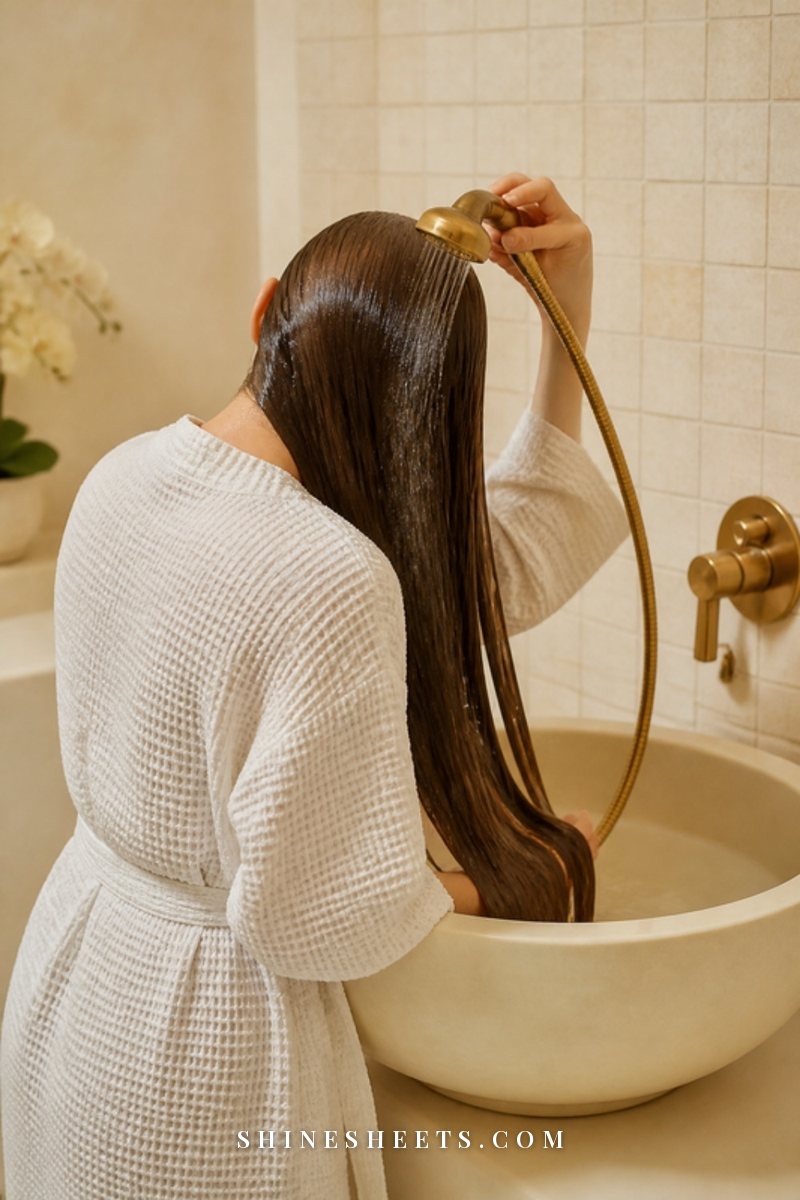
This sounds obvious, but many people apply shampoo to hair that's only damp on the outside. Water helps shampoo spread and lather, so you need less product. Stand under the water for 30 to 60 seconds and run your fingers through your hair so water reaches your scalp, especially if your hair is thick or long.
2. Use the Right Amount of Shampoo
Too much shampoo is hard to rinse out and can dry your hair; too little won't clean your scalp properly. As a rough guide:
- Short hair: about the size of a nickel.
- Shoulder-length hair: about the size of a quarter.
- Long or thick hair: a quarter-sized amount, applied in two sections (front and back) so it reaches the whole scalp.
Rub the shampoo between your palms first, or add a splash of water to it, so it spreads evenly instead of landing in one spot. A sulfate-free gentle shampoo is a good everyday pick for most hair types, especially if your ends are dry or your hair is color-treated. If you're not sure which formula fits you, my guide on what shampoo you should use walks you through it by hair type.
3. Shampoo Your Scalp, Not Your Lengths
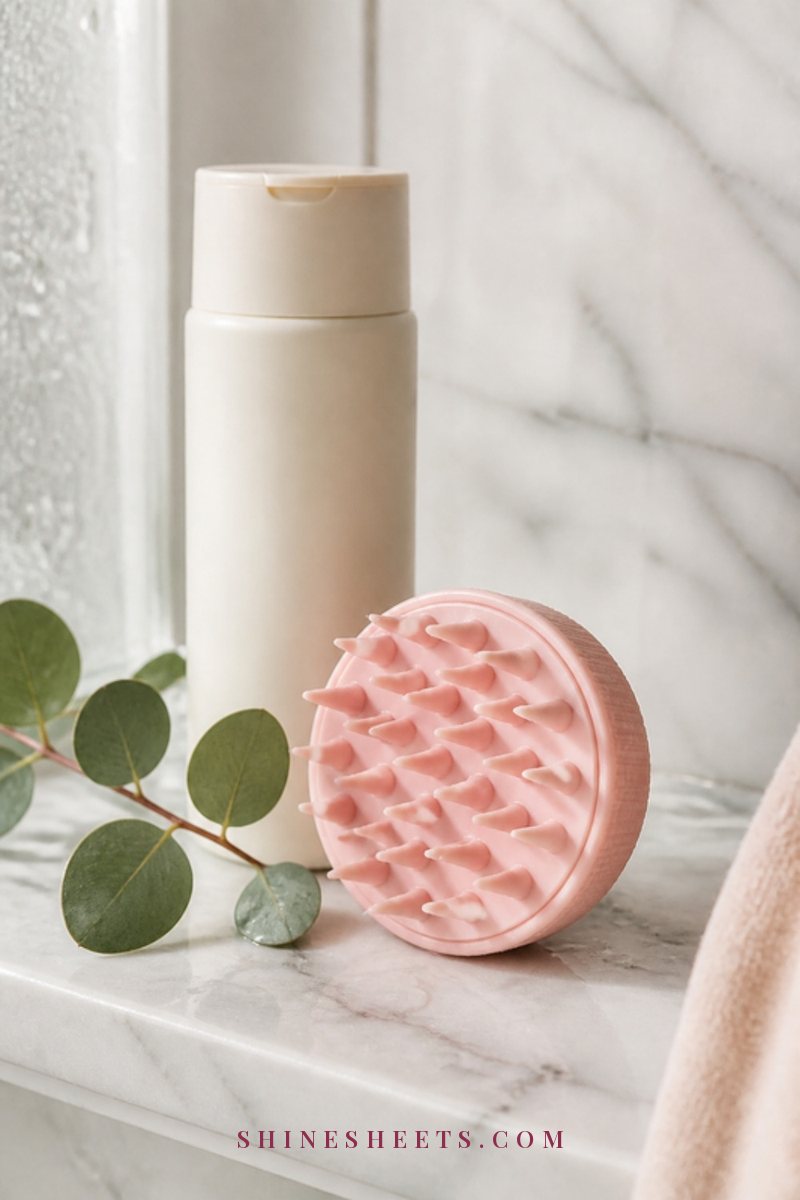
Your scalp is where oil, sweat and product buildup collect, so that's where shampoo belongs. Your lengths get clean as the lather rinses through them. Scrubbing the ends together only roughs up the cuticle and causes tangles and dryness.
How to do it:
- Apply shampoo to your scalp in a few spots: the crown, the sides and the nape of your neck.
- Massage with the pads of your fingers (not your nails) in small circles for about 60 seconds.
- Move from your hairline back to the nape so you don't miss any areas.
A silicone scalp massager brush helps lift buildup and feels wonderful, especially if you have thick hair or use dry shampoo often. Keep the pressure gentle. If you love that part of washing, my guide to scalp massage shows how to make it a relaxing ritual.
4. Double Shampoo When You Need To
You don't need to shampoo twice every time. But a second round is helpful when:
- It's been several days since your last wash.
- You've used dry shampoo, hair oil or styling products.
- Your scalp feels very oily or sweaty, for example after a workout.
- The first wash barely lathered (a sign there's a lot of oil to break through).
Use a smaller amount the second time. The first round breaks down oil and buildup, and the second actually cleans your scalp, so it usually lathers much more easily. If your hair still feels coated after a double shampoo, a clarifying shampoo every few weeks can help reset it.
One small note for sensitive scalps: if double shampooing leaves your scalp tight or itchy, keep the second round very small and very quick, or save it for wash days after heavy product use only. Your scalp should feel fresh and comfortable afterward, never stripped.
5. Rinse Longer Than You Think
Leftover shampoo can leave hair dull, heavy and itchy at the scalp. Rinse for at least 30 to 60 seconds, tipping your head back and running your fingers through your roots until your hair feels clean and slightly "squeaky" at the scalp, with no slippery residue. Pay extra attention to the nape of your neck and behind your ears, where shampoo likes to hide.
6. Condition the Mid-Lengths and Ends
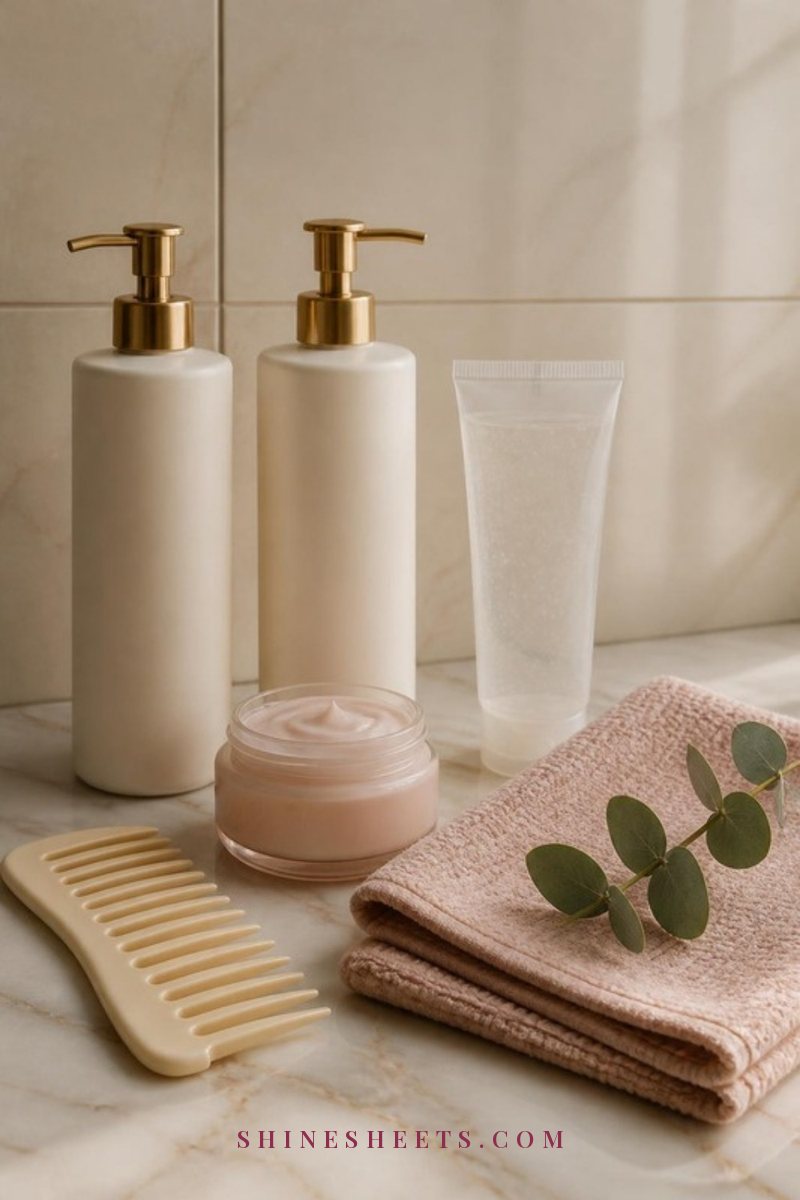
Conditioner is for the oldest, driest part of your hair: the mid-lengths and ends. Applying it at the roots can weigh your hair down and make your scalp look oily sooner.
- Gently squeeze excess water from your hair first, so the conditioner doesn't slide straight off.
- Use about the same amount as shampoo (a little more for long, thick or curly hair).
- Apply from about ear level down to the ends, concentrating on the very tips.
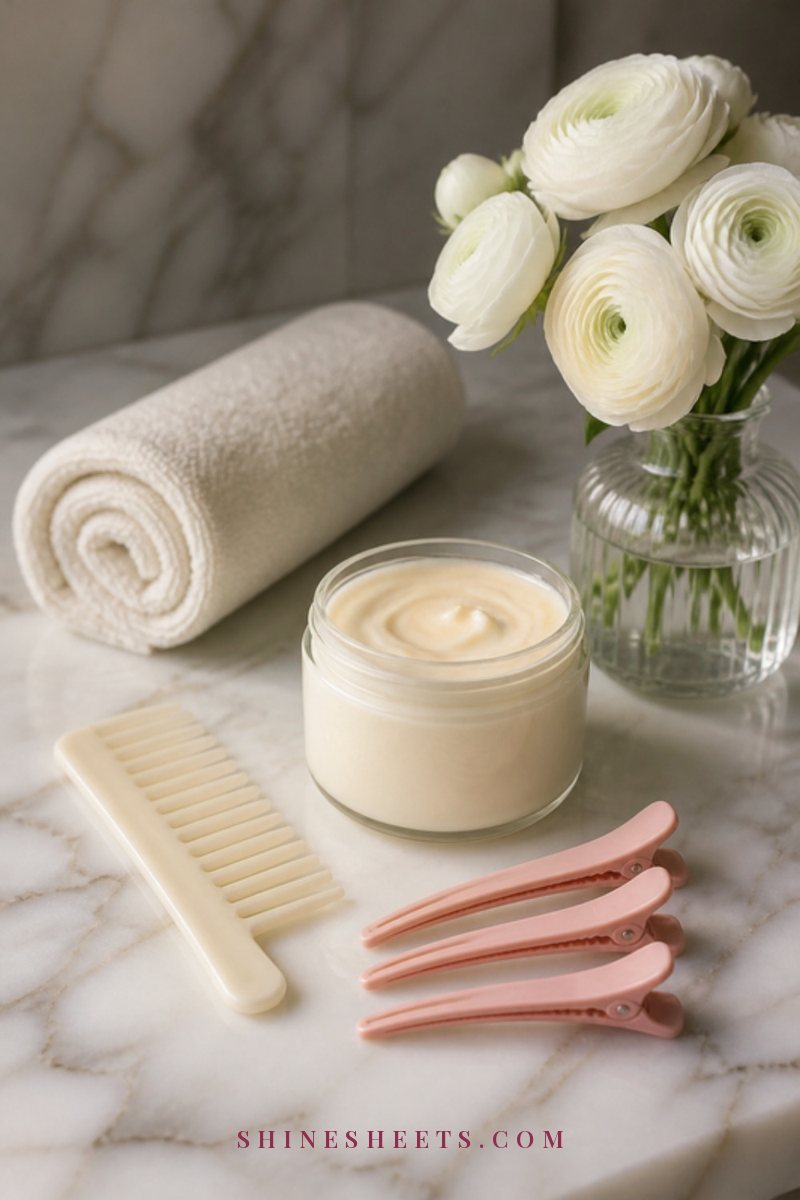
- Comb it through with a wide-tooth comb or your fingers, starting at the ends and working up.
- Leave it on for 2 to 3 minutes (or as the bottle says) while you wash your face or body.
If your hair is fine or gets weighed down easily, a lightweight daily conditioner gives softness without flattening it. Very dry ends can use a richer mask once a week instead of regular conditioner.
7. Do a Final Cool Rinse
Rinse the conditioner out with lukewarm water, then, if you like, finish with a few seconds of cooler water. A cool rinse feels refreshing and many people find it leaves hair a little smoother and shinier. Don't worry if you can't stand it in winter; thorough rinsing matters more than temperature here.
Rinse until your hair feels soft but not slippery. A trace of conditioner left on curly or very dry hair is fine; leftover conditioner on fine hair can make it limp.
8. Towel Dry Gently
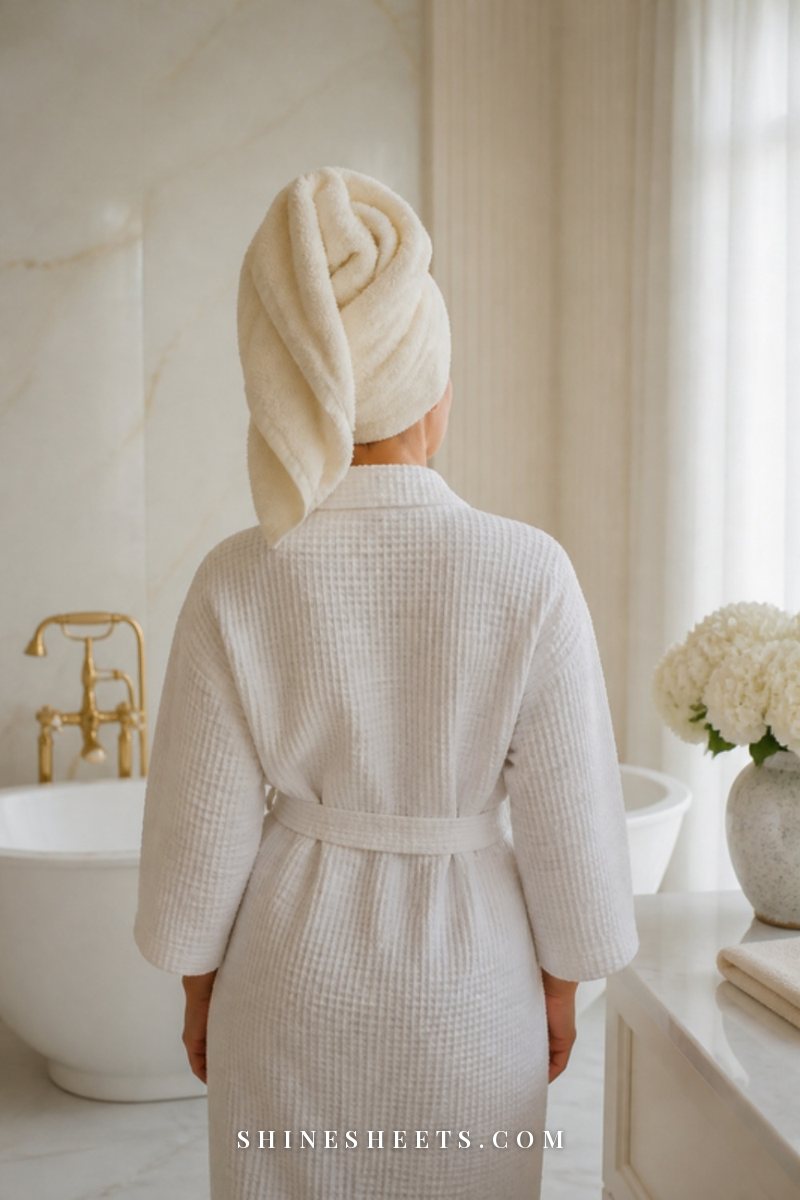
Wet hair is at its most fragile, so this step matters more than people think. Rubbing your hair with a rough towel causes frizz and breakage.
- Squeeze water out with your hands first, gently, from mid-lengths to ends.
- Press and blot your hair with a towel rather than rubbing.
- Wrap it loosely for 10 to 15 minutes to absorb extra water.
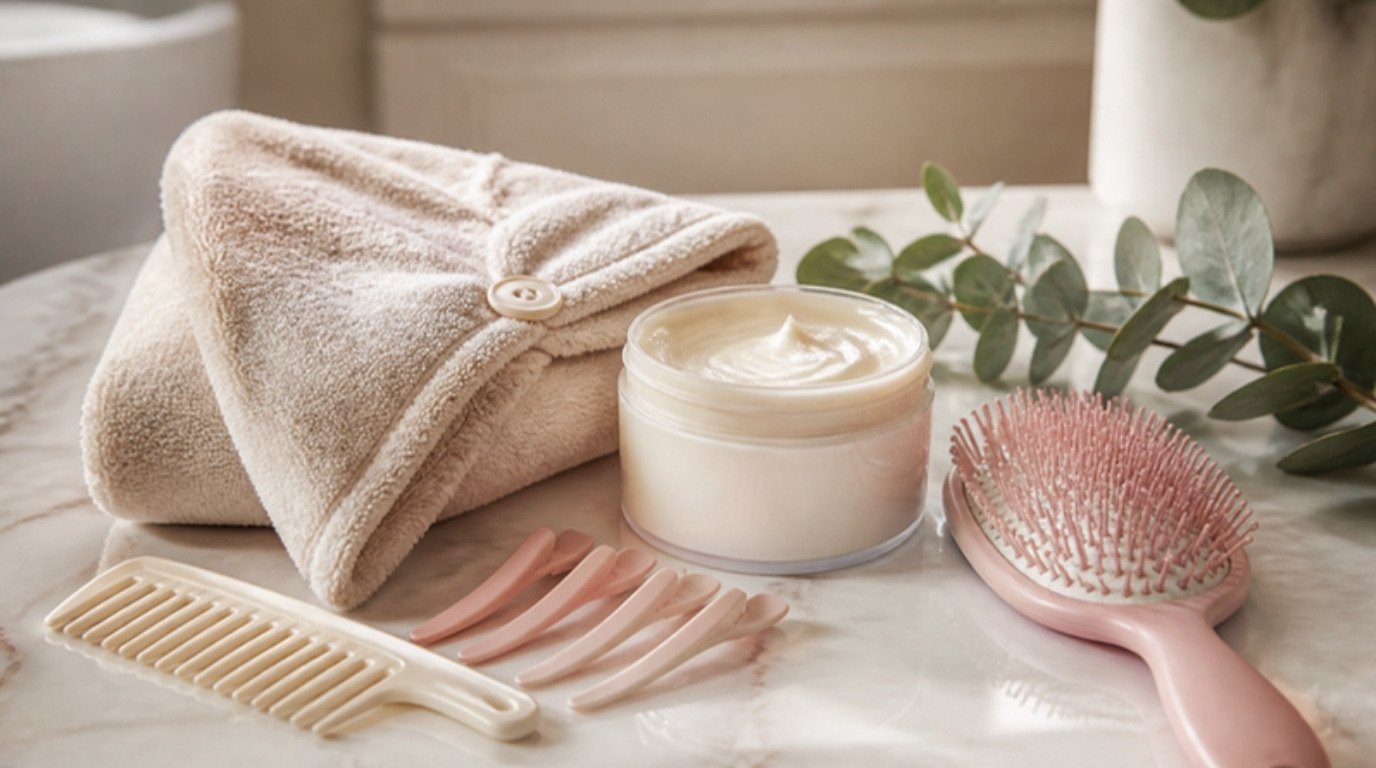
A microfiber hair towel is softer on the hair cuticle than a regular bath towel and absorbs water quickly, which also means less heat styling time. After that, a leave-in conditioner on damp ends helps with detangling and softness. For the rest of the routine, from leave-in to drying, see my after-shower hair routine.
The Hair Washing Table: Step, How and Why
Here's the whole routine at a glance. Screenshot it if you're changing your habits and want a reminder.
| Step | How | Why |
|---|---|---|
| Detangle | Brush dry hair from ends to roots (curls: detangle later with conditioner) | Prevents knots from tightening when wet |
| Water temperature | Lukewarm, not hot | Cleans without stripping oils or fading color |
| Wet thoroughly | 30 to 60 seconds, fingers through to the scalp | Shampoo spreads better and you need less |
| Shampoo amount | Nickel (short), quarter (shoulder), two sections (long) | Enough to clean, easy to rinse |
| Shampoo scalp | Fingertip massage for about 60 seconds | Removes oil and buildup where it collects |
| Double shampoo | Second, smaller round when needed | Second wash cleans after the first breaks down oil |
| Rinse | 30 to 60 seconds, extra at the nape | Leftover shampoo causes dullness and itchiness |
| Condition | Ear level to ends, leave 2 to 3 minutes | Softens and protects the driest parts |
| Final rinse | Lukewarm, optional cool finish | Removes residue so hair isn't weighed down |
| Towel dry | Squeeze, blot, wrap loosely | Less frizz and breakage on fragile wet hair |
How Often Should You Wash Your Hair?
There's no single right answer. It depends on your scalp, hair texture, lifestyle and climate. As a loose guide:
- Oily scalp or fine hair: often every day or every other day.
- Normal hair: every two to three days.
- Thick, dry or wavy hair: two or three times a week.
- Curly or coily hair: once a week or every ten days, with conditioning in between if needed.
Wash more often if you sweat a lot, use heavy products or your scalp feels itchy or flaky. Your scalp is skin, and it needs regular cleaning even if your lengths are dry. For a closer look at your type, see my guide to how often you should wash your hair based on hair type.
How To Adjust for Your Hair
The basic routine works for nearly everyone, but a few tweaks make it fit you better.
Oily Scalp
Wash as often as you need; frequent washing with a gentle shampoo is fine. Double shampoo when your scalp feels heavy, keep conditioner well away from your roots and rinse thoroughly. Avoid touching your hair a lot through the day, since your hands transfer oil.
Change your pillowcase a little more often too, and wash your hairbrush every week or two, because both collect oil and product that end up right back on your scalp. If your scalp feels oily but your ends are dry, keep doing exactly what this guide suggests: shampoo only the scalp, condition only the ends. That one split solves most "oily and dry at the same time" problems.
Dry Ends
Choose a sulfate-free shampoo, keep it on your scalp only and let the lather rinse through your ends. Leave conditioner on a little longer, use a weekly mask and seal damp ends with a leave-in conditioner or a drop of hair oil. Regular trims help too.
Pay attention to heat, as well. If you blow-dry or use hot tools often, let your hair air-dry about 70 to 80 percent before using a dryer on a medium setting, and always use a heat protectant. Dry ends tend to recover slowly, so give these changes a few weeks before deciding whether they're working.
Curly or Coily Hair
Curls usually need fewer washes and more moisture. Use a gentle, moisturizing shampoo or co-wash between shampoos, and detangle with your fingers or a wide-tooth comb while conditioner is in. Rinse gently, then blot with a microfiber towel or a soft cotton T-shirt instead of rubbing.
Many people with curls find it easiest to section their hair into four parts before conditioning, then work through one section at a time. It takes a few extra minutes but means far fewer knots, less breakage and more defined curls once your hair dries.
Color-Treated Hair
Use a shampoo and conditioner made for color-treated hair, wash with lukewarm or cooler water and try to stretch the time between washes. Wait at least a couple of days after coloring before your first wash, or follow your colorist's advice.
Hard water and swimming pools can both dull color and leave hair feeling rough, so rinse your hair with clean water after a swim and consider a shower filter if your tap water leaves buildup. A weekly conditioning mask helps keep color-treated lengths soft, since coloring can make hair more porous and quicker to lose moisture.
Fine Hair
Fine hair can be weighed down easily, so use a lightweight conditioner on the ends only and rinse it out completely. A volumizing shampoo can help, and washing more often usually keeps fine hair fuller.
Skip heavy oils and rich masks on wash days, or use them only on the very tips. If your fine hair still falls flat by the afternoon, try flipping your head and rinsing your roots well with the water stream directed at your scalp. Thorough rinsing is often the missing piece for volume.
8 Hair Washing Mistakes To Avoid

These little habits are so common, and each one is easy to fix:
- Using very hot water. It dries your scalp and lengths and can fade color faster. Stick to lukewarm.
- Piling hair on top of your head to wash it. Twisting and scrunching your lengths together causes tangles. Let your hair hang down and focus on the scalp.
- Using too much shampoo. More product doesn't mean cleaner hair, just more to rinse out.
- Conditioning your roots. It can flatten hair and make your scalp look oily sooner.
- Rinsing too quickly. Leftover product leaves hair dull, heavy and itchy.
- Scrubbing with your nails. It can irritate your scalp. Use your fingertips or a soft scalp brush.
- Rubbing hair dry with a rough towel. This causes frizz and breakage. Blot and squeeze instead.
- Brushing wet hair roughly. Wet hair stretches and snaps easily. Use a wide-tooth comb gently from the ends up.
If you notice ongoing itching, flaking, redness, soreness or sudden hair loss, please see a dermatologist or doctor. Those are worth checking rather than fixing with a new shampoo.
Final Thoughts
Learning how to wash your hair properly is one of those small changes that pays off every single day. Lukewarm water, shampoo on your scalp, conditioner on your ends, a thorough rinse and a gentle towel: that's really all it takes.
Give your new routine a few weeks to show you what it can do, and adjust it to your scalp and texture as you go. Your hair will thank you with softness, shine and a lot fewer tangles.