Hair in your 40s isn't "worse" hair. It's different hair, and it asks for a slightly different kind of care. The strands that used to forgive every hot tool and every tight ponytail now want a little more gentleness, a little more moisture and a lot less rushing. The good news is that most of the changes respond beautifully to small, steady habits.
A lot of women notice the shift slowly: the ponytail feels thinner, the ends look dry no matter what, the shine you never had to think about seems to have gone quiet. None of that means you did something wrong. Hormones, stress, genetics and simple time all play a part, and your routine can catch up with them.
This guide to hair care in your 40s walks you through what usually changes and why, the clear signs that mean it's time to see a doctor, a table that matches each change with a gentle fix, nine changes for fuller, healthier-looking hair and the everyday habits that quietly support it all.
Nothing here is a miracle. It's just kind, consistent care, and that tends to work better than any miracle anyway.
What Really Changes in Your 40s

Every head of hair is different, and that goes for every texture, from pin-straight to tight coils. Still, these are the changes women mention most often in this decade. You might notice one, a few or none at all:
- Finer strands. Individual hairs can become a little thinner in diameter, so the same number of hairs looks like less.
- Less shine. The scalp may make less oil, and the cuticle (the outer layer of each strand) can get rougher, so light reflects less evenly.
- Drier ends. The oldest part of your hair has lived through years of washing, brushing and sun, and it shows first at the ends.
- More shedding. Some women notice more hairs in the brush or the shower drain, especially after a stressful stretch or illness.
- First grays. Gray strands often feel wirier and behave differently from the rest of your hair.
- A more sensitive scalp. Products you loved for years may suddenly sting, itch or leave the scalp tight.
- A change in texture. Waves can loosen, curls can change pattern, and straight hair can turn a bit frizzier.
I find it helps to look at this list without judgment, the way you'd look at a weather report. It's information, not a verdict. Once you know what you're working with, you can choose the care that fits.
Why It Happens: Hormones, Stress and Genetics
There's rarely one single cause, and that's actually reassuring, because it means there are several gentle ways to help.
Hormones. In the years leading up to menopause, estrogen and progesterone begin to shift. These hormones help keep hair in its growing phase, so when they fluctuate, some women see thinner hair, slower growth or more shedding. Thyroid changes can also affect hair, which is one reason a doctor's check-up is so useful.
Stress. A big stressful period can push more hairs into the resting phase at once, and they tend to fall out a couple of months later. That delay is why it can feel like the shedding came out of nowhere. (As someone who is prone to anxiety, I find this one oddly comforting: it's often temporary, and it often settles once life does.)
Genetics. Female pattern hair thinning runs in families, and it often shows as a widening part rather than a receding hairline. If your mother or aunts noticed thinning in this decade, you might too, and it's worth mentioning to a dermatologist early.
Years of habits. Heat, bleach, tight styles and sun add up. Your hair is simply telling you what it has been through.
If you're not sure whether what you see is normal, my guide to telling hair shedding apart from hair loss walks through the difference step by step.
When To See a Doctor or Dermatologist
Gentle routines are lovely, but they are not a replacement for real medical care. Please book an appointment with your doctor or a dermatologist if you notice any of these:
- Sudden, heavy shedding, like handfuls of hair over a few weeks.
- Patchy hair loss, round bald spots or a clearly widening part.
- A scalp that is painful, burning, very itchy, scaly or red.
- Hair loss together with fatigue, feeling cold, weight changes you can't explain or irregular periods.
- Shedding that hasn't eased after about three months.
A doctor can check things like thyroid function and iron levels and suggest treatments that are actually right for you. Please don't start supplements or medicines on your own because of hair; ask first. And going early is never an overreaction. It's simply taking good care of yourself.
Hair Changes in Your 40s: The Gentle Fix Table
Find the change you notice most, then read across. Screenshot it if you like, so it's there the next time you're standing in the hair care aisle.
| Change you notice | Why it often happens | Gentle fix | When to see a professional |
|---|---|---|---|
| Finer, flatter strands | Hormonal shifts, genetics, smaller hair diameter | Lightweight products, conditioner on lengths only, scalp massage | If your part widens or your ponytail shrinks noticeably within months |
| Less shine | Less scalp oil, rougher cuticle from heat and color | Weekly mask, cool rinse, a clear gloss at the salon | Rarely needed; ask a stylist about gloss options |
| Dry, splitting ends | Years of wear and heat on the oldest hair | Regular trims, heat protectant, silk pillowcase | A stylist if breakage is high on the strand, not just at the ends |
| More hair in the brush | Stress, illness, hormonal changes | Gentle detangling, loose ties, steady sleep and meals | A doctor if it's sudden, heavy or lasts over three months |
| First grays | Genetics and natural loss of pigment | Moisture, sun protection, gentle color or blending | A colorist for a low-damage plan |
| Itchy, tight or sensitive scalp | Drier skin, harsh cleansers, fragrance | Mild shampoo, fewer products on the scalp, patch testing | A dermatologist if there's pain, scaling, redness or patches |
Most women land on two or three rows. That's your focus. You don't need to fix everything at once.
9 Gentle Changes for Fuller, Healthier Hair
Pick two or three of these to start, give them about eight weeks (hair is slow, and that's just how it is), then add more if you want. Each one is small on its own. Together, they change how your hair looks and feels.
1. Start With Your Scalp
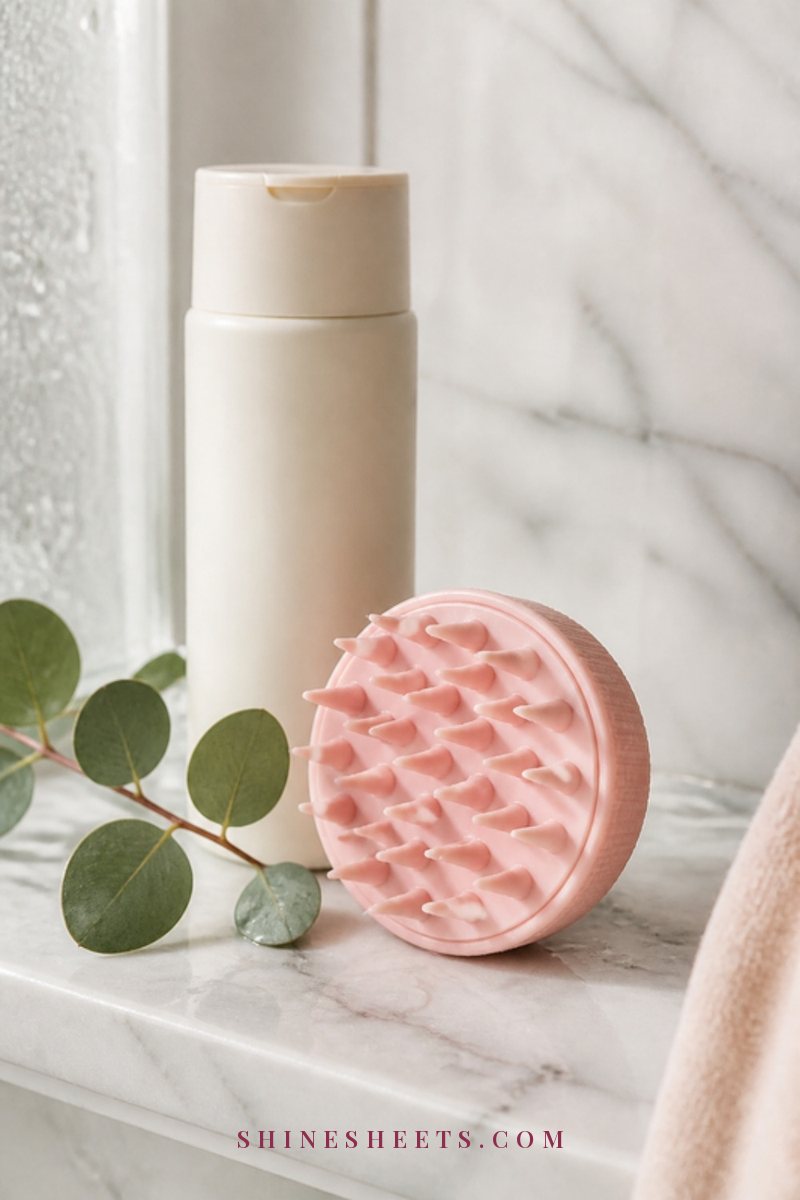
Healthy-looking hair starts where it grows. A clean, calm scalp is the best foundation you can give your strands, and a short massage is one of the most relaxing habits you can build.
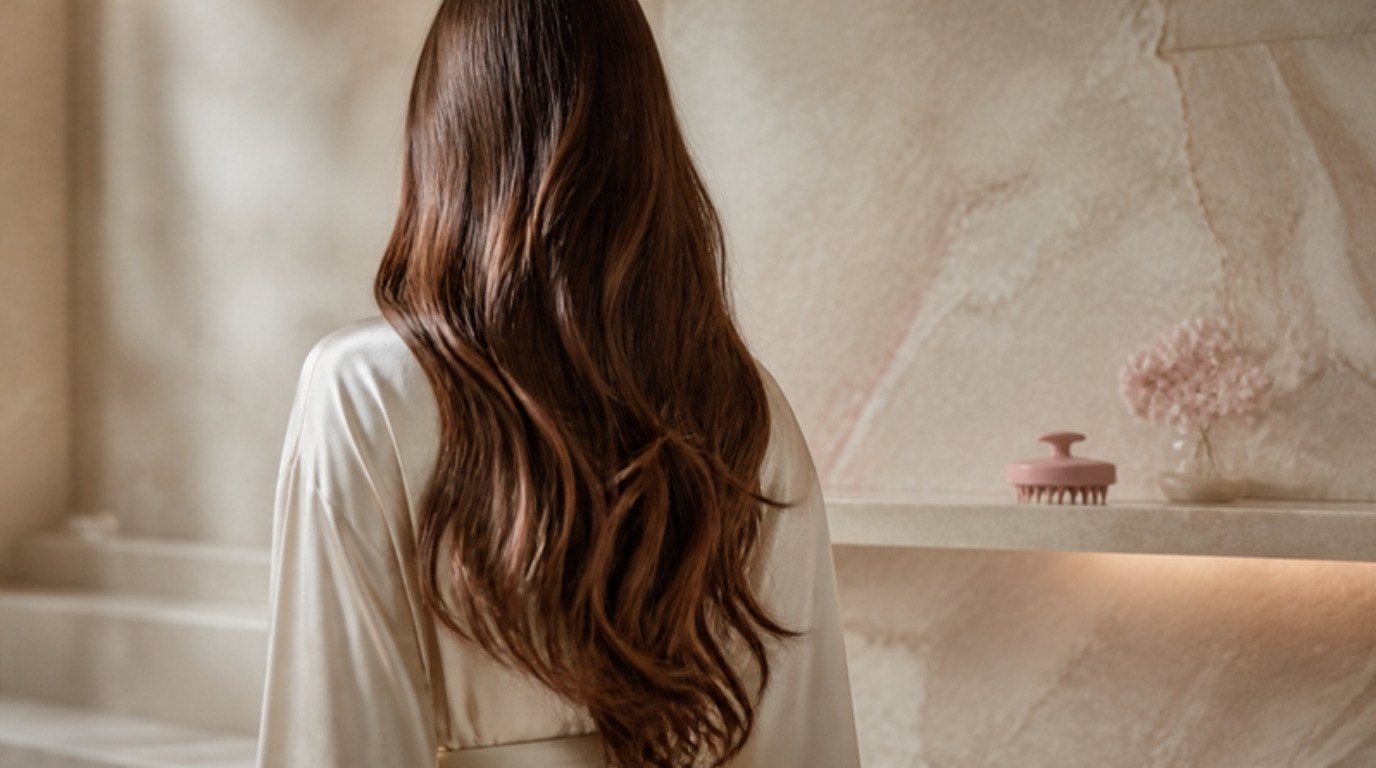
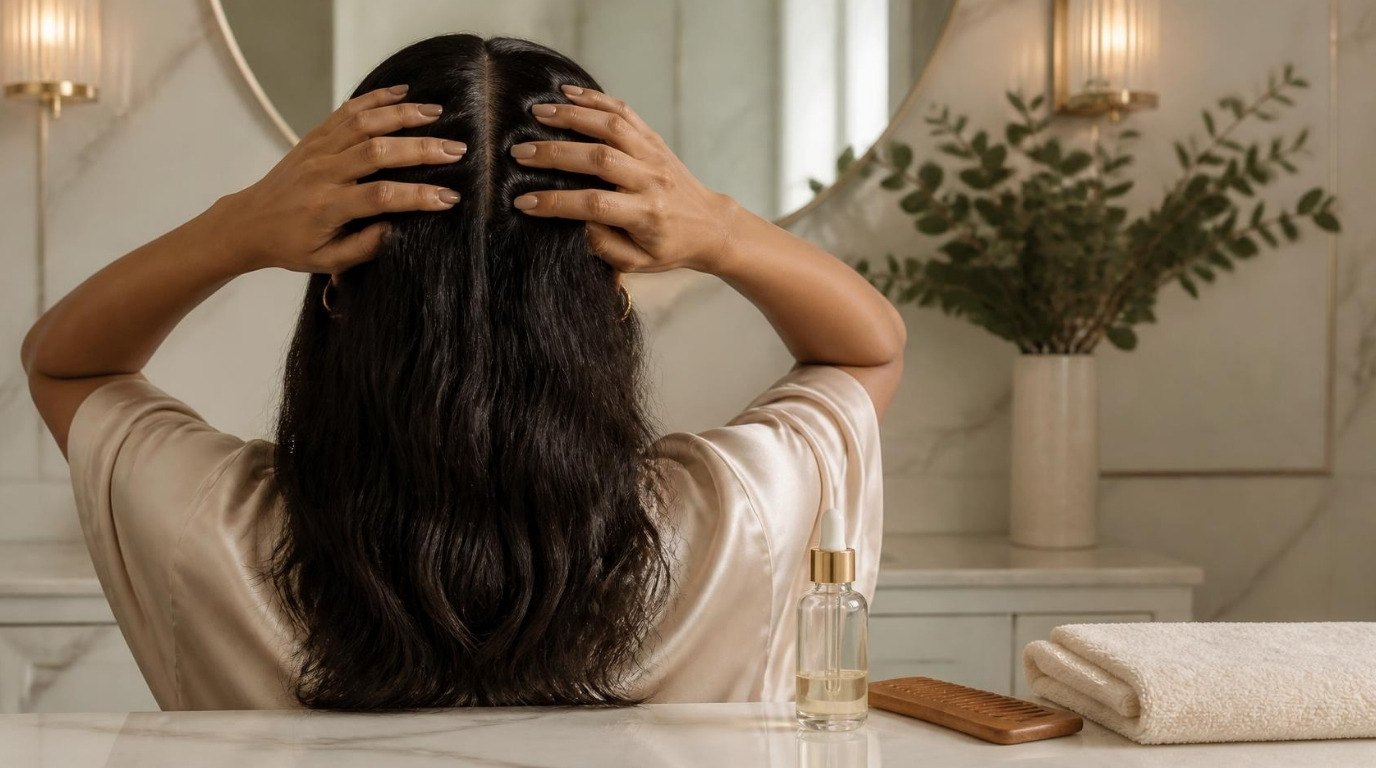
How to do it: two or three times a week, spend three to five minutes massaging your scalp with your fingertips (pads, not nails) in small circles, working from the hairline to the crown and down to the nape. You can do it on dry hair before washing or with shampoo in the shower. A soft silicone scalp massager with flexible bristles makes it easier to reach the whole scalp evenly and feels lovely in the shower.
A massage won't promise new hair, but it can help you relax and loosen buildup. My step-by-step scalp massage guide covers the exact technique, and the weekly scalp care routine shows how to fit it in with cleansing and exfoliating.
2. Switch to a Mild Shampoo
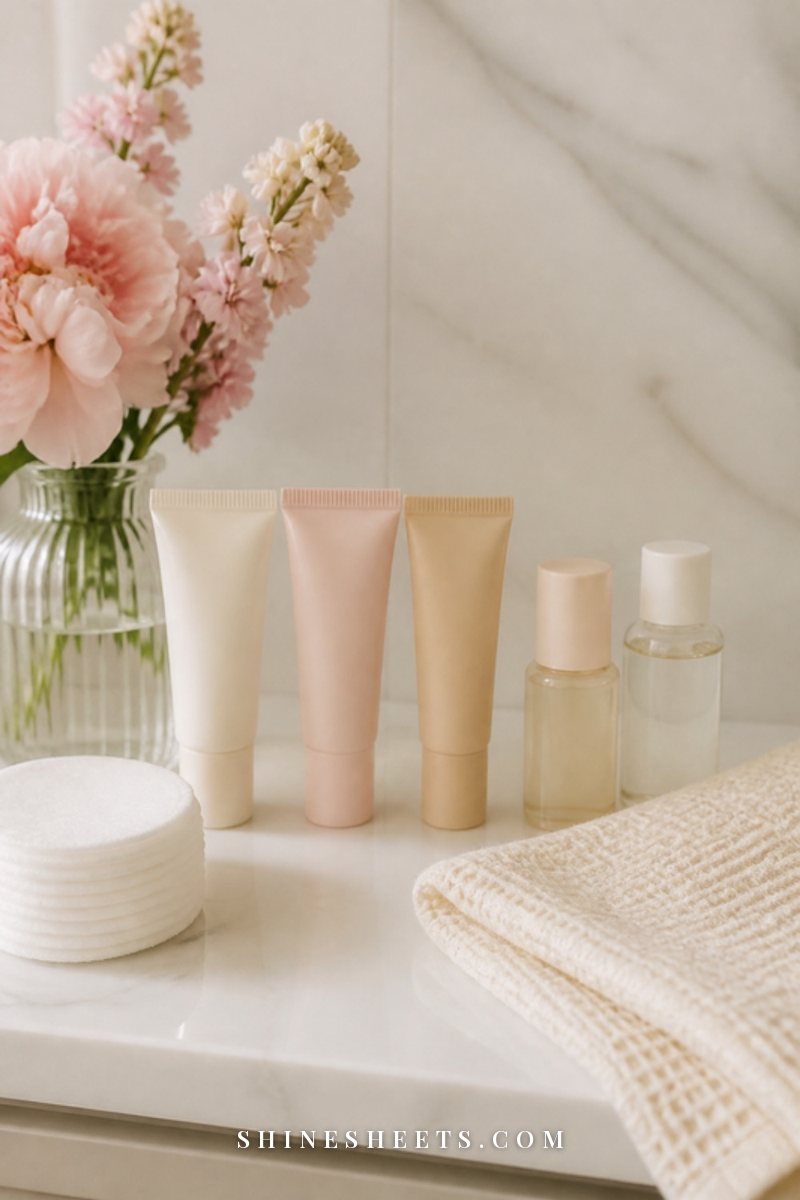
If your scalp feels tighter or itchier than it used to, your shampoo may simply be too strong for this stage. Stronger cleansers strip oil you now produce less of, which can leave both scalp and strands dry.
Look for: a gentle sulfate-free shampoo with a soft lather and little or no added fragrance if your scalp is sensitive. Massage it into the scalp only, and let the suds rinse through your lengths; that's enough to clean them.
How often: there's no magic number. Fine or oily hair may still want washing every day or two, while dry, curly or coily hair often prefers every few days to once a week. Wash when your scalp needs it, not by a strict rule. Patch test any new product on a small spot behind your ear for a day or two first, especially now that your scalp may be more reactive.
3. Keep Conditioner on Your Lengths
Conditioner is your daily moisture, but where you put it matters, especially if your hair has become finer.
The formula: squeeze out excess water, apply conditioner from about ear level down to the ends, leave it for two to three minutes, then rinse with cool to lukewarm water. Keep it off the roots so fine hair doesn't fall flat.
This is also the kindest moment to detangle. Use a wide-tooth comb while the conditioner is still in, starting at the ends and working upward in small sections. Wet hair stretches and snaps more easily, so slow and patient wins here. If your strands feel thinner lately, my fine hair care guide has more ideas for volume without damage.
4. Add a Weekly Mask

Once a week, give your hair a deeper drink. A mask is richer than everyday conditioner and helps soften dry ends and restore some of that quiet shine.
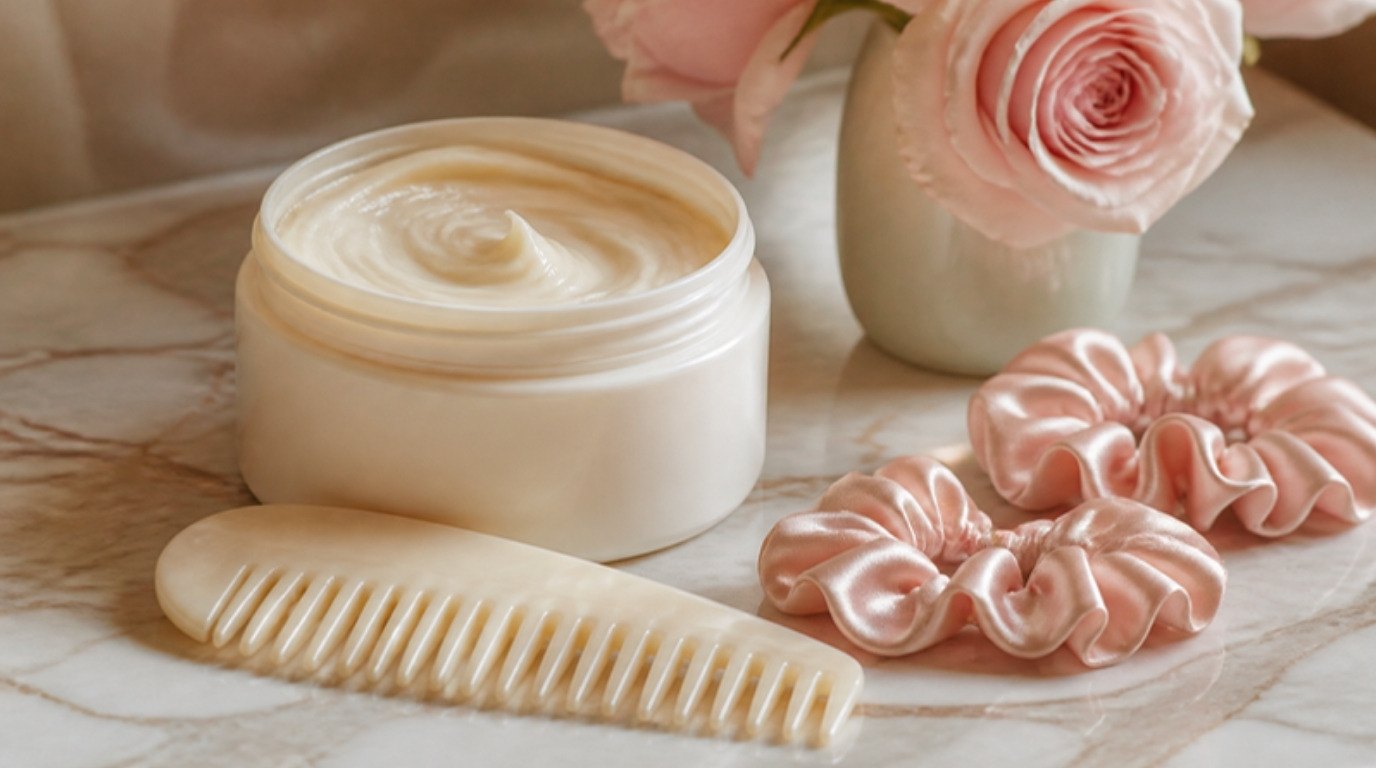
How to do it: after shampooing, squeeze out water, smooth a nourishing hair mask through the mid-lengths and ends, comb it through and leave it on for 10 to 15 minutes (or follow the label). Wrap your hair in a towel or a shower cap so the warmth helps. Rinse well with cool water.
I like turning this into a small ritual: a glass candle, a cup of tea, ten quiet minutes. It's hair care, but it's also a reason to sit down.
5. Use Less Heat, and Always Protect
Hot tools aren't forbidden, but finer, drier hair has less margin for error. A few changes go a long way:
- Let your hair air-dry about 70 to 80 percent before you blow-dry the rest.
- Use a medium heat setting rather than the highest one, and keep the dryer moving.
- Keep flat irons and curling irons to a few times a week, and at the lowest temperature that works for your texture.
- Always mist a heat protectant spray through damp or dry hair before any heat, even a quick touch-up.
Think of heat like sun on skin: occasional and protected is fine, daily and unprotected adds up.
6. Ask for a Softer Cut That Suits Thinner Ends

Sometimes the most effective change happens in the salon chair, not the bathroom. If your ends look wispy or see-through compared to the top, a trim that removes the thinnest part can make the whole head of hair look fuller and healthier.
What to ask your stylist: "My ends feel thinner than they used to. Can you trim them so they look fuller and healthier, without taking off more length than needed?" Mention any shedding, gray, color or scalp sensitivity too, so they see the whole picture. Most women do well with a trim every 8 to 12 weeks, or a light dusting in between if you're growing it out.
You don't need to change your look. The goal is simply ends that match the health of the rest of your hair.
7. Choose Loose Ties and Silk
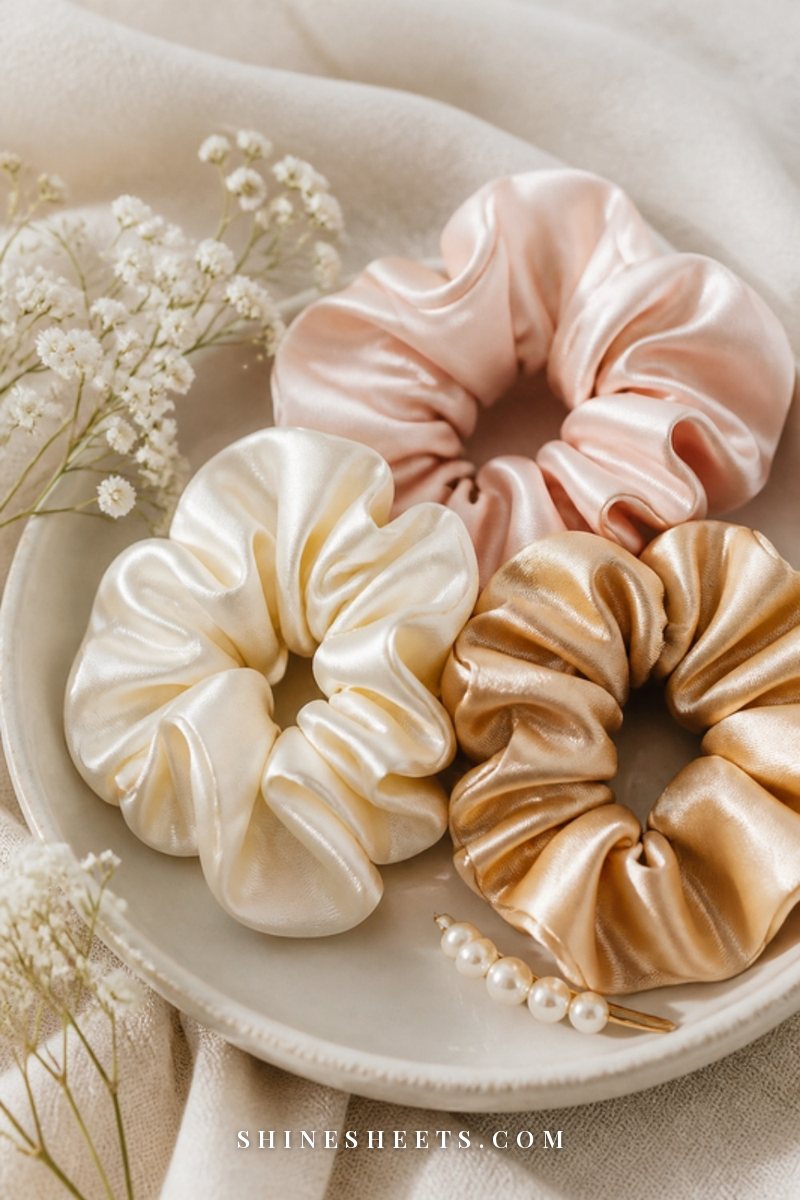
Daily friction and tension are quiet hair stressors. Tight elastics, the same high ponytail every day and rough pillowcases all create small amounts of breakage that add up over months.
- Swap tight elastics for soft silk scrunchies and tie hair loosely, moving the position every day or two.
- Sleep on an ivory silk pillowcase; it creates less friction than cotton, so you may wake up with fewer tangles and less frizz.
- If your hair is long, a loose braid or a soft bun at the crown keeps it from tangling overnight.
- Never brush or tie hair tightly while it's soaking wet.
None of this takes extra time. It's just a gentler set of defaults.
8. Go Gentle With Color or Try a Gloss
Color can be wonderful in this decade, whether you're covering grays, blending them or adding warmth. The trick is choosing the gentlest option for your goal.
- Glosses and demi-permanent color add shine and soften grays with less processing than permanent color.
- Soft highlights or lowlights can blend grays so regrowth looks less obvious and you need fewer appointments.
- Space out bleach and ask your colorist about bond-building treatments if you lighten.
- Patch test every time, even with a color you've used before, because sensitivity can change.
If you're thinking about letting your grays show, my guide to embracing or blending gray hair covers both paths kindly. There's no right answer, only the one that feels like you.
9. Protect Your Hair From the Sun
UV light can dry hair, fade color and roughen the cuticle, and a part line can even get sunburned. This one is easy to forget, so build it into habits you already have.
Simple habits: wear a wide-brim hat or a soft scarf on long sunny days, especially at the beach or by the pool. Rinse chlorine or salt water out with fresh water as soon as you can, then use conditioner. A hair product with UV filters can help on the lengths, and a little sunscreen on a visible part line protects the skin there.
Daily Habits That Support Your Hair

Your hair grows from inside out, so the way you live shows up in your strands a few months later. These aren't rules, just gentle supports:
- Sleep. Aim for a steady bedtime and seven to nine hours where you can. Your whole body, scalp included, repairs overnight.
- Stress care. Short daily resets help more than one big spa day: a ten-minute walk, slow breathing, journaling after an evening tea. My evening ritual is tea, a candle and a few lines in my journal, and I notice I sleep better for it.
- Balanced, protein-rich meals. Hair is made of protein, so regular, varied meals with enough protein, plus fruit, vegetables and healthy fats, give it what it needs. No strict plans and no cutting out whole food groups, which can actually trigger shedding.
- Water. Staying hydrated helps your skin, scalp included, feel more comfortable.
- Regular check-ups. A yearly visit, with any hair changes mentioned, keeps you informed.
If you want a simple way to begin, choose one habit from this list and one gentle change from above. Do just those two for a month. Small and steady is how hair changes, and it's how habits stick too.
Final Thoughts
Your hair in your 40s is still your hair: still worth caring for, still capable of looking soft, full and shiny. It simply asks for a gentler hand, a little more moisture and a bit more patience than before.
Start with your scalp, protect your ends, be kind about the grays and see a doctor whenever something feels sudden or wrong. Give each change a couple of months, and treat the whole routine as one more way of taking good care of yourself, because that's exactly what it is.