If every exfoliating acid you've tried left your skin red, tight or stinging, mandelic acid might be the one that finally works with you instead of against you. It's an AHA, just like glycolic and lactic acid, but it's the slow, gentle member of the family – it smooths texture and helps even out tone without the drama many sensitive skin types know too well.
That gentleness comes down to size. Mandelic acid has a larger molecule than other popular AHAs, so it moves into the skin more slowly and evenly. Slower usually means calmer, which is exactly what you want when your skin reacts to almost everything (mine is combination and sensitive, with a shiny T-zone and cheeks that turn pink at the first sign of a harsh product, so I understand the hesitation).
This guide covers everything you need to know about mandelic acid: what it is, its benefits, who it suits best, how it compares with lactic, glycolic and salicylic acid (with an easy comparison table), how to use it step by step, what to pair it with and what to avoid, how to choose a product and when to stop.
What Is Mandelic Acid?
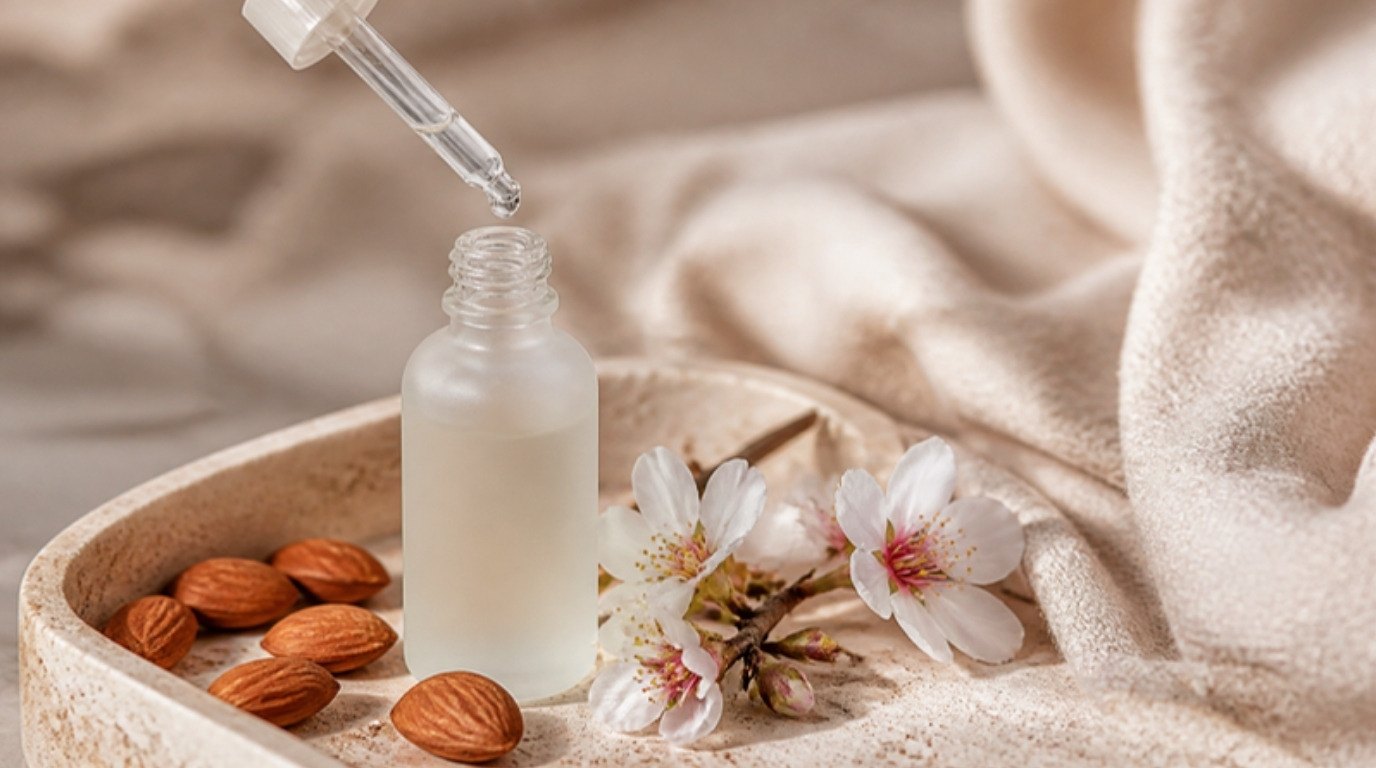
Mandelic acid is an alpha hydroxy acid (AHA) originally derived from bitter almonds – its name comes from the German word for almond, Mandel. In skincare it's usually made in a lab for purity and consistency, so it's not something you'd make at home from nuts in your pantry.
Like all AHAs, it works on the surface of your skin by loosening the "glue" that holds dead skin cells together. Those cells then shed more evenly, which leaves skin smoother, brighter and better at absorbing the products you apply afterward.
What makes mandelic acid special is its molecular size. It's roughly twice the size of glycolic acid, so it penetrates more slowly and stays closer to the surface. It's also a little more oil-soluble than other AHAs, which is one reason it's popular for oily and acne-prone skin. In over-the-counter serums and toners, you'll most often see it at around 5 to 10 percent.
Mandelic Acid Benefits
Mandelic acid won't transform your skin overnight (no acid does), but used consistently for six to eight weeks it can make a lovely, visible difference. Here's what it's best at.
Gentle Exfoliation for Smoother Texture
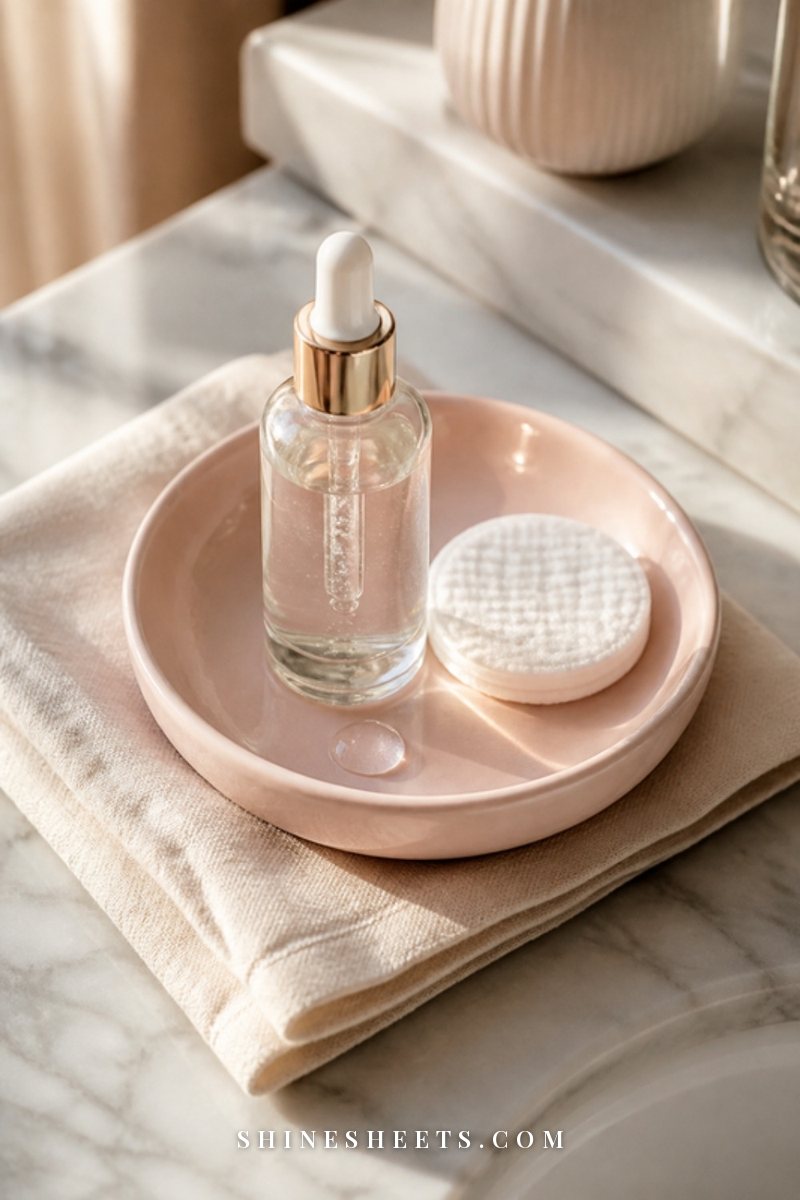
Rough patches, flaky bits and that slightly bumpy feel under makeup often come from dead cells building up unevenly. Regular gentle exfoliation helps skin feel softer and makeup sit more smoothly. If uneven texture is your main concern, my guide on textured skin explains other gentle habits that help.
A More Even-Looking Tone
By encouraging old, dull surface cells to shed, mandelic acid can help leftover marks from breakouts and sun spots look softer over time. It's a supporting player, not a miracle eraser: pair it with daily sunscreen and patience. My guide on how to fade dark spots covers the full routine and the other ingredients that help.
Help for Acne-Prone and Oily Skin
Because mandelic acid is a little more oil-friendly than its AHA cousins and keeps pores from getting clogged with dead skin, many people with oily or breakout-prone skin find it a gentle addition. It also has mild antibacterial properties. It isn't a treatment for cystic or severe acne – that deserves a dermatologist – but it can be a kind everyday helper for occasional breakouts and congestion.
Who Mandelic Acid Suits Best
Mandelic acid is often the AHA that dermatologists suggest when other acids feel too strong. It tends to suit:
- Sensitive skin that stings with glycolic acid.
- Beginners who've never used a chemical exfoliant and want a soft starting point.
- Oily, combination and acne-prone skin that wants clearer pores without stripping.
- Skin prone to dark marks after breakouts or irritation. Irritation itself can trigger post-inflammatory hyperpigmentation, especially in medium and deeper skin tones, so a slower, gentler acid is often a sensible choice. It's still wise to start slowly and check with a dermatologist if you've had pigmentation problems before.
Who should be more careful? Anyone with a damaged skin barrier (stinging, flaking, redness), active eczema or rosacea flares, a sunburn, or skin that's healing from a procedure. If you're pregnant, breastfeeding or using prescription skincare, ask your doctor or dermatologist before adding any new acid. And if you're allergic to almonds, check with a professional first – mandelic acid in skincare is usually synthetic, but it's better to be sure.
Mandelic Acid vs Other Acids: Comparison Table
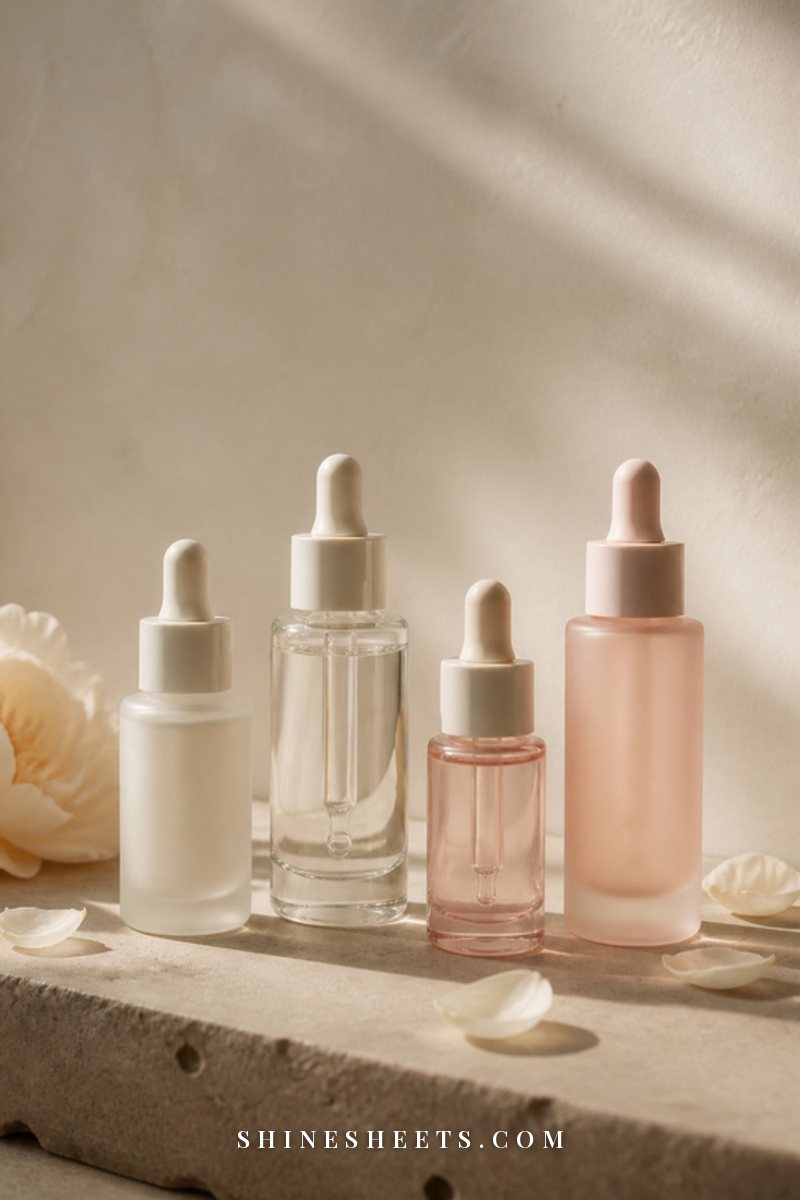
Here's how mandelic acid stacks up against the acids you're most likely to see on a shelf. Molecule size is a rough guide to how quickly an acid moves into skin: smaller usually means faster and stronger, larger usually means slower and gentler.
| Acid | Type | Molecule size | Best for | Sensitivity level |
|---|---|---|---|---|
| Glycolic acid | AHA | Smallest (about 76 g/mol) | Dullness, fine lines, sun-damaged texture on resilient skin | Highest chance of stinging |
| Lactic acid | AHA | Small–medium (about 90 g/mol) | Dry, dull skin that also wants hydration | Moderate |
| Salicylic acid | BHA | Medium (about 138 g/mol) | Blackheads, clogged pores, oily skin (works inside pores) | Low–moderate; can be drying |
| Mandelic acid | AHA | Large (about 152 g/mol) | Sensitive, acne-prone or uneven skin; beginners | Lowest of the common AHAs |
For a deeper look at exfoliant families in general, my AHA vs BHA guide goes through how each one behaves.
Mandelic vs Lactic Acid
Both are gentle-leaning AHAs. Lactic acid adds a touch of hydration and is lovely for dry, dull skin. Mandelic acid suits oilier and breakout-prone skin a little better. If your skin is dry and sensitive, either can work; read my guide to lactic acid and pick the one that matches your main concern.
Mandelic vs Glycolic Acid
Glycolic acid is faster and more noticeable, which is great for skin that tolerates it and frustrating for skin that doesn't. If glycolic leaves you red or stinging, mandelic is the natural next thing to try.
Mandelic Acid vs BHA
Salicylic acid (BHA) is oil-soluble and works inside pores, so it's the go-to for blackheads. Mandelic works mostly on the surface. Some people alternate them on different nights – just not on the same night if your skin is sensitive.
How To Use Mandelic Acid Step by Step
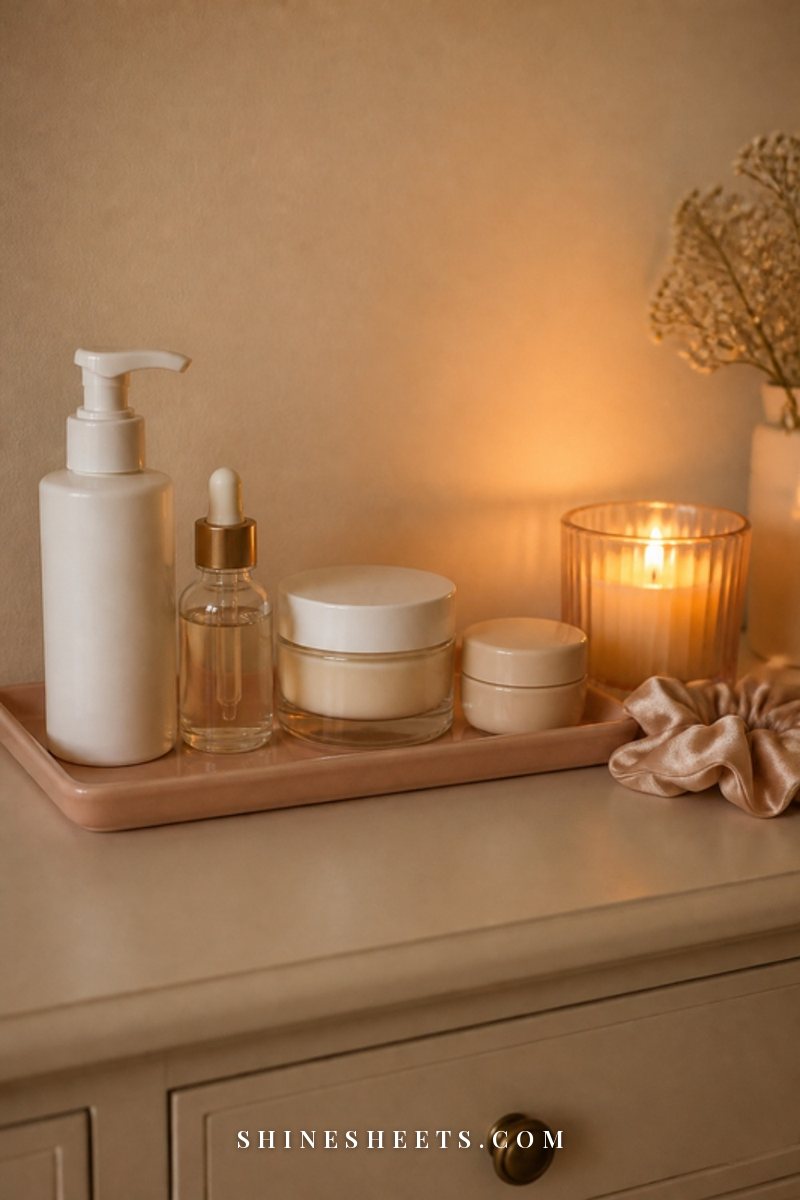
Start low, go slow, and let your skin tell you what it wants. Here's a simple evening routine:
- Patch test first. Apply a little product behind your ear or along your jaw for two or three evenings. No redness, itching or burning? You're ready.
- Cleanse gently. Use a gentle low-pH cleanser that leaves your skin soft, not squeaky. Pat dry.
- Apply to dry skin. Wait a minute or two so your face is fully dry – acids on damp skin can sting more. Use a few drops of a mandelic acid serum and spread a thin layer, avoiding the eye area, the corners of the nose and lips.
- Wait a moment. Give it a minute or two to absorb. A light tingle can be normal at first; real burning is not.
- Moisturize. Follow with a ceramide moisturizer to support your skin barrier.
- Wear sunscreen every morning. AHAs can make skin more sensitive to the sun, so a broad-spectrum SPF 30 or higher is non-negotiable. A lightweight Korean-style daily sunscreen is a pick for anyone who hates heavy, greasy formulas.
How Often To Use Mandelic Acid
Begin with two evenings a week, with at least two nights between them. If your skin feels comfortable after two or three weeks, try three evenings a week. Many people stay at two to four times a week long term; only move to daily use if your skin clearly loves it and the product is designed for daily use.
Here's a gentle four-week starter plan:
| Week | Mandelic acid nights | Other nights |
|---|---|---|
| Week 1 | Monday and Thursday | Cleanser and moisturizer only |
| Week 2 | Monday and Thursday | Cleanser, hydrating serum, moisturizer |
| Week 3 | Monday, Wednesday, Saturday (if comfortable) | Hydration and barrier care |
| Week 4 | Keep what felt good | Your other actives on separate nights |
Results build slowly. Give it six to eight weeks before deciding whether it works for you, and take a picture in the same light at the start if you want to compare honestly.
A Simple Day-and-Night Routine
Once you've found your rhythm, the whole routine is wonderfully short. Morning: gentle cleanse (or just a splash of water), a hydrating or niacinamide serum, moisturizer, sunscreen. Mandelic evenings: gentle cleanse, mandelic acid on dry skin, ceramide moisturizer. Rest evenings: gentle cleanse, a hydrating serum, a richer moisturizer, and nothing else. That's it. Rest evenings aren't wasted evenings; they're when your barrier recovers, which is what lets you keep exfoliating comfortably.
What To Pair (and Not Pair) With Mandelic Acid
Mandelic acid plays nicely with calm, hydrating ingredients and less nicely with other strong actives on the same night.
Lovely Partners
- Hyaluronic acid and glycerin for hydration.
- Ceramides to support the barrier.
- Niacinamide for oil balance and an even-looking tone (on the same night if your skin is comfortable, or in the morning).
- Centella asiatica to soothe – a centella soothing cream is a pick for nights when your skin feels a little warm.
Use on Separate Nights
- Retinol and retinoids – alternate nights, never layered when you're starting out.
- Other acids (glycolic, lactic, salicylic) and exfoliating pads or scrubs – one exfoliant per night is plenty.
- Strong vitamin C serums – use vitamin C in the morning and mandelic acid in the evening.
- Benzoyl peroxide – if you use it, keep it on a different part of the day or ask your dermatologist how to combine them.
My full guide on skincare ingredients not to mix covers more combinations if your routine has several actives.
Choosing a Mandelic Acid Product
You'll find mandelic acid in serums, toners, cleansers and peels. For most people, a leave-on serum is the easiest to control. Look for:
- A clear percentage – 5 to 10 percent is the usual home-use range. Start lower if your skin is very sensitive.
- Soothing support such as hyaluronic acid, panthenol or centella in the formula.
- A simple formula without added fragrance or essential oils, which can be irritating.
- A well-known, widely available brand. Global drugstore and Korean best-sellers usually have consistent formulas and plenty of user feedback.
Mandelic acid cleansers are a softer option because they're rinsed off within a minute, though the effect is milder too. Professional mandelic peels are much stronger and should only be done by a trained professional.
Side Effects and When To Stop
Mandelic acid is gentle, but gentle isn't the same as risk-free. A light tingle for a few seconds in the first weeks is common. Stop and give your skin a break if you notice:
- Burning that lasts more than a minute or two
- Persistent redness, stinging when you apply plain moisturizer, or a tight, shiny look
- Flaking or peeling that keeps getting worse
- Itching, swelling or a rash
If that happens, pause all actives for a week or two and keep only a gentle cleanser, a barrier-supporting moisturizer and sunscreen – my sensitive skin routine is a nice blueprint for recovery weeks. When your skin feels calm again, restart once a week. If symptoms are severe, don't improve or you're unsure what's going on, please see a dermatologist.
A little honesty from me: purging is often blamed for every new breakout. Some people do get a few extra breakouts in their usual spots in the first weeks of an exfoliating acid, but new bumps in new places, or irritation that keeps growing, are usually a sign the product isn't right for you.
Common Mandelic Acid Mistakes To Avoid
Most bad experiences with gentle acids come from a few very understandable habits. Watch out for these:
- Starting every night. Even a mild acid can overwhelm skin that isn't used to exfoliation. Two evenings a week is a real, effective start, not a timid one.
- Stacking exfoliants. A mandelic serum plus a scrub plus an exfoliating cleanser adds up quickly. Pick one exfoliating step per evening.
- Applying more for faster results. A thin layer of a few drops is enough for the whole face. Extra product means extra irritation, not extra glow.
- Skipping moisturizer because your skin is oily. Oily skin still needs barrier support, especially when you exfoliate. A light gel-cream works well.
- Forgetting the neck and the sun. If you take your acid down to your neck, take your sunscreen there too.
- Giving up after two weeks. Skin renews itself slowly. Judge results after six to eight weeks of consistent use.
Mandelic Acid Questions, Answered
Is Morning Use Okay?
You can, as long as you wear sunscreen and reapply when you're outdoors. Most people prefer evenings because it keeps acids away from vitamin C and gives skin the night to settle. If your morning routine is simpler, though, a morning application followed by a moisturizer and SPF is perfectly fine.
Does Mandelic Acid Work With Niacinamide?
Yes, for most people. The old worry that they cancel each other out mostly comes from very different formulas tested in lab conditions. If your skin is very sensitive, apply niacinamide in the morning and mandelic acid in the evening to keep things calm.
Is Mandelic Acid Safe for Deeper Skin Tones?
It's often considered one of the gentler acid choices for medium and deeper skin tones, which can be more prone to dark marks after irritation. That doesn't mean "zero risk" – the key is still a patch test, a slow start and daily sunscreen. If you have a history of stubborn pigmentation, a dermatologist can help you plan.
How Long Until I See Results?
Many people notice softer, smoother skin within two to four weeks. Changes in tone and leftover marks take longer, often eight to twelve weeks. Consistency matters far more than strength here.
Is It Safe Around the Eyes?
Keep it away from the delicate eye area and the corners of your nose and lips, where skin is thinner and products tend to collect. Your regular eye cream is a much kinder choice there.
Does Mandelic Acid Help With Body Texture?
It can be a gentle option for rough patches on the upper arms, back or chest, especially if body scrubs feel too harsh. Body products with mandelic acid are less common than face serums, so many people simply apply their face serum to small areas. Moisturize afterward and protect any sun-exposed skin.
Should I Pause Before Waxing or a Facial?
Yes, it's sensible to skip mandelic acid and other exfoliants for about three to five days before waxing, threading, dermaplaning or a professional facial, and for a few days after. Freshly exfoliated skin is more easily irritated, and your aesthetician will usually ask about acids anyway.
Final Thoughts
Mandelic acid is proof that exfoliation doesn't have to sting to work. Slow, steady and gentle, it's one of the kindest ways to bring smoother texture and a more even-looking tone to sensitive or breakout-prone skin.
Patch test, start with two evenings a week, protect your skin with moisturizer and sunscreen, and let the results arrive in their own time. Your skin will thank you for the patience.