Fragrance in skincare isn't a villain, and it isn't harmless for everyone either. The honest answer sits in the middle: for some skin types it's one of the most common reasons a product stings or causes a rash, and for many other people it's simply a pleasant part of the ritual that never causes a single problem.
This guide is a calm, balanced look at fragrance in skincare: why it's added in the first place, what the research generally says about reactions, who should skip it and who usually tolerates it fine, the real difference between fragrance-free, unscented and "natural" scents, six common fragrance allergens worth recognizing, and where fragrance matters most. There's a table to help you decide product by product, and a simple way to test anything new.
My own skin is combination and sensitive, so I've learned to be choosy about where scent goes. Not afraid of it, just choosy.
Why Fragrance Is in Skincare at All
It's easy to assume fragrance is only there to make you buy the product, but there are actually three fairly ordinary reasons brands add it:
- Pleasure. A lovely scent makes a product feel luxurious, and people genuinely enjoy it. That's not trivial: a routine you enjoy is a routine you keep.
- Covering base smells. Many skincare ingredients smell a little odd on their own: fatty, waxy, medicinal or earthy. A small amount of fragrance can cover that up.
- Ritual and memory. Scent is closely tied to mood. A rose-scented cream or a lavender body lotion can make an evening routine feel like a small ceremony, a bit like lighting a candle with your evening tea.
None of those reasons is about what the product does for your skin. Fragrance is almost always there for your nose and your mood, not your complexion. That's fine, as long as your skin is happy to come along for the ride.
What the Research Generally Says
Fragrance is consistently named among the most common causes of allergic skin reactions to cosmetics. That sounds dramatic, but it helps to put it in context: most people who use scented products never develop a fragrance allergy. The risk is real, but it's concentrated in certain people and certain situations.
It also helps to know that skin can react to fragrance in two different ways.
Irritation vs Allergy
Irritation is a direct reaction: stinging, burning or redness that usually shows up quickly, often within minutes. It depends a lot on the amount and on the state of your skin barrier, so a product that's fine on a good day can sting on a dry, windburned day.
Allergy (allergic contact dermatitis) works differently. Your immune system "learns" to react to a specific ingredient, a process called sensitization. Once that happens, even small amounts can trigger an itchy, red, sometimes bumpy rash, and it often appears a day or two after contact rather than right away. Allergies to a specific fragrance ingredient tend to last, which is why dermatologists take repeated exposure seriously for people with reactive skin.
Researchers and dermatologists also point out that "fragrance" isn't one thing. It's a category covering thousands of possible scent ingredients, both synthetic and plant-derived, used in very different amounts. Two scented creams can carry completely different risks, which is why blanket statements like "fragrance is toxic" or "fragrance is totally harmless" both miss the point.
One more detail researchers often point to: some fragrance ingredients, like limonene and linalool, become more likely to cause reactions as they oxidize, meaning as they react with air over time. That's one reason an old, half-used scented product can behave differently than a fresh one.
Who Should Avoid Fragrance
If any of these describe you, choosing fragrance-free products, especially for your face, is a sensible default:
- Sensitive or reactive skin. If new products often sting, itch or flush, fewer potential triggers means fewer surprises. A calm, simple sensitive skin routine is a good foundation.
- Eczema-prone skin. Dry, inflamed patches let ingredients reach deeper into the skin, and people with eczema are more likely to develop contact allergies.
- A damaged skin barrier. After over-exfoliating, a retinoid flare or a harsh winter, your skin is more permeable and more easily irritated. Pause scented leave-on products while you restore your skin barrier.
- Rosacea-prone skin. Fragrance is a common trigger for stinging and flushing in rosacea-prone skin. If your cheeks redden easily, this guide to calming redness on your face may help.
- A known fragrance allergy. If a dermatologist has confirmed a fragrance allergy, read every label and avoid the specific ingredients you react to.
For barrier-stressed skin, an unscented barrier repair cream with ceramides is a kind, simple choice, and a cica soothing serum (centella asiatica is one of the Korean best-seller favorites for this) can be a gentle extra step. Do check the full list, though, since some soothing products still contain fragrance.
Who Usually Tolerates It Fine
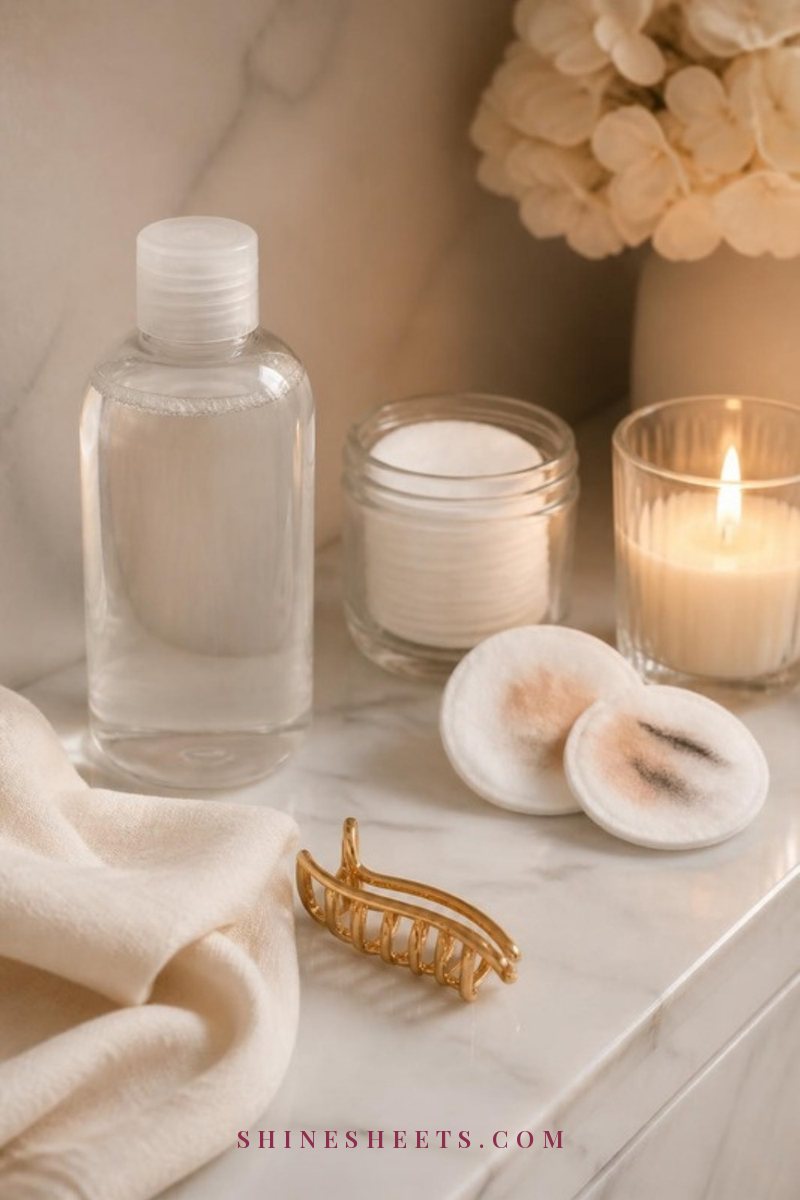
If your skin is resilient, you rarely react to new products and you have no history of eczema, rosacea or allergies, scented skincare is usually fine. Lots of people use fragranced moisturizers and body lotions for years with no issues at all.
You don't need to throw out a product you love just because it has fragrance in it. A few gentle guidelines still help:
- Keep scent where it matters least, like body wash and body lotion, rather than every single face product.
- Notice patterns. If your face only gets itchy around one new product, take that seriously, even with "tough" skin.
- Use up scented products within their open-jar period, since older fragrance can oxidize.
- Listen to your skin on bad days. After sunburn, windburn or a strong exfoliant, switch to unscented for a few days.
It's also worth knowing that the amount of fragrance varies a lot. A body lotion with a soft, barely-there scent is a very different experience for your skin than a heavily perfumed one, even if both simply say "Fragrance" on the list. If a product smells strong enough to fill the room, it's a sensible one to keep off your face.
Tolerating fragrance well today doesn't guarantee you always will, but it also doesn't mean you're heading for trouble. It just means you can enjoy it with a little awareness.
Fragrance-Free vs Unscented vs "Natural" Scents
These three labels sound similar, and they mean quite different things.
Fragrance-Free
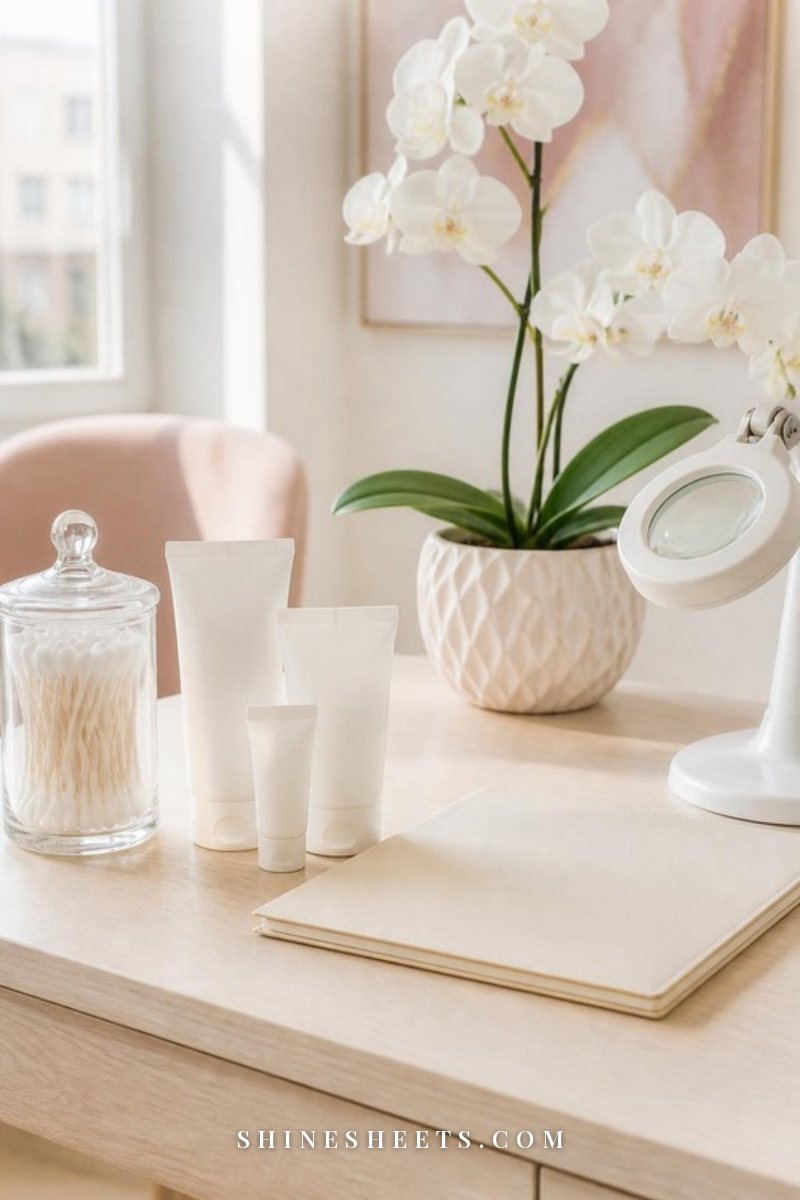
"Fragrance-free" means no fragrance has been added to give the product a scent. The product may still have a faint natural smell from its ingredients, which is completely normal. It's the label to look for if your skin is reactive, and the easiest place to start is your cleanser and moisturizer, the products you use most. A gentle, fragrance-free cleanser is one of the simplest swaps you can make.
One small caveat: there isn't one strict, shared definition across every market, so fragrance-free is a strong hint, not a guarantee. A quick look at the ingredient list confirms it.
Unscented
"Unscented" means the product doesn't have a noticeable smell. That can be achieved by leaving fragrance out, or by adding a small amount of masking fragrance to neutralize the base smell. So an unscented product can still contain fragrance. If you see "Fragrance" or "Parfum" on the list of an unscented product, that's why.
Natural and Essential-Oil Scents
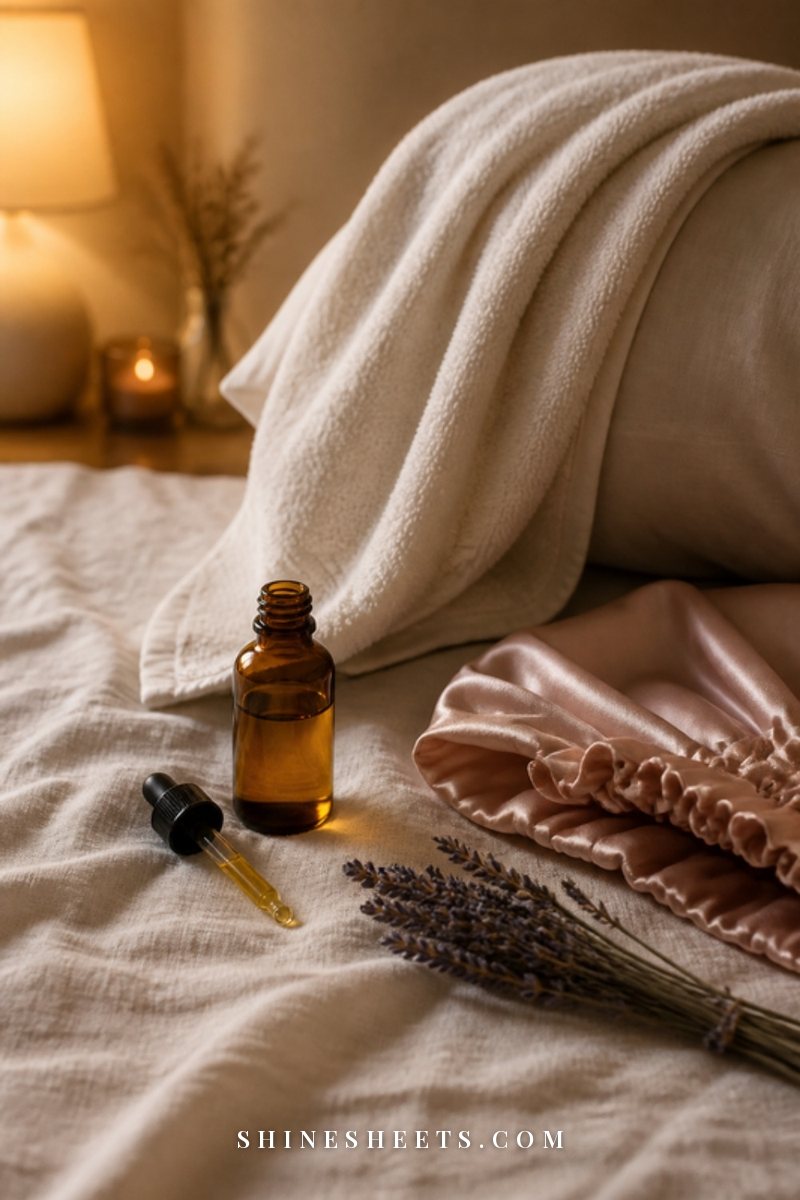
Products scented with essential oils or plant extracts are often marketed as gentler, but your skin doesn't sort ingredients into natural and synthetic. Essential oils like lavender, lemon, bergamot, rose and ylang-ylang are made up of the same kinds of aromatic compounds found in fragrance blends, including several of the allergens below. Lavender oil, for example, is naturally rich in linalool.
That doesn't make essential oils bad. It just means "natural scent" and "fragrance-free" aren't the same thing, and reactive skin may treat them very similarly. If you want to understand how scents show up on an ingredient list, my guide on how to read skincare labels walks through it.
6 Common Fragrance Allergens To Know
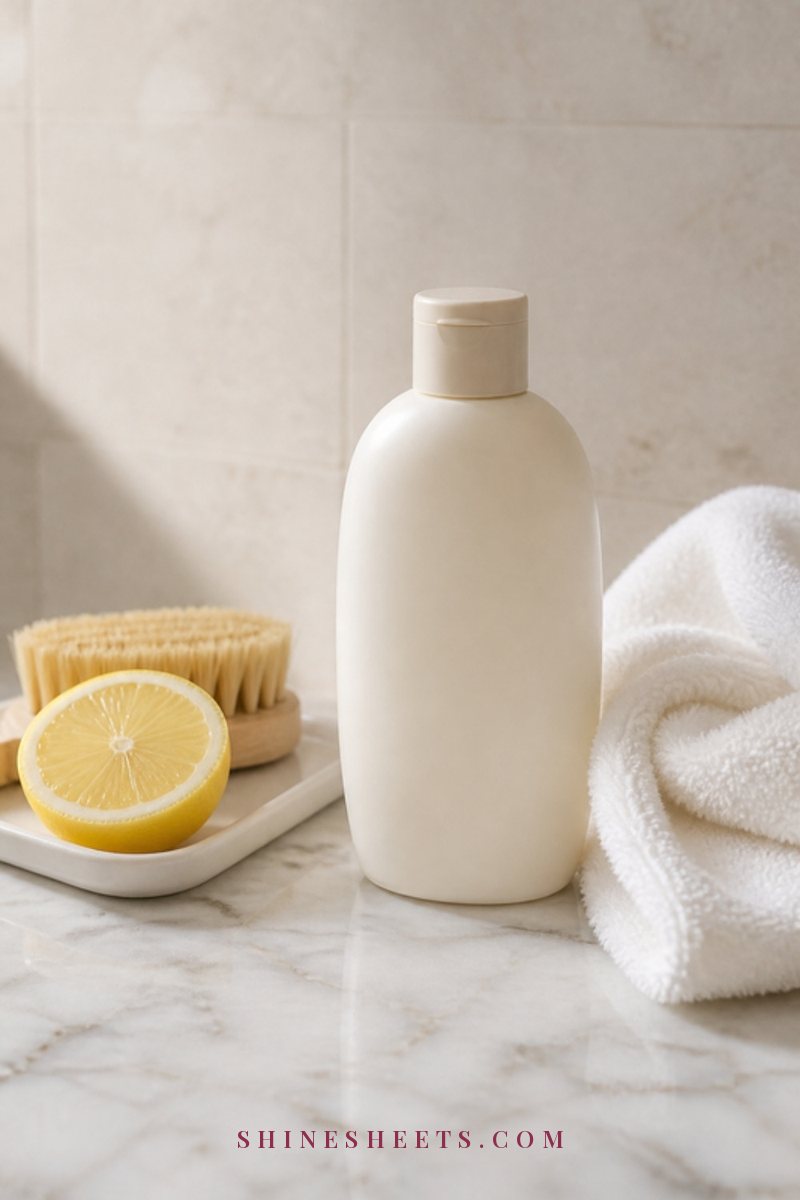
These six names show up on many ingredient lists, often near the end, especially on products sold in Europe, where certain fragrance allergens must be named individually above small amounts. Seeing them doesn't mean a product is bad. It just tells you what's in the scent:
- Limonene. A citrus compound found in orange, lemon and other citrus peel oils. Fresh limonene is mild for most people; oxidized limonene is a more common trigger.
- Linalool. A soft, floral compound found in lavender, coriander and many flowers. Like limonene, it becomes more of a concern as it oxidizes.
- Citral. The bright, lemony note in lemongrass, lemon myrtle and verbena.
- Geraniol. A rosy compound found in rose, geranium and citronella oils.
- Eugenol. The warm, spicy note of clove, also present in some rose and cinnamon leaf oils.
- Cinnamal (also called cinnamaldehyde). The main scent compound of cinnamon bark, and one of the stronger sensitizers on this list.
If a dermatologist ever tells you you're allergic to one of these, write the name down and keep it in your phone. It makes label reading so much faster.
Where Fragrance Matters More (and Less)
Not every product carries the same risk. Two things make the biggest difference: whether the product stays on your skin (leave-on) or gets washed off (rinse-off), and how delicate the skin it touches is. Here's how I'd think about it:
| Product type | Fragrance risk level | Safer choice | Who it matters for |
|---|---|---|---|
| Eye cream, eye makeup remover | High | Fragrance-free, ophthalmologist-tested formulas | Everyone with sensitive eyes or eyelids |
| Face moisturizer | High | Fragrance-free with ceramides or glycerin | Sensitive, eczema-prone, rosacea-prone skin |
| Face serum, essence, toner | Medium to high | Fragrance-free; skip essential-oil blends | Reactive or barrier-damaged skin |
| Face sunscreen | Medium to high | Fragrance-free mineral sunscreen | Sensitive and rosacea-prone skin |
| Lip balm | Medium | Unflavored, fragrance-free balm | Anyone with chapped or flaky lips |
| Face cleanser | Low to medium | Fragrance-free gentle cleanser | Sensitive skin, since you use it twice a day |
| Hand cream | Medium | Unscented, rich cream | Dry, cracked hands or hand eczema |
| Body lotion | Medium | Lightly scented or fragrance-free | Eczema-prone or very dry skin |
| Body wash, shampoo | Low | Any you enjoy; rinse well | Mainly people with a known fragrance allergy |
| Body mist, perfume | Highest scent load | Spritz onto clothes or hair ends instead of irritated skin | Anyone whose neck or wrists get itchy |
The short version: be pickiest about what you leave on your face and around your eyes, and relax a little about what you rinse off your body.
Leave-On Face Products
Moisturizers, serums and sunscreens sit on your face for hours, so any fragrance has plenty of time to interact with your skin. If you only make one change, make your daily face moisturizer and sunscreen fragrance-free. A mineral sunscreen made for sensitive skin with zinc oxide is often the calmest option for reactive faces.
The Eye Area
Eyelid skin is some of the thinnest on your body, and it's a common place for allergic reactions to show up, sometimes from products you didn't even put there (fragrance can travel from your hands, hair or pillowcase). Choose fragrance-free eye creams and a gentle, fragrance-free micellar water for removing makeup, pressed on with a cotton pad rather than rubbed.
Rinse-Off Body Wash
A scented body wash spends a minute or two on your skin before it's rinsed away, so for most people it's one of the lowest-risk places to enjoy fragrance. If you love a rose or vanilla shower moment, this is where to keep it. The exception: if you've been diagnosed with a fragrance allergy, even rinse-off products can be enough to cause a reaction, so follow your dermatologist's advice.
How To Keep Scent in Your Routine Without Stressing Your Skin
If you love fragrance but your face doesn't, you don't have to choose between a calm complexion and a lovely-smelling routine. The trick is moving scent away from the skin that minds it most. A few easy ways:
- Let your body products carry the scent. A rose or vanilla body wash in the shower gives you the whole sensory moment, then rinses away within minutes.
- Scent the room, not your face. A glass candle on the bathroom counter, a diffuser in the hallway or a soft linen spray on your towels (not on your pillowcase if your face is reactive) creates that spa feeling with zero contact on your cheeks.
- Mist clothes and hair ends instead of your neck. If perfume or body mist makes your neck itchy, try a light spritz on a scarf or the ends of your hair, and keep it away from freshly exfoliated or irritated skin.
- Choose one scented "treat" product at a time. A scented body lotion or hand cream is easier to track than five fragranced products layered together. If something flares up, you'll know where to look.
- Keep your face routine boringly simple. A gentle cleanser, an unscented moisturizer and sunscreen. Boring on the face, lovely everywhere else is a very good balance.
Honestly, my favorite part of an evening routine isn't the smell of a cream anyway. It's the tea, the candle and ten quiet minutes with my journal afterward, and none of those need to touch my skin.
How To Test a New Product Safely
Whether a product is scented or not, a careful start saves a lot of guesswork. Here's the simple way to bring something new into your routine:
- Add one new product at a time. Give it at least one to two weeks before adding anything else, so if your skin reacts, you know exactly why.
- Patch test first. Apply a small amount to a discreet spot, such as behind your ear or on the side of your neck, once or twice a day for several days. My guide on how to patch test skincare has the full step-by-step.
- Watch for three signs. Redness, itching or stinging. Remember that allergic reactions can take a day or two to appear, so don't judge a product after one evening.
- Start slowly on your face. If the patch test is calm, use it every other day for the first week before going daily.
- Stop at the first clear reaction. Rinse with cool water, pat dry with a soft white cotton face towel and go back to your simplest, unscented basics until your skin settles.
If you'd like ideas for that simplest routine, these gentle skincare picks for sensitive skin are a good starting point.
When To See a Dermatologist
A little stinging that fades quickly is common with new products. But please see a dermatologist if a rash keeps coming back, spreads, blisters, swells, lasts more than a few days after you stop the product, or affects your eyelids or lips. Those are signs your skin needs a proper look rather than more guessing.
A dermatologist can do patch testing to find out which specific ingredient your skin reacts to. That's genuinely useful: instead of avoiding every scented product forever, you'll know exactly which names to look for. And if something ever feels serious, like swelling of the face or trouble breathing, get medical help right away.
Final Thoughts
You don't have to fear fragrance, and you don't have to give up a scent you love. The honest answer is to match your choices to your skin: fragrance-free for reactive, eczema-prone, rosacea-prone or stressed skin, especially on the face and around the eyes, and a little more freedom for resilient skin and rinse-off body products.
Keep your leave-on face products simple, let your shower or your body lotion be the place for a lovely scent if you enjoy it, and introduce new things one at a time. That calm, choosy approach keeps both your skin and your little evening rituals happy.