Dark underarms are one of the most common skin concerns there is, and one of the least talked about. They aren't a sign that you're unclean or doing something wrong. Underarm skin is thin, folded, rubbed by fabric all day and shaved, waxed or sprayed regularly, so it's no surprise it reacts by producing a little extra pigment.
The kindest approach is also the most effective one: less irritation, gentle exfoliation, a few calming ingredients and a lot of patience. Harsh scrubs and kitchen remedies tend to make things worse, because irritation is often what caused the darkening in the first place.
In this guide to dark underarms, you'll find the common causes, when it's worth seeing a doctor, a gentle step-by-step routine, a weekly schedule, a "what helps vs what irritates" table, what to avoid and a realistic timeline. Let's treat this skin with the same care you'd give your face.
Why Underarms Get Darker
Underarm darkening usually has more than one cause, and they often overlap. Understanding yours helps you choose what to change first.
Friction
Your arms move against your sides thousands of times a day, and tight sleeves or synthetic fabrics add to the rubbing. Repeated friction can trigger the skin to produce more melanin as a form of protection. This is especially common in warm weather, during exercise and with fitted clothing.
Shaving and Hair Removal Irritation
Shaving scrapes the top layer of skin along with the hair, and doing it often, with a dull blade or without enough glide, causes low-grade inflammation. Inflammation can leave darker marks behind (often called post-inflammatory hyperpigmentation). Waxing and epilation can do the same, and ingrown hairs add tiny bumps and dark spots. The bikini area reacts the same way, so I follow this gentle bikini line care routine to keep the skin smooth without irritation.
Deodorant or Antiperspirant Irritation
Fragrance, alcohol and some other ingredients in deodorants can irritate sensitive underarm skin. You might not notice obvious redness, but ongoing mild irritation can still lead to darkening over time.
Dead Skin Buildup
Dead skin cells can collect in the folds of the underarm, especially if deodorant residue builds up and isn't fully washed away. This can make the area look dull, gray or slightly darker than the skin around it.
Hair Under the Skin
Sometimes what looks like darkening is actually dark hair just under the surface, visible through thin skin, often right after shaving. This "shadow" is common if you have dark, coarse hair and lighter skin.
Hormonal and Insulin-Related Changes
In some cases, darker, thicker, velvety skin in the underarms (and sometimes the neck or groin) is linked to a condition called acanthosis nigricans. It's often connected to insulin resistance or hormonal conditions, and occasionally to certain medications. This isn't something a skincare routine can fix on its own, and it's worth getting checked.
Natural skin tone matters too. People with medium and deeper skin tones are more likely to see pigment changes from friction and irritation, simply because their skin produces melanin more readily. That's normal, not a flaw.
When To See a Doctor
Please check in with a doctor or dermatologist if you notice any of these:
- The darkening appeared suddenly or is spreading quickly.
- The skin feels thick, velvety or rough, not just darker.
- You see similar changes on your neck, groin or other skin folds.
- There's itching, pain, a rash, oozing or a strong odor that doesn't improve.
- You've noticed other changes like unusual tiredness, thirst, weight changes or irregular periods.
- Nothing has improved after three to four months of a gentle routine.
A doctor can check for underlying causes, such as insulin resistance, and a dermatologist can recommend prescription options if over-the-counter care isn't enough. There's nothing embarrassing about asking. Dermatologists see this every day.
A Gentle Routine To Brighten Dark Underarms
This routine focuses on removing the triggers first and then gently supporting the skin. Start with the first two steps for a couple of weeks before adding exfoliants, so you can see what each change does.
1. Rethink Your Hair Removal Method
Hair removal is the biggest trigger for many people, so this is often where the most improvement comes from. A few options to consider:
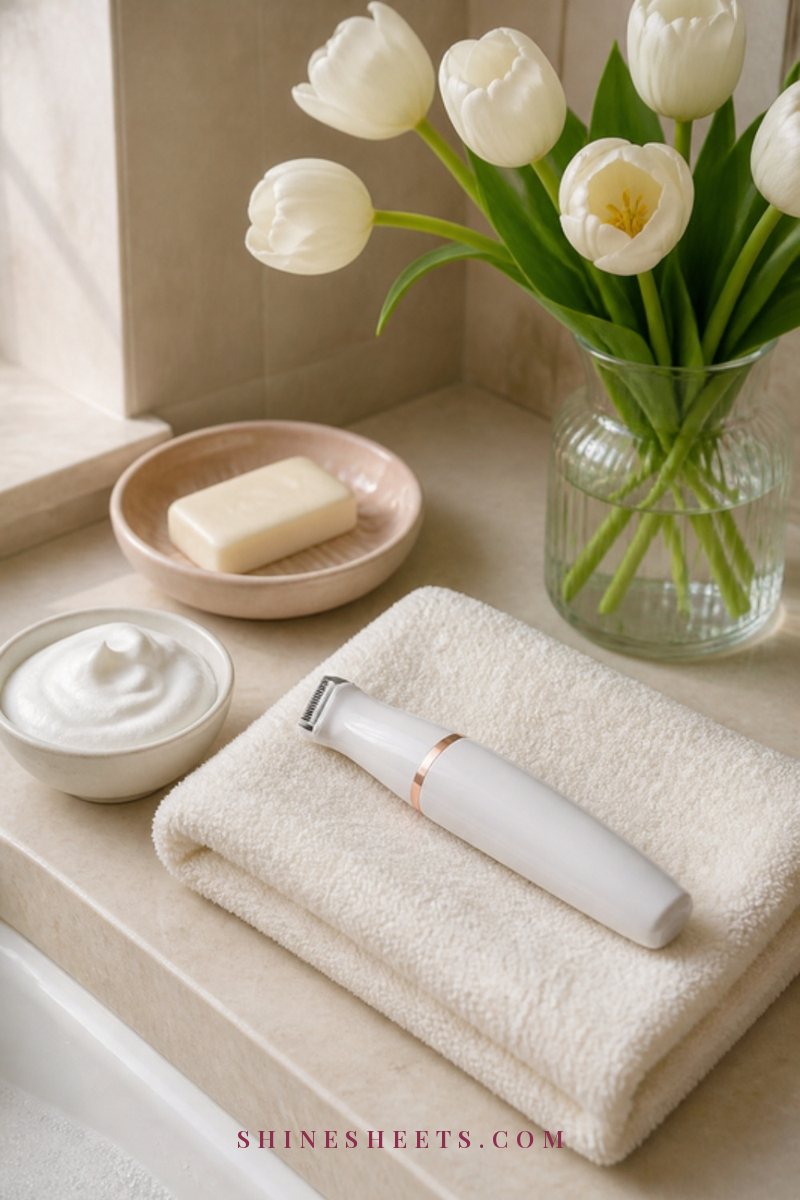
- Trim instead of shaving close: a gentle electric body trimmer cuts hair just above the skin rather than scraping across it. It won't leave skin perfectly smooth, but it causes far less irritation.
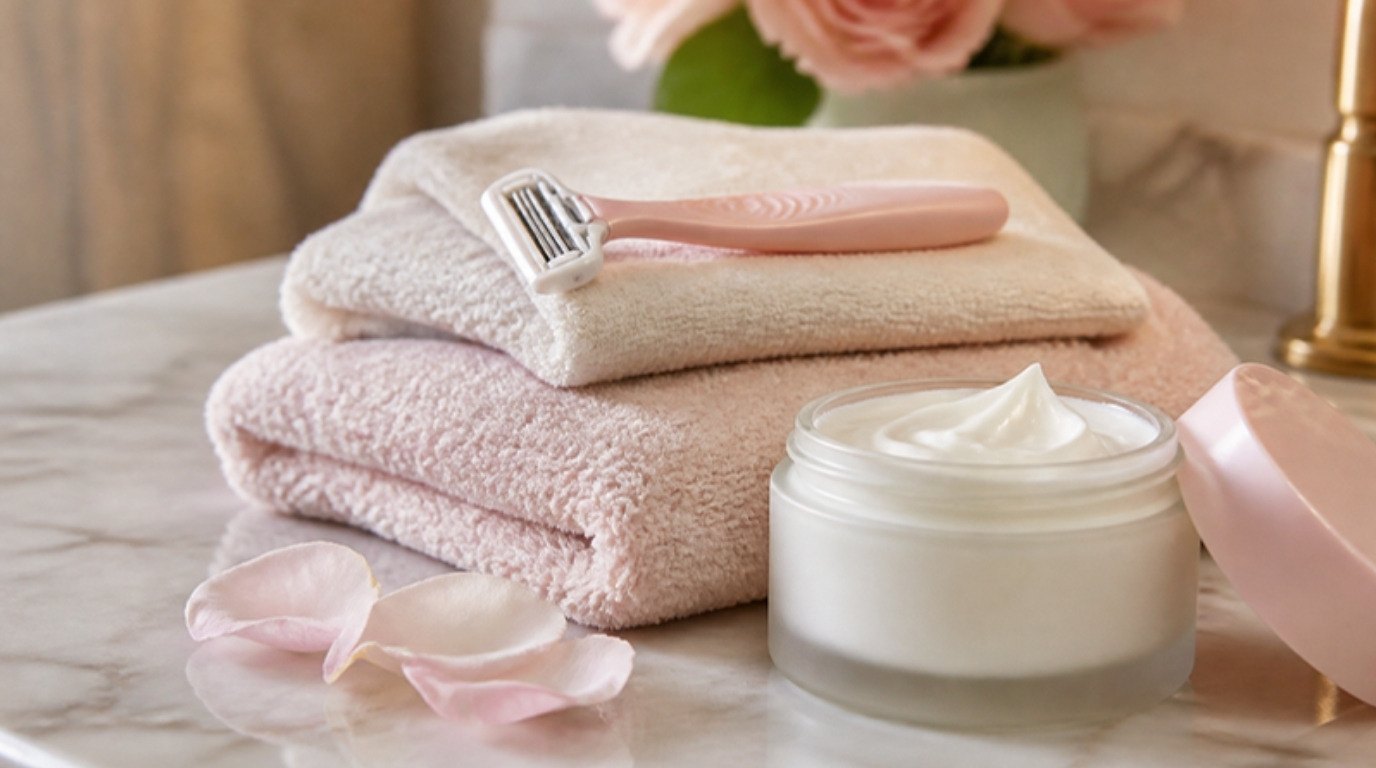
- If you shave: use a fresh, sharp blade, shave in the direction of hair growth, use a gentle shaving gel (not dry soap) and avoid shaving right before applying deodorant.
- Shave less often: even switching from daily to every two or three days gives skin time to calm.
- Consider longer-term options: some people find laser hair removal reduces irritation and the "shadow" from hair under the skin. Talk to a qualified professional first, especially if you have a deeper skin tone, as settings need to be adjusted.
My guide to body hair removal options compares methods in more detail, and if bumps are part of the picture, the tips in how to get rid of ingrown hairs will help too.
2. Switch to a Fragrance-Free Deodorant
Choose a fragrance-free deodorant for sensitive skin, ideally without alcohol. Apply it to clean, completely dry skin (never right after shaving), and wash it off thoroughly every evening so residue doesn't build up overnight.
If you're worried about odor during the switch, my body odor tips share gentle ways to stay fresh without harsh products. Give a new deodorant two to three weeks before deciding, since your skin needs a little time to adjust.
3. Exfoliate Gently With Lactic Acid
Lactic acid is one of the gentlest chemical exfoliants. It helps loosen dead skin cells and also has hydrating properties, which makes it a good match for delicate underarm skin.
- Use a lactic acid body lotion two or three evenings a week, not daily at first.
- Apply to clean, dry skin. Never use it on freshly shaved skin or on broken, irritated skin.
- Skip your deodorant the following morning if you feel any sting, or switch your exfoliating evenings to before a day at home.
- If your skin tolerates it well after a month, you can increase to four evenings a week.
For physical exfoliation, a soft exfoliating cloth used with very light pressure in the shower once a week is plenty. Never scrub. My guide on how to exfoliate your body explains how to combine both types safely.
4. Add Niacinamide
Niacinamide is a gentle, well-studied ingredient that can help even out the look of skin tone and supports a healthy skin barrier. It's generally well tolerated, which makes it a good fit for the underarm area. If you'd like to understand it better, my full guide to niacinamide explains how it works across face and body.
Look for a niacinamide body serum or lotion and apply a thin layer on the evenings you don't exfoliate. Most people do best with a moderate concentration rather than a very high one, especially on sensitive areas.
5. Moisturize Every Day
Hydrated skin is less irritated skin. On nights without actives, apply a simple fragrance-free moisturizer. On mornings when your skin feels dry, a very thin layer of moisturizer before deodorant (let it absorb fully first) can reduce friction and stinging.
Moisturizing also makes everything else in the routine easier to tolerate. Skin with a healthy barrier handles exfoliants better, recovers faster after hair removal and is less likely to react to deodorant. If your underarms ever feel tight, itchy or sore, make the next few nights moisturizer-only and pause the actives until things settle.
6. Reduce Friction
Small changes in clothing can make a real difference over a few months:
- Choose breathable fabrics like cotton, linen or modal for everyday tops.
- Avoid very tight sleeves and armholes that rub, especially when exercising.
- Change out of sweaty workout clothes promptly.
- On hot days, a thin anti-chafe balm can reduce rubbing.
A Simple Weekly Underarm Care Routine

Here's how all of this fits together in a normal week. Adjust the days to your schedule, but keep the gaps between exfoliation and hair removal.
- Every morning: wash gently with a mild cleanser, pat completely dry, apply fragrance-free deodorant.
- Every evening: wash off deodorant thoroughly, pat dry.
- Monday, Wednesday, Friday evenings: thin layer of lactic acid lotion.
- Tuesday, Thursday, Sunday evenings: niacinamide serum or lotion, then moisturizer.
- Saturday: rest night with just moisturizer. Soft exfoliating cloth in the shower, very gently, if your skin feels calm.
- Hair removal: on a non-exfoliating day, ideally in the evening so skin can settle overnight before deodorant.
Before starting any new product, patch test it on a small area of your inner arm for a few days. If you notice burning, redness or a rash, stop and let your skin recover.
Extra Care for Medium and Deeper Skin Tones
If your skin is medium to deep, it tends to respond to irritation by making pigment more quickly, and those marks can take longer to fade. That doesn't mean you need stronger products. It means gentleness matters even more.
- Go slower with acids: start lactic acid once or twice a week and build up only if your skin stays calm.
- Watch for stinging: any burning or redness is a sign to pause, because irritation itself can leave new dark marks.
- Be careful with hair removal treatments: laser and professional waxing should be done by someone experienced with your skin tone.
- Choose friction-free habits: soft fabrics and a trimmer instead of a close shave can make a noticeable difference over a few months.
Gentle consistency is what works best here. A calm, comfortable underarm is the real goal, and the evening out of tone tends to follow quietly from it.
How To Read Labels for Underarm Products
You don't need a cabinet full of special underarm products. Most of what helps is ordinary body care chosen with a sensitive area in mind. When you're comparing options, a few label details matter most:
- "Fragrance-free," not "unscented": unscented products can still contain masking fragrance. Fragrance-free is the clearer choice for reactive skin.
- Alcohol low on the list (or absent): denatured alcohol near the top of an ingredient list can be drying and stinging on underarm skin.
- Gentle acid strength: for body lotions with lactic acid, a moderate percentage is enough. Very strong peels are not meant for skin folds.
- Barrier-friendly extras: glycerin, ceramides, panthenol, oat and shea help skin stay comfortable while you use exfoliants.
- Simple formulas: the fewer extras a product has, the easier it is to spot what's working, and what isn't.
Introduce one new product at a time and wait about two weeks before adding the next. If your skin reacts, you'll know exactly which product to stop.
Quick Answers About Dark Underarms
Is It a Hygiene Problem?
No. Dark underarms are mostly about friction, irritation, natural pigment and sometimes hormones. Very clean people have them too. Over-washing with harsh soaps can actually make things worse.
Can Deodorant Really Cause Darkening?
It can contribute, especially fragranced formulas and products applied to freshly shaved skin. Switching to fragrance-free deodorant and washing it off every evening is one of the simplest changes to try first.
Does Sun Protection Matter Here?
Underarms don't get much sun, but if you're using acids and wearing sleeveless tops outdoors, a little sunscreen on the area is a sensible habit, since exfoliated skin is more sensitive to light.
Can You Use Face Products on Your Underarms?
Often, yes. A gentle niacinamide serum or a mild lactic acid product made for the face can work on underarms too. Avoid stronger treatments like high-strength retinoids or peels unless a dermatologist recommends them.
Will It Come Back?
If the original triggers return (daily dry shaving, a fragranced deodorant, tight synthetic sleeves), darkening can return too. That's why the gentle habits matter more than any single product.
What Helps vs What Irritates
When you're unsure about a product or habit, check it against this table. Screenshot it for the next time you're standing in the body care aisle.
| What Helps | Why | What Irritates | Why |
|---|---|---|---|
| Trimming or shaving less often | Less scraping and inflammation | Daily dry shaving with a dull blade | Constant micro-irritation and ingrown hairs |
| Fragrance-free deodorant on dry skin | Fewer triggers for sensitive skin | Heavily fragranced or alcohol-based sprays | Can cause ongoing low-grade irritation |
| Lactic acid two to three times a week | Gently loosens dead skin and hydrates | Grainy scrubs and loofahs used hard | Friction can darken skin further |
| Niacinamide | Supports barrier, evens the look of tone | Lemon juice | Acidic, can burn and sensitize skin, especially in the sun |
| Daily gentle washing | Removes deodorant residue and sweat | Baking soda pastes | Very alkaline, disrupts the skin barrier |
| Fragrance-free moisturizer | Calmer, less reactive skin | Unregulated bleaching creams | May contain harmful ingredients and cause damage |
| Breathable, looser fabrics | Less friction through the day | Tight synthetic sleeves | Constant rubbing and trapped sweat |
| Patience and consistency | Pigment fades slowly over months | Using many actives at once | Overwhelms skin and causes new irritation |
What Not To Do
The internet is full of quick fixes for dark underarms, and many of them can do real harm. Please skip these:
- Lemon juice: it's acidic, can sting and burn, and some citrus compounds can react with sunlight and leave even darker marks.
- Baking soda: it's far too alkaline for skin and can damage your barrier, leading to dryness, irritation and more darkening.
- Harsh scrubs and aggressive rubbing: friction is a cause of darkening, so scrubbing hard tends to make the problem worse.
- Bleaching creams from unknown sources: some unregulated products contain mercury or high-strength steroids. Prescription lightening treatments exist, but they should only be used under a doctor's guidance.
- Stacking many actives: using a scrub, an acid, retinol and a brightening cream all at once overwhelms delicate skin. Fewer products, used consistently, work better.
- Exfoliating right after shaving: freshly shaved skin is already irritated. Give it at least a day.
If you've already been using some of these, don't worry. Stop, switch to gentle care and give your skin a few weeks to settle before adding anything new.
How Long It Takes: A Patience Timeline

Pigment fades slowly, so it helps to know what to expect. Everyone's skin is different, but a gentle routine usually looks something like this:
- Weeks 1 to 2: skin feels calmer and less itchy once triggers are removed. Visible color change is unlikely yet.
- Weeks 3 to 6: texture often looks smoother and less dull as dead skin buildup clears. Some people notice a slight softening of the darkness.
- Months 2 to 3: gradual, subtle evening of tone becomes more noticeable, especially if irritation was the main cause.
- Months 3 to 6: continued improvement for many people. If nothing has changed by now, it's a good time to see a dermatologist.
It's also worth knowing that some underarm darkness is simply natural. Skin in folds is often a little deeper in tone than the rest of the body, and that's completely normal. The goal is calm, comfortable, healthy skin, not a perfect match to your inner arm.
Gentle care often helps with comfort and smoothness long before color changes, and that's a win worth noticing on its own.
Final Thoughts
Dark underarms are common, normal and nothing to feel embarrassed about. The kindest path is usually the most effective one: fewer triggers, gentler hair removal, fragrance-free products, a mild exfoliant, a little niacinamide and plenty of moisture.
Give your skin time, keep the routine simple and reach out to a doctor if anything feels sudden or different. Your underarms work hard for you every day, and they deserve the same patience and care you give the rest of your skin.