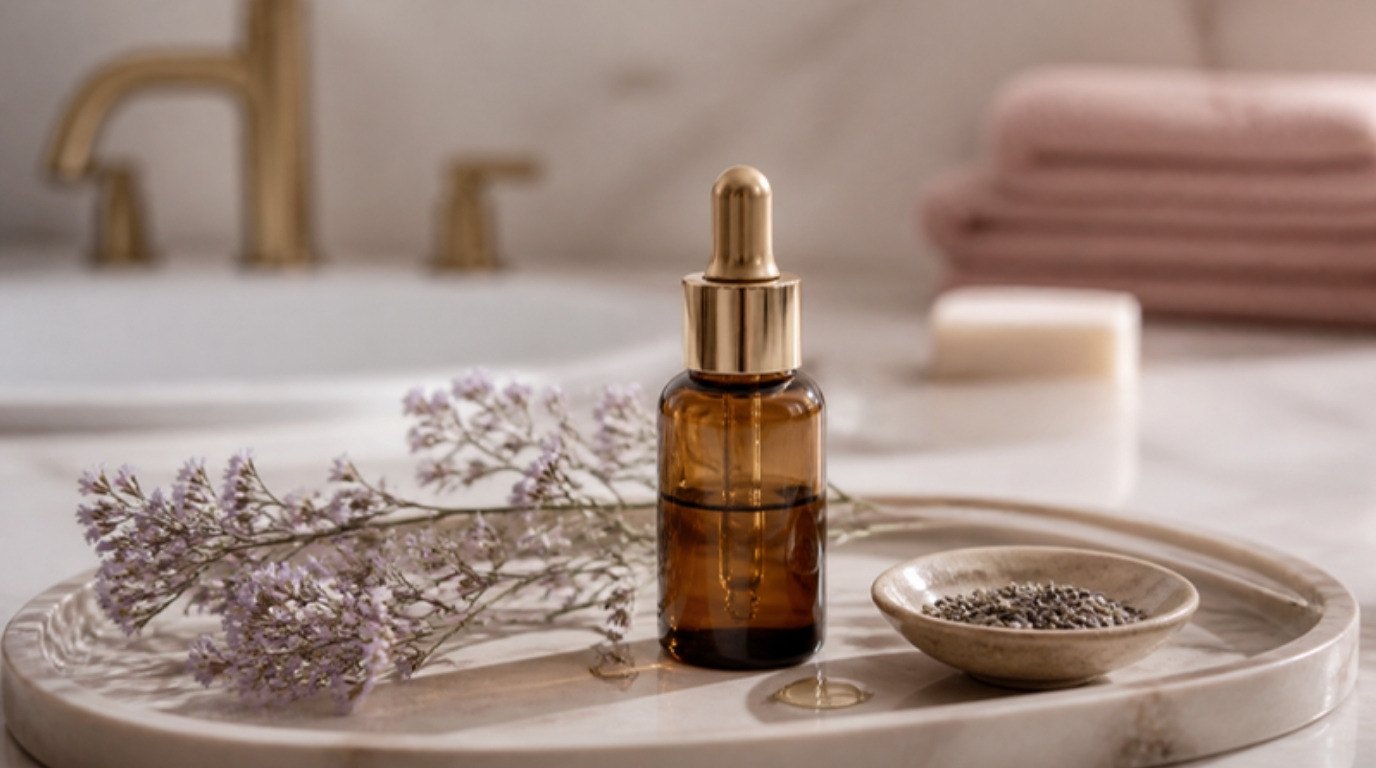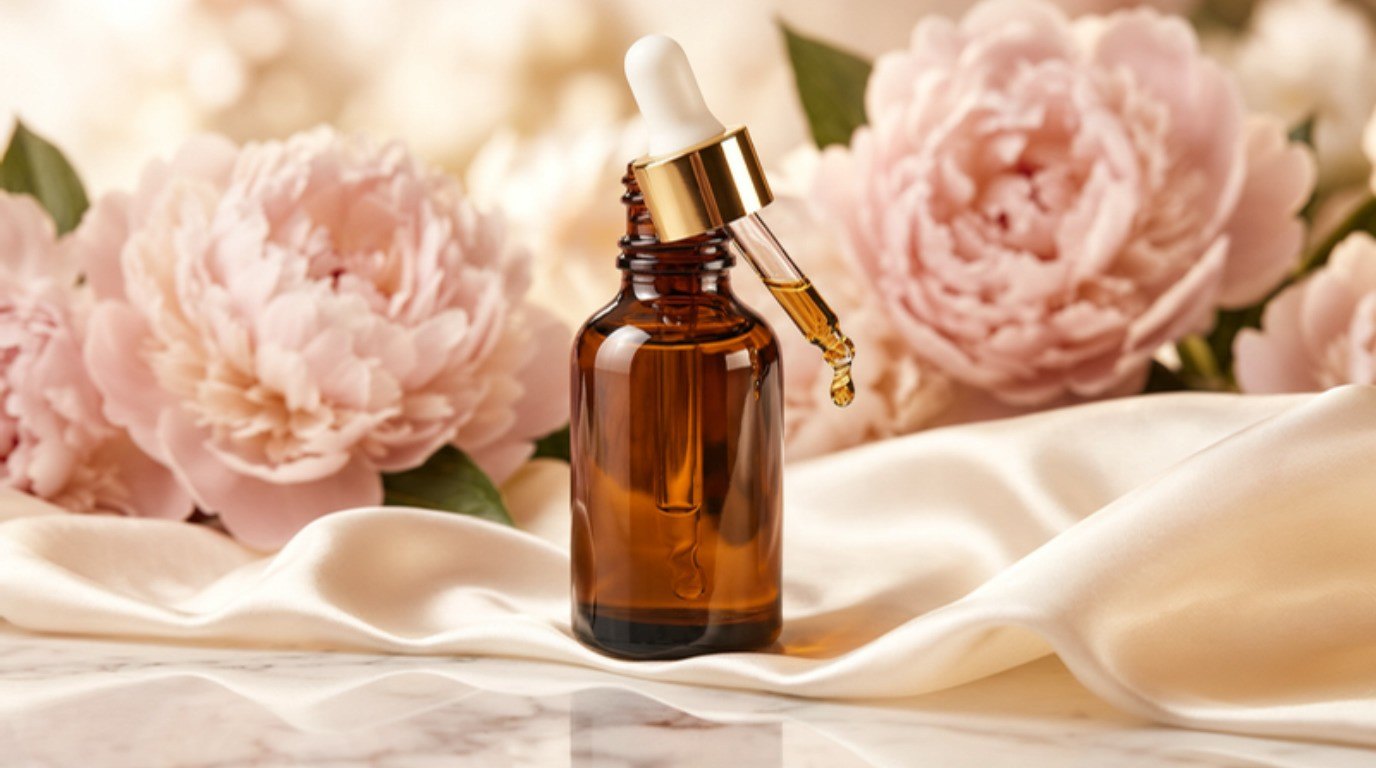
Ferulic acid is one of those ingredients that rarely gets the spotlight, and that's exactly the point. It's a supporting player. On its own it's a gentle antioxidant; next to vitamins C and E, it helps them stay stable for longer and work harder against daylight damage. If vitamin C is the star of your morning routine, ferulic acid is the friend who makes sure she shows up on time.
This guide is all about ferulic acid as that antioxidant partner: what it actually is, what the research says (in plain words, without overselling it), the forms you'll find it in, who it suits, how to use it in the morning, a pairing table you can screenshot, and the five mistakes that quietly waste a good serum. If you're still choosing your vitamin C itself, my vitamin C serum guide covers that side.
One honest note before we start: antioxidants are a lovely support for your skin, not a replacement for sunscreen or a fix for every concern. Think of them as an extra layer of care.
What Is Ferulic Acid?

Ferulic acid is a plant antioxidant. Plants use it in their cell walls to help protect themselves from the sun and environmental stress, and it's found naturally in foods like rice bran, oats, wheat, and some fruits such as apples and oranges. In skincare, it's usually extracted from plant sources or made in a lab to the same structure.
Chemically, it belongs to a group called hydroxycinnamic acids. You don't need to remember that. What matters is that ferulic acid is an antioxidant, not an exfoliating acid. Despite the word "acid" in the name, it doesn't dissolve dead skin the way glycolic or salicylic acid do. Its job is defense.
And defense against what, exactly? Every day, UV rays, pollution and general life create unstable molecules in your skin called free radicals. Over time, they contribute to dullness, uneven tone and the breakdown of collagen. Antioxidants like vitamin C, vitamin E and ferulic acid help neutralize some of them before they do damage.
How Ferulic Acid Boosts Vitamin C and E
This is the reason ferulic acid became famous in skincare. Pure vitamin C (L-ascorbic acid) is brilliant, but notoriously fragile. Exposed to light, air and heat, it oxidizes, loses strength and turns a darker color. Vitamin E helps stabilize it, and the two work well together. Ferulic acid helps stabilize them both.
The best-known research comes from dermatology labs that tested a serum combining vitamin C, vitamin E and ferulic acid. In that work, adding ferulic acid made the formula more chemically stable and roughly doubled its protection against UV damage compared to vitamins C and E alone. It's an elegant result, and it's why "C E ferulic" serums are now found almost everywhere.
A few things worth keeping in perspective, though:
- Much of the research is lab work and small studies, often on pig skin or a small number of volunteers. It's promising and consistent, but it's not the same as huge, long-term studies on every skin type.
- "Protection" here means extra support, not sun protection on its own. An antioxidant serum doesn't have an SPF and can't replace sunscreen.
- Formulation matters a lot. The same three ingredients in a poorly packaged or poorly made serum won't behave like the formulas tested in the lab.
In short: ferulic acid makes a good vitamin C serum better and longer-lasting. That's its real superpower.
Ferulic Acid Benefits for Skin
Here's what you can reasonably expect from a well-made ferulic acid product, used consistently for a few months:
- Antioxidant defense. Extra support against the everyday stress from daylight and pollution, especially when it's paired with vitamins C and E under sunscreen.
- A more stable vitamin C. Your vitamin C stays effective for longer once the bottle is open, so you get more out of every drop.
- Support for brightness. Over time, antioxidant serums can help skin look less dull and more even, particularly when combined with vitamin C.
- Help with an even tone. As part of a routine with daily sunscreen, it can support the fading of post-blemish marks and sun-related spots. My guide on fading dark spots gently explains how it fits alongside other ingredients.
What ferulic acid won't do: erase wrinkles overnight, clear acne on its own or replace a prescription treatment. It's a slow, steady helper, and its effects are subtle. If anyone promises you a dramatic transformation in a week, gently move on.
Forms of Ferulic Acid: Serums, Creams and Combos

You'll usually find ferulic acid in one of three forms. Each suits a slightly different person.
C + E + Ferulic Serums
The classic. These serums typically combine a fairly strong L-ascorbic acid (often around 10–20%) with vitamin E and a small amount of ferulic acid (often about 0.5%). A well-formulated vitamin C, E and ferulic acid serum is the most direct way to get the stabilizing benefit. Look for dark or opaque packaging, an airtight dropper or pump, and a formula that starts pale yellow or nearly clear.
The trade-off: pure vitamin C serums are acidic, so they can tingle or sting, especially on dry or sensitive skin. Start slowly.
Standalone Ferulic Serums
Some serums feature ferulic acid with other antioxidants or soothing ingredients but no strong vitamin C. These can be a good option if pure vitamin C irritates you, or if you already love a vitamin C product without ferulic and want to add antioxidant support separately.
Ferulic Creams and Moisturizers
Ferulic acid also appears in day creams and moisturizers, usually at lower levels. A ferulic antioxidant cream is the gentlest way to try it, especially for dry or sensitive skin, because it combines antioxidant care with moisturizing in one step. You get a softer effect than a dedicated serum, but also less chance of irritation.
How To Choose a Good Ferulic Acid Product
Because vitamin C and ferulic acid are so sensitive to light and air, the bottle matters almost as much as the formula. A few things to look for:
- Dark, opaque or amber packaging. Clear glass on a sunny shelf is a fast track to oxidation.
- An airtight pump or a dropper with a tight cap. The less air that gets in every time you open it, the longer it stays fresh.
- A pale starting color. If a brand-new serum already looks deep orange, return it or choose another.
- A simple ingredient list. Fewer extras, and especially no heavy fragrance, means fewer chances of irritation.
- A size you can finish. A smaller bottle you use up in two or three months is better value than a big one that turns dark halfway through.
Price isn't a perfect guide here. There are well-made, mid-priced C + E + ferulic serums, and very expensive ones that sit in clear bottles. Read the packaging and the ingredient list rather than the price tag.
What To Expect and When
Antioxidant serums are a long game. Here's a realistic timeline if you use ferulic acid every morning under sunscreen:
- First one to two weeks: mostly getting used to it. A little tingling with vitamin C formulas is common and usually fades. Real burning, redness or itching is not, and means stop.
- Four to six weeks: some people notice skin looks a touch fresher and less dull.
- Two to three months: the best time to judge brightness and evenness, ideally by comparing photos taken in the same light.
Much of the protective benefit is invisible. You won't see the damage that didn't happen, which is exactly why consistency matters more than intensity.
Who Ferulic Acid Suits (and Who Should Be Careful)
Ferulic acid is generally well tolerated, which is part of its charm. It's a good fit if you:
- Already use (or want to use) a vitamin C serum and want it to last and work better
- Want extra antioxidant support in the morning, especially if you spend time outdoors or in a city
- Are working on dullness or an uneven tone alongside daily sunscreen
- Have normal, combination or oily skin that handles active serums comfortably
Be a little more careful if you:
- Have very reactive or sensitive skin. The ferulic acid itself is usually not the problem, but the acidic vitamin C it's paired with often is. Try a cream form or a gentler serum first. (My combination, sensitive skin taught me this one the stingy way.)
- Have a known allergy to related plant ingredients. Allergic reactions to ferulic acid are rare, but they do happen. If a ferulic product has ever left you itchy or bumpy, skip it rather than trying again.
- Have broken, irritated or freshly treated skin. Wait until your skin barrier has calmed down after a peel, a sunburn or a flare.
- Are pregnant or breastfeeding. Ferulic acid and vitamin C are generally considered gentle, but it's always wise to check new actives with your doctor, and especially to ask before using retinoids.
Whatever your skin type, patch test first. My step-by-step on how to patch test skincare takes the guesswork out of it. If you notice persistent redness, itching, swelling or a rash, stop using the product and check in with a dermatologist.
How To Use Ferulic Acid in Your Morning Routine

Antioxidants do their best work during the day, when your skin meets daylight and pollution, so morning is ideal. Here's a simple order:
- Cleanse gently. A gentle gel cleanser or just lukewarm water if your skin is dry. Pat dry.
- Optional hydrating toner. If your skin feels tight, a few drops of a hydrating toner pressed in with your palms adds comfort. Skip strong exfoliating toners in the morning.
- Ferulic serum. Three to five drops on dry or barely damp skin, spread over the face and neck. Avoid the area right around your eyes. Give it a minute to settle.
- Moisturizer. Any moisturizer that suits your skin type.
- Sunscreen. Broad-spectrum, SPF 30 or higher, every single morning. A lightweight mineral sunscreen is a lovely pick for sensitive skin.
If you're new to active serums, start every other morning for the first two weeks, then move to daily if your skin is happy. For more on the order of everything, my guide on how to layer skincare walks through it step by step.
Storage tip: keep the bottle closed tightly, out of direct sunlight and away from the steamy shower. A cool drawer works beautifully. Many brands suggest using vitamin C and ferulic serums within a few months of opening.
Ferulic Acid Pairing Table
This is the bit I wish someone had handed me when I first started adding actives. Find the ingredient, see whether it plays well with ferulic acid and when to use it.
| Pairing | What it does | When to use | Caution |
|---|---|---|---|
| Vitamin C | Ferulic acid helps stabilize it and boosts its antioxidant protection | Morning, in the same serum or layered | Can sting; start every other day |
| Vitamin E | Works with C and ferulic as an antioxidant trio; adds a little nourishment | Morning | Richer formulas can feel heavy on oily skin |
| Sunscreen | The essential partner; antioxidants support, sunscreen protects | Every morning, last step | Never skip it when using actives |
| Hyaluronic acid | Adds hydration and comfort under or over the serum | Morning or evening | Apply on damp skin, then seal with moisturizer |
| Niacinamide | Supports the barrier and an even tone | Morning or evening | Usually fine together; if you flush, use at different times |
| Retinol | Works on texture and renewal | Evening only, separate routine | Don't layer with vitamin C at the same time |
| AHA or BHA | Exfoliates and smooths | Evening, on nights you skip retinol | Don't pair with a strong C + ferulic serum in one routine |
| Benzoyl peroxide | Targets breakouts | Evening, or as directed | Can oxidize vitamin C; keep them apart |
The general rule: antioxidants in the morning, renewing actives (retinol, exfoliating acids) in the evening. That simple split keeps most routines calm.
5 Ferulic Acid Mistakes To Avoid
Ferulic acid is easy to like, but it's just as easy to waste. These five mistakes are the most common.
1. Skipping Sunscreen
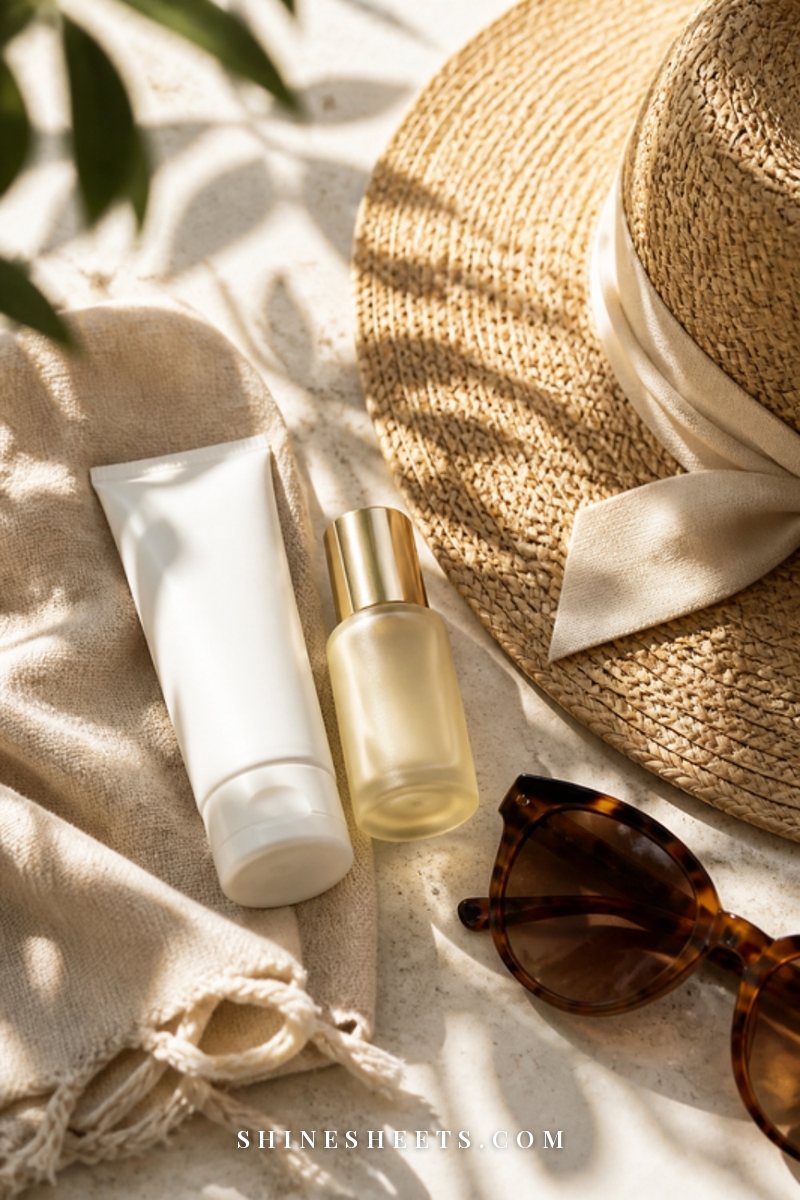
This is the big one. Ferulic acid supports your skin's defenses, but it isn't sun protection. Using an antioxidant serum without sunscreen is like buying a lovely umbrella stand and leaving the umbrella at home. Apply a broad-spectrum SPF 30 or higher every morning, generously, and reapply if you're outdoors for long stretches.
2. Pairing With Strong AHA or BHA the Same Night
Some people use their C + ferulic serum at night and then add an exfoliating acid on top. Both are acidic, and together they can leave skin red, stinging and tight. Keep your antioxidant serum in the morning and save exfoliating acids for a few evenings a week, on their own.
3. Using a Serum That Has Turned Dark Orange
A fresh C + ferulic serum is usually pale yellow, sometimes almost clear. As vitamin C oxidizes, it darkens to a deep orange or brown. A slightly deeper yellow is normal over time; a dark orange serum has lost much of its strength and can even leave a faint tint on your skin. If the color has changed dramatically or the smell is off, it's time to let it go.
4. Stacking Too Many Actives
Vitamin C, ferulic acid, niacinamide, exfoliating acids, retinol, a new eye serum... It's very tempting to add everything at once. But a routine with too many actives is the fastest way to a stressed skin barrier, and then you can't even tell which product caused the problem. Add one new active at a time, and give it about two to four weeks before adding the next. If you're wondering about evening retinol, my post on using retinol and vitamin C together explains how to split them safely.
5. Skipping the Patch Test
Even gentle ingredients can surprise you. Apply a small amount behind your ear or along your jawline once a day for a few days. If there's no redness, itching or bumps, you're good to start slowly on your face.
Retinol, Pregnancy and Your Evening Routine
Ferulic acid belongs firmly in your morning routine. Retinol stays in a separate evening routine, on clean, dry skin, followed by moisturizer. Keeping them apart avoids irritation and lets each one do its job: antioxidants protect during the day, retinol works on renewal overnight.
If you're pregnant, trying to conceive or breastfeeding, please ask your doctor before starting retinoids and before adding new actives to your routine. Many people in that season keep things very simple: a gentle cleanser, a moisturizer and a mineral sunscreen, with anything extra cleared by a professional first.
Final Thoughts
Ferulic acid isn't flashy, and it doesn't need to be. It's the quiet, reliable partner that helps vitamins C and E stay fresh and do their best work. Use it in the morning, follow it with a generous layer of sunscreen, patch test first and let the results build gently over a few months.
Your skin doesn't need ten new actives. It needs a few good ones, used kindly and consistently, and ferulic acid is a lovely one to have on your side.