Alpha arbutin is one of the gentlest ways to work on dark spots, and that's exactly why it gets overlooked. It doesn't tingle, it doesn't peel, and you won't wake up to a dramatic change. What it does is quietly slow down the extra pigment behind post-acne marks and sun spots, so that over a couple of months your skin tone starts to look more even and calm.
The secret to making it work isn't finding the strongest serum. It's patience, the right partners and very consistent sunscreen. Alpha arbutin is a slow, steady ingredient, and it rewards slow, steady routines.
This guide to alpha arbutin for dark spots explains what it is in plain words, what it can and can't help with, how to use it morning or night, what to pair it with, how long results take, who should patch test first and when it's time to see a dermatologist. You'll also find a 12-week dark spot routine table to follow week by week.
What Is Alpha Arbutin?
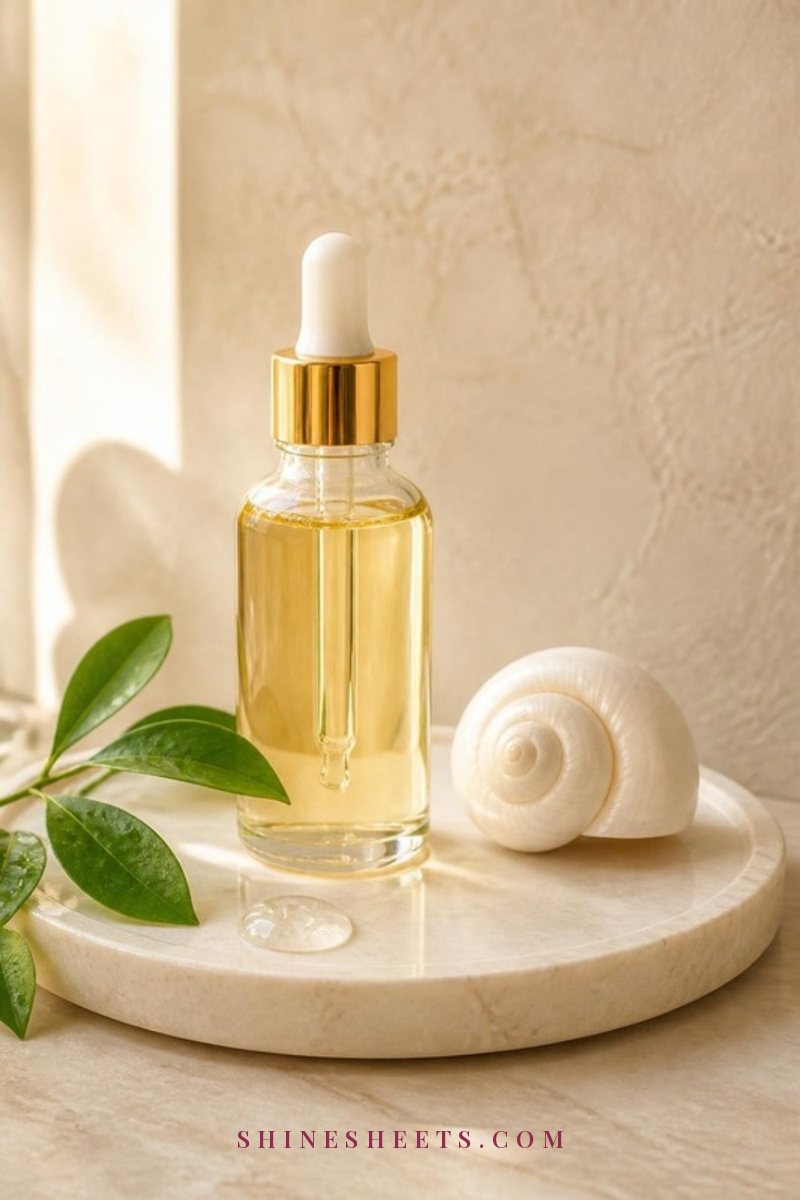
Alpha arbutin is a skincare ingredient used to help fade the look of dark spots and support a more even skin tone. Arbutin occurs naturally in small amounts in plants like bearberry, but the alpha arbutin in your serum is made in a lab so it's pure, stable and consistent.
It's a water-soluble ingredient, so you'll usually find it in light, watery serums, often paired with hyaluronic acid or niacinamide. Most popular serums contain around 1–2%. European cosmetic safety experts have reviewed it and consider it safe in face products at concentrations up to 2%, with lower limits for body lotions, so more is genuinely not better here.
How It Works, in Plain Words
Your skin makes pigment (melanin) with the help of an enzyme called tyrosinase. When skin is inflamed, injured or exposed to the sun, it can kick that process into overdrive in certain spots, which is how you end up with a mark that lingers long after a breakout heals.
Alpha arbutin gently slows tyrosinase down. It doesn't bleach or remove pigment that's already there. Instead, it helps reduce how much new pigment is made in those overactive spots. As your skin naturally renews itself over the following weeks, the darker cells move up and shed, and fewer new ones replace them. That's why it takes time, and why it works best alongside sunscreen.
Alpha vs Beta Arbutin
You may also see "arbutin" or "beta arbutin" on some labels. They're closely related, but alpha arbutin is generally considered the more stable and effective form for skincare, which is why most well-known serums use it. When you're shopping, "alpha arbutin" is the phrase to look for.
What Alpha Arbutin Can Help With
Alpha arbutin is best for flat, brownish marks on the surface of the skin. It can help with:
- Post-acne marks. The flat brown or dark marks left after a pimple heals (often called post-inflammatory hyperpigmentation). This is where many people see the clearest difference.
- Sun spots. Small, flat brown spots on the cheeks, forehead or hands from years of sun exposure.
- Uneven tone. Patchy areas that look a shade darker than the rest of your face.
- Marks from irritation. Darker patches left after a rash, a scratch or an ingrown hair has healed.
Because it's so gentle, it's a lovely option for sensitive skin, for anyone who can't tolerate stronger actives, and for deeper skin tones, which tend to be more prone to long-lasting post-acne marks. If you'd like the bigger picture of all the ways to fade marks, my guide on how to fade dark spots compares ingredients and habits side by side.
What It Won't Do on Its Own
Honest expectations save a lot of frustration. Alpha arbutin has limits:
- Deep or stubborn melasma. Melasma is hormone- and sun-driven, and it often sits deeper in the skin. Alpha arbutin may help a little as part of a routine, but it's rarely enough by itself. A dermatologist can suggest stronger, more targeted options.
- Red or pink marks. Pink or purple marks after acne are usually from blood vessels, not pigment, so alpha arbutin won't do much there. They often fade on their own with time and sunscreen.
- Raised spots or textured scars. Alpha arbutin works on color, not texture.
- Freckles and birthmarks. These are often genetic, and many people love them. They don't need fixing.
- Fast results. Expect weeks, not days.
And please, if a spot is changing in size, shape or color, is bleeding, or just looks different from your others, skip the serum and have a doctor or dermatologist check it.
How To Use Alpha Arbutin
The good news: alpha arbutin is one of the easiest actives to fit into a routine. It rarely irritates and plays nicely with most other ingredients.
Morning or Night?
Either works. Alpha arbutin isn't sensitive to sunlight, so you can use it in the morning under sunscreen, at night, or both. Many people like it in the morning because daily sun exposure is when pigment is triggered most, and it pairs well with sunscreen. If your nights are already busy with retinol or acids, morning is the simplest place for it.
Step-by-Step Routine
- Cleanse. Use a gentle, low-pH cleanser so your skin isn't stressed before actives. Irritated skin makes more pigment, not less.
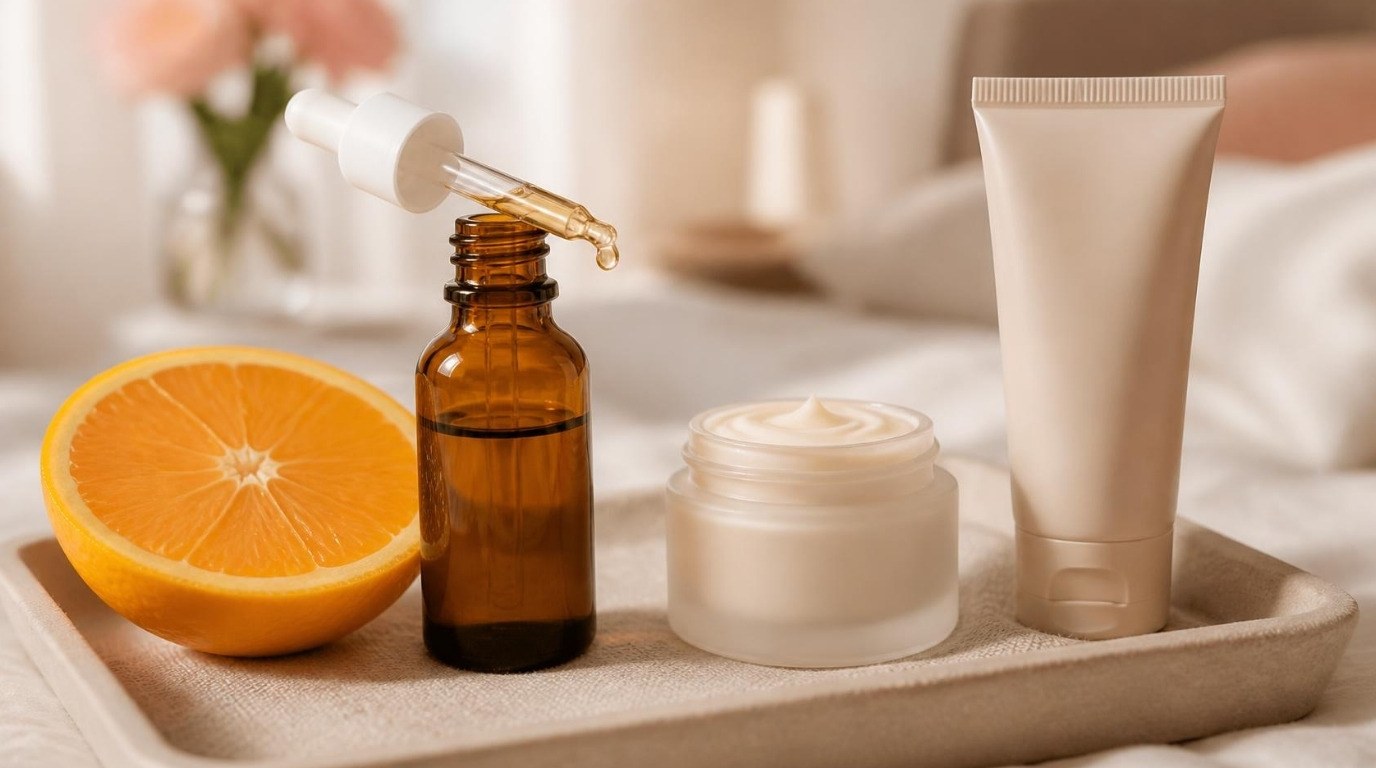
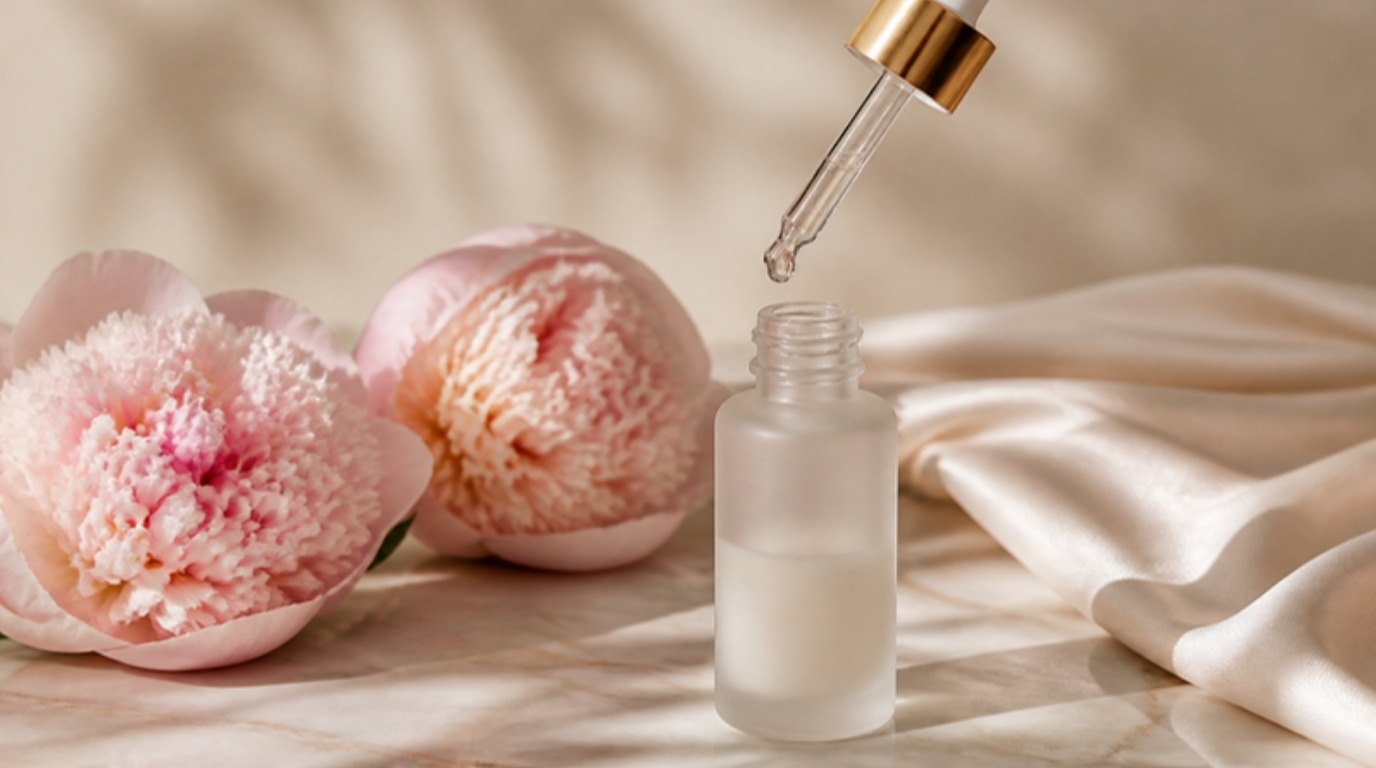
- Apply alpha arbutin. On dry or slightly damp skin, use 2–3 drops of an alpha arbutin serum over your whole face, not just the spots. This helps even the overall tone and catches marks that are just starting.
- Add a second serum if you like. Wait about a minute, then apply niacinamide or vitamin C if they're part of your plan (more on pairing below).
- Moisturize. Any moisturizer your skin likes.
- Sunscreen (morning). Finish with broad-spectrum SPF 30 or higher every single morning.
How Much and How Often
Start once a day for the first two weeks, then move to twice daily if your skin is happy. Two or three drops is enough for the whole face. Using more won't speed things up and just wastes product. Consistency matters far more than quantity: a serum used every day for three months will do more than a strong one used now and then.
Sunscreen: The Non-Negotiable Partner
I'll be very direct here because it's the step that makes or breaks every dark spot routine: without daily sunscreen, alpha arbutin is fighting a losing battle. Even a few minutes of unprotected sun can trigger new pigment and undo weeks of progress.
- Use a broad-spectrum lightweight SPF 50 face sunscreen every morning, including cloudy days and winter.
- Apply about two finger-lengths for the face and neck.
- Reapply every two hours when you're outdoors, and after sweating.
- Add a hat and shade on bright days, especially if you're prone to melasma.
If you've struggled to find a sunscreen you actually enjoy wearing, try a few textures (gel, fluid, cream) until one feels invisible. The best sunscreen is the one you'll use every day.
What To Pair With Alpha Arbutin
Alpha arbutin is a team player. Combining it with one or two complementary ingredients often gives better results than any single one alone, because each one works on a different part of the pigment process.
Niacinamide
Niacinamide helps reduce how pigment moves to the surface skin cells, and it supports the skin barrier. It's one of the most popular partners for alpha arbutin, and some serums combine the two. A niacinamide serum can go on right after alpha arbutin, morning or night. My guide to niacinamide explains how to choose a strength that won't irritate.
Vitamin C
Vitamin C is an antioxidant that also helps fade dark spots and supports sun protection under your SPF. Use it in the morning, then alpha arbutin (or the other way around, either order is fine), then moisturizer and sunscreen. If your skin is sensitive, start with a gentle vitamin C serum for sensitive skin every other day. My vitamin C serum guide covers the different forms.
Tranexamic Acid
Tranexamic acid is another gentle pigment-fighter that works on a different pathway, and it's often recommended for stubborn discoloration. Many people pair it with alpha arbutin for an extra boost without extra irritation. You can read more about it in my tranexamic acid guide.
Retinoids and Exfoliating Acids
Retinoids and gentle exfoliating acids speed up cell turnover, helping pigmented cells shed sooner. They can work beautifully with alpha arbutin, but they're also more likely to irritate. Keep alpha arbutin in the morning and these at night, and introduce only one new active at a time, a couple of weeks apart.
How Long Does Alpha Arbutin Take To Work?
This is the question everyone asks, and the honest answer is: longer than you'd like. Skin renews itself roughly every four to six weeks (and more slowly as we age), so pigment fades on that timeline too.
- Weeks 1–4: usually no visible change. This is completely normal.
- Weeks 4–8: newer, lighter marks may start to look softer at the edges.
- Weeks 8–12: this is when most people notice a real difference, especially with post-acne marks.
- Beyond 12 weeks: older or deeper spots may keep improving slowly.
Take a photo in the same spot and light on day one, then every four weeks. Progress is easy to miss in the mirror and much easier to see side by side.
Your 12-Week Dark Spot Routine
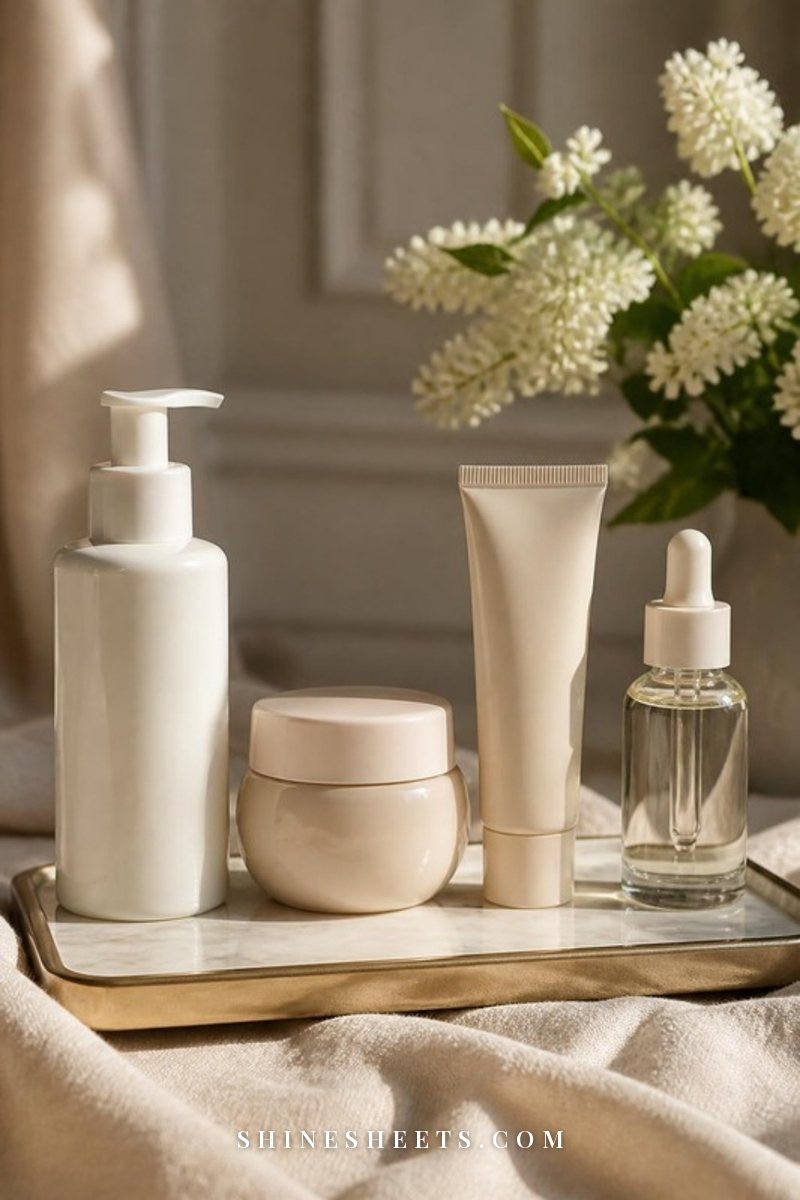
Here's a simple, gentle plan that builds up slowly. Screenshot it and check off each stage as you go:
| Weeks | Morning | Evening | Focus |
|---|---|---|---|
| 1–2 | Cleanser, alpha arbutin, moisturizer, SPF 50 | Cleanser, moisturizer | Patch test passed, skin settles in, sunscreen every single day |
| 3–4 | Cleanser, alpha arbutin, moisturizer, SPF 50 | Cleanser, alpha arbutin, moisturizer | Move to twice daily if no irritation; take your first progress photo |
| 5–6 | Cleanser, alpha arbutin, niacinamide, moisturizer, SPF 50 | Cleanser, alpha arbutin, moisturizer | Add one partner ingredient; reapply SPF when outdoors |
| 7–8 | Same as weeks 5–6 (or swap niacinamide for vitamin C) | Cleanser, alpha arbutin, moisturizer | Second progress photo; look for softer edges on newer marks |
| 9–10 | Same morning routine | Optional: gentle retinoid or exfoliant 2 nights a week instead of alpha arbutin | Only if your skin is calm; skip if sensitive |
| 11–12 | Same morning routine | Keep the evening routine that's working | Compare photos, decide whether to continue as is or see a dermatologist |
If your skin ever stings, flakes or turns red, step back to the previous stage for a week or two. A calm barrier fades marks faster than an irritated one.
Using Alpha Arbutin on Body Dark Spots

Alpha arbutin can also help with dark marks on the body, like spots on the chest, shoulders or back after breakouts, or marks on the legs after shaving bumps. A few tips:
- Look for body lotions or serums that list alpha arbutin, usually at lower strengths than face serums.
- Apply to clean, dry skin once a day, and be patient, since body skin renews more slowly.
- Sunscreen still matters on any area that sees the sun, like shoulders, arms and chest.
- Gentle exfoliation once or twice a week can help, but avoid scrubbing hard on marks.
For more ideas, including what causes body marks in the first place, my guide to dark spots on the body covers it kindly and step by step.
How To Choose an Alpha Arbutin Serum
You don't need anything fancy. Some of the most popular alpha arbutin serums are also the most affordable. Here's what to look for on the box or product page:
- "Alpha arbutin" listed clearly, ideally with the percentage stated (around 1–2% for the face).
- Simple, fragrance-free formulas, especially if your skin is sensitive.
- Helpful supporting ingredients like hyaluronic acid, niacinamide or panthenol, which keep skin comfortable.
- Opaque or tinted packaging and a dropper or pump, which keep the formula clean and stable.
- A brand you can find easily, so you can repurchase the same serum and keep your routine consistent for the full 12 weeks.
Skip any product that promises to change your natural skin color. The goal is fewer dark spots and a more even tone, not a different shade.
Common Alpha Arbutin Mistakes
Most dark spot routines don't fail because of the serum. They fail because of a few small habits around it:
- Skipping sunscreen on "indoor" days. Window light and quick errands add up. SPF every morning protects your progress.
- Quitting at week four. It's the most common moment to give up, and it's usually just before changes start to show.
- Layering too many new actives at once. Irritation triggers more pigment. Add one new product every two weeks at most.
- Spot-treating only. Applying it just on visible marks misses the ones that are forming. Use it across the whole face.
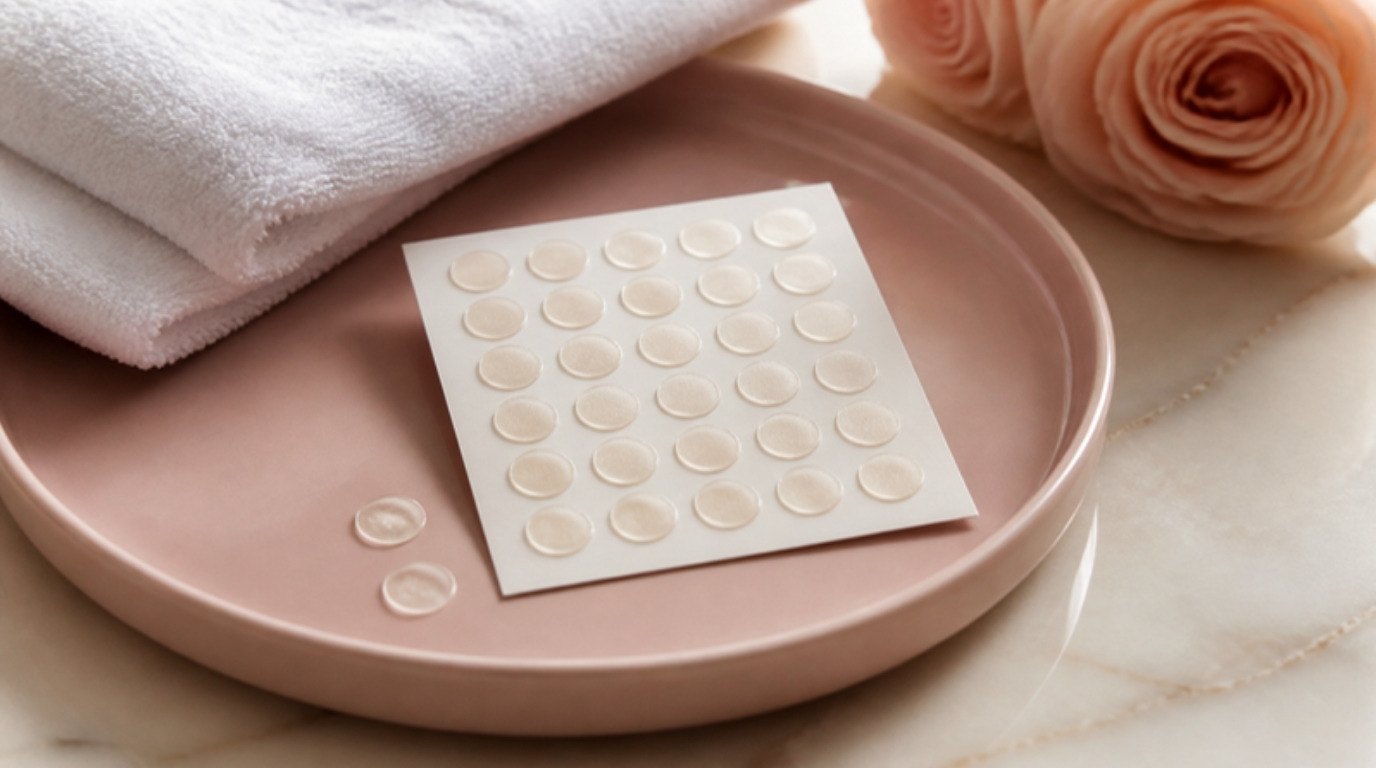
- Picking at breakouts. Every picked spot is a new mark waiting to happen. A pimple patch is a kinder choice.
- Judging progress in the mirror. Gradual fading is almost impossible to see day to day. Trust your monthly photos instead.
Who Should Patch Test First
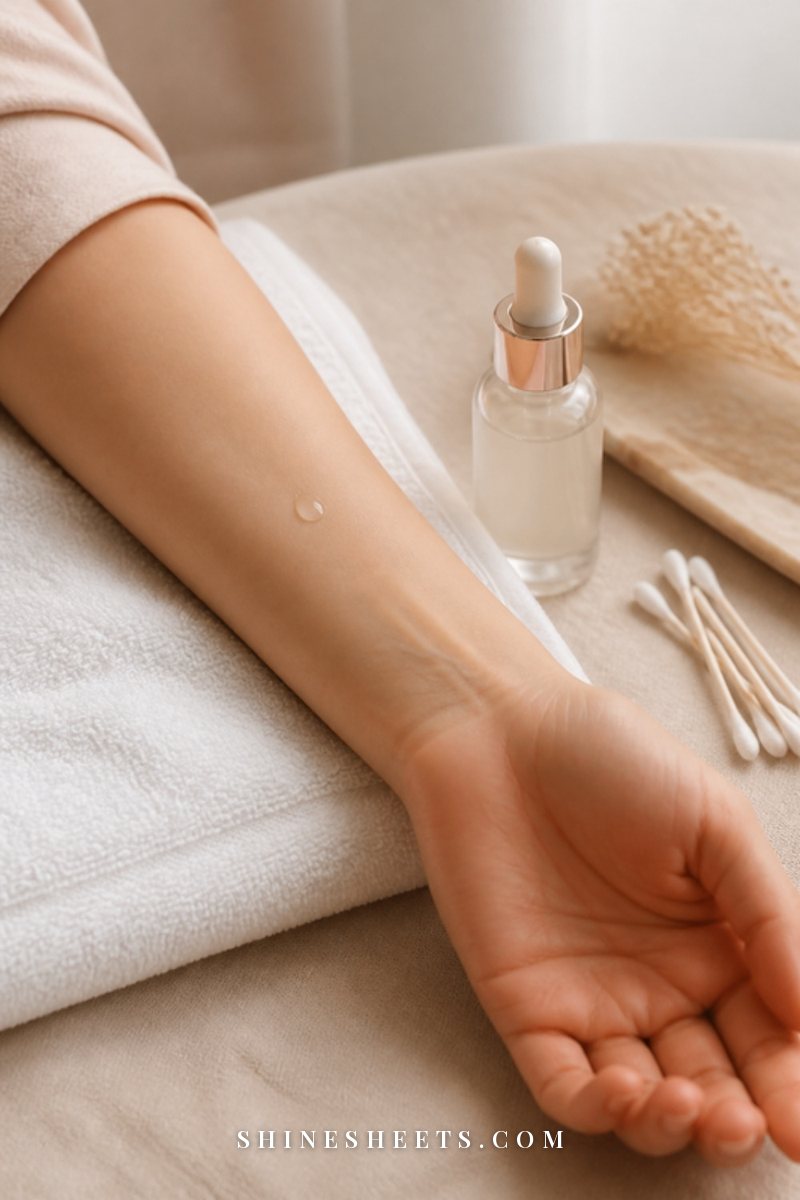
Alpha arbutin is well tolerated by most skin types, but a patch test is always a good idea, especially if:
- Your skin is sensitive or reacts easily to new products.
- You have eczema, rosacea or another skin condition.
- Your serum also contains other actives, fragrance or essential oils.
- You're adding it to a routine that already includes strong actives.
To patch test, apply a small amount along your jawline or behind your ear once a day for five to seven days. If you notice redness, itching, burning or bumps, stop using it. If you're pregnant or breastfeeding, check with your doctor before starting any new active, just to be safe.
When To See a Dermatologist
Alpha arbutin is a lovely first step, but it isn't the answer for everything. Please see a dermatologist if:
- Your pigmentation hasn't changed after three to four months of consistent use and daily sunscreen.
- You suspect melasma, especially if it's spreading or linked to hormonal changes.
- A spot is new, changing, itchy, bleeding or looks different from your others.
- Your marks are affecting how you feel about yourself day to day. That alone is a perfectly good reason to ask for help.
A dermatologist can confirm what kind of pigmentation you have and suggest options like prescription creams, chemical peels or in-office treatments, which can work alongside your at-home routine.
Alpha Arbutin FAQs
Can you use alpha arbutin every day?
Yes. Most people can use it once or twice a day long term. Start with once a day for two weeks to see how your skin responds.
Can alpha arbutin and vitamin C be used together?
Yes, they're a popular combination. Apply one, wait a minute, then the other, followed by moisturizer and sunscreen.
Is alpha arbutin safe for sensitive skin?
It's generally one of the gentler options for dark spots, which is why many people with sensitive skin choose it. A patch test is still wise.
Will my dark spots come back if I stop?
Faded marks don't usually come back on their own, but new spots can form if your skin is exposed to the sun or keeps breaking out. Daily sunscreen is the best way to protect your results.
Final Thoughts
Alpha arbutin won't give you overnight results, and that's its quiet strength. It works with your skin instead of against it, slowly evening things out while you keep your barrier calm and your sunscreen faithful.
Give it twelve weeks, take your photos and be kind to yourself along the way. Even, healthy-looking skin is built one gentle morning at a time.