A facial cleansing brush is neither a magic wand nor a menace. It's a tool, and like most tools it depends on how hard, how often and on which skin you use it. Used gently on resilient skin, it can make cleansing feel more thorough and help lift sunscreen and makeup. Used daily, on the highest setting, over irritated skin, it can turn your routine into a slow-motion scrub you never meant to do.
The tricky part is that marketing tends to promise the first and ignore the second. "Six times cleaner skin!" makes a nice box. "Might over-exfoliate you if you get enthusiastic" does not. The truth sits in the calm middle, and it's very possible to find your place there.
This guide is an honest look at the facial cleansing brush: the two main types (spinning bristle brushes and soft silicone sonic brushes), the real upsides and downsides, who might enjoy one and who should skip it or go very gently, a simple table comparing the types, how to use one without irritation, how to keep the head clean and 5 signs it's too harsh for your skin. If you'd like a refresher on the basics first, my guide on how to wash your face properly covers the steps most people skip.
What Is a Facial Cleansing Brush?
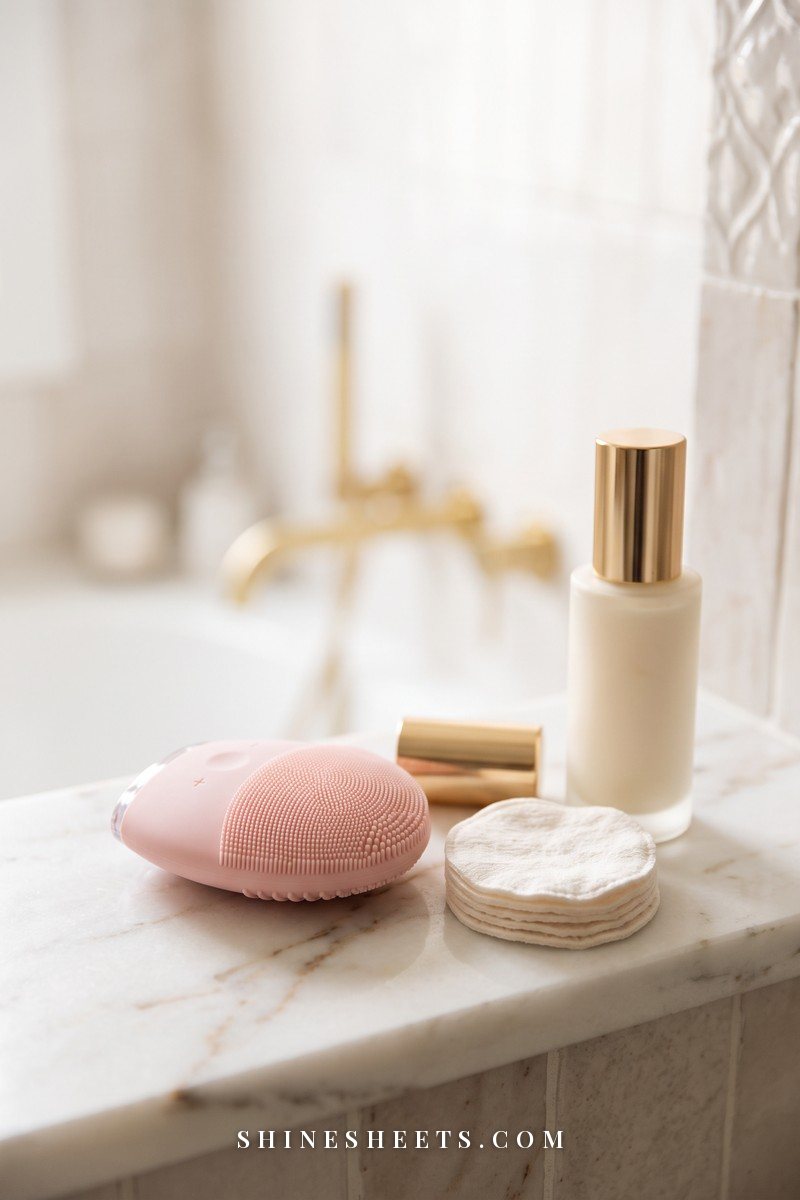
A facial cleansing brush is a handheld device that adds gentle motion to your usual cleanse. You still use your normal cleanser. The brush simply moves it over your skin with more friction (or vibration) than your fingertips would. There are two main families, and the difference between them matters a lot.
Spinning Bristle Brushes
These have a round head of fine nylon bristles that spin, rotate or oscillate. They were the first big wave of cleansing brushes, and they feel noticeably "scrubby." Because the bristles physically buff the surface, they act as a mild mechanical exfoliant every time you use them.
That can feel lovely on oily, resilient skin. It can also add up quickly, especially if you're already using exfoliating acids or retinoids. Bristle heads are also porous in a practical sense: water and residue sit between the fibers, so they need regular cleaning and replacing, usually every 2–3 months.
Soft Silicone Sonic Brushes
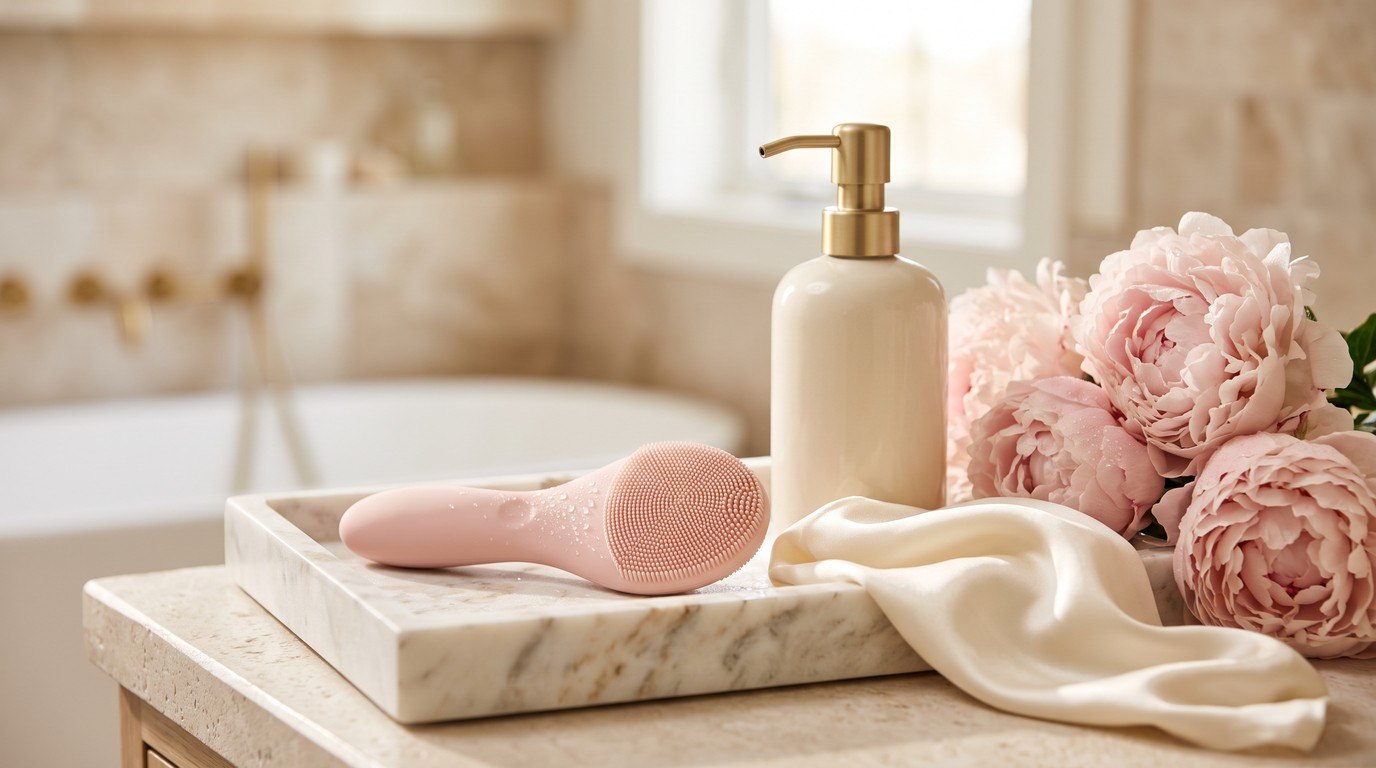
These have flexible silicone nubs instead of bristles and vibrate at high speed rather than spinning. The feeling is more of a gentle buzzing massage than a scrub. Silicone is non-porous, so it dries quickly and is easier to keep clean than nylon, and the heads usually don't need replacing.
For most people, and especially for anyone with sensitive or combination skin, silicone is the gentler place to start. If I were choosing one for combination, sensitive skin like mine (hello, shiny T-zone, also hello, redness), I'd choose a soft silicone sonic face brush with a few speed settings, a waterproof body and silicone nubs that feel soft when you press them against the inside of your wrist.
The Possible Upsides
Let's be fair to the brush, because it does have real fans for good reasons.
- A more thorough-feeling cleanse. The extra motion helps cleanser reach around the nose, along the hairline and at the jaw, the spots fingertips tend to rush past.
- Help with sunscreen and makeup. Water-resistant sunscreen and long-wear foundation can be stubborn. A brush on a low setting can help loosen what your first cleanse leaves behind.
- Smoother-feeling skin. Light mechanical exfoliation can make skin feel softer right away, and some people find their moisturizer spreads more easily afterward.
- A built-in timer. Many brushes pulse or stop after about 60 seconds, which nudges you to cleanse for long enough without overdoing it.
- A small ritual. This is the soft benefit nobody measures. For some people, a brush makes cleansing feel like a little evening moment instead of a chore.
One honest note: research on cleansing brushes is fairly small, and quite a lot of it is funded by the brands that make them. So enjoy the smooth feeling, but take dramatic before-and-after claims about pores or breakouts with a gentle grain of salt.
The Downsides To Know About
None of these are reasons to panic. They're reasons to use a brush thoughtfully.
- Over-exfoliation. Every use adds a bit of friction. Stack that with daily acids, retinoids or scrubs and your skin barrier can get worn down, showing up as tightness, stinging or a shiny, almost "plastic" look.
- Irritation and redness. Pressing too hard, using the highest setting or holding the brush in one spot can leave skin pink and sensitive, especially on the cheeks.
- Bacteria on bristle heads. A damp brush head sitting in a closed cupboard or a steamy shower is not the cleanest thing to rub on your face every day. This matters most with nylon bristles.
- Spreading breakouts. Running a brush over active, inflamed blemishes can irritate them further and move bacteria around your face.
If you already exfoliate with acids, my guide on how to exfoliate your face without overdoing it helps you count the brush as part of your total exfoliation, not an extra on top.
Who Might Enjoy a Cleansing Brush

A brush tends to suit people whose skin is happy and hard to upset. You might enjoy one if:
- Your skin is oily or normal and rarely stings, flakes or flushes.
- You wear long-wear makeup or water-resistant sunscreen most days and feel it never fully comes off.
- You have combination skin with a resilient T-zone. You can use the brush on your forehead, nose and chin and skip the cheeks if they're more delicate.
- You aren't using strong exfoliating acids or prescription retinoids, or you use them only occasionally.
- You genuinely enjoy the ritual. That counts.
Who Should Skip It or Go Very Gently
For some skin, a brush simply isn't worth the friction, at least not right now. Consider skipping it, or using a silicone brush on the lowest setting once or twice a week at most, if:
- Your skin is sensitive or reactive and tends to sting with new products.
- You're prone to rosacea or flushing. Friction and heat can be common triggers.
- You have active, inflamed breakouts. Wait until they've calmed, and avoid those areas.
- Your skin is prone to eczema or very dry patches.
- You're using retinoids or exfoliating acids regularly, especially in the first months.
- Your skin is currently irritated, sunburned, freshly waxed or recovering from a professional treatment.
If your skin falls into this group, a soft routine built around calm will do more for you than any device. My sensitive skin routine is a good starting point. And if you're not sure where your skin stands, or you've had ongoing irritation, a dermatologist can help you decide whether a brush belongs in your routine at all.
Facial Cleansing Brush Types at a Glance
Here's the side-by-side comparison I wish every box came with. Screenshot it if you're shopping or rethinking the brush already sitting in your bathroom drawer.
| Brush type | Best for | How often | Cleaning |
|---|---|---|---|
| Soft silicone sonic brush | Most skin types, including combination and mildly sensitive skin; a gentle first brush | Start 2–3 times a week; resilient skin may build up to once a day | Rinse and air-dry after every use; wash with mild soap weekly; heads usually last |
| Spinning nylon bristle brush | Oily, normal and resilient skin; heavy makeup or sunscreen wearers | Start 2 times a week; most people shouldn't go above 3–4 | Rinse, shake out and dry upright after every use; deep clean weekly; replace head every 2–3 months |
| Manual silicone pad (no motor) | Sensitive skin, travel, anyone curious but cautious | Up to once a day with very light pressure | Rinse, soap weekly, dry flat |
| Microfiber face cloth | Gentle makeup removal, sensitive skin, a brush-free alternative | Once a day, a fresh cloth each time | Machine wash after one use; skip fabric softener |
The pattern is simple: the softer the material, the more forgiving it is. If you're unsure, start at the softer end of the table and work up only if your skin seems to ask for more.
How To Use a Facial Cleansing Brush Gently

Gentle technique is where most of the difference happens. Here's a calm, low-risk way to do it.
- Patch test first. Before using the brush on your whole face, try it on a small area along your jawline for 15–20 seconds a few evenings in a row. If there's no stinging or lingering redness, move on.
- Pick a gentle cleanser. A mild, low-foam formula is ideal. A gentle gel cleanser without scrubby beads, strong acids or a squeaky-clean finish works well. Never pair a brush with a physical scrub.
- Wet your face and the brush. Use lukewarm water, never hot, then apply cleanser to your face (not just to the brush) so there's a slippery layer between the brush and your skin.
- Choose the lowest setting. Even if your brush has six speeds, start with one. You can always go up later.
- Glide, don't press. Let the brush touch your skin lightly and move it in small circles. If the bristles or nubs are flattening, you're pressing too hard.
- Keep it to 60 seconds total. Roughly 20 seconds for your forehead, 20 for your nose and chin, and 10 for each cheek. Skip the eye area completely.
- Rinse and pat dry. Rinse with lukewarm water and pat with a clean towel. No rubbing.
- Moisturize right away. Follow with your usual serum and moisturizer while skin is still slightly damp. If your skin feels at all tight, that's your cue to brush less often.
A small timing tip: if you use active ingredients like retinoids, brush on the nights you're not applying them, or in the morning instead.
How Often To Use It
More is not better here. A sensible starting rhythm:
- Weeks 1–2: 2 times a week, evenings only, lowest setting.
- Weeks 3–4: If your skin feels calm, try 3–4 times a week.
- After a month: Resilient, oily skin may be happy with once a day on a silicone brush. Sensitive or combination skin often stays happiest at 2–3 times a week.
And please, only once a day at most. Using a brush morning and night is one of the fastest ways to tip into over-exfoliation. On the days in between, your hands are perfectly good tools.
How To Clean Your Brush Head
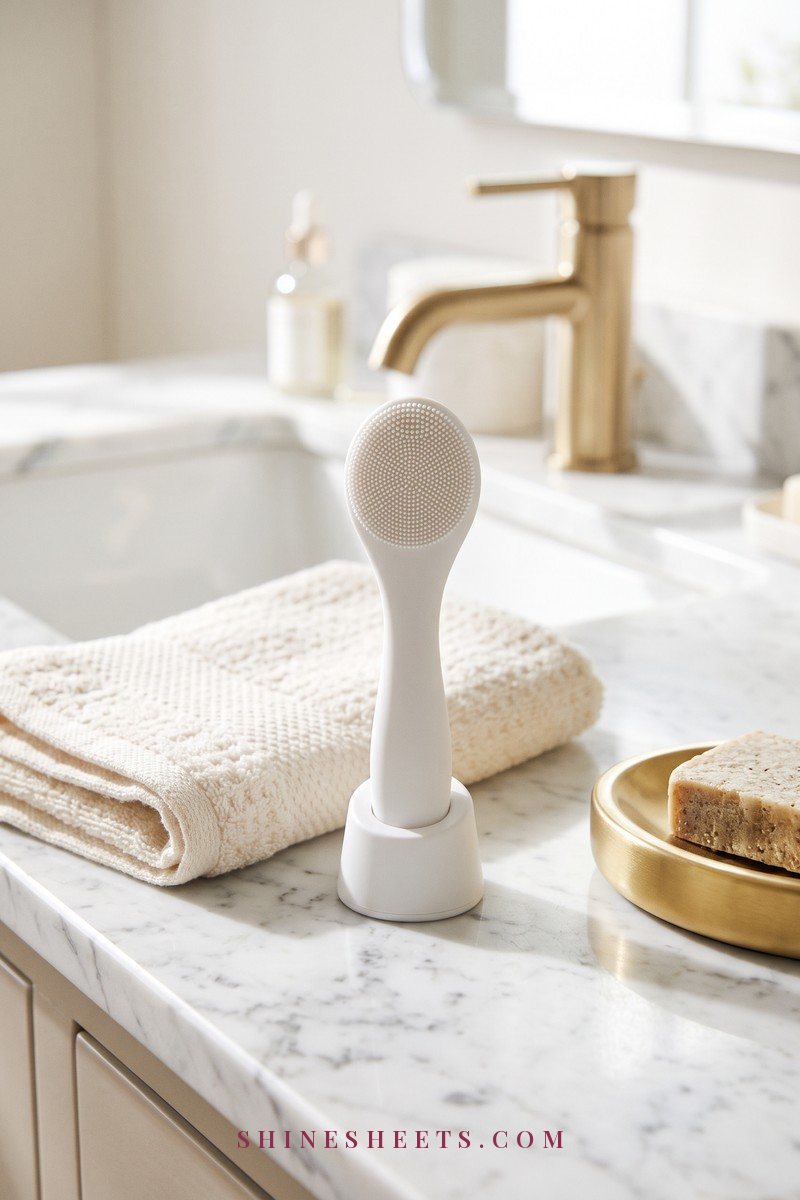
This is the part that's easy to forget and important to keep. A brush is only as clean as its head.
- After every use: Rinse the head under running lukewarm water for 10–15 seconds while it's switched on, which helps flush out cleanser. Shake off excess water, then pat with a clean towel.
- Dry it in open air. Store it upright or on a small white drying stand outside the shower, not in a closed drawer or a damp cap. Moisture plus darkness is what bacteria love.
- Once a week: Wash the head with a little mild soap or gentle cleanser, work it in with your fingers for 30 seconds, rinse well and air-dry. The same gentle approach I share for deep cleaning makeup brushes works here too.
- Replace bristle heads every 2–3 months, or sooner if bristles look splayed, discolored or smell musty. Silicone heads usually last much longer, but replace them if they crack or feel sticky.
- Never share your brush. Just like a toothbrush, it's a personal item.
5 Signs It's Too Harsh for Your Skin
Your skin will usually tell you before things get out of hand. Watch for these:
- Stinging when you apply products. If your usual serum or moisturizer suddenly burns a little, your barrier may be stressed.
- Tightness that lasts. Some tightness right after rinsing can be normal. Tightness that's still there an hour later, even after moisturizer, is a sign to ease off.
- Redness that doesn't fade. A light flush that fades within 15–20 minutes is common. Pinkness that lingers for hours, or patches that look raw, is not.
- A shiny, almost polished look. Not the healthy kind of radiance. Over-exfoliated skin can look tight and glassy, especially on the cheeks and forehead.
- New flaking, bumps or breakouts. Irritated skin can flake, feel rough or break out in small bumps, which can easily be mistaken for "purging."
If two or more of these sound familiar, don't push through. Your skin isn't asking to be cleaned harder. It's asking for a break.
What To Do If Your Skin Feels Irritated

Irritation from a brush usually settles quickly once you remove the friction. A simple reset plan:
- Put the brush away for 1–2 weeks. Let your skin fully settle before you think about trying again.
- Pause exfoliating acids, scrubs and retinoids during that time, unless a dermatologist has told you otherwise.
- Cleanse with your hands, lukewarm water and your gentlest cleanser, once or twice a day.
- Moisturize generously. Look for a barrier-repair moisturizer with ceramides, glycerin or panthenol and no added fragrance.
- Wear sunscreen daily. Irritated skin is more sensitive to sun.
- When you return, go slower. Lowest setting, 30–45 seconds, once a week, and build up only if your skin stays calm.
My guide to restoring a damaged skin barrier goes deeper into this gentle repair phase. And if irritation, burning, swelling or breakouts don't improve after a couple of weeks, or keep coming back, please see a dermatologist. Ongoing reactions deserve a proper look, not more guessing.
Common Mistakes To Avoid
Most brush problems don't come from the brush itself. They come from a few very human habits:
- Treating it like a scrub. The brush already exfoliates. Adding a grainy cleanser or pressing harder doubles the friction without doubling the benefit.
- Brushing every single area equally. Your T-zone and your cheeks are often different skin. It's completely fine to brush only your forehead, nose and chin and cleanse your cheeks with your fingertips.
- Using it over fresh actives. Brushing right before applying a strong acid or retinoid can make them sting more than usual. Keep them on separate nights while you learn how your skin responds.
- Going over the eye area. The skin around your eyes is thin and delicate. Remove eye makeup separately with a gentle remover and a soft cotton pad.
- Ignoring the head. A brush that hasn't been cleaned in weeks isn't helping anyone. Make rinsing and air-drying part of the routine, just like putting the cap back on your cleanser.
- Brushing through a reaction. If your skin is stinging, flushed or broken out, that's a rest day. The brush will still be there when your skin feels calm again.
Gentler Alternatives to a Brush
If you've decided a brush isn't right for your skin (or isn't right for this season of it), you're not missing out on clean skin. A few calm options:
- Your hands. Sixty seconds of gentle fingertip circles with a good cleanser is plenty for most people.
- Double cleansing on heavy days. An oil or balm first, then a gentle cleanser, lifts sunscreen and makeup without any friction.
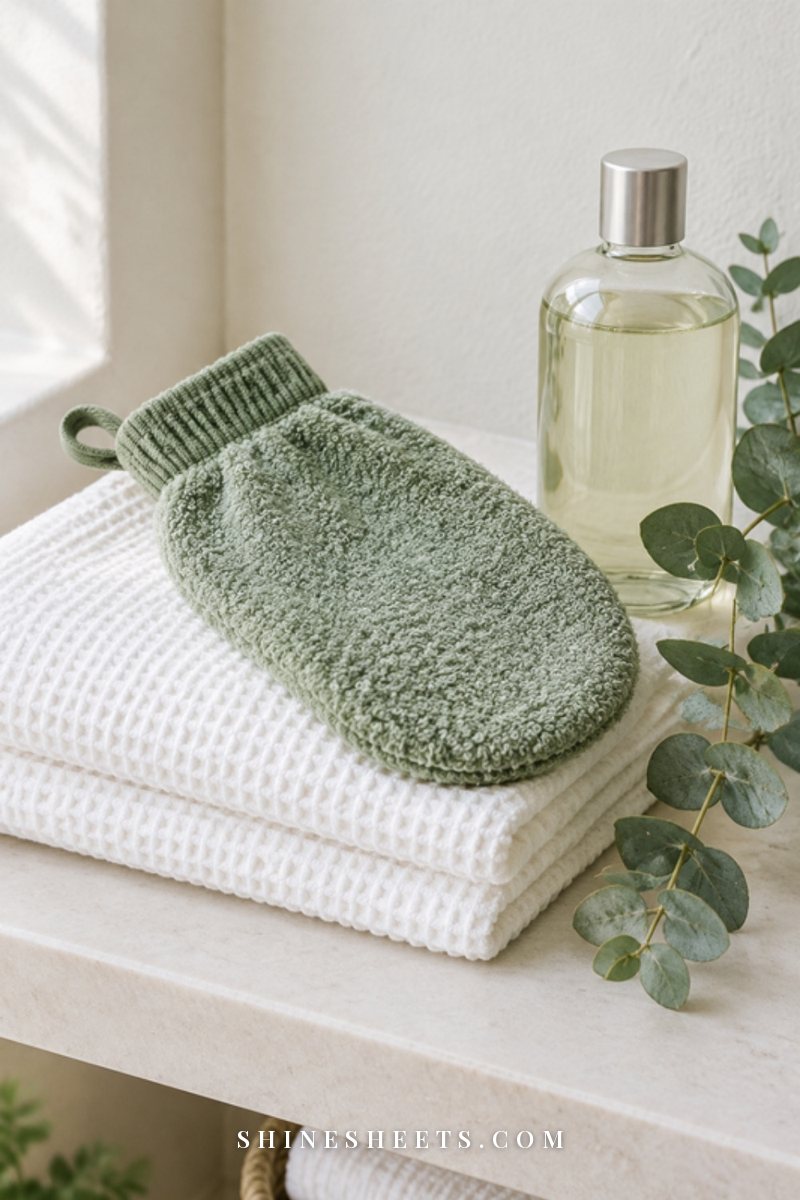
- Microfiber face cloths. A set of soft cream microfiber face cloths dampened with warm water can help wipe away cleanser and makeup gently. Use a fresh one each time and wash after one use.
- A manual silicone pad. No motor, no speed settings, just a soft surface you control completely.
Final Thoughts
A facial cleansing brush can be a nice addition for resilient skin and an unnecessary one for sensitive skin, and both of those can be true at once. The secret isn't the device. It's the gentleness: a soft head, a mild cleanser, the lowest setting, 60 seconds and a few days off in between.
Listen to your skin more than the box. If it feels soft and calm, you've found your rhythm. If it feels tight or stingy, your hands and a kind cleanser will do the job beautifully.