Bumps on your bottom are one of the most common skin concerns there is, and one of the least talked about. The kindest thing to know right away: most of them aren't really acne. They're usually irritated hair follicles or friction bumps, and that's good news, because those respond well to simple, gentle habits rather than harsh treatments.
This area has a tough job. It sits for hours, sweats under layers, gets rubbed by seams and waistbands, and sometimes gets shaved. Put all that together and small red bumps are almost a normal response, not a sign that you're doing anything wrong or that your skin is "dirty."
This guide covers butt acne from a calm, evidence-honest angle: what those bumps usually are, the lookalikes that need different care, a table to help you tell them apart, why this particular area is so prone to them, seven gentle habits that help smooth the skin, how to use actives safely, and when it's time to see a dermatologist.
A gentle note before we start: this is general skin care information, not a diagnosis. If bumps are painful, spreading or not budging, a dermatologist can look at them properly, and that's always a good call.
What Butt Acne Usually Is (Often Not Acne at All)

"Butt acne" is the everyday name, but dermatologists often see something a little different when they look closely. Knowing the likely culprit helps you choose the right care instead of throwing every face acne product at the problem.
Folliculitis
Folliculitis is inflammation of the hair follicles. It often looks like small red bumps or tiny white-topped spots, each centered on a hair, and it can itch or feel tender. It's commonly triggered by sweat, friction, tight clothing and shaving, and sometimes by bacteria or yeast that live on everyone's skin getting into irritated follicles.
Mild folliculitis often settles with breathable fabrics, showering after sweating and a gentle antibacterial wash. Bumps that are deep, painful, warm, spreading or come with fever need a doctor.
Friction Bumps and Acne Mechanica
Acne mechanica is a type of breakout caused by pressure, heat and rubbing. Think long hours on a desk chair, a car seat on a hot day, cycling, or leggings worn for a full day. The bumps tend to show up exactly where the pressure is, which is a helpful clue.
The main fix here is less friction: moving more often, looser or more breathable fabrics, and changing out of tight clothes sooner.
Lookalikes: Keratosis Pilaris and Ingrown Hairs
Two more common causes of bumps in this area need slightly different care:
- Keratosis pilaris (KP): tiny, rough, skin-colored or pinkish bumps that feel like sandpaper, often on the backs of the arms, thighs and buttocks. They're caused by a buildup of keratin around follicles, not infection. KP rarely hurts and doesn't come to a head. My guide to keratosis pilaris covers it in more detail.
- Ingrown hairs: a hair that curls back into the skin after shaving, waxing or friction, causing a red or dark bump, sometimes with a visible hair under the surface. If you shave or wax the area, this is a likely suspect. There's a full guide on how to get rid of ingrown hairs.
It's also very possible to have a mix: a few friction bumps on top of mild KP, for example. That's normal, and the habits below help with most of these at once.
Butt Bump Table: What You're Likely Seeing
Use this as a rough guide, not a diagnosis. If you're unsure, or if bumps don't look like any of these, a dermatologist can tell you in a single visit.
| Bump type | What it looks like | Likely cause | Gentle care |
|---|---|---|---|
| Folliculitis | Small red bumps or white-topped spots centered on hairs; may itch or feel tender | Sweat, tight clothes, shaving, bacteria or yeast in irritated follicles | Shower after sweating, breathable fabrics, brief benzoyl peroxide wash, no picking |
| Friction bumps (acne mechanica) | Red bumps clustered where you sit or where seams rub | Pressure, heat and rubbing from long sitting or tight clothing | Stand up often, looser fabrics, change out of tight clothes, salicylic acid wash |
| Keratosis pilaris | Tiny rough bumps that feel like sandpaper; skin-colored or pink; rarely sore | Keratin buildup around follicles; often genetic, worse with dry skin | Lactic acid or urea lotion, daily moisturizing, no scrubbing |
| Ingrown hairs | Red or darker bump, sometimes with a visible hair trapped under the skin | Shaving, waxing or friction causing hair to grow back into the skin | Pause hair removal, gentle chemical exfoliation, shave with the grain |
| Boil or cyst (see a doctor) | Large, deep, painful, warm or swollen lump; may come with fever | Deeper infection or a blocked gland | Don't squeeze; see a doctor or dermatologist promptly |
The last row matters most. Gentle home care is for small, mild bumps. Anything large, very painful or hot to the touch deserves a professional look rather than more products.
Why the Area Is So Prone to Bumps

Your bottom isn't more "acne-prone" than your face in the usual sense. It just lives in conditions that follicles find stressful. Here are the main triggers, specific to this area:
- Sweat that stays put. Sweat itself isn't the villain, but sweat trapped under fabric for hours softens the skin and creates a warm, damp environment where follicles get irritated more easily.
- Tight clothes. Leggings, skinny jeans and shapewear press fabric against follicles and trap heat. Synthetic fabrics also tend to hold moisture against the skin.
- Sitting for long hours. Constant pressure from a chair reduces airflow and adds friction every time you shift. Desk days and long drives are classic triggers.
- Shaving and hair removal. Shaving can nick follicles and cause ingrown hairs; waxing can irritate them. Both make folliculitis more likely for a few days afterward.
- Friction. Seams, waistbands, gym benches and bike seats rub the same spots again and again.
None of these are about hygiene in a shaming way. Plenty of people who shower twice a day still get these bumps, because the triggers are pressure, heat and fabric, not "being unclean." For bumps on the back and chest, which have slightly different triggers, my guide on how to get rid of body acne covers those habits.
7 Gentle Habits That Help Smooth Your Skin
These habits work together. You don't need all seven on day one; even two or three, done consistently, often make a visible difference within a few weeks. Skin turns over slowly, so give any change about four to eight weeks before you judge it.
1. Shower Soon After Workouts

The goal is to get sweat off before it sits for hours. Aim to shower within about an hour after exercise or a sweaty day. A quick rinse counts; you don't need a full routine every time.
- Use lukewarm water rather than hot. Very hot water strips the skin and can make irritation worse.
- Wash gently with your hands or a soft cloth. No loofahs scraping across inflamed follicles.
- If you can't shower right away, change into dry clothes and pat the area with a clean, damp cloth until you can.
2. Choose Breathable Cotton Underwear
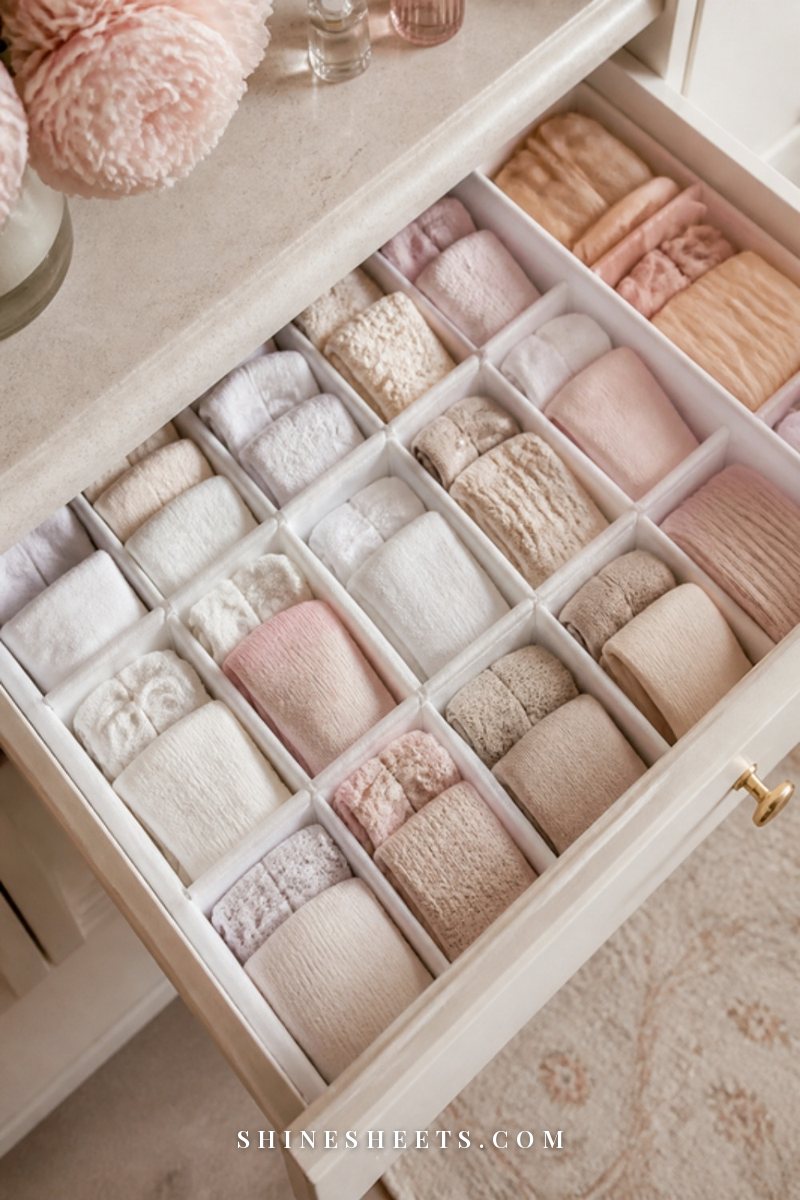
Underwear is the fabric that touches this skin most, so it's worth getting right. Breathable cotton lets heat and moisture escape instead of trapping them against your follicles. A simple pick: a set of soft white cotton underwear with a smooth, not-too-tight fit and seams that don't cut in.
- Save synthetic or lace styles for shorter wear, not long desk days or workouts.
- Look for a cotton gusset at the very least, even in other fabrics.
- For workouts, choose moisture-wicking activewear and change out of it soon after.
- Sleeping in loose cotton (or no underwear at all) gives the skin eight hours of air.
3. Use a Benzoyl Peroxide or Salicylic Acid Wash (Leave It On Briefly)
Two well-studied ingredients do most of the heavy lifting for follicle bumps, and both work best as a short-contact wash rather than a leave-on treatment for this area.
Benzoyl peroxide reduces bacteria on the skin and is a classic choice for folliculitis-type bumps. A benzoyl peroxide body wash in a lower strength (around 4 to 5 percent is common for body washes) is plenty for most people.
Salicylic acid is an oil-soluble exfoliant that gets into pores and helps clear dead skin around follicles. A salicylic acid body wash is a lovely choice for friction bumps, rough texture and skin that doesn't tolerate benzoyl peroxide.
How to use either one:
- Wet the skin, apply a small amount to the bumpy area only.
- Leave it on for one to two minutes (wash your hair or shave your legs in the meantime).
- Rinse thoroughly and pat dry.
- Start three times a week. If your skin is happy after two weeks, move to daily.
One very practical warning: benzoyl peroxide bleaches fabric. Rinse well, use white towels, and wear white or old underwear and sheets while you're using it. It will leave pale patches on colored cotton, and that's a sad way to lose a favorite towel.
Pick one active at a time rather than layering both on the same day, especially if your skin is sensitive. More is not better here.
4. Exfoliate Chemically, Not With Scrubs
It's tempting to scrub bumps away, but physical scrubs and stiff brushes can tear at already-irritated follicles and make redness worse. Gentle chemical exfoliants loosen dead skin without the friction.
A lactic acid body lotion is a gentle, hydrating pick, especially if keratosis pilaris is part of the picture. Apply a thin layer after showering, two to four evenings a week to start. It can sting slightly on freshly shaved or broken skin, so skip those days.
- Use a salicylic acid wash or a lactic acid lotion, but don't stack several exfoliating products on the same day.
- Keep the rest of your routine bland: fragrance-light cleanser, plain moisturizer.
- If skin feels tight, stings or turns pinker, take a few days off.
For a fuller look at body exfoliation (including which acids suit which skin), my guide on how to exfoliate your body has the details.
5. Change Out of Damp Clothes Quickly
Damp fabric is one of the biggest triggers in this area, and it's one of the easiest to change. Sitting in a wet swimsuit, sweaty leggings or damp jeans after rain keeps follicles warm and soggy.
- Pack a spare pair of cotton underwear in your gym bag or tote.
- Change out of swimsuits within about 30 minutes of getting out of the water, even if you're staying by the pool.
- On long desk days, stand up and move for a couple of minutes every hour. It reduces pressure and lets the skin breathe.
- Choose looser trousers or skirts for long sitting days when you can.
6. Use Fresh Towels Often
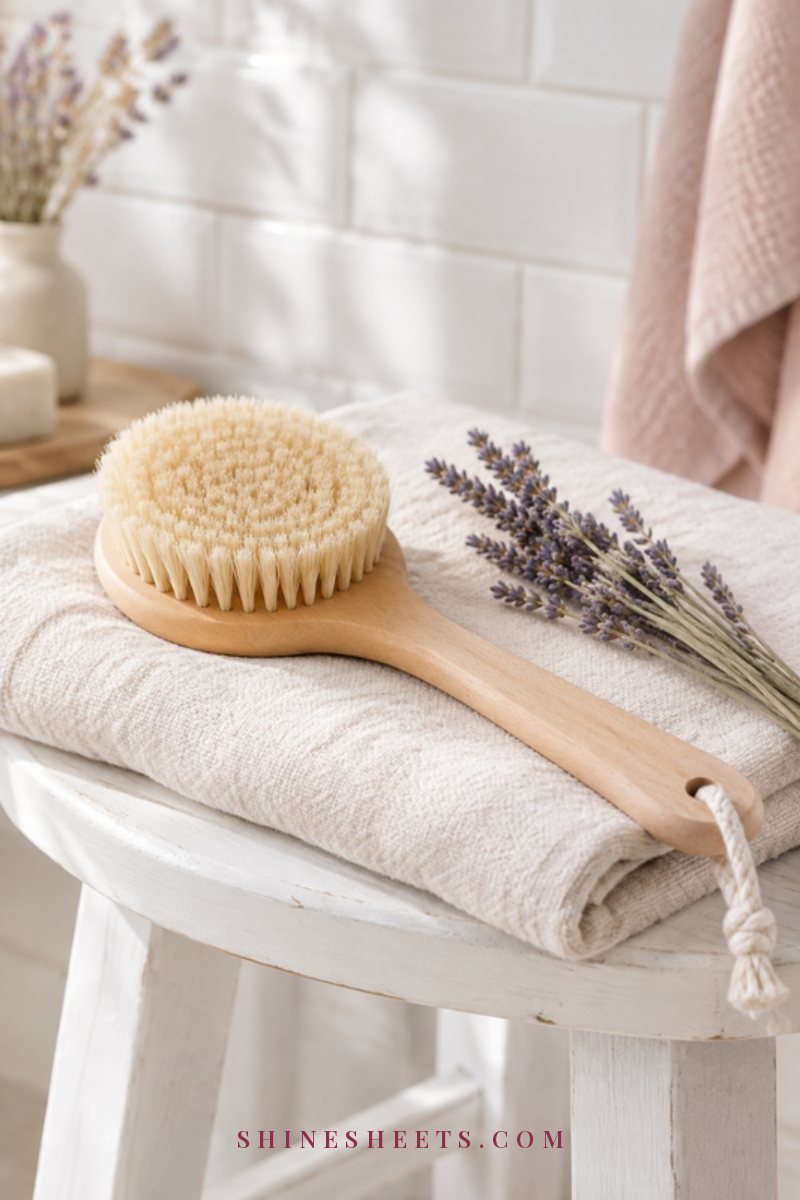
Towels that stay damp between uses can hold onto bacteria and yeast, which is the last thing irritated follicles need. Use a fresh body towel every three or four showers, and hang it fully open so it dries between uses.
White towels are the practical choice while you're using benzoyl peroxide, since they won't show bleach spots. A soft white microfiber towel dries quickly and feels gentle; pat the skin dry rather than rubbing.
Wash towels and underwear in warm water with your usual detergent, and skip heavy fabric softeners on anything that touches this area, since some people find they irritate the skin.
7. Hands Off: Avoid Picking
I know. Bumps you can feel when you sit down are hard to leave alone. But squeezing or picking pushes bacteria deeper, tears the follicle and can turn a small bump into a bigger, sorer one, plus leave dark marks that last far longer than the bump itself.
- If a bump is tender, a warm (not hot), clean compress for 5 to 10 minutes, a few times a day, can feel soothing.
- Keep nails short and smooth if you tend to scratch without noticing.
- Never use needles or tools at home, and never squeeze a large, painful lump.
Be patient with any dark marks left behind. They usually fade on their own over a few months, and gentle exfoliation helps.
Shaving and Hair Removal in the Area
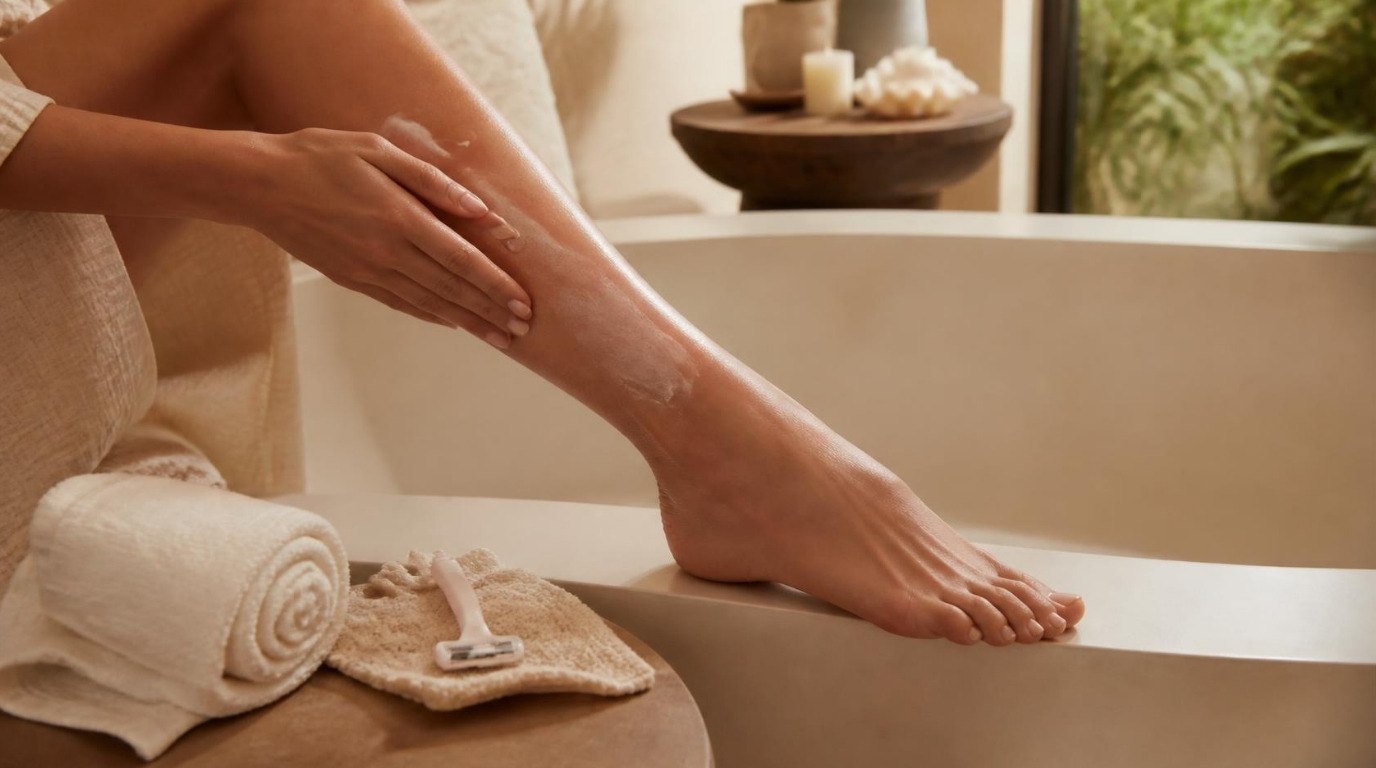
If you remove hair from this area, it's one of the most common triggers for both folliculitis and ingrown hairs. You don't have to stop, but small changes help a lot:
- Use a sharp, clean razor and replace blades often. Dull blades tug and nick follicles.
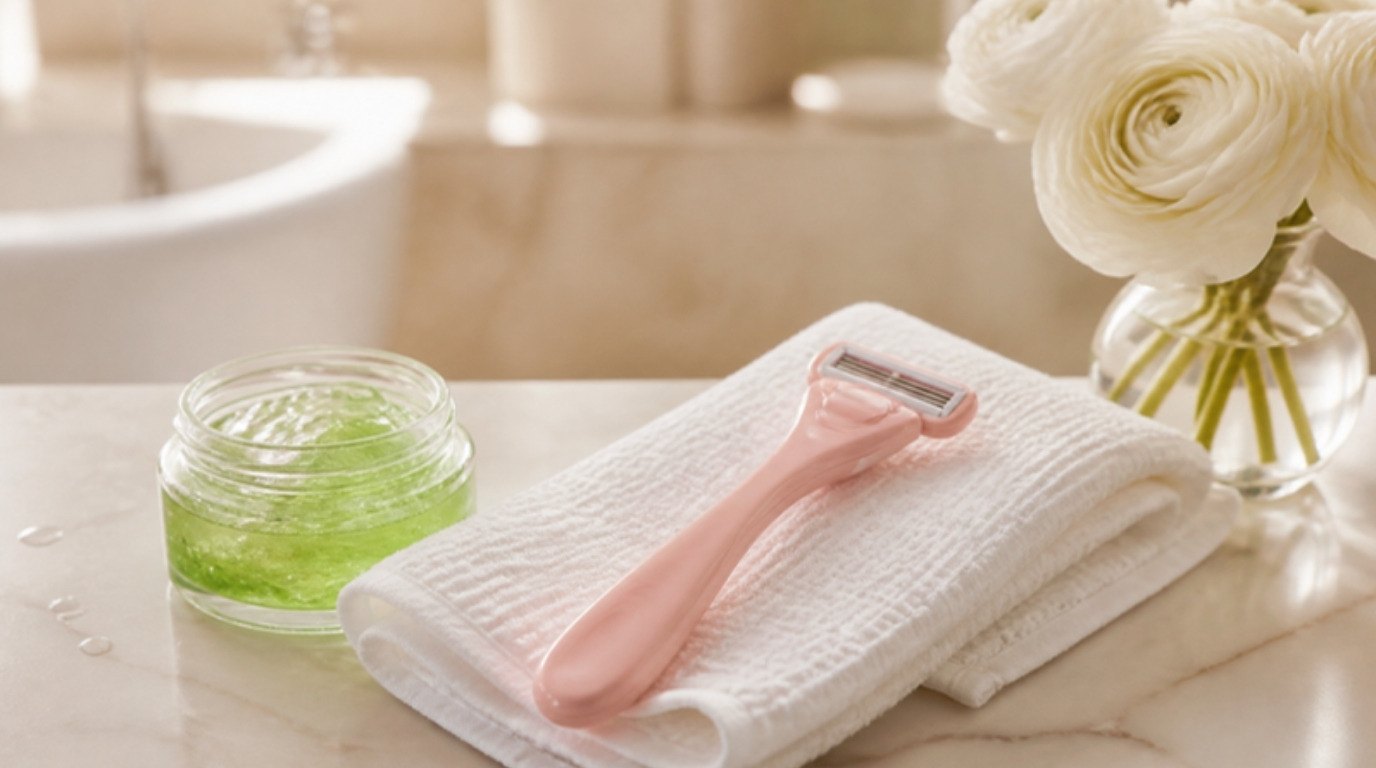
- Shave with the direction of hair growth, using a gentle shave gel, not soap.
- Give your skin a break during a flare. Shaving over active bumps spreads irritation.
- Skip actives on freshly shaved skin for a day; they'll sting.
- Consider trimming instead of shaving close, which irritates follicles less.
If you notice red bumps right after shaving, my guide to razor bumps covers the shaving routine step by step.
A Simple Weekly Routine To Start With
If you like having a plan, here's an easy one to try for four weeks before you judge results:
- Daily: breathable underwear, change out of sweaty or damp clothes, stand up and move every hour on desk days.
- Three times a week (weeks 1–2): benzoyl peroxide or salicylic acid wash, left on for one to two minutes, then rinsed.
- Two evenings a week: a thin layer of lactic acid lotion on non-wash days, plain moisturizer on the rest.
- Every three or four showers: fresh towel. Weekly: fresh sheets.
- Weeks 3–4: if your skin is calm and comfortable, move the wash to daily. If it's irritated, stay at three times a week or switch to the other active.
Write the start date in your journal or phone notes. It's surprisingly hard to remember how things looked a month ago, and seeing gradual progress is very encouraging.
Patch Testing and Using Actives Safely
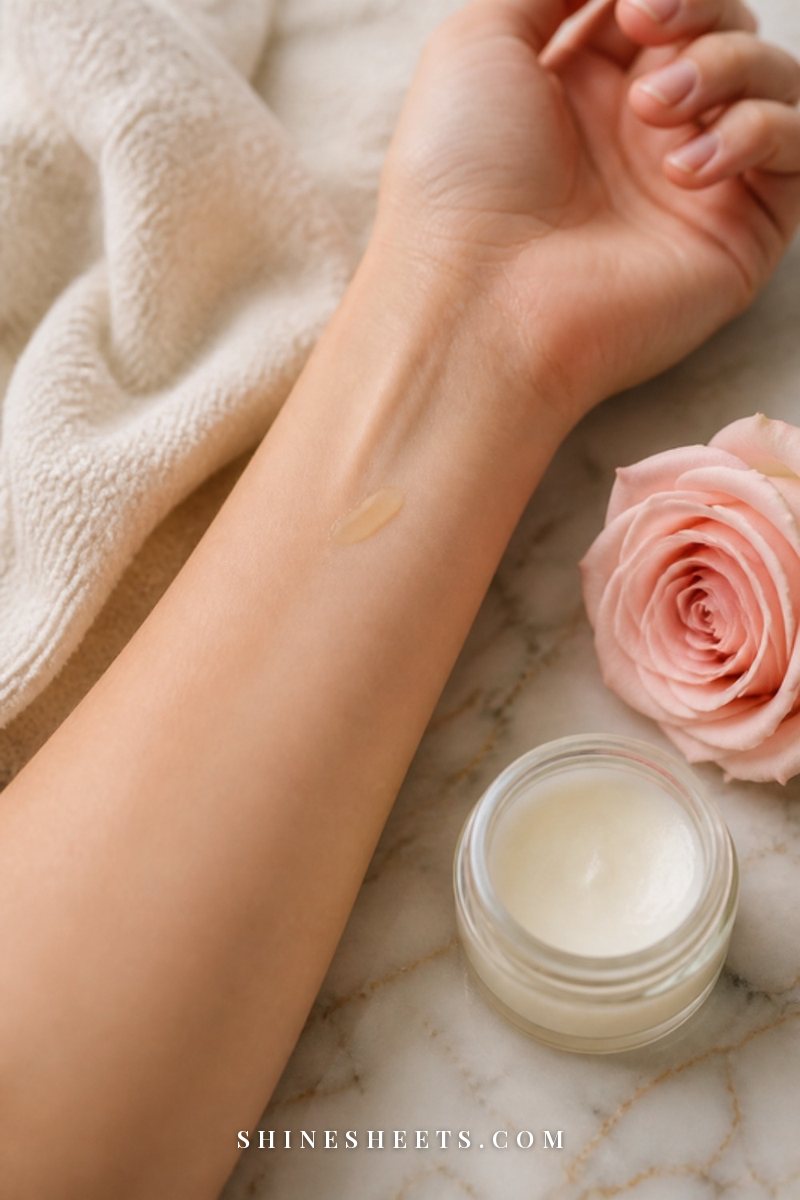
Even body skin can react to new products, and sensitive skin (like my own combination, easily irritated face) often has a sensitive body to match. A patch test takes a few days and can save you a lot of discomfort.
- Apply a small amount of the new product to your inner forearm or a small patch of the area you want to treat.
- For a wash, leave it on for the same one to two minutes you'd use in the shower, then rinse.
- Repeat once a day for three days.
- If you see redness, burning, swelling or itching that lasts, stop using it.
A few more safety notes:
- Start low and slow: lower strengths, fewer days a week, one new active at a time.
- Some dryness at the start is common. Real burning, blistering or swelling is not; stop and check with a doctor.
- If you're pregnant, breastfeeding or using prescription skin treatments, ask your doctor or pharmacist before adding actives.
- Never apply actives to broken, raw or freshly shaved skin.
When To See a Dermatologist
Gentle habits help most mild bumps, but some things need a professional, and there's no reason to feel embarrassed about it. Dermatologists see this area all the time. Book an appointment if:
- Bumps are painful, large, deep or hot to the touch.
- They're spreading or getting worse despite four to eight weeks of gentle care.
- You have boils, lumps that fill with pus, or bumps that keep coming back in the same spot.
- You have fever, chills or feel unwell along with the bumps (see a doctor promptly).
- Bumps leave scars or dark marks that bother you.
- You're simply not sure what they are.
A dermatologist can tell folliculitis from KP, ingrown hairs or something else, and if you need it, they can suggest prescription options that aren't available over the counter. That's not failure; it's just the faster route.
Final Thoughts
Bumps on your bottom are common, usually harmless and almost never a sign that you're doing something wrong. Most of the time, they're your skin's response to sweat, pressure and fabric, and they calm down with a few kind, consistent habits.
Choose breathable fabrics, rinse after sweating, pick one gentle active and keep your hands off. Give it a few weeks, and let a dermatologist help if anything feels painful or stubborn. Your skin deserves patience, and so do you.