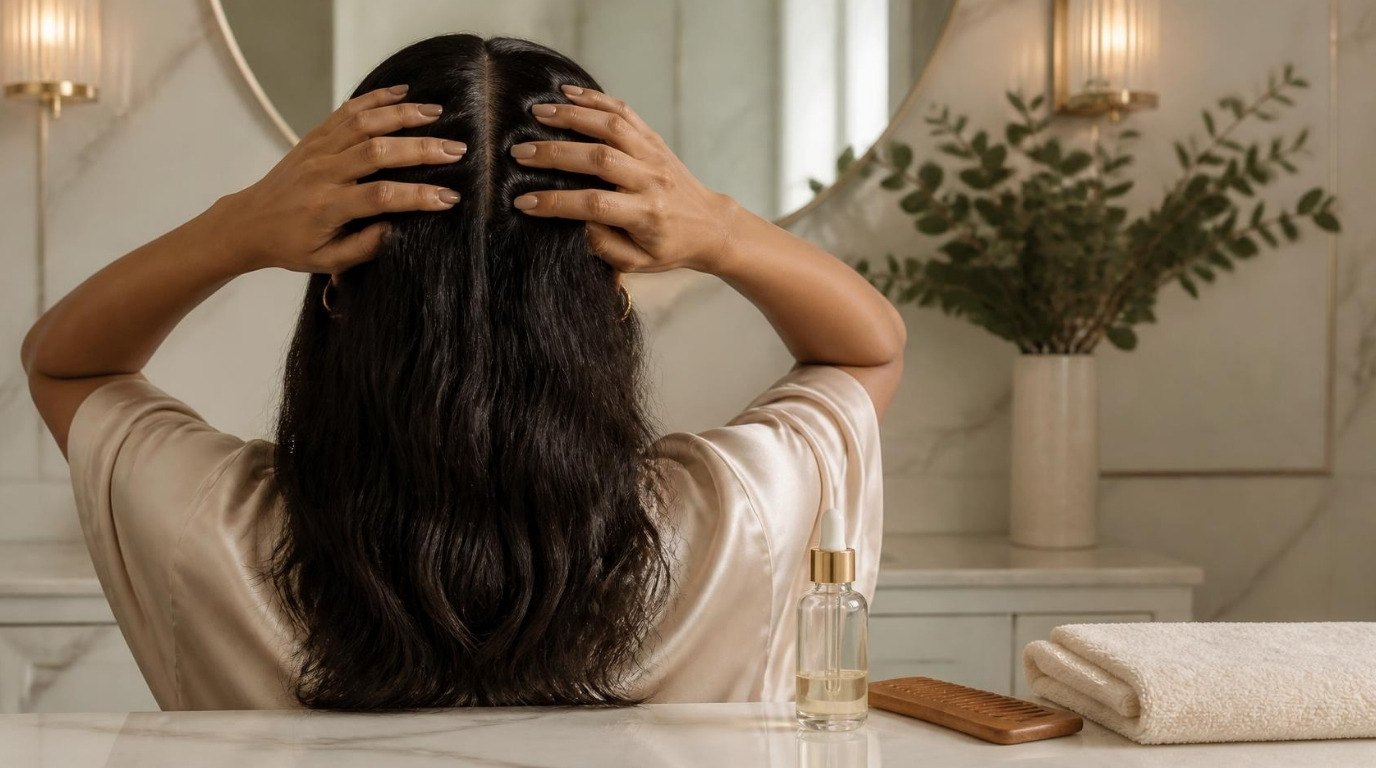
A dry, itchy scalp rarely needs a stronger product. Most of the time it needs fewer things irritating it: cooler water, a softer shampoo, a proper rinse and a little moisture back in the air. The scalp is skin, after all, and it behaves a lot like the skin on your face when it's stressed. Strip it, scratch it or coat it in heavy residue, and it gets tight, flaky and itchy in return.
The tricky part is that "itchy and flaky" can mean four quite different things. A truly dry scalp, dandruff, product buildup and plain irritation all look similar in the mirror, and the fix for one can make another worse. Heavy oil, for example, can soothe a dry scalp beautifully and make dandruff flare.
This guide to a dry, itchy scalp walks you through how to tell what's going on (flake size, oiliness and timing are the big clues), a "what your flakes are telling you" table you can screenshot, the everyday habits that quietly make itching worse, a calm weekly routine, what to stop doing, and the signs that mean it's time to see a dermatologist.
Think of it as a kind reset for your roots. Nothing harsh, nothing complicated, just a plan your scalp can actually settle into.
Dry Scalp, Dandruff, Buildup or Irritation?
Before you buy anything new, spend a few days simply noticing. Look at your scalp in daylight, check your shoulders on a dark top and pay attention to when the itch shows up. These four are the usual suspects:
A Truly Dry Scalp
A dry scalp simply doesn't have enough moisture or oil. The flakes are small, white and powdery, almost like fine dust, and they brush off easily. Your scalp feels tight, especially after washing, and your hair is often dry too. It tends to get worse in cold months, with indoor heating and long hot showers, and the skin on your arms or legs may feel dry at the same time.
Dandruff
Dandruff is the opposite situation in many ways. It's linked to oil and to a yeast that naturally lives on everyone's scalp, and in some people it triggers a flaky, itchy reaction. Dandruff flakes are usually larger, yellowish or off-white and slightly greasy, and they cling to the hair rather than floating off. Your roots get oily fast, and the itch is often worse a day or two after washing. A more intense form, seborrheic dermatitis, can add redness and show up around the eyebrows, the sides of the nose or behind the ears.
Product Buildup
Buildup comes from dry shampoo, styling products, heavy conditioners and oils that never fully rinse out. It looks like waxy, clumpy flakes or a dull film near the roots, and it often comes with a slightly sticky or heavy feel. The itch is mild and tends to sit along your part or wherever you spray the most product. If dry shampoo is a staple for you, my guide on how to use dry shampoo so it actually works shows how to keep it from settling on your scalp.
Irritation From a Product
Sometimes the scalp is reacting to something specific: a new shampoo, a fragrance, a hair dye or a styling product. This type of itch often appears suddenly, can sting or burn, and may come with redness along the hairline, ears or neck. Flakes are not always part of it. The timing is the giveaway: it started shortly after you changed something.
Many people have a mix, by the way. A dry scalp with a bit of buildup is very common in winter, and dandruff can flare when you start washing less often. You don't need a perfect label, just a good guess to start from.
What Your Flakes Are Telling You
Here's the comparison I wish everyone had before reaching for the strongest shampoo on the shelf. Screenshot it, then compare it with what you see on your scalp and shoulders over a few days:
| Sign | Likely cause | What helps |
|---|---|---|
| Tiny white, powdery flakes; tight scalp after washing; worse in winter | Dry scalp | Lukewarm water, a gentle sulfate-free shampoo, a soothing serum, a light pre-wash oil once a week, a humidifier |
| Larger, yellowish, slightly greasy flakes that stick to hair; oily roots | Dandruff | Regular washing with an anti-dandruff shampoo (look for zinc pyrithione, ketoconazole, selenium sulfide or salicylic acid); skip heavy oils on the scalp |
| Waxy, clumpy flakes along the part; dull, heavy roots | Product buildup | A thorough double wash, less dry shampoo, a gentle scalp exfoliation every week or two |
| Sudden itch or stinging after a new product; redness at hairline or neck | Irritation or a reaction | Stop the new product, switch to fragrance-free basics, see a doctor if it doesn't settle |
| Itch with no visible flakes, worse when stressed or at night | Sensitive, reactive scalp | Fewer products, cool rinses, fragrance-free care, a scalp massager instead of nails |
| Thick, silvery or crusty patches; redness; bleeding; patchy hair loss | Something that needs a professional look | Book a dermatologist rather than treating it at home |
If you're still unsure, start with the gentlest option in the first row for two weeks. A dry scalp usually feels calmer quickly. If nothing changes, or the flakes get greasier, dandruff care is the better path.
6 Things That Make a Dry, Itchy Scalp Worse
Many of the biggest triggers are small daily habits. You don't have to fix them all at once, but each one you soften gives your scalp a little more breathing room.
1. Showers That Are Too Hot

A very hot shower feels wonderful on a cold evening, but it strips the natural oils that keep your scalp comfortable. Aim for lukewarm when you wash your hair, roughly the temperature you'd use for a baby's bath, and keep hair-washing time to a few minutes. You can enjoy the warmth on your shoulders, then turn it down when you tip your head back.
Finish with ten seconds of cooler water over your scalp if you like. It won't "seal" anything magically, but many people find it takes the edge off the itch.
2. Harsh, Stripping Shampoos
Strong sulfates (often listed as sodium lauryl sulfate) create that big, satisfying lather, and they're also very good at removing oil. On a dry or sensitive scalp, that "squeaky clean" feeling is often a sign you've taken too much away. A milder cleanser cleans just as well for most people without the tight, itchy aftermath.
3. Scratching With Your Nails
Scratching gives a second of relief and then makes everything itchier. Nails create tiny scratches, the skin gets inflamed, and the itch comes back stronger. It's a frustrating loop. When the urge hits, press the spot gently with your fingertips, or tap it lightly, instead of dragging your nails across it.
4. Skipping a Proper Rinse
Shampoo and conditioner left on the scalp are a very common cause of itch, especially with thick or long hair. Rinse for a full minute longer than feels necessary, lifting sections so water reaches the roots underneath. Keep conditioner on the lengths, not the scalp, unless the product is made for scalp use.
5. Dry Indoor Air
Heating and air conditioning pull moisture out of the air, and your scalp feels it along with your hands and lips. If your itch gets worse every time the heating comes on, the air in your bedroom is probably part of the story.
6. Too Many Products at Once
New shampoo, new serum, new oil, new dry shampoo, all in the same month. When something irritates, you have no idea which one it was. Change one thing at a time and give it two weeks before you judge it.
A Calm Weekly Routine for a Dry, Itchy Scalp
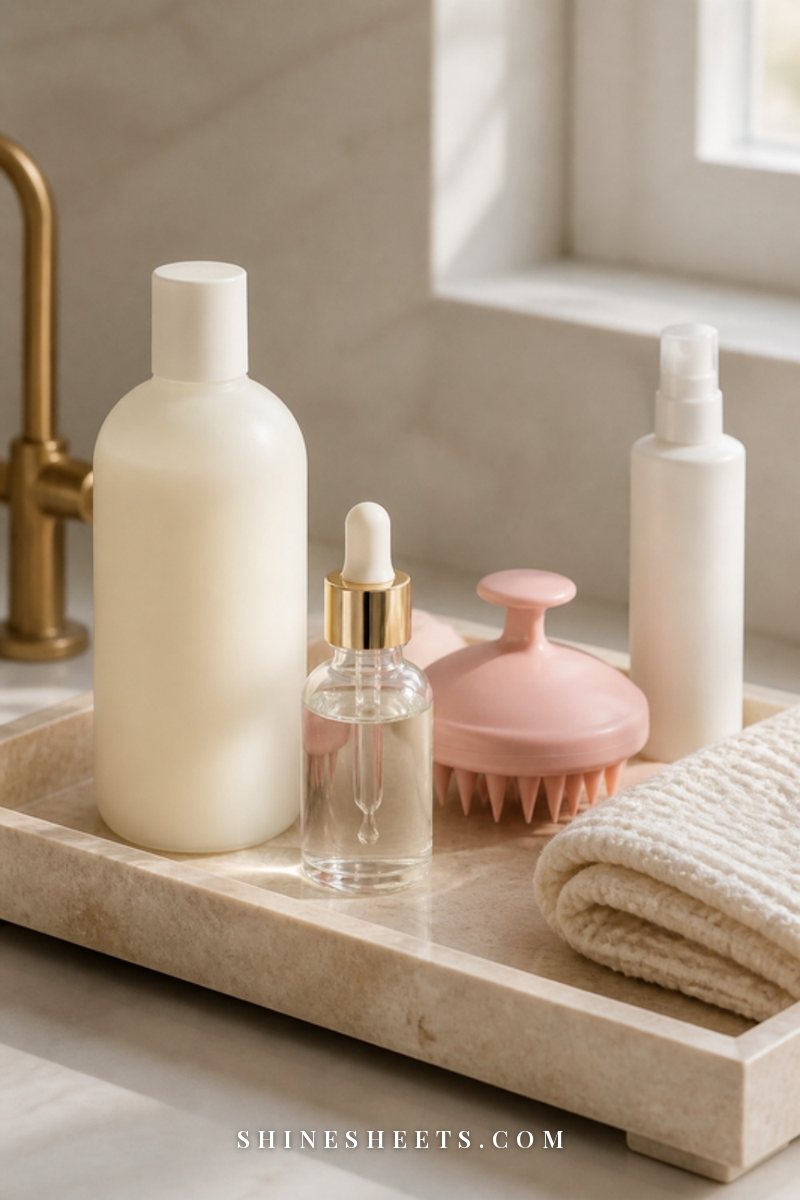
This routine is built for a dry or sensitive scalp. If the table pointed you toward dandruff, keep the habits (lukewarm water, gentle massage, good rinsing) and swap step 1 for an anti-dandruff shampoo, skipping step 4 on the scalp itself. For the bigger picture of how scalp care fits into your whole week, my weekly scalp care routine goes deeper.
1. Wash With a Gentle, Sulfate-Free Shampoo
Choose a gentle sulfate-free shampoo with a short ingredient list and ideally no added fragrance. Look for mild cleansers (words like "glucoside" or "betaine" on the label) and soothing extras like glycerin, panthenol or oat. Wash two to three times a week for most hair types; if your roots get oily quickly, washing more often with a mild formula is perfectly fine.
How: wet your hair fully with lukewarm water, put a coin-sized amount in your palms, rub them together and apply to the scalp only. Work it in for about 60 seconds with your fingertips, then let the suds run down the lengths as you rinse.
2. Massage, Don't Scratch
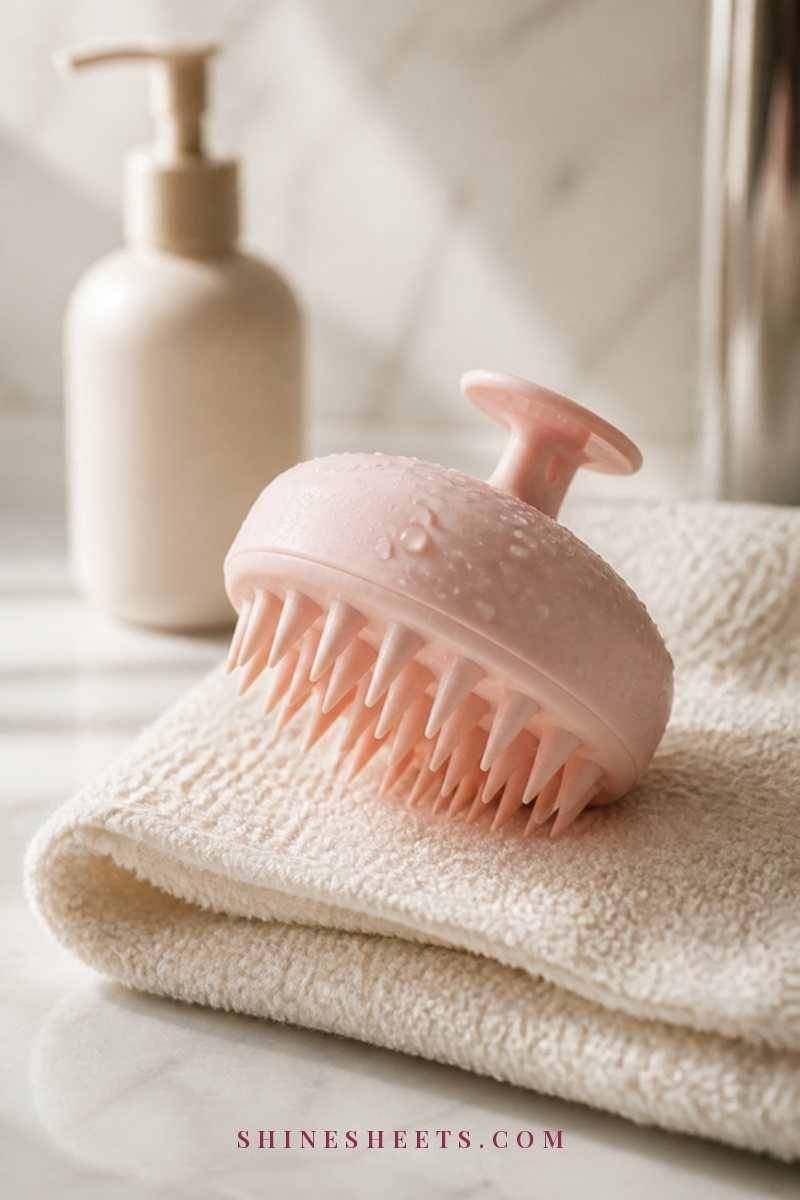
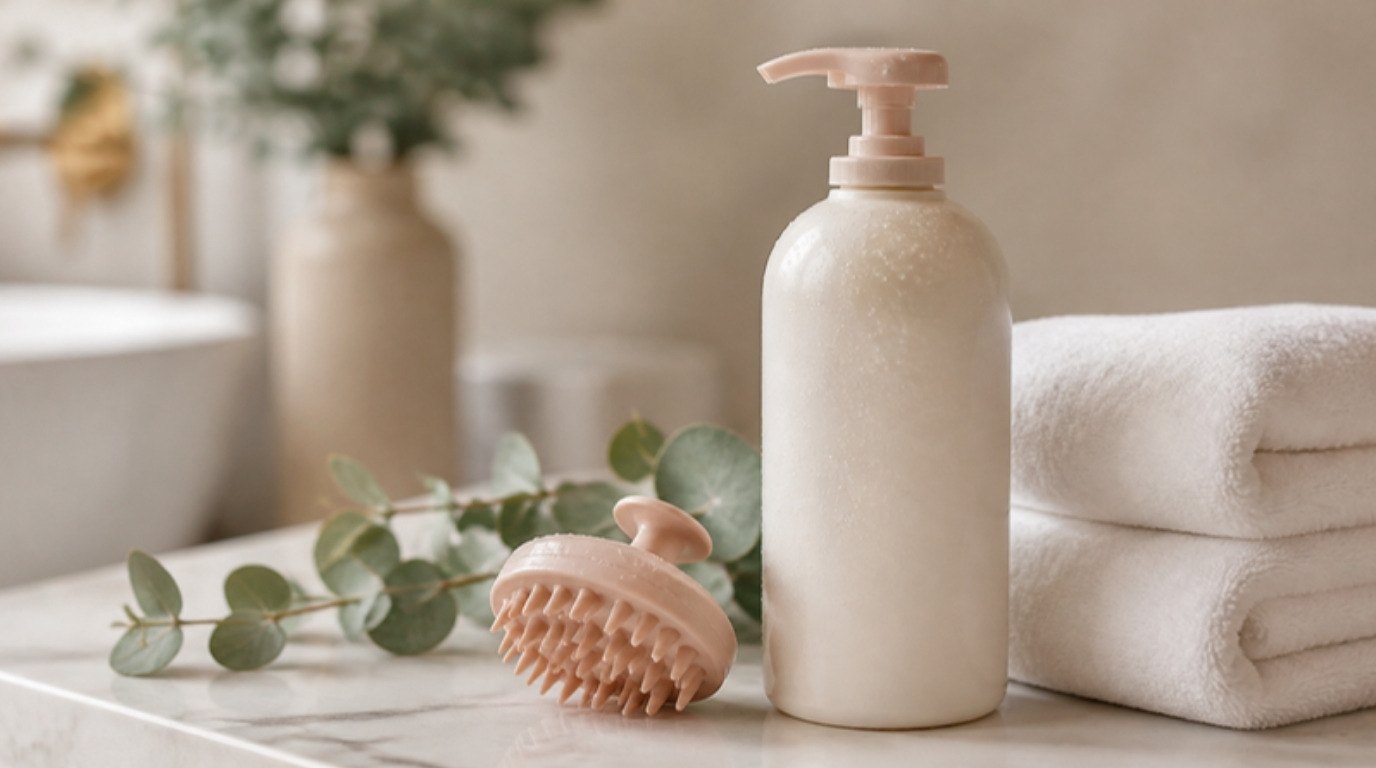
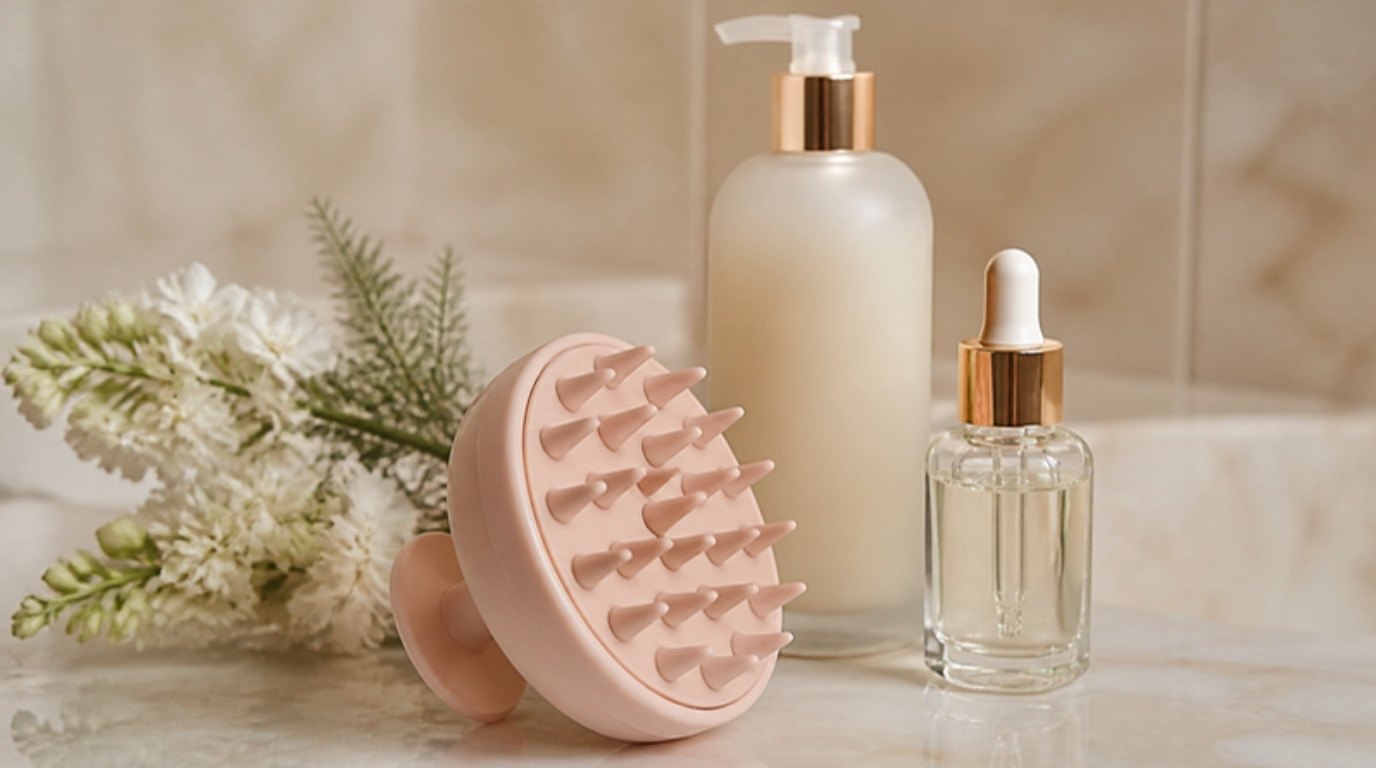
A soft silicone scalp massager is the kindest replacement for your nails. Look for flexible, rounded bristles (never sharp or hard plastic) that bend when you press them into your palm. Use it in the shower while shampooing: small circles, light pressure, about one minute, moving from the hairline to the crown and down to the nape.
It loosens flakes and buildup, helps the shampoo reach the scalp and, best of all, scratches the itch without the scratches. On dry days you can use it lightly on dry hair too, just a few slow circles.
3. Calm Itch With a Soothing Scalp Serum
A lightweight serum gives your scalp the moisture a shampoo can't. A soothing scalp serum with ingredients like niacinamide, panthenol, centella, aloe or hyaluronic acid is a good pick for dry, tight skin. Choose a watery texture with a dropper or nozzle tip so it goes on the skin, not the hair.
How: part damp or dry hair in four to six lines and apply a few drops along each part, then press it in with your fingertips. Use it after washing or before bed, three to four nights a week to start.
4. Use a Pre-Wash Oil Once a Week
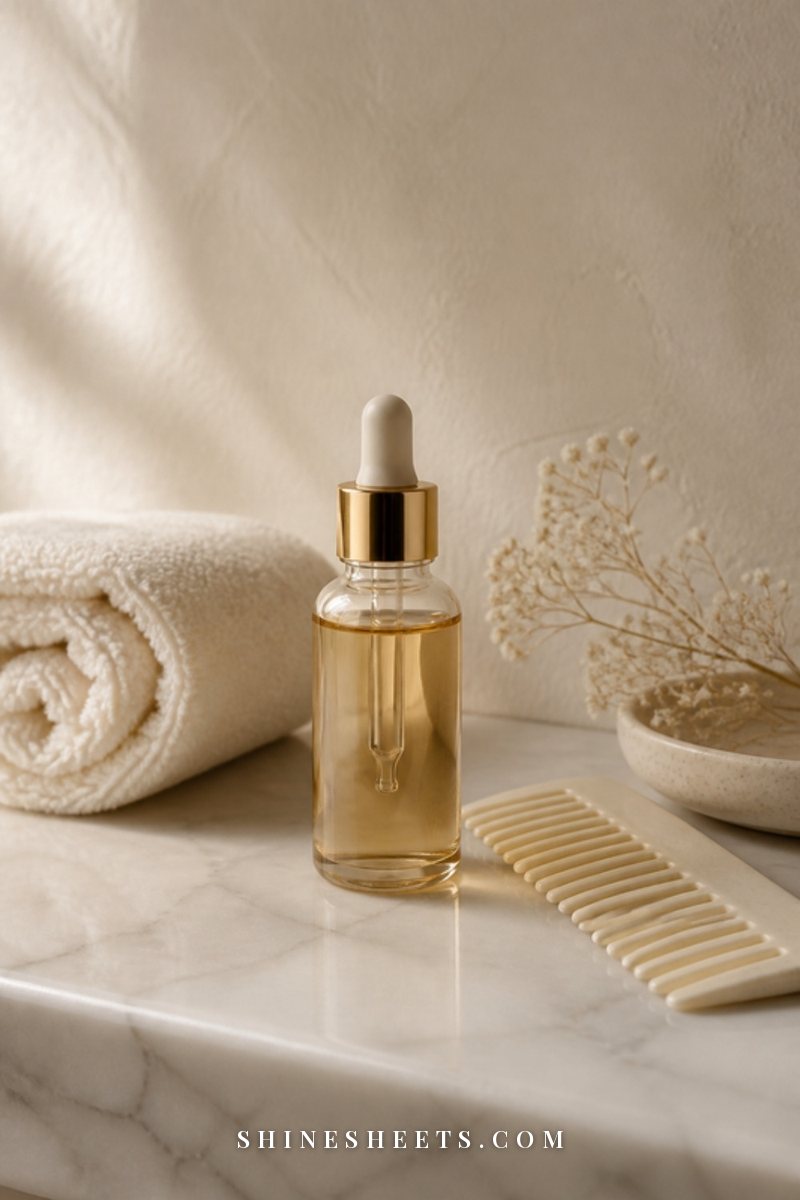
For a truly dry scalp, a small amount of oil before washing can make a real difference. A lightweight scalp oil with squalane, jojoba or sunflower oil is a gentler choice than heavy blends with strong essential oils, which can irritate sensitive skin.
How: once a week, 30 to 60 minutes before you shower, warm 5 to 6 drops between your fingertips and press them along a few parts. Massage gently, then shampoo as usual (you may need two rounds to remove it). If you'd like the full method, including which oils suit which hair type, my step-by-step guide to hair oiling covers it.
A gentle note: if you think you have dandruff, skip oil on the scalp. Oils can feed the yeast involved and make flakes worse. Keep them on your ends instead.
5. Finish With a Light, Fragrance-Free Leave-In
Fragrance is one of the most common triggers for an itchy scalp, and leave-in products sit on your hair (and close to your skin) all day. A fragrance-free leave-in conditioner keeps your lengths soft and easy to detangle, so you're not tugging and rubbing at the roots with a brush. Apply it from mid-lengths to ends only, about a pea-sized amount for fine hair and a little more for thick hair.
6. Exfoliate Gently Every Week or Two
If buildup is part of your picture, a gentle exfoliation helps clear the waxy layer. Keep it occasional: every one to two weeks for most people, and never on a scalp that's raw, broken or very inflamed. A mild liquid exfoliant is usually kinder than a gritty scrub. My guide to scalp exfoliation explains how to choose between the two and how often to do it.
Your Week at a Glance
Here's how the routine can fit into an ordinary week. Adjust the days to suit your wash schedule:
- Wash days (2–3 times a week): lukewarm water, gentle shampoo with one minute of massager circles, a long rinse, conditioner on the lengths, leave-in on the ends.
- Three or four evenings: a few drops of soothing serum along your parts before bed.
- Once a week: pre-wash oil 30–60 minutes before shampooing (dry scalp only).
- Every one to two weeks: a gentle exfoliation if buildup is an issue.
- Every night in dry months: humidifier on in the bedroom.
Give it two to four weeks. Scalp skin renews itself slowly, and the first sign of progress is usually less tightness after washing, followed by fewer flakes.
Help Your Scalp Through Dry Indoor Air

You spend roughly a third of your life in your bedroom, so that's the best place to add moisture back. A cool-mist humidifier on your nightstand or dresser can help your scalp, skin and lips feel less parched by morning. Look for one that's easy to open and clean, with a quiet mode for nights.
A few small habits help it work well:
- Use it in the evening and overnight, with the door mostly closed.
- Empty, rinse and dry the tank every day, and clean it properly once a week, so nothing grows inside.
- Keep it a little away from wooden furniture and walls so moisture doesn't collect on surfaces.
- Aim for comfortably humid, not damp. If windows start fogging, turn it down.
Cold weather adds its own challenges, like hats, static and dry ends. My winter hair care quick fixes cover those, and they pair nicely with everything here.
What To Stop Doing
Sometimes the most helpful step is taking something away. If your scalp is itchy and flaky, try stopping these for a few weeks:
- Scratching with your nails, especially at night. Keep nails short and smooth, and press or tap instead.
- Very hot water and long, steamy hair washes. Lukewarm and a few minutes is plenty.
- Layering dry shampoo for days in a row. Use it for one day between washes, not three.
- Heavily fragranced scalp products and strong essential oils like undiluted tea tree or peppermint, which can sting sensitive skin.
- Scrubbing with gritty scrubs every wash. Exfoliation is a sometimes-step, not an everyday one.
- Going to bed with wet hair every night. A damp scalp against a pillow for hours can leave it irritated; dry your roots at least partly first.
- Tight hats and headbands all day. Give your scalp time to breathe, especially if you sweat under them.
- Switching products every few days. Pick a simple routine and stay with it for at least two weeks.
If you only change one thing this week, make it the scratching. It's the habit that keeps an itchy scalp stuck the longest.
Little Comfort Tricks for an Itchy Moment
For the moments when the itch feels impossible to ignore, keep a few gentle tricks ready:
- Cool compress: a clean washcloth rinsed in cool water, wrung out and pressed against the itchy area for a minute or two.
- Serum on the spot: a drop or two of your soothing serum pressed in with a fingertip.
- Massager on dry hair: five slow circles on the area instead of scratching.
- Clean bedding: wash your pillowcases every few days while your scalp is irritated, using a fragrance-free detergent.
- A breath before a scratch: itching often gets louder when you're stressed or tired. One slow breath, then decide.
When To See a Dermatologist
A gentle routine helps a lot of people, but a dry, itchy scalp can also be a sign of a skin condition that needs proper diagnosis and treatment. This guide isn't medical advice, and only a doctor can tell you what's really going on. Please book an appointment with a dermatologist or your doctor if you notice:
- Red, thick or scaly patches, especially silvery ones or patches that extend past the hairline.
- Bleeding, oozing or crusting, or sores that don't heal.
- Itching that is spreading to your face, ears, neck or body, or is keeping you awake.
- Hair loss, bald patches or broken hairs in the itchy area.
- Swelling, pain or warmth, which can point to an infection.
- No improvement after four weeks of gentle care, or after a few weeks of using an anti-dandruff shampoo.
- A reaction after hair dye, especially swelling around the face or eyes. That needs prompt medical attention.
Conditions like seborrheic dermatitis, scalp psoriasis, eczema, contact allergies and fungal infections can all start out looking like "just a dry scalp." They're very treatable, and a dermatologist can offer options that simply aren't available over the counter. Asking for help early is the kind choice, not the dramatic one.
Final Thoughts
A dry, itchy scalp can feel like a small thing until it's itching through your whole evening. The good news is that it usually responds to gentleness: lukewarm water, a milder shampoo, a massager in place of your nails, a little serum and some moisture back in the air.
Start with the clues your flakes are giving you, change one thing at a time and give your scalp a few calm weeks. It's skin, and like all skin, it settles down when it's treated softly.