A doom pile isn't a sign that you're messy or lazy. It's a sign that your brain was tired and needed to put a decision down for a while. Most piles are simply a stack of tiny choices nobody had the energy to make yet, which means you don't fix them with more willpower. You fix them with a smaller, kinder process.
This guide is all about doom piles: what they are, why they form, where they like to hide, a six-step way to clear one without spending your whole Saturday on it, a table of what usually lives in a doom pile and where it should go instead, and a few gentle habits that keep new piles from growing back. Everything here works in a small apartment and a rental, and none of it starts with buying a cart full of storage.
If you've been quietly embarrassed by a stack on your counter, consider this your permission to stop feeling bad and start with just one pile.
What Is a Doom Pile?
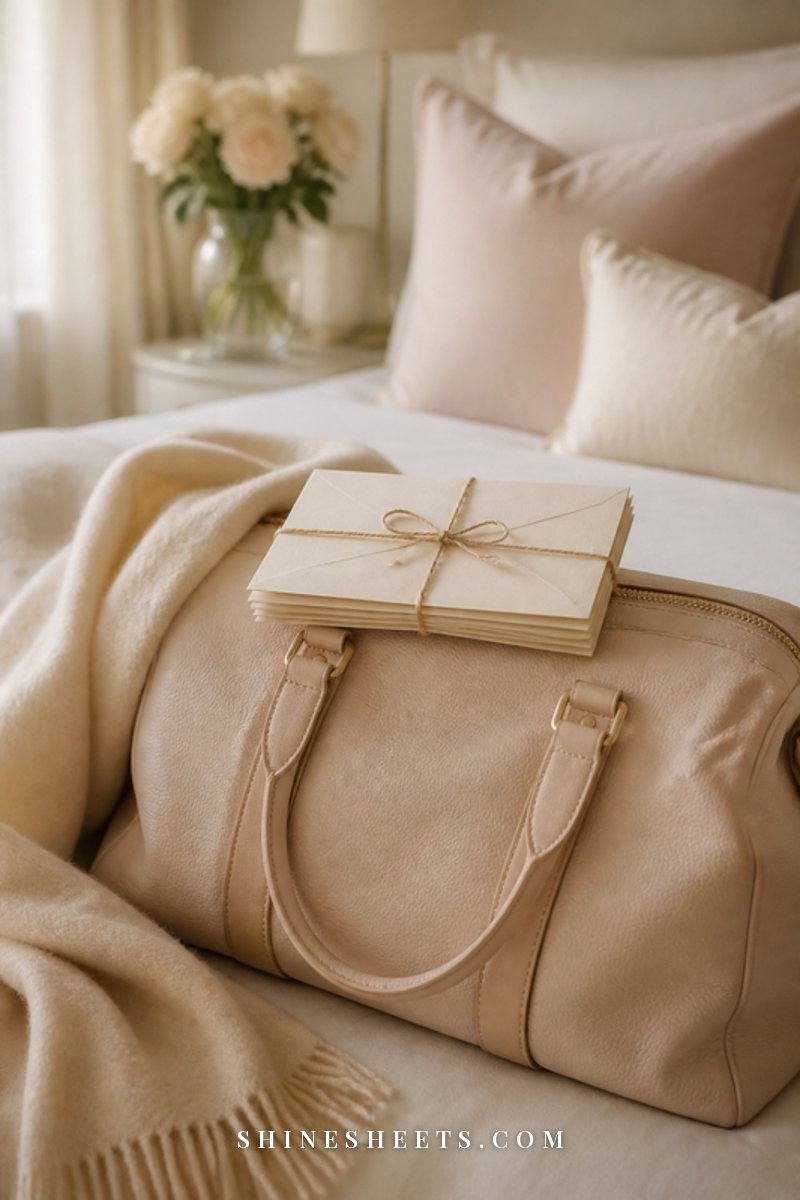
A doom pile is a pile of mixed, unsorted stuff that gets moved around instead of put away. The name is often explained as "Didn't Organize, Only Moved," and that description is spot on. You tidy the counter before guests arrive by scooping everything into a bag. The bag goes into the bedroom. A week later, it's still there, and now it has friends.
What makes it a doom pile rather than a normal mess is the mix. A stack of clean laundry is just laundry. A doom pile is laundry plus a birthday card plus a receipt you might need plus a hair clip plus a library book plus an envelope you're slightly afraid to open. Every item needs a different decision, and that's exactly why the pile feels heavy.
The term became popular in ADHD communities, where many people describe this pattern, but you'll find doom piles in nearly every home. They're incredibly common. If you have one, you're in very good company.
Why Doom Piles Form (and Why It Is Not a Character Flaw)
Piles grow for practical reasons, not moral ones. Understanding the "why" helps you clear them and also prevents them, because each reason has its own fix.
- Decision fatigue. By the end of a long day, deciding whether to keep, file, reply to or return something feels like one decision too many. Putting it on the pile is a way of postponing.
- Busy weeks. When life speeds up, the first thing to go is the five-minute put-away. A few busy days are all it takes for a small stack to turn into a pile.
- No home for the item. If something doesn't have an obvious place, it can't be put away. It can only be moved. Many piles are mostly homeless items.
- Anxiety around paperwork. Bills, forms, letters from the bank, appointment reminders. Some paper feels stressful, so it gets set down "for later," and later quietly becomes never. As someone prone to anxiety, I know that little stomach drop very well.
- Visible reminders. Some of us keep things out because we're afraid we'll forget them if they're tucked away. The pile becomes an accidental to-do list.
- Clutter blindness. After a while, you simply stop seeing the stack. If that sounds familiar, my guide on clutter blindness explains how to notice the mess you've stopped noticing.
None of these are flaws. They're signs that your home needs a few more easy landing spots and that you deserve a gentler way to make small decisions.
Where Doom Piles Hide
Doom piles love flat surfaces near doors and places where you pause. Knowing the usual spots helps you catch them early.
Kitchen Counters
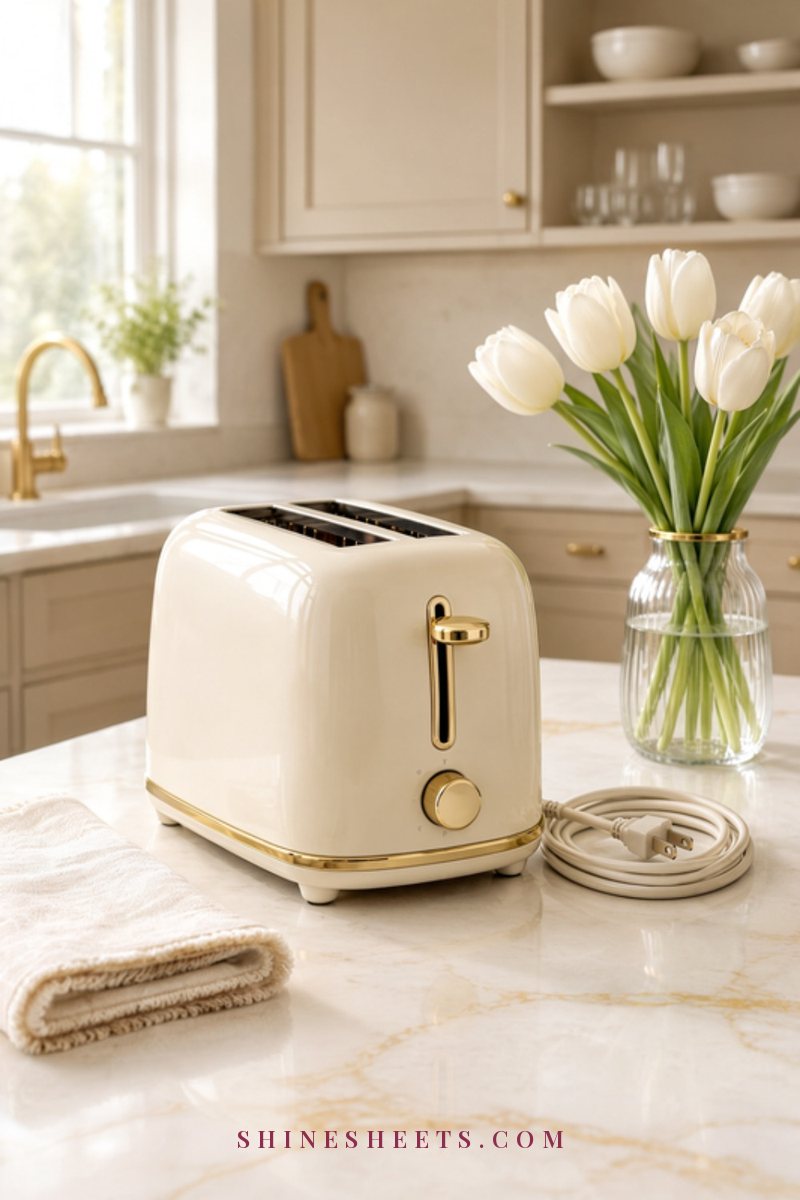
The counter is the number one spot, because it's where mail, groceries, school papers, keys and packages all land. A corner near the fridge or the end of the island quietly collects everything that doesn't belong in the kitchen. Look for the corner where things "wait."
The Bedroom Chair
The chair that holds worn-once clothes, the bag from yesterday and a stack of things to return. It's technically furniture, but in many homes it's functioning as a pile with legs. A chair pile is usually mostly clothing, which makes it one of the easier piles to clear.
The Entryway Table
Anything you carry in through the door wants to stop here: mail, receipts, returns, sunglasses, a scarf, things to take back out. When there's no clear system, the table fills up fast. My guide to entryway ideas shows how to turn this spot into a drop zone that actually stays tidy.
The Desk and Dining Table
Paperwork piles gravitate toward any table where you sit down. The dining table is a classic, because it's large, central and easy to stack on, until you need it for dinner and the whole pile gets moved somewhere else (and the cycle starts again).
Bags, Totes and Boxes
These are the hidden doom piles. The tote bag you scooped the counter into, the box from the last move you never unpacked, the handbag with a month of receipts. Because they're closed, they're easy to forget. Peek into one bag a week until you've found them all.
How To Clear a Doom Pile in 6 Steps
This method is designed for tired people. It keeps the decisions small, the time short and the stopping point clear, so you finish feeling lighter instead of drained.
1. Grab One Pile Only
Not the whole house. Not every pile in the kitchen. One pile. Choose the one that bothers you most or the one in the spot you use most, like the counter. If a pile is huge, pick one corner of it or one bag.
Bring it to a clear surface where you can spread out a little, like the bed, the floor or a cleared table. Seeing the items separated makes each decision easier.
2. Set a 20-Minute Timer
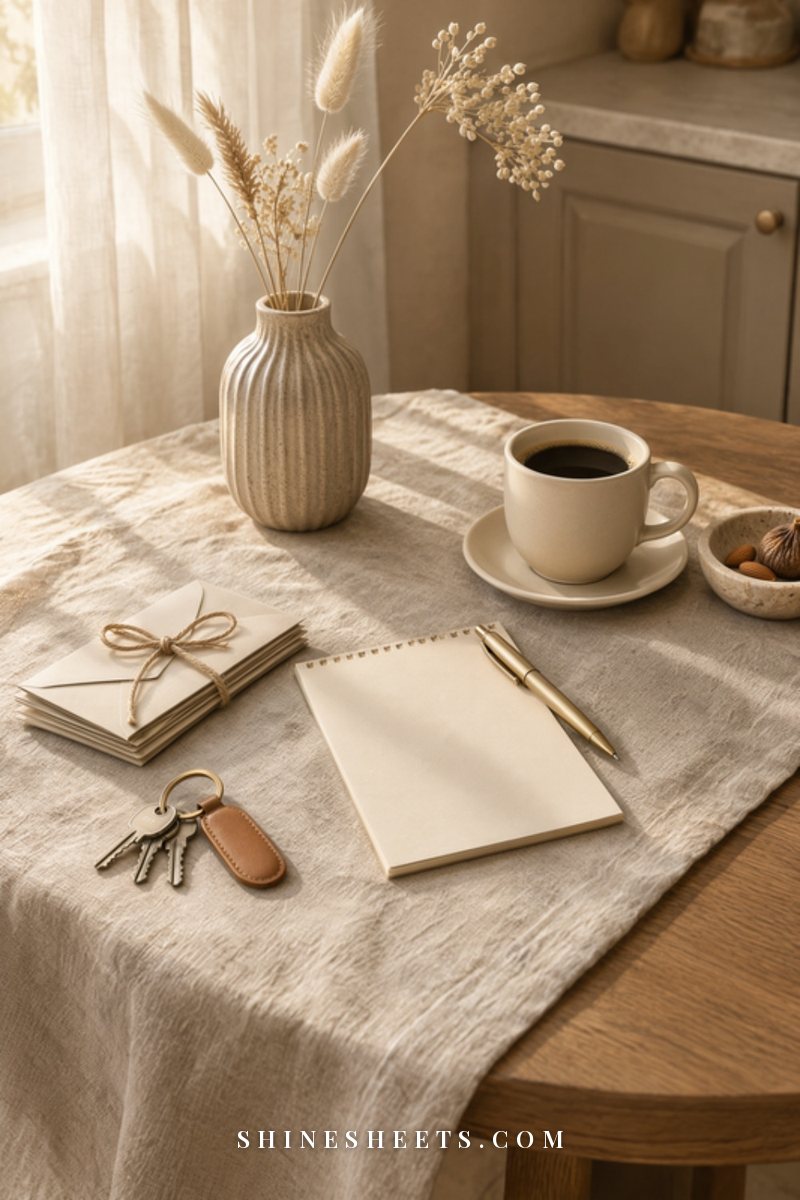
Twenty minutes is long enough to make real progress and short enough that your brain doesn't resist starting. Set it on your phone or a kitchen timer, make a cup of tea if that helps you settle, and put on something pleasant to listen to.
The timer isn't a race. It's a container. Knowing there's an end makes it much easier to begin.
3. Sort Into Four Boxes
Set out four containers. Shoeboxes, laundry baskets or a few cream woven sorting baskets all work. Label them in your head (or on a sticky note):
- Put away: things that already have a home in another room.
- Act on: things that need you to do something, like pay, sign, reply, return or schedule.
- Donate: things you don't need that someone else could use.
- Trash or recycle: envelopes, flyers, receipts you don't need, broken bits.
Pick up each item once and drop it in a box. Try not to read every letter in full or start a task right now. You're sorting, not solving. If you can't decide on something in a few seconds, it goes in "act on" and you move on.
4. Do the Under-Two-Minute Actions Now
Once the pile is sorted, look at the "act on" box. Anything that takes less than two minutes, do it right away: sign the form, throw out the expired coupon, text someone a photo of the receipt, put the stamp on the card.
Everything bigger gets one line on a list or a note in your calendar ("Call the dentist, Thursday"), and the paper itself goes to a single in-box (more on that below). The aim is that nothing in the "act on" box gets lost again.
5. Give Homeless Items a Home
Now comes the step that keeps the pile from returning. Look for items that didn't have anywhere to go, the ones you hovered over. Each one needs a home, even a simple one: a specific drawer, a small basket, a hook, a folder.
Make the home easy, close to where the item is used, and obvious. If you live with others, a quick label helps everyone remember. A little blush label maker makes this fun, and my home labeling ideas show simple ways to label bins and shelves without it looking fussy.
If you find several things that need a home and you have no space left, that's a sign to let a few go rather than buy more storage.
6. Stop When the Timer Ends
When the timer goes off, stop. Even if the pile isn't finished. Put the "put away" items where they belong, take the donate box to your car or by the door, take out the trash, and you're done.
Stopping on time teaches your brain that clearing a pile is short and survivable, which makes the next session easier to start. If you feel like continuing, you can set another timer, but it's always optional.
Doom Pile Decoder: What Goes Where
This table covers the items that show up in almost every doom pile, the decision each one actually needs, where it should go and how to stop it from landing in a pile again. Screenshot it and keep it handy for your next 20 minutes.
| Common doom pile item | Decision needed | Where it goes | How to prevent it |
|---|---|---|---|
| Unopened mail | Open, then: keep, act or recycle | Recycling, in-box or file | Open mail standing by the recycling bin |
| Bills and forms | Pay or fill out, and when | The household in-box | Set up paperless or autopay where it suits you |
| Receipts | Needed for a return or records? | Return envelope or trash | Ask for email receipts |
| Clothes worn once | Wear again or wash | A hook or the laundry basket | Add one hook for "wear again" clothes |
| Items to return to a store | Still returning? By when? | A returns bag by the door | Note the return deadline in your calendar |
| Borrowed things | When will you give it back? | Your bag or by the door | Return within a week of finishing |
| Cards and sentimental papers | Keep or let go | One keepsake box | Decide when you open it |
| Chargers, cables, small tech | Which device is it for? | One tech basket or drawer | Give each charger one spot |
| Hair accessories and jewelry | Which room do you use it in? | A small dish in that room | Put a catchall where you take them off |
| Flyers and coupons | Will you really use it? | Usually recycling | Recycle at the door |
| Packages and boxes | Open, keep, return or recycle | Contents away, box flattened | Open packages the day they arrive |
If paper is your biggest pile, my step-by-step guide on how to organize paperwork at home goes deeper into filing, shredding and what to keep.
How To Keep New Doom Piles From Forming
Clearing a pile feels great. Keeping it from coming back is where the real calm comes from. These four habits are small on purpose.
A Mail and Paper Drop Spot
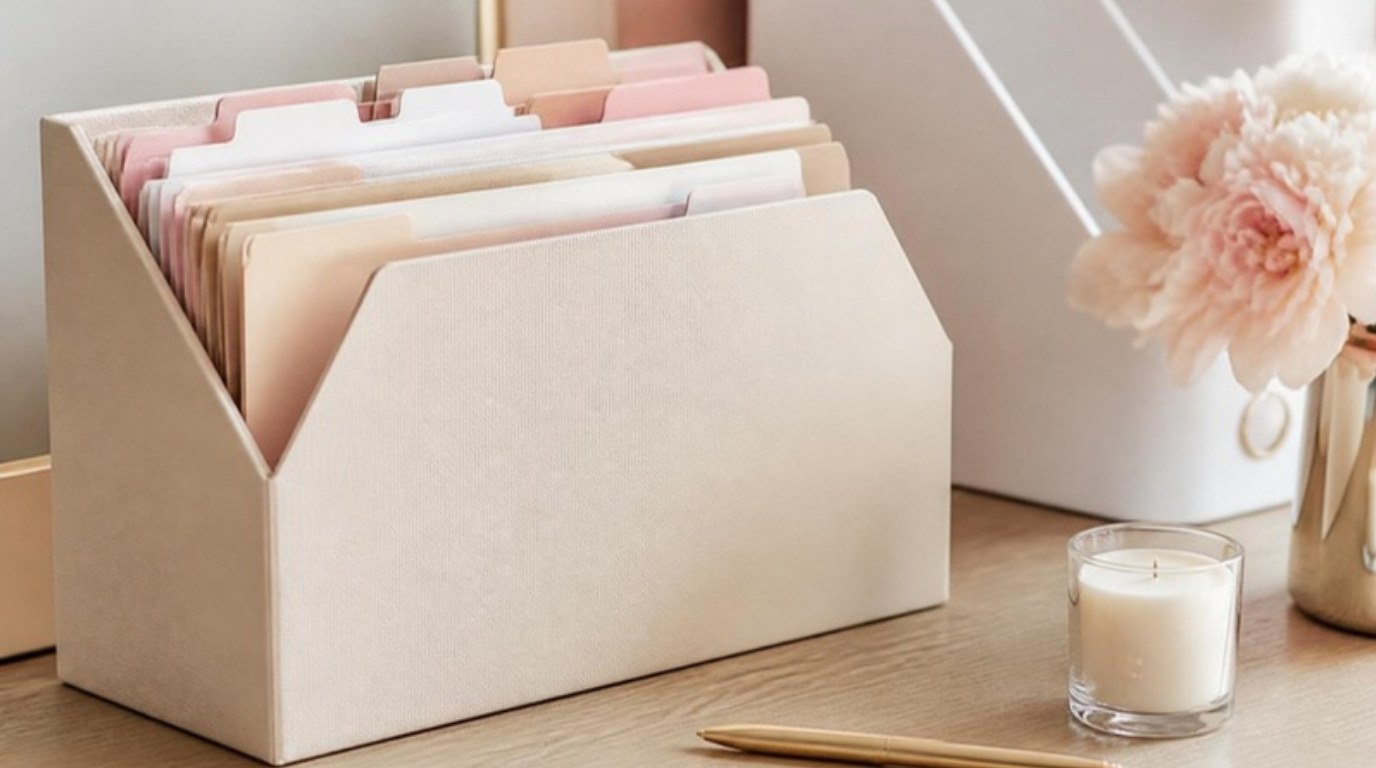
Paper is the backbone of most doom piles, so it needs one landing spot near the door. A beige wall file organizer by the entryway or kitchen keeps paper off the counter and uses vertical space, which is perfect for small apartments. If you'd rather not hang anything, a small woven mail basket on a shelf does the same job.
The habit: open mail as soon as you come in, standing next to the recycling. Junk goes straight in the bin. Everything else goes into the drop spot.
One In-Box per Household
Choose one place, and only one, where every "act on" paper lives. A white desk letter tray on a desk or shelf is ideal. If it's not in the in-box, it isn't waiting for you. That single rule takes away the worry of "where did I put that form?"
Empty it once a week, and if you share your home, agree that everyone puts papers that need a decision in the same tray.
A 10-Minute Evening Reset

Ten minutes before bed (I like doing it right after my evening tea), walk through your main rooms and return things to their homes. Clear the counter, hang the coat, put the shoes away, fold the throw. This catches tomorrow's pile while it's still three items instead of thirty. For a fuller version, my nightly home reset routine walks through it room by room.
Keep it gentle. If you skip a night, nothing is ruined. The reset is a habit, not a test.
A Weekly Pile Check
Once a week, pick a regular moment, like Sunday afternoon, and take a quick walk around the house looking only for piles. Check the usual suspects: the counter corner, the chair, the entryway, the bags. Anything you find gets a short 20-minute session with the four boxes.
Over a few weeks you'll notice which spots keep filling up. Those are the places that need a better home for something, a hook, a basket or a new habit.
Small-Space and Renter-Friendly Ideas
You don't need a mudroom or a big closet to stay pile-free. These ideas work in rentals and tiny homes, and most of them use things you might already have:
- Go vertical. Adhesive hooks, over-the-door organizers and wall pockets give items a home without taking floor or counter space. Use removable hooks if you can't drill.
- One basket per person. In a shared space, give each person a small basket by the door or on a shelf. Their stray things go in their basket, not on the counter.
- Use the inside of cabinet doors. A slim pocket or hook inside a kitchen cabinet holds takeout menus, coupons or a pen and notepad.
- Choose lidded or opaque containers for visual calm. A few soft sage linen storage bins on an open shelf hide the mix while keeping things easy to reach.
- Keep one flat surface empty. Pick one surface, often the kitchen counter by the door, as a "nothing stays here overnight" zone.
- Shop your home first. Before you buy storage, use shoeboxes, jars and baskets you already have. Buy only once you know what actually needs a home.
- Keep less coming in. The fewer things that enter, the fewer things can pile up. The one in, one out rule is a simple way to keep the balance.
When the Piles Feel Bigger Than You
Sometimes a doom pile is just a busy week. Sometimes it's a sign that you're running on empty. If piles feel impossible to face for a long stretch, if opening mail makes you panic, or if keeping up with the home feels completely out of reach, please be kind to yourself and consider talking to a doctor or therapist. Stress, low mood, burnout and attention differences can all make household decisions much harder, and support really can help.
In the meantime, shrink the task until it feels doable. Five minutes instead of twenty. One envelope instead of the whole stack. Asking a friend to sit with you while you sort can also make a big difference, because company makes hard little tasks feel lighter.
Final Thoughts
Doom piles are simply decisions waiting for a calmer moment. With one pile, one timer and four boxes, those decisions get small enough to make, and each item finally gets a home of its own.
Start with the pile that bugs you most, stop when the timer rings, and let that be enough for today. A calmer home is built twenty kind minutes at a time.