Most jewelry doesn't need fancy cleaners to sparkle again. It needs the right method for what it's made of. A gold ring and a pearl strand might sit side by side in your jewelry box, but they want completely different care: one is happy in a warm, soapy soak, the other should never be soaked at all. Get that one thing right and most of your pieces can be cleaned at home in minutes.
The dullness you see is usually a mix of lotion, soap residue, skin oils, perfume and everyday dust, plus tarnish on silver. Almost all of it comes off with gentle tools you probably already own, a bit of patience and a soft touch.
This guide shows you how to clean jewelry at home safely, piece by piece: gold, sterling silver, plated and costume jewelry, diamonds and hard gemstones, pearls and delicate stones. You'll find exact soak times, a jewelry cleaning table you can screenshot, what never to use, how to store your pieces so they stay clean longer, and when it's time to let a jeweler take over.
Clear a little space on a towel, plug the sink, and let's bring the shine back.
Before You Start: Know Your Metal and Stones
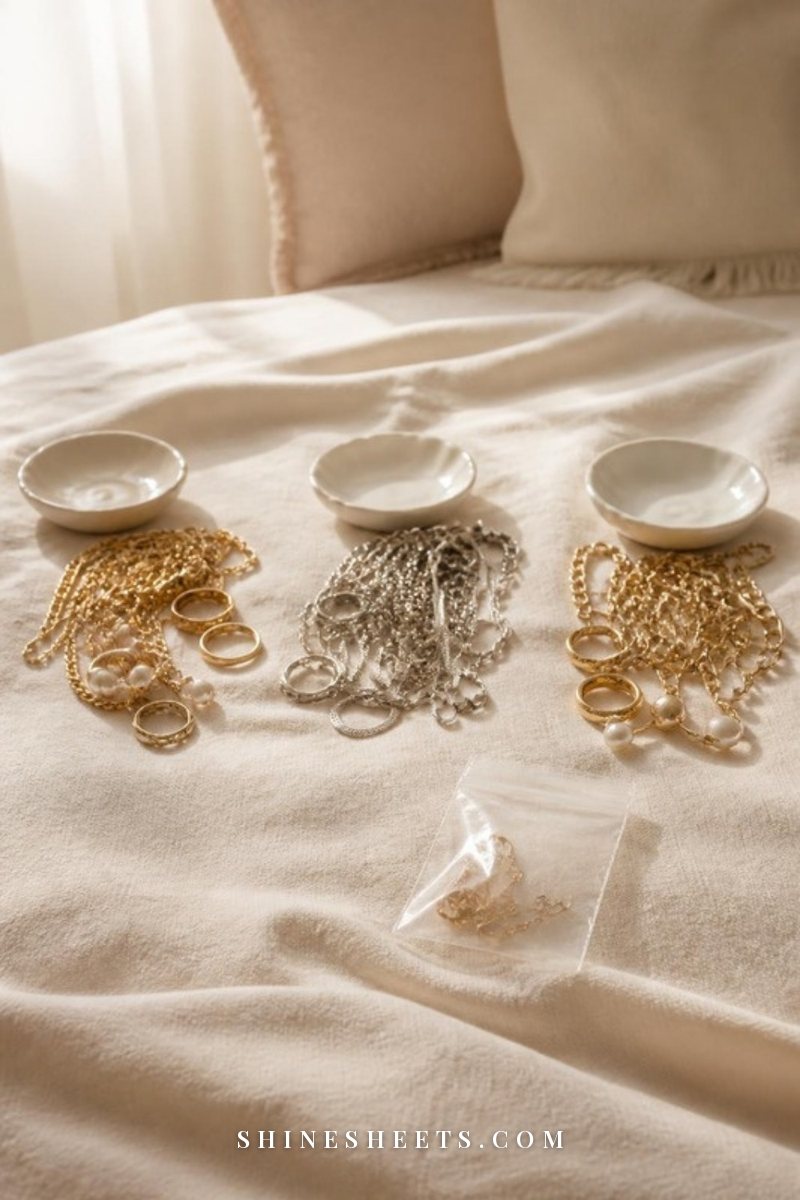
The most important step happens before any water touches your jewelry: figuring out what each piece is made of. Look for small stamps inside rings or on clasps, like 14K, 18K, 925 (sterling silver) or PT (platinum). No stamp often means plated or costume jewelry, which needs the gentlest care of all.
Then look at the stones. Hard, non-porous stones like diamonds, sapphires and rubies can usually handle a soapy soak. Softer, porous or treated stones need extra care. Be especially gentle with:
- Pearls (natural, cultured and freshwater)
- Opals
- Emeralds (they're often oil-treated)
- Turquoise
- Coral, amber and lapis lazuli
- Any stone that's glued in rather than held by prongs
When you're not sure what a piece is, treat it as delicate. A gentle wipe never ruined a ring. An aggressive soak sometimes does.
What You'll Need
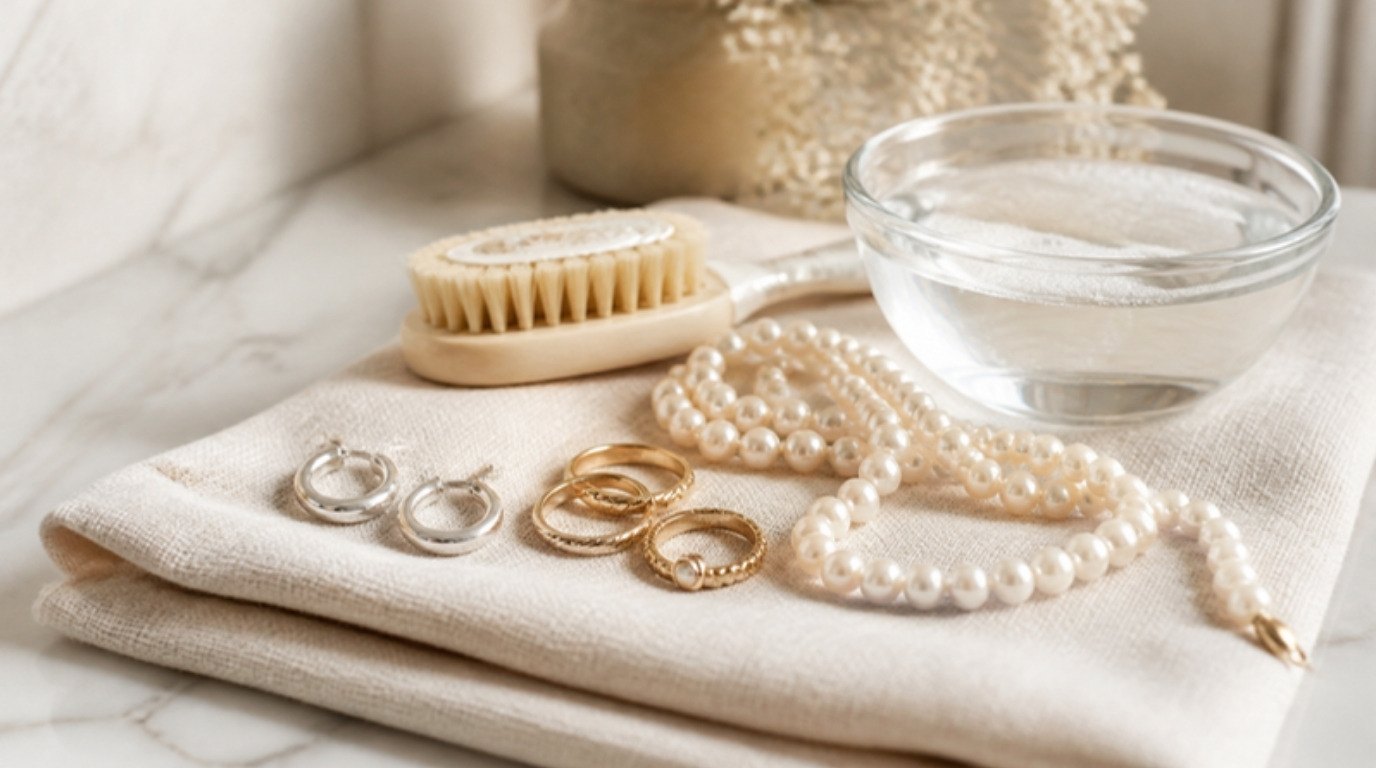
You don't need a cabinet of products. This small kit covers almost everything:
- A small bowl and warm (not hot) water
- A few drops of mild, dye-free dish soap
- A soft-bristle jewelry brush or a brand-new extra-soft toothbrush kept only for jewelry
- A silver polishing cloth for sterling silver
- A soft, lint-free microfiber cloth for drying
- A clean towel to work on
- A wooden toothpick for gently freeing grime (optional)
One small but important habit: always plug the sink or work over a bowl. Earring backs and small stones love to disappear down the drain. If you're building a little cleaning kit for the whole home, my roundup of cleaning hacks has more ideas for keeping tools simple.
How To Clean Gold Jewelry
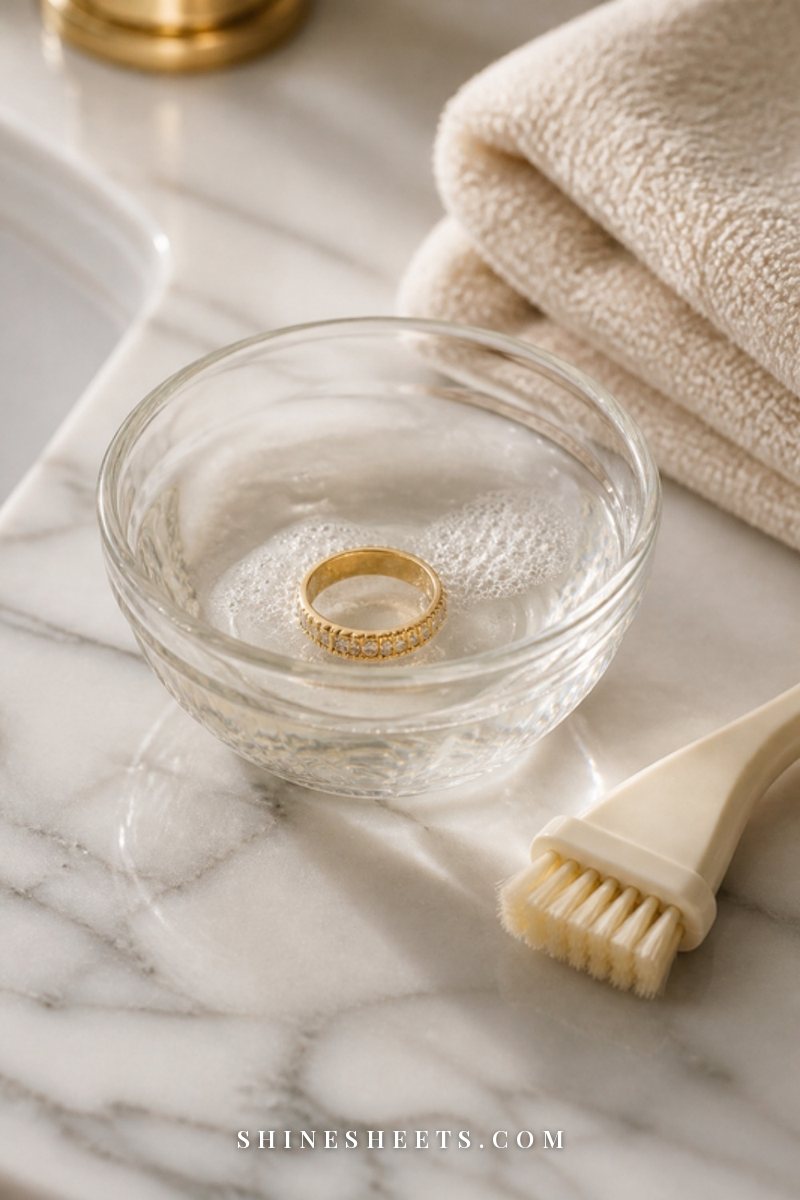
Solid gold is fairly easy to care for. It doesn't tarnish the way silver does, so most dullness is just residue from skin, lotion and soap.
- Make a gentle bath. Fill a small bowl with warm water and add two or three drops of mild dish soap. Swirl to mix.
- Soak for 15 to 20 minutes. This loosens oils and grime in the grooves.
- Brush gently. Use a soft brush in small strokes, paying attention to engravings, chain links and the back of any settings.
- Rinse well. Rinse under lukewarm running water with the sink plugged, or dip into a second bowl of clean water.
- Dry completely. Pat with a lint-free cloth, then let pieces air dry on a towel for about 30 minutes before storing.
If your gold piece has delicate stones or pearls, skip the soak and use the methods for those stones instead. Gold-filled and gold-plated pieces need the gentler plated method below.
How To Clean Sterling Silver
Sterling silver tarnishes when it reacts with sulfur in the air, which is why it slowly turns yellowish, then gray, then almost black. The good news is that regular wearing and quick polishing keep tarnish from building up.
Light Tarnish
For pieces that just look a little dull, a polishing cloth is all you need. Rub gently in straight, back-and-forth strokes rather than circles (circles can leave tiny swirl marks). Turn to a clean part of the cloth as it darkens. If the piece is also dirty, wash it first in warm soapy water for 5 to 10 minutes, rinse, and dry completely before polishing.
Heavy Tarnish
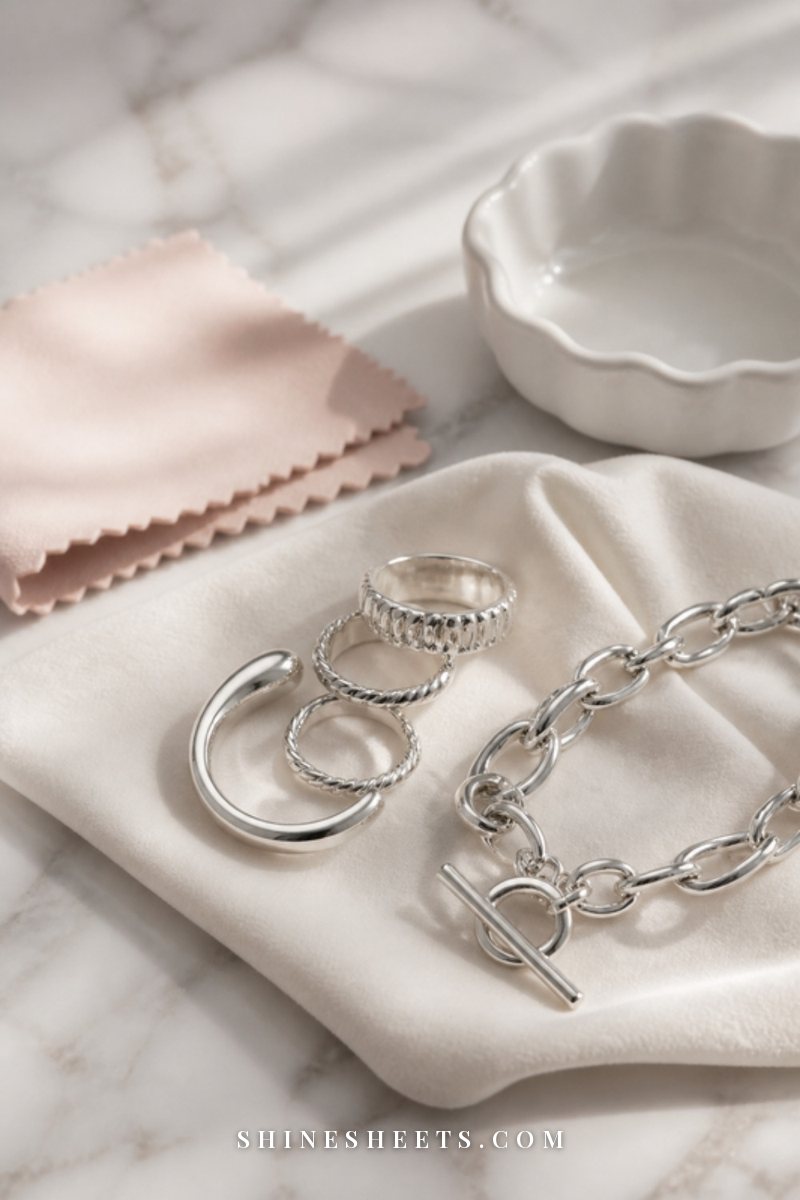
For dark, stubborn tarnish, a commercial silver dip or silver cream polish works faster than rubbing. Follow the label exactly, since dips usually need only a few seconds, and longer is not better. Wear gloves, rinse the piece thoroughly in clean water afterwards, and dry it right away.
A few important cautions:
- Never dip silver that has pearls, opals, turquoise or other porous stones.
- Some designs are deliberately darkened (oxidized) in the grooves for contrast. A dip will remove that, so polish only the raised areas with a cloth instead.
- Test any cream or dip on a hidden spot, like the inside of a band, first.
Keeping Silver Bright
The easiest way to prevent tarnish is to wear your silver often, since gentle friction keeps it bright. Between wears, store it in anti-tarnish pouches or zip bags with the air pressed out, and keep it away from humid bathrooms. Put silver on after lotion, perfume and hairspray have dried.
How To Clean Plated and Costume Jewelry
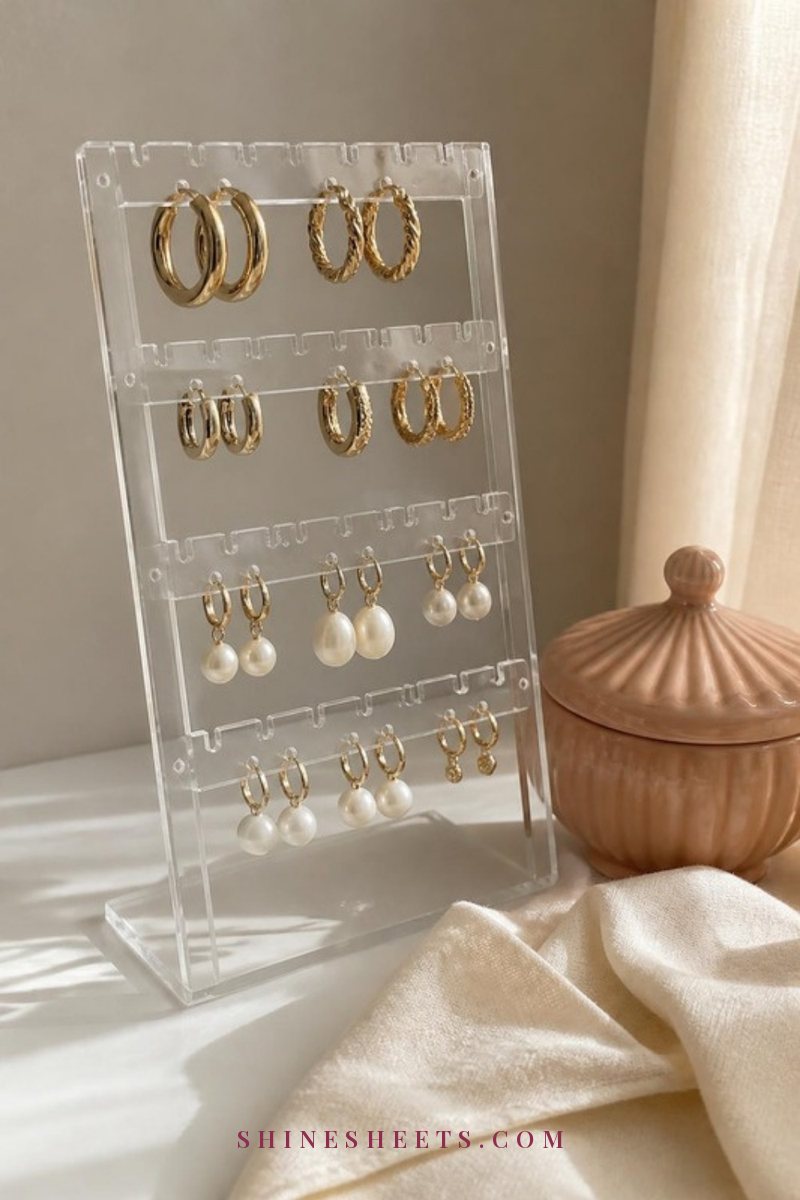
Plated jewelry has a very thin layer of gold or silver over another metal. Costume jewelry often has glued-in stones. Both need the lightest possible touch, because soaking and scrubbing can wear away plating or loosen glue.
- Dampen a soft cloth with warm water and a tiny drop of mild soap.
- Wipe each piece gently, avoiding the areas around glued stones.
- Wipe again with a cloth dampened with plain water.
- Pat dry immediately and let it air dry for 15 minutes before storing.
Skip silver polishing cloths and dips on plated pieces, since they can strip the thin top layer. The best long-term care is prevention: take plated jewelry off before showering, swimming, working out or applying lotion.
How To Clean Diamonds and Hard Gemstones
Diamonds, sapphires and rubies are hard and non-porous, so they handle soapy water well. Diamonds especially attract grease, which is why an engagement ring can look cloudy just days after a clean. Lotion and hand cream build up behind the stone, where light is supposed to enter.
- Soak in warm, soapy water for 20 to 30 minutes.
- Brush gently with a soft brush, focusing on the underside of the stone and behind the setting, where most buildup hides.
- Rinse in clean lukewarm water (sink plugged).
- Dry with a lint-free cloth, then let it air dry.
For a quicker sparkle between deep cleans, a gentle jewelry cleaner solution made for diamonds and gold works well, as long as you follow the label and check that it's safe for your specific stones. Some colored gemstones are heat-treated or fracture-filled, so if you know a stone has been treated, stick to a quick wipe and ask your jeweler.
How To Clean Pearls
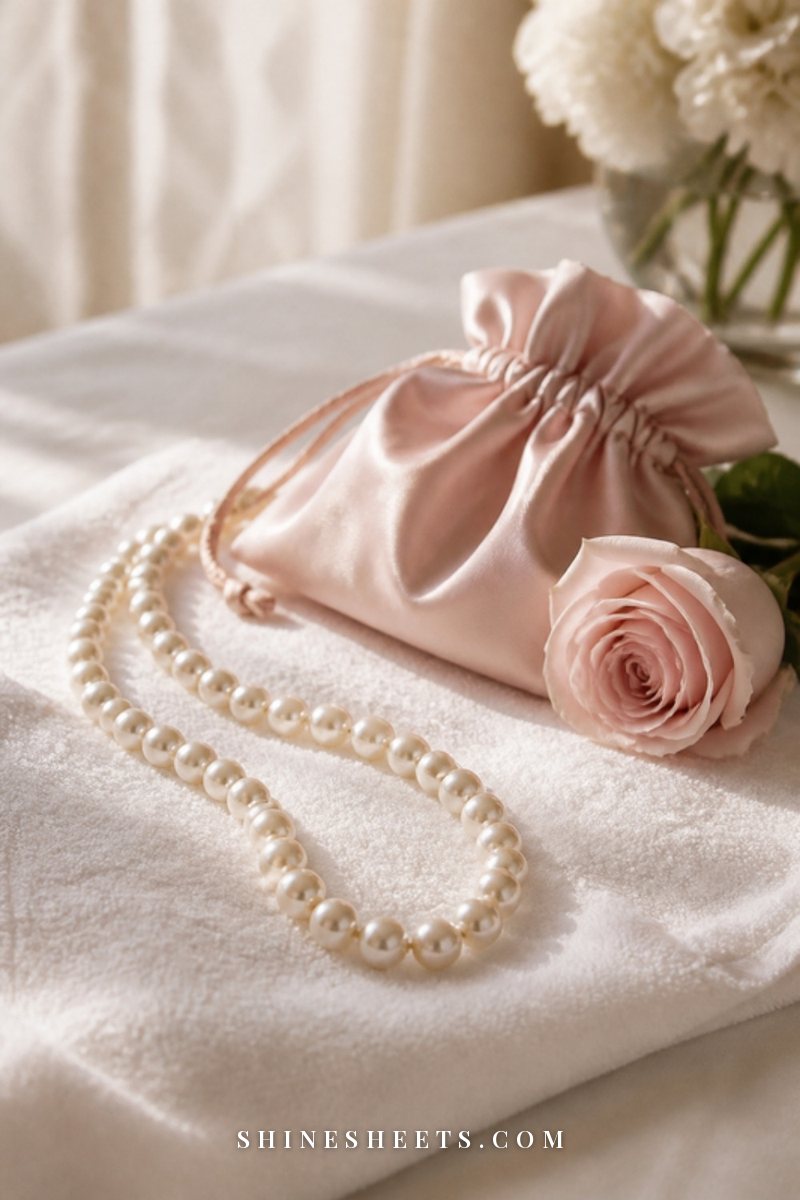
Pearls are organic and soft. Acids, perfume, sweat and even hot water can dull their luster over time, and soaking can stretch or weaken the silk thread they're strung on. They need care, but it's simple care.
- After every wear: wipe gently with a soft, slightly damp cloth, then let them dry before putting away.
- Every few months: wipe with a cloth dampened in water with a tiny drop of mild soap, then wipe again with a plain damp cloth.
- Always dry flat: lay the strand flat on a towel for about 24 hours. Hanging wet pearls stretches the thread.
- Never soak them, and never use dips, ultrasonic cleaners, brushes or chemical cleaners.
- Last on, first off: put pearls on after makeup, perfume and hairspray, and take them off first at the end of the day.
If you wear a pearl strand often, have it restrung by a jeweler every year or two, or whenever you notice gaps between the knots. Pearls are such a classic finishing touch for old money outfits that they're well worth the extra few minutes of care.
How To Clean Delicate Gemstones
Opals, emeralds, turquoise, coral, amber and lapis lazuli are porous, fragile or treated, so they can absorb water and chemicals or crack with sudden temperature changes.
- Wipe with a soft cloth dampened in lukewarm water, with no more than a tiny drop of mild soap.
- Don't soak, don't use hot water and don't use an ultrasonic cleaner or steamer.
- Dry right away with a soft cloth.
- Keep them away from perfume and lotion as much as possible.
Opals in particular can be sensitive to dryness and sudden heat, so avoid leaving them on a sunny windowsill or near a radiator.
How To Clean Rings With Buildup
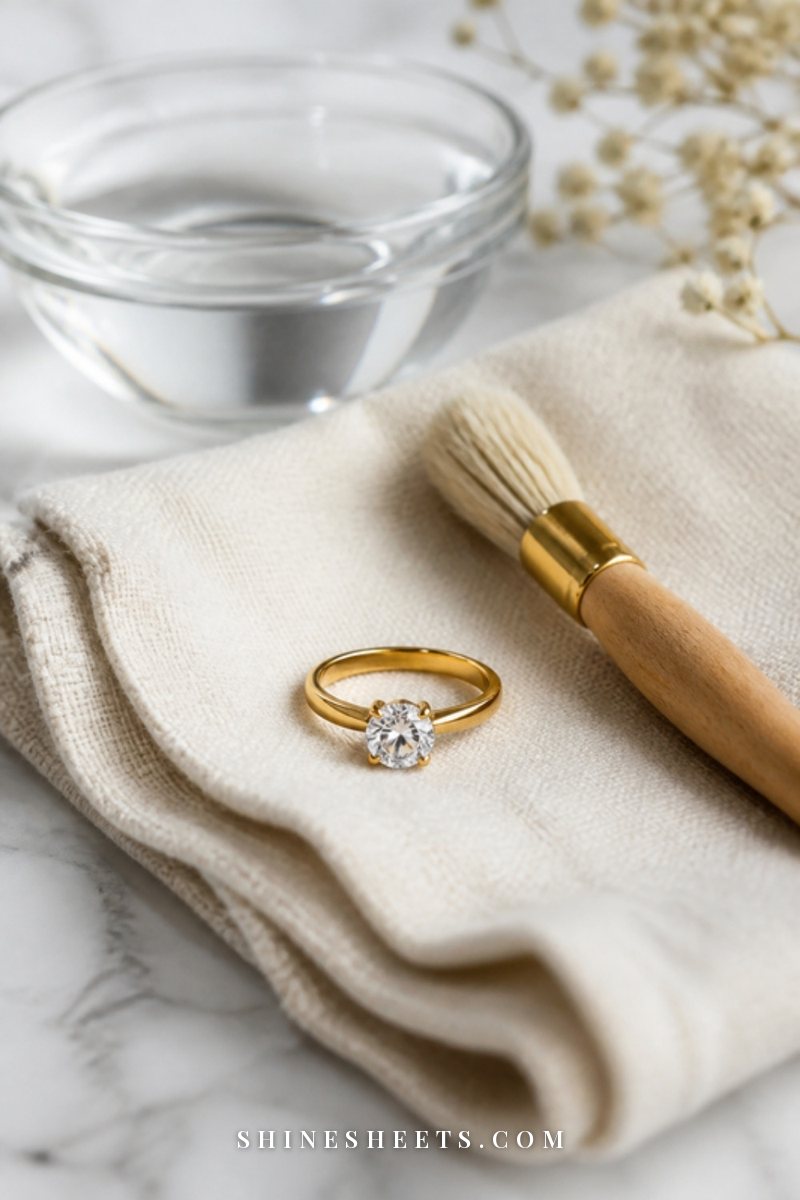
Everyday rings collect the most grime: soap, hand cream, hand sanitizer and tiny bits of whatever your hands touched. That gray film under the stone is completely normal.
If your ring has a hard stone in solid gold or platinum, soak it for 20 to 30 minutes in warm soapy water, then brush underneath the stone and around the prongs. For stubborn spots, slide a wooden toothpick very gently along the edge of the setting, never prying. Rinse and dry as usual.
While you're there, hold the ring near your ear and tap it lightly. If the stone rattles or a prong looks bent or snags on fabric, stop cleaning and take it to a jeweler before you wear it again.
How To Clean Earrings and Chains
Earrings and chains have their own little challenges. Earrings touch skin closely, so the posts and backs collect oils and residue quickly, and fine chains have hundreds of tiny links where lotion and dust hide.
Earrings: For solid gold, platinum or sterling silver earrings without delicate stones, wash the posts and backs in warm soapy water for 5 to 10 minutes, brush gently, rinse and dry. Between washes, you can wipe just the metal posts with a cotton pad lightly dampened with rubbing alcohol, keeping it away from pearls, opals, plating and glued stones, then let them air dry. Replace silicone or plastic backs when they turn cloudy or loose. They're cheap, and they hold dirt.
Chains: Fasten the clasp before cleaning so the chain doesn't knot. Soak solid gold or silver chains for 10 to 15 minutes, then lay the chain across your palm and brush gently in the direction of the links. Rinse in a bowl rather than under a running tap, and lay the chain flat on a towel to dry fully before you hang it up. If a fine chain has knotted, put a drop of baby oil or mild soap on the knot and tease it apart slowly with two pins, then wash off the oil.
A quick tip for both: put earrings and necklaces on after skincare, perfume and hairspray have dried. It keeps them cleaner and protects the finish.
Is an Ultrasonic Cleaner Worth It?
Ultrasonic cleaners use vibrations in water to shake loose dirt, and they can be very effective, but only for some pieces. They're generally fine for solid gold and platinum with diamonds or untreated sapphires and rubies. They're not suitable for pearls, opals, emeralds, turquoise, other porous stones, glued pieces, plated jewelry or stones with visible inclusions or fractures, since the vibrations can loosen or damage them.
If you do use one, follow the manufacturer's manual for times and solutions, check stones are secure first, and when in doubt, leave it out. For most people, a soapy soak and a soft brush do the job beautifully.
The Jewelry Cleaning Table
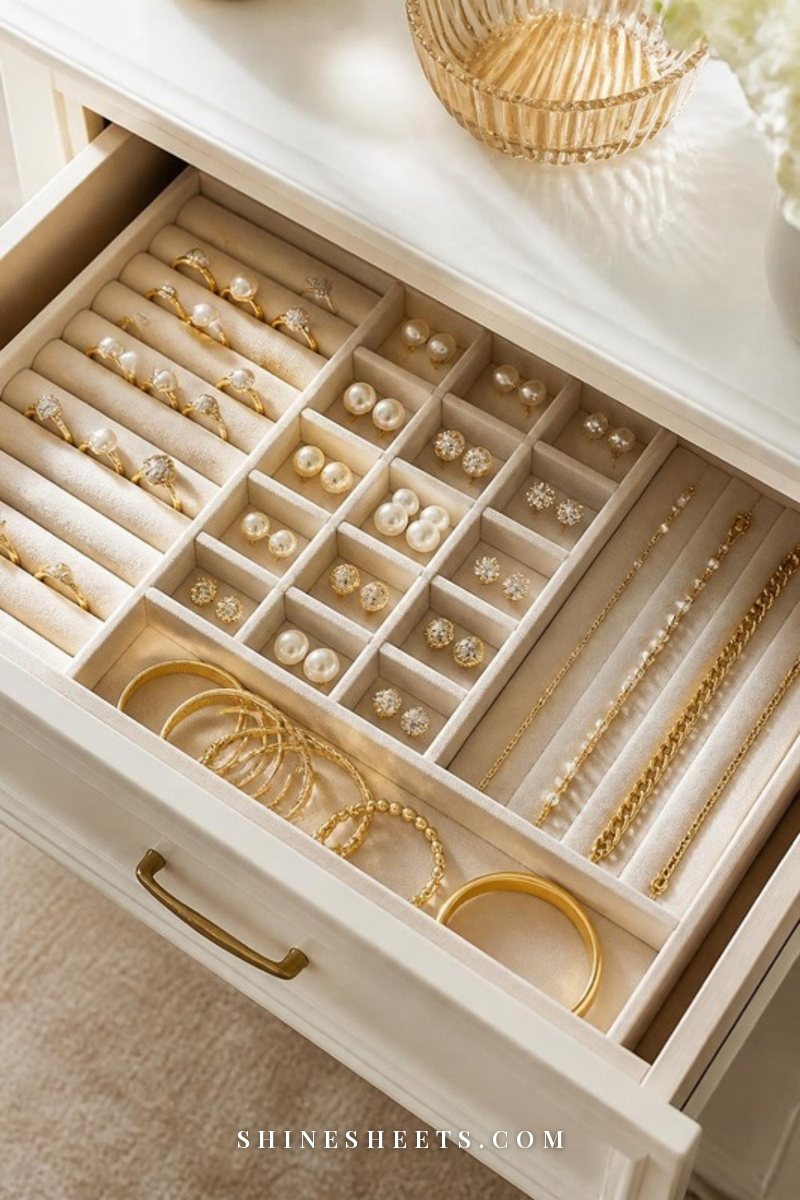
Here's everything in one place. Screenshot it and keep it with your jewelry.
| Jewelry type | How to clean | Avoid |
|---|---|---|
| Solid gold | Warm soapy soak 15–20 min, soft brush, rinse, dry | Chlorine, bleach, abrasive powders |
| Sterling silver | Polishing cloth; soapy wash 5–10 min if dirty; silver dip only per label for heavy tarnish | Dips on oxidized details or porous stones, humidity |
| Gold-plated or silver-plated | Damp cloth with a tiny drop of soap, wipe, dry right away | Soaking, polishing cloths, dips, scrubbing |
| Costume jewelry | Lightly damp cloth, dry immediately | Soaking (loosens glue), hot water |
| Diamonds, sapphires, rubies | Soapy soak 20–30 min, brush behind the setting | Rough handling of loose stones, harsh chemicals on treated stones |
| Pearls | Damp cloth after wearing, lay flat 24 hours to dry | Soaking, brushes, perfume, ultrasonic, any chemicals |
| Opal, emerald, turquoise, coral, amber | Quick wipe with a damp cloth, dry at once | Soaking, heat, ultrasonic, steam |
What Never To Use on Jewelry
A lot of popular "hacks" do more harm than good. Skip these:
- Toothpaste. It's abrasive and can leave fine scratches on gold, silver and softer stones.
- Bleach and chlorine. They can damage gold alloys and discolor many stones. Take rings off before cleaning with bleach, swimming in a pool or using a hot tub.
- Baking soda on soft stones or plating. It's mildly abrasive and can scratch pearls, opals and thin plating.
- Vinegar and lemon on pearls and porous stones. Acids eat away at their surface.
- Boiling water. Sudden heat can crack stones and loosen settings.
- Paper towels and tissues on silver and gold. They can be surprisingly scratchy. Use a soft cloth instead.
- Mixed cleaners. Never mix bleach with vinegar or ammonia, for jewelry or anything else in your home. The fumes are dangerous.
When a product label and your jeweler disagree with a hack you saw online, trust the label and the jeweler.
How Often To Clean Your Jewelry
A simple rhythm keeps pieces looking good without making jewelry care a chore:
- Everyday rings: a quick soapy soak and brush once a week.
- Earrings: wipe the posts and backs after each wear, and wash weekly if you wear them daily.
- Necklaces and bracelets: a gentle clean once a month, or sooner if you notice residue.
- Silver: a polishing cloth whenever it looks dull, usually every few weeks.
- Pearls: a damp-cloth wipe after every wear.
- Valuable or sentimental pieces: a professional clean and check once or twice a year.
Storing Jewelry So It Stays Clean
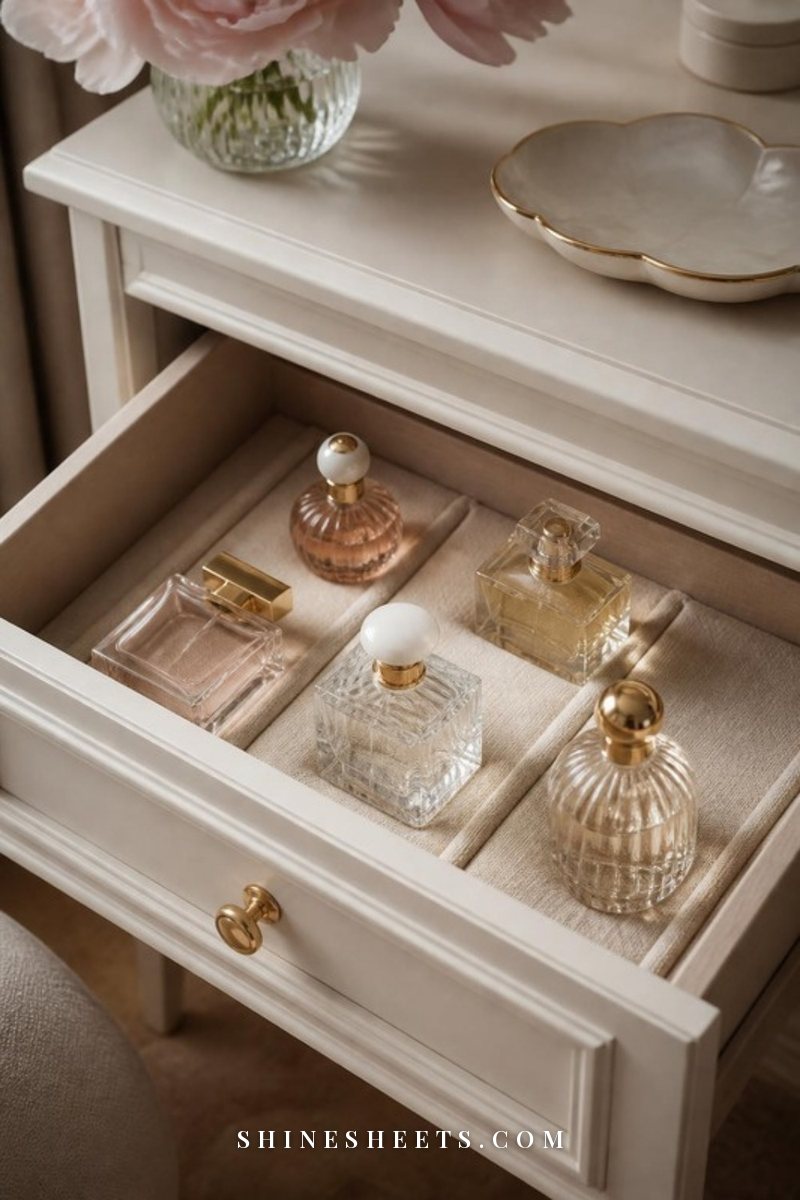
How you store jewelry decides how often you'll need to clean it. A few easy habits:
- Give each piece its own space. A lined jewelry box with separate compartments stops hard stones from scratching softer metals and keeps chains from tangling.
- Keep silver sealed. Anti-tarnish pouches or airtight bags slow tarnish dramatically.
- Store pearls flat in a soft pouch, away from other pieces.
- Avoid the bathroom. Steam and humidity speed up tarnish. A bedroom dresser is a better home.
- Fasten clasps before storing necklaces, so they don't knot.
For more ideas on keeping everything visible and tangle-free, my guide on how to organize jewelry covers boxes, trays and drawer inserts. And if your chains tend to tangle because you wear several at once, the tips on how to layer necklaces include a few tricks for keeping them separate.
When To See a Jeweler
Home cleaning is wonderful for everyday shine, but some things are better left to a professional. Book a visit if you notice:
- A loose, rattling or wobbly stone
- Bent, worn or snagging prongs
- A weak or slipping clasp
- Gaps between the knots of a pearl strand
- Deep scratches or heavy tarnish on a valuable or antique piece
- Any piece you're unsure about, especially heirlooms
Many jewelers will clean and check pieces for a small fee, and catching a loose prong early can save a stone from being lost.
Final Thoughts
Learning how to clean jewelry at home is mostly about matching the method to the piece: a warm soak for gold and diamonds, a soft cloth for silver, the gentlest touch for pearls and delicate stones. With a few minutes a week and a little care in how you store things, your favorite pieces can keep their shine for years.
Pick one piece you wear every day and give it a proper clean this week. It's a small ritual that makes the whole collection feel loved again.