Winter dryness isn't only about your skincare. It's about the air your skin sits in for sixteen hours a day. When the heating comes on, indoor air can get so dry that even a rich moisturizer seems to vanish by lunchtime, your lips crack, and your hair turns into a static cloud the moment you pull off a sweater.
A humidifier is one of the least glamorous and most helpful things you can add to a cold-weather routine. It doesn't replace your cleanser or your cream. It simply makes the room kinder, so everything else you do for your skin and hair has a better chance of working.
This guide covers the real humidifier benefits for skin and hair: why heated air dries you out, the humidity range to aim for, the different types of humidifiers, where to put one, and the cleaning routine that keeps it safe. You'll also find a humidifier care schedule you can screenshot and a quick list of signs that the air has gone too far the other way.
My combination, sensitive skin taught me this the slow way: my T-zone still gets a little shiny in winter, while my cheeks feel tight and blotchy. Adding moisture to the air was the step that finally helped both sides feel calmer.
Why Winter Air Dries Out Your Skin and Hair

Cold air holds very little water. When that cold air comes inside and gets warmed by a heater, its relative humidity drops even further, because warm air could hold much more moisture than it actually has. The result is air that's hungry for water, and it pulls that water from wherever it can find it, including the outer layer of your skin.
Your skin is constantly losing a little water to the air around it. Dermatologists call it transepidermal water loss, and it speeds up when the air is very dry. The outer layer of skin then becomes less flexible, which shows up as tightness after cleansing, flaky patches around the nose, rough cheeks and makeup that clings to every dry spot.
Hair goes through something similar. Dry air pulls moisture from the hair shaft, so strands feel brittle and lift away from each other. Add the friction of wool scarves and hats, and you get static, flyaways and ends that snap more easily.
If you're not sure whether your skin is truly dry or just thirsty for water, my guide to dehydrated vs. dry skin walks you through the difference. A humidifier helps both, but the rest of your routine looks a little different for each.
The Ideal Indoor Humidity Range
A common guideline for indoor humidity is about 40–50%. Somewhere in that range most people feel comfortable, skin and hair stay calmer, and the air is still dry enough to discourage mold and dust mites. In the depths of winter, a heated home can easily drop to 20–30%, which is why your skin notices.
The only way to know your number is to measure it. A small digital hygrometer is inexpensive and takes the guessing out completely. Look for one with a clear display and a "comfort" indicator, and place it at about chest height, away from the humidifier itself, so you're reading the room and not the mist.
A few practical notes on the number:
- Check it at different times. Humidity changes during the day. Read it in the morning, after a shower, and before bed for a few days to see your pattern.
- Aim lower on very cold nights. When it's freezing outside, closer to 35–40% helps prevent condensation on windows.
- Don't chase a perfect figure. Anywhere in the comfortable range is a win. You don't need to adjust the settings every hour.
7 Humidifier Benefits for Skin and Hair
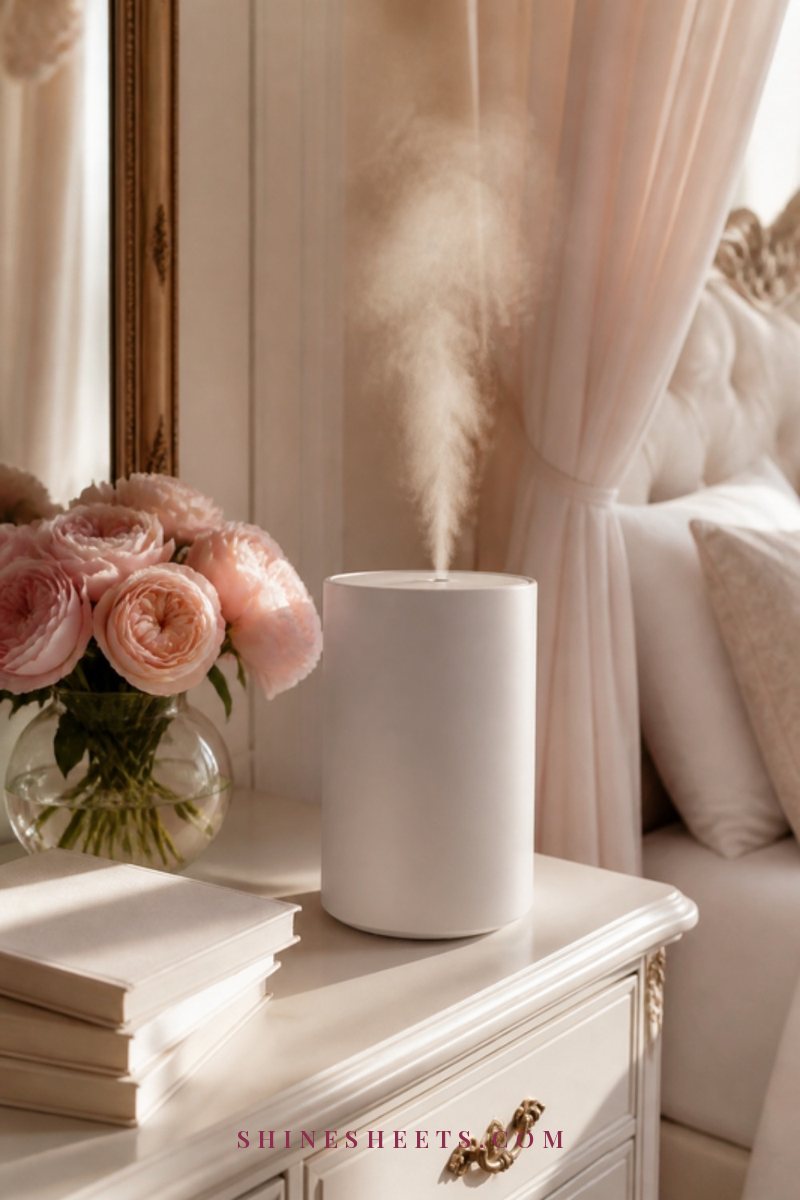
A humidifier is not a treatment, and I won't promise it will fix any skin condition. What it can do is make your environment more comfortable, so your skin and hair aren't fighting the air all day. Here's what that tends to look like.
1. Less Tight, Itchy Skin
When the air isn't pulling water out of your skin as aggressively, that "too small for my face" feeling after cleansing often softens. Many people notice it first on their cheeks, shins and hands. It's usually a gradual change over a week or two, not an overnight one.
2. Moisturizer That Works Harder
Humectants like hyaluronic acid and glycerin draw water toward the skin. In very dry air, they have less to work with. With more moisture in the room, your hydrating serum and cream can do their job properly, and you may find you need fewer emergency reapplications during the day.
3. Softer Lips
Lips have a very thin outer layer and no oil glands of their own, so they're often the first place dry air shows up. Running a humidifier at night, plus a good balm before bed, is one of the most reliable combinations for winter lips. My winter lip care guide has the full routine if yours are already cracked.
4. Less Static and Frizz
Static loves dry air. When humidity rises into the comfortable range, hair holds a little more moisture and the electric charge has a harder time building up. Strands lie flatter, scarves stop sticking to your neck, and brushing feels less like a battle.
5. More Comfortable Nights
Waking up with a dry throat, a tight face and parched lips makes the whole morning feel harder. Many people simply sleep more comfortably with a little moisture in the bedroom air. If you have any breathing condition or allergies, though, check with your doctor before changing your bedroom humidity, because too much moisture can encourage dust mites and mold.
6. Makeup That Sits Better
When skin is less flaky, foundation and concealer have a smoother surface to sit on. You'll likely notice fewer patches around the nose and a softer finish on the cheeks, without having to switch to heavier products.
7. A Room That Feels Warmer
Humid air feels warmer than dry air at the same temperature. That means you may be comfortable with the thermostat a degree or two lower, which is kinder to your skin (and your heating bill). It's a small, lovely side effect.
Types of Humidifiers: Which One Fits You
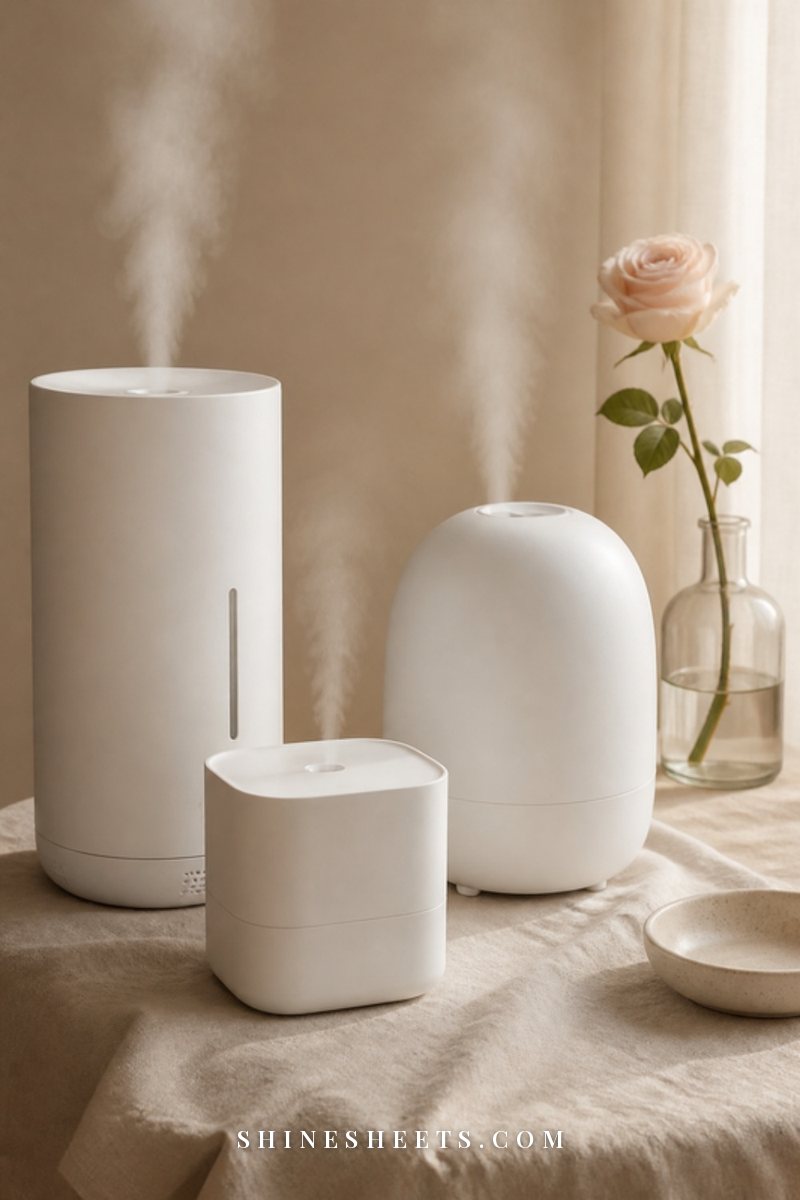
There are three main types you'll see, and each has its own small trade-offs. None is "the best" for everyone. It depends on your space, your water and who else lives with you.
Cool Mist Ultrasonic
Ultrasonic humidifiers use a vibrating plate to turn water into a fine, cool mist. They're very quiet, which makes them a favorite for bedrooms, and they use little energy. The downside is that they release whatever minerals are in your water into the air, which can leave a fine white dust on furniture if your tap water is hard.
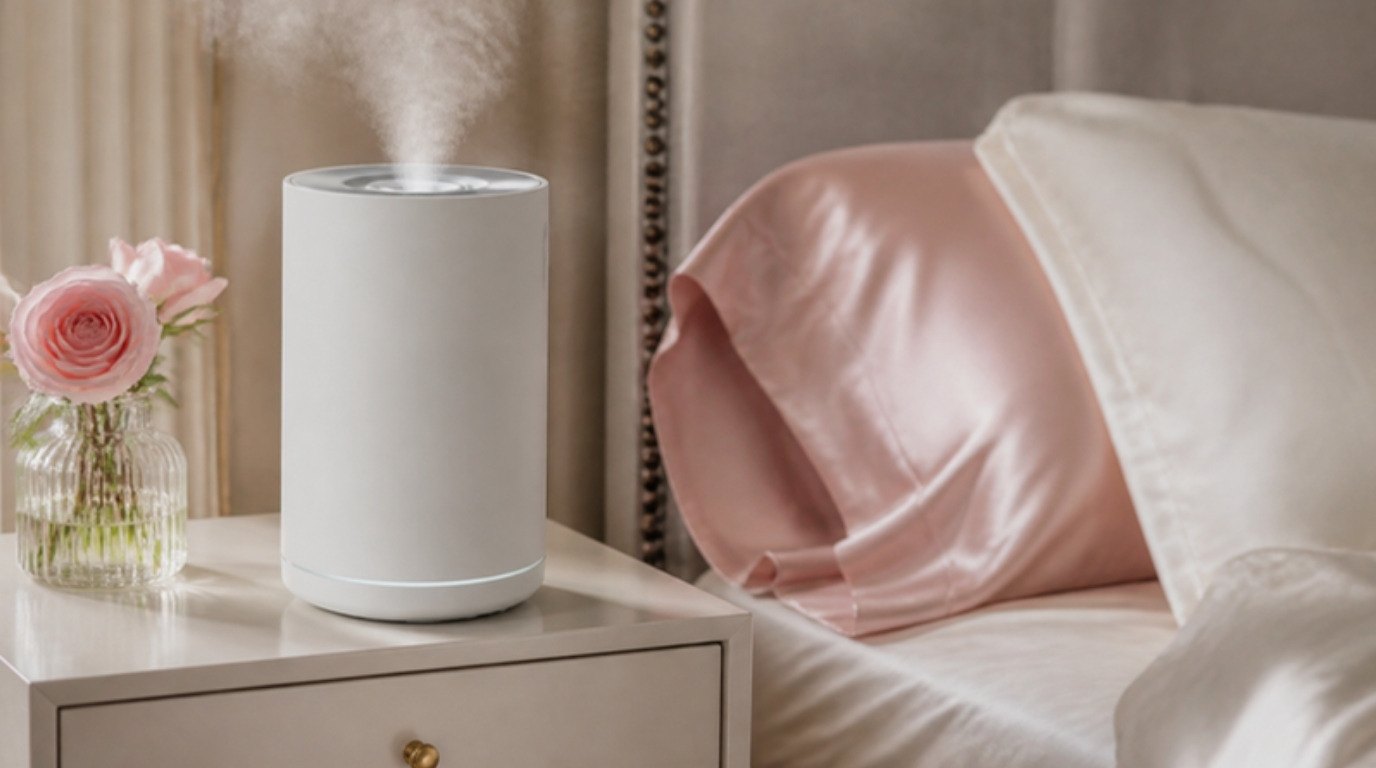
For most bedrooms, I'd choose a quiet cool mist humidifier in white with a tank that holds enough water for a full night, an auto shut-off when it runs dry, and a wide opening you can actually fit a hand or brush into for cleaning. That last detail matters more than any extra feature.
Evaporative
Evaporative humidifiers use a fan to blow air through a wet wick or filter. Because water evaporates naturally, they don't produce white dust, and they're somewhat self-limiting (the drier the room, the faster they work). They're a little louder because of the fan, and the wick needs replacing regularly according to the manufacturer.
Warm Mist
Warm mist humidifiers boil water and release steam that cools slightly before it leaves the machine. Boiling kills many germs in the water, and some people find the warm mist soothing. The big caution: the water and steam are hot. If you have children or pets who might knock it over or touch it, a cool mist model is the safer choice.
Where To Place Your Humidifier
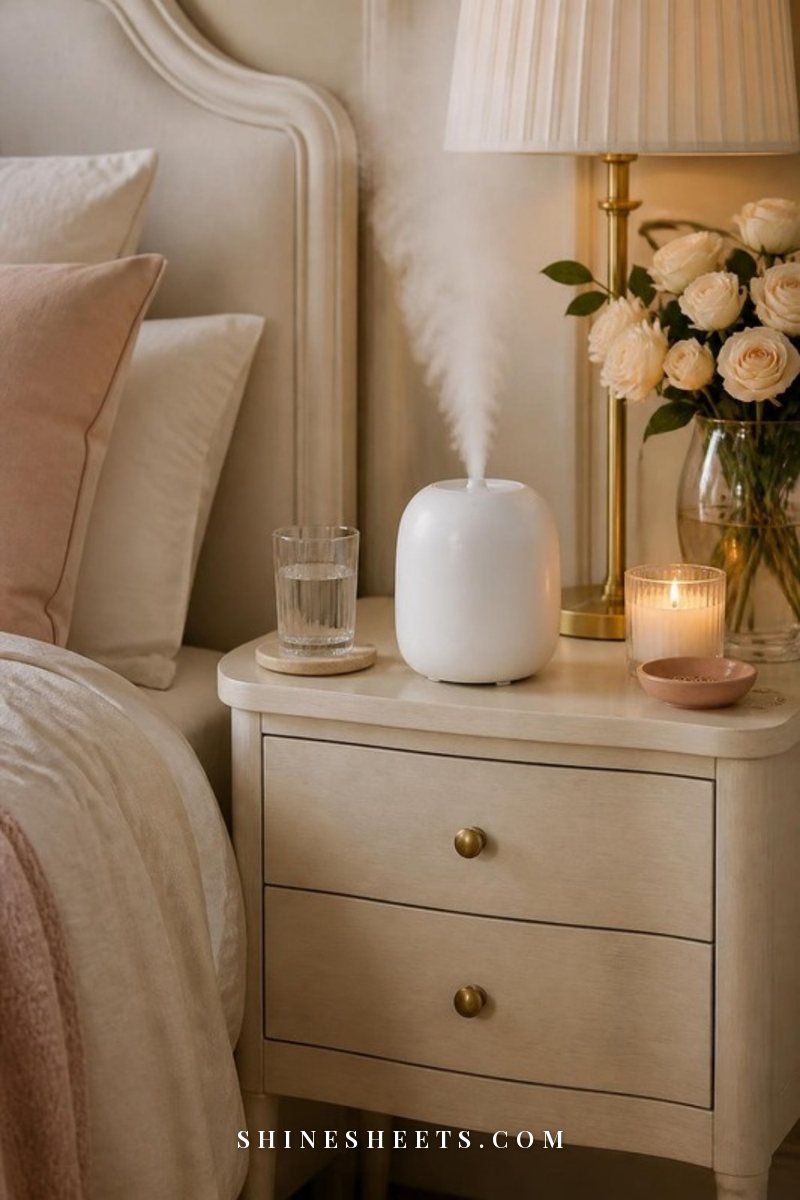
Placement makes a surprising difference in how well a humidifier works and how happy your furniture stays. A few simple rules:
- Raise it up. Set it on a table or dresser about two feet off the floor so the mist can spread through the air before settling.
- Keep a little distance from the bed. Around three feet or more is a good starting point. Too close, and your pillow and sheets may feel damp.
- Protect wood surfaces. Place it on a tray or a waterproof mat so condensation doesn't mark your furniture.
- Avoid walls, curtains and books. Point the mist into open air, not at fabric, paper or a cold wall where moisture can collect.
- Keep it away from electronics and outlets. Fine mist and electronics are not a good pair.
- Choose the room where you spend the most hours. For most people, that's the bedroom. One humidifier where you sleep often does more for your skin than one in a room you pass through.
Close the bedroom door while it runs, especially in a larger home. A humidifier sized for one room can't humidify an entire open-plan floor.
How To Clean a Humidifier To Avoid Mold and Bacteria
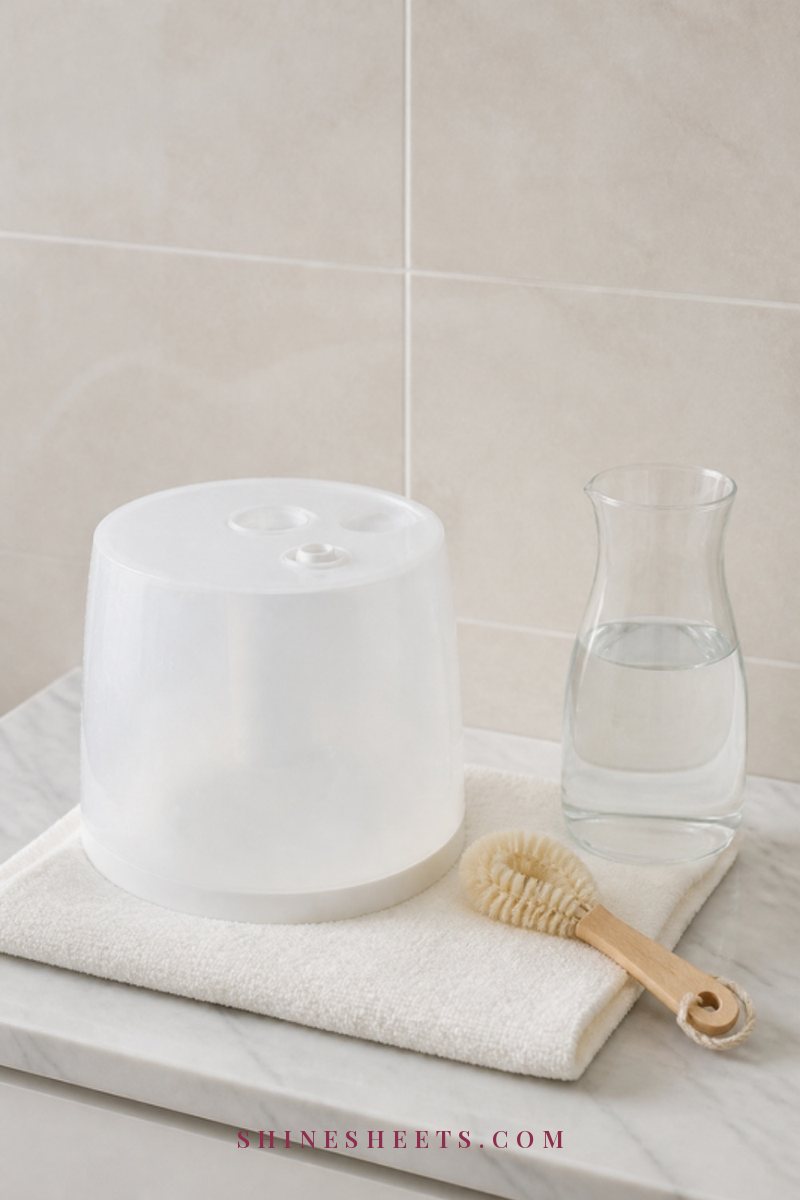
This is the part nobody puts on the box in big letters, and it's the most important part of the whole guide. A humidifier holds standing water in a warm room. If it's not cleaned regularly, mold and bacteria can grow in the tank and then get released into the air you breathe. The good news is that a simple rhythm keeps it fresh.
Every Day: Empty, Rinse, Dry, Refill
Never top up yesterday's water. Each morning, empty the tank and base, rinse them with clean water, let them air-dry if you won't use it during the day, and refill with fresh water before bed. It takes about two minutes and is the single best habit for a clean humidifier.
Every Week: A Proper Clean
Once a week, unplug the machine and follow the manufacturer's cleaning instructions. Many recommend soaking the tank and base with white vinegar to loosen mineral buildup (often 20–30 minutes), then scrubbing gently and rinsing very well until there's no smell left. A small soft-bristle cleaning brush set makes it much easier to reach corners and the narrow parts of the tank. Some manuals suggest a diluted disinfecting step after descaling. If you use one, rinse thoroughly, and never mix bleach with vinegar or ammonia, because that combination releases harmful fumes. Do one cleaner, rinse completely, then the next, if your manual calls for both.
Distilled Water and White Dust
If you notice a white film on furniture near an ultrasonic humidifier, that's minerals from your tap water. Using distilled or demineralized water reduces both the white dust and the scale buildup inside the machine. If that isn't practical, regular descaling and a demineralization cartridge (if your model has one) help. Evaporative models don't release this dust in the first place.
And one gentle rule: if a tank ever smells musty or you see pink, black or green spots, stop using it until it's fully cleaned. If those spots keep returning, replace the humidifier.
Humidifier Care Schedule
Here's the whole routine in one place. Screenshot it and keep it on your phone, or tape a copy inside a bathroom cabinet.
| When | What to do | Time it takes | Why it matters |
|---|---|---|---|
| Every morning | Empty the tank and base, rinse with clean water, leave open to air-dry | 2 minutes | Standing water is where germs start |
| Every evening | Refill with fresh distilled or tap water, check the hygrometer | 1 minute | Fresh water, the right humidity level |
| Every week | Unplug, descale with white vinegar per the manual, scrub, rinse until no smell remains | 30–40 minutes (mostly soaking) | Removes scale and film before it builds up |
| Every 1–2 months | Check or replace the wick, filter or cartridge as the manufacturer suggests | 5 minutes | Old filters can harbor mold and work less well |
| Before storing in spring | Deep clean, dry completely for a full day, store with the tank open | 1 day (mostly drying) | Prevents musty surprises next winter |
| Anytime | Stop using it if you see spots, slime or smell mustiness | – | Your lungs come before your skin |
Signs of Too Much Humidity

More is not better. Once indoor humidity climbs well above 50–60%, it can start to cause problems for your home and your health. Turn your humidifier down or off for a while if you notice any of these:
- Condensation on windows that sits there for hours or drips onto the sill.
- A damp feeling on your sheets, pillow or the wall near the humidifier.
- A musty smell in the room, especially in corners or closets.
- Dark spots on window frames, ceilings or bathroom grout that weren't there before.
- Your hygrometer reads above 55% for long stretches.
If you see these signs, open a window for a few minutes, run the bathroom and kitchen fans, and give the room a break. Then restart at a lower setting.
A Simple Night Routine To Pair With Your Humidifier
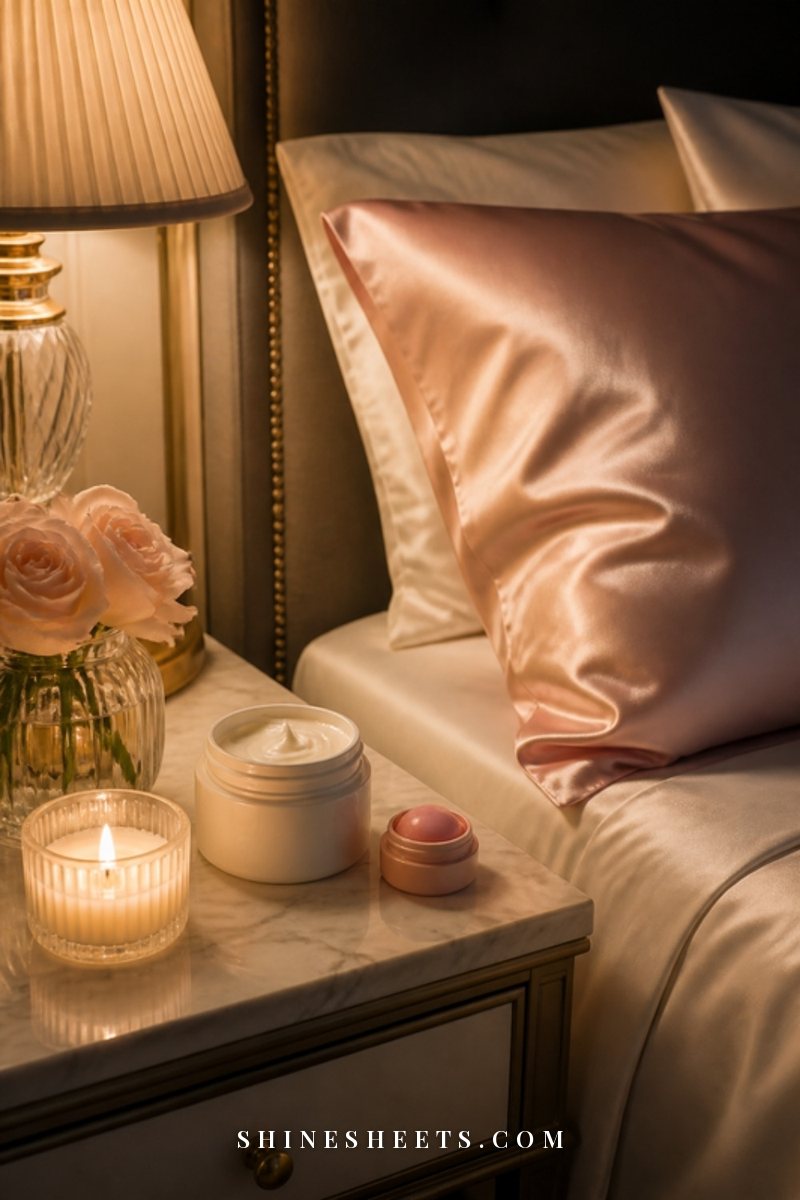
A humidifier works best as part of a small, steady evening routine. Here's the one I'd suggest for winter, in the order it happens:
- Refill and switch on 30 minutes before bed. That gives the room time to reach a comfortable level before you lie down.
- Cleanse gently with lukewarm water. Hot water feels lovely in winter, but it strips oils faster. Keep it short and warm, not hot.
- Apply a hydrating serum to slightly damp skin. With the humidifier running, humectants have more moisture to hold onto.
- Seal it in with a richer cream. A rich ceramide night cream is a good pick for winter. Look for ceramides, cholesterol and fatty acids, and no added fragrance if your skin is sensitive. On my combination skin, I'd apply it generously on the cheeks and lightly on the T-zone.
- Treat your lips. A lip sleeping mask, the Korean best-seller kind that comes in a small pot, is a lovely last step. A thin layer is plenty.
- Protect your hair. Sleep on a blush mulberry silk pillowcase, which creates less friction than cotton, so hair loses less moisture and tangles less overnight. Pick 100% mulberry silk with a hidden zipper or envelope closure.
- Read the hygrometer once. If it's already near 50%, set the humidifier to a lower level or a timer.
For the full cold-weather routine, morning to night, my winter skincare routine pairs beautifully with this. Hair that still feels brittle may need a few extra steps from my winter hair care guide, like a weekly mask and gentler washing. And if your shins and arms feel as thirsty as your face, the winter body care routine covers everything from the neck down.
A kind note before you go: a humidifier can make dry skin more comfortable, but it's not a treatment for eczema, psoriasis or any persistent rash. If your skin cracks, bleeds, itches badly or doesn't improve with gentle care, please see a dermatologist.
Final Thoughts
Some of the best winter skincare doesn't come in a jar. A quiet humidifier, a clean tank and a room that sits around 40–50% can make your skin feel softer, your lips less sore and your hair less wild, without changing anything else.
Start small: one humidifier in the bedroom, one hygrometer, and the two-minute morning rinse. Give it a couple of weeks, and let your skin tell you the difference. Winter can be a gentle season for your skin too.