Vitamin E oil is one of those skincare ingredients that sounds like a miracle and acts like a very good moisturizer. It won't rewrite your skin, but used the right way – a few drops, mixed into something else, on the dry spots that need it – it can make rough, tight, winter-worn skin feel soft and comfortable again.
The trouble is that most of the advice around it is either too dreamy (rub the pure oil everywhere, every night) or too vague. Pure vitamin E oil is thick, sticky and not right for every skin type. A little goes a long way, and where you put it matters as much as how much.
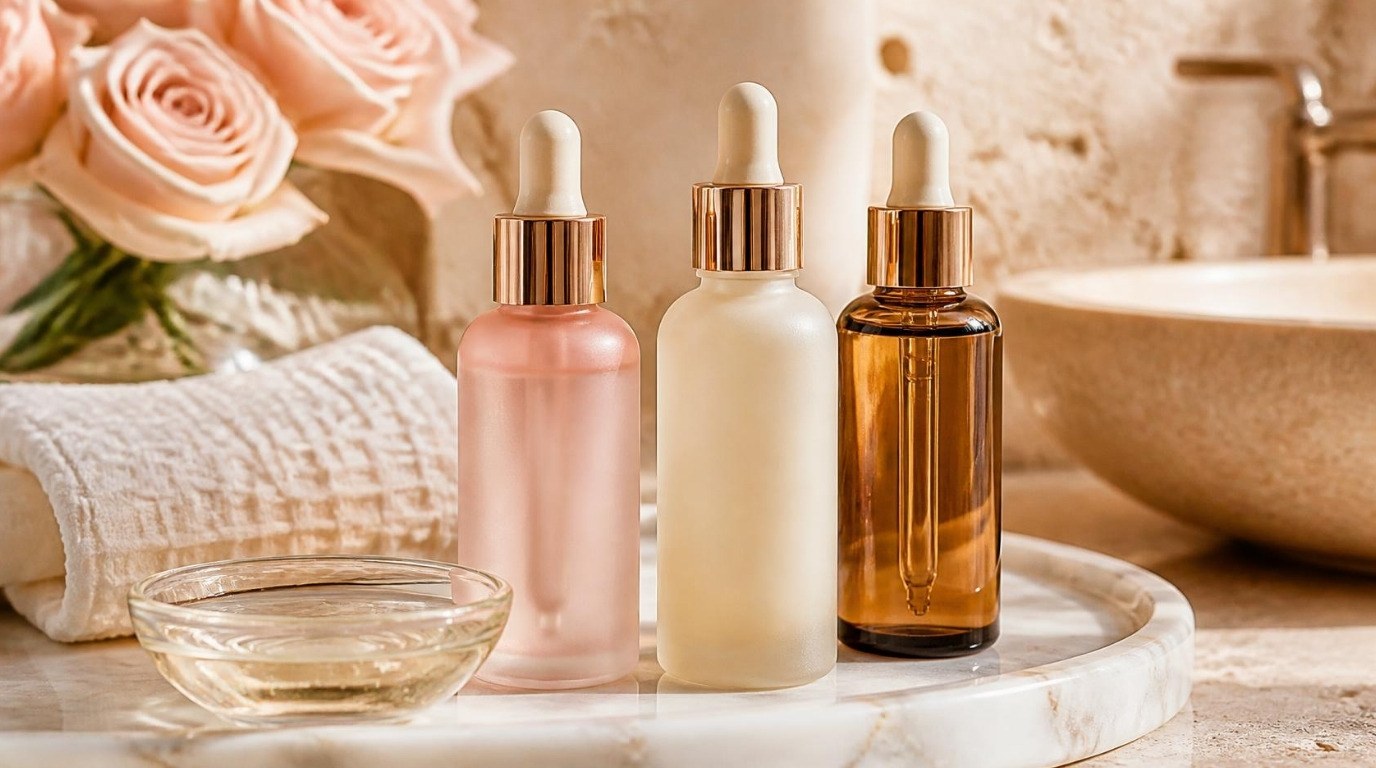
This guide covers vitamin E oil for skin in calm, honest terms: what it actually is, what it realistically does, who it suits and who should be careful, the difference between pure oil, capsules and serums, how to use it on your face and body, a quick table by skin type, and the five mistakes I see most often. If you'd like a simple starting point, look for a vitamin E face oil in an amber glass dropper bottle where vitamin E is blended into a lighter carrier oil rather than sold as a thick pure concentrate.
Think of it as a supporting player in your routine. A good one, just not the whole cast.
What Is Vitamin E Oil?
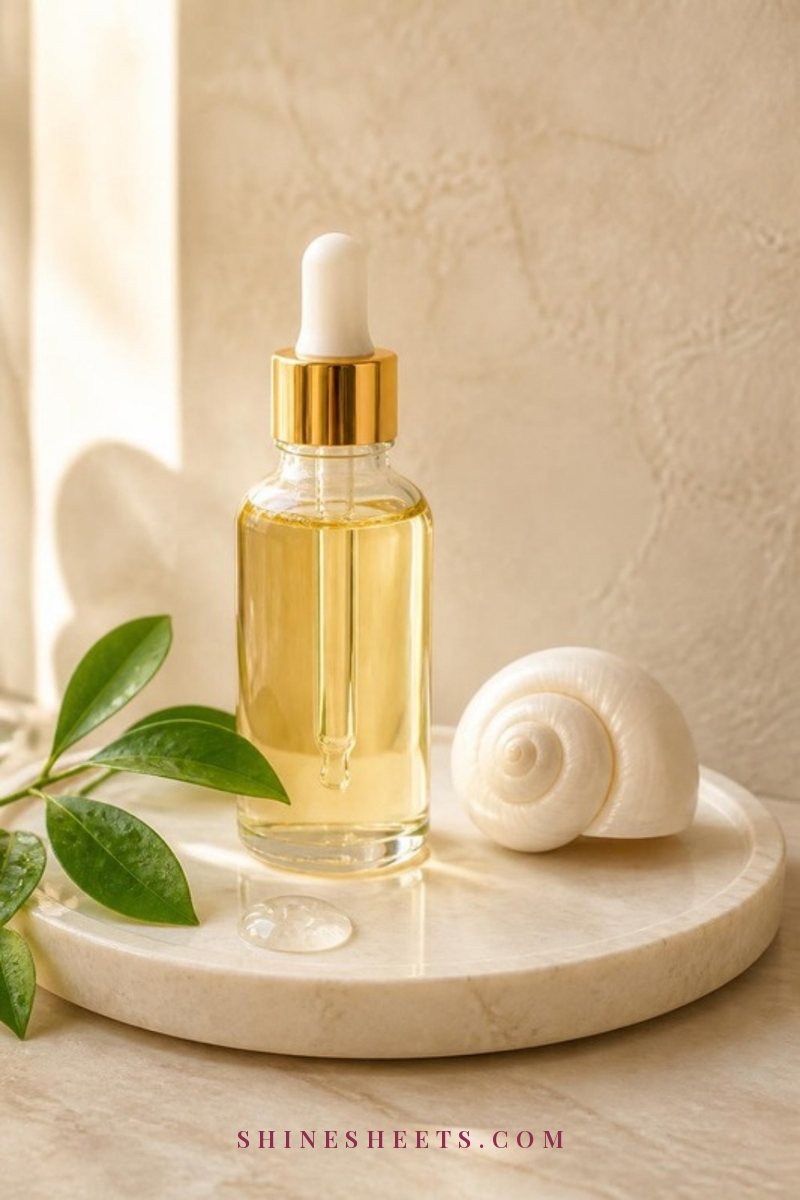
Vitamin E isn't one single thing. It is a family of fat-soluble compounds called tocopherols and tocotrienols. The one you see most in skincare is tocopherol (often alpha-tocopherol), and its more stable cousin, tocopheryl acetate. If you check the ingredient list of your moisturizer, there is a good chance one of those names is already in there.
In skincare, vitamin E plays two roles:
- Antioxidant: it helps neutralize free radicals, the unstable molecules that sun, pollution and everyday stress create on the surface of your skin.
- Emollient: it is oily and rich, so it fills in the tiny gaps between dry skin cells and makes skin feel smoother and softer.
"Vitamin E oil" on a label can mean several things: a bottle of almost pure tocopherol (very thick, almost honey-like), a carrier oil such as sunflower, jojoba or almond with vitamin E added, or a blend of plant oils naturally rich in vitamin E. The texture and how your skin reacts can be very different between them, which is why reading the ingredient list matters.
Vitamin E is also a common helper ingredient. Brands add small amounts to oils and creams simply to keep the other oils fresh for longer, because it slows them from going rancid.
What Vitamin E Oil Realistically Does for Skin
Let's keep this grounded. Vitamin E is a genuinely useful ingredient, but much of what you read online overpromises. Here is what it can reasonably help with, and where the evidence gets thin.
Softens Dry, Rough Patches
This is where vitamin E shines. Its rich, oily texture makes rough areas – flaky cheeks in winter, dry elbows, the sides of your fingers, chapped lips – feel softer almost right away. It also helps slow water loss from the surface, so that softness lasts longer than with a light lotion alone.
For most people this is the main, noticeable benefit: comfort. Less tightness, less flaking, a smoother feel when you touch your skin.
Supports a Comfortable Skin Barrier
Your skin barrier is the outer layer that keeps moisture in and irritants out. When it is in good shape, skin feels calm and supple. When it is stressed (cold wind, dry heating, over-exfoliating), it feels tight, sensitive and rough.
Vitamin E supports that barrier mostly by sealing in moisture and adding lipids to the surface. It works best alongside ingredients that actually repair the barrier, such as ceramides, glycerin and fatty acids. If your skin feels raw or reactive right now, my guide to restoring your skin barrier is the better place to start, and vitamin E can join in once things calm down.
Works as an Antioxidant Partner to Vitamin C
Vitamin E and vitamin C are a well-known pair. Vitamin C works in the watery parts of your skin, vitamin E in the oily parts, and together they help support each other's stability. That is why you will often find them combined in the same antioxidant serum, sometimes with ferulic acid as a third partner.
A vitamin C and E serum in the morning, followed by moisturizer and sunscreen, is one of the most sensible ways to get vitamin E on your face without any heaviness. If you're new to vitamin C, my guide to vitamin C serum explains who it suits and how to start slowly.
One clear line here: antioxidants support your sunscreen. They never replace it.
What Vitamin E Oil Doesn't Do
You will see a lot of bold claims about vitamin E oil and scars, stretch marks and dark spots. The research on those is mixed at best, and some people actually develop irritation or an itchy rash from applying vitamin E to healing skin. I would not reach for it expecting any of those things to change.
It also isn't a treatment for eczema, acne or any skin condition. If something on your skin is worrying you, a dermatologist is the right person to look at it. Vitamin E is simply a nice, rich moisturizing ingredient – and that is plenty.
Who Vitamin E Oil Suits
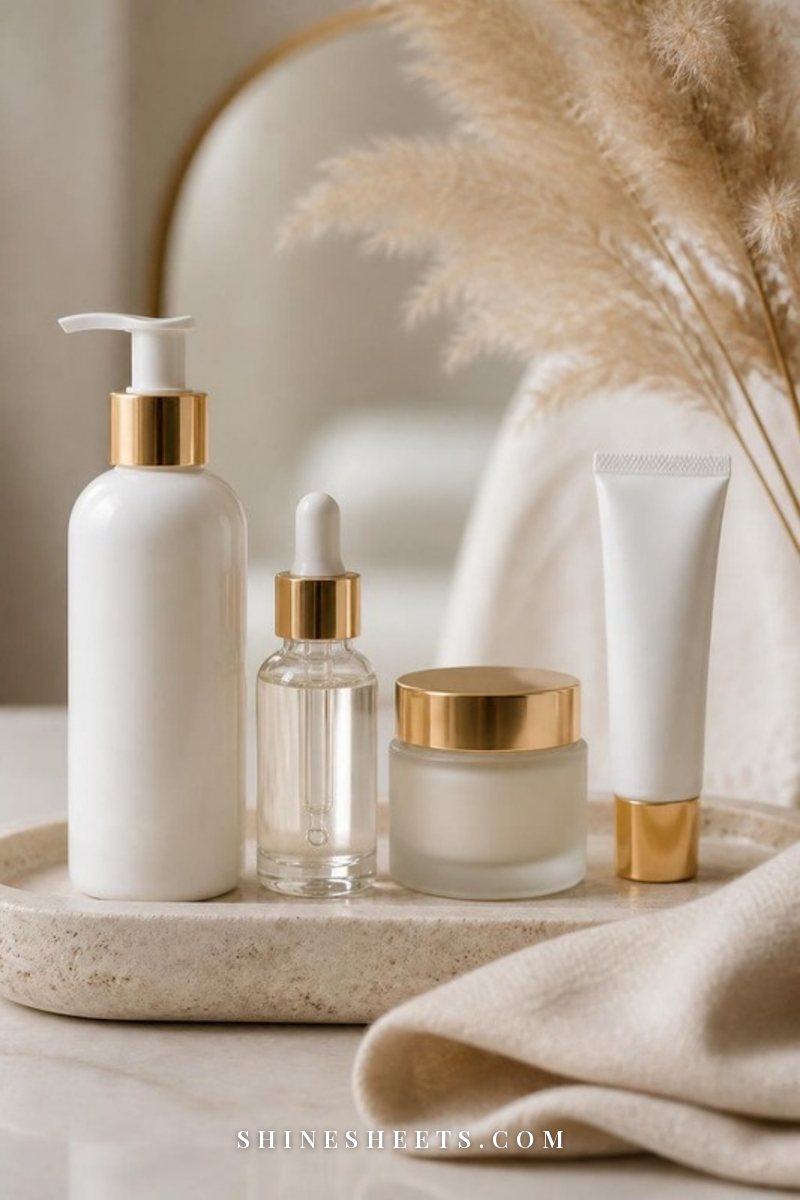
Vitamin E oil tends to be a lovely fit for:
- Dry skin: skin that feels tight after cleansing, flakes easily or soaks up moisturizer within an hour.
- Mature skin: skin that has become drier over time and likes richer textures, especially at night.
- Winter-chapped skin: cheeks, hands and lips that get rough in cold wind and dry indoor heating.
- Dry body areas: elbows, knees, heels and cuticles on almost any skin type.
If your skin falls into the dry camp, my skincare routine for dry skin shows exactly where a richer step like this fits into a morning and evening routine.
Who Should Be Careful With Vitamin E Oil
Vitamin E is gentle for many people, but not for everyone. A little caution goes a long way if you are:
- Acne-prone or very oily: pure vitamin E oil is thick and occlusive, and for some acne-prone skin it can contribute to clogged pores. Lighter serums with a small amount of vitamin E are usually a safer bet.
- Sensitive or allergy-prone: vitamin E is a known (if uncommon) cause of contact dermatitis – redness, itching or a rash where you applied it.
- Combination skin: your cheeks might love it while your T-zone does not. My own skin is combination and sensitive with a shiny T-zone, so this is exactly where I would keep oil to the drier areas only.
- Dealing with broken skin: fresh cuts, open wounds, burns or skin that is healing after a procedure need care from a doctor, not an oil.
None of that means you have to avoid it. It just means starting small, patch testing first and watching how your skin responds over a couple of weeks.
Pure Oil vs Capsules vs Serums
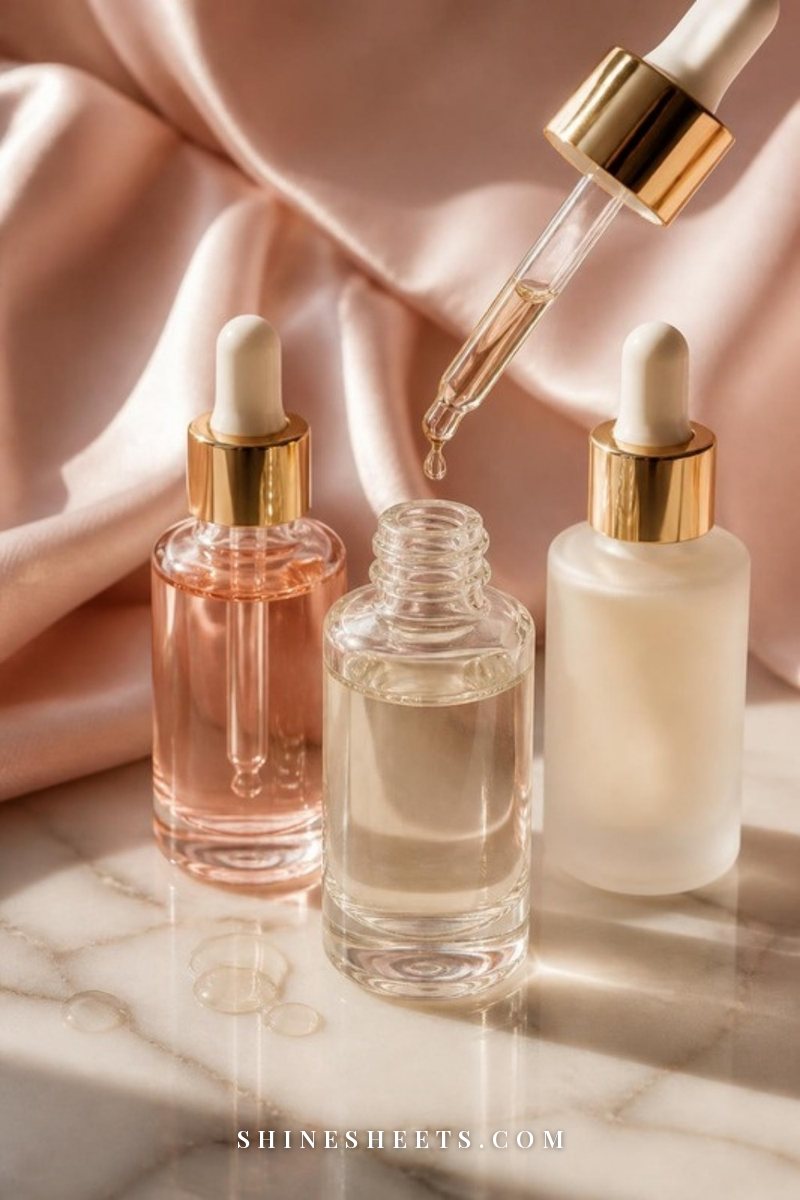
Vitamin E comes in a few forms, and they behave very differently on your skin. Here is how I think about each one.
Pure or Blended Vitamin E Oil
Bottles of pure tocopherol are very thick and sticky. They are fine for tiny spot uses (a rough cuticle, a dry patch on the elbow), but too heavy for the whole face on their own. Blended oils, where vitamin E is mixed into a lighter carrier like jojoba, sunflower or squalane, are much easier to work with.
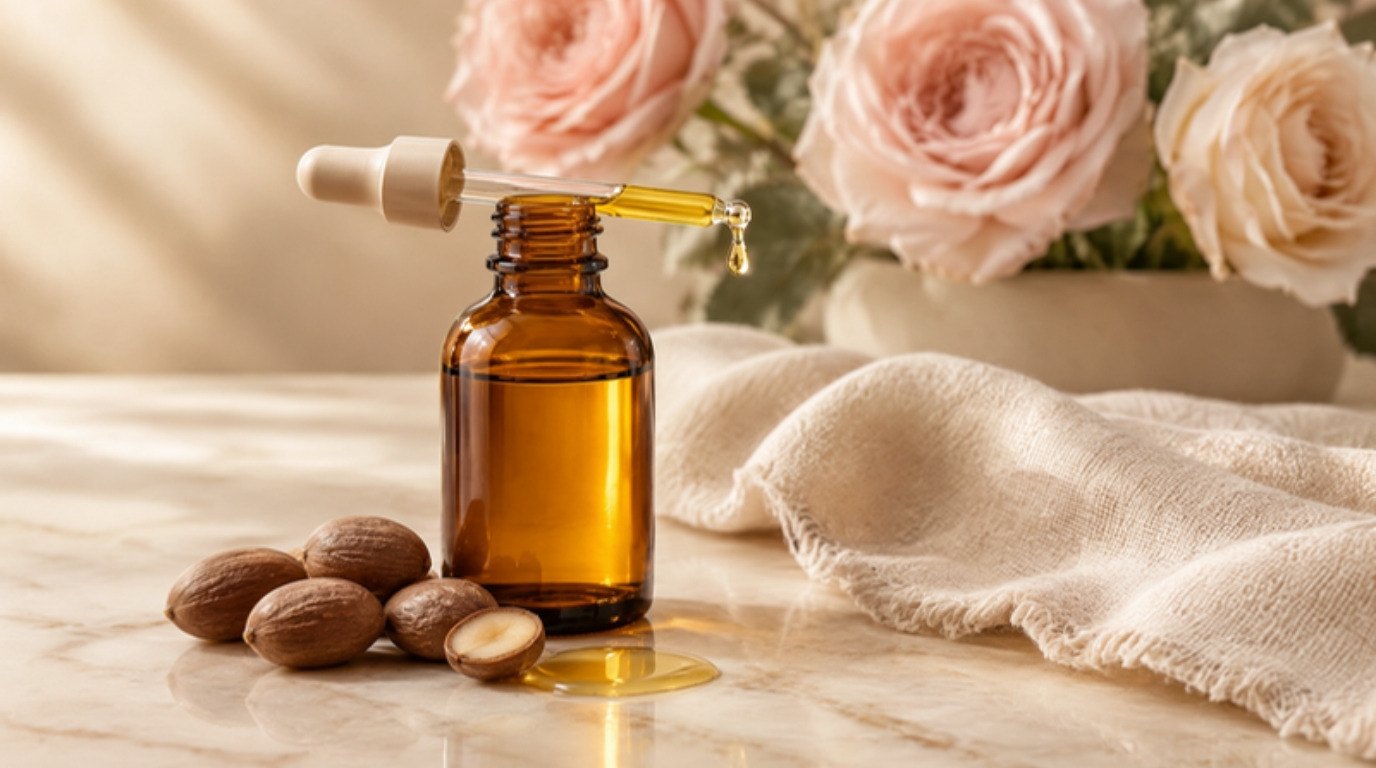
For the face, I'd choose a blend over a pure concentrate every time. Look for a short ingredient list, no added fragrance if your skin is sensitive, and a dark or amber bottle to protect it from light.
Vitamin E Capsules
Some people pierce oral vitamin E softgels and use the oil on their skin. It works in a pinch for small spots, but capsules are made to be swallowed, not applied. The concentration is unknown, the oil is messy, and it often contains extra ingredients your face doesn't need. A product formulated for skin is the simpler, cleaner choice.
Serums and Creams With Vitamin E
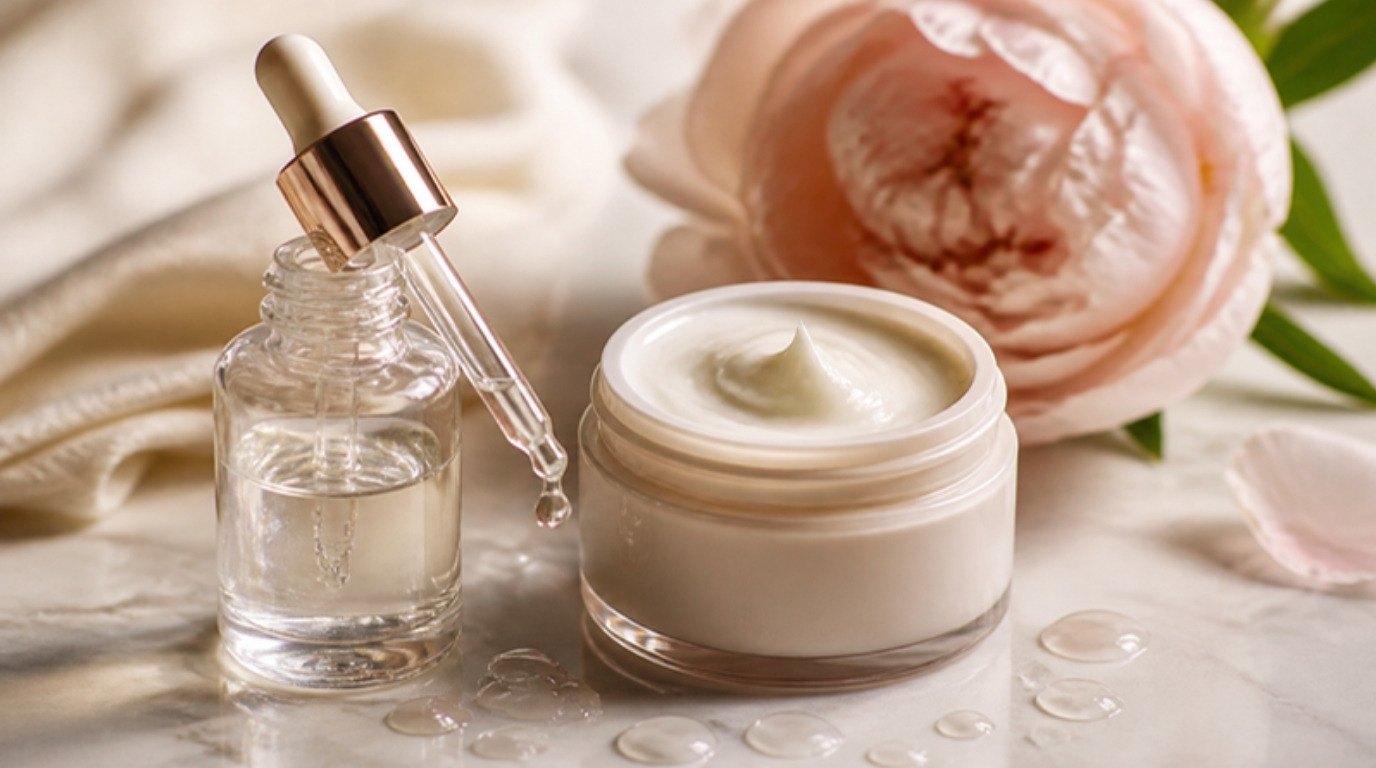
For most people, this is the easiest way to get vitamin E on the face. Antioxidant serums, moisturizers and night creams usually contain a small, well-balanced amount alongside hydrators and barrier helpers. You get the benefits without the stickiness, and the risk of clogged pores is lower.
If you already like oils in general, my guide to facial oils by skin type can help you choose a carrier that pairs well with vitamin E.
How To Use Vitamin E Oil on Your Face
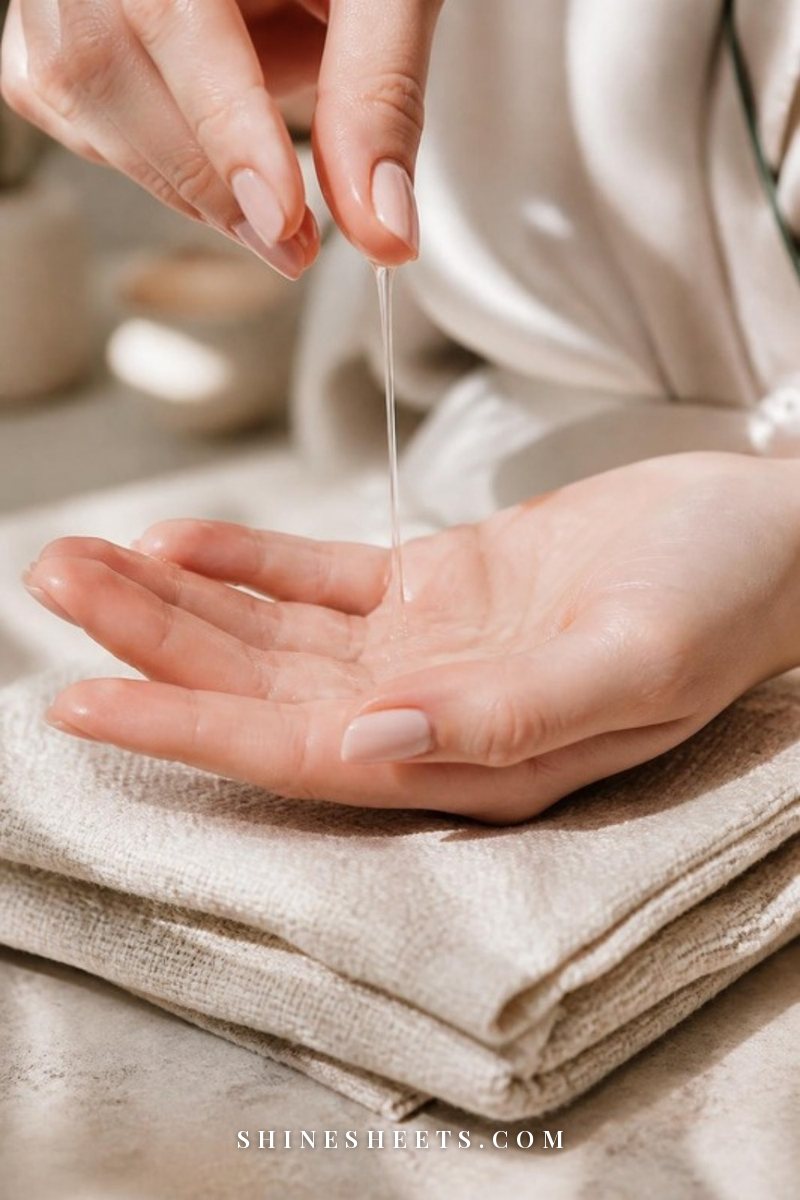
The gentlest approach is simple: test it, dilute it, and keep it for the evening. Here is the routine I'd suggest for anyone trying it for the first time.
Patch Test First
Apply a small amount of the product (mixed the way you plan to use it) to a spot behind your ear or on the inside of your forearm. Do this once a day for three to five days. If you see redness, itching, bumps or a rash, stop and wash it off. If your skin stays calm, try a small area on your jawline next before using it more widely.
Dilute a Few Drops
Rather than applying vitamin E oil neat, mix 1–2 drops into a pea-sized amount of your usual moisturizer, or into 3–4 drops of a lighter face oil, in the palm of your hand. Warm it between your fingers and press it gently onto damp skin after serums. A plain fragrance-free facial moisturizer makes a good base because it adds hydration while the vitamin E adds richness.
Start two or three evenings a week. If your skin likes it after two weeks, you can move to most evenings.
Use It at Night
Vitamin E oil is rich and can feel slick under makeup and sunscreen, so evenings are its natural home. Night is also when your skin loses the most moisture, which makes it the perfect time for a sealing step. Apply it as the last step of your routine (or mixed into your night cream), then let it sink in for about 10 minutes before your face touches the pillow.
In the morning, a vitamin C and E serum gives you the antioxidant side without the heaviness, followed by sunscreen.
Spot Uses for Body, Hands, Cuticles and Lips
This is where vitamin E oil is most useful for most people: targeted care for small, stubborn dry spots. Always on intact, unbroken skin.
Elbows, Knees and Heels
After a shower, while skin is still slightly damp, press 2–3 drops of vitamin E oil onto rough elbows, knees or heels, then follow with a body cream. For larger areas, a rich vitamin E body butter in a cream jar is easier to spread and less messy than oil straight from the bottle. Three to four evenings a week is usually enough to keep these areas soft.
Hands and Cuticles
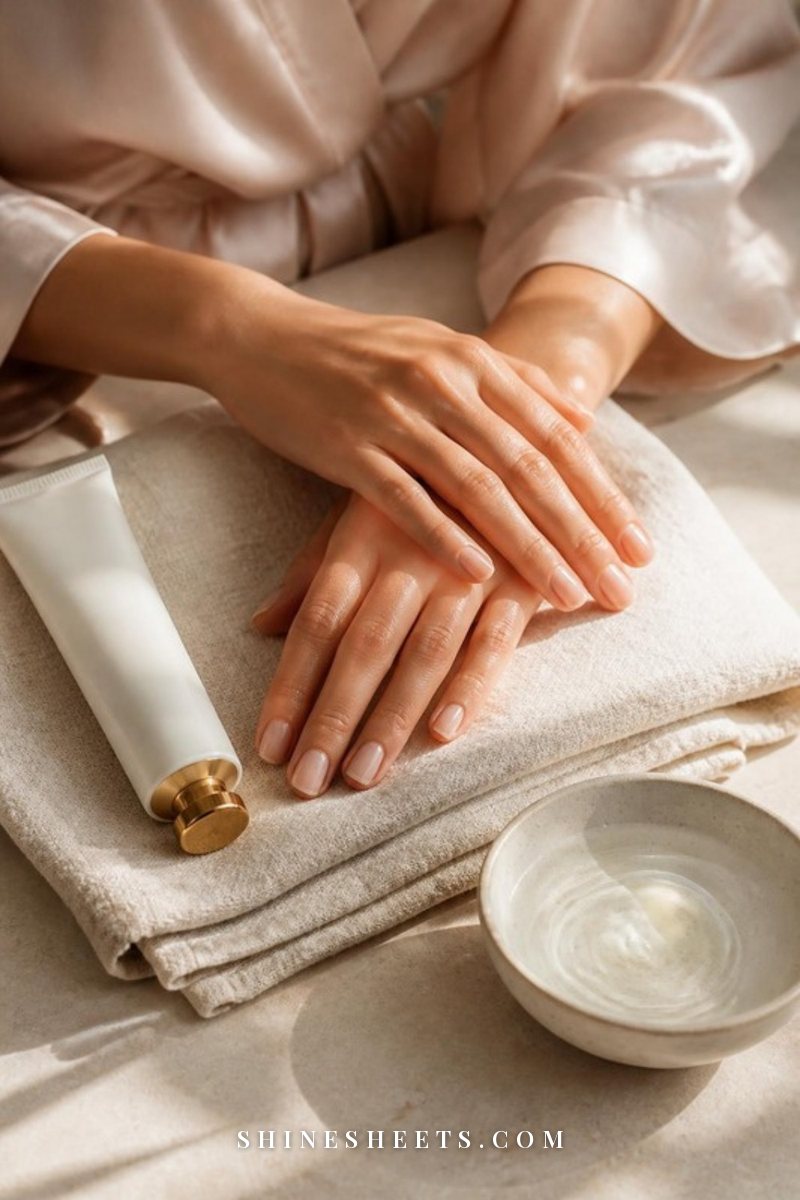
Hands take a beating in winter: cold air, hot water, sanitizer and dishwashing. Before bed, massage a single drop of vitamin E oil into each cuticle, then apply hand cream over the top. On very dry nights, slip on a pair of ivory cotton gloves for overnight hand care so the cream stays on your hands instead of your sheets.
If a cuticle is torn or bleeding, leave the oil off that spot until it closes, and keep it clean.
Lips
Lips have almost no oil glands of their own, so they dry out fast. A thin layer of a lip balm with vitamin E before bed and before going out into cold air helps keep them comfortable. Skip picking at flakes and let the balm soften them instead. My winter lip care routine has more habits for keeping lips soft all season.
Vitamin E Oil by Skin Type: The Quick Table
Here is a quick reference to match vitamin E to your skin. Screenshot it for your bathroom shelf.
| Skin type | How to use | How often | Watch out for |
|---|---|---|---|
| Dry | 1–2 drops mixed into night cream, or a blended face oil as the last step | Most evenings once tolerated | Pilling under makeup if used in the morning |
| Mature | Blended oil or night cream with vitamin E; C and E serum in the morning | 4–6 evenings a week | Heavy layers around the eyes causing puffiness or milia |
| Normal | 1 drop mixed into moisturizer in colder months | 2–4 evenings a week | Feeling greasy if you add too much |
| Combination | Only on dry cheeks or patches; keep it off the T-zone | 2–3 evenings a week | New clogged pores on the nose, chin or forehead |
| Oily or acne-prone | Choose a light serum with vitamin E instead of pure oil | Follow the serum directions | Breakouts or bumps within two weeks |
| Sensitive | Patch test for 3–5 days, then a blended, fragrance-free product | Start 2 evenings a week | Redness, itching or a rash where applied |
| Body, hands and lips | A few drops on damp skin, then cream or balm on top | 3–4 evenings a week | Broken skin, cuts or healing areas |
5 Common Vitamin E Oil Mistakes
Most disappointing experiences with vitamin E oil come down to a few avoidable habits.
- Using pure oil all over the face. A thick layer of neat tocopherol is too heavy for most faces and can clog pores or feel greasy. Dilute it, or use a blended product.
- Skipping the patch test. Vitamin E reactions are uncommon but real. Three to five days of testing on a small area saves you a red, itchy week.
- Putting it on broken or healing skin. Fresh cuts, open wounds, burns and post-procedure skin need medical advice, not oil. Applying vitamin E to healing skin can cause irritation in some people.
- Expecting it to fade scars or dark spots. That is not what vitamin E is good at. Use it for softness and comfort, and talk to a dermatologist if you want help with scarring or pigmentation.
- Using it instead of sunscreen in the morning. Antioxidants like vitamin E support sun protection but never replace it. Keep oils for the evening, and wear sunscreen every day.
When To See a Dermatologist
Vitamin E oil is a cosmetic moisturizing ingredient, not a medical treatment. Please stop using it and see a dermatologist or doctor if you notice a rash, swelling, blistering or itching that doesn't settle after you stop, if dryness or flaking lasts for weeks despite gentle care, or if you have a skin condition such as eczema, rosacea or persistent acne that you are trying to manage.
The same goes for any wound, burn or scar you are hoping to help. A professional can tell you what will actually make a difference for your skin.
Final Thoughts
Vitamin E oil is at its best when you treat it as a quiet helper rather than a cure-all: a few drops mixed into your night cream, a drop on each cuticle, a soft layer on dry elbows and lips. Start slowly, patch test first and let your skin tell you how much it likes.
Used that way, it can make winter skin feel soft, calm and comfortable again – and that small, steady comfort is worth having on your shelf.