The best facial isn't the fanciest one on the menu. It's the one that matches what your skin actually needs right now, whether that's a deep drink of hydration, a gentle reset for congestion or simply an hour of calm hands and quiet. Salon menus can make that choice feel strangely complicated, with oxygen this and microcurrent that, but most facials are built from the same few steps, arranged differently.
Once you know those building blocks, the menu starts to make sense. You can see which treatments are mostly about relaxation, which ones do real exfoliation, which ones come with a day or two of pinkness and which ones give a lovely but short-lived glow. That's the honest part nobody prints in tiny letters under the price.
This guide walks you through the main types of facials: what every facial includes, 10 salon facials explained one by one (what they do, who they suit, downtime and realistic results), a comparison table you can screenshot before you book, how to choose by skin type and goal, what to tell your esthetician first and how to care for your skin in the 48 hours after. If you're not sure what your skin type is yet, my simple skin type test is a good five-minute place to start.
What Happens During Any Facial
Almost every professional facial follows the same basic rhythm. The "type" mostly changes which step gets the spotlight and which tools or ingredients are used.
- Consultation. A few questions about your skin, your routine, medications and what you'd like to improve. A good esthetician takes this part seriously.
- Cleanse. Usually a double cleanse: an oil or balm to lift makeup and sunscreen, then a gentle cleanser.
- Skin analysis. A close look under a magnifying lamp to check oiliness, dryness, congestion, sensitivity and texture.
- Exfoliation. This is where facials differ the most: a mild enzyme, an acid peel, a mechanical tool or nothing more than a soft scrub.
- Steam and extractions (optional). Warm steam softens the skin so clogged pores can be cleared by hand. Not every facial includes this, and it's fine to say no.
- Treatment step and mask. Serums, a mask suited to your skin, sometimes a device like LED or microcurrent.
- Massage. Face, neck and often shoulders. For many people this is the whole point (no judgment here).
- Finish. Moisturizer and sunscreen if it's daytime.
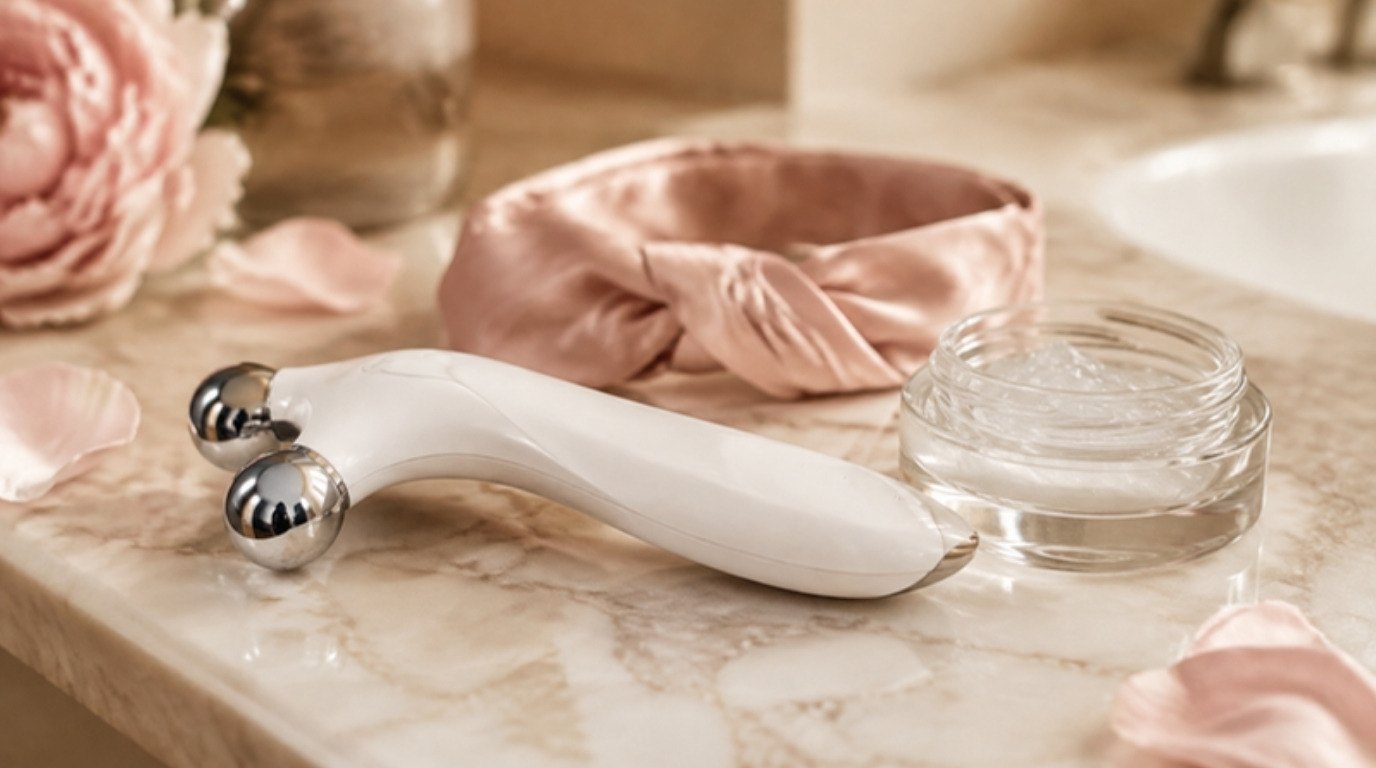
Most salons will tuck your hair back for you, but if you're doing a little prep at home before or after, a soft blush spa headband keeps everything out of the way without leaving a dent.
Types of Facials Explained: 10 Salon Options
Here are the ten facials you're most likely to see on a salon or spa menu. Names vary between places, so if a treatment has a creative title, ask which of these it's closest to. For each one you'll find what it does, who it suits, the usual downtime and what results to honestly expect.
1. Classic European Facial
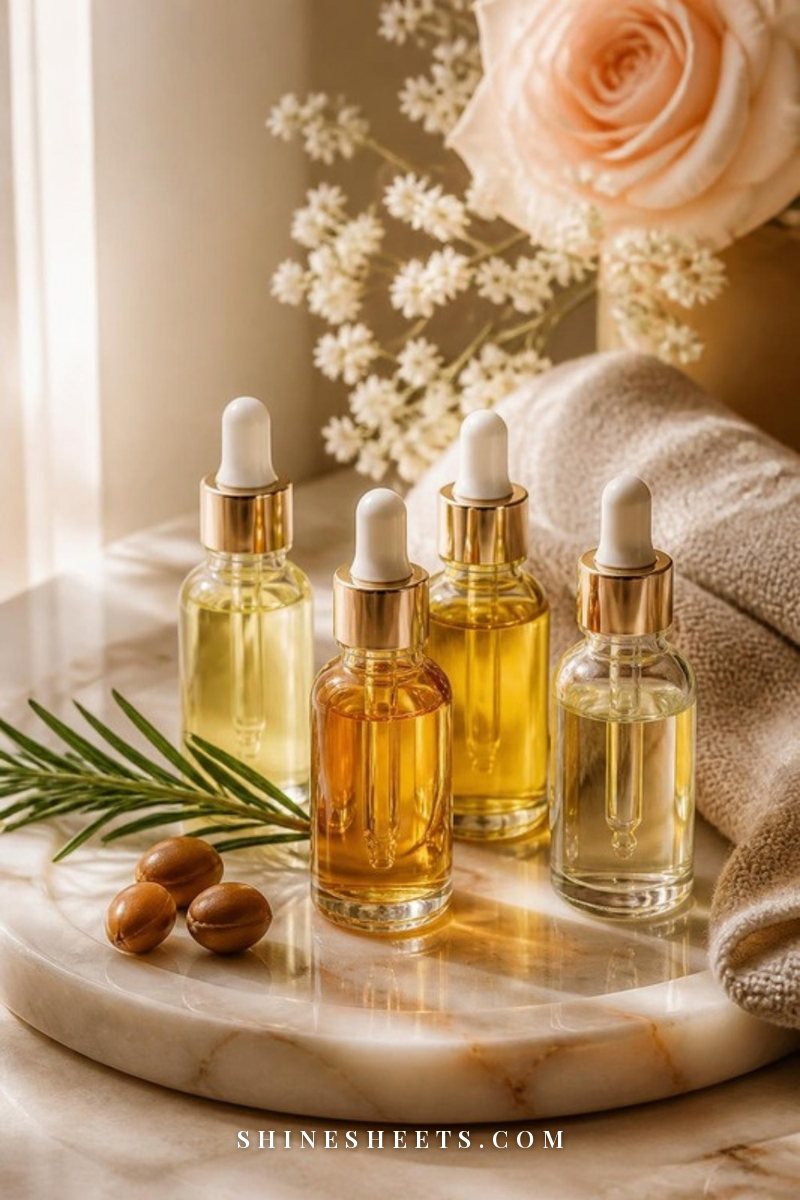
The classic European facial is the "everything in moderation" option: cleanse, gentle exfoliation, steam, light extractions if needed, a mask and a long, relaxing massage. Nothing aggressive happens, which is exactly why it's such a good first facial.
- Best for: almost every skin type, first-timers and anyone who mostly wants a reset and some calm.
- Downtime: usually none, maybe a little pinkness for an hour if you had extractions.
- Honest results: fresher, softer skin for a few days and a very relaxed you. It won't change texture or pigmentation on its own.
2. Hydradermabrasion (Hydrating) Facial
A hydradermabrasion facial uses a handheld wand that cleanses, gently exfoliates and suctions away debris while infusing hydrating serums at the same time. It feels like a cool, slightly ticklish vacuum gliding over your skin. Many salons sell it under a brand name, but the idea is the same.
- Best for: dull, dehydrated or combination skin, and people who want a polished look before an event.
- Downtime: typically none. Skin may look a little flushed for an hour or two.
- Honest results: plump, smooth, dewy skin that's at its best for a few days. Regular sessions can help skin look more even over time, but it's maintenance, not transformation.
Between appointments, a simple hydrating facial at home can keep that bouncy feeling going for a fraction of the cost.
3. Deep-Cleansing Facial
This is the facial that focuses on pores: a thorough cleanse, steam, more time on extractions and usually a clay or charcoal-style mask. Think of it as a spring clean for congested skin.
- Best for: oily and combination skin, visible blackheads, a shiny T-zone (hello, mine).
- Downtime: redness and a few marks around extracted areas for a few hours up to a day. Book it a couple of days before anything important, not the morning of.
- Honest results: pores look clearer for a while, but they refill. Extractions should only be done by a trained professional, and gentle extractions are better than thorough ones.
4. Chemical Peel Facial
A peel facial uses an acid solution (often glycolic, lactic, mandelic or salicylic acid in salon strengths) to loosen dead skin cells so they shed faster. Salon peels are superficial peels. Medium and deep peels belong in a dermatology office.
- Best for: dullness, uneven tone, rough texture and mild congestion on skin that isn't currently irritated.
- Downtime: anything from none to a few days of light flaking or tightness, depending on the strength.
- Honest results: brighter, smoother skin, with the best changes usually showing after a series rather than one session. Sun protection afterwards is non-negotiable.
If you do book one, my guide to chemical peel aftercare covers the first week day by day (your provider's instructions always come first).
5. Enzyme Facial
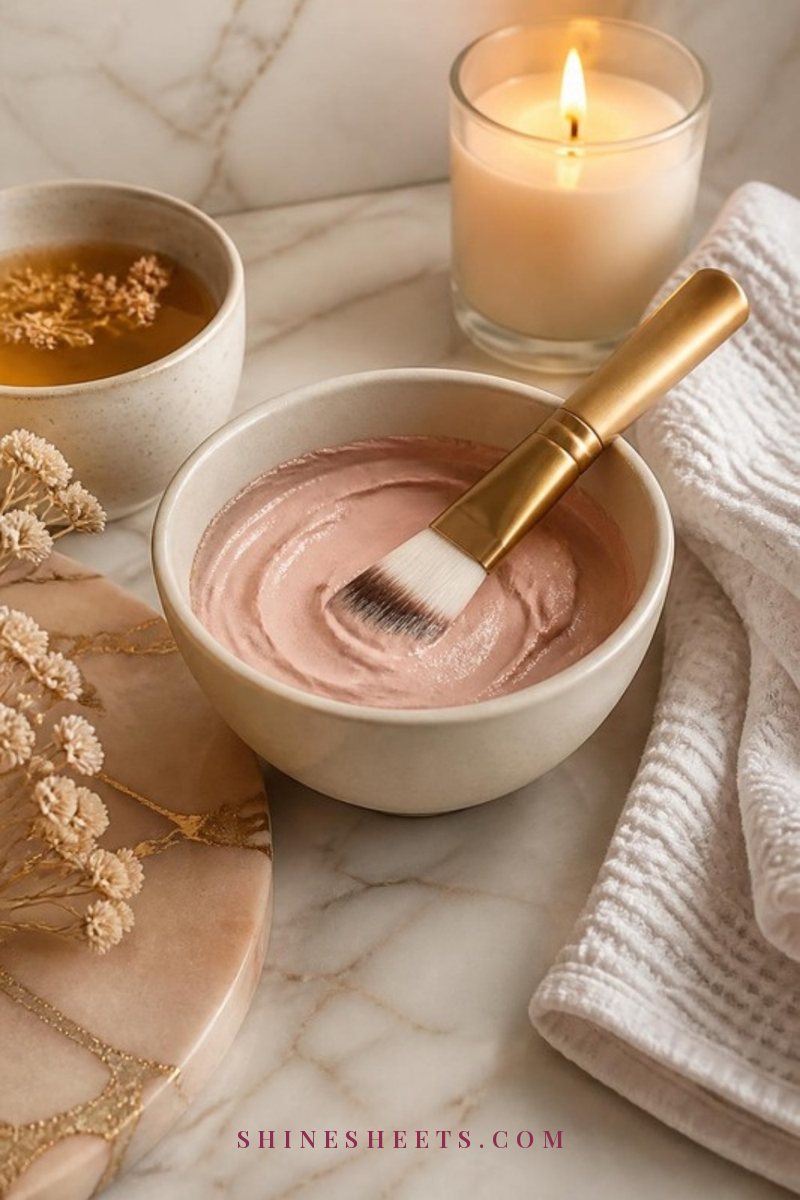
Enzyme facials use fruit-derived enzymes (papaya and pineapple enzymes are the classics) to gently dissolve the bonds between dead skin cells. They're often applied as a warm mask and feel quite soothing, sometimes with a mild tingle.
- Best for: sensitive or reactive skin that wants exfoliation without acids or scrubbing, and anyone nervous about peels.
- Downtime: usually none.
- Honest results: softer, more even-looking skin and a subtle radiance. It's gentler than a peel, so changes are gentler too. That's a feature, not a flaw.
6. Microdermabrasion Facial
Microdermabrasion uses a diamond-tipped wand (or, in older machines, fine crystals) with light suction to buff away the outermost layer of dead skin. It feels a bit like a cat's tongue, gently sanding.
- Best for: rough texture, dullness and mild uneven tone on resilient skin.
- Downtime: some redness for a few hours, sometimes mild dryness for a day or two.
- Honest results: immediately smoother skin, with gradual improvements over a series. It's usually not a good fit for active acne, rosacea, eczema or very sensitive skin.
7. LED Light Facial
An LED facial adds a session under a panel or mask of colored light, usually red (associated with calming and supporting the skin) or blue (associated with targeting acne-causing bacteria). It's warm, quiet and completely painless, and it's often added on to another facial.
- Best for: people who want a gentle, no-downtime add-on, mild breakouts or skin that looks tired.
- Downtime: none.
- Honest results: research is promising but modest, and the effects build slowly with repeated sessions. Mention any light-sensitizing medication before you start.
Curious whether a home device is worth it? I've written an honest look at the LED face mask and how to use one at home.
8. Microcurrent Facial
Microcurrent facials use two small probes or wands that send a very low-level electrical current across the face. Often called a "non-surgical facelift," which is a bit of a stretch. The current is meant to stimulate the facial muscles, and most people feel little more than a light tingle.
- Best for: people who want a temporarily lifted, more sculpted look, such as before an event.
- Downtime: none.
- Honest results: a subtle, temporary lift that fades within days unless you keep up regular sessions. Not suitable if you have a pacemaker or other electrical implant, are pregnant, have epilepsy or have certain metal implants in the face, so always mention these.
My guide to microcurrent facials at home goes into whether home devices do anything close to the salon version.
9. Oxygen Facial
An oxygen facial sprays a fine, cool mist of pressurized oxygen mixed with serums (often hyaluronic acid and vitamins) onto the skin. It feels like the world's most refreshing spritz.
- Best for: dehydrated, dull or sensitive skin, and anyone who wants to look fresh without any redness.
- Downtime: none, which is why it's popular right before events.
- Honest results: lovely, plumped-up skin for a day or two. The evidence that the oxygen itself does much is thin; most of the benefit likely comes from the hydrating serums and the gentle pressure.
10. Lymphatic Massage Facial
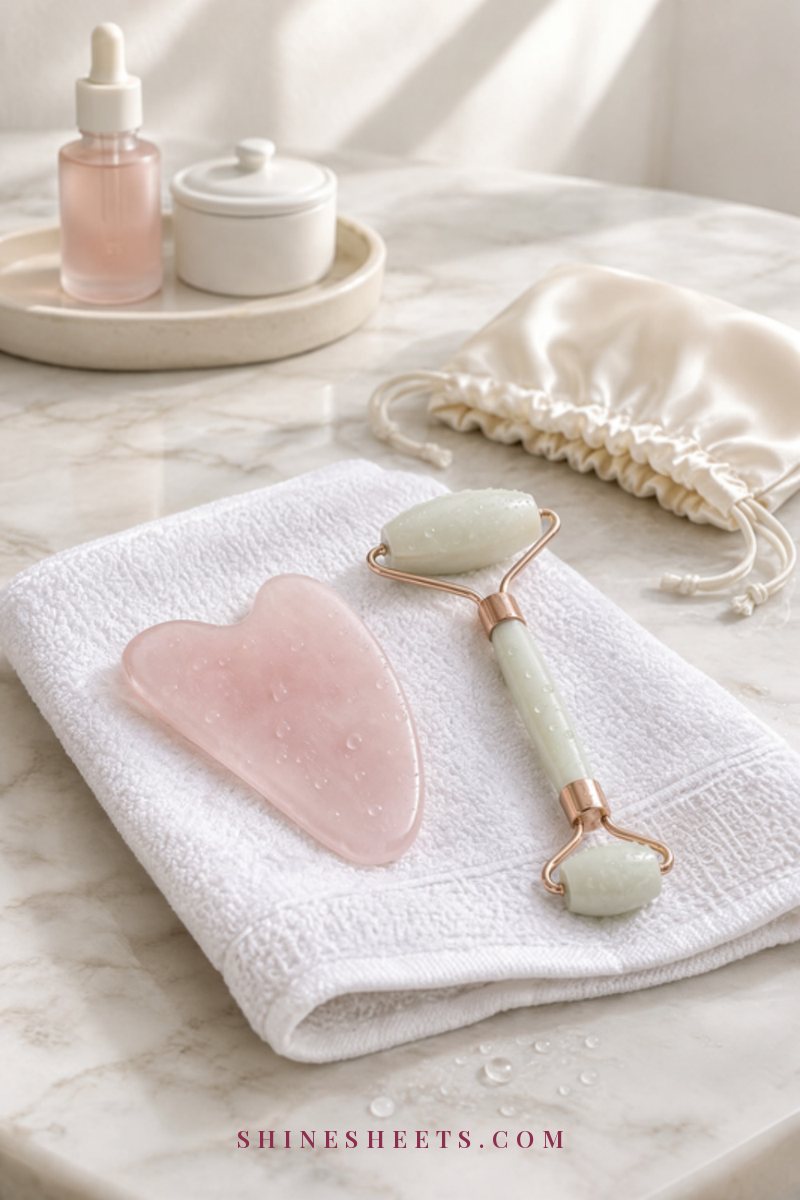
This facial is mostly massage: slow, light, rhythmic strokes that follow the direction of lymph flow, from the center of the face outward and down the neck. It's often paired with a simple cleanse and mask.
- Best for: morning puffiness, a tired-looking face and anyone who carries tension in the jaw. Gentle enough for most sensitive skin.
- Downtime: none.
- Honest results: less puffy, more defined-looking skin for a few hours to a day, plus real relaxation. It isn't a detox and won't change the shape of your face long term.
Facial Comparison Table
Here's everything side by side. Use it as a starting point for a conversation with your esthetician, not a strict rulebook, since every salon's version is a little different.
| Facial Type | Best For | How It Feels | Downtime | How Often |
|---|---|---|---|---|
| Classic European | All skin types, first-timers | Relaxing, gentle | None | Every 4–6 weeks |
| Hydradermabrasion | Dull, dehydrated, combination | Cool, light suction | None to 2 hours of flush | Every 4–6 weeks |
| Deep-cleansing | Oily, congested, blackheads | Warm steam, some pressure | A few hours to 1 day | Every 4–8 weeks |
| Chemical peel | Dullness, uneven tone, texture | Tingling, warmth | None to a few days of flaking | Series 2–4 weeks apart, then occasionally |
| Enzyme | Sensitive skin, mild dullness | Warm, soothing, light tingle | None | Every 2–4 weeks |
| Microdermabrasion | Rough texture on resilient skin | Light sanding, suction | A few hours of redness | Series 2–4 weeks apart |
| LED light | Tired skin, mild breakouts | Warm, painless | None | Often in a series, 1–2 times a week |
| Microcurrent | Temporary lift before events | Faint tingle | None | Weekly series, then monthly |
| Oxygen | Dehydrated, dull, sensitive | Cool, misty | None | Monthly or before events |
| Lymphatic massage | Puffiness, tension | Slow, soothing | None | Monthly or whenever you need it |
How To Choose a Facial by Skin Type and Goal
The easiest way to choose is to start with your skin type, then narrow it down by your main goal for the next month. A few gentle pointers:
- Dry or dehydrated skin: hydradermabrasion, oxygen or a classic European facial with a rich mask. Skip anything heavily stripping.
- Oily or combination skin: deep-cleansing, a light peel or hydradermabrasion. With my combination skin, I'd go for a facial that treats the T-zone and the drier cheeks differently, and I'd ask for that out loud.
- Sensitive skin: enzyme, oxygen, lymphatic massage or a gentle classic facial. Ask for fragrance-free products and a patch test of anything new on your jawline first.
- Dullness or uneven tone: a superficial chemical peel or microdermabrasion series, if your skin tolerates exfoliation.
- Puffiness or a tired look: lymphatic massage, LED or microcurrent.
- Pure relaxation: a classic European facial with extra massage time. That's a completely valid goal.
What about acne? Breakout-prone skin often does well with deep-cleansing, gentle peels or blue LED, but active, inflamed acne needs a more careful approach. My guide to facials for acne goes much deeper into which ones help and which ones can make things worse.
A simple formula if you're stuck: skin type + one goal + your downtime window = your facial. Sensitive skin, a brighter look, no downtime this week? Enzyme facial. Oily skin, clearer pores, a free weekend? Deep-cleansing on a Friday.
What To Tell Your Esthetician First

The consultation is where a facial goes right or wrong. Your esthetician can only adjust the treatment if they know the full picture, so it helps to jot these down before your appointment. Mention:
- Retinoids or exfoliating acids. Prescription retinoids, over-the-counter retinol, glycolic or salicylic products. You may be asked to pause them for a few days before peels, microdermabrasion or waxing.
- Acne medication. Especially oral isotretinoin, which makes skin far more fragile. Many treatments are postponed while you take it and for months afterwards, so check with your dermatologist.
- Recent sun. A sunburn, a fresh tan or a beach weekend coming up. Exfoliating treatments on sun-stressed skin can irritate it.
- Pregnancy or breastfeeding. Some acids, devices and essential oils are avoided during this time.
- Sensitivities and allergies. Fragrance, nuts (some masks contain nut oils), latex gloves or anything that has made you react before.
- Skin conditions. Rosacea, eczema, psoriasis, cold sores (some peels can trigger a flare) or any recent cosmetic procedures like injectables or laser.
- Medical devices or conditions. A pacemaker, epilepsy or metal implants matter for microcurrent and some other devices.
It can feel awkward to list all this, but a good esthetician will be grateful. You're helping them keep your skin safe.
Questions To Ask Before You Book
A few calm questions help you avoid surprises and tell you a lot about the salon:
- "Which of your facials would you suggest for my skin type, and why?"
- "What's included, and are extractions part of it? Can I skip them?"
- "What strength or type of peel do you use, and how will my skin look tomorrow?"
- "Is there downtime I should plan around?"
- "Are your products fragrance-free, or can you use fragrance-free ones for me?"
- "Are you licensed, and how do you clean your tools and devices between clients?"
A short mini script for the start of the appointment: "My skin is combination and sensitive. I'd like a calm, hydrating result with no downtime, and please go gently with extractions." One sentence, and the whole hour is set up for you.
Facial Aftercare: The First 48 Hours
What you do after a facial matters almost as much as the facial itself. Freshly treated skin is more sensitive than usual, so think of the next two days as a soft landing.
- Wear sunscreen every day. This matters most after peels and microdermabrasion. A gentle mineral sunscreen with SPF 50 is a pick for sensitive post-facial skin; look for zinc oxide or titanium dioxide and a fragrance-free formula.
- Pause actives for 24–48 hours. No retinoids, exfoliating acids, scrubs or vitamin C serums unless your esthetician says otherwise. After a peel, follow their timeline, which may be longer.
- Cleanse gently. A gentle cream cleanser with lukewarm water is plenty. Pat dry with a clean, soft towel; a stack of soft white cotton face towels makes it easy to use a fresh one each time.
- Hydrate simply. A hydrating hyaluronic acid serum on damp skin, then your usual moisturizer. I'd choose one with a short ingredient list and no fragrance.
- Skip makeup for a few hours if you can, especially after extractions.
- Avoid heat for the rest of the day. Saunas, hot yoga, very hot showers and intense workouts can increase redness.
- Don't pick. If a spot comes up a day or two later (it happens after extractions), leave it alone.
When a Facial Isn't the Right Call
Facials are lovely, but they're not a treatment for skin conditions. If you're dealing with painful cystic acne, a rosacea flare, eczema, a rash that won't settle or a spot that's changing shape or color, a dermatologist is the right first stop. They can diagnose what's going on and tell you which salon treatments, if any, are safe for you.
A few other moments to postpone: an active cold sore, broken or sunburned skin, a fresh tattoo or procedure near the face, or a day when your skin already feels stingy and hot. If you have sensitive skin, ask for a patch test of any new product, and if something burns rather than tingles during a treatment, say so straight away. You're always allowed to ask them to stop.
Final Thoughts
Once you see that most facials share the same simple steps, choosing one gets much easier. Match it to your skin type, pick one goal, be honest about your downtime and tell your esthetician everything. That's really all there is to it.
And if the facial you pick ends up being mostly about an hour of quiet and kind hands on your face, that counts too. Calm, well-looked-after skin is a lovely result all on its own.