Sunscreen sticks can protect you well, but only if you apply far more than feels natural. The stick itself is rarely the problem. The swipe is. One quick glide across your cheek looks like coverage, yet it usually leaves a layer much thinner than the SPF on the label was tested with.
That's why sticks have such a mixed reputation. Some people love them for touch-ups and travel, while others feel they "don't work." Most of the time, the difference comes down to technique: how many passes you make, whether you blend and where you use the stick in your routine.
This guide is all about sunscreen sticks: whether they protect enough, exactly how to apply them, the four situations where they shine, when a lotion or fluid is the better choice, five things to check before you buy, a comparison table of stick types and how to keep your stick clean. My skin is combination and sensitive with a shiny T-zone, so I'll mention texture along the way too.
Do Sunscreen Sticks Protect Enough?
Yes, a sunscreen stick can give you real protection. The SPF number on a stick is tested the same way as the SPF on a lotion, using a set amount of product on the skin. The catch is that most of us apply sticks much more lightly than that test amount.
With a lotion, you can see a dollop on your fingers and measure it. My guide on how much sunscreen to use on your face explains the two-finger rule for exactly that reason. With a stick, there's nothing to measure. You simply glide, and it's very easy to stop too soon.
The short answer: sticks protect enough when you apply enough. Think of the stick as a delivery method, not a shortcut. If you give it the time and passes it needs, it can be just as reliable as other formats for the areas you cover.
Why Sunscreen Sticks Are Tricky
A few things make sticks harder to get right than they look:
- You can't see the amount. Clear sticks especially leave almost no visible trace, so it's hard to tell where you've been or how thick the layer is.
- One swipe is too thin. A single pass usually leaves only a fraction of the amount needed for the labeled SPF.
- Skin texture gets in the way. Sticks skip over fine lines, pores and the curves around your nose and eyes, leaving tiny gaps.
- Waxy textures drag. Some sticks feel firm and pull at the skin, so we instinctively press lightly, which means less product.
- Edges get missed. Hairlines, ears, the sides of the nose and under the jaw are easy to skip when you're gliding quickly.
None of this means you should avoid sticks. It just means you need a slightly different habit than you would with a cream or fluid.
How To Apply a Sunscreen Stick Properly
This is the part that makes all the difference. Give yourself about one to two minutes for your whole face. It feels slow the first few times, then quickly becomes second nature.
Four Slow Passes per Area
Work in sections: forehead, each cheek, nose, chin, and then neck. On each area, glide the stick slowly back and forth about four times, overlapping each pass a little. Slow passes leave more product than quick ones, and overlapping helps fill the gaps a single line misses.
If your stick feels firm, hold it against the back of your hand for a few seconds first. A little warmth softens the surface so it glides more easily and you don't have to press hard.
Rub It In With Clean Fingers
After your passes, gently pat and blend with clean fingertips. This spreads the product into the little dips and curves the stick can't reach, like the sides of your nose and the area under your eyes. Pat rather than rub if you're wearing makeup underneath.
Wash your hands first, especially if you're reapplying outdoors. Clean fingers keep dirt and bacteria off both your face and the stick.
Don't Forget the Easy-To-Miss Spots
Once your main areas are done, make a final round of these spots, with two or three passes each:
- Along your hairline and parting.
- The tops and backs of your ears.
- The bridge and sides of your nose.
- Under your jawline and the sides of your neck.
- Your upper lip area (or use a lip balm with SPF on the lips themselves).
Keep sticks away from the eye area itself. If your eyes sting easily, a mineral stick or one labeled for sensitive eyes tends to be gentler around the edges.
4 Best Uses for Sunscreen Sticks
Sticks really shine in situations where a lotion is messy, slow or simply impractical. Here's where I'd reach for one.
1. Reapplying Over Makeup
This is probably the most popular use, and for good reason. A stick lets you add protection during the day without smearing your foundation. Use the slow passes, then press with a clean fingertip or a damp makeup sponge instead of rubbing.
A tinted mineral sunscreen stick is a pick for this, because the tint blends into makeup and hides any white cast. My guide on how to reapply sunscreen over makeup covers other options too, if a stick doesn't suit your base.
2. Noses and Cheekbones That Burn First
The high points of your face catch the most sun, so they tend to burn first. A stick makes it easy to give these spots an extra layer on top of your main sunscreen, especially before a long walk or a day outside.
A clear sunscreen stick is a pick for adding protection over bare skin without changing how it looks. It also works nicely on the tops of ears and along a parting.
3. Travel and Everyday Bags
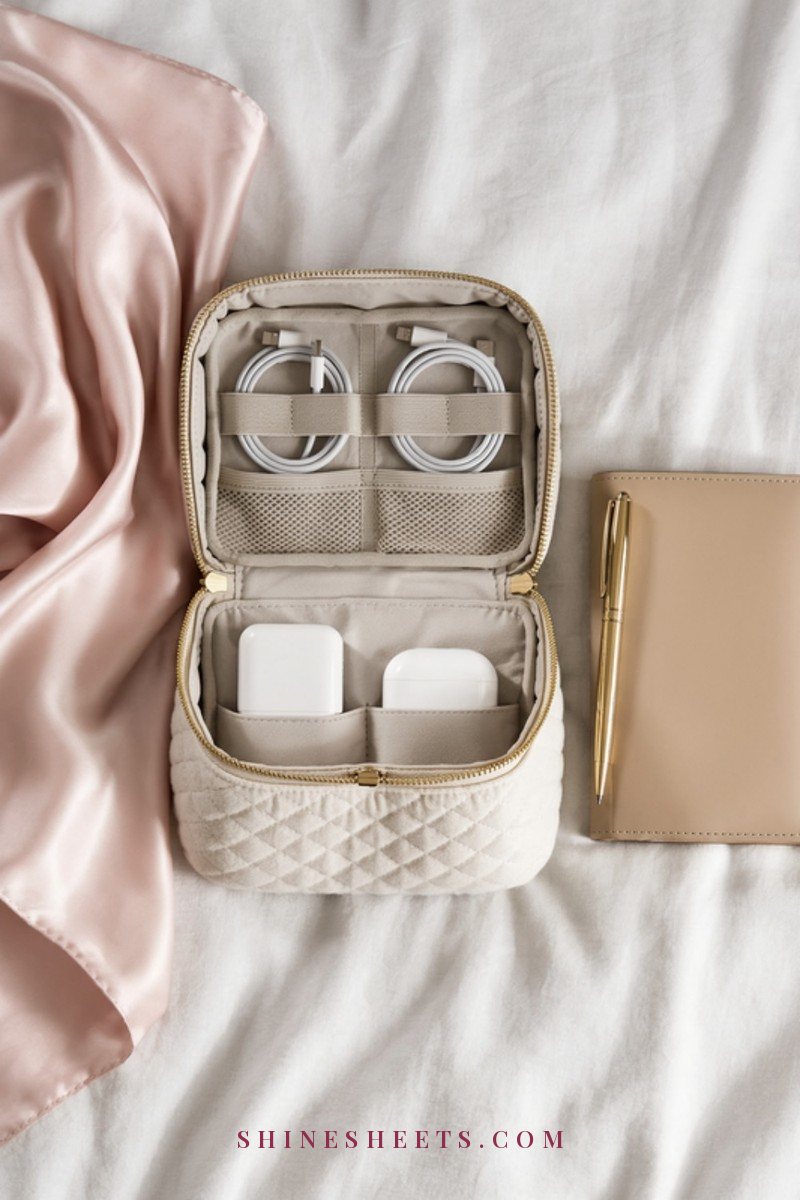
Sticks don't leak, they count as solids for most travel rules, and they're small enough to tuck into any bag. That makes them perfect for weekends away, beach days and the bag you take to work.
A beige cosmetic pouch is a pick for keeping your stick, a lip balm and a few wipes together, so they don't pick up lint and crumbs from the bottom of your bag. Keep the pouch out of direct sun and hot cars, as heat can soften or break down the formula.
4. Kids' Faces
Children often squirm through lotion, and a stick can turn sunscreen into a quick game. Look for formulas made specifically for kids, usually mineral and fragrance-free, and still use the slow, overlapping passes. Many kids enjoy "drawing" on their own cheeks with a little help.
For babies under six months, the usual advice is to keep them in the shade and in light, covering clothes rather than relying on sunscreen, so check with your pediatrician before using any sunscreen on very young babies.
When a Lotion or Fluid Is Better
For your main daily layer on the whole face, a lotion, cream or fluid is usually the easier and more reliable choice. You can measure the amount, spread it evenly and see that every area is covered. Then use a stick for touch-ups and extra spots during the day.
A Korean-style lightweight sun fluid is a pick for combination skin like mine, because it sits lightly under makeup and doesn't make a shiny T-zone shinier. Apply your two-finger amount in the morning, let it settle for a few minutes, and keep your stick for later.
A fluid is also better when you have large areas to cover, like your arms, chest and legs. Sticks can technically cover them, but you'd need a lot of passes, and it's easy to end up patchy.
And remember that daylight reaches you through windows too, so a morning layer matters even on quieter days. My guide on sunscreen indoors and on cloudy days explains when that matters most.
5 Things To Check Before You Buy
Sunscreen sticks vary a lot in texture and protection. These five details on the label tell you most of what you need to know.
1. Broad Spectrum
"Broad spectrum" means the sunscreen protects against both UVB rays (the main cause of sunburn) and UVA rays (which reach deeper and contribute to skin aging). Always look for this wording. SPF alone only tells you about UVB.
2. SPF 30 or Higher
Dermatologists generally recommend SPF 30 or higher for everyday use. Because sticks are so easy to under-apply, choosing at least SPF 30 gives you a little more margin. Higher numbers don't mean you can apply less, though. Technique still matters.
3. Water Resistance
If you'll be swimming or sweating, look for "water resistant" on the label, usually with a time of 40 or 80 minutes. That's how long it keeps working in water before you need to reapply. No sunscreen is fully waterproof, so always reapply after towel-drying.
4. Mineral or Chemical Filters
Mineral sticks use zinc oxide or titanium dioxide and often suit sensitive skin and kids well, though they can leave a slight white cast. Chemical sticks tend to feel lighter and look clearer. Neither type is better for everyone. My guide on mineral vs chemical sunscreen explains the differences in more detail.
5. Clear or Tinted Finish
Clear sticks are invisible on most skin tones and lovely for bare skin and quick touch-ups. Tinted sticks blend better over makeup and hide white cast, but check that the shade suits your skin before using one all over. Some sticks also have a matte, dewy or balm-like finish, so think about how your skin usually behaves by midday.
Sunscreen Stick Comparison Table
Here's the heart of this guide: a quick comparison of the most common stick types, so you can match one to your skin and your day. Screenshot it for the next time you're standing in front of a shelf of sticks.
| Stick Type | Finish | Best Area | How Many Passes | Who It Suits |
|---|---|---|---|---|
| Clear chemical stick | Invisible, slightly glossy or balmy | Nose, cheekbones, ears, hairline | About 4 slow passes per area, then blend | Bare skin, deeper skin tones, quick touch-ups |
| Clear matte stick | Invisible, soft matte | Forehead, nose, chin | About 4 slow passes per area, then pat | Oily and combination skin, shiny T-zones |
| Tinted mineral stick | Light coverage, natural | Whole face over makeup, under eyes | About 4 passes per area, press with a sponge | Makeup wearers, sensitive skin, white-cast worries |
| Untinted mineral stick | Slight white cast, creamy | Nose, ears, small high points | About 4 passes, blend well with fingers | Sensitive skin, very fair skin, kids (kid formulas) |
| Water-resistant sport stick | Firm, can feel waxy | Face, ears, neck before swimming or sweating | About 4 slow passes, reapply after towel-drying | Active days, beach and pool, outdoor workouts |
If you're not sure which filters suit your skin, my guide on how to choose the right active sunscreen ingredients goes a step deeper.
Keeping Your Sunscreen Stick Clean
Because a stick touches your skin directly, it picks up oil, makeup and anything else on your face. A little care keeps it hygienic:
- Wipe the top. After each use, glide the surface gently over a clean tissue to remove makeup and residue.
- Don't share. Treat your sunscreen stick like a lip balm. Give each family member their own, especially kids.
- Apply on clean skin when you can. If you're reapplying over a sweaty or dusty face, blot with a tissue first.
- Cap it tightly. This keeps out lint and stops the surface from drying out.
- Check the date. Sunscreen loses effectiveness over time. If your stick has expired, changed smell or color, or turned grainy, replace it.
How Often To Reapply Outdoors
When you're outside, reapply about every two hours, and right after swimming, heavy sweating or towel-drying. Sticks make this much easier, which is one of their best qualities.
A simple habit: keep your stick in the same bag pocket and reapply whenever you take a water break. Use the same four slow passes per area each time. A quick swipe in the afternoon sun is exactly when under-applying is most tempting.
Common Sunscreen Stick Mistakes
Most stick problems come from a handful of small habits. They're easy to fix once you know them.
- Using a stick as your only morning layer. It can work, but it's much easier to under-apply. Start the day with a measured lotion or fluid and let the stick do the touch-ups.
- Swiping once and walking away. One pass is the most common mistake of all. Count your passes for the first week until four slow ones feel automatic.
- Pressing too hard on dry skin. A firm stick dragged across dry or flaky patches can feel uncomfortable and leave streaks. Moisturize first, wait a minute or two, then glide gently.
- Applying over a sweaty face. Product slides around on damp skin. Blot with a tissue first, then reapply.
- Leaving it in a hot car or beach bag in direct sun. Heat can soften the stick and weaken the filters. Keep it in a shaded pocket or your pouch.
- Forgetting the body. Sticks are made for small areas. For shoulders, arms and legs, reach for a lotion or spray instead.
If you have combination skin with a shiny T-zone like mine, one more tip: balmy sticks can feel heavy across the forehead and nose. A matte clear stick or a tinted mineral stick usually sits more comfortably there, and you can save the richer balm sticks for drier cheeks or the tops of your ears.
And if a stick ever stings around your eyes, don't push through it. Rinse with cool water, switch to a mineral formula for the area around your eyes and keep your passes a little farther from the lash line.
Sticks Are One Part of Sun Care
A sunscreen stick is a helpful tool, but it doesn't replace other sun protection. On bright days, shade, sunglasses and a wide-brimmed hat all do a lot of the work. A cream wide-brim sun hat is a pick for shading your face, ears and neck at the same time (and it adds a little Old Hollywood charm to a summer outfit).
Try to plan outdoor time around the strongest midday sun when you can, and cover up with light, breathable clothing on long days outside.
A quick safety note: always patch test a new sunscreen, especially if your skin is sensitive. Apply a small amount along your jawline or behind your ear for a few days before using it all over. If you notice redness, itching or a rash that doesn't settle, stop using it and see a dermatologist, particularly if reactions keep coming back.
Final Thoughts
Sunscreen sticks are wonderful little helpers once you know their secret: slow, overlapping passes, a gentle blend and a few extra strokes for the spots everyone misses. Use a lotion or fluid as your main layer, keep a stick in your bag for touch-ups and give it the same care you'd give a lip balm.
With that small change in habit, your stick can go from a quick swipe that looks like protection to a reliable part of caring for your skin every day.