
Condensation on windows is not really a window problem. It is a humidity problem that happens to show up on the coldest surface in the room. Once you understand that, the fix stops being "wipe harder" and becomes "send less moisture into the air and let more of it out," which is far easier and far more lasting.
A little fog on a frosty morning is normal and harmless. Daily drips, puddles on the sill, peeling paint and little black dots in the corners are your home's polite way of saying the air is holding more water than it can manage. The good news is that most of it can be fixed with small daily habits and one or two inexpensive tools.
This guide covers how to stop condensation on windows in winter: why it happens, the humidity number to aim for, twelve practical fixes, a room-by-room table, how to clean small mildew spots safely and when it is time to call a professional. I find it oddly satisfying to watch a window that used to stream every morning stay clear, and I hope you will too.
Why Windows Sweat in Winter

Warm air can hold more moisture than cold air. When warm, moist indoor air touches cold glass, it cools down quickly, can no longer hold all that water vapor and releases it as tiny droplets. The temperature at which this happens is called the dew point, and on a winter morning your window glass is usually well below it.
Where does all that moisture come from? From everyday life. Showers, cooking, boiling a kettle, drying laundry indoors, houseplants, pets and even breathing while you sleep all add water to the air. A household can easily add several liters of moisture to the air in a single day, and in winter, with windows closed and heating on, it has nowhere to go.
Older single-glazed windows and aluminum frames get colder than modern double glazing, so they tend to fog first and worst. That does not mean you need new windows, only that those rooms deserve a little extra airflow and attention.
Moisture build-up is also why condensation is often worst in bedrooms in the morning (a closed door, two people breathing all night, a cool room) and in bathrooms and kitchens right after use.
When Window Condensation Is a Problem
Not every foggy pane needs action. Here is a simple way to tell the difference:
- Usually fine: light fog on the inside of the glass on very cold mornings that clears within an hour or two of opening the blinds.
- Worth fixing: water that runs down the glass and pools on the sill every day, even on milder days.
- Act soon: peeling or bubbling paint on frames, swollen or soft wood, damp curtain hems, black or gray spots in corners and seals, or a musty smell in the room.
- Call a pro: mold spreading onto walls or ceilings, rot in the frame, or fog between the panes of double glazing (more on that below).
Condensation on the outside of modern windows on a cool morning is actually a sign that your glass is insulating well, so that one you can simply enjoy.
Know Your Number: Aim for 30–50% Indoor Humidity

The single most useful thing you can do is measure. Indoor humidity between 30% and 50% is the comfortable, healthy range for most homes, and the U.S. Environmental Protection Agency recommends keeping it below 60% to help prevent mold (their guide to mold and moisture is a clear, calm read).
In very cold weather, aim for the lower half of that range, around 30–40%, because the colder the glass, the sooner moisture condenses on it. If you are seeing heavy condensation at 55%, simply bringing it down to 40% often makes the difference.
A small digital hygrometer costs very little and tells you the humidity at a glance. Put it in the room with the worst windows (often the bedroom), away from the kettle and the bathroom door, and check it morning and evening for a week. That week of numbers will tell you more than any guesswork.
12 Ways To Stop Condensation on Windows
You do not need all twelve. Start with the first three or four, check your hygrometer after a week, and add more only if you need them.
1. Squeegee and Wipe Every Morning
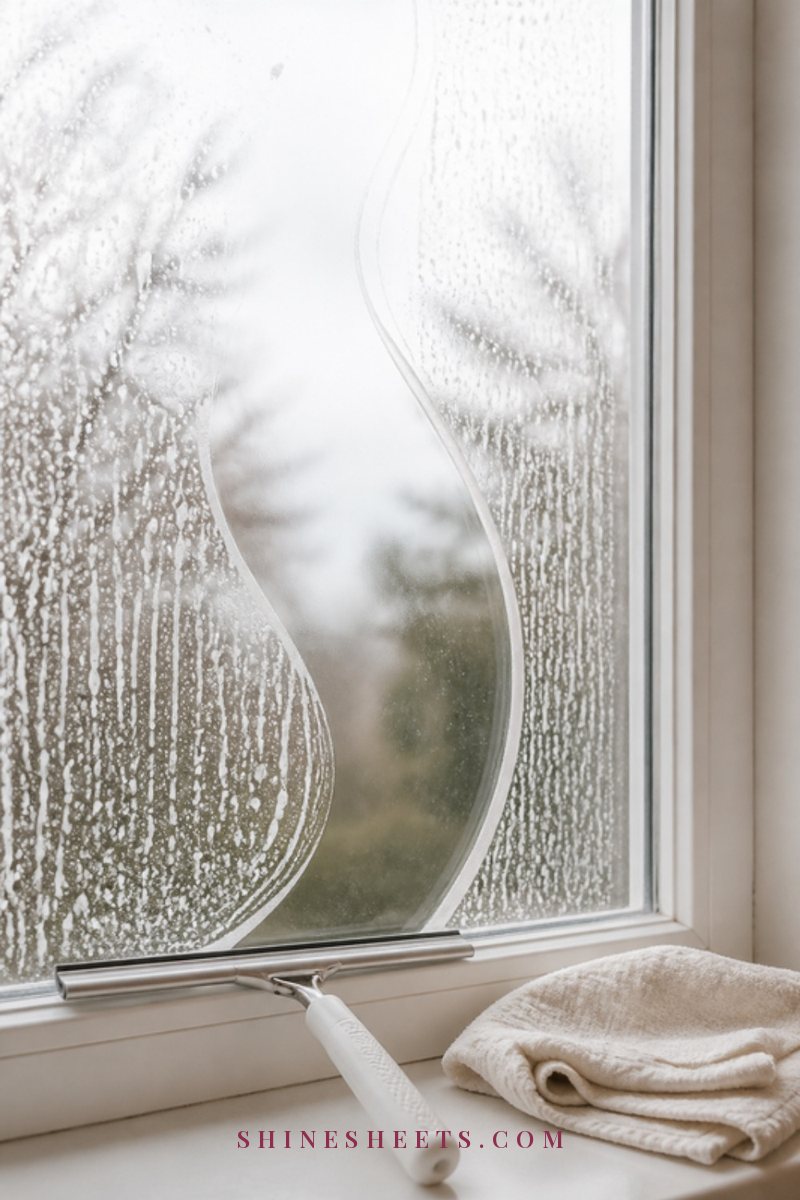
This is the quick daily rescue. Every morning, run a small window squeegee down the glass from top to bottom, then dry the sill and the bottom of the frame with an absorbent cloth. It takes about two minutes per room and stops water from soaking into wood, paint and caulk.
Wring the water into the sink rather than letting it evaporate back into the room. A stack of soft microfiber cloths kept in a basket near the worst windows makes this a habit instead of a chore. Wash them hot once a week.
2. Run Extractor Fans During and After Showers
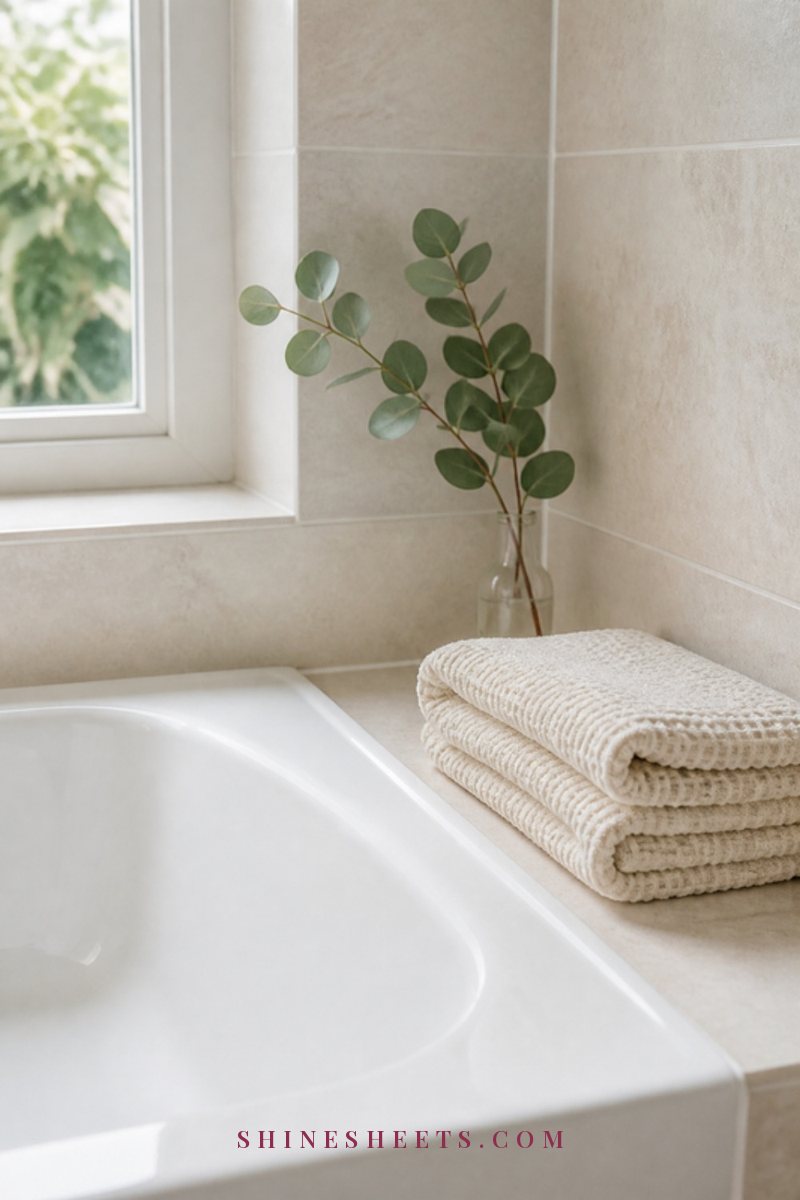
A hot shower is the biggest single moisture source in most homes. Turn the bathroom fan on when you start the shower and leave it running for 20 minutes afterward. Keep the bathroom door closed while it runs so the steam goes out rather than into the hallway and bedrooms.
If you have no fan, crack the window for 10–15 minutes after showering and wipe the tiles and glass with a squeegee. For more easy habits that keep this room fresh, my guide on keeping your bathroom clean every day pairs nicely with this one.
3. Use the Kitchen Fan and Put Lids on Pots
Cooking produces a surprising amount of steam. Use the range hood on its highest setting while you cook and for about 20 minutes afterward, put lids on pots and pans, and switch the kettle off as soon as it boils. Make sure the hood actually vents outside; some only filter and recirculate, in which case a cracked window helps more.
4. Don't Dry Laundry in Bedrooms

A single load of wet laundry can release a couple of liters of water into the air as it dries. If you dry clothes indoors, keep the rack in a room you can close off, such as a bathroom or laundry room, with the fan running or a window slightly open. Never dry laundry in the bedroom, and make sure a tumble dryer vents outside (and that the vent is clear).
5. Open Blinds and Curtains by Day
Heavy curtains and closed blinds trap a pocket of cold air against the glass, which makes condensation worse. Open them fully every morning so warm room air can reach the window and the sun can help dry it. At night, closing them helps keep heat in, just leave a small gap at the bottom if your windows tend to stream.
If your curtain hems already feel damp or smell musty, they deserve a refresh; here is how to clean curtains without taking them down.
6. Air Out the House Twice a Day
Open windows on opposite sides of your home for 5–10 minutes, once in the morning and once in the evening. This cross-ventilation swaps humid indoor air for drier outdoor air quickly, without chilling walls and furniture. Short, wide-open airing is far more effective (and warmer) than leaving one window tilted open all day.
7. Move Furniture Off Outer Walls
Wardrobes, beds and sofas pushed tight against cold exterior walls create still, cold pockets where moisture settles and mold loves to grow. Leave a gap of about 2–4 inches (5–10 cm) so air can move behind them, and check behind large pieces once a month in winter.
8. Run a Dehumidifier in Damp Rooms

If your hygrometer keeps reading above 50% even after the daily habits, a compact dehumidifier is the most reliable fix. Look for one with a built-in humidistat so you can set it to around 45% and let it switch on and off by itself, an auto shut-off for when the tank is full, and a quiet night mode for bedrooms.
Run it with the door closed for the best effect, empty the tank daily, and clean the filter every couple of weeks. In a cold room, a desiccant model tends to work better than a compressor model, which can struggle at low temperatures.
9. Keep the Heat Steady
Big swings, a cold house all day and a blast of heat in the evening, create the perfect conditions for condensation. A steady, moderate temperature keeps walls and glass warmer, so moisture is less likely to settle. Even keeping unused rooms a little warm, rather than completely unheated, helps. For more ways to hold heat in without cranking the thermostat, see my guide on making your home warmer in winter.
10. Add Window Insulation Film (Renter-Friendly)
For single-glazed or drafty windows, a clear window insulation film kit is a brilliant renter-friendly fix. You stick double-sided tape around the frame, stretch the film across, and shrink it tight with a hairdryer. It creates an insulating layer of air, keeps the inner surface warmer and peels off in spring without damage (test the tape on a hidden spot of the frame first).
11. Watch Humidifiers, Plants and Kettles
A humidifier can be lovely for dry skin, but if your windows are streaming, it is adding moisture you do not need. Turn it down or off until your hygrometer reads below 45%, and keep it clean if you use it (here is how to clean a humidifier properly). Large groups of houseplants and uncovered aquariums also add moisture, so move them away from the worst windows.
12. Keep Trickle Vents and Air Bricks Clear
Many modern windows have small slotted vents at the top of the frame, called trickle vents. They are there to let a tiny, constant flow of air through, so keep them open all winter and vacuum them gently once a month. The same goes for any wall vents: never block them with furniture or tape.
Room-by-Room Condensation Table
Screenshot this table and keep it for the cold months. It shows where condensation usually comes from in each room and what helps right away versus over time.
| Room | Main cause | Quick fix | Longer-term fix |
|---|---|---|---|
| Bedroom | Breathing overnight, closed door, cool room | Squeegee in the morning, open blinds, air out for 10 minutes | Dehumidifier set to 45%, furniture off outer walls, steady heat |
| Bathroom | Steam from showers and baths | Fan on during and 20 minutes after, door closed | Fix or upgrade a weak extractor fan, wipe glass and tiles daily |
| Kitchen | Cooking steam, kettle, dishwasher | Lids on pots, range hood on high | Make sure the hood vents outside, clean its filter |
| Living room | Plants, humidifier, closed curtains | Open curtains by day, humidifier off | Move plants away from glass, insulation film on cold windows |
| Laundry area | Wet laundry drying indoors | Close the door, crack the window | Dryer vented outside, dehumidifier near the drying rack |
| Spare or unused room | No heat, no airflow | Leave the door open, air out daily | Low steady heat, trickle vents open |
How To Clean Mildew Off Window Sills Safely
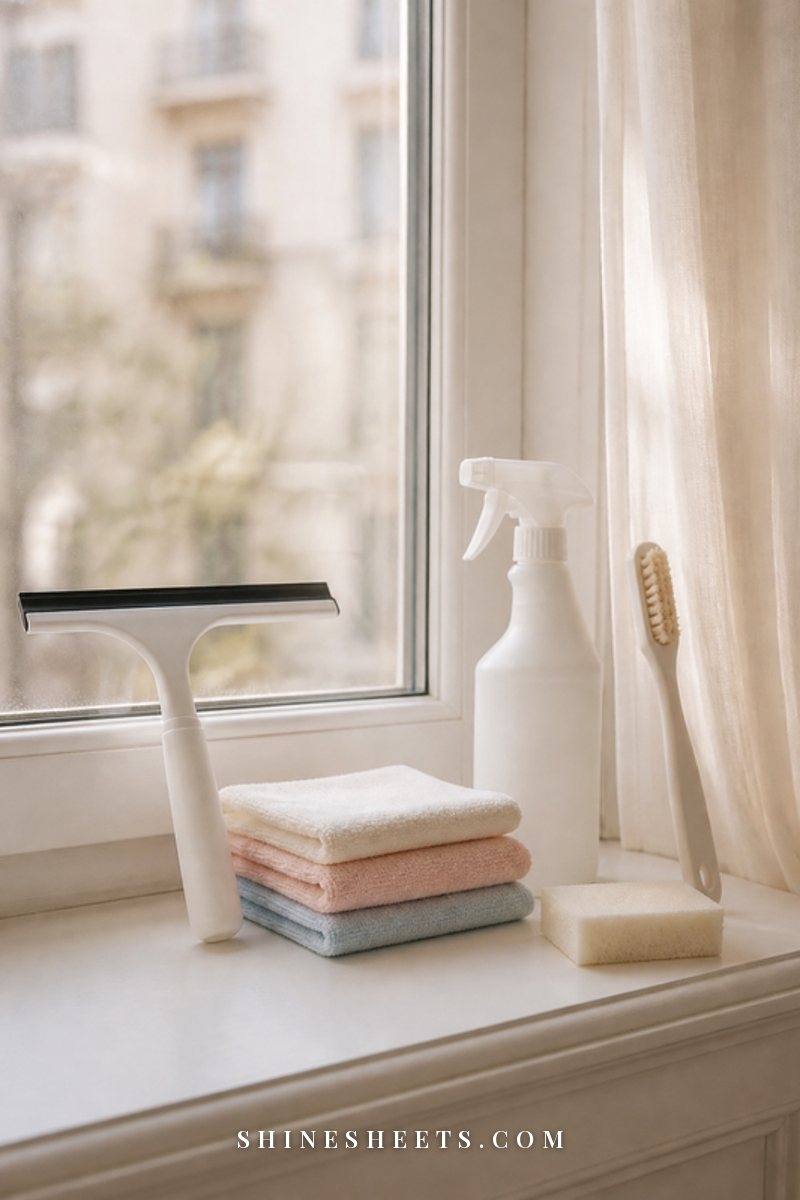
Small gray or black spots on a sill or in the corners of a frame are usually surface mildew, and you can clean them yourself when the area is small. Open the window, put on rubber gloves and test any cleaner on a hidden spot first, especially on painted or wooden frames.
- Start gentle. Mix a few drops of dish soap into warm water in a spray bottle, spray the spots and let it sit for 5 minutes.
- Scrub lightly. Use a soft brush or an old toothbrush on corners and seals, then wipe with a damp cloth.
- For stubborn spots, use plain white vinegar on its own. Spray it undiluted, leave it for about 15 minutes, scrub and wipe clean. Avoid vinegar on natural stone sills, since it can etch them.
- Dry completely. Finish with a dry cloth and leave the window open for a few minutes so everything dries fully.
If you prefer a diluted bleach product for white vinyl frames, use it alone, with gloves and the window open. Never mix bleach with vinegar or ammonia, because it releases harmful fumes. And while you are working at window level, the tracks and glass usually need attention too: my guides on how to clean windows streak-free and how to clean window tracks pick up right where this one ends.
4 Common Condensation Mistakes
A few well-meant habits quietly make things worse. If your windows are still streaming after a couple of weeks, check whether one of these is the reason:
- Wiping the glass but leaving the cloth to dry on the radiator. The water simply goes back into the air. Wring cloths into the sink and dry them in a ventilated spot.
- Turning the bathroom fan off as soon as the shower stops. Most of the steam is still in the room. Those extra 20 minutes do the real work.
- Keeping every window shut tight to save heat. Five to ten minutes of wide-open airing loses far less warmth than you might think, and dry air actually heats up faster than damp air.
- Covering the problem instead of fixing it. Painting over black spots or hiding them behind a curtain lets moisture keep soaking into the frame. Clean, dry and then deal with the cause.
None of these are big failings, by the way. They are just habits nobody ever explained, and they are easy to change once you know.
When To Call a Professional
Some signs go beyond everyday condensation, and a professional will save you time, money and worry:
- Mold that keeps coming back within days of cleaning, or that spreads onto walls, ceilings or furniture. The EPA suggests professional help for moldy areas larger than about 10 square feet.
- Fog between the panes of double glazing. This means the seal has failed. You cannot wipe it away; a glazier can usually replace just the sealed unit rather than the whole window.
- Soft, dark or crumbling window frames, which can point to rot.
- A persistent musty smell even when everything looks dry, or damp patches on walls with no clear cause, which may mean a leak.
- Humidity that stays above 60% despite fans, airing and a dehumidifier, which can point to a ventilation issue a professional should check.
A gentle health note: if anyone in your home has asthma, allergies or a weakened immune system, treat visible mold sooner rather than later and ask your doctor if symptoms seem to get worse at home.
A Simple Daily Window Rhythm for Winter

Putting it all together, here is the small rhythm that keeps most homes clear through the coldest weeks:
- Morning (5 minutes): open blinds, squeegee and wipe any wet glass, air out for 5–10 minutes, glance at the hygrometer.
- During the day: fans on for showers and cooking, lids on pots, laundry drying in a closed-off room.
- Evening (5 minutes): air out once more, empty the dehumidifier tank if you use one, close curtains with a small gap at the bottom.
- Once a week: wash the cloths, check corners and behind furniture, vacuum the trickle vents.
After a week or two, you will know exactly which rooms need extra help and which simply needed a little more airflow.
Final Thoughts
Stopping window condensation is mostly about gentle consistency: a two-minute wipe, a fan left running a little longer, a window opened for a few minutes twice a day. Watch your humidity number, fix the one or two rooms that need it most, and your windows will stay clearer, your sills drier and your home fresher all winter long.