Those tiny gray dots across your nose are probably not blackheads. Most of the time they're sebaceous filaments, a completely normal part of how skin works, and no amount of squeezing, scrubbing or pore strips will make them disappear for good. Knowing which one you're looking at changes everything: how you treat it, how much effort is worth spending, and how kindly you look at your own face in the bathroom mirror.
I have combination skin with a shiny T-zone, so my nose has had its share of attention over the years. It took me a while to understand that some dots are meant to be there, and that "managing" them is a much calmer goal than "getting rid of" them.
In this guide on sebaceous filaments vs blackheads, you'll learn what each one is, how to tell them apart at home, why squeezing backfires, which ingredients actually help (BHA, oil cleansing, clay masks, niacinamide and retinoids), what to skip, realistic expectations and a simple weekly routine. There's also a side-by-side comparison table you can screenshot.
What Are Sebaceous Filaments?

Sebaceous filaments are thin, hair-like collections of sebum (your skin's natural oil) and dead skin cells that line the inside of your pores. Their job is to guide oil from the oil gland up to the surface of your skin, where it helps keep skin soft and protected. Everyone has them. They're simply more visible on people with oilier skin or larger pores.
You'll usually see them on the nose, the inner cheeks right beside the nose, the chin and sometimes the forehead. They look like small, flat, evenly spaced dots in a light gray, tan or yellowish shade. Because they're part of your pore structure, they refill within a few weeks after being emptied. That's not a sign that something is wrong. It's a sign your skin is working.
What Are Blackheads?
Blackheads are a mild form of acne called open comedones. They form when a pore gets clogged with a plug of oil and dead skin cells that's bigger and firmer than a filament. Because the top of the plug is exposed to air, it oxidizes and turns dark, which is where the black or deep brown color comes from (it's not dirt, which is a relief to know).
Blackheads tend to appear more randomly than filaments, they can feel slightly raised or bumpy, and they can show up anywhere with oil glands: the nose, chin, forehead, cheeks, behind the ears, the chest and the back. Unlike filaments, a true blackhead doesn't need to be there, and with the right routine, many of them can be cleared and kept at bay.
Sebaceous Filaments vs Blackheads: Side by Side

This is the quick comparison to come back to whenever you're unsure. Screenshot it for the next time you're tempted to reach for a pore strip.
| Feature | Sebaceous filaments | Blackheads |
|---|---|---|
| Color | Light gray, tan or yellowish | Dark brown to black |
| Shape and feel | Tiny, flat, smooth to the touch | Slightly larger, can feel raised or bumpy |
| Pattern | Evenly spaced, very uniform | Random, scattered, different sizes |
| Where | Nose, inner cheeks, chin | Nose, chin, forehead, cheeks, ears, chest, back |
| After gentle pressure | A thin, pale, thread-like strand, if anything | A firmer, dark-tipped plug |
| Is it acne? | No, it's normal skin structure | Yes, a mild form of acne |
| Comes back after emptying? | Yes, within about 2–4 weeks | Not necessarily, if the pore stays clear |
| Realistic goal | Make them less visible | Clear them and prevent new ones |
How To Tell Them Apart at Home
Stand in good natural light with clean, dry skin and look at the area from a normal distance first, then closer. Ask yourself four questions:
- What color are they? Pale gray or beige points to filaments. Truly dark points to blackheads.
- Are they evenly spaced? A neat, almost grid-like pattern across the nose is classic filament territory. Random spots of different sizes suggest blackheads.
- Can you feel them? Run a clean fingertip over the area. Filaments feel smooth. Blackheads often feel like tiny bumps.
- Where else are they? Dots only on the nose and inner cheeks are usually filaments. Dark spots on the chin, forehead, back or chest are more likely blackheads.
Many people have both at once, and that's normal too. A magnifying mirror tends to make everything look dramatic, so trust the normal-distance view more. That's how everyone else sees your skin.
Why Some People Have More Visible Filaments
If your friend's nose looks smooth and yours looks dotted, it isn't because you're doing something wrong. A few things decide how visible filaments are:
- Oil production. Oilier skin fills the pores more fully, so the filaments show more. That's often genetic and can shift with hormones.
- Pore size. Larger pores (also mostly genetic) make the contents easier to see. Pores also tend to look bigger as skin loses some firmness over the years.
- Climate and season. Heat and humidity usually mean more oil and more visible filaments, which is why many people notice them more in summer.
- Dead skin buildup. When the surface isn't shedding smoothly, the tops of filaments catch more debris and look darker.
- Sun damage. Over time, UV exposure can weaken the skin around pores, making them look stretched. Daily sunscreen is quietly one of the best pore products there is.
You can't change your genes, but you can influence the last three, and that's where a gentle routine earns its keep.
Why Squeezing Doesn't Help Filaments
When you squeeze a filament, a thin, pale strand comes out, which feels satisfying for a moment. But the pore refills within a few weeks because producing that strand is its normal job. Meanwhile, squeezing stretches the pore opening, can break tiny blood vessels, pushes bacteria deeper and may leave red marks that linger far longer than the filament would have been visible.
Even with blackheads, squeezing at home often does more harm than good, especially with fingernails or metal tools. If a blackhead is very stubborn, a dermatologist or licensed esthetician can extract it safely. For everything else, the ingredients below do the work gently over time.
What Actually Helps
The goal is to keep oil flowing smoothly so it doesn't build up and darken in the pore. These are the ingredients and habits with the best track record. You don't need all of them. Pick two or three that suit your skin and give them six to eight weeks.
BHA (Salicylic Acid)
Salicylic acid is oil-soluble, which means it can travel into the pore and loosen the mix of oil and dead skin from the inside. That makes it the most helpful single ingredient for both filaments and blackheads. A 2% BHA liquid exfoliant is a pick for oily and combination skin: look for a lightweight, fragrance-free formula you can apply with a cotton pad or your fingers.
Start two or three evenings a week on clean, dry skin, and only increase to daily if your skin stays calm. If you're also using AHAs, my guide on AHA vs BHA explains how to choose between them or combine them safely.
Oil Cleansing
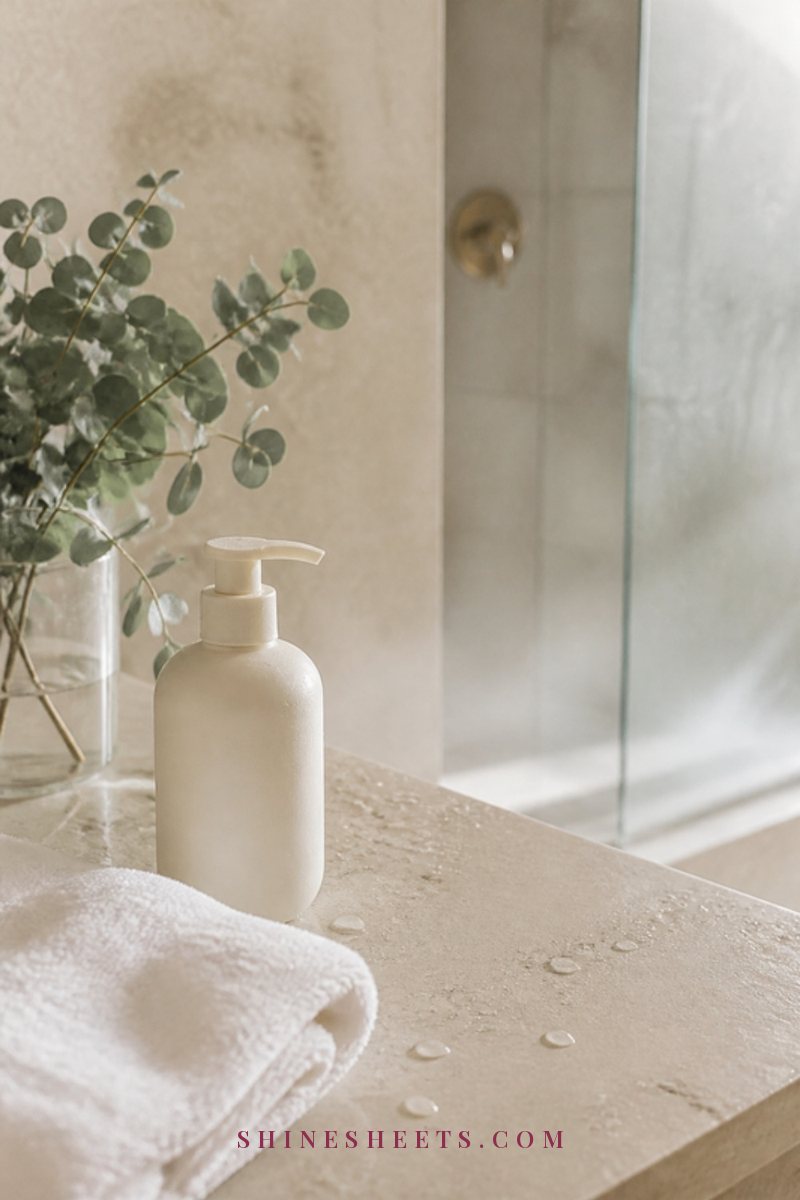
It sounds backward, but oil dissolves oil. A gentle cleansing oil massaged onto dry skin for 60 seconds helps loosen the soft tops of filaments and lifts sunscreen and makeup that can sit in pores. Look for one that emulsifies (turns milky) when you add water, so it rinses clean without a greasy film.
Follow it with a gentle water-based cleanser. This two-step method is exactly what double cleansing is, and many people with visible pores notice smoother skin within a few weeks.
Clay Masks
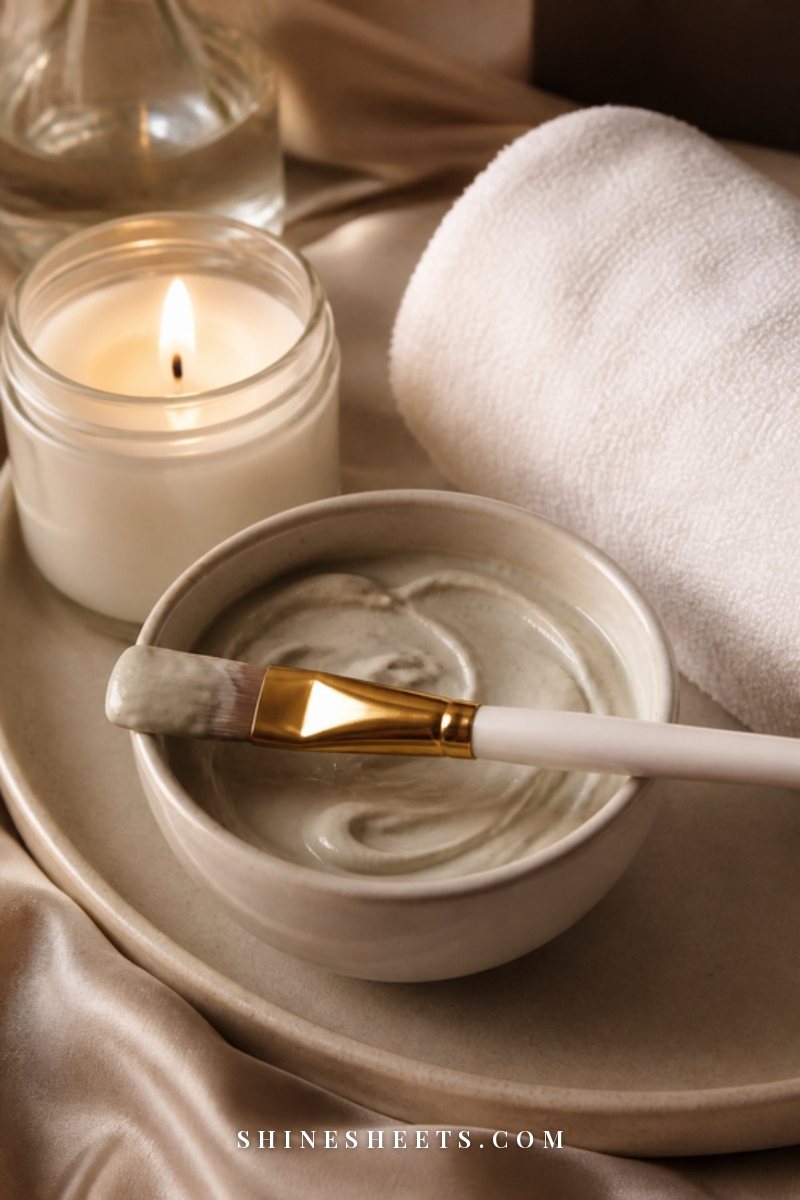
Clay absorbs excess oil from the surface, which can make filaments look less obvious for a few days. A kaolin clay mask is a softer choice for combination or sensitive skin than stronger bentonite formulas. Apply a thin layer to the T-zone only, leave it on for 8–10 minutes and rinse before it cracks completely. Once or twice a week is plenty, and always follow with moisturizer.
Niacinamide
Niacinamide helps balance oil and can make pores look smaller and more refined over time. It's gentle, plays well with most ingredients and suits sensitive skin. A niacinamide serum in the morning or evening, before moisturizer, is an easy addition. If your skin is sensitive, a formula with 4–5% is often just as helpful as higher strengths and less likely to sting. My full guide on niacinamide covers how to fit it into your routine.
Retinoids
Retinoids speed up skin cell turnover, which helps keep pores from clogging in the first place. They're especially useful for true blackheads. Start with a gentle over-the-counter retinol or adapalene gel two nights a week, a pea-sized amount for the whole face, and increase slowly. Expect a little dryness at first, wear sunscreen every morning, and don't use retinoids on the same night as BHA until your skin is used to both. If you're pregnant or breastfeeding, ask your doctor before using retinoids.
What To Avoid
A few popular habits make pores look worse in the long run:
- Overusing pore strips. They pull out the tops of filaments (and some healthy skin), the pores refill quickly, and frequent use can irritate the area. If you love them, keep it to once a month at most.
- Harsh physical scrubs. Gritty scrubs can cause tiny tears and redness without reaching inside the pore.
- Stripping cleansers. Skin that feels squeaky and tight may produce more oil to compensate.
- Heavy, pore-clogging products on the T-zone. Thick balms and oils can make filaments more visible if your skin is oily.
- Too many actives at once. BHA, retinoid and a clay mask on the same evening is a fast route to irritation.
- Pinching with nails or tools at home. This is how temporary dots become lasting marks.
Realistic Expectations
This is the part I wish someone had told me earlier: sebaceous filaments will always be there to some degree. The best routine in the world makes them less visible, lighter in color and smaller looking. It doesn't erase them, and it isn't supposed to.
Blackheads can improve more dramatically. With consistent BHA, gentle cleansing and possibly a retinoid, many people see fewer new ones within six to twelve weeks. Skin cells take about a month to renew, so give each change at least that long before deciding it doesn't work. For more on keeping pores looking calm, my pore care guide goes into the everyday habits.
And one gentle reminder: nobody else is looking at your nose under a magnifying mirror. Pores are skin texture, not a flaw.
A Simple Routine Example
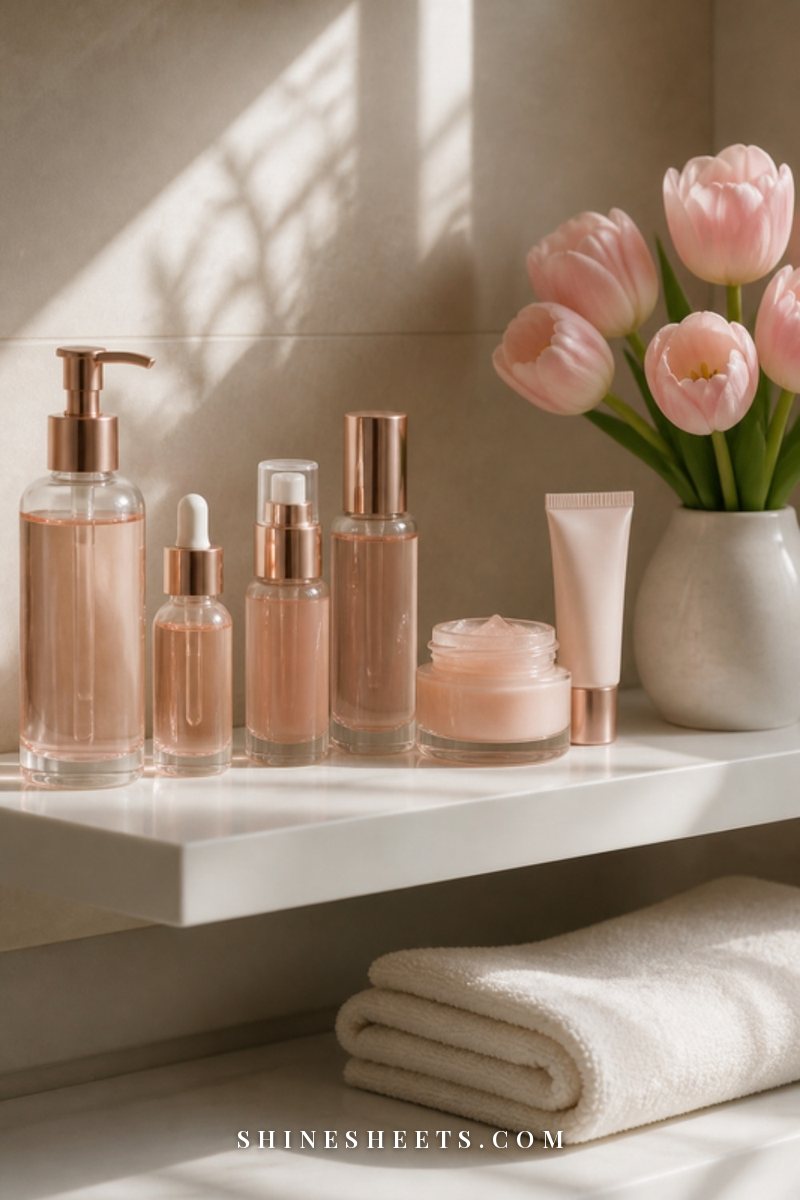
Here's an easy weekly rhythm for combination or oily skin. Adjust it if your skin feels tight or stings.
Every morning:
- Rinse with water or use a gentle cleanser.
- Apply niacinamide serum.
- Follow with an oil-free gel moisturizer that feels light on the T-zone.
- Finish with a broad-spectrum sunscreen you're happy to wear every day.
Evenings:
- Monday, Wednesday, Friday: cleansing oil, gentle cleanser, BHA, moisturizer.
- Tuesday and Saturday: cleansing oil, gentle cleanser, retinoid (if you use one), moisturizer.
- Thursday and Sunday: cleansing oil, gentle cleanser, moisturizer only. Add a 10-minute clay mask on the T-zone one of these nights.
Rest nights matter. Skin that's never given a break tends to become red and reactive, and irritated skin often makes pores look bigger, not smaller.
If your skin is sensitive or dry: start with BHA just twice a week, skip the retinoid for the first month, and use the clay mask only on the nose. Choose a creamier moisturizer for the cheeks and keep the gel one for the T-zone. Signs you're overdoing it are stinging when you apply moisturizer, tightness, flaking around the nose or new redness. If you notice any of these, pause all actives for a week and let your skin settle with just a gentle cleanser, moisturizer and sunscreen.
If your skin is very oily: you may tolerate BHA most evenings and a clay mask twice a week. Keep the rest nights anyway. Even resilient skin looks smoother when its barrier is calm.
Before you start any new active, patch test it on a small area (behind the ear or on the side of the jaw) for a few days to make sure your skin is happy with it.
Makeup Tips for Visible Pores
On days when you'd like your nose to look smoother, a few makeup habits help a lot:
- Use a mattifying or pore-blurring primer on the T-zone only, pressed in with your fingertip rather than rubbed.
- Apply foundation with a damp sponge in pressing motions. Brushing back and forth over pores can settle product into them.
- Keep layers thin on the nose. Heavy coverage tends to sit in pores and make them more obvious by the afternoon.
- Set the T-zone lightly with a translucent powder and blot during the day instead of adding more powder.
- Remove makeup fully every night. Oil cleansing is especially good at lifting foundation from pores.
Common Questions About Pores
Can Sebaceous Filaments Be Removed Permanently?
No, and that's okay. They're part of how your skin moisturizes itself. You can empty them temporarily and make them less noticeable with regular exfoliation and oil control, but they'll always refill. Professional treatments can reduce oil production for some people, which is a conversation for a dermatologist.
Does Steam Open Pores?
Pores don't have muscles, so they don't open and close. Warmth can soften the oil inside them a little, which is why a warm shower before cleansing feels nice. Very hot steam, though, can irritate sensitive skin and leave it red, so keep it warm and brief.
Does Sunscreen Clog Pores?
It can if the formula is heavy for your skin type. Look for a lightweight, non-comedogenic gel or fluid sunscreen, and remove it properly in the evening. Skipping sunscreen to protect your pores usually backfires, since sun damage makes pores look larger over time.
Are Blackheads a Sign of Poor Hygiene?
Not at all. Blackheads are caused by oil and skin cells, not dirt, and they happen to people who wash their face carefully twice a day. Over-washing can even make them worse by drying out the skin and triggering more oil.
When To See a Dermatologist
It's worth booking an appointment if blackheads are widespread and not improving after three months of a consistent routine, if you also have painful bumps, cysts or inflammation, if over-the-counter products keep irritating your skin, or if picking has left marks you'd like help with. A dermatologist can recommend prescription-strength retinoids, professional extractions or treatments that are safer than anything done at home. If you'd like more ideas first, my guide on how to get rid of blackheads and keep them at bay covers a few extra habits.
Final Thoughts
Once you know the difference, those tiny dots stop feeling like a problem to fight. Sebaceous filaments are part of healthy skin, and blackheads are a mild, very manageable kind of acne. A gentle routine with BHA, a good cleanse and a little patience does more than any amount of squeezing ever could.
Be soft with your skin and with yourself. Smooth, calm, healthy-looking skin is a far lovelier goal than poreless skin, and it's one you can actually reach.