Milia are one of those skin things that look like a problem you should be able to fix with your fingers – and that's exactly why they're so frustrating. Those tiny, firm, pearly white bumps aren't pimples at all. They're little pockets of trapped keratin sitting just under the surface, and squeezing them almost never works (it mostly leaves you with a red, angry spot where a calm white dot used to be).
The good news is that milia are harmless, very common and often fade on their own. The even better news is that a few quiet changes to your routine can make new ones much less likely. It took me a while to understand that the answer wasn't a stronger scrub or a better squeeze, but a lighter touch.
This guide covers everything about milia: what they are, how they differ from whiteheads (there's a side-by-side table to make it easy), why they show up, a gentle prevention routine, what a dermatologist can do and the mistakes worth skipping. Make yourself a cup of tea – we're going slowly and kindly here.
What Are Milia, Exactly?

Milia (one is called a milium) are tiny cysts, usually 1–2 millimeters across, filled with keratin – the same tough protein that makes up the outer layer of your skin, your hair and your nails. Normally, dead skin cells shed and float away without you noticing. Sometimes, though, a little bit of keratin gets trapped under a thin layer of skin and forms a small, hard, dome-shaped bump.
A few things make milia different from almost everything else on your face:
- They're firm. Press gently and they feel like a tiny grain of sand under the skin, not something soft or squishy.
- They're white or slightly yellowish. Often they look like a little pearl.
- They're not inflamed. No redness, no tenderness, no throbbing.
- They have no opening. There's no pore you can "clear" – the keratin is sealed in.
- They love thin skin. Under the eyes, on the eyelids, on the cheekbones and around the nose are favorite spots.
Dermatologists usually talk about two kinds. Primary milia form on their own, without any obvious trigger – they're very common in newborns and often appear in adults with no clear reason. Secondary milia show up after something has disturbed the skin, like a blister, a burn, a rash, strong sun exposure or heavy products that sit on the skin for a long time.
Either way, they're not a sign of poor hygiene and they're not a sign you've done something wrong. They're simply a little traffic jam in the way your skin renews itself.
Milia vs Whiteheads: How To Tell the Difference
This is where most of the confusion (and most of the squeezing) comes from. Milia and whiteheads can look surprisingly alike from a distance, but they're completely different under the surface. A whitehead is a clogged pore filled with oil and dead skin; milia are sealed keratin cysts with no pore involved at all. If you'd like the full picture on the other side, my guide to getting rid of whiteheads gently goes deeper.
Screenshot this table for the next time you're squinting at a bump in good lighting:
| Feature | Milia | Whiteheads |
|---|---|---|
| What it is | A tiny cyst of trapped keratin under the skin | A clogged pore filled with oil and dead skin cells |
| How it feels | Hard, like a grain of sand | Softer, slightly raised, sometimes tender |
| Color | Pearly white or pale yellow | White or skin-toned, sometimes with a pink edge |
| Redness | None | Can be mildly red or inflamed |
| Opening | No opening – sealed under the skin | A closed pore, but connected to a follicle |
| Common spots | Under the eyes, eyelids, cheekbones, nose | Forehead, chin, nose, jawline – oilier zones |
| How long it lasts | Weeks to months, sometimes longer | Days to a couple of weeks |
| Squeezing | Doesn't work – just damages skin | Not recommended either – risks marks |
| What helps | Gentle exfoliation, retinoids, lighter products, professional extraction | Salicylic acid, non-comedogenic products, patience |
The quickest test: if it's hard, perfectly round, painless and has been sitting in the same spot for weeks without changing, it's most likely milia. If it came up in a few days, feels a little sore and is near other breakouts, it's more likely a whitehead. When you're truly not sure, a dermatologist can tell in seconds.
Why Milia Show Up: Common Causes
Sometimes there's no clear reason at all, and that's okay. But when milia keep popping up in the same areas, one or more of these is often part of the story:
Heavy Creams Around the Eyes
The skin around your eyes is thinner than anywhere else on your face. Very rich, occlusive eye creams and thick night balms can sit on that skin for hours and make it harder for dead cells to shed normally. This is one of the most common triggers people notice – new milia appearing a few weeks after switching to a heavier eye product.
Sun Damage Over Time
Years of sun exposure thicken the outer layer of skin and make it rougher and slower to renew. That leathery texture can trap keratin more easily, which is why milia sometimes show up on cheekbones and around the eyes where the sun hits most.
Not Enough Exfoliation
Skin naturally sheds, but that process slows with time, dryness and certain skin types. Without any gentle exfoliation, dead cells can build up and make it easier for little cysts to form.
Skin Damage and Healing
Blisters, burns, harsh peels, aggressive scrubbing, some rashes and long-term use of strong steroid creams can all lead to secondary milia as the skin heals. If milia appeared after a treatment or an injury, mention that to your dermatologist.
Genetics
Some people are simply more prone to milia. If your mom or sister gets them, there's a good chance you might too, and that's nothing you caused.
Why You Shouldn't Squeeze or Pick Milia
I get it. They're right there, and they look so easy. But milia have no opening, which means there's nothing to "pop." When you squeeze, you're pressing a hard cyst against the thin skin around it, and that pressure can:
- Bruise or break tiny blood vessels, especially under the eyes.
- Tear the skin and let bacteria in.
- Leave a dark mark or a small scar that lasts far longer than the milium would have.
- Make the area red and swollen for days.
Please also skip the needle-at-home method you might see online. Dermatologists use sterile tools, magnification and a very specific technique, and the eye area is not a place to experiment. If one is really bothering you, that's a perfectly good reason to book an appointment – not a reason to reach for a pin.
A small, gentle permission here: you're allowed to leave them alone. Most people notice your milia far less than you do.
How To Prevent Milia: A Gentle Routine
There's no single product that makes milia disappear overnight, but a calm, consistent routine helps your skin shed the way it's supposed to. Think of it as keeping the path clear rather than attacking anything. Here's the order I'd follow.
Step 1: Cleanse Gently

Harsh cleansers strip your skin, and stressed, dry skin sheds less evenly. A mild, low-foam cleanser in lukewarm water is all you need – once in the evening is plenty for most people, with just a splash of water in the morning if your skin is dry or sensitive.
Look for a gentle, fragrance-free hydrating cleanser that leaves your skin feeling soft, not squeaky. Massage it in for about 30–60 seconds, rinse well and pat dry with a clean towel. No scrubbing brushes, no gritty scrubs – those can actually irritate the skin enough to cause secondary milia.
Step 2: Exfoliate Regularly, Away From the Eye Area
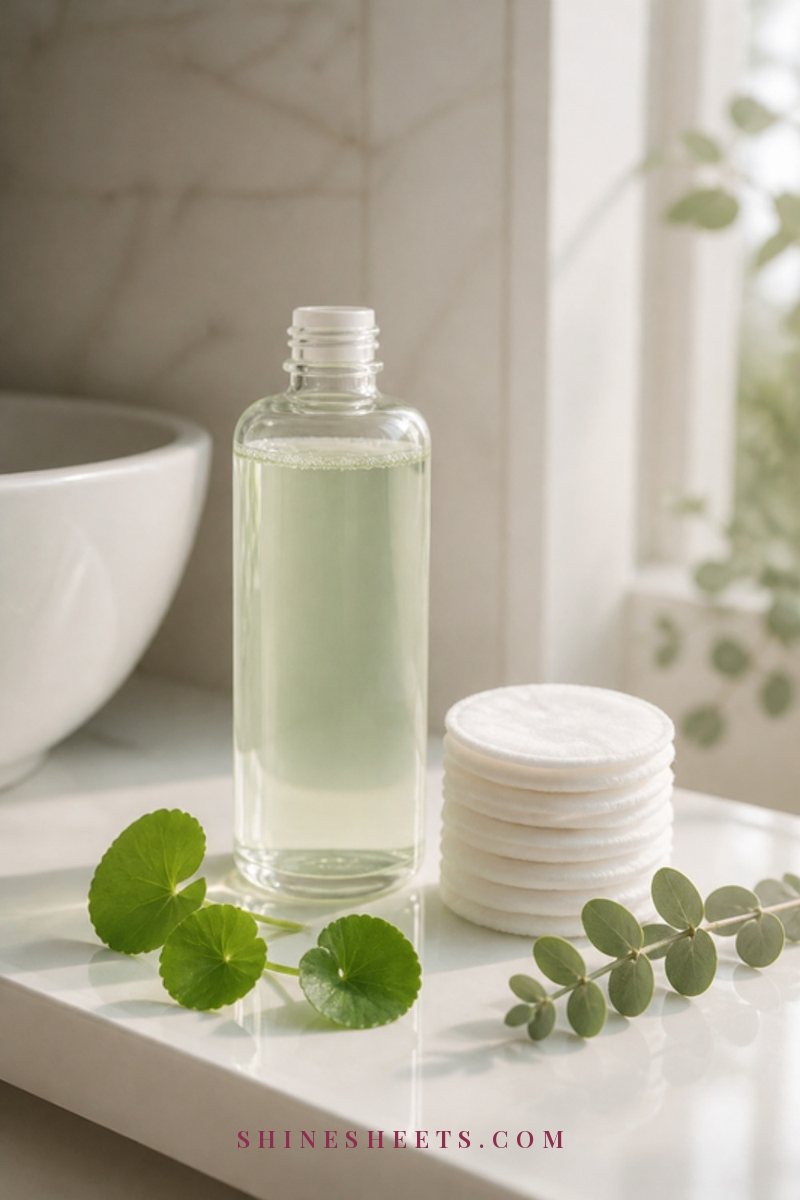
Gentle chemical exfoliation is one of the most helpful things you can do. Acids like lactic acid and glycolic acid loosen the "glue" between dead skin cells so they shed more evenly, which can help prevent new milia and slowly soften existing ones over time.
A good starting point is a mild AHA exfoliating toner used two to three evenings a week. Sweep it over your face with a cotton pad after cleansing, staying about a finger's width away from your lower lash line and skipping your eyelids completely. If you're new to acids, my guide on how to exfoliate your face walks through frequency and signs you're overdoing it.
Signs to slow down: stinging that lasts more than a minute, tightness, flaking or a shiny, "plastic" look. Exfoliation should feel like nothing much at all.
Step 3: Add a Retinoid Slowly
Retinoids speed up the rate at which your skin renews itself, which is why dermatologists often suggest them for people who get milia regularly. Start with a low-strength over-the-counter retinol, once or twice a week at night, and build up only if your skin stays calm.
A beginner-friendly low-strength retinol serum is the easiest way in. Use a pea-sized amount for the whole face, avoid the immediate eye area unless the product is made for it, and follow with moisturizer. My retinol for beginners guide has a slow start schedule if you've never used one before.
One important note: don't use your retinol and your AHA on the same night when you're starting out. Alternate them instead – this little guide to skincare ingredients not to mix explains why. And if you're pregnant, trying to conceive or breastfeeding, talk to your doctor before using any retinoid.
Step 4: Choose a Lighter Eye Cream
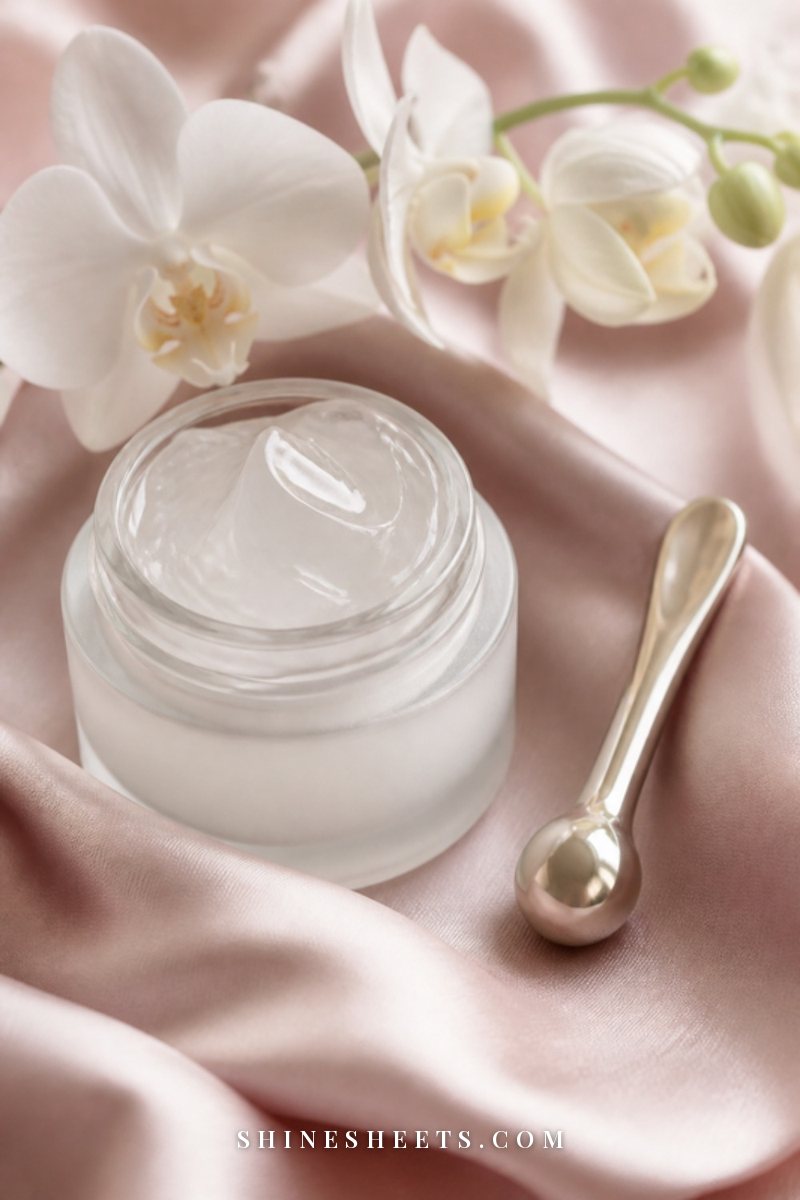
If your milia cluster around your eyes, take a gentle look at what you're putting there. Very thick, balmy eye creams and heavy night creams pulled up toward the lash line are a common trigger.
Switching to a lightweight gel eye cream can make a real difference. Use a rice-grain amount for both eyes, tap it along the orbital bone (the bony ridge around your eye) with your ring finger and let it move inward on its own. You don't need to bring it right up to the lashes. If you want help choosing a texture, I've covered that in my guide to choosing the right eye cream.
The same idea applies to your face cream: if you're using a very rich cream all over, try a lighter lotion around the eyes and cheekbones and keep the heavier one for drier zones.
Step 5: Wear Sunscreen Every Day
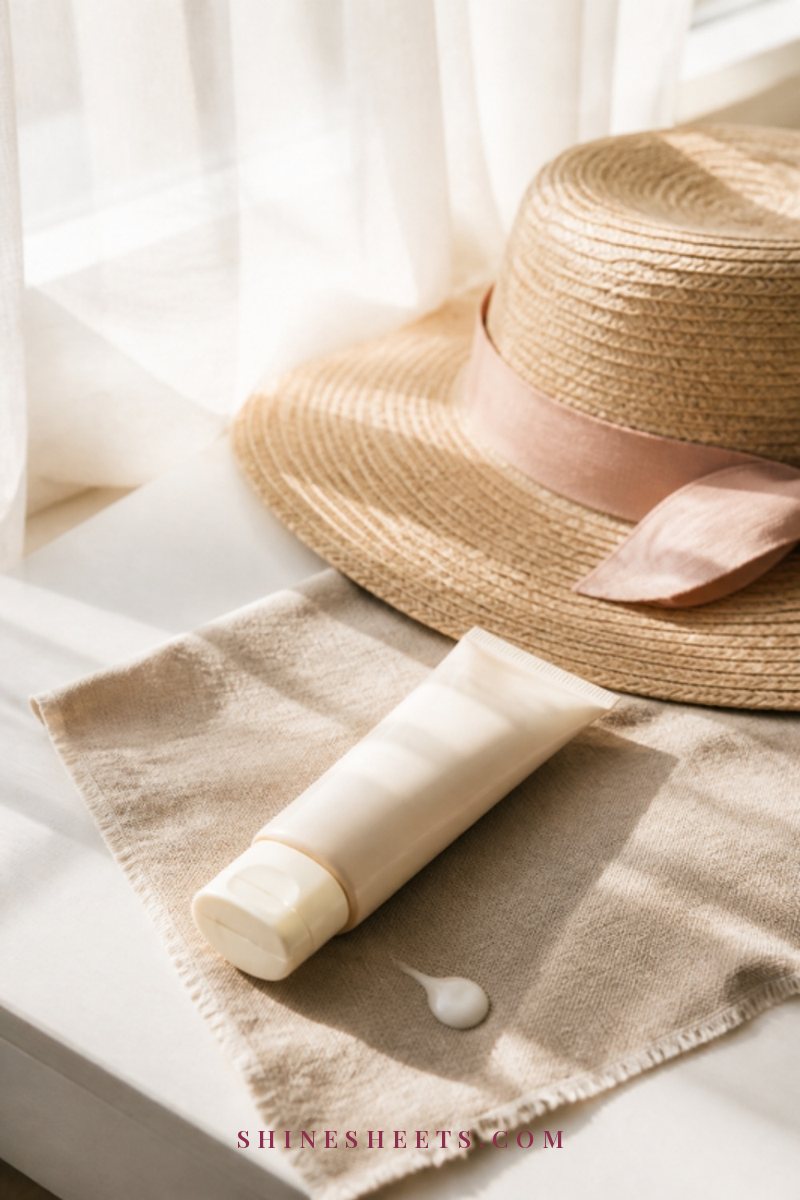
Because sun damage thickens skin over time, daily sunscreen is a quiet long-term milia preventer (and it protects you from so much more). A broad-spectrum SPF 30 or higher every morning, even on cloudy days, is the habit to build.
Around the eyes, a gentle mineral sunscreen for the face made with zinc oxide or titanium dioxide often feels less stingy than chemical filters. Use about two finger-lengths for your face and neck and reapply if you're spending time outdoors. Sunglasses and a wide-brim hat help the delicate eye area too.
Milia Around the Eyes: Extra Care
The eye area deserves its own little section because it's where milia show up most and where you need to be gentlest. A few habits that help:
- Remove eye makeup thoroughly but softly. Hold a soaked cotton pad on your lids for 10–15 seconds before wiping so you don't need to rub.
- Keep heavy balms off the lash line. If you love a rich night balm, stop it at the orbital bone.
- Go easy on thick concealers. Very heavy, waxy formulas layered daily can sit in the same spots for hours.
- Don't use strong acids or retinoids on your eyelids unless a product is specifically made for the eye area or a dermatologist suggests it.
- Be patient. Changes around the eyes usually take six to eight weeks to show up.
And please never try to remove milia from your eyelids or lash line yourself. This is professional-only territory.
Professional Milia Removal

If your milia are bothering you, aren't budging after a few months of gentle care, or you'd simply like them gone, a board-certified dermatologist can help. This is quick, routine work for them. Common options include:
- Extraction (de-roofing): The most common method. The dermatologist makes a tiny opening with a sterile blade or needle and gently presses the keratin out. It usually takes seconds per spot and heals within days.
- Prescription retinoids: A stronger topical retinoid can help clear milia over a few months and prevent new ones.
- Chemical peels: A professional-strength peel can help with widespread milia or rough texture.
- Cryotherapy or laser: Sometimes used for stubborn or larger groups of milia.
Ask what aftercare to follow – usually gentle cleansing, a plain moisturizer, sunscreen and no makeup on the treated spots for a day or two. It's also a good chance to ask whether anything in your routine might be contributing.
How Long Do Milia Last?
This is the part that asks for patience. In babies, milia usually clear within a few weeks without any treatment. In adults, they can last anywhere from a few weeks to several months, and some stay for longer if nothing changes.
With a gentle exfoliating routine, a retinoid and lighter products, many people notice existing milia softening and fewer new ones appearing within two to three months. Skin renews in cycles of roughly four to six weeks, and that cycle tends to slow down over the years, so give any change at least two full cycles before you decide whether it's working.
If you're tracking progress, take a photo in the same spot by a window every two weeks. It's much kinder than checking in the bathroom mirror every morning.
Common Milia Mistakes To Avoid
Most of these come from wanting the bumps gone quickly, which is completely understandable. Here are the ones that usually backfire:
- Squeezing or picking. As above – no opening, no pop, just damage.
- Scrubbing harder. Gritty scrubs and stiff brushes can irritate the skin and even trigger new milia.
- Using every active at once. Acids, retinol and vitamin C layered together on the same night usually equals irritation, not faster results.
- Applying acids on eyelids. The skin there is too thin for most face exfoliants.
- Adding more rich cream to "soften" them. If milia appeared around the eyes, extra heavy cream often makes things worse.
- Giving up after two weeks. Skin needs time; the routine needs consistency.
- Home needle extraction. Please leave this to a professional.
When To See a Dermatologist
Milia are harmless, but it's always worth getting a professional opinion when:
- You're not sure whether a bump is milia, a whitehead or something else.
- Bumps appear suddenly in large numbers or in a patch.
- They show up after a burn, blistering, a rash or a treatment.
- A bump changes in size, color or shape, bleeds or becomes painful.
- They're near your eyes and you'd like them removed.
Before trying any new product, do a quick patch test on a small area along your jaw or behind your ear for a few days. And if your skin feels irritated, stop the new product and let it settle before you add anything else.
Final Thoughts
Milia are tiny, harmless and far more noticeable to you than to anyone else. The way through isn't force – it's a lighter eye cream, a gentle acid a few nights a week, a slow retinoid, daily sunscreen and a lot of patience. Your skin is doing its best to renew itself, and a calm routine simply helps it along.
Leave the needles to the professionals, give the changes a couple of months, and be as gentle with yourself as you're learning to be with your skin.