Most of us wear a small part of our wardrobe most of the time, and we are surprisingly bad at guessing which part. We remember the sweater we "always" wear and forget it has been three months. We feel sure we'll reach for the floral dress "soon." The reverse hanger trick replaces those guesses with quiet, honest evidence.
It is one of the gentlest wardrobe tools there is. You don't pull everything out onto the bed or make a single hard decision on day one. You simply turn your hangers around and let your real life show you what you love to wear.
This guide covers the reverse hanger trick from start to finish: how it works, how to set it up in five steps, how long to run it, how to adapt it for folded clothes and special-occasion pieces, how to read your results and what to do with the pieces you never touched. You'll also find a results table that turns what you learn into next steps, plus a few lessons to carry with you before you shop again.
No guilt, no rush. Think of it as a small experiment your closet runs for you while you get on with your life.
What Is the Reverse Hanger Trick?
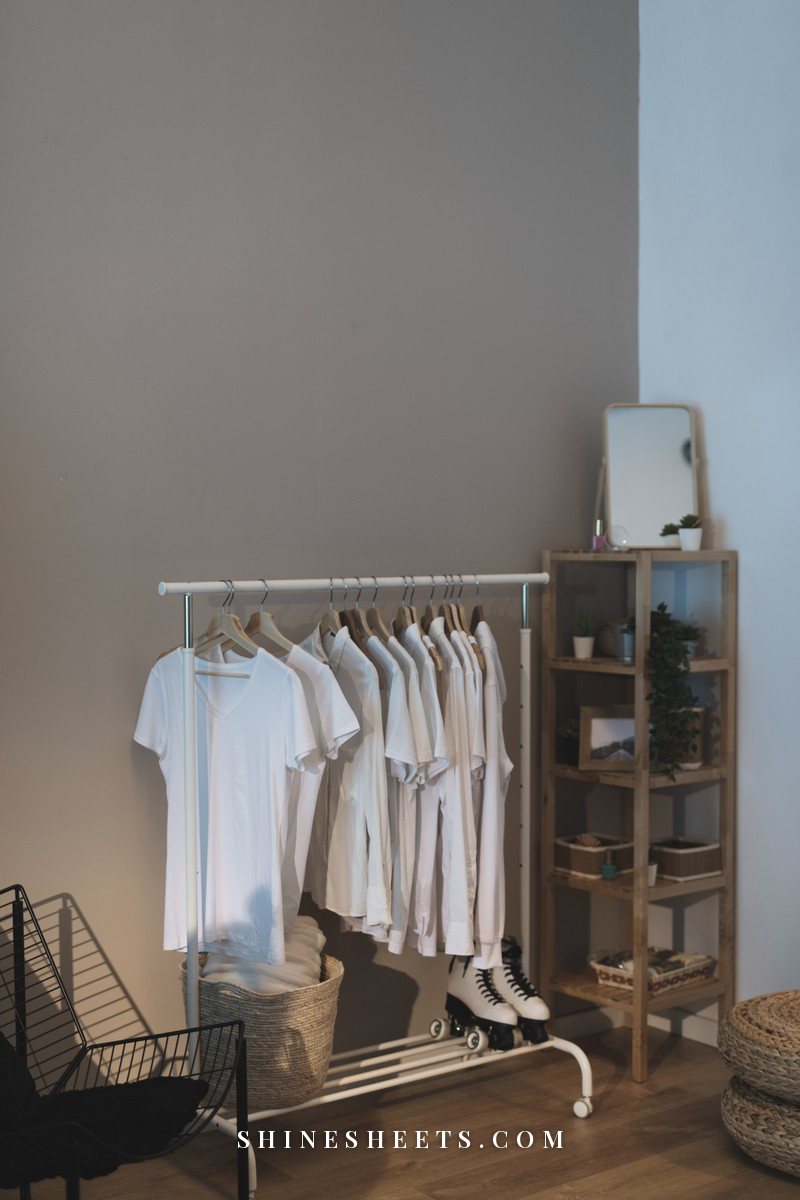
The reverse hanger trick is a simple way to track which clothes you actually wear. At the start, you hang every item with the hanger hook facing the "wrong" way, toward you. After you wear something and put it back, you turn the hanger the normal way. After a few months, any hanger still facing backward is a piece you haven't worn during the trial.
That's really all there is to it. The magic is in the timing: because the evidence builds slowly, you get an honest picture of your habits rather than a rushed judgment on a busy Saturday.
Why a Slow Experiment Works Better Than a Big Purge
A big wardrobe clear-out has its place, and my guide on how to declutter your wardrobe step by step walks you through one. But a passive experiment like this has a few lovely advantages:
- It takes almost no energy. The setup is about 20 minutes, and after that you only flip a hanger now and then.
- It removes the guesswork. You don't have to argue with yourself about whether you "might" wear something. You just look.
- It is kind to sentimental hearts. Letting go after months of evidence feels very different from letting go in a rushed moment.
- It teaches you your style. Seeing what you reach for again and again tells you more about your taste than any trend list.
It is also a wonderful fit for the new year, when many of us want a fresh start without turning the house upside down in January.
How To Set Up the Reverse Hanger Trick in 5 Steps
Set aside about 20 to 30 minutes. Put on some music, make a cup of tea and keep it light.
1. Start With Clean, Hung-Up Clothes
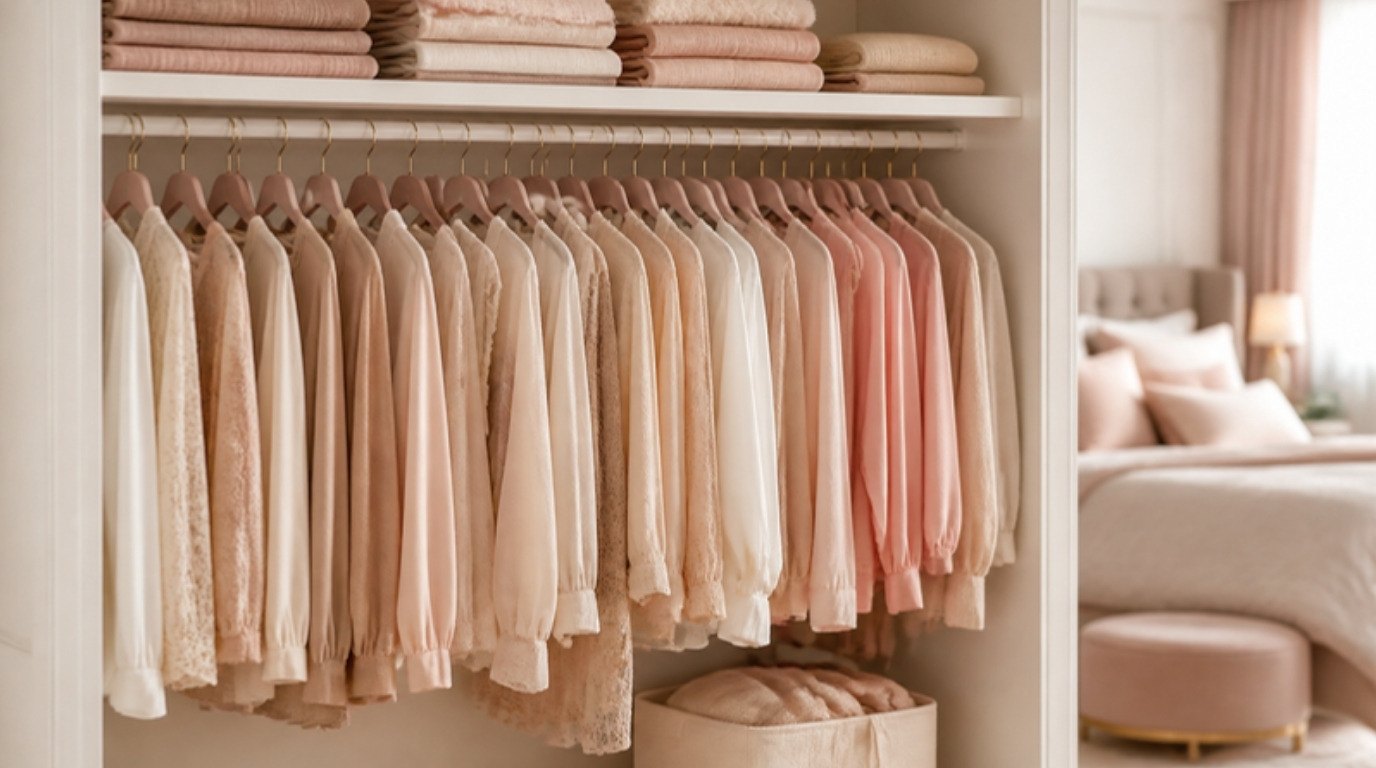
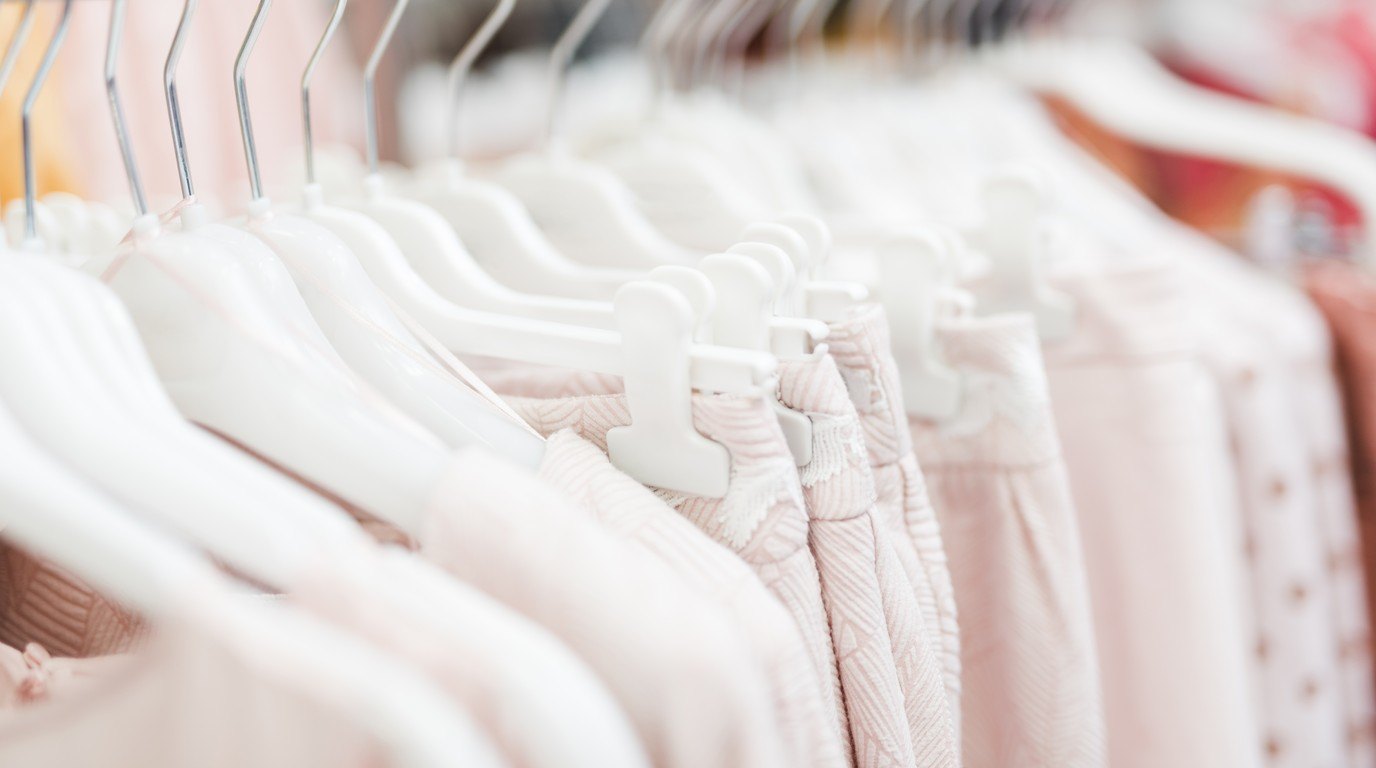
Do this on a day when most of your laundry is done, so the trial starts with almost everything in the closet. Hang anything that's been living on the chair. If you can, start with matching hangers. Slim blush velvet hangers are a lovely pick: they save space, keep silky tops from sliding off and make the turned-around hooks easy to spot at a glance.
2. Turn Every Hanger Backward
Turn each hanger so the hook opens toward you, the opposite of how you normally hang it. Do every single item, including the ones you're sure you wear constantly. The point is to test, not assume.
3. Flip the Hanger After You Wear Something
When you wear an item and it comes back from the laundry, hang it the normal way. Only flip it once it has actually been worn out of the house, or worn for a full day at home. Trying something on and taking it off again doesn't count, and that's a useful little note in itself.
4. Choose an End Date
Write your end date in your journal or set a reminder on your phone. Without a date, the experiment tends to fade into the background and never finish. A season, six months or a year all work (more on that below).
5. Leave It Alone Until Then
Resist the urge to check every week and start making decisions early. Wear what you feel like wearing. The less you think about the experiment, the more honest the results will be.
How Long To Run the Experiment
There is no single right length. It depends on your climate, your lifestyle and how much patience you have. Here are three good options:
- One season (about three months). Great for a quick, focused check. Only judge the clothes that belong to that season, so you aren't letting go of your summer dresses after a winter trial.
- Six months. A balanced choice that covers two seasons and most of your regular routines, like workdays, weekends and a few special events.
- A full year. The most complete picture, especially if your weather changes a lot. Start at the new year, and by next January you'll know exactly what earned its place.
If you're unsure, start with six months. You can always continue for longer if you want more information.
How To Adapt It for Folded Clothes
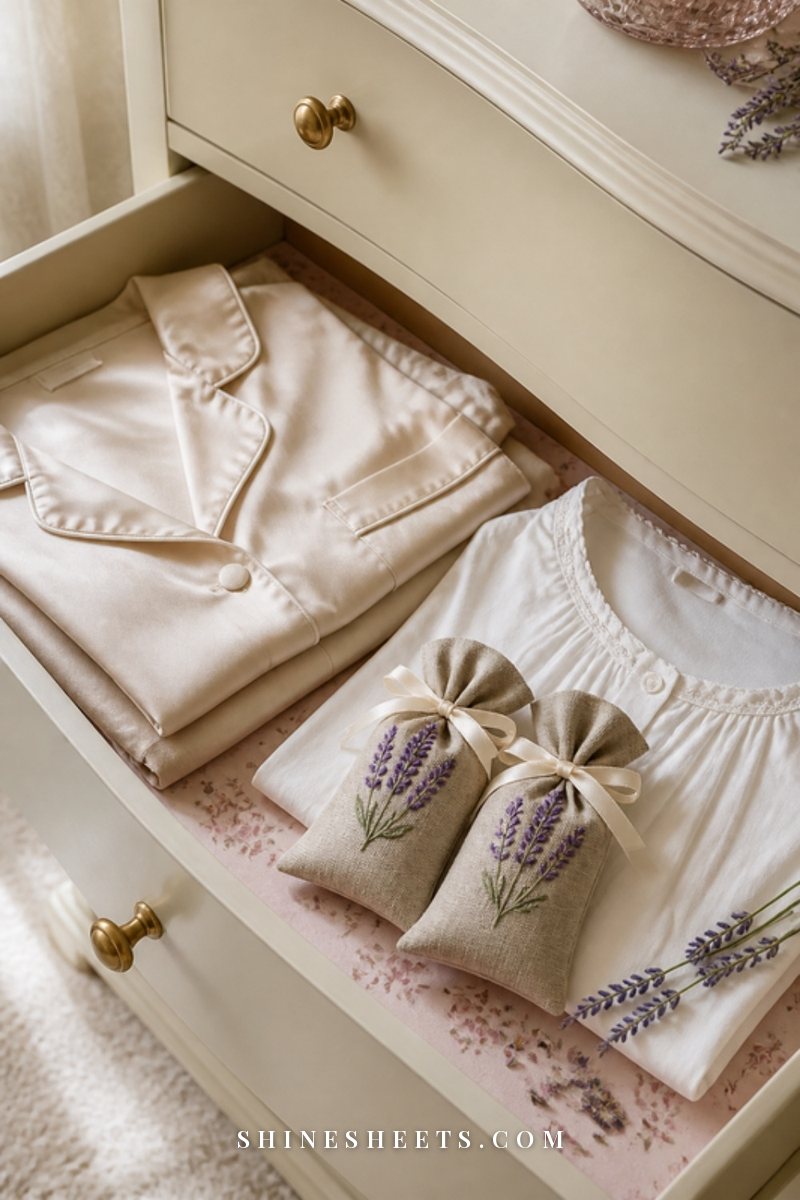
Not everything lives on a hanger. Sweaters, T-shirts, jeans and loungewear usually sit in drawers or on shelves. You can still run the experiment with a little creativity.
The Ribbon Marker Method
Tie a small loop of ribbon around each folded item, or tuck a ribbon into the fold. When you wear the piece, remove the ribbon before it goes back. A roll of blush satin ribbon is inexpensive and pretty enough that the drawer still feels nice to open.
The Drawer Divider Line
Split each drawer into two zones with a divider. Everything starts on the left side. When you wear something, it comes back on the right side. At the end of the trial, the left side shows you exactly what you didn't wear. Cream adjustable drawer dividers work well for this because you can move the line as one side grows.
The Shelf Shift
For open shelves, put worn items back at the front or the top of the stack and leave unworn items at the back. It's a little less precise, but very low effort.
Special-Occasion and Seasonal Pieces
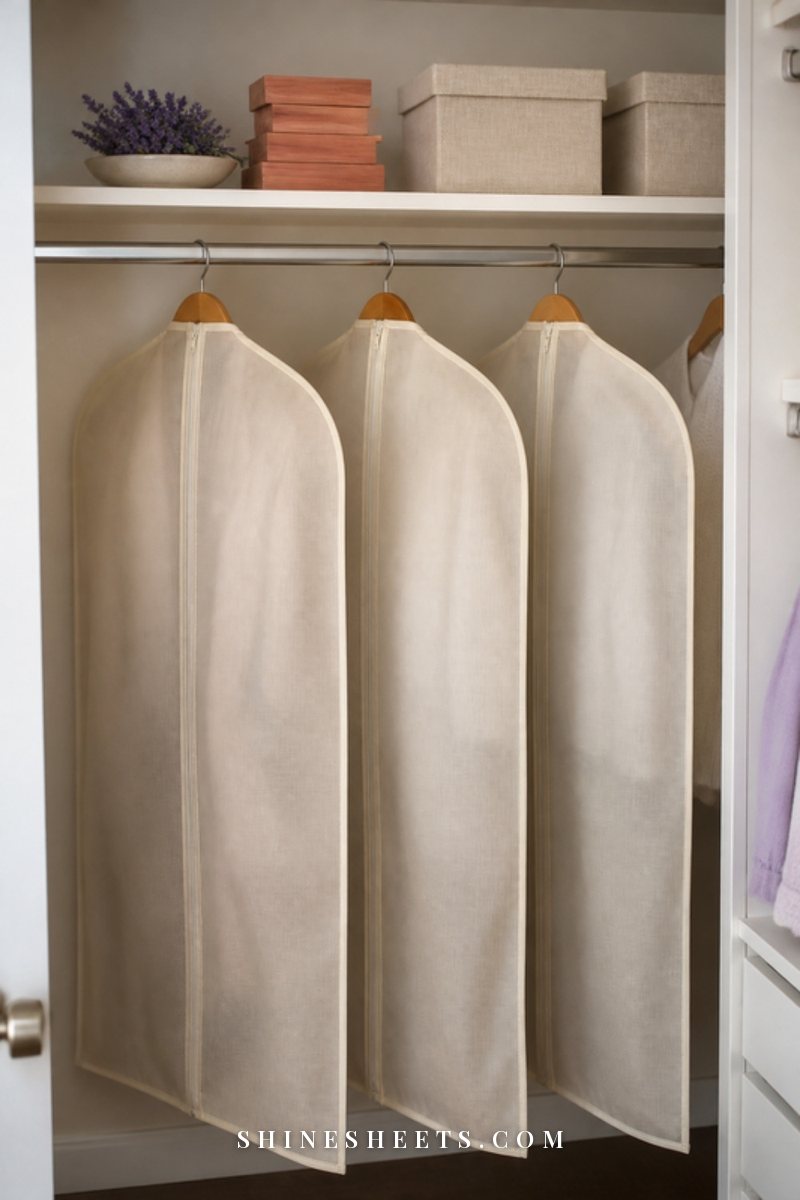
Some clothes are not meant to be worn often, and that's fine. An evening dress, a winter coat for the coldest week of the year or a smart outfit for interviews and celebrations can stay unworn for months and still be worth keeping.
- Set them aside from the trial. Move special-occasion pieces to one end of the rail or into separate storage so they don't muddy your results.
- Protect them while they wait. Breathable cream garment bags keep delicate fabrics free of dust between events.
- Give them their own small limit. Decide how many special pieces you want, for example three dressy outfits, and keep only your favorites within that number.
- Store off-season clothes separately. Folding out-of-season items into cream fabric storage boxes with lids keeps the main rail focused on what you can wear right now.
4 Small Mistakes That Skew Your Results
The trick is simple, but a few easy slips can make your results less honest. None of them are a big deal, and all of them are easy to avoid.
- Flipping hangers after a try-on. Putting something on, deciding against it and hanging it back the normal way makes it look worn. If you notice you keep trying a piece and taking it off, make a little note of it instead. That pattern is valuable information.
- Running the trial during an unusual season. A month of travel, a stretch of working from home or a big life change can make your habits look very different from normal. If your routine changes in the middle, it's fine to extend the end date.
- Buying lots of new clothes during the experiment. New pieces naturally get worn first and push older ones aside. If you need something, buy it, but try to keep shopping light until the trial ends.
- Judging too early. Peeking after three weeks and clearing out half the rail undoes the whole point. Your winter boots and your favorite summer linen shirt both deserve their season.
If one of these happens, don't restart. Just make a note in your journal and keep going. A slightly imperfect experiment still teaches you far more than guessing ever could.
Reading Your Results
When your end date arrives, open the closet and simply look for a minute before you touch anything. Most people notice that a smaller part of the rail than expected is facing the "normal" way. That isn't something to feel bad about. It's information. Sort what you see into three groups.
Worn Often
These are your true favorites. Notice what they have in common: a color, a fabric, a fit, a level of comfort. This group is the foundation of your personal style, and it tells you what to look for next time you shop.
Unworn but Loved
These are the pieces you didn't wear but still feel warm about. Maybe you love them in theory, they need a small repair or you aren't sure what to wear them with. They deserve a closer look, not an automatic goodbye.
Unworn and Unsure
These are the items you didn't wear and don't feel much about. You may barely remember buying them. This group usually holds the easiest decisions, and letting it go often frees up the most space.
4 Questions To Ask Unworn Pieces
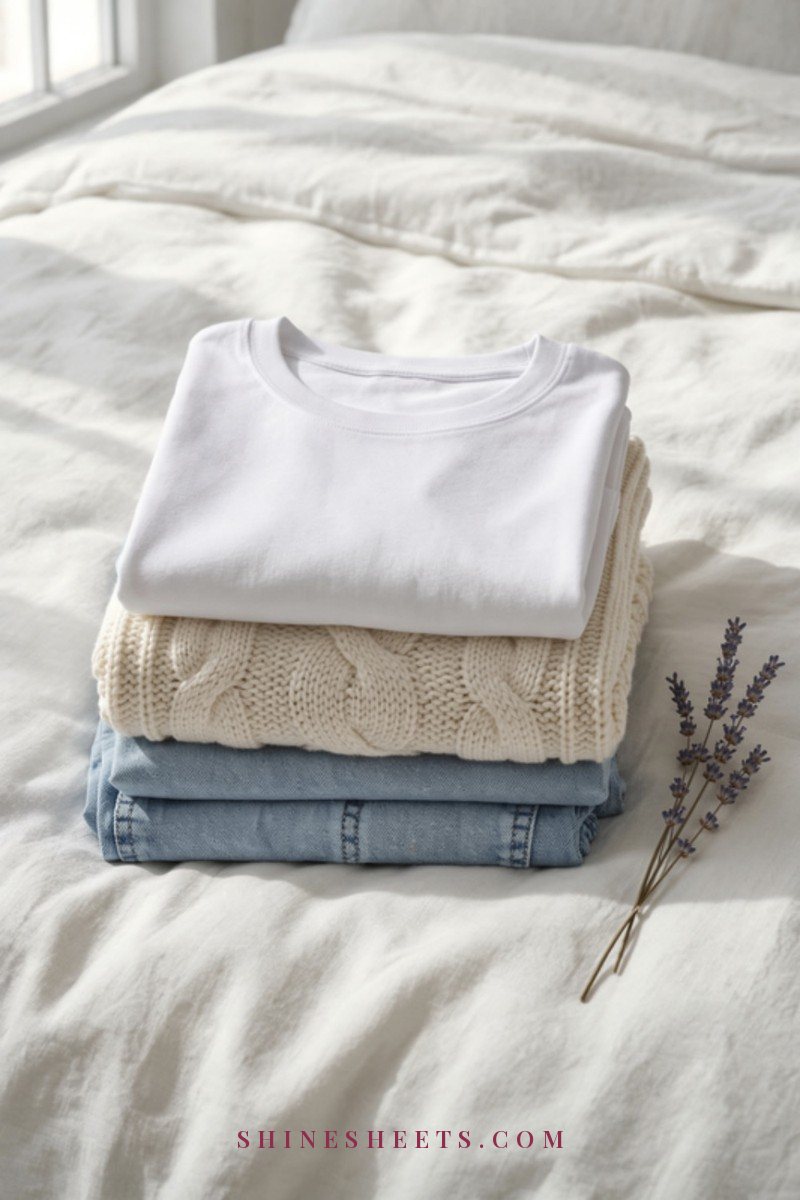
Hold each unworn item for a moment and ask these questions. Be honest and gentle with yourself; there are no wrong answers.
- Fit: Does it fit my body as it is today, comfortably, without pulling, gaping or constant adjusting?
- Comfort: Could I wear it for a full day without wanting to change? Is the fabric scratchy, too warm or too thin?
- Care: Is it hand-wash only, dry-clean only or prone to wrinkles in a way that makes me avoid it?
- Styling: Do I have at least two or three things to wear it with, or does it need a whole new outfit around it?
If an item fails two or more of these questions, it's very likely to stay unworn. For extra help with the hard ones, my list of decluttering questions to ask before you keep things has more prompts.
Give It a Last-Chance Outfit
For the "unworn but loved" group, try a last-chance outfit before deciding. Within the next two weeks, put the piece together with items you already wear often and wear it out for a normal day, not just around the bedroom.
Notice how it feels by the afternoon. If you feel great and keep thinking "why don't I wear this more often?", it stays, and you might make a note of the outfit so you remember it. If you spend the day tugging at it or counting the hours until you can change, you have your answer, and you can let it go with a clear conscience.
Donate, Sell or Swap
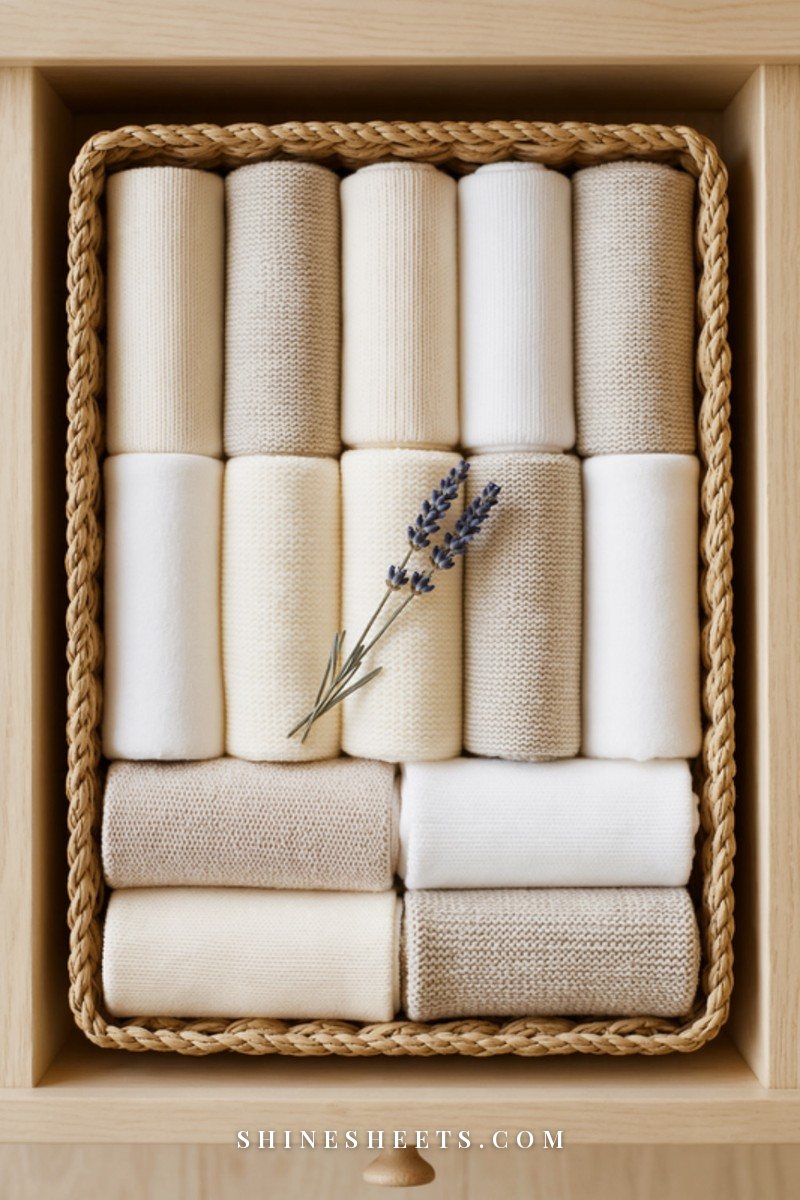
Once you have decided what is leaving, give it a kind next chapter. A beige woven storage basket by the closet door makes a nice "leaving" spot, so items don't drift back onto the rail.
- Donate clean, wearable items to a local charity shop, shelter or clothing bank. Check their guidelines first, as some only accept certain seasons or types.
- Sell pieces in very good condition, especially coats, bags and brand-name items. Take clear photos in daylight and set a deadline: if it hasn't sold in a month, donate it.
- Swap with friends. A small clothing swap with tea is a lovely way to give your pieces a new home with someone you know.
- Recycle worn-out items that can't be worn again through textile recycling points rather than the trash.
The Reverse Hanger Results Table
Here is a simple way to turn your results into action. Screenshot it and keep it open on your phone while you sort.
| Result after the trial | What it tells you | Next action | Shopping lesson |
|---|---|---|---|
| Worn often | This fits your real life and your style | Keep, care for it well, repair early | Look for similar colors, fabrics and fits |
| Worn once | It works for some moments, but not daily | Keep if it suits a recurring event; otherwise reconsider | Ask how often you'll truly need it before buying |
| Unworn but loved | A styling, fit or repair gap | Last-chance outfit within two weeks | Buy pieces that match what you already own |
| Unworn and unsure | It doesn't fit your life right now | Donate, sell or swap | Pause before impulse buys and sale shopping |
| Unworn, uncomfortable | Fabric, fit or care is the problem | Let it go | Check fabric, try it on sitting down and read care instructions |
| Special occasion, unworn | Normal for rare events | Keep favorites within a small limit | Choose versatile pieces you can style several ways |
What Your Patterns Teach You Before You Shop Again
The real gift of the reverse hanger trick isn't the space you free up. It's what you learn about yourself. Before your next shopping trip, take five minutes with your journal and look for patterns:
- Your true colors. If almost everything you wore was cream, navy and soft pink, that is your palette. Bright prints you never wore were probably someone else's style.
- Your real lifestyle. Many of us shop for an imagined life full of events and wear soft knits and comfortable trousers instead. Dress for the week you actually have.
- Your comfort line. Notice the fabrics and fits you avoided. If you never wore anything stiff, scratchy or tight at the waist, you can skip those in stores, no matter how pretty they look on the hanger.
- Your gaps. Maybe you kept reaching for the same two tops because you only have two you love. That is a real need, and a much better reason to shop than a sale.
These lessons are a beautiful foundation for a capsule wardrobe built step by step, or for a calmer, more intentional low buy year if you want to spend less without feeling deprived. And once your rail is lighter, my guide on how to organize a closet in one afternoon helps you set it up so your favorites are always easy to reach.
You can also simply run the trick again next year. Many people find that their second round leaves far fewer hangers facing backward, which is the nicest proof that the lessons stuck.
Final Thoughts
The reverse hanger trick is a small, patient way to see your wardrobe clearly. You don't need to be ruthless or make big decisions in one afternoon. You turn the hangers, live your life and let the closet tell you the truth.
Whatever your results show, there is nothing to feel bad about. Every unworn piece is a lesson, and every favorite is a little clue to your style. A lighter rail full of clothes you love to wear is a lovely way to start the new year.