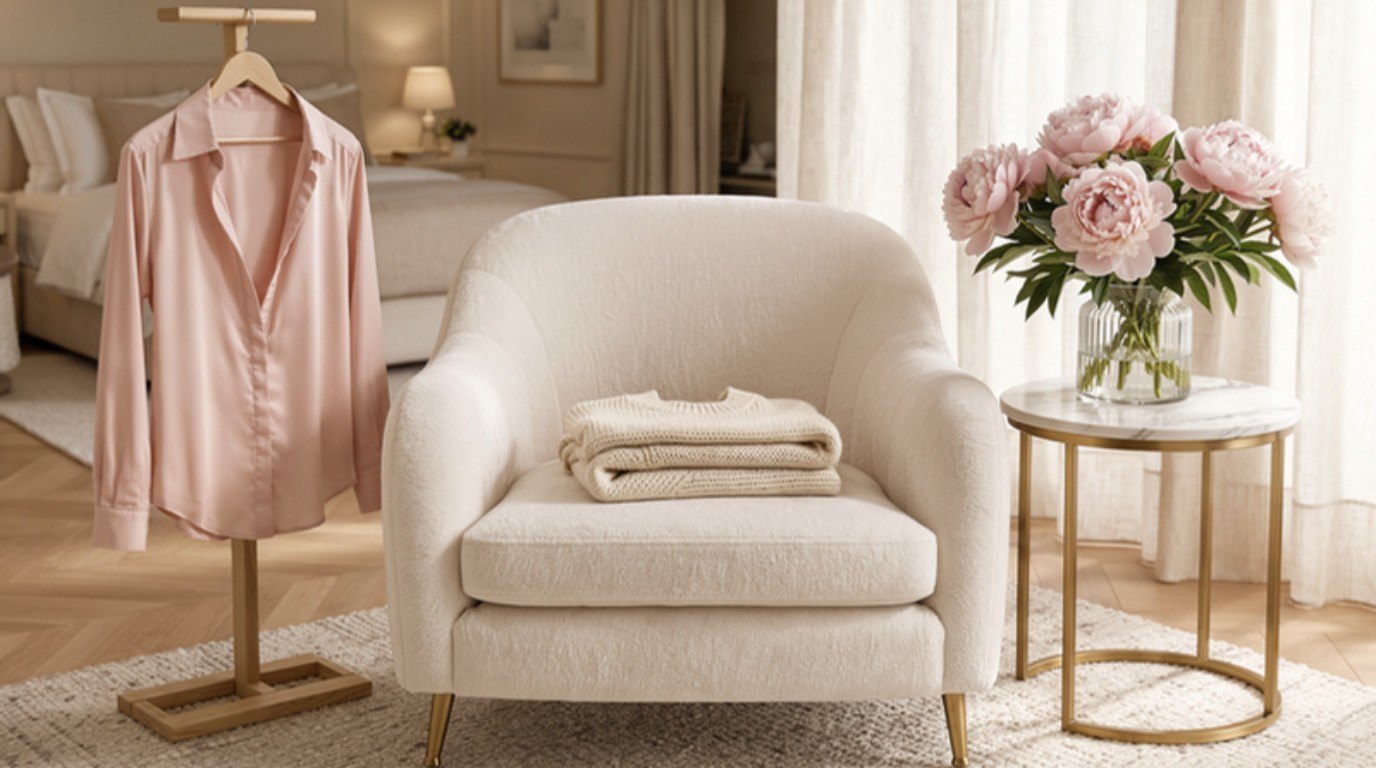
The clothes chair isn't a sign that you're messy. It's a sign that your home has a perfectly normal category of clothing with nowhere to live: the jeans you wore for three hours, the sweater that's still fine, the blazer you'll wear again on Thursday. They're not dirty enough for the hamper and not quite clean enough to hang back next to fresh clothes, so they land on the nearest flat surface. Usually a chair. Sometimes the end of the bed. Occasionally the treadmill nobody uses.
Once you see the pile as a missing system rather than a personal failing, it gets much easier to fix. You don't need a bigger wardrobe or a whole bedroom makeover. You need a home for in-between clothes, a quick way to decide what happens to each piece, and a tiny reset that keeps the pile from quietly growing back.
This guide covers the clothes chair from every angle: what it really is, why it forms, seven renter-friendly fixes, a table for how many wears each item can usually handle, a 15-minute plan for clearing the pile you already have, small-space and shared-bedroom options, and a simple weekly reset day.
No guilt here, by the way. I'm fully convinced that almost every bedroom has had a clothes chair at some point (mine certainly has).
What the Clothes Chair Really Is
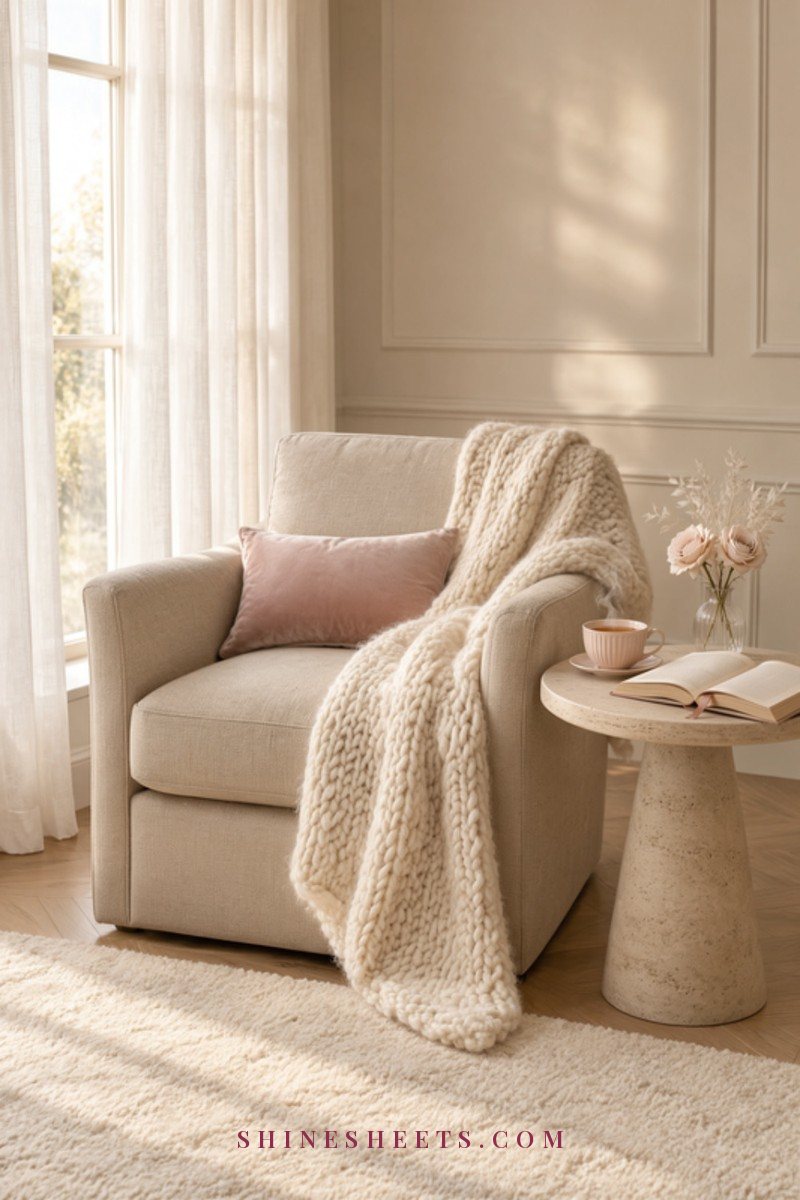
The clothes chair is the spot where half-worn clothes collect. These are the pieces that sit in a strange middle zone: you've worn them, so they don't feel right going back into the closet beside freshly washed clothes, but they're perfectly wearable again, so washing them feels wasteful (and hard on the fabric).
That middle zone is real. Plenty of clothes are meant to be worn more than once before washing, especially jeans, sweaters, cardigans, blazers and trousers. Washing them after every single wear fades color, stretches knits and wears out fibers faster. So the instinct behind the clothes chair is actually a good one. You're trying to rewear things, which is kind to your clothes, your budget and your laundry schedule.
The problem is only where those clothes go. A chair has no rules. Nothing tells you when a sweater has been sitting there for two weeks, or that the shirt underneath has turned into a wrinkled ball. Over time, the chair becomes a mix of "wearing tomorrow," "wore once last week," "should probably wash this" and "honestly forgot I owned this." That mix is what makes the pile feel overwhelming.
Why the Clothes Chair Happens (It's Not Laziness)
If you've ever told yourself you're just a messy person, I'd gently disagree. The clothes chair almost always forms for practical reasons, and most of them have nothing to do with willpower.
- There's no home for in-between clothes. Most closets have two zones: clean and hanging, or dirty and in the hamper. Worn-once clothes don't fit either, so they create their own zone on the closest surface.
- The closet is too full. When hangers are jammed so tightly that putting something back means wrestling three other pieces, the chair wins every time. It's simply less effort.
- You're tired at night. The moment you take clothes off is usually the end of a long day. Decision fatigue is real, and "Is this dirty? Should I hang it? Where does it go?" is one decision too many.
- The hangers are awkward. Slippery hangers that drop sweaters, wire hangers that leave shoulder bumps, mismatched hangers that tangle. If hanging takes two tries, it doesn't happen.
- The chair is right there. It's usually closer to where you undress than the closet is. Our habits follow the shortest path.
Read that list again and notice that none of it says "you're lazy." Every reason is about friction. That's good news, because friction is something you can remove with a hook, a basket or a few freed-up inches of hanging space.
7 Fixes That Actually Stop the Clothes Chair Pile
You don't need all seven. Most people find that two or three of these, working together, are enough to keep the chair clear. Read through, choose the ones that fit your space, and start with the easiest one tonight.
1. Give Worn-Once Clothes a Dedicated Hook or Rack
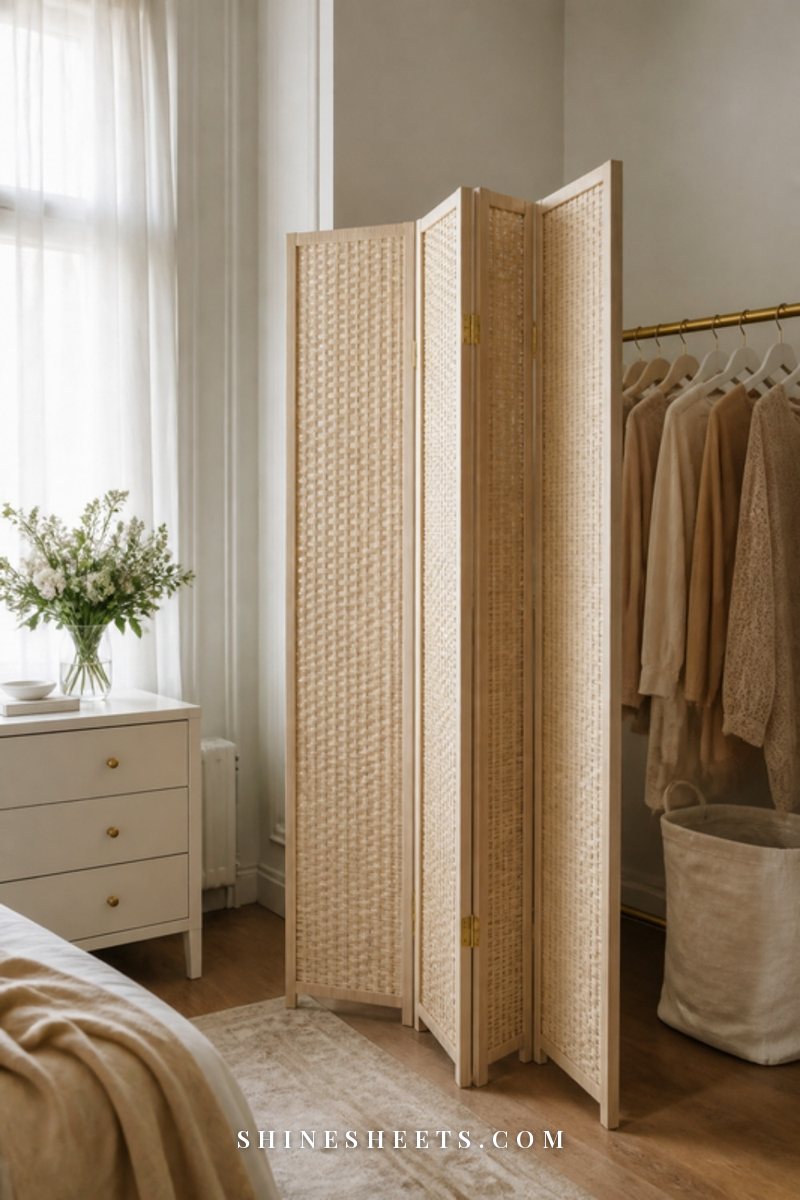
This is the single biggest fix, because it gives the middle zone an official address. Instead of fighting the urge to set clothes aside, you give them a place that's designed for exactly that.
Options, from smallest to largest:
- Two or three wall hooks by the closet door. Adhesive hooks work well for renters; choose ones rated for at least a few pounds each.
- A short row of pegs mounted at shoulder height, one peg per "rewear" item.
- A valet stand. A beige wooden valet stand is a pretty, upright alternative to a chair: it holds a jacket on the shoulders, trousers on the bar and sometimes a small tray for jewelry. Look for one with a wide hanger top so shoulders keep their shape.
The key rule: the hook or rack holds only clothes you plan to wear again within a few days. It's a short-stay parking spot, not long-term storage. If you have limited hooks, the limited space does the work for you. When the hooks are full, something has to go back into the closet or into the wash.
2. Add an Over-the-Door Hook Strip
If you don't have floor space for a stand and don't want to put holes in the wall, the back of the bedroom or closet door is free real estate. A white over-the-door hook rack slips over the top of the door with no tools and gives you five or six hooks in a line.
A few practical tips:
- Check that your door closes properly with the rack on. Most do, but very tight frames may need slim metal hooks rather than thick ones.
- Assign hooks loosely: one for tomorrow's outfit, one or two for jeans and trousers, one for a sweater or cardigan, one for a robe or loungewear.
- Hang knits by folding them over the hook through the middle (like a towel over a bar) instead of hanging them by the shoulders, so they don't stretch.
Door hooks are also lovely for shared bedrooms because each person can have their own side of the door, which takes a lot of arguments off the table.
3. Use an Open Basket With a Weekly Reset
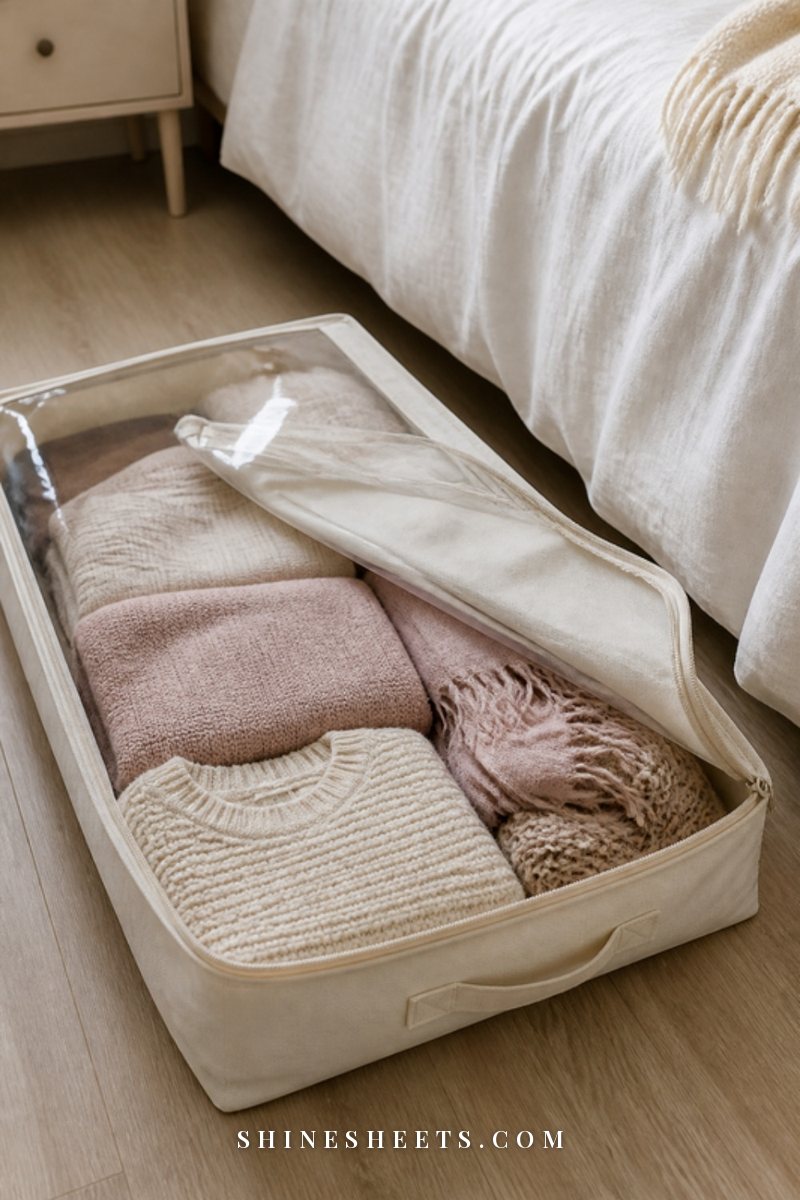
Some people simply don't hang things at night, and that's fine. If you're a "drop it and go" person, work with that instead of against it. Choose one open basket as the official home for worn-once clothes.
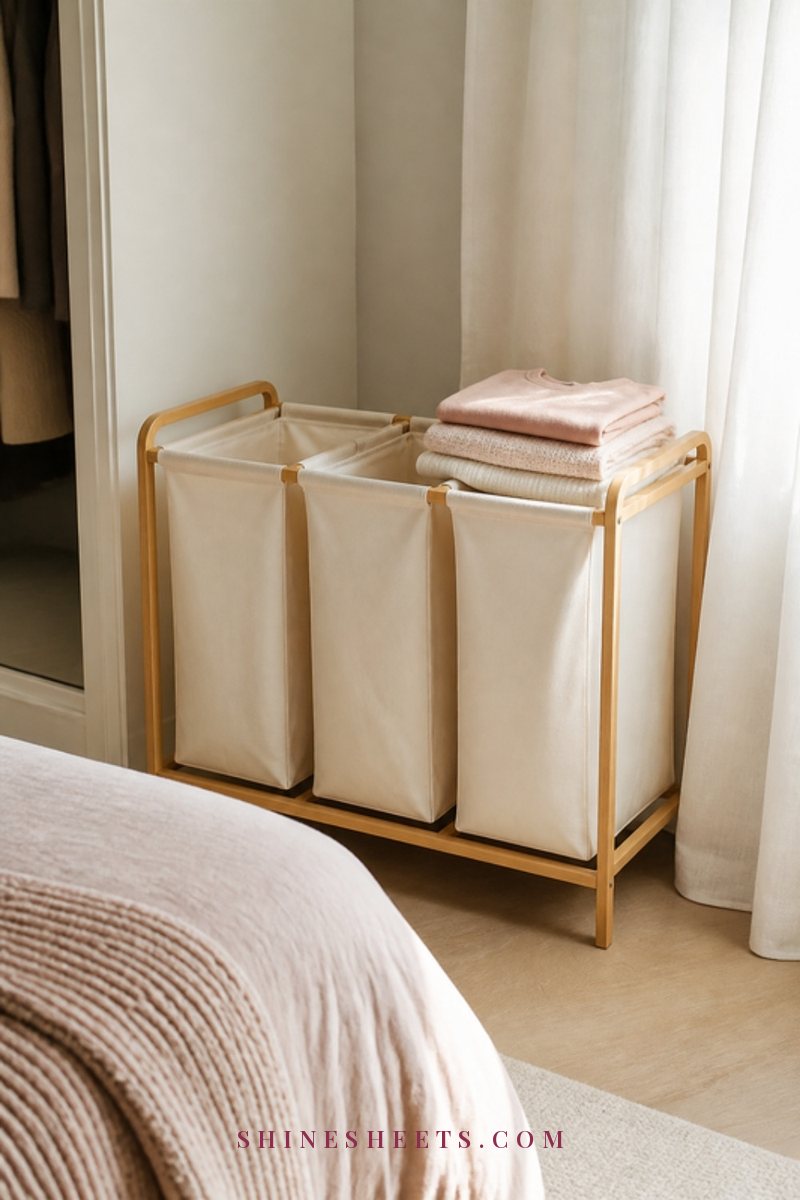
A cream woven laundry basket looks soft and intentional in a bedroom, and an open top matters: you can toss clothes in with one hand, and air can circulate so nothing ends up smelling stale. Keep it separate from your actual hamper (a different color or shape helps your brain tell them apart).
The magic ingredient is the weekly reset. Once a week, empty the basket completely. Each piece goes one of three places: back on a hanger, into the wash or onto a hook for this week. If the basket never gets reset, it becomes a clothes chair with sides, so the reset isn't optional. (There's a simple reset day plan further down.)
4. Build a 2-Minute Evening Put-Away Habit
Tiny habits beat big intentions. Pick one moment that already happens every evening (brushing your teeth, putting on pajamas, making your evening tea) and attach a two-minute put-away to it.
The formula is simple: "After I change into pajamas, I spend two minutes putting today's clothes where they belong."
In those two minutes, each piece you wore today gets one quick decision:
- Dirty? Hamper.
- Wear again this week? Hook, rack or basket.
- Clean and done for now? Hanger or drawer.
Two minutes is short enough that even tired-you can do it. If you love little home routines like this, my list of micro habits for a neat and clean home has plenty more that take less time than brewing a cup of tea.
5. Make Room in Your Closet So Hanging Is Easy
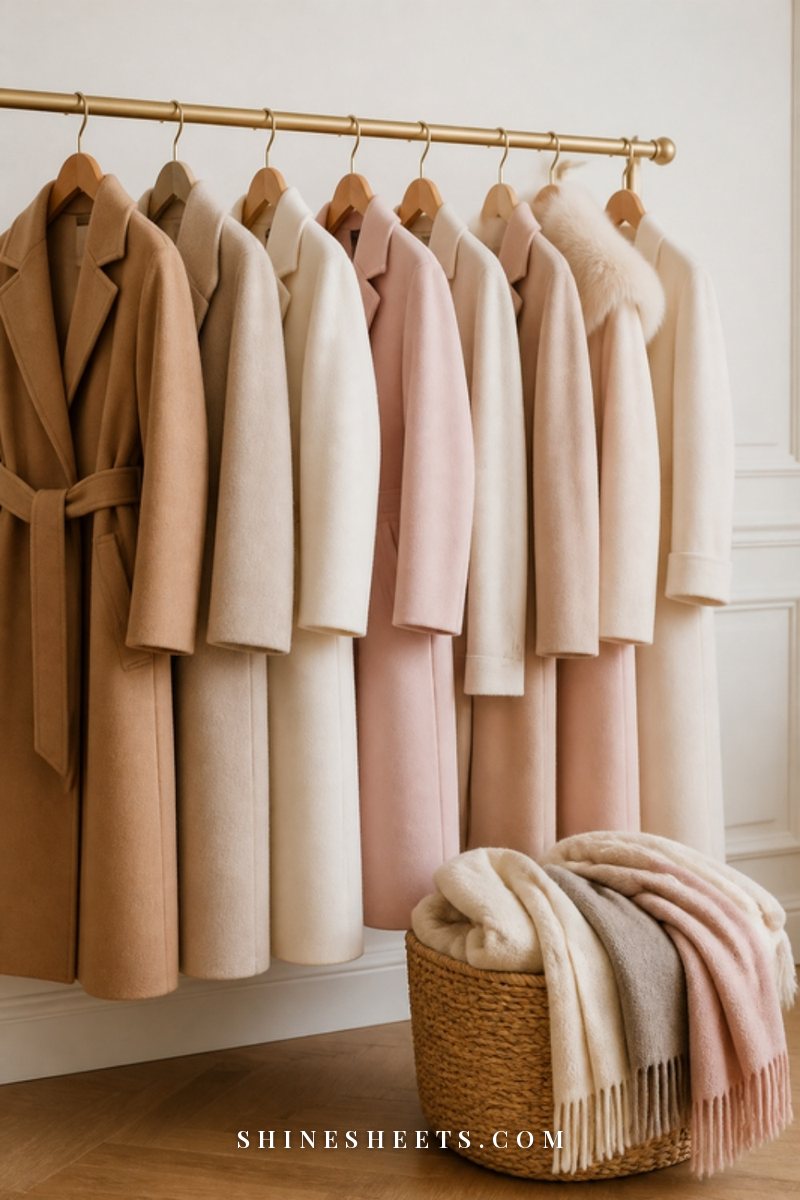
If putting something back requires shoving, the closet is quietly sending clothes to the chair. A good test: you should be able to slide a hanger in with one hand, without moving anything else. If you can't, you need a little breathing room.
A few gentle ways to make space without a full purge:
- Pull out off-season pieces and store them in a bin under the bed or on a high shelf.
- Remove anything that hasn't been worn in a year and put it in a "maybe" bag. If you don't miss it in a month, donate it.
- Switch to slim, matching hangers. Blush velvet hangers take up less width than chunky plastic ones and their soft grip stops sweaters and slippery blouses from sliding off, which removes one of the most annoying reasons clothes end up elsewhere.
- Leave a "landing gap": a few empty hangers at one end of the rail, ready for clothes coming back.
If your closet needs more than a quick tidy, this guide on how to organize a closet in one afternoon walks through the whole process step by step.
6. Sort by Wear-Again vs. Wash
A lot of clothes chair piles happen because the decision is fuzzy. "Is this dirty?" is a surprisingly hard question at 10 p.m. Make it easier with a quick sniff-and-look test the moment you take something off:
- Wash it if it has a visible mark, smells of sweat or food, or sat directly against your skin for a long, warm day.
- Wear it again if it looks and smells fresh, still holds its shape and was a layer (over a top, under a coat) rather than right against your skin.
- Air it first if it's in between: a sweater after a cozy dinner, a blazer after a crowded commute. Hang it on a hook overnight near an open window, then decide.
For things that just need a little freshening, a light mist of a lavender fabric refresher spray from about a foot away, then a few hours on a hook, often does the trick. Always test any spray on an inside seam first, and skip it on silk or anything labeled dry clean only.
7. Set a Rewear Limit for Each Type of Clothing
The middle zone grows when there's no end date. Clothes go on the chair "to wear again" and then sit there for weeks. A rewear limit gives every piece a clear finish line.
Here's how to set it up:
- Decide on a rough number of wears for each type of clothing (the table below gives you a starting point).
- When something reaches its limit, it goes straight into the hamper, no debating.
- Add a time limit too: anything on the hook or in the basket for more than seven days goes back to the closet or into the wash during the weekly reset.
You don't need to count perfectly. "This is the third time I've worn these jeans this week" is accurate enough. The point is that clothes keep moving instead of settling.
How Many Wears Before Washing: The Between-Wears Table
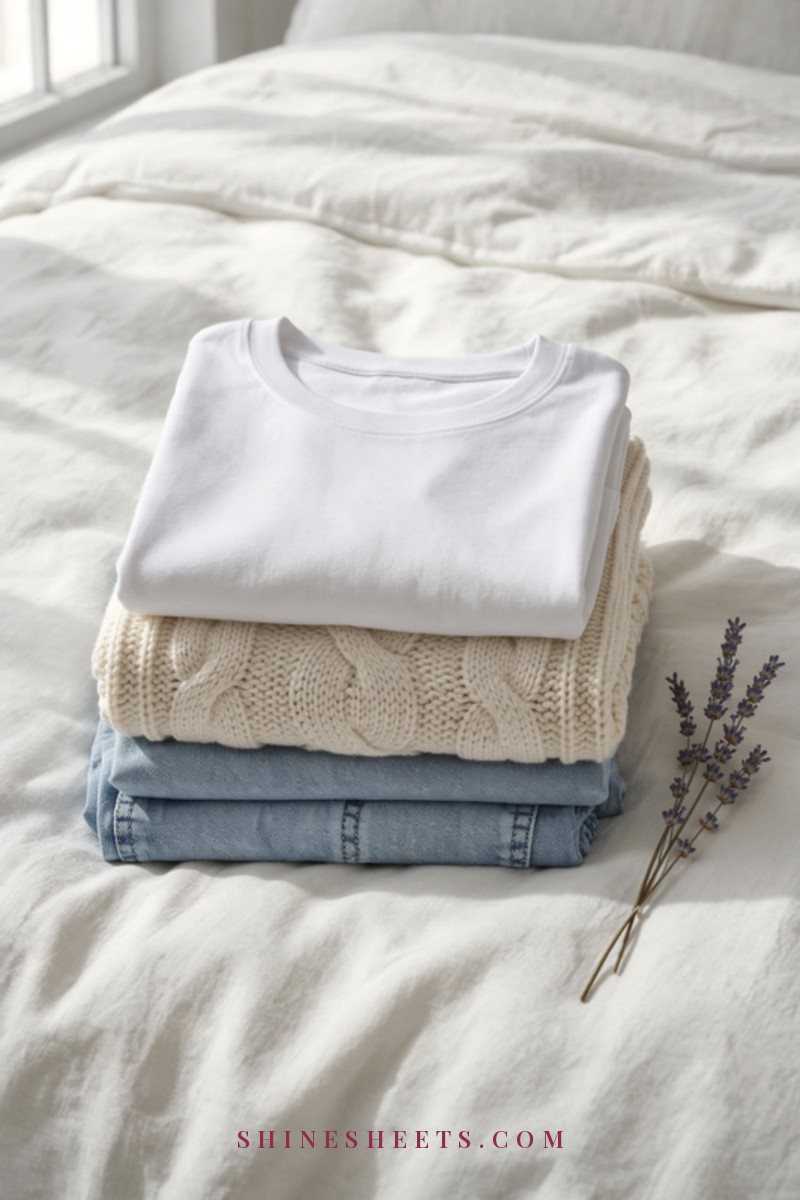
Screenshot this table and keep it handy. These are rough, everyday guidelines rather than strict rules, and you should always wash sooner if something is visibly marked, smells off or you've been sweating. Care labels win over any general advice.
| Clothing item | Wears before washing (roughly) | Where it goes between wears | Airing tip |
|---|---|---|---|
| Underwear, socks, workout clothes | 1 | Straight to the hamper | Let damp activewear dry before it goes in the hamper so it doesn't get musty |
| T-shirts, tanks, camisoles | 1 | Hamper | If worn for an hour or two only, air overnight and rewear once |
| Bras | 2–3 | Lingerie drawer, laid flat | Rest a day between wears so the elastic recovers |
| Blouses and button-down shirts | 1–2 | Hook or hanger on the door | Hang by the shoulders and button the top button to keep the collar neat |
| Jeans | 4–6 | Over-the-door hook or valet stand | Hang by the belt loops overnight to let creases relax |
| Trousers and skirts | 3–5 | Valet bar or clip hanger | Hang straight from the waistband; a quick steam freshens them |
| Sweaters and cardigans (worn over a top) | 3–5 | Folded over a hook or in the open basket | Air flat or folded over a bar, never by the shoulders |
| Dresses | 1–3 | Hanger on a door hook | Turn inside out and air near a window for an hour |
| Pajamas and loungewear | 3–4 | Hook by the bed or under the pillow | Air in the morning before folding |
| Blazers and light jackets | 5–10 | Wide-shouldered hanger or valet stand | Brush lightly and air between wears; spot clean rather than wash |
One small note: these numbers assume you're layering sensibly (a cami under a sweater, for example). If you run warm or wear a piece all day in the heat, wash sooner. You know your body and your clothes better than any table does.
How To Clear an Existing Clothes Chair Pile in 15 Minutes

If you're staring at a mountain right now, start here. Set a 15-minute timer, put on something upbeat, and follow these steps in order. The timer matters, because it turns "this is a whole evening" into "this is one song playlist."
- Minutes 0–2: Set up three landing spots. The hamper (wash), the bed (hang or fold) and one hook or basket (wear again this week).
- Minutes 2–8: Sort without overthinking. Pick up each piece once. Use the sniff-and-look test from fix six. If you hesitate for more than three seconds, it goes in the wash. Washing an extra sweater is a small price for a clear chair.
- Minutes 8–12: Put away the "hang or fold" pile. Hang what hangs, fold what folds. If something won't fit in the closet, set it aside in a bag to deal with later instead of letting it stall the whole process.
- Minutes 12–14: Choose this week's rewear pieces. Only keep out what you'll realistically wear in the next few days, and put it on your new hook or in your basket.
- Minute 15: Reset the chair. Wipe it down, fluff the cushion and, if you like, put a throw or a book on it so it looks like a chair again.
If the hamper is now overflowing, don't panic. A steady weekly laundry routine will catch up with it within a few days, and you never have to do it all at once.
Small-Space and Shared-Bedroom Options
Small bedrooms and shared rooms don't have the luxury of a spare corner for a valet stand, but they still need a middle zone. Here are a few ideas that take up almost no space:
- Use vertical space. Over-the-door hooks, a single wall-mounted peg rail or hooks on the side of a wardrobe keep clothes off the floor and furniture.
- Try a slim rolling rack that tucks behind a curtain or into a corner. Keep only rewear clothes on it, so it doesn't become a second, messier closet.
- Use the inside of the closet door. A small hook strip inside the door hides rewear clothes completely when the door is closed.
- Give each person their own spot. In a shared bedroom, the clothes chair is often a mix of two people's clothes, which makes sorting harder and resentment easier. Separate hooks, separate baskets or separate halves of the door keep things clear and fair.
- Agree on one rule together. For example: "Nothing lives on the chair overnight," or "Our hooks get reset every Sunday." One shared rule beats nagging every time.
If you're working without a closet at all, this guide to clothes storage without a closet has fifteen ideas that work in tiny spaces, and these easy ways to organize a small bedroom help the whole room feel calmer.
Your Weekly Reset Day
Every system needs a little maintenance, and the clothes chair is no exception. Choose one day a week (Sunday afternoon and laundry day are popular) and give it a 10-minute reset.
Here's a simple order to follow:
- Empty every rewear spot: hooks, rack, basket and, yes, the chair if anything sneaked back.
- Apply the seven-day rule. Anything that's been waiting a week or more goes either into the wash or back into the closet. No third option.
- Check for wear limits. Jeans on their fifth or sixth wear, sweaters on their fourth or fifth? Into the hamper.
- Refill the landing gap. Make sure there are a few empty hangers at the end of your closet rail.
- Plan two or three outfits for the coming days, and hang them on the hooks if you like. Future-you will be grateful at 7 a.m.
Pair the reset with something you enjoy. Light a candle, put on a podcast or make a cup of tea first. A reset that feels pleasant is a reset that keeps happening.
What To Do When the Pile Comes Back
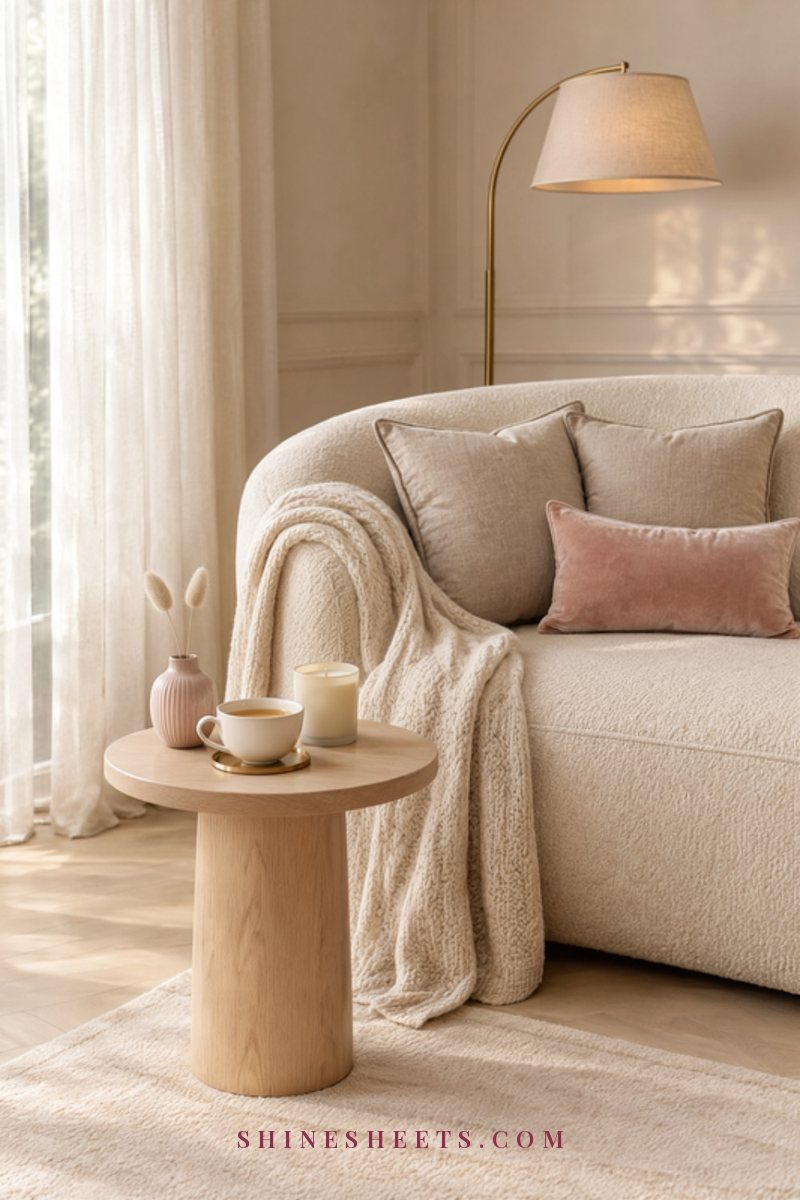
It will come back sometimes. A busy week, a cold, a trip, a tough stretch at home, and suddenly the chair is wearing three sweaters again. That isn't failure. It's life, and the system you've built is there for exactly these moments.
When you notice the pile, skip the self-criticism and ask one question: "Which part of the system broke?"
- If the hooks were full, you may need one or two more, or a stricter rewear limit.
- If the closet was too tight, it's time for another small round of making space.
- If the evening habit slipped, attach it to a different, more reliable moment in your routine.
- If the reset day got skipped, move it to a day that's actually free.
Then do the 15-minute clear-out and start again. Each time, the pile gets a little smaller and comes back a little less often, because you're adjusting the system rather than blaming yourself.
Final Thoughts
The clothes chair is really just your home asking for one more category of storage. Give your in-between clothes a proper place, make hanging easy, add a two-minute habit and a weekly reset, and the chair can go back to being a chair.
Start small tonight with one hook or one basket. A clear chair, a calm bedroom and a closet that's easy to use are much closer than they look from underneath the pile.