A family command center works best when it answers the questions people ask you all day long. Where are my keys? What time is practice? Did anyone sign the form? When those answers live on one wall everyone walks past, you stop being the household search engine, and the whole home feels a little calmer.
It doesn't have to be big, expensive or permanent, either. A few hooks, a board and a place for papers can do more than a wall of matching organizers that nobody updates. What matters is that it sits where life actually happens and that it's easy to keep current.
This guide shows you how to set up a family command center that works: how to choose the spot, the seven core zones (and what goes in each), renter-friendly ways to hang everything, a budget version next to a fuller setup, a table you can plan from and the simple weekly reset that keeps it alive.
What a Family Command Center Is (and Isn't)

A family command center is one wall or nook where your household's moving parts live together: the shared calendar, the week's plan, chores, incoming mail and papers, keys and chargers, school or activity notes and a spot for quick messages. It's visible on purpose. Anyone can glance at it on the way out the door and know what's happening.
It's different from a binder. A home management binder holds records you look up occasionally, like contacts, warranties, budgets and routines. The command center is the everyday, at-a-glance layer. Many homes do best with both: the wall for this week, the binder for everything you need to keep.
What it isn't: a decorative gallery wall, a place to store every paper forever or a system only one person understands. If it starts to feel like any of those, it needs a trim, not more organizers.
There's also a quieter benefit. When the plan is on the wall, it's no longer only in your head. If you tend to carry the whole family's schedule around in your mind, my guide to the mental load explains why sharing it so visibly can feel like such a relief.
How To Pick the Right Spot
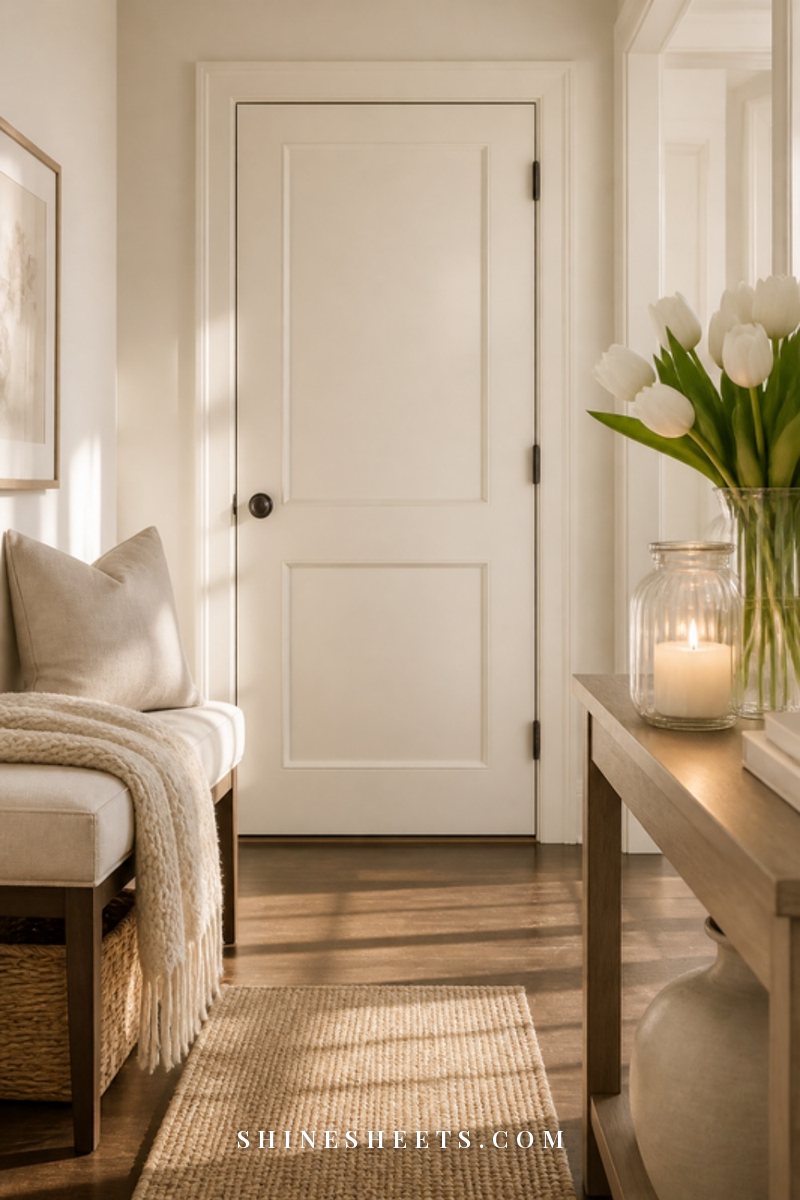
The best spot is the one your family already passes several times a day, with a bit of wall space and, ideally, a surface nearby. Stand in your home for a moment and think about where bags get dropped and where people pause on their way out. That's your shortlist.
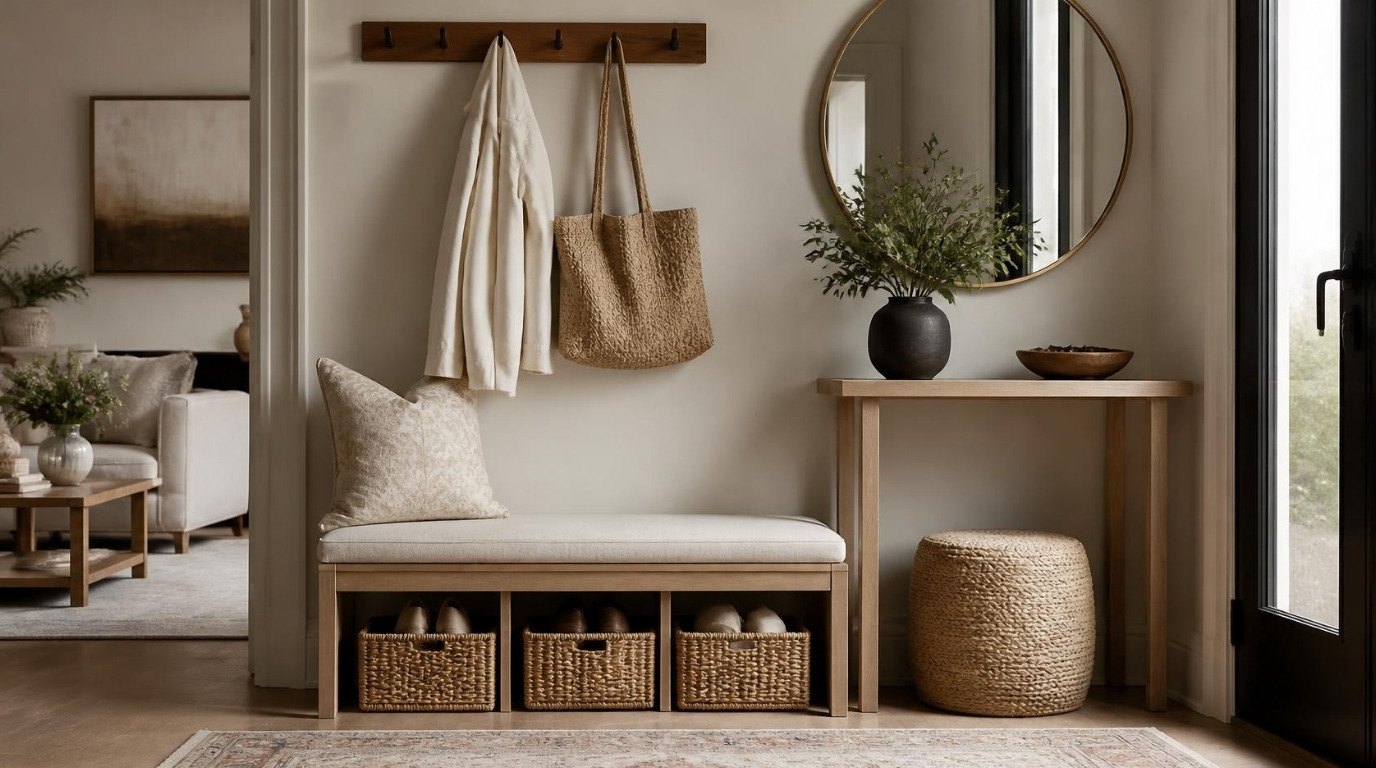
- The entryway. Perfect for keys, bags and the "don't forget" notes, because it's the last thing everyone sees before leaving. If your entry doubles as a drop zone, my entryway ideas show how to keep it from turning into a pile.
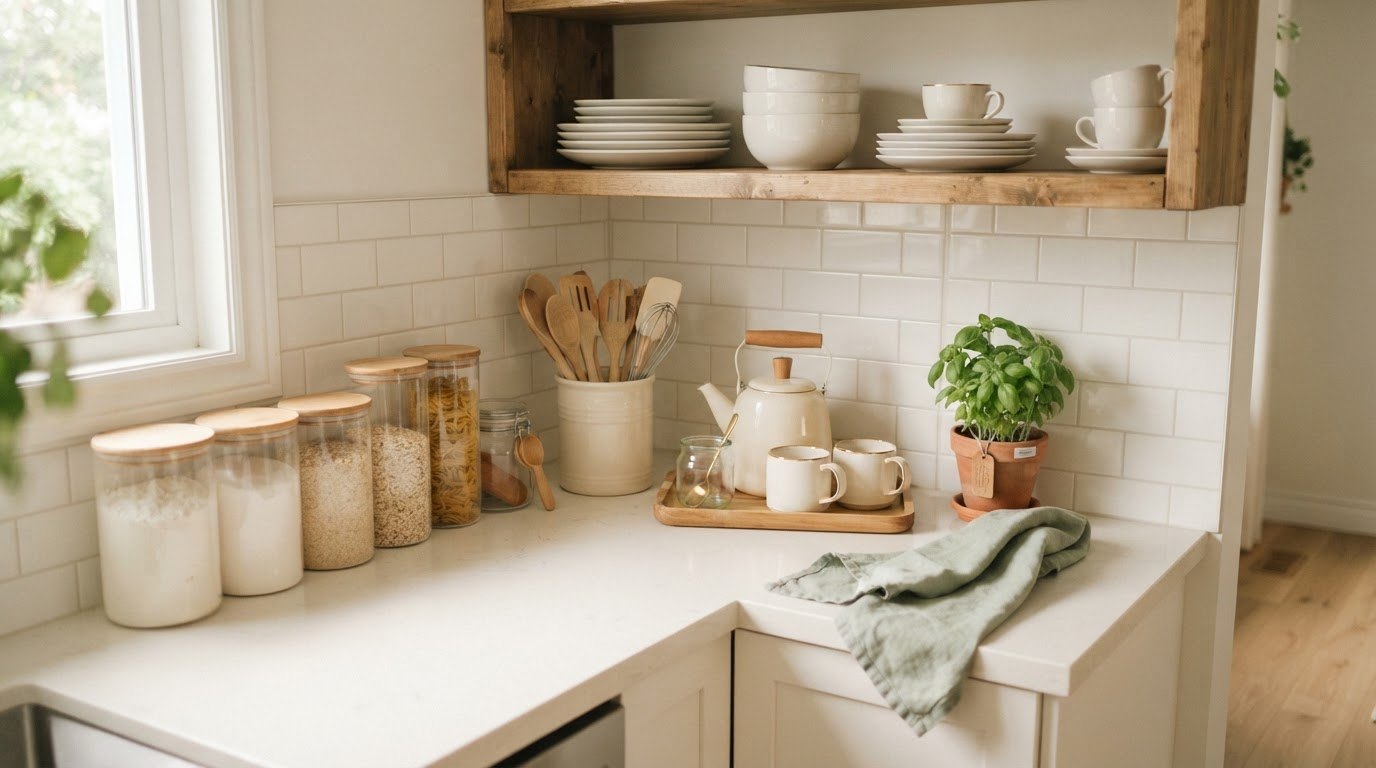
- A kitchen wall. The kitchen is where most families gather, plan and talk, so a calendar and message board here gets read. Choose a wall away from the stove and sink to keep papers dry and clean.
- Inside a pantry or closet door. Ideal for small homes or if you prefer a clean look. Over-door rails and slim boards keep everything handy but out of sight when the door is closed.
- A hallway nook or the side of a fridge. Even a narrow strip can hold a calendar, a file and a few hooks.
A quick test: tape a blank sheet of paper where you plan to put the calendar and leave it for three days. If people naturally notice it (or keep bumping into it), you've found the spot, or learned which spot to avoid.
The 7 Core Zones of a Family Command Center
You don't need all seven on day one. Start with the zones that fix your biggest daily friction, then add the rest when the first ones become habits. Here's what each zone does and how to set it up simply.
1. Shared Calendar
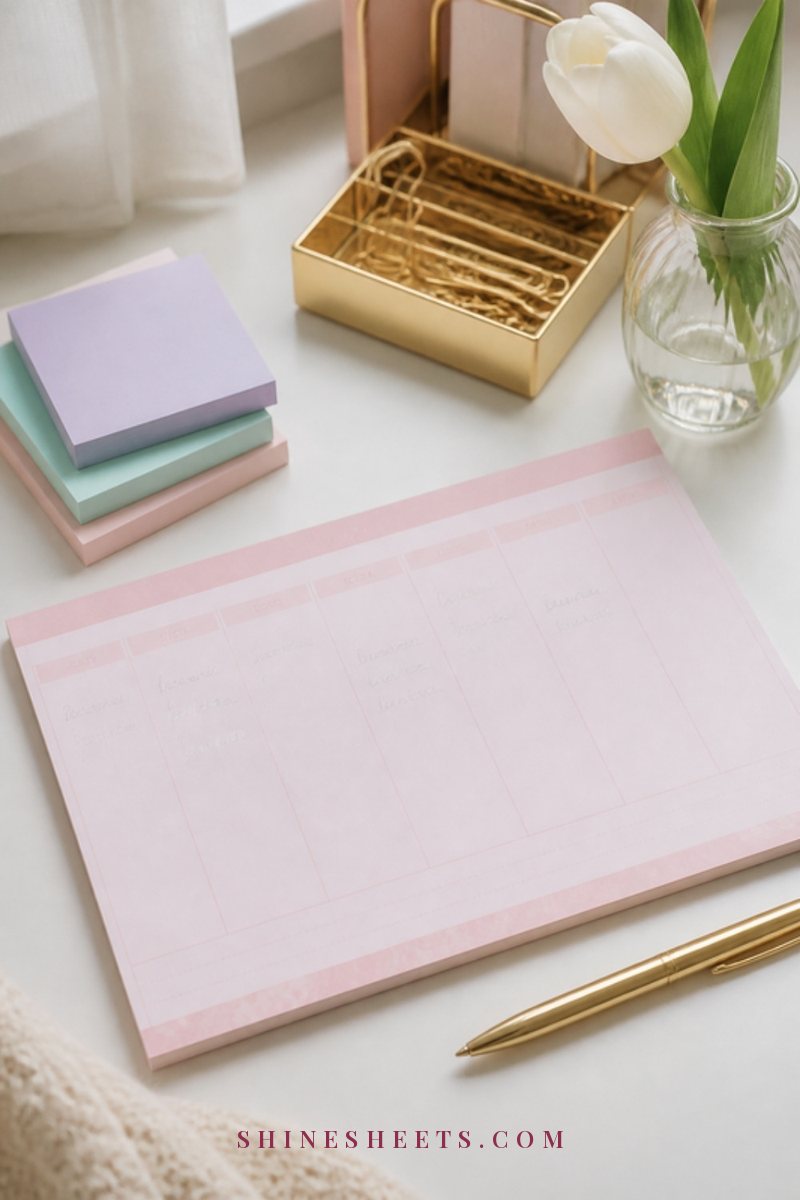
The calendar is the heart of the wall. It's where appointments, practices, school events, birthdays and work trips all show up in one place, so nobody is surprised on a Tuesday morning.
Set it up: a white magnetic dry-erase monthly calendar is easy to update and wipe clean every month. Give each person one marker color, and write only events that affect the household, not every small to-do. If your family also uses a digital calendar, the wall version can just show the big things for the month.
Tiny rule that helps: if it's not on the calendar by Sunday evening, it's up for discussion, not automatically happening. It sounds strict, but it gently teaches everyone to share plans early.
2. Weekly Plan
The monthly calendar shows what's coming. The weekly plan shows what this week actually looks like: who drives where, which evenings are busy, which day is the slower one.
Set it up: a small whiteboard, a clipboard with a fresh sheet each week or a simple column for each day. Fill it in during the Sunday reset (more on that below) with three things per day at most: big appointments, pickups or drop-offs and anything that needs preparing the night before. Keep it short, so it's read, not ignored.
3. Chores
A visible chore list takes the nagging out of household jobs. Instead of reminding people, you point to the wall.
Set it up: list daily jobs (dishes, feeding a pet, wiping the table) and weekly jobs (bathrooms, laundry, trash night), then add names. Magnetic name tags you can move, a clipboard sheet or clothespins on a ribbon all work. Rotate jobs weekly so nobody is stuck with the least favorite one forever, and keep tasks age-appropriate for younger helpers.
If you'd like the bigger picture of what to clean daily, weekly and monthly, my cleaning schedule pairs nicely with this zone.
4. Mail and Papers Inbox
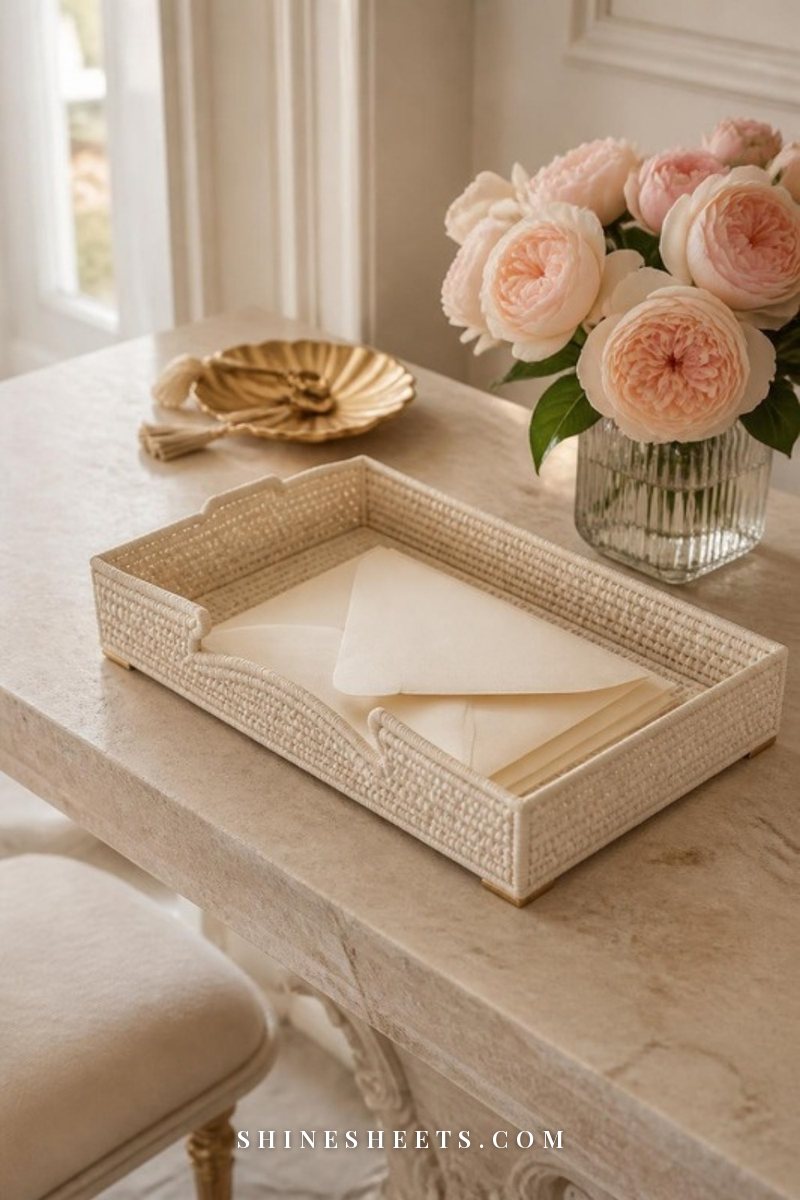
Paper is usually the reason a command center turns messy, so give it a clear, limited home. The goal isn't storage. It's a holding spot for things that need action soon.
Set it up: a cream wall file organizer with two or three pockets works well: "to do" (bills, forms to sign), "to file" and "this week" (tickets, invitations). Below it, a woven basket catches incoming mail until you sort it. Recycle junk mail the same day, right at the wall, so it never lands in a pocket.
Anything you need to keep long-term moves on to your filing system. My guide on how to organize paperwork at home walks through setting one up.
5. Keys and Charging

Lost keys cost more mornings than almost anything else. A dedicated spot ends the hunt.
Set it up: a row of gold adhesive wall hooks at adult height, one hook per person or set of keys, plus one for spare or car keys. Underneath, a small dish or tray on a nearby surface can hold sunglasses and earbuds.
For charging, keep it on a nearby shelf or console rather than on the wall itself, with cords tidied in a box or clip. Please keep cords, chargers and power strips out of reach of little ones and pets, and away from papers and anything damp. Never charge devices under cushions or on top of paper piles.
6. School or Activity Notes

Permission slips, practice schedules, lunch menus, the dance recital date: these all need a place to be seen until they're done.
Set it up: a framed cork board or a fabric-covered pinboard with one section per child or per activity. Pin only current notes, and take each one down once the event is over or the form is returned. If you have small children, use larger clips or magnets placed high, and keep pushpins and small magnets well out of reach, since they're a choking hazard.
7. A Message Spot
This is the friendliest zone. It's where someone writes "Out of milk," "Practice moved to 5" or simply "Have a great test day."
Set it up: a small chalkboard, a corner of the whiteboard or a little pad on a clip. Set one rule: messages get erased once they're read and handled. Leave the occasional kind note too. A wall full of logistics feels lighter with one warm line on it.
Command Center Zones at a Glance
Use this table to plan your wall before you buy anything. Screenshot it if you want it handy at the store.
| Zone | What goes there | Simple tool | Upkeep |
|---|---|---|---|
| Shared calendar | Appointments, events, birthdays, trips | Magnetic dry-erase monthly calendar | Update weekly, wipe and redo monthly |
| Weekly plan | Who drives where, busy evenings, prep notes | Small whiteboard or clipboard | Fill in every Sunday |
| Chores | Daily and weekly jobs with names | Movable magnets or clothespins on a ribbon | Rotate weekly |
| Mail and papers inbox | Bills, forms to sign, tickets, invitations | Wall file with 2–3 pockets plus a basket | Sort daily, clear weekly |
| Keys and charging | Keys, sunglasses, chargers (on a shelf) | Adhesive hooks and a small tray | Tidy cords weekly |
| School or activity notes | Permission slips, schedules, reminders | Cork board or pinboard | Remove finished items weekly |
| Message spot | Quick notes, reminders, kind words | Chalkboard, whiteboard corner or notepad | Erase once handled |
Notice that every zone has a small upkeep task. That's on purpose. A command center without upkeep slowly becomes another cluttered wall.
Renter-Friendly Ways To Hang It

You don't need to drill holes for a command center that looks polished. A few renter-friendly options:
- Adhesive hooks and strips. Removable picture hanging strips hold lightweight boards, frames and wall files. Check the weight limit on the package, clean the wall with a little rubbing alcohol first and press firmly for 30 seconds. Wait about an hour before hanging anything.
- Leaning boards. A large framed board leaning on a console, sideboard or deep shelf looks intentional and needs no hardware. Add a small piece of non-slip pad or a removable strip behind the top edge so it can't tip.
- Over-door rails. Hang a rail over a pantry or closet door and clip on baskets, a small board and a file. Everything moves with you when you move out.
- Fridge side. Magnetic boards, hooks and files can stick to the side of a fridge, which is often the most used surface in the house.
- Tension or freestanding options. A slim freestanding pegboard or ladder shelf can hold the whole setup without touching the wall.
To remove adhesive strips later, pull the tab slowly straight down along the wall, never outward. Keep heavier items, like a big glass board, on a surface rather than relying on adhesive.
Budget Version vs Fuller Setup
A command center doesn't have to be a shopping project. Here's how the same idea looks at two levels:
The Budget Version
- A paper monthly calendar taped or clipped to the wall.
- A clipboard for the weekly plan and chores.
- A shoebox or basket you already own as the mail inbox.
- Two or three adhesive hooks for keys.
- A notepad on a clip as the message spot.
That's enough to test whether your family actually uses it. Many people find out which zones they need and which they don't before spending a cent more.
The Fuller Setup
- A framed magnetic dry-erase board for the calendar and weekly plan.
- A matching wall file plus a lidded basket for incoming mail.
- A cork or fabric pinboard with a section per person.
- A row of matching hooks and a console or shelf beneath for a charging box and catch-all tray.
- A small chalkboard for messages and a cup of markers and chalk.
My honest suggestion: start with the budget version for two or three weeks. Once you know the layout works, upgrade one piece at a time.
How To Keep It Alive
The setup takes an afternoon. Keeping it useful takes about ten minutes a week and a few small agreements.
- Do a 10-minute Sunday reset. Update the calendar, fill in the weekly plan, rotate chores and clear the message board. Put on a song or two and make it quick.
- Let one person own the updates. Others can add to it, but one person checks it's current each week. This role can rotate monthly so it's not always the same person.
- Clear old papers weekly. Anything finished gets filed, recycled or returned. If a paper has been in the "to do" pocket for two weeks, it either gets done this week or moves to a real list.
- Keep it to one wall. When it starts spreading to the counter, fridge door and stairs, it's time to edit, not expand.
- Check in once a month. Ask the household what's working and what's ignored. Remove the zone nobody uses, and give more room to the one everyone relies on.
The wall works because everyone trusts it. Keep it current and it keeps earning that trust.
Making It Work for Everyone at Home
A command center only helps if every person in the home can use it, so set it up for the shortest, busiest and least organized member of the household, not the most organized one.
- Little ones. Use simple pictures or color dots instead of words for their chores, and hang their part at their eye level. Keep anything with small parts, pins or cords higher up.
- School-age kids. Give them one job on the wall, like moving their own chore magnet or checking tomorrow's plan before bed. Ownership makes the habit stick.
- Teens. Ask them to add their own events to the calendar by Sunday. If they prefer their phone, a quick weekly sync with the wall is enough.
- Other adults. Agree on what belongs on the wall and who updates what. Two minutes of agreement saves a lot of "I didn't know."
If someone forgets to check it, resist turning the wall into a reason for scolding. A friendly "it's on the board" works far better over time than a lecture, and it keeps the command center feeling like help, not homework.
Pretty Finishes in Soft Colors
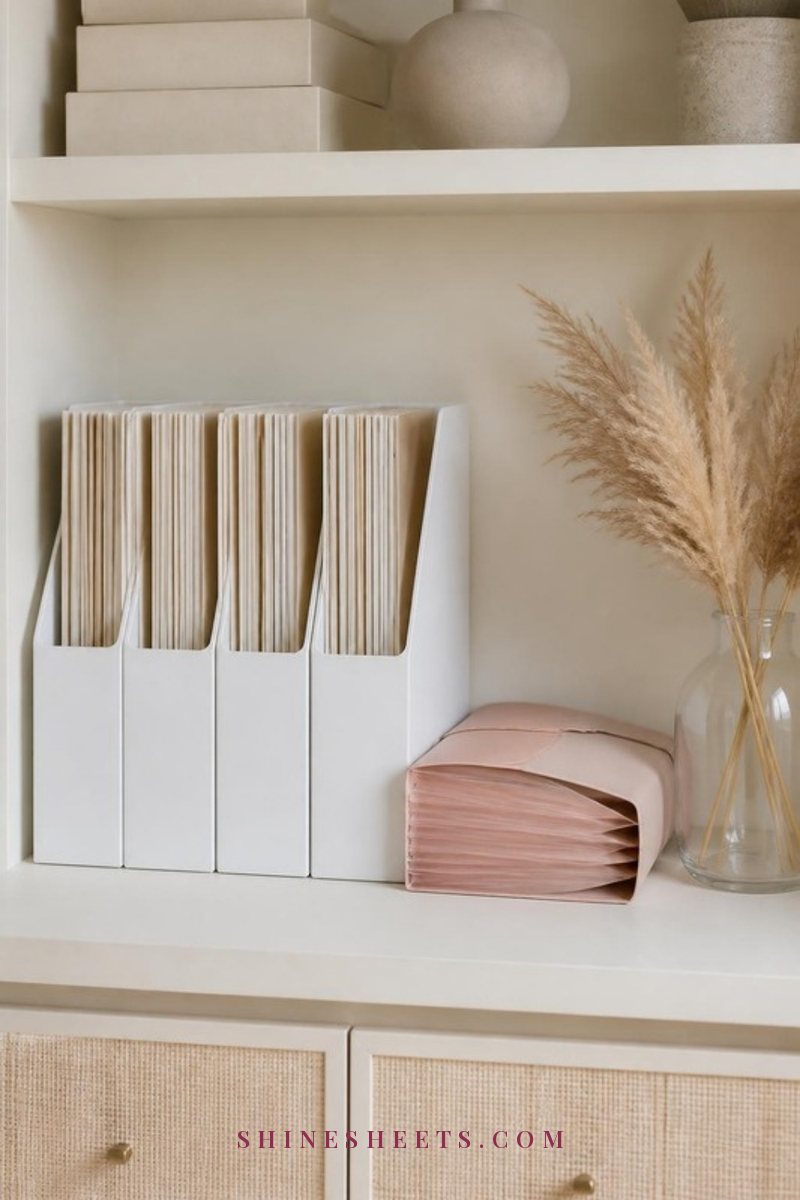
A command center will be seen every single day, so it's worth making it something you enjoy looking at. Small touches make a functional wall feel like part of your home:
- Choose one main color for frames and files (white, cream or soft wood) and one accent, like gold hooks or blush clips.
- Use a single marker color family, or pastels, so the calendar looks calm instead of loud.
- Add one living thing nearby: a small plant, a bud vase or a few stems in a jar.
- Line up the tops or the centers of the boards so the wall reads as one neat unit.
- Leave a little empty space. Breathing room is what makes it look tidy.
The goal isn't a picture-perfect wall. It's a wall that's pleasant enough that people are happy to stop and look.
Final Thoughts
A family command center is really a small act of care: one place where everyone can see what's happening, so fewer things fall through the cracks and fewer questions land on one person.
Start simple, choose a spot people already pass, set up the zones you need most and give it ten minutes every Sunday. With a little upkeep, that one wall can make the whole week feel lighter.