Layering rugs isn't about owning more rugs. It's about letting two of them do different jobs: one big, quiet rug that grounds the room, and one smaller, softer rug that brings the personality. When each rug knows its job, the room stops looking like a collection of random pieces and starts looking finished.
It's also one of the most renter-friendly tricks I know. A layered rug can hide a tired carpet, soften a cold floor, make a small rug you already love look intentional, and fix a "too small" rug problem without buying a giant expensive one.
This guide covers how to layer rugs with 7 easy rules, a pairing table you can screenshot before you shop, room-by-room ideas (including layering over carpet), the safety basics nobody should skip, and simple ways to do it all on a budget.
Why Layering Rugs Works So Well
A single rug has to do everything at once: be the right size, the right color, the right texture and the right price. That's a lot to ask from one piece, and it's usually where the frustration starts. You find the perfect pattern, but it only comes in a size that floats in the middle of the room. Or you find the perfect size, but it's plain and a little boring.
Layering splits those jobs in two. The base rug handles size and structure – it's the big, durable layer that makes the furniture look like it belongs together. The top rug handles style – the pattern, the color, the softness under your feet. Neither one has to be perfect on its own.
It also adds depth. Two layers create a little visual "frame" around the top rug, which makes even a simple room look considered. If you're still deciding on the right size and placement for one rug, my guide on how to choose a rug by size, placement and material covers the basics. This article picks up where that one ends: combining two rugs so they look like they were meant to be together.
How To Layer Rugs: 7 Easy Rules
You don't need a designer's eye for this. These seven rules do most of the thinking for you. Follow the first three, and the room will already look better. Add the rest, and it will look styled.
1. Start With a Large, Flat Base Rug
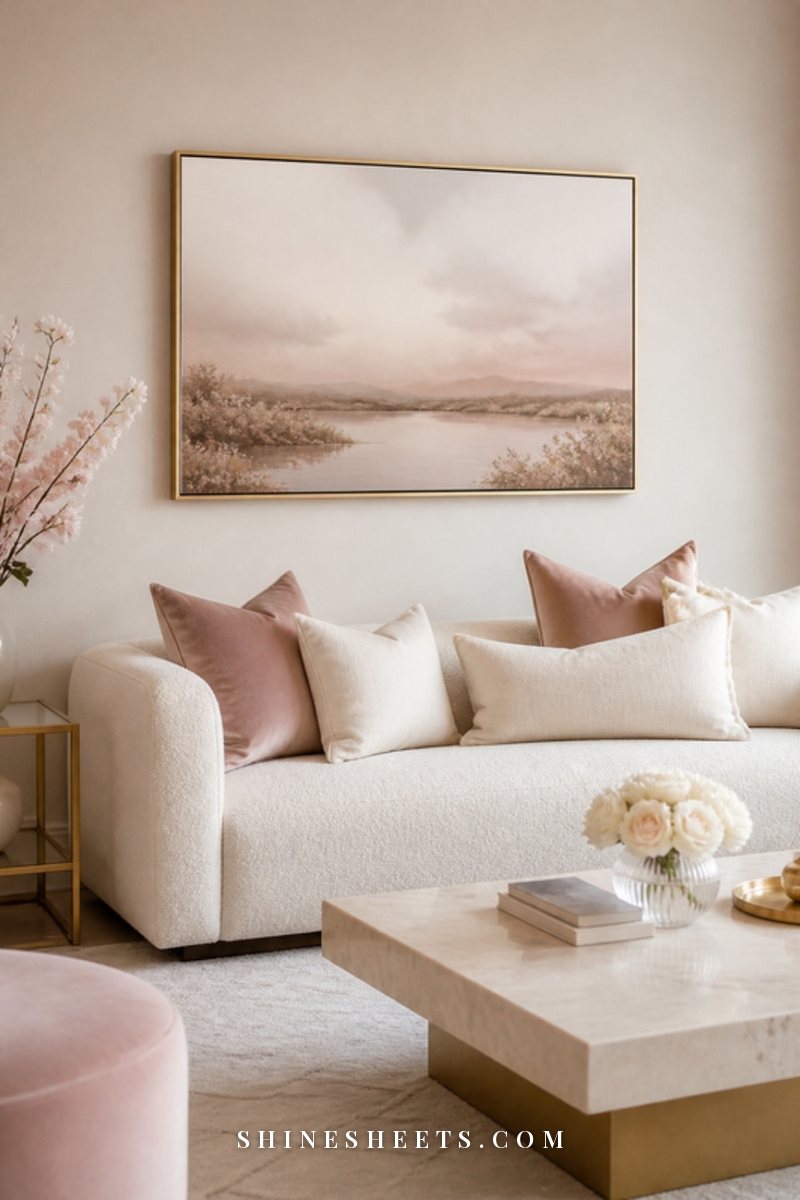
The base rug is the foundation, so it should be big, flat and low-key. Natural fibers like jute and sisal are the classic choice because they're textured but neutral, and a flatweave cotton or wool rug works just as well. Flat matters: a thick, plush base under another thick rug turns into a wobbly, lumpy sandwich that's easy to trip on.
Size the base rug for the furniture, not for the top rug. In a living room, the front legs of the sofa and chairs should sit on it. In a bedroom, it should stick out at least 18–24 inches on each side of the bed.
If you're buying one piece to build on, I'd choose a large natural jute rug with a tight, flat weave and a simple bound edge. Look for a low pile (under half an inch) and a color that sits somewhere between sand and honey, so it works with both warm and cool top rugs.
2. Make the Top Rug at Least a Third Smaller
The top rug needs space to "breathe" so you can actually see both layers. A good rule of thumb: the top rug should be at least one third smaller than the base rug, with 12–18 inches of the base showing on every side (or at least on the two long sides).
Here's a quick formula you can use in the store or online:
- Base 8x10 → top rug 5x7 or 5x8
- Base 9x12 → top rug 6x9
- Base 6x9 → top rug 4x6
- Base 5x8 → top rug 3x5 or a round 4-foot rug
If the two rugs are almost the same size, it looks like a mistake rather than a choice. If the top rug is tiny, it looks like a bath mat that wandered off. The one-third gap is the sweet spot.
3. Mix Textures, Not Just Colors
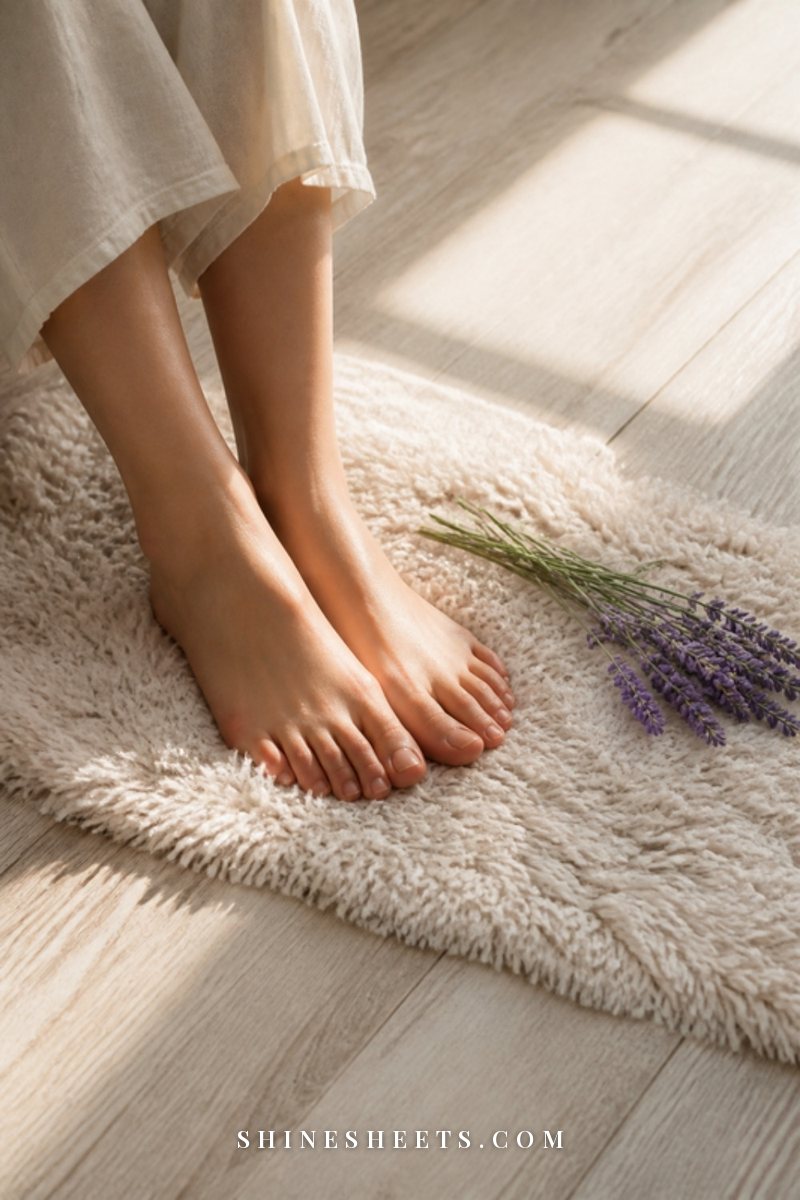
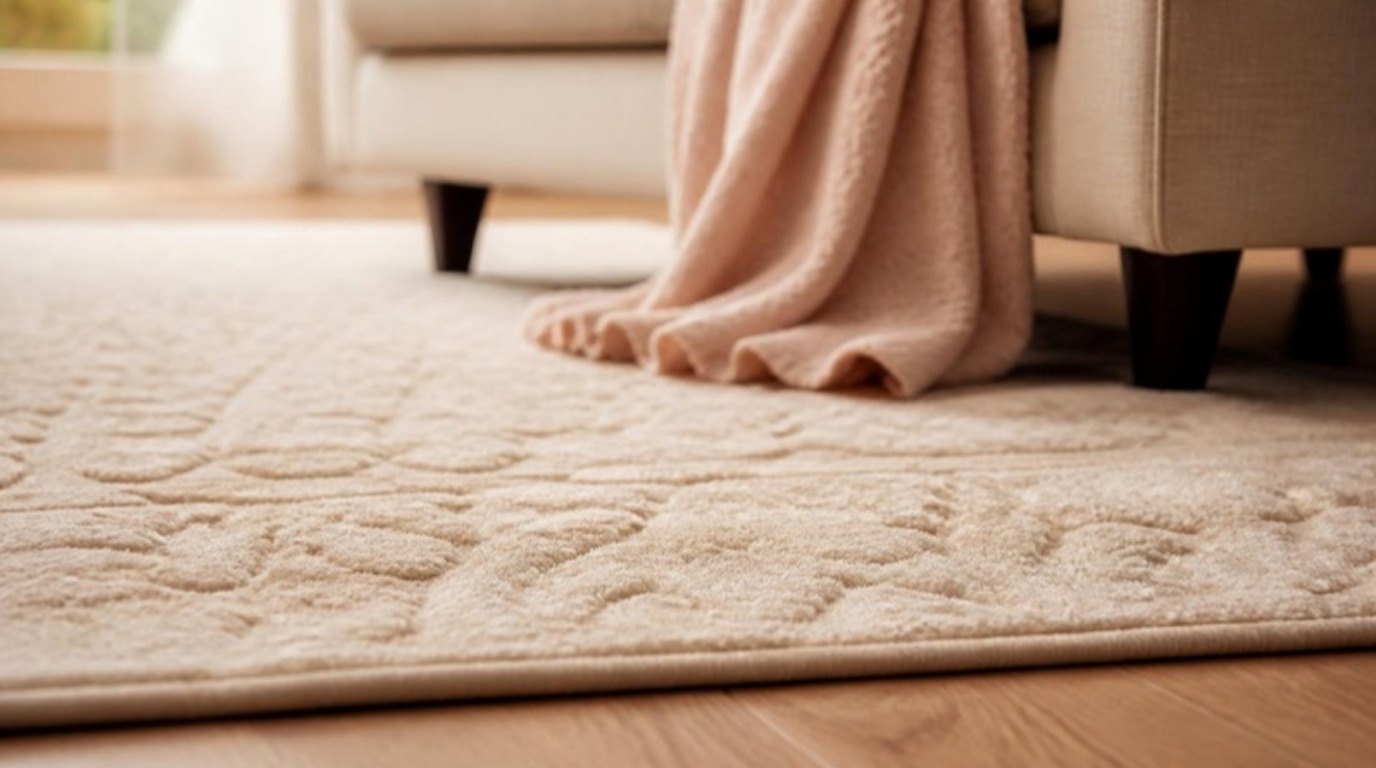
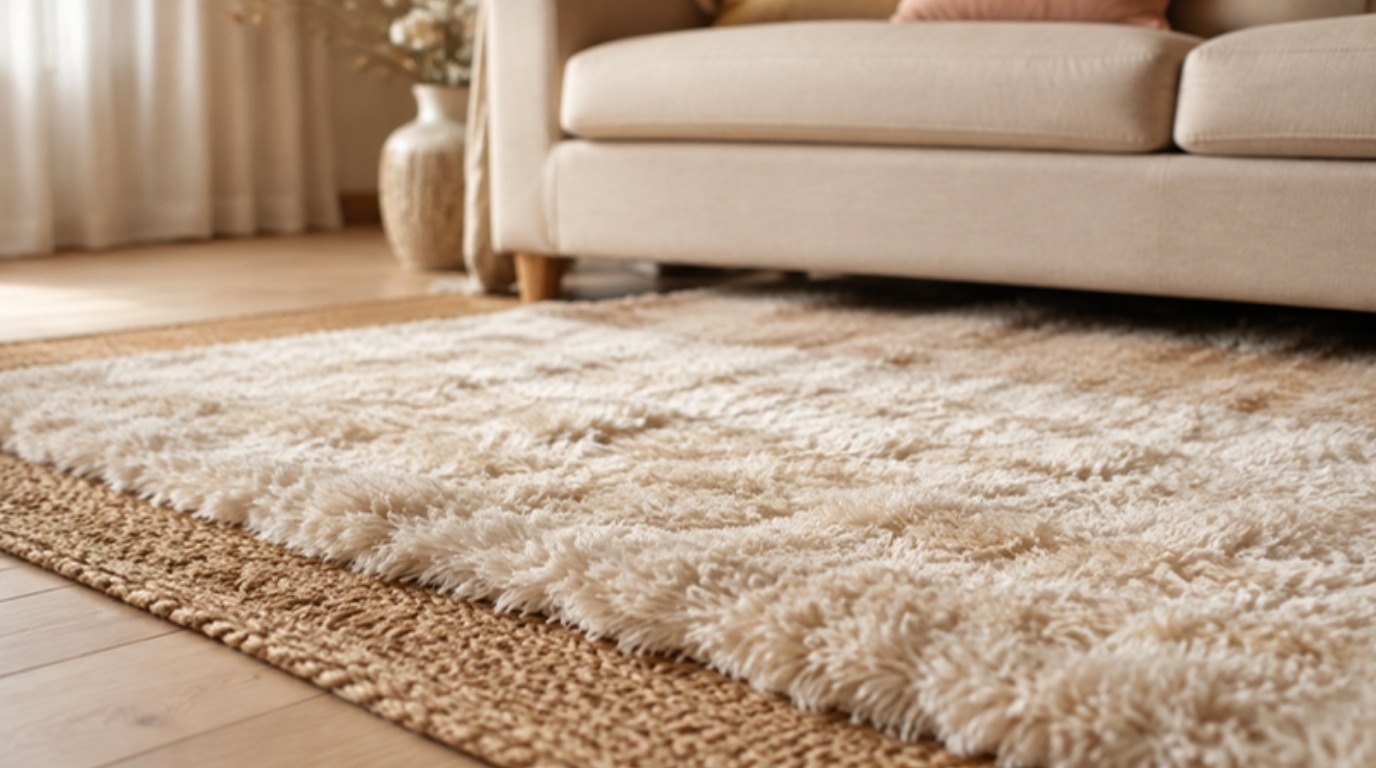
The secret to layering that looks expensive is contrast in texture. A flat, nubby jute under a soft, fluffy shag. A smooth flatweave under a slightly worn vintage-style rug. A sisal under a faux sheepskin. Your eye reads the difference instantly, even when the colors are almost the same.
That's why an all-cream room can still look rich: cream jute, cream shag and a cream throw are three different surfaces. For a soft top layer, a cream shag accent rug is the easiest pick. Look for a dense pile (not a thin, shedding one), a non-slip or felt backing, and a washable or spot-clean label. Pile around 1–2 inches feels plush without being a dust trap.
For more on combining surfaces across a whole room, my rules for mixing patterns and textures go deeper into how many textures one room can hold.
4. Pair One Pattern With One Solid
Two busy rugs fighting on the floor is the most common layering mistake. The simplest way to avoid it: one layer gets the pattern, the other stays solid or almost solid.
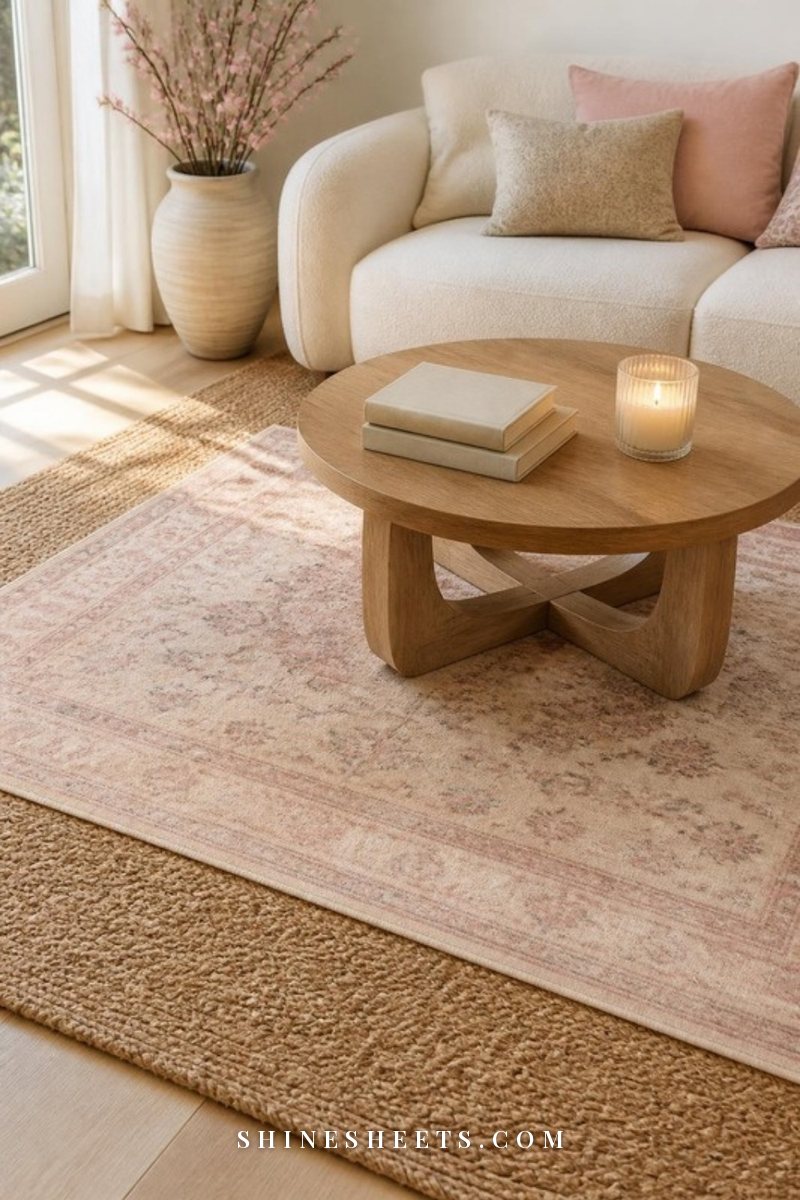
The usual setup is a solid (or naturally textured) base and a patterned top rug. That's where a vintage-style or Persian-style rug really shines. A sage green vintage-style rug with a faded, low-contrast pattern sits beautifully on top of jute. Look for a thin, flat pile (these are easy to layer), soft washed colors rather than bright ones, and a size that follows the one-third rule.
If you really want two patterns, make them very different in scale: a tiny, subtle pattern (like a small diamond weave) on the bottom and a bigger, softer pattern on top. Never two medium-sized patterns in the same colors.
5. Keep One Shared Color
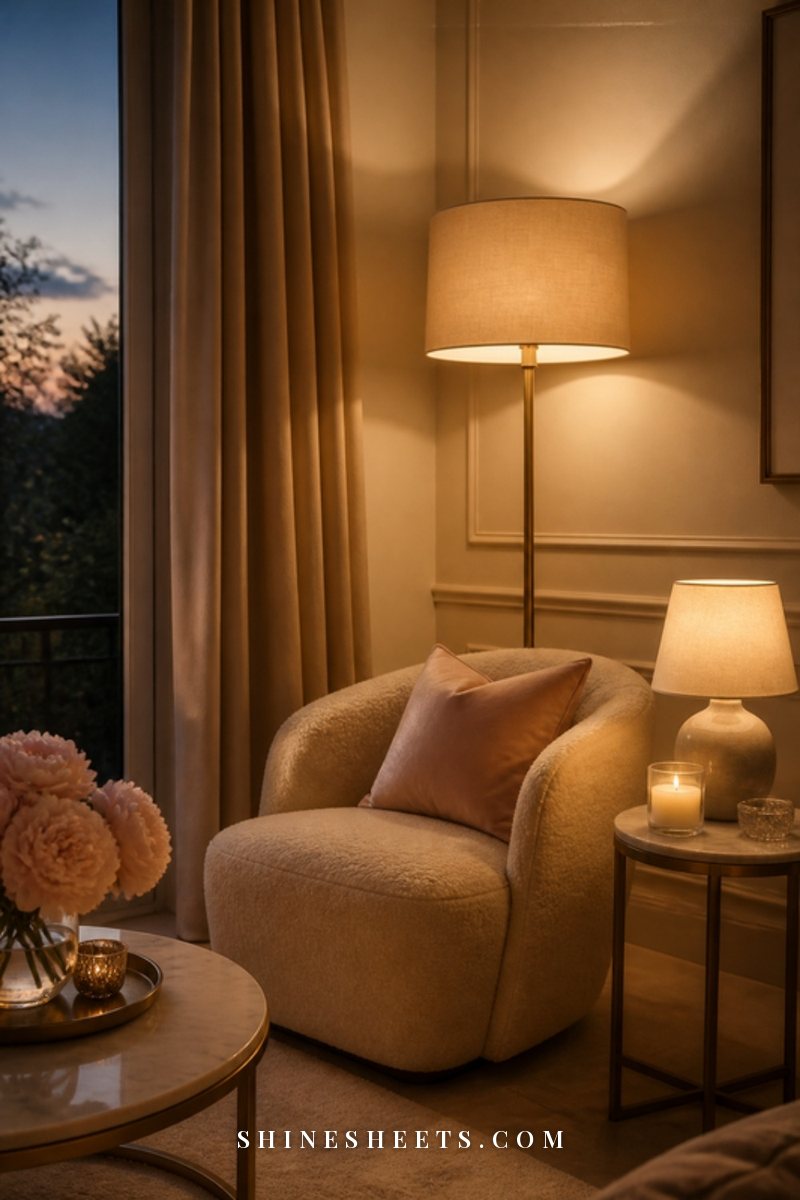
Your two rugs don't need to match, but they should share at least one color so they look like they belong together. It can be small. A cream border on the top rug that echoes a cream base. A beige thread in a vintage pattern that picks up the jute. A touch of sage that repeats in your cushions.
A simple test: put the top rug on the base and stand in the doorway. If you can name one color they both have, you're done. If you can't, try a different top rug or bring a third piece (a throw or a cushion) that connects them.
Neutral rooms make this rule extra easy, because almost everything shares beige or cream. If you want neutrals that still feel warm and lived-in, my guide to neutral home decor that doesn't feel bland has plenty of ideas.
6. Place the Top Rug Off-Center or at an Angle
Centering the top rug perfectly is always fine. But if the room feels a little stiff, try shifting it. Place the top rug slightly toward the seating area, or turn it at a gentle angle (about 15–30 degrees) so one corner points toward the sofa or the bed.
An angled top rug makes the layering look relaxed, as if it simply landed there. It's especially nice in reading corners, open-plan spaces and long, narrow living rooms, where a diagonal breaks up all the straight lines. Keep it simple: one angled rug per room is plenty.
7. Anchor the Layers With Furniture
Furniture holds the layers in place, both visually and physically. Let the front legs of the sofa, an armchair or a bench rest on the edge of the top rug, or place the coffee table right in the middle of it. Suddenly the two rugs aren't just lying on the floor; they're part of the room.
Anchoring also helps with sliding. A rug with weight on it moves much less than one floating in the open. Just make sure heavy furniture doesn't sit half on, half off a thick top rug, or it will tilt. Thin top rugs are fine under legs; plush shag rugs are better placed in front of furniture than under it.
The Rug Layering Table: Pairings That Just Work
Here's the table I'd keep on my phone before shopping. Pick a row that matches your room, and you'll have a pairing that looks good together almost every time.
| Base rug | Top rug | Size ratio | Best room |
|---|---|---|---|
| Natural jute, 8x10 | Faded vintage-style rug in sage or blush, 5x8 | Top about 50% of the base | Living room |
| Flatweave cotton, 9x12 | Cream shag rug, 6x9 | Top about 50% of the base | Bedroom (under the bed) |
| Sisal, 6x9 | Faux sheepskin or round shag, 4-foot | Top about 25–30% of the base | Reading corner |
| Low-pile neutral wool, 8x10 | Small-pattern flatweave, 5x7 | Top about 45% of the base | Dining area |
| Wall-to-wall carpet | Flatweave or vintage-style rug, 5x8 | Covers the main seating zone | Rental living room or bedroom |
| Striped flatweave runner | Small round or 2x3 cotton rug | Top rug at one end only | Entryway or hallway |
The pattern behind every row: the bottom layer is bigger, flatter and quieter; the top layer is smaller, softer or more patterned. If your pairing follows that, it will work.
Room-by-Room Rug Layering Ideas
The rules stay the same everywhere, but every room asks for something slightly different. Here's how I'd layer in the four places people ask about most.
Layering Rugs in the Living Room
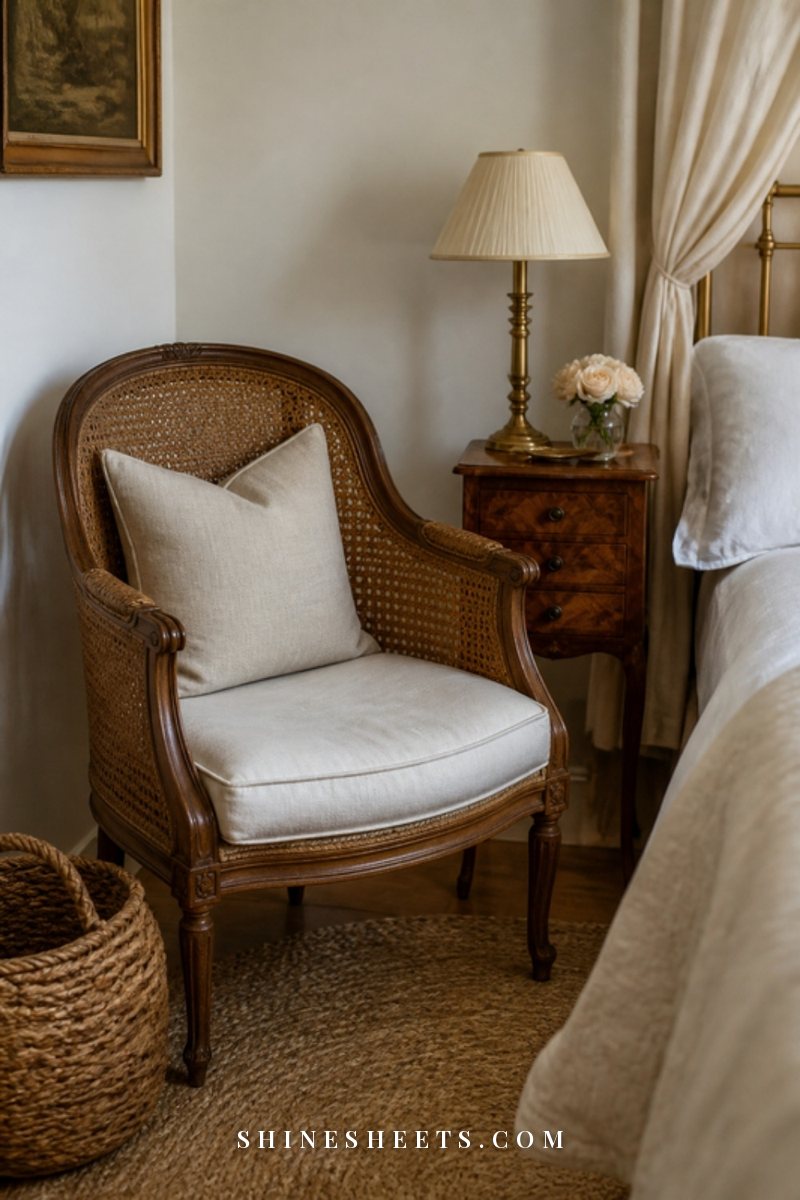
The living room is where layering makes the biggest difference. Start with a base rug large enough for the front legs of every seat, then center the top rug under the coffee table. That one move connects the whole seating area.
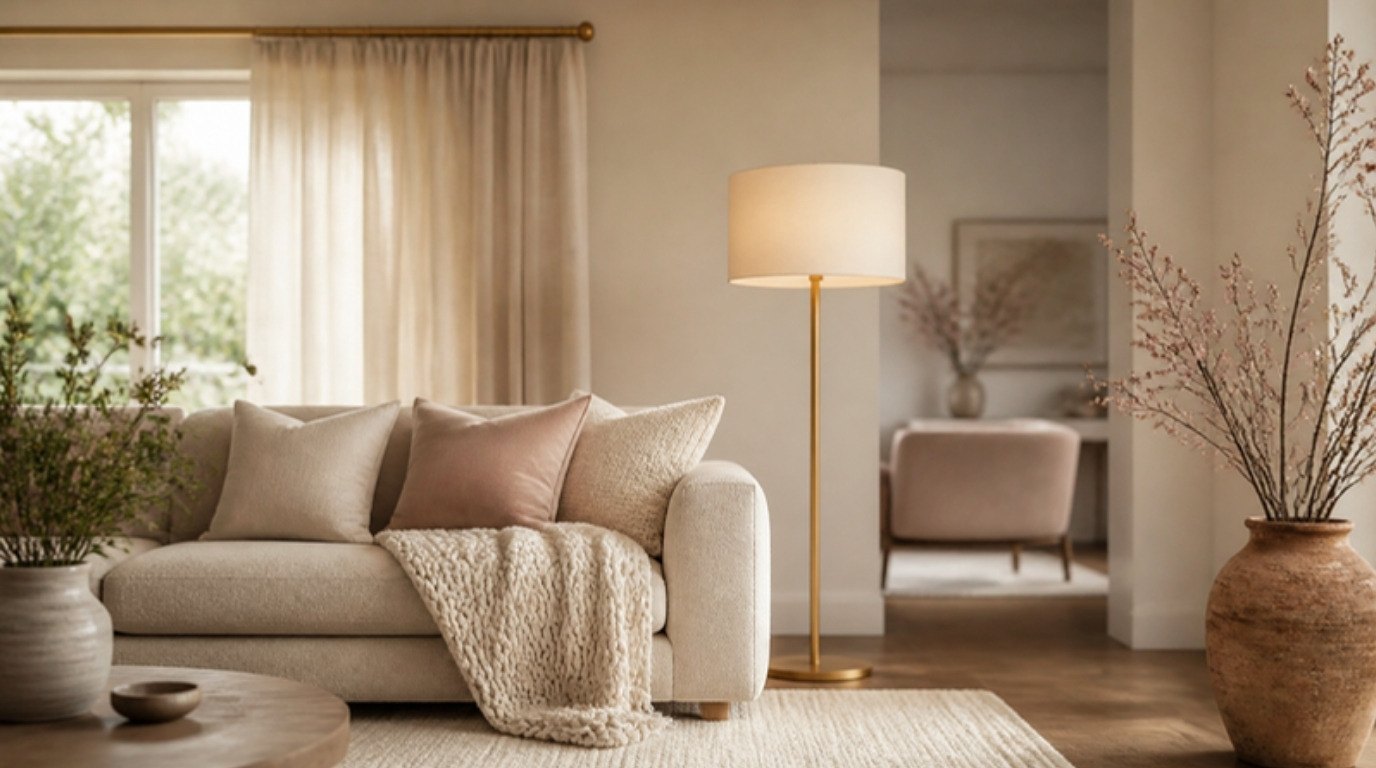
- For a calm look: jute base, cream or ivory top rug, plus a throw in the same tone.
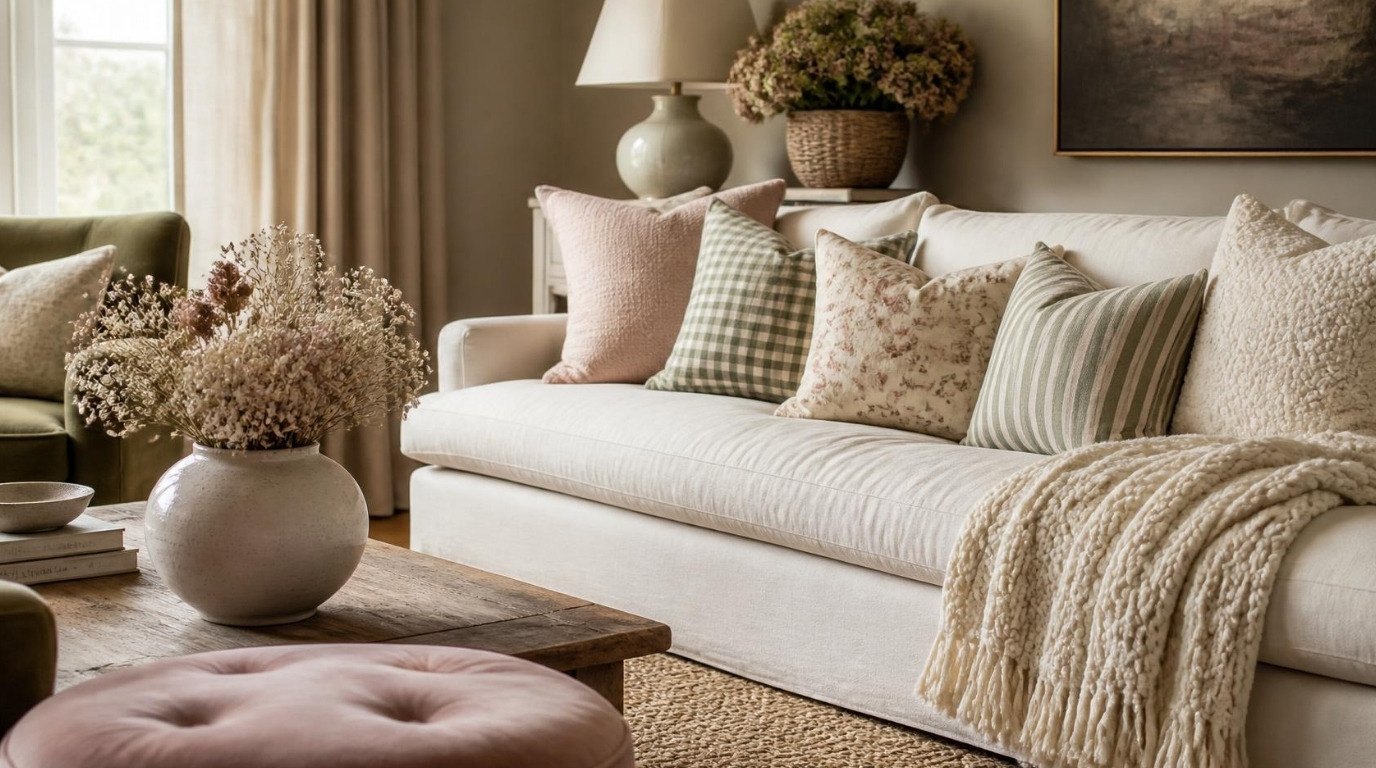
- For a soft color moment: jute base, faded blush or sage vintage-style top rug, and one cushion that repeats the color.
- For a family room: flatweave base and a low-pile washable top rug, because it will see crumbs, socks and the occasional spilled drink.
In a small living room, layering can actually make the space feel bigger, because one large base rug pulls everything together. Keep the top rug light in color and skip the angle. My small living room ideas have more renter-friendly tricks if your space is tight. And if you want the full picture of a warm, welcoming room (lighting, throws, candles), my cozy living room ideas pair well with everything here.
Layering Rugs in the Bedroom
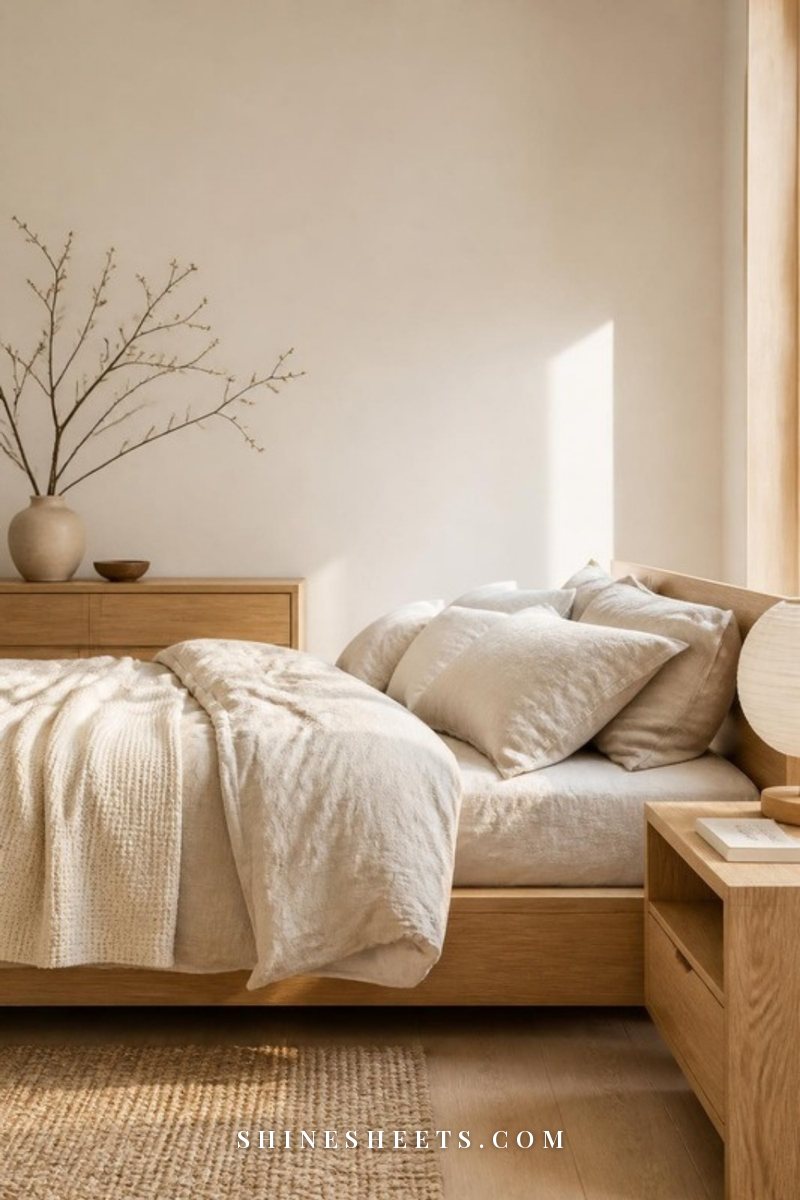
The bedroom is all about how the floor feels when your feet first touch it in the morning. Layering gives you a soft landing without having to buy one enormous plush rug.
Two easy layouts:
- Under the bed: a large flatweave or jute base under the lower two thirds of the bed, plus a smaller shag or vintage-style rug placed horizontally at the foot of the bed, peeking out on both sides.
- Beside the bed: a big base rug under the bed, plus a small 2x3 or round soft rug on your side only, right where you step out of bed.
Keep the top rug soft here. Bedrooms see bare feet, not shoes, so this is the room where a plush shag or faux sheepskin makes the most sense.
Layering Rugs in a Reading Corner
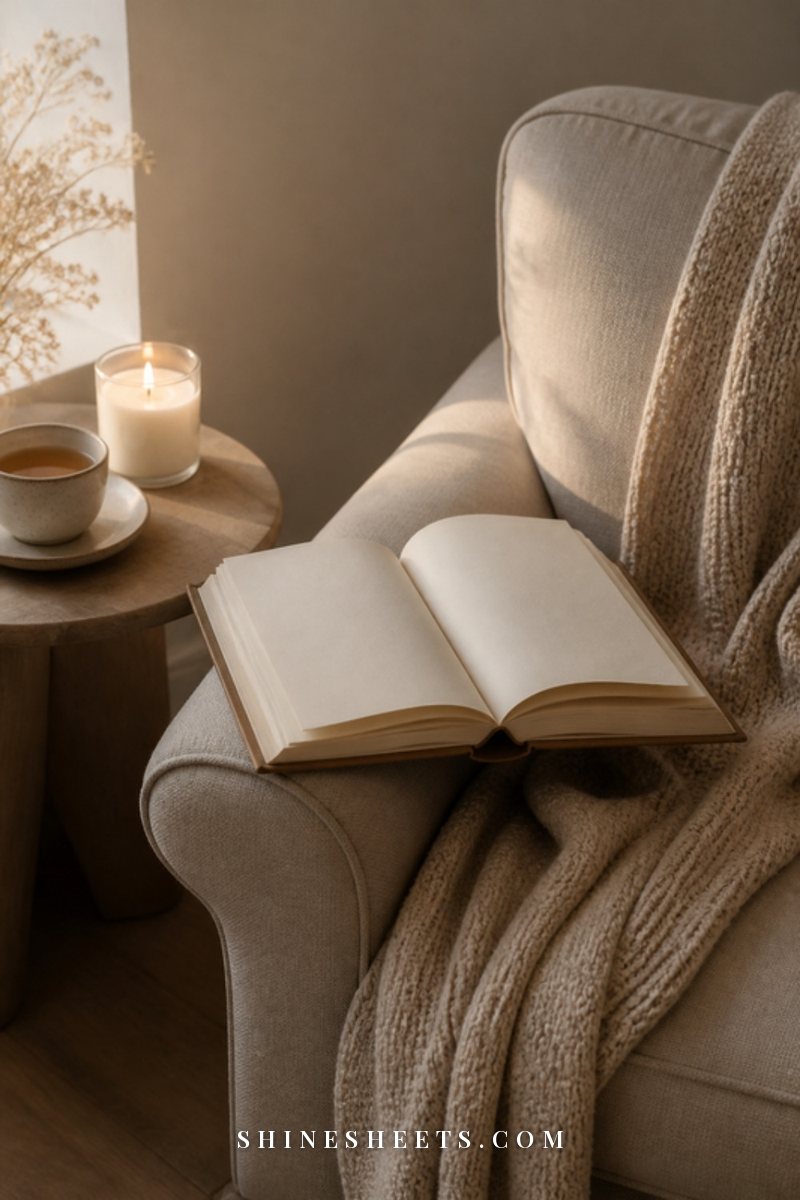
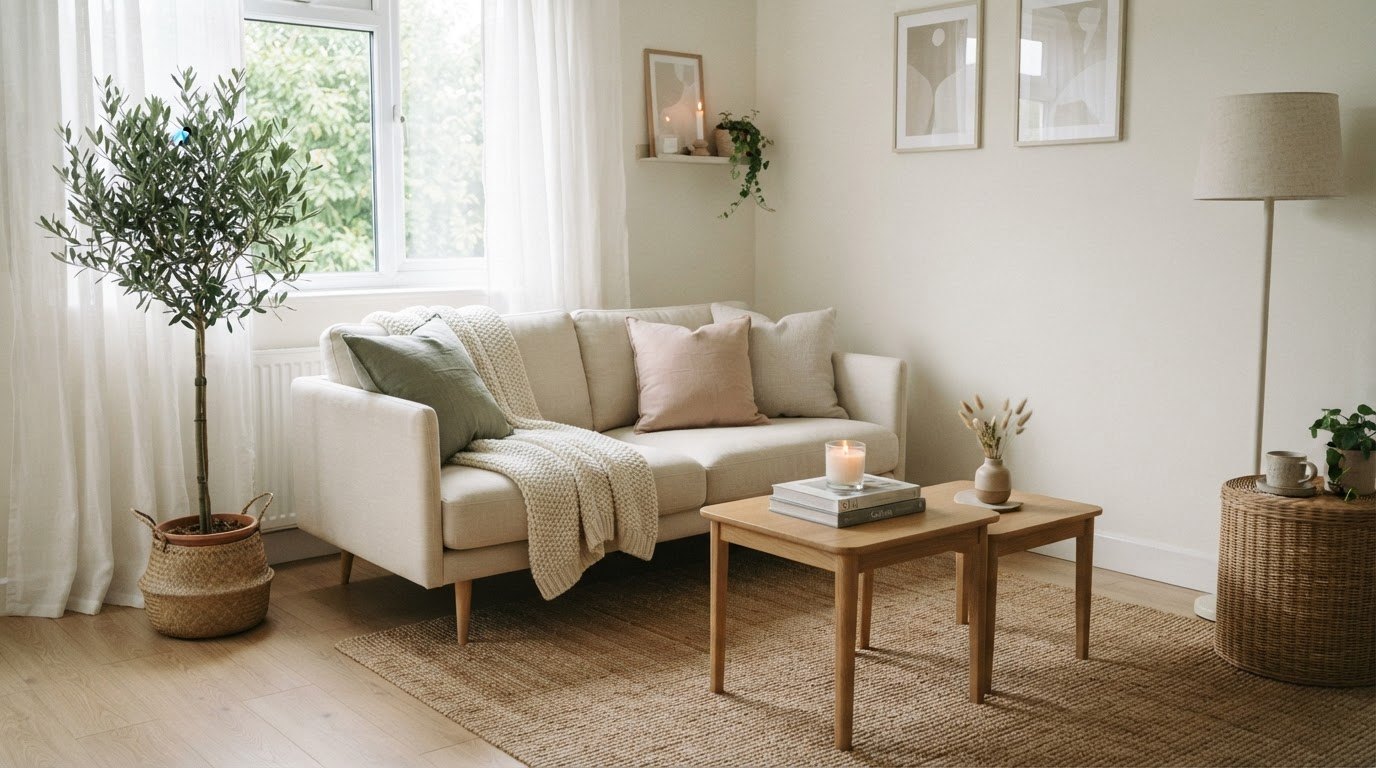
A reading corner is the perfect place to practice, because the area is small and the rugs can be too. Put a medium sisal or jute rug under the chair and side table, then add a small round shag rug or faux sheepskin at an angle in front of the chair.
That second layer turns a random chair into a "spot." It tells you (and everyone else) that this corner is for sitting down with tea and a book. A floor lamp and a throw blanket finish the look.
Layering Rugs Over Wall-to-Wall Carpet
Yes, you can layer a rug over carpet, and it's one of the best tricks for renters stuck with a beige or slightly tired carpet. Here, the carpet is your base layer, so you only need one rug on top.
- Choose a thin, flat top rug (flatweave, low-pile or vintage-style). A shag on top of carpet looks heavy and shifts constantly.
- Pick a color that contrasts with the carpet so the rug looks intentional, not like a slightly different carpet.
- Use a rug-to-carpet pad (a specific type made to grip carpet fibers), because regular pads for hard floors can make rugs "walk" across carpet.
- Anchor at least one edge with furniture, which helps keep it from creeping and bunching.
Keep It Safe: Rug Pads and Flat Edges
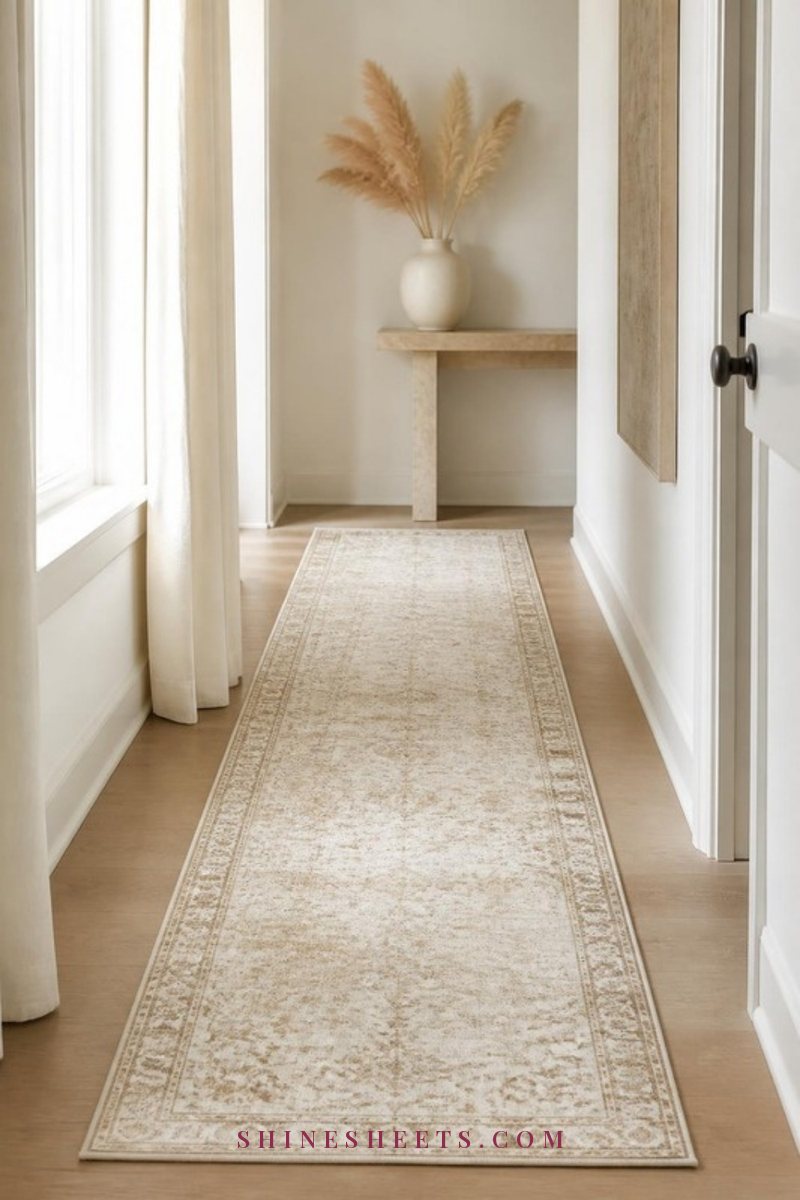
This is the part I'd never skip. Two rugs mean two layers that can slide against each other and against the floor, and loose corners are an easy way to trip, especially in the dark or with little ones and pets running around.
- Always put a pad under the base rug. A non-slip rug pad cut about an inch smaller than the rug on every side keeps the base in place and protects your floor. Look for felt-and-natural-rubber pads for hard floors, and avoid cheap PVC grippers that can stain some floor finishes.
- Stop the top rug from sliding on the base. Thin top rugs can glide over jute. A thin pad between the layers or double-sided rug tape on the corners helps. Look for tape that says it's removable and safe for rugs, and test it on a small hidden spot first.
- Flatten every edge. Curled corners are trip hazards. Roll the corner backward overnight, place a heavy book on it for a day, or use rug corner grippers.
- Keep layers out of walkways where you can. In hallways, doorways and on stairs, one well-gripped rug is safer than two.
- Check thickness at doors. Make sure doors can still open and close over the layered area without catching.
If anyone in your home uses a walker or has trouble with balance, keep layered rugs to areas where people sit, not where they walk, and keep edges completely flat.
Care and Cleaning for Layered Rugs
Layered rugs are honestly easier to care for than one big plush rug, because the top rug (the one that gets dirty) is smaller and easier to move.
- Vacuum both layers every week or two. Lift the top rug and vacuum the base underneath, since crumbs and grit love to hide between layers.
- Shake out the top rug once a month. Small rugs can go outside for a good shake. Natural jute rugs shed a little, which is normal.
- Rotate both rugs every few months. Turning them 180 degrees evens out wear and sun fading.
- Spot clean right away. Blot (don't rub) spills with a clean white cloth and a little mild soap and water. Keep jute as dry as possible, since water can leave brown marks on natural fibers.
- Wash what's washable. Many small cotton and flatweave rugs can go in the washer on a gentle, cold cycle. Always check the care label first.
When it's time for a proper refresh, my step-by-step guide on how to deep clean an area rug at home walks through it.
Budget Tips for Layering Rugs
The nicest part about layering is that it's built for a budget. You only need one rug to be big, and big is where rugs get expensive.
- Invest in the base, save on the top. Put your money into one good, large natural or flatweave rug that you'll keep for years. The top rug can change with your mood.
- Thrift the top rug. Secondhand shops, estate sales and online marketplaces are full of small vintage and wool rugs. Look for thin, flat ones with faded colors. Check the back for damage and wash or air them out before bringing them in.
- Reuse the rug you already have. That 5x7 that always looked too small? Put a big jute rug under it and it instantly looks right.
- Use a runner or two small rugs as the top layer. Two matching 3x5 rugs placed side by side can work in a long room.
- Change the top rug seasonally. A soft shag for cold months and a light flatweave for warm ones refreshes the room without new furniture.
A cream or beige base also keeps future shopping simple, because nearly every top rug will share at least one color with it.
Common Rug Layering Mistakes (and Quick Fixes)
If your layered rugs look "off" and you can't figure out why, it's usually one of these:
- The rugs are too close in size. Swap the top rug for something a third smaller, or swap the base for something bigger.
- Two thick rugs together. Replace the bottom one with a flat rug. Plush always goes on top.
- Two strong patterns. Keep the one you love and swap the other for a solid or a natural fiber.
- No shared color. Add a throw or cushions that carry a color from both rugs, or pick a top rug with a neutral border.
- The whole thing floats in the middle of the room. Pull the layers toward the furniture until at least the front legs sit on the base.
- Corners that won't lie flat. Reverse-roll them, use rug tape, or add a pad between the layers.
Final Thoughts
Layering rugs is one of those small decor moves that makes a room look like someone thought about it, without a big budget or a big renovation. A large, flat base, a smaller soft or patterned top rug, one shared color and a good pad underneath are really all it takes.
Start with what you have, follow the one-third rule, and let the room settle for a few days before you change anything. Very often the rug you almost gave up on just needed a good partner underneath it.