Mixing patterns and textures isn't about having a "good eye." It's about following a few quiet rules that do the thinking for you. When a room with stripes, florals and a nubby throw looks effortless, it's almost never luck. Someone kept the colors close, changed the size of each print and left the eye a calm place to land.
The good news is that those rules are easy to learn, and once you know them you stop second-guessing every pillow in the store. You start seeing combinations instead of single pieces, and shopping gets a lot less stressful (and a lot less expensive, because fewer things end up in the return pile).
This guide walks you through mixing patterns and textures at home without chaos: seven simple rules, the pattern families that get along, a pillow combo formula with three ready-made palettes, quick fixes for when a room feels too busy, and room-by-room examples for your sofa, your bed and your rug and curtains.
It took me a while to understand that a "busy" room is rarely a room with too many patterns. It's usually a room with too many patterns of the same size fighting for attention. Keep that in mind and everything below will click.
Why Mixing Patterns Feels So Hard
Most of us buy decor one piece at a time. A pretty floral pillow here, a striped throw there, a rug that was on sale. Each piece is lovely on its own, but nobody stopped to ask how they would look next to each other. Then they all land on the same sofa and the result feels loud.
There are really only three things that make a mix feel messy:
- Too many colors. Five patterns in five unrelated colors will always clash, even if each one is beautiful.
- Everything the same size. Three medium prints side by side blur together, and your eye can't tell where to look.
- No resting place. When every surface has a print, nothing feels special, and the whole room looks tiring.
Every rule in this guide solves one of those three problems. That's it. No design degree needed, just a little intention.
7 Rules for Mixing Patterns and Textures
Think of these as training wheels. Once they become second nature, you can bend them, but at the start they'll save you from most mistakes.
1. Pick One Palette Before Anything Else
Choose two or three main colors plus one neutral, and let every pattern pull from that small list. If your palette is blush, cream and soft gold, a blush-and-cream stripe, a cream floral with blush roses and a gold-flecked check will all feel related, even though the patterns are completely different.
A simple test: lay your pieces on the floor and squint. If the colors melt into one soft mood, you're in good shape. If one piece jumps out like it came from another house, that's the one to swap.
If you're still deciding on a color story for the whole space, my guide to soft pink room decor shows how one gentle color can carry a room without feeling sugary.
2. Vary the Scale: Large, Medium, Small
This is the rule that does the most work. In any group of patterns, include one large print, one medium print and one small print.
- Large: a big floral, a wide stripe, a bold botanical. This is your statement piece.
- Medium: a classic stripe, a gingham, a mid-size check or a simple geometric.
- Small: a tiny dot, a ditsy floral, a pinstripe or a micro-check that reads almost like a texture from across the room.
When the sizes are different, each pattern gets its own "voice," and they stop shouting over each other. Two large florals next to each other compete. A large floral next to a small check feels charming.
3. Give the Eye a Solid Rest Zone
Every patterned area needs a calm neighbor. That might be a solid sofa, a plain linen duvet, a bare wall or simply a solid pillow sitting between two prints.
A good rule of thumb is roughly 60 percent solid, 30 percent pattern and 10 percent bold accent in any one view. You don't need to measure anything. Just look at a corner of the room and ask: is there somewhere my eye can rest? If the answer is no, add a solid.
4. Repeat Every Pattern at Least Twice
A pattern that appears only once looks like an accident. A pattern that appears twice looks like a decision. If you have a striped pillow on the sofa, echo that stripe somewhere else: a striped lampshade, a striped tea towel draped on a chair, a striped storage box on a shelf.
The repeat doesn't have to be identical. Same pattern family plus same color is enough. A blush gingham pillow and a blush gingham napkin on the coffee table tray will feel connected across the room.
5. Start With Texture in Neutral Rooms
If your home is mostly cream, beige and white, you can create almost as much interest with texture as with pattern, and it's much harder to get wrong. Texture is the "pattern" you feel: boucle, chunky knit, linen, velvet, rattan, jute, wood grain, ceramic.
Aim for at least three different textures in a neutral corner. A cream boucle pillow on a linen sofa with a knit throw beside it already looks layered and finished, without a single print. Once that base feels right, add one patterned piece and you'll be surprised how much it sings.
6. Mix Pattern Families on Purpose
Patterns fall into a few big families, and the easiest mixes take one piece from different families rather than three from the same one. A stripe, a floral and a check are a classic trio for a reason. They're different enough not to blur, but familiar enough to feel calm. More on the families in the next section.
7. Let One Pattern Be the Star
Decide which piece is the main character. Usually it's the largest pattern with the most colors in it, like a floral pillow or a printed rug. Then let the other patterns play supporting roles by being smaller, simpler and pulling just one or two colors from the star.
Here's a small honest admission: I used to buy the "supporting" pieces first because they were cheaper and safer, and then struggled to find a star that matched. Do it the other way around. Find the piece you love most, then build the rest from its colors.
Pattern Families That Play Well Together
Knowing the families makes mixing feel almost like a recipe card. Here are the four you'll see most at home, plus how each one behaves:
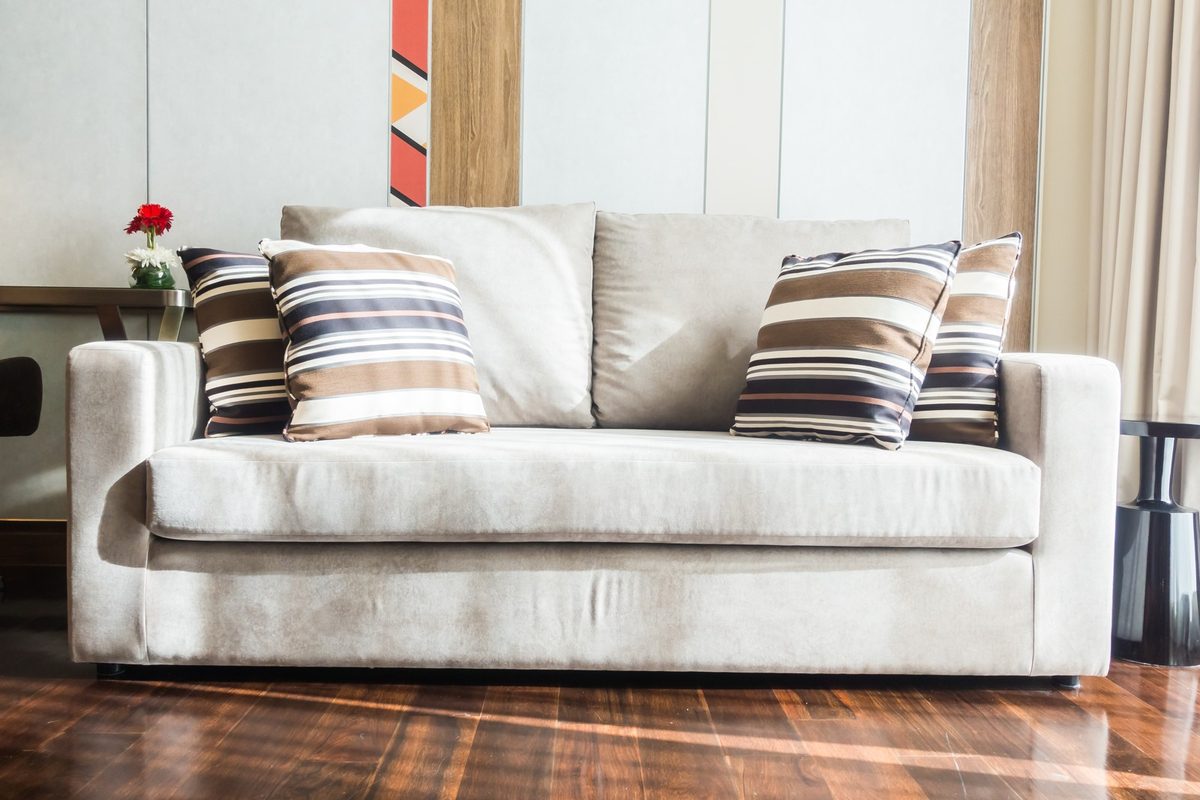
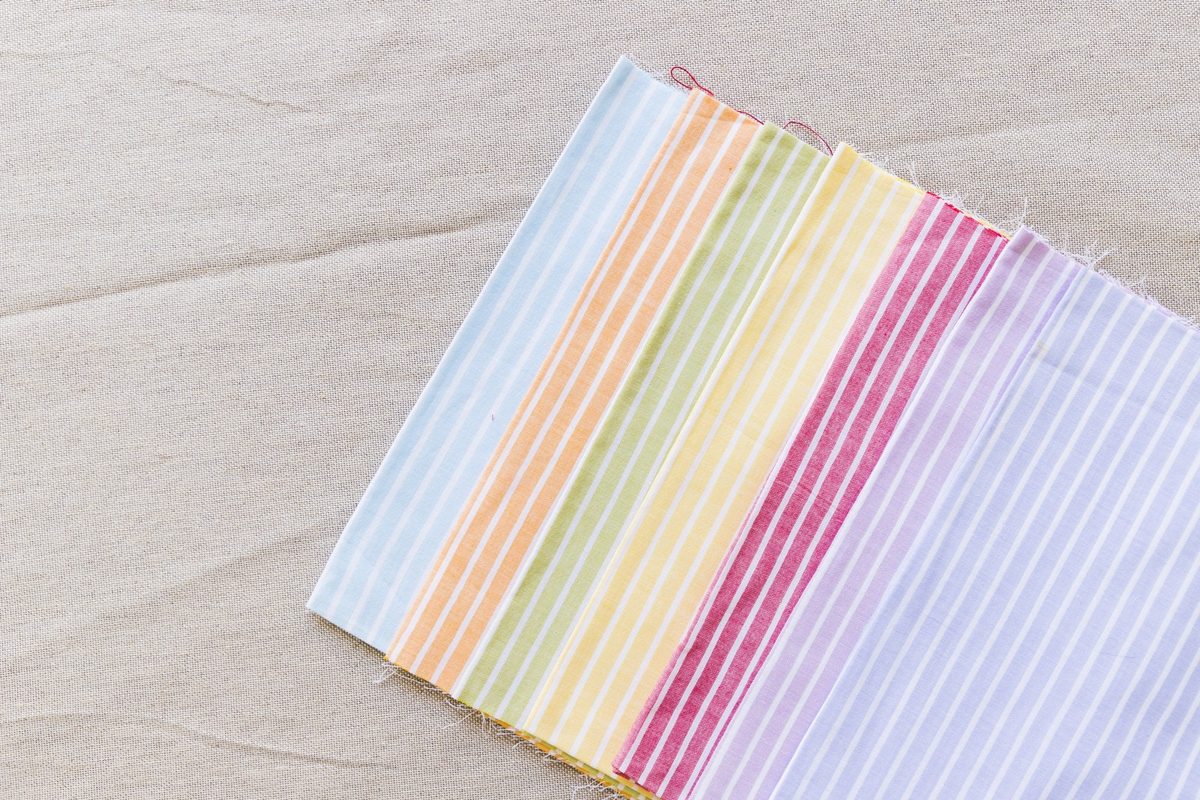
- Stripes. The most flexible family. Thin stripes act like a texture, wide stripes act like a statement. Stripes pair beautifully with florals because the straight lines calm down the curves.
- Florals and botanicals. The romantic family. Large florals make great stars, ditsy florals are perfect small-scale fillers. Keep florals to one large and one small per area.
- Checks and plaids. Gingham, buffalo check, windowpane and soft plaid. They add structure and a slightly country feel. A small gingham next to a big floral is one of the prettiest combinations there is.
- Geometrics. Dots, diamonds, scallops, arches, simple trellis prints. They feel modern and tidy. Use them in small or medium scale so they don't fight with florals.
A safe starter formula is one floral, one stripe or check, and one small geometric or texture. If you only remember one sentence from this section, make it that one.
The Pillow Combo Formula
Pillows are the easiest, cheapest and most forgiving place to practice. You can swap covers in thirty seconds, and a good pillow mix instantly makes a sofa or bed look styled. Here's the five-piece formula I'd suggest for a standard three-seat sofa or a queen bed:
Large pattern + medium pattern + small pattern + solid + texture
Below are three example palettes, so you can see the formula in action. Screenshot it before your next shopping trip.
| Slot | Blush & Cream | Sage & Ivory | Baby Blue & White |
|---|---|---|---|
| Large pattern (the star) | Big blush rose floral on cream | Sage botanical leaf print on ivory | Large blue toile or hydrangea floral on white |
| Medium pattern | Blush and cream classic stripe | Sage gingham or mid-size check | Blue and white awning stripe |
| Small pattern | Tiny cream dot on blush | Ivory pinstripe or micro-check | Small blue ditsy floral |
| Solid | Plain cream linen | Plain sage linen | Plain white cotton |
| Texture | Cream boucle or ribbed velvet | Ivory chunky knit | White waffle or textured woven cover |
| Repeat it elsewhere | Blush stripe on a lampshade or throw | Sage check tea towel or napkins | Blue stripe on a storage basket liner |
How to arrange them on a sofa: place the two large stars at the outer ends (or one in each corner), the medium patterns next to them, and the solid, small print or texture in the middle. On a bed, the order from back to front is usually solid euro shams, then the large patterns, then the medium, then one small lumbar pillow in texture or the small print at the front.
If you'd like an easy starting point for the medium slot, a set of striped linen pillow covers in blush and cream works with almost any floral. For the star slot, look for blush floral pillow covers with a cream or ivory background, which keeps the whole mix soft instead of loud.
Too Busy? 6 Quick Fixes
Already have a mix that feels a bit much? Don't throw anything out yet. Try these fixes one at a time and step back after each:
- Remove one pattern. Take away the piece that looks least related in color. Nine times out of ten, the room calms down instantly.
- Swap a print for a solid. Replace the middle pillow with a plain linen or a textured cover. That single rest spot changes everything.
- Check your scales. If two patterns are the same size, move one to a different room and bring in a smaller or larger print.
- Tighten the palette. Find the one piece that introduces an extra color and replace it with something in your main two colors.
- Add distance. Patterns placed right next to each other compete more. Move one to an armchair or the end of the bed.
- Repeat the star. If the mix feels random rather than busy, the fix is often adding one more echo of your main pattern somewhere else in the room.
Room by Room: Where To Start
Here's how the rules look in the three places most of us want to style first.
Sofa Pillows
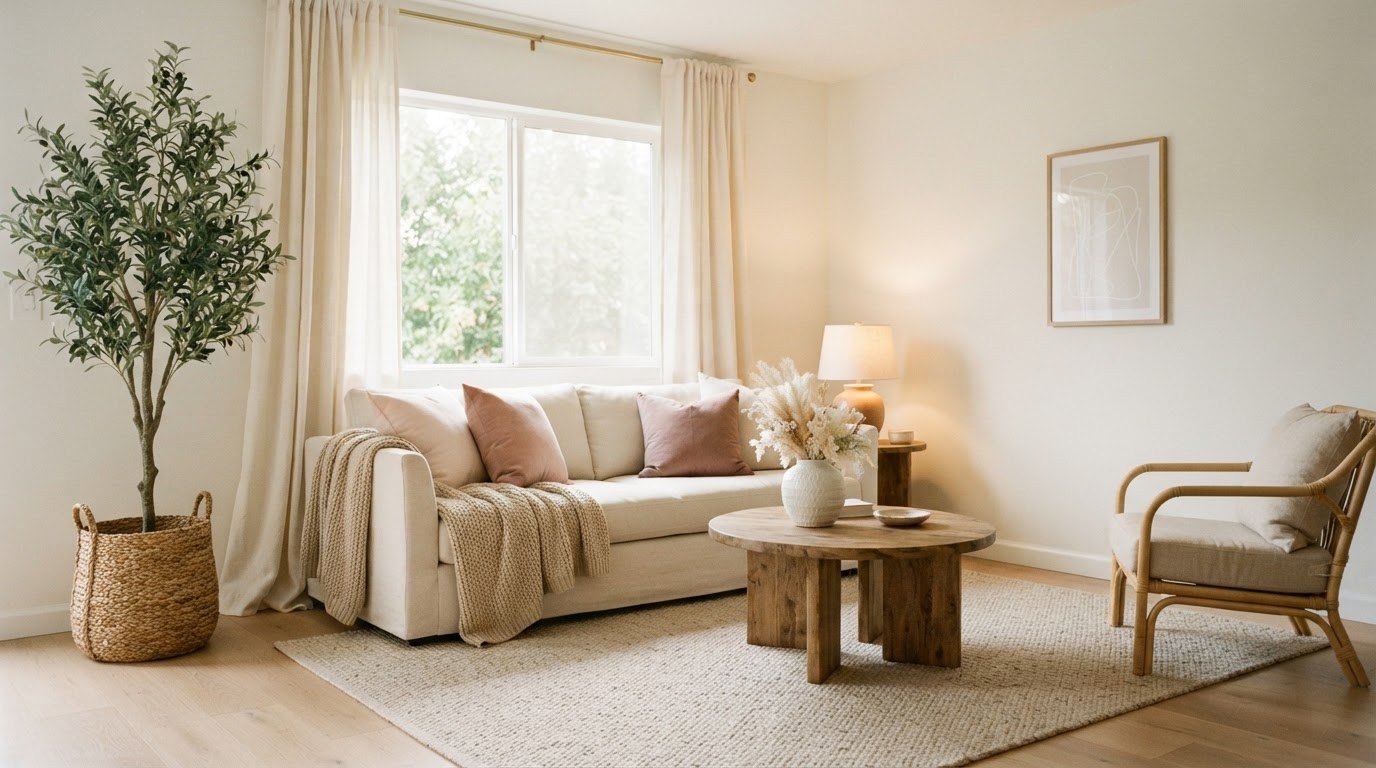
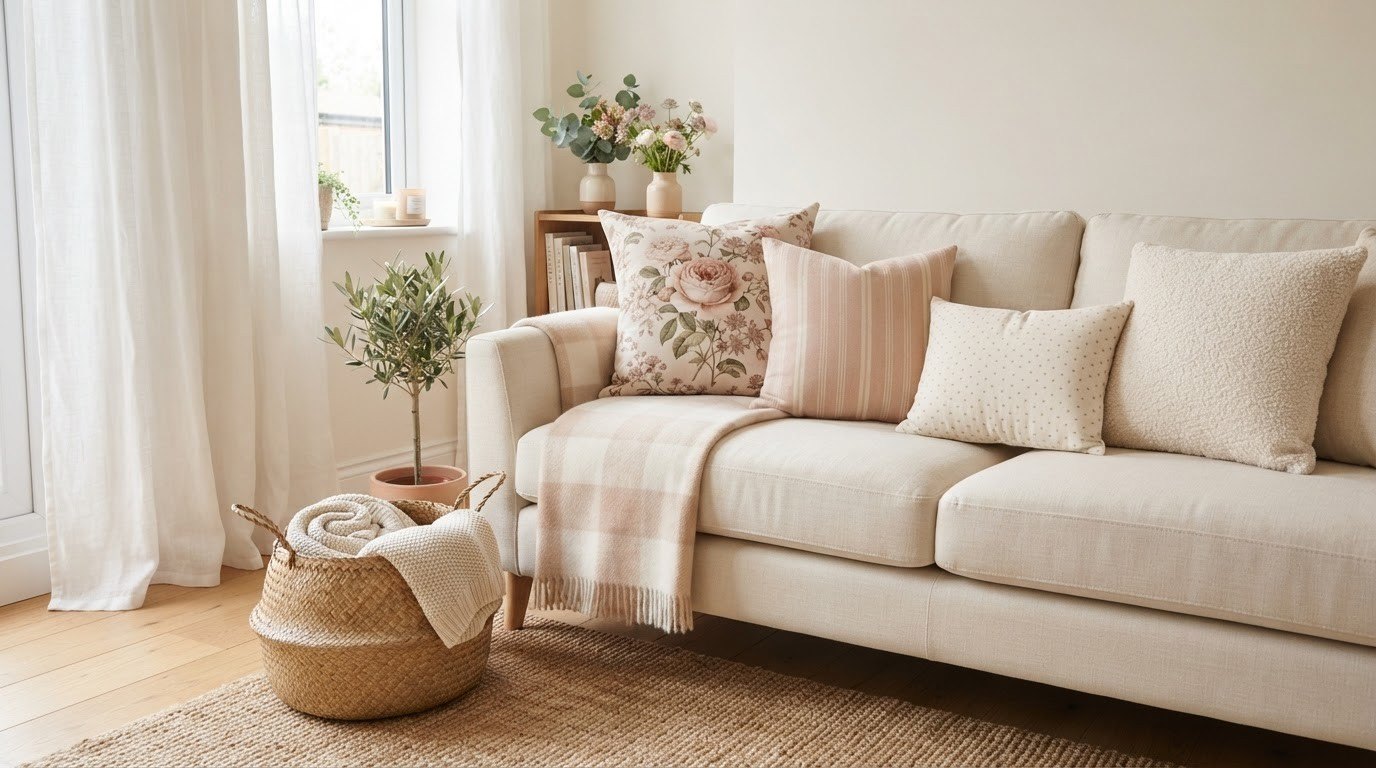
Start with a solid sofa if you can. A cream, beige or soft gray sofa is the ideal blank canvas. Use the five-piece pillow formula above for a three-seater, or a three-piece version (large pattern, small pattern, texture) for a loveseat.
Then add a throw blanket as your "repeat." A soft checkered throw folded over one arm echoes a gingham or check pillow and adds texture at the same time. Finish with one patterned element nearby, like a striped lampshade or a floral print on the wall, so the sofa doesn't feel like an island.
Working with a tiny space? My guide to small living room ideas covers how to keep a compact room light while still adding layers.
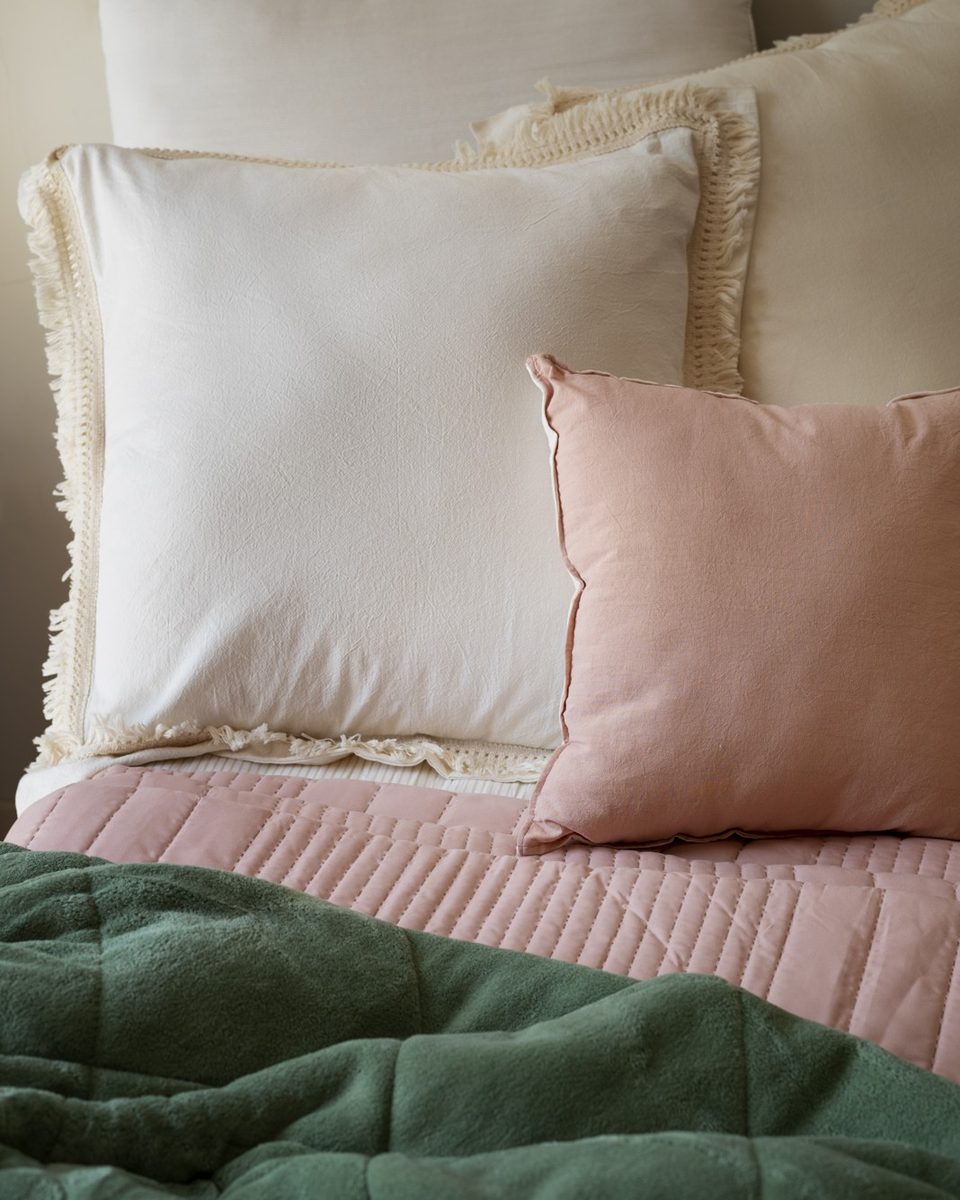
The Bed
The bed is the biggest "pillow" in your home, so treat the duvet like your sofa: keep it mostly solid or very softly patterned. Then layer:
- Base: a solid white or cream duvet or quilt.
- Pattern layer: a patterned quilt or coverlet folded across the bottom third of the bed, in your large or medium print.
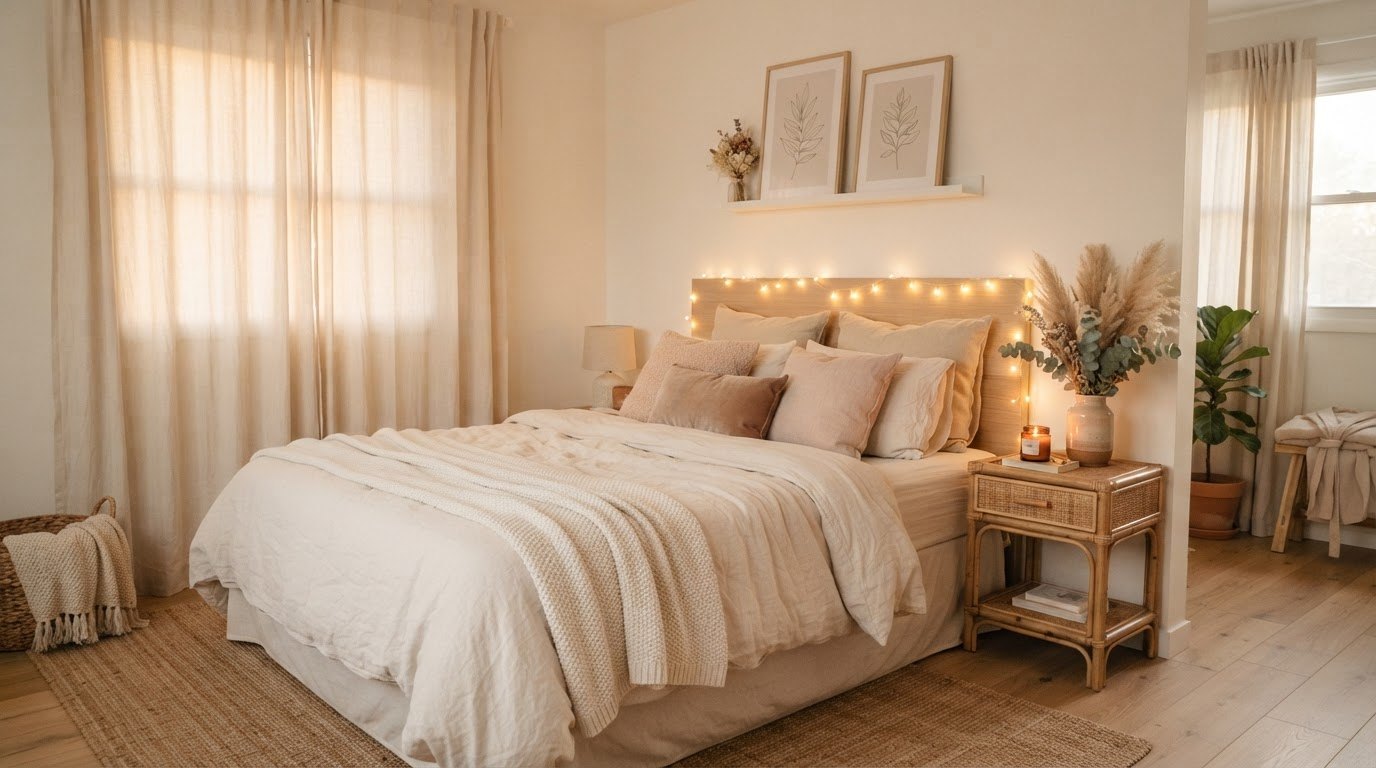
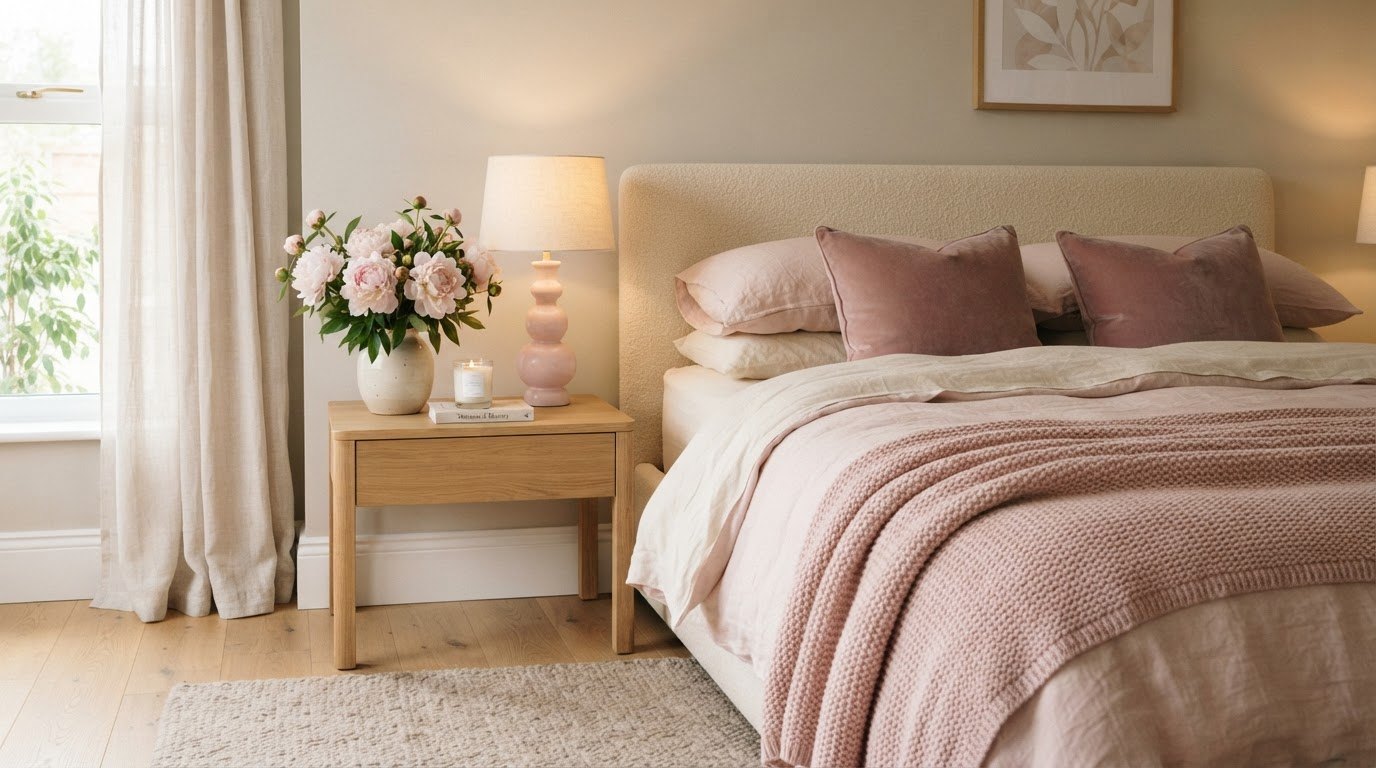
- Pillows: solid sleeping pillows, then two patterned shams, then one small lumbar pillow in texture.
- Texture layer: a knit or waffle throw draped at the foot or across one corner.
If you want sheets in a print, choose a small one (a tiny stripe or a ditsy floral) and keep the duvet solid. Patterned sheets plus a patterned duvet plus patterned pillows is where bedrooms start to feel crowded.
Rug and Curtains
Rugs and curtains cover the most surface area, so they have the biggest effect on whether a room feels calm or busy. The simplest rule: only one of them gets a bold pattern.
- Patterned rug: keep curtains solid linen in a color pulled from the rug. Add pattern on pillows at a different scale.
- Patterned curtains: choose a solid or textured rug like jute, wool or a low-pile neutral, and keep the pillow patterns smaller.
- Both neutral: perfect. Now your pillows, throw and art can carry the pattern, and you can change the whole look seasonally.
Natural textures are your best friends here. A woven seagrass basket beside the sofa holding a spare throw adds warmth and texture, and it gently connects a jute rug to the rest of the room.
Texture Pairs That Always Work
If patterns still feel like a lot, build your room with texture pairs first. Each pair below combines one smooth and one rough or soft element, which is what makes texture feel rich:
- Linen and boucle: relaxed and soft, perfect for sofas.
- Velvet and rattan: a little Old Hollywood glamour with a natural balance.
- Chunky knit and smooth cotton: the classic bedroom combination.
- Ceramic and wood: great for shelves and side tables.
- Glass and linen: a glass candle on a linen runner always looks calm and pretty.
- Jute and wool: earthy underfoot, perfect for layered rugs.
- Waffle weave and satin: soft and slightly luxurious for a bed or bath.
- Brass or gold and matte stone: small accents that make neutral rooms feel finished.
For more ways to create a calm, layered look without buying everything new, take a peek at my aesthetic room decor ideas, which lean heavily on texture and soft color.
5 Common Mixing Mistakes To Avoid
- Buying everything in one matching set. A coordinated set feels flat. Mix pieces from different places, held together by color.
- Using only one scale. Even pretty prints blur when they're all medium-sized.
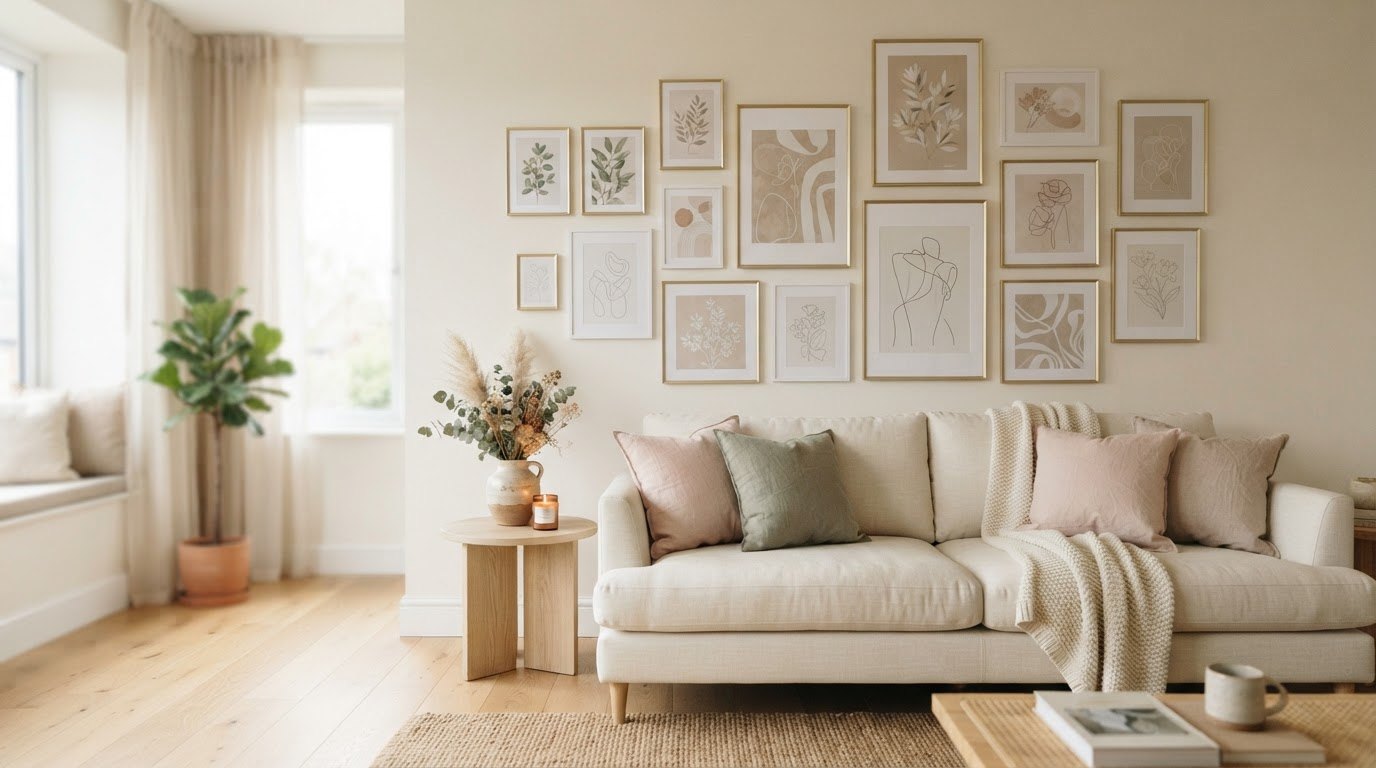
- Forgetting the walls. Art, frames and shelves count as part of the mix. A busy gallery wall above a busy sofa can tip the balance.
- Adding pattern without texture. A room with prints but only flat, smooth fabrics can feel a little cold. Add one soft, tactile piece.
- Styling everything at once. Do one area, live with it for a few days, then move on. Your eye needs time to adjust.
And if you're craving a softer, warmer feeling overall, my list of cozy home ideas pairs nicely with everything above.
A Simple Shopping Order for Your Next Mix
If you're starting from scratch (or giving a room a fresh start in the new year), buying in the right order keeps you from ending up with a pile of pieces that don't talk to each other. Here's the order I'd follow:
- The big neutrals first. Sofa, duvet, curtains and rug. Keep them solid or very quiet so they can live through many pillow seasons.
- The star pattern. Choose the one print you love most and take a photo of it. Every other choice gets checked against that photo.
- The supporting patterns. One medium and one small print in colors pulled from the star. Hold them up next to the photo before you buy.
- The textures. A knit, a boucle, a woven piece. A braided jute rug under a coffee table is a simple way to add texture to the floor without adding more pattern.
- The repeats. Last, look for small items that echo your star or your stripe: a tea towel, a lampshade, a storage box, a framed print. These are cheap and make everything look planned.
Shopping this way also means fewer impulse buys. When you know exactly which slot you're filling, it's much easier to walk past a cute pillow that doesn't fit the plan.
Final Thoughts
Mixing patterns and textures gets easier the moment you stop treating every piece as a separate decision. Keep the palette small, change the scale, give the eye a resting place and repeat what you love. That's the whole secret.
Start with one sofa or one bed this weekend. Move pillows around, take one away, add a throw. A room that feels collected and personal is built one small, happy swap at a time, and yours is already on its way.