The best face wash isn't the one that leaves your skin squeaky clean. It's the one that removes the day and leaves your skin feeling exactly like skin: soft, comfortable and not tight. Once you start judging cleansers by how your face feels ten minutes later, choosing one gets much easier.
The texture on the label (gel, cream or foam) is a surprisingly good first clue. It hints at how strong the cleansing ingredients are, how much moisture is left behind and which skin types tend to love it. It isn't the whole story, but it narrows the shelf down fast.
In this guide to gel vs cream vs foam cleanser, I'll explain how each texture works, who it suits best, its pros and cons, a quick comparison table, the signs your cleanser is too harsh and where double cleansing fits in. Barrier first, always.
Why Your Cleanser Texture Matters
Cleansing is the step you repeat most often, usually twice a day, every day. That means even a slightly too-strong cleanser adds up. Over weeks, it can leave your skin dry, tight, red or oddly oilier (when skin feels stripped, it often looks shinier a few hours later).
On the other hand, a cleanser that's too rich for your skin can leave a film behind, especially if you wear sunscreen or makeup. The goal is the middle: clean enough, gentle enough.
Not sure what your skin type is right now? Skin changes with seasons, so a quick skin type test is a lovely starting point before you pick a texture. My own skin is combination and sensitive, with a shiny T-zone and cheeks that complain easily, so I've learned to pay attention to how a cleanser feels on both areas, not just the oily parts.
How Face Cleansers Actually Work
Every face wash relies on surfactants: ingredients that grab onto oil, sunscreen and dirt so water can rinse them away. Here's how they relate to texture.
- Surfactant strength. Some surfactants are strong and very effective at removing oil (sodium lauryl sulfate is a classic example). Others are much milder, such as glucosides or amino acid based surfactants. Milder ones clean well enough for most people with less risk of stripping.
- Texture. Gels are usually water-based and thickened. Creams contain oils, emollients and often fewer or milder surfactants. Foams are created either by the formula itself or by a special pump that whips liquid with air.
- Rinse feel. Gels rinse clean and fresh. Creams can leave a soft, slightly cushioned feel. Foams often rinse very clean, which feels great on oily skin and can feel tight on dry skin.
One myth worth dropping: more bubbles don't mean more cleaning. Lather is mostly about feel. A low-foaming cleanser can clean beautifully, and a very foamy one isn't automatically harsh. The overall formula matters more than the bubbles.
The same goes for the word "gentle" on the front of the bottle. It isn't a regulated term, so it tells you what the brand intends rather than what your skin will think. The back of the bottle and your own skin are better guides: a short ingredient list, no added fragrance if you're sensitive, and a comfortable feel after rinsing.
Finally, texture can shift with how you use a product. A cream cleanser massaged with very wet hands becomes lighter and milkier. A gel worked into a lather between your palms first spreads more evenly and needs less rubbing. Small changes like these can make a cleanser that feels almost right feel exactly right, before you go shopping for a new one.
The 3 Cleanser Types Compared
Here is each texture, with the skin types it usually suits, what it does well and where it can fall short.
1. Gel Cleanser
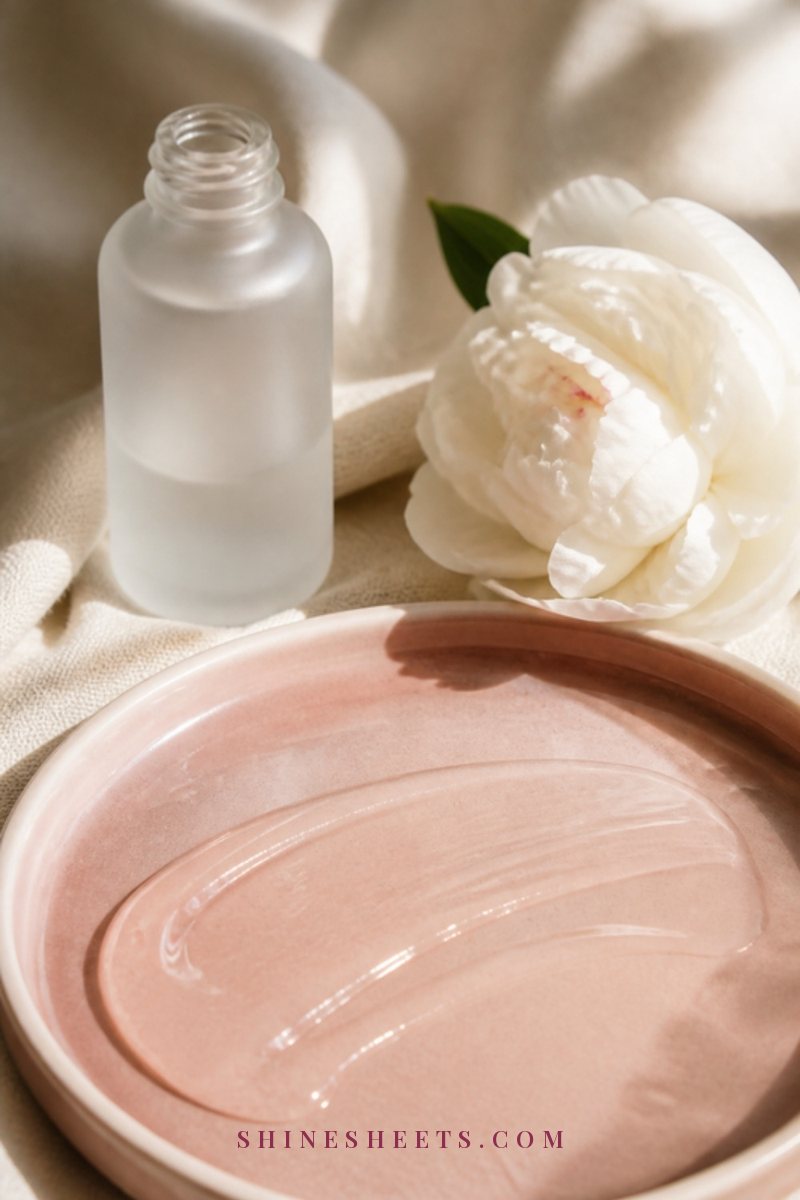
Gel cleansers are clear or slightly translucent, slippery and light. They usually lather a little and rinse off quickly without residue.
Best for: normal, oily and combination skin, and anyone who likes a fresh, clean finish without tightness.
Pros:
- Removes excess oil and sweat well.
- Rinses clean, so it's comfortable after workouts or on warm days.
- Many gentle gel formulas suit sensitive combination skin too.
Cons:
- Some gels contain strong surfactants or fragrance and can feel drying.
- Usually not enough on its own for heavy makeup or water-resistant sunscreen.
Look for a gentle, fragrance-free gel cleanser with a short ingredient list and words like "non-stripping" or "for sensitive skin." For combination skin with a shiny T-zone, this is the texture I'd choose for most days.
2. Cream Cleanser
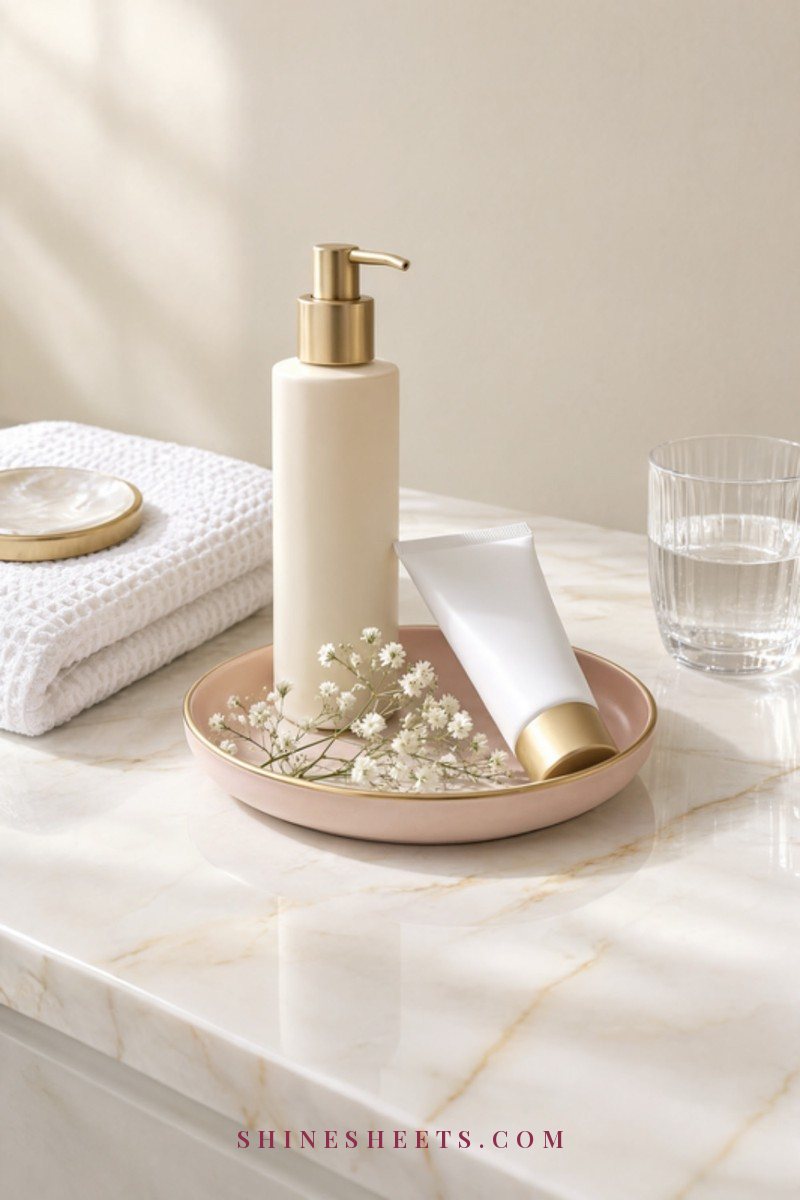
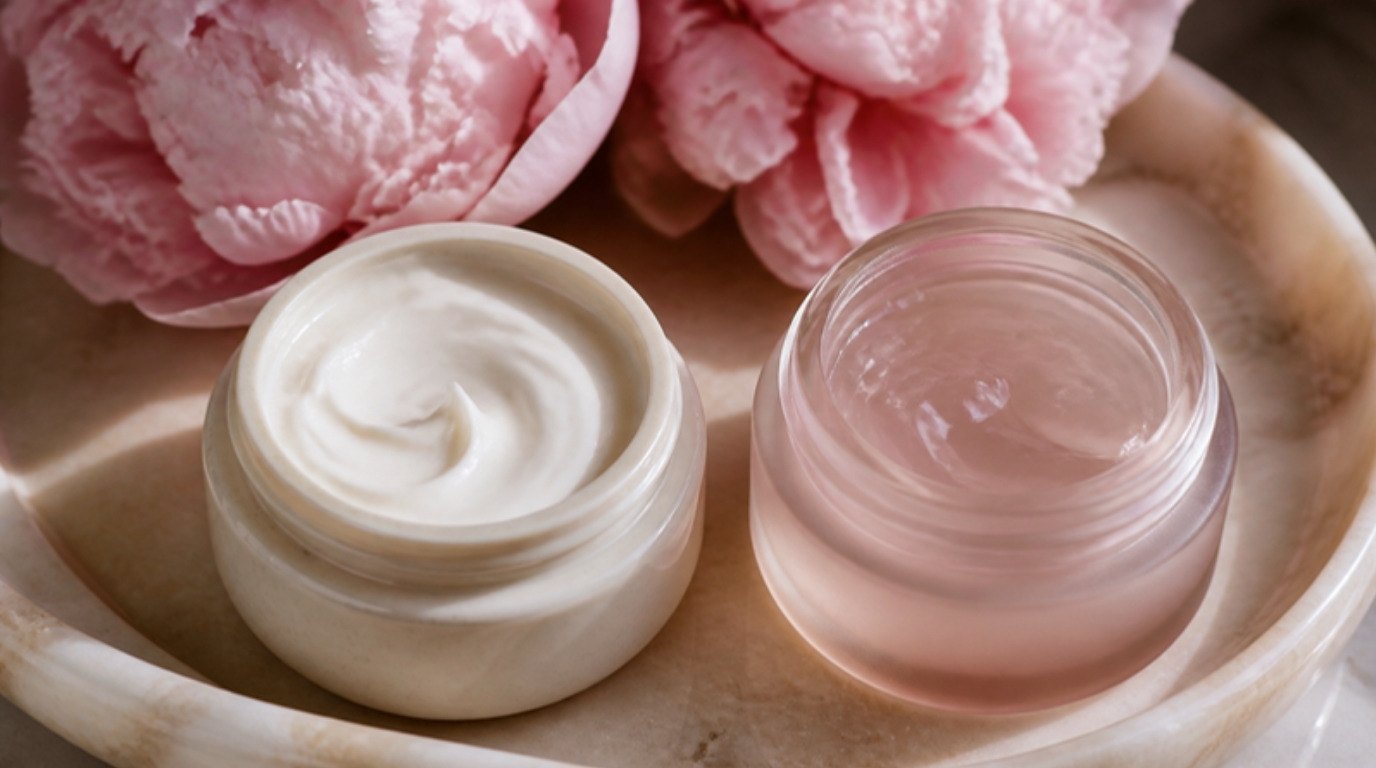
Cream cleansers are thick, opaque and soft, almost like a light lotion. Many barely lather. They cleanse while leaving some moisture behind.
Best for: dry, mature and sensitive skin, and anyone whose skin feels tight or flaky after washing, especially in winter.
Pros:
- Very gentle, with a cushiony feel that's comforting on irritated skin.
- Often contains barrier-friendly ingredients like ceramides, glycerin or plant oils.
- Lovely for morning cleansing when your skin isn't very dirty.
Cons:
- Can feel too rich for very oily skin.
- May not fully remove heavier sunscreen or makeup without a first cleanse.
A pick for dry or easily irritated skin: a hydrating ceramide cream cleanser. Look for "fragrance-free" and ceramides or glycerin near the top of the ingredient list.
If you're deciding between a cream cleanser and a cleansing milk, they're close cousins. My guide on choosing between a cleansing milk and a face wash covers that comparison in detail.
3. Foam Cleanser
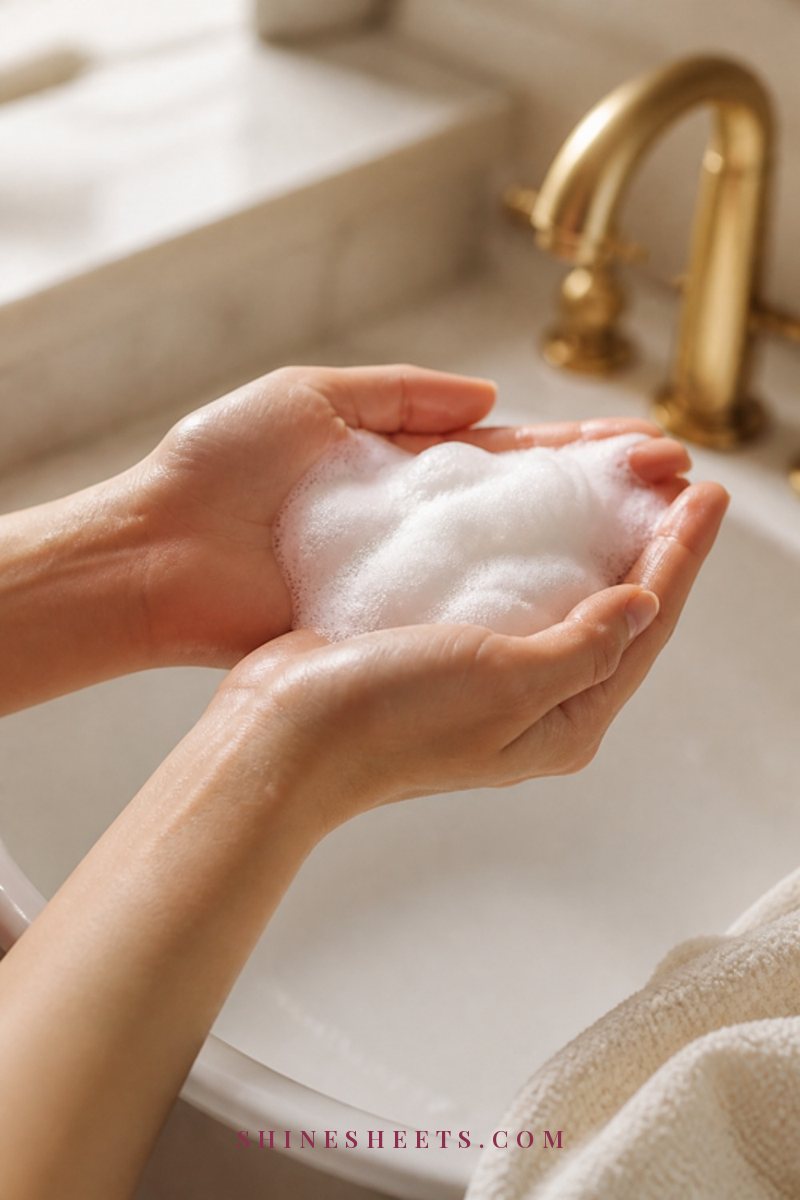
Foam cleansers come either as a cream or liquid that whips into foam with water, or in a pump bottle that dispenses ready-made foam. They feel airy and rinse very clean.
Best for: oily skin and skin that gets congested easily, plus anyone who loves that fresh, just-washed feeling.
Pros:
- Excellent at removing oil and sweat.
- Light texture spreads easily, so you need very little product.
- Pump foams are quick and gentle to apply without rubbing.
Cons:
- Traditional foaming formulas can be stripping, especially for dry or sensitive skin.
- Some have a higher pH, which can leave skin feeling tight.
If you love foam, choose a gentle, low-pH formula. Many Korean brands are known for these, and a low-pH Korean foam cleanser is a good place to start if your skin is oily but still a little sensitive.
Gel vs Cream vs Foam Cleanser: Quick Comparison Table
Here is everything in one place. Screenshot it for your next shopping trip.
| Cleanser type | Texture | Best for | Skin feel after | When to avoid |
|---|---|---|---|---|
| Gel | Clear, slippery, light lather | Normal, oily, combination | Fresh, clean, balanced | Very dry skin, or if a formula leaves you tight |
| Cream | Thick, opaque, little or no lather | Dry, mature, sensitive | Soft, cushioned, comfortable | Very oily skin, or heavy makeup days without a first cleanse |
| Foam | Airy, bubbly, rinses fast | Oily, easily congested | Very clean, can feel tight if harsh | Dry or reactive skin, unless it's gentle and low pH |
A quick note: these are general patterns, not rules. A gentle foam can suit sensitive skin, and a harsh gel can dry out oily skin. Always go by how your skin feels.
Signs Your Cleanser Is Too Harsh
Your skin tells you pretty quickly when a cleanser isn't right. Watch for these signs in the first 10 to 30 minutes after washing, and over the first two weeks:
- Tightness. Your face feels like it's a size too small, especially around the cheeks and mouth.
- Squeakiness. Your skin squeaks when you touch it. That usually means natural oils have been stripped, not that you're extra clean.
- Flaking. Small dry patches around the nose, chin or eyebrows.
- Redness or stinging. Especially when you apply your next product.
- Oilier than before. Shine that appears quickly after washing can be a sign of a stressed, dehydrated surface.
If you notice two or more of these, switch to a gentler cleanser before blaming the rest of your routine. Many people change three products when only one was causing the trouble. If your skin already feels unhappy, these ways to restore your skin barrier can help you calm things down.
Why Gentle, Low-pH Cleansing Protects Your Barrier
The outer layer of your skin, often called the skin barrier, holds moisture in and keeps irritants out. It works best when it's slightly acidic. The surface of healthy skin usually sits around a pH of 4.5 to 5.5.
Traditional bar soap is alkaline, often around 9 to 10. Using very alkaline cleansers again and again can temporarily disturb that slightly acidic balance, which is one reason some people feel dry and tight after washing. Many modern face cleansers are formulated closer to skin's natural range, and some brands mention "low pH" or "pH balanced" on the label.
You don't need to obsess over exact numbers. Simply choosing a cleanser that's gentle, fragrance-free and comfortable is already a big kindness to your barrier. If you're curious about the science, my guide to skin pH explains it simply.
Morning vs Evening Cleansing
Your skin doesn't need the same cleanse at both ends of the day.
- Morning: Overnight, your skin mostly collects a little oil and leftover skincare. A gentle cream or mild gel is plenty. Dry or very sensitive skin can often get away with just lukewarm water in the morning, if that feels good.
- Evening: This is when you remove sunscreen, makeup, sweat and city grime. A thorough cleanse matters more here, which is where a gel, foam or double cleanse comes in.
A combination many people love: a cream cleanser in the morning and a gel or gentle foam at night. You don't have to pick only one texture forever.
Where Double Cleansing Fits
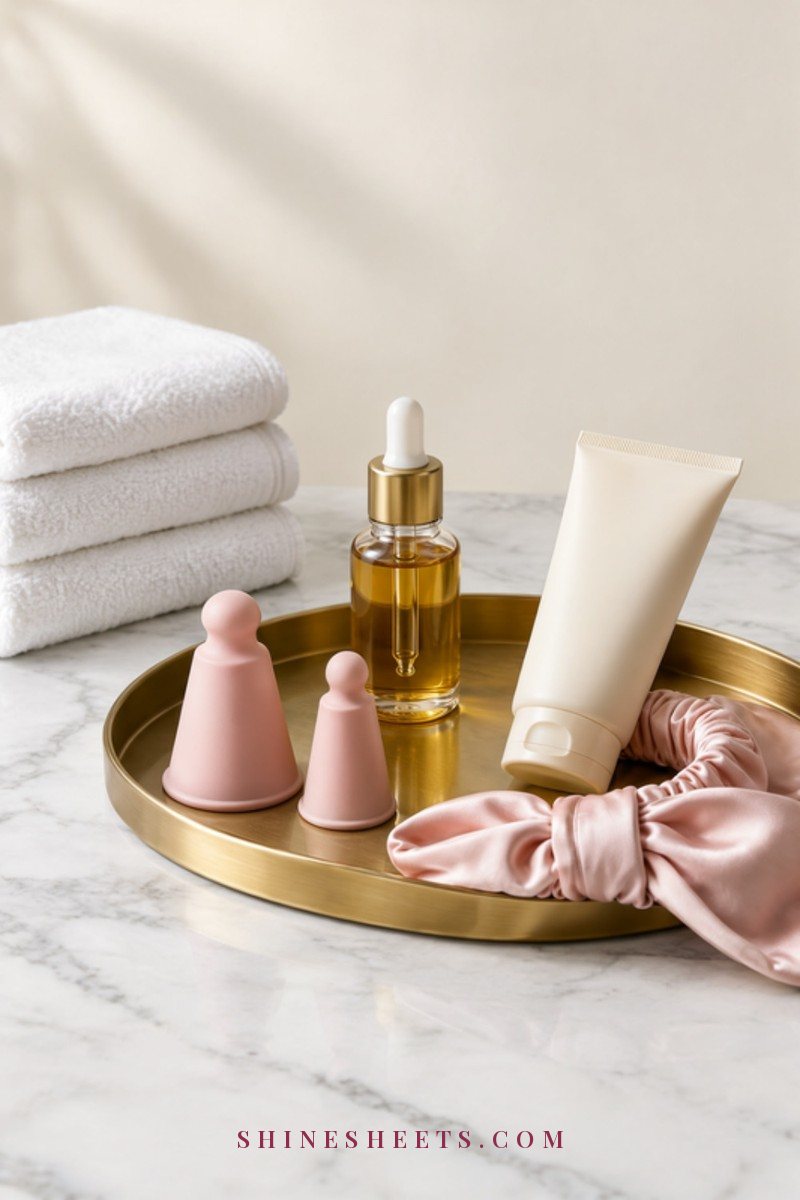
Double cleansing means two steps in the evening: first an oil-based cleanser to dissolve sunscreen and makeup, then a water-based cleanser (gel, cream or foam) to wash everything away.
It's especially helpful if you wear water-resistant sunscreen, long-wear makeup or both. For the first step, look for a gentle cleansing oil that emulsifies (turns milky) when you add water, so it rinses off without a greasy film. Then follow with whichever texture suits your skin.
On bare-skin days, one cleanse is usually enough. Double cleansing is a tool, not a rule. For the full routine, read my guide to double cleansing.
How To Wash Your Face Gently
Even the perfect cleanser can irritate if you wash too roughly. Here's a simple, gentle method in six steps:
- Pull your hair back. A soft bamboo headband in cream keeps hair away from your hairline so you can cleanse properly.
- Wet your face with lukewarm water. Hot water feels lovely but can leave skin drier. Lukewarm is the sweet spot.
- Use a small amount. About a pea-sized to nickel-sized amount is usually enough for most cleansers.
- Massage for 30 to 60 seconds. Use light circular motions with your fingertips. No scrubbing, no rough brushes.
- Rinse thoroughly. Pay attention to the hairline, jaw and sides of the nose, where cleanser likes to hide.
- Pat dry and moisturize within a few minutes. Use a clean, soft white face towel and gently pat, don't rub. Change it every few days.
Which Cleanser Texture for Your Skin Type
If you just want a starting point, here is how I'd think about it by skin type. Treat it as a first guess, then let your skin have the final word.
- Oily skin: a gentle gel or a low-pH foam at night, and the same or a lighter gel in the morning. Avoid anything that leaves you squeaky, because stripped oily skin often gets shinier, not less shiny.
- Combination skin: a mild gel for most days. If your cheeks feel tight in winter, try a cream cleanser in the morning and keep the gel for evenings.
- Dry skin: a cream cleanser morning and night, or cream in the morning and a gentle double cleanse at night if you wear makeup.
- Sensitive skin: a fragrance-free cream or very mild gel with a short ingredient list. Introduce only one new product at a time.
- Mature skin: often does best with cream cleansers, because skin tends to produce less oil over time and appreciates the extra cushion.
- Normal skin: lucky you. Almost any gentle texture works, so choose by the feel you enjoy most.
Ingredients Worth Looking For
You don't need to read every ingredient list like a chemist, but a few friendly names are good signs on a cleanser:
- Glycerin: a classic humectant that helps skin hold on to water while you cleanse.
- Ceramides: lipids that are naturally part of your skin barrier, common in cream cleansers.
- Mild surfactants: names ending in "glucoside," or amino acid based ones such as those containing "glutamate" or "glycinate."
- Soothing extras: panthenol, allantoin or centella asiatica, especially popular in Korean formulas.
Ingredients To Be Careful With
These aren't "bad," and plenty of people use them happily, but if your skin is dry or reactive, they're worth noticing:
- Strong sulfates such as sodium lauryl sulfate near the top of the list.
- Added fragrance or lots of essential oils, which are a common source of irritation for sensitive skin.
- Strong actives in a daily wash, such as high levels of exfoliating acids or scrubby beads. A cleanser is only on your skin for a minute, so leave the active work to leave-on products.
How Long To Give a New Cleanser
A cleanser shows its true colors faster than most skincare. Discomfort usually appears within days, while the subtler signs (dryness building up, a little more flaking) can take a couple of weeks.
- Days 1 to 3: Watch for stinging, redness or immediate tightness. If any of these appear, stop.
- Days 4 to 14: Notice how your skin feels mid-morning and before bed. Comfortable and calm is a yes.
- After two weeks: If you still like it, it's a keeper. If your skin feels "fine but dry," try using it only in the evening.
Also remember that your perfect texture can change with the seasons. A gel that feels great in July might feel too much in January, when indoor heating dries the air. Switching to a cream cleanser for the colder months is completely normal and often all your skin needs.
4 Common Cleansing Mistakes
- Washing too often. Twice a day is plenty for most people. Extra washes, especially with a strong cleanser, can leave skin dry.
- Using hot water. It feels relaxing, but lukewarm water is kinder to your barrier.
- Rushing the rinse. Leftover cleanser along the hairline and jaw can cause irritation or a dull film.
- Judging by squeakiness. Comfort is the goal. Squeaky skin is stripped skin.
Patch Testing and When To See a Dermatologist
Before using a new cleanser all over your face, patch test it. Apply a little to a small area, such as along the jawline or behind the ear, once a day for several days and watch for redness, itching or bumps. My guide on how to patch test skincare walks you through it step by step.
And please be kind to yourself here: if you have persistent irritation, stinging, rashes or acne that doesn't improve with a gentle routine, it's worth seeing a dermatologist. A cleanser can make your skin more comfortable, but it isn't a treatment for skin conditions. A professional can look at what's really going on and recommend what suits you.
Final Thoughts
Gel, cream or foam, the right cleanser is simply the one that leaves your skin clean and comfortable, never tight or squeaky. Start with your skin type, choose something gentle and fragrance-free, and let how your face feels after washing guide you.
Cleansing is a small daily moment, but done kindly it sets up everything else in your routine. Your skin will thank you with calm, soft comfort.