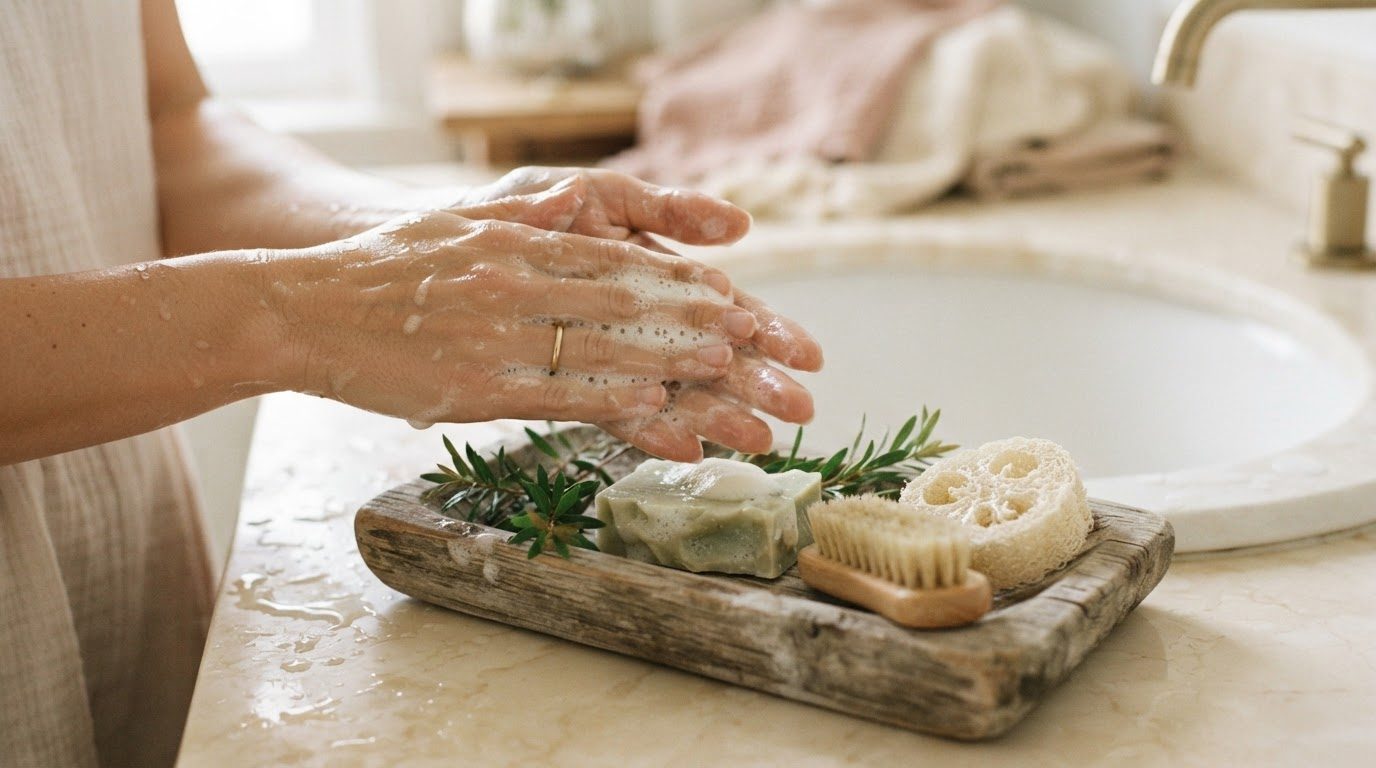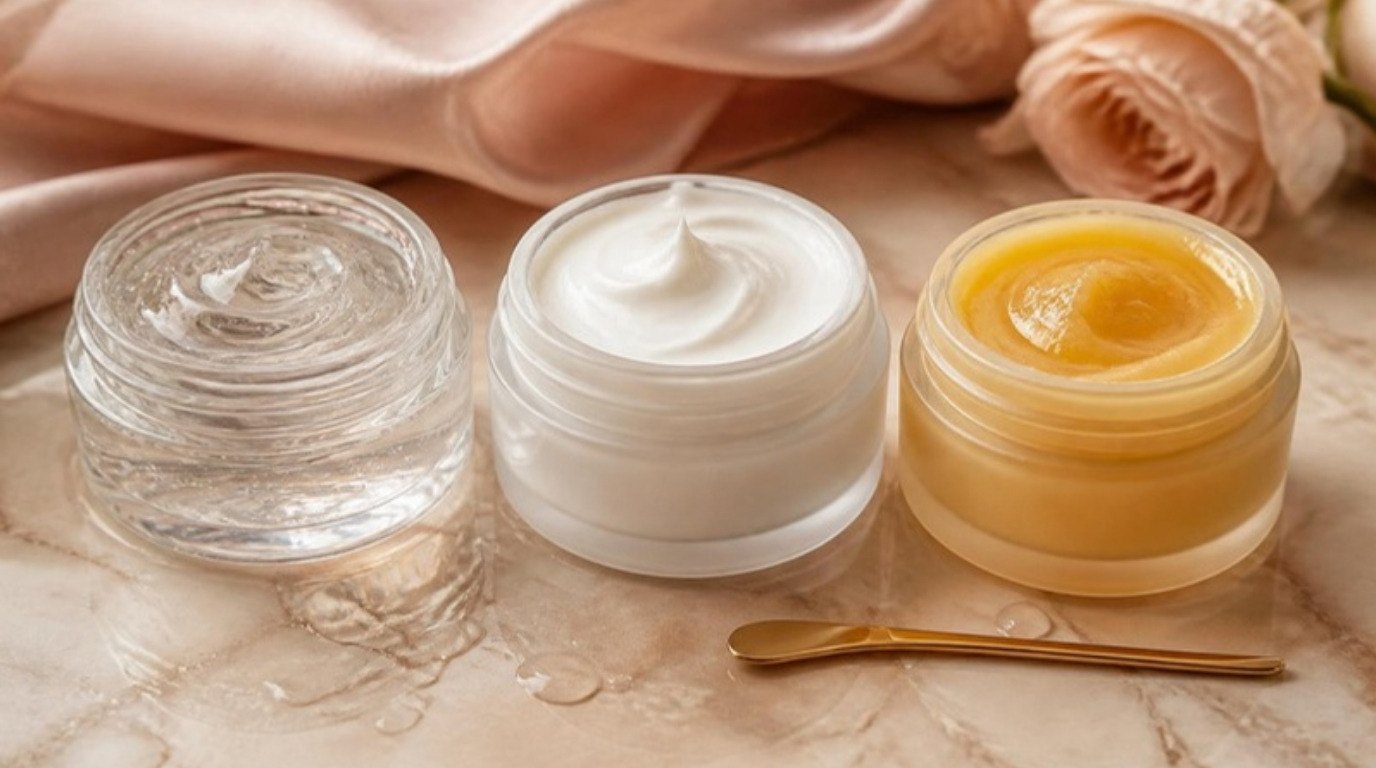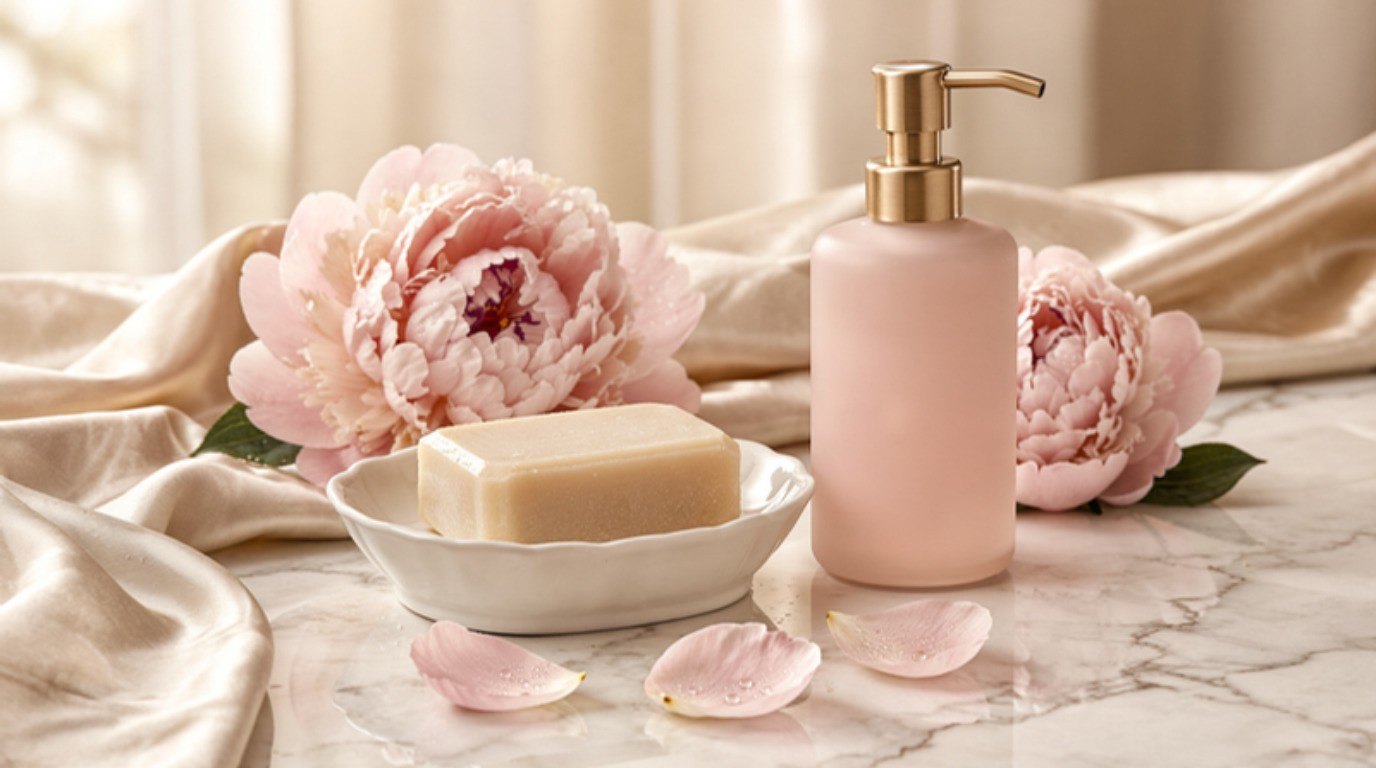
The bar-or-bottle question has a surprisingly simple answer: your skin doesn't care much about the shape of your cleanser. It cares about what's inside it. A gentle bar can be kinder than a harsh gel, and a creamy body wash can be kinder than an old-fashioned soap bar. The format is mostly about convenience, packaging and how you like your shower to feel.
What actually changes how your skin feels after a shower is the chemistry: whether you're washing with true soap, a synthetic detergent bar (a "syndet"), or a liquid wash packed with humectants. Once you know which one you're holding, the whole debate gets much calmer.
This guide walks you through bar soap vs shower gel from a skin-first angle: what each one really is, the honest pros and cons, a side-by-side table, which option suits five common skin situations, what to look for on the label, and the small shower habits that matter more than the cleanser itself. No brand bashing, no fear, just the facts you need to pick well.
Bar Soap vs Shower Gel: The Real Difference Is the Formula
Most people picture "bar soap" as one thing and "shower gel" as another. In reality, there are three main families of body cleanser, and two of them can come in either shape.
What True Soap Actually Is
True soap is made by saponification: fats or oils react with an alkali (lye), and the result is soap plus glycerin. It's an old, simple process, and it works well at lifting oil and dirt. The catch is pH. True soap is alkaline, usually somewhere around pH 9 to 10, while the surface of your skin is naturally slightly acidic, roughly around pH 5.
Washing with something that alkaline can temporarily shift your skin's surface and loosen some of the natural lipids that keep it comfortable. Healthy, resilient skin bounces back quickly. Dry or sensitive skin may feel tight, itchy or squeaky afterward. (That "squeaky clean" feeling isn't a sign of extra cleanliness, by the way. It's usually a sign that a bit too much oil came off.)
Traditional handmade bars, castile-style bars and many classic "soap" bars fall into this family. Liquid castile soap is true soap too, just in a bottle, which is a good reminder that a liquid isn't automatically gentler.
What a Syndet Bar Is
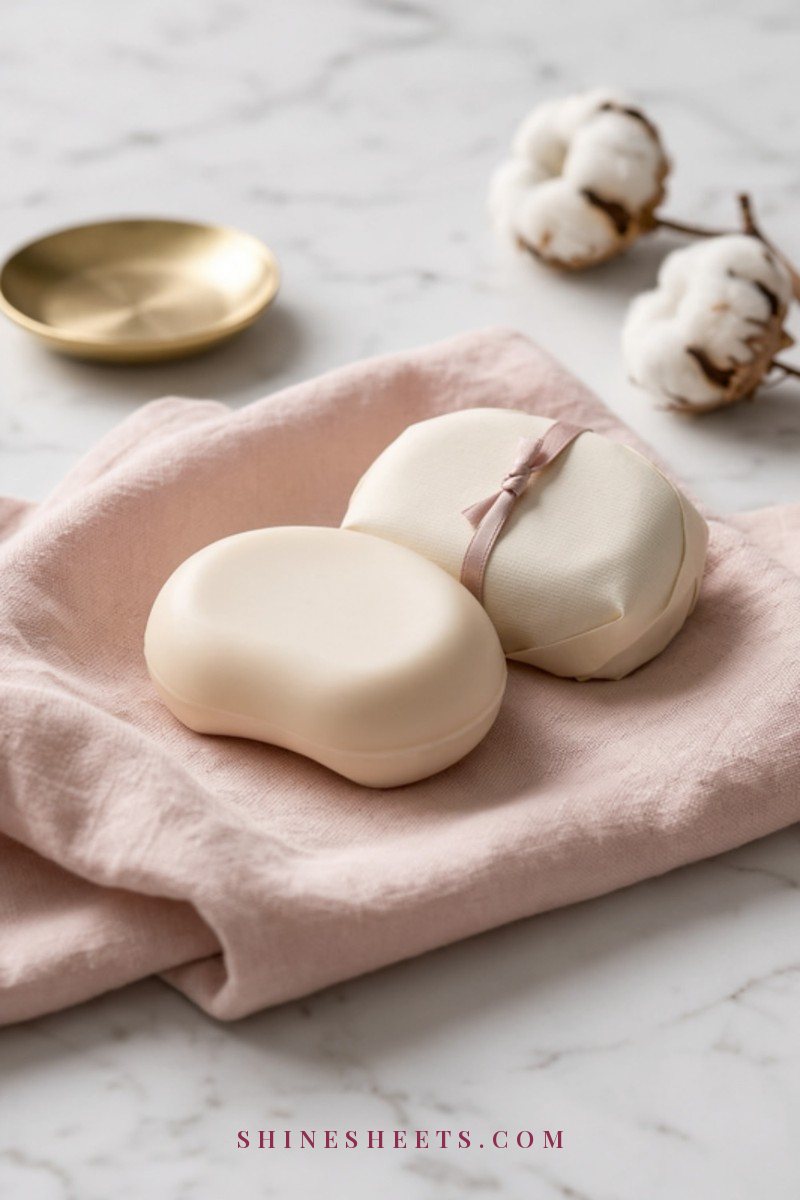
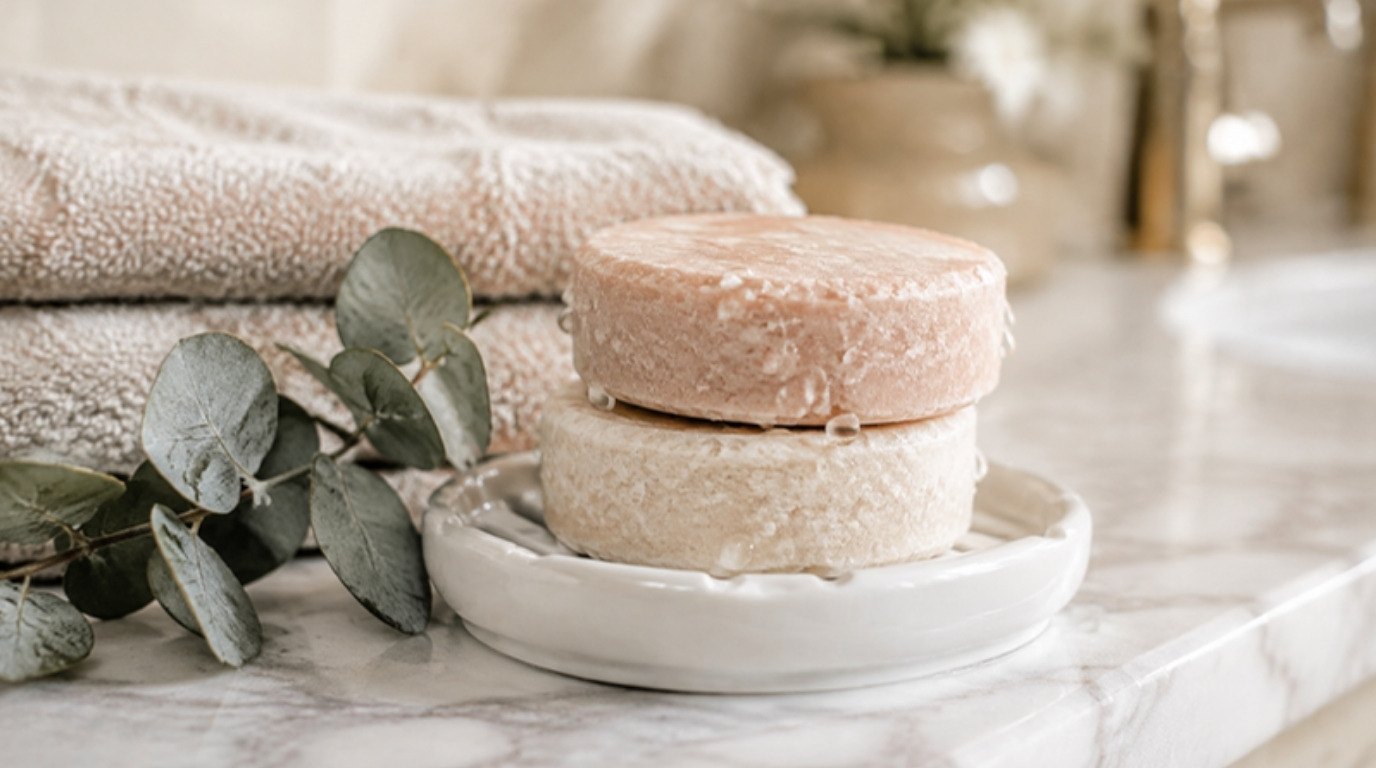
A syndet bar (short for synthetic detergent) looks like soap but is made from milder cleansing agents, such as sodium cocoyl isethionate. These bars can be formulated closer to skin's own pH, often around 5.5 to 7, and they usually include moisturizing ingredients like glycerin, fatty acids or ceramides.
On the box you'll often see words like "beauty bar", "cleansing bar", "syndet" or "soap-free". Dermatologists often suggest this type for dry and sensitive skin, because it cleans without that tight, stripped feeling. If you love bars but your skin doesn't love soap, a syndet is usually the bridge.
What Shower Gel and Body Wash Really Are
Almost all shower gels and body washes are liquid syndets: water plus synthetic surfactants, thickeners, preservatives and, very often, fragrance. "Shower gel" usually means a clear, thinner, more foaming formula. "Body wash" tends to be creamier and lotion-like, sometimes with added oils, ceramides or glycerin.
Because a liquid base makes it easy to dissolve extra ingredients, body washes can carry more humectants and skin-soothing extras. They also need preservatives (anything with water does), and many lean heavily on scent, which is lovely for some skin and a trigger for others.
Bar Soap, Syndet Bar and Shower Gel Side by Side
Here's the comparison I wish someone had handed me years ago. Screenshot it for your next drugstore trip.
| Feature | True bar soap | Syndet (beauty) bar | Shower gel / body wash |
|---|---|---|---|
| Typical pH | Alkaline, roughly 9–10 | Closer to skin, roughly 5.5–7 | Varies; many are skin-friendly, roughly 5–7 |
| How it feels after | Squeaky, can feel tight | Soft, less stripped | Soft to slippery, depends on formula |
| Best for | Normal, oily, resilient skin | Dry, sensitive, eczema-prone skin | Almost anyone, if you pick the right formula |
| Moisturizing extras | Natural glycerin, sometimes added oils | Glycerin, fatty acids, often ceramides | Easiest to add humectants, oils, ceramides |
| Fragrance | Often scented, unscented versions exist | Fragrance-free versions are common | Often strongly scented, check the label |
| Preservatives | Usually not needed | Few or none | Always needed (water-based) |
| Hard water | Can leave soap scum film on skin and tub | Rinses cleaner | Rinses cleaner |
| Packaging | Minimal, often paper | Minimal, often paper | Usually a plastic bottle |
| Travel | Easy, no liquid limits | Easy, no liquid limits | Needs a leak-proof travel bottle |
| Lasts | Long, if it dries between uses | Long, if it dries between uses | Easy to overuse; a pump helps |
The takeaway: if you're choosing purely for skin comfort, the real contest is true soap vs everything else. A syndet bar and a gentle body wash are much closer cousins than a syndet bar and a classic soap bar.
Bar Soap: The Honest Pros and Cons
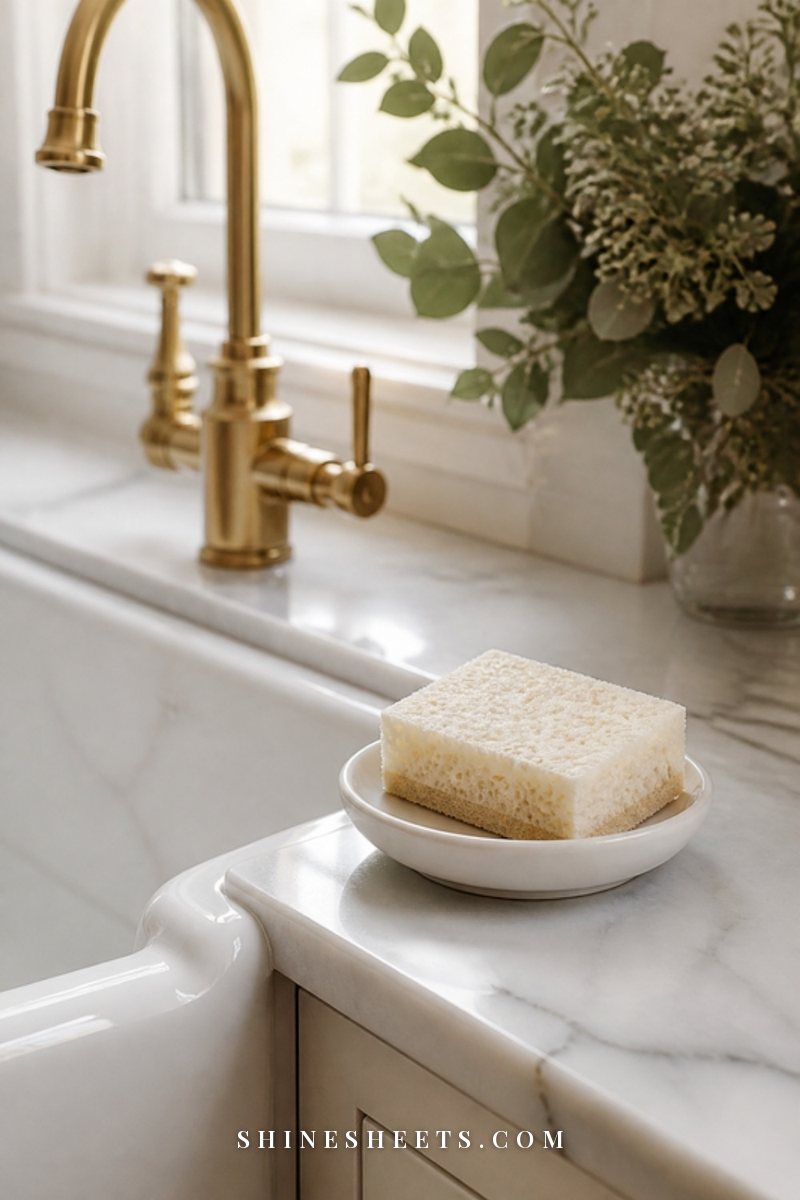
What Bar Soap Does Well
- Less packaging. Most bars come in paper or a thin box, and one bar can last as long as a full bottle of gel if you let it dry between showers.
- Travel-friendly. No leaks, no liquid limits in carry-on bags, and it fits in a tiny tin.
- Few ingredients. Simple bars often skip preservatives entirely, which some people with very reactive skin appreciate.
- Hard to overuse. You can't accidentally squeeze out three times what you need.
Where Bar Soap Can Fall Short
- True soap can be drying. That higher pH is the main reason some people feel tight and itchy after a classic bar.
- Soggy bars waste product. A bar sitting in a puddle turns mushy and melts away fast.
- Hard water and soap don't mix well. Minerals react with true soap and leave a film (more on that below).
- Harder to add extras. Solid formulas can't carry as many dissolved humectants as a liquid.
The Bar Soap Hygiene Myth
A lot of people switched to gel because they worried a used bar was covered in germs. It's a reasonable worry, and yes, bacteria can live on a wet bar. But older research on this found that bacteria on a used bar didn't meaningfully transfer to the hands of the next person washing with it. Soap's whole job is to lift microbes off and rinse them away, and the bar rinses its own surface every time you lather.
A few easy habits make it a non-issue: let the bar dry fully between uses, rinse it for a second before and after, and keep your own bar if you share a bathroom. If someone in the home is sick, has a skin infection or you simply feel better with a pump, a liquid is perfectly reasonable. Pick what makes you comfortable.
Shower Gel and Body Wash: The Honest Pros and Cons

What Shower Gel Does Well
- Easy to load with moisture. Glycerin, oils, ceramides and other soothing extras dissolve well in a liquid base.
- Usually skin-friendly pH. Most modern washes are syndets, not true soap.
- Pleasant and hygienic-feeling. A pump bottle is tidy, quick and easy to share.
- Great with tools. A small amount on a bath sponge lathers up beautifully, which helps it go further.
Where Shower Gel Can Fall Short
- More fragrance. Many gels are strongly scented, which is the most common reason sensitive skin reacts to them.
- More preservatives. Necessary for safety, occasionally irritating for very reactive skin.
- Strong foaming agents. Some clear gels rely on high-foaming sulfates that can feel stripping if your skin is dry.
- More plastic. Refill pouches and large refill bottles help, but there's still more packaging than a paper-wrapped bar.
- Easy to overuse. A coin-sized amount is usually enough for the whole body when you use a sponge or washcloth.
Which Is Better for Your Skin? 5 Skin Types
There's no single winner, but there is a better choice for each skin situation. Find yours below (and if you sit between two, follow the gentler suggestion).
1. Dry Skin
Choose a creamy ceramide body wash or a syndet beauty bar. Skip classic true-soap bars and clear, high-foaming gels for now. Wash only the areas that truly need it (underarms, groin, feet) with cleanser every day; the rest of your body is often fine with water on dry days.
Dry skin is where shower habits matter almost as much as the cleanser. If you suspect your routine is part of the problem, my guide to shower habits that dry out your skin has easy swaps you can make tonight.
2. Sensitive or Eczema-Prone Skin
Look for a fragrance-free syndet beauty bar or a fragrance-free, soap-free wash. Fewer ingredients, no added scent, no essential oils and a pH close to skin are the goals. "Unscented" isn't always the same as fragrance-free (unscented products can contain masking fragrance), so read the ingredient list, not only the front.
Keep showers short and lukewarm, pat dry and moisturize right away. If you'd like a full calm routine for reactive skin, start with my sensitive skin routine.
3. Oily or Body-Acne-Prone Skin
Either format can work. Many people with oily skin feel great with a classic bar or a lightly foaming gel. If you get breakouts on your back or chest, a body wash with salicylic acid is a common pick: lather it on the area, leave it for a minute or two, then rinse. Benzoyl peroxide washes are another option, but they can bleach towels and fabrics, so use white towels with them.
Rinse conditioner off your back before you wash your body, change out of sweaty clothes soon after workouts and wash your bath sponge or washcloth often. If breakouts are painful, deep or not improving, a dermatologist can help.
4. Normal Skin
Lucky you: choose by preference. Love the scent of a gel? Enjoy it. Prefer a pretty bar on a dish and less packaging? Go for it. Just keep an eye on how your skin feels in colder, drier months, when even normal skin can appreciate a creamier formula.
5. Hard-Water Areas

If you see white crust on your faucets and your skin feels coated after showering, you may have hard water. Calcium and magnesium in the water react with true soap and form an insoluble film (soap scum) that clings to the tub and to your skin, which can make dry skin feel even drier.
Syndet bars and body washes rinse much cleaner in hard water, so they're the easier choice here. My guide to hard water and skin covers the signs and what helps, including filtered shower heads.
What To Look For on the Label
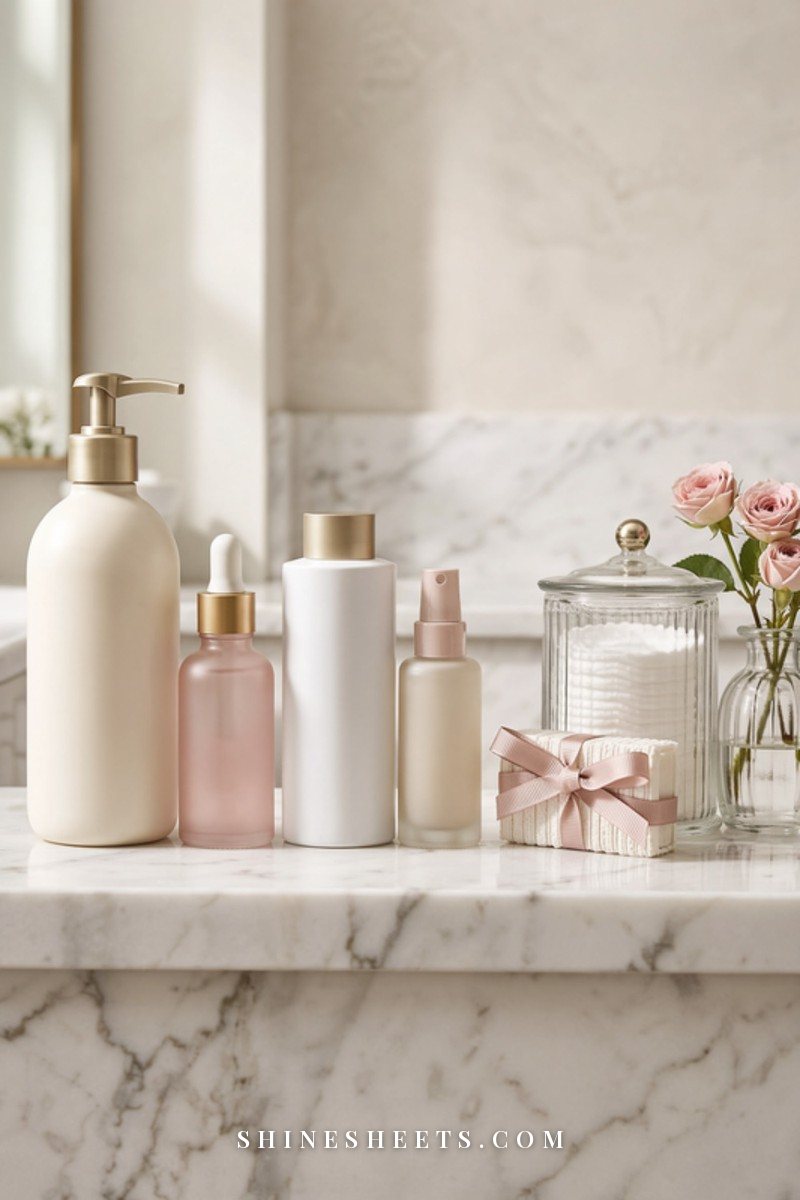
You don't need to memorize chemistry. A few words on the box or bottle tell you most of what you need.
Good Signs
- "Syndet", "beauty bar", "soap-free" or "cleansing bar" on a bar: it's probably not true soap.
- "Fragrance-free" if your skin is sensitive or eczema-prone.
- Glycerin high in the ingredient list: a humectant that draws water into the skin.
- Ceramides, fatty acids or cholesterol: lipids that support the skin barrier.
- Milder surfactants like sodium cocoyl isethionate, cocamidopropyl betaine, decyl glucoside or coco-glucoside.
- "pH balanced" or a stated pH near 5.5.
What To Skip If Your Skin Is Dry
- Strong fragrance, especially if it appears high in the list or alongside lots of essential oils.
- High-foaming harsh sulfates such as sodium lauryl sulfate in a clear, very bubbly gel.
- Sodium tallowate, sodium palmate or "saponified oils" as the first ingredients: these signal true soap.
- Gritty scrubs every day. Exfoliating washes are fine once or twice a week, not every shower.
Lots of foam isn't a measure of how well something cleans. Gentle cleansers can feel almost lotion-like and still do the job perfectly.
How To Get the Most From Whichever You Choose
Honestly, these habits can make a bigger difference than switching products. They work for bars and bottles alike.
Store Your Bar So It Lasts
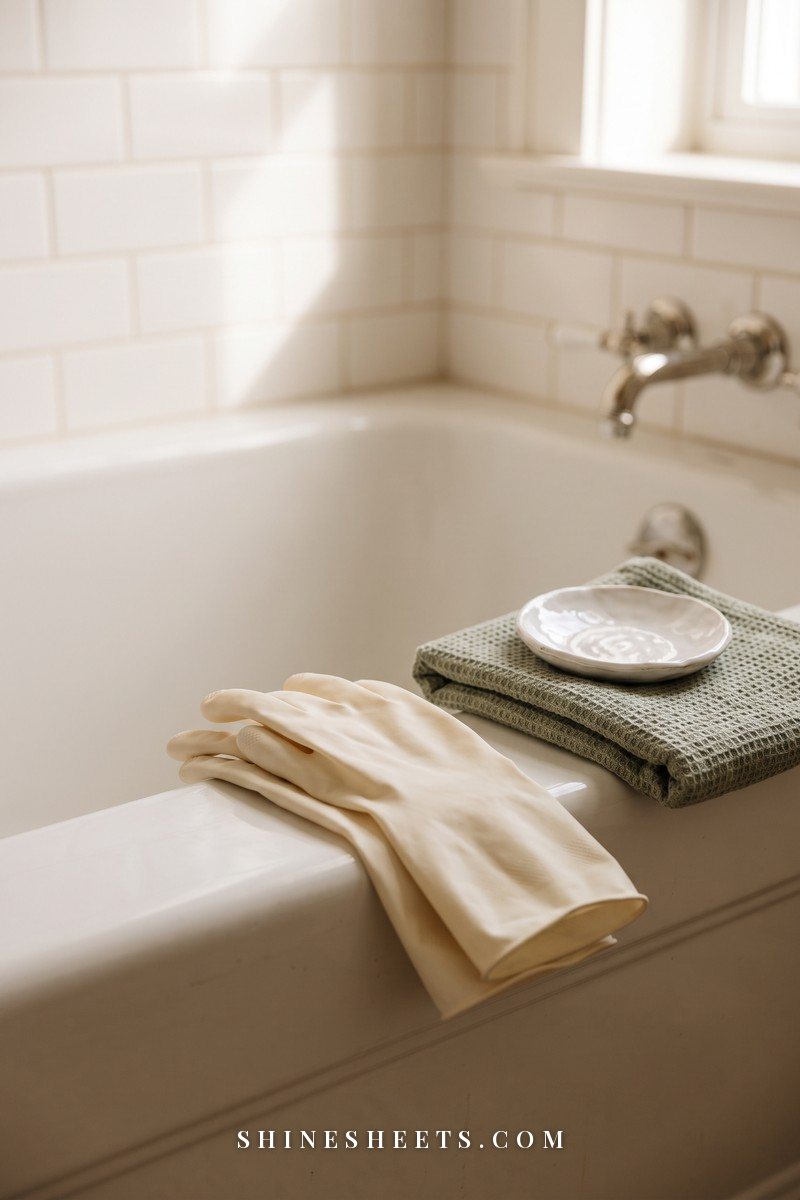
A bar's biggest enemy is a puddle. Set it on a white ceramic draining soap dish with slots or ridges, and keep it out of the direct stream of water. Cut a large bar in half and use one piece at a time, so the rest stays firm. A dry bar can easily last four to six weeks of daily use.
Organize the Shower Shelf
If you use a wash, a cream shower caddy keeps bottles upright, drained and away from the tub floor where they collect gunk. Pair it with a sage-green bath sponge so a coin-sized squeeze lathers enough for your whole body. Rinse the sponge well, hang it to dry and replace it every few weeks (sooner if it smells musty).
Keep the Water Lukewarm
Hot water feels lovely, but it dissolves your skin's natural oils much faster than warm water does. Aim for comfortably warm, not steamy and red, and keep showers to around five to ten minutes. You'll find a full step-by-step order of what to do when in my everything shower routine.
Moisturize Within a Few Minutes
Pat (don't rub) your skin with a towel until it's just damp, then apply moisturizer within about three minutes to lock that water in. A fragrance-free ceramide body cream is a reliable pick for dry or sensitive skin; lighter lotions suit normal and oily skin. Not sure which texture you need? My body lotion guide breaks it down.
Patch Test Anything New
Before switching your whole routine, test a new cleanser on a small area such as the inside of your forearm. Lather, rinse and repeat once a day for a few days. If you see redness, itching or bumps, stop using it. Introduce only one new product at a time, so if something reacts, you know exactly which one it was.
Can You Use Both?
Absolutely, and many people quietly do. A mix-and-match routine often works better than being loyal to one format. A few combinations that make sense:
- A gentle bar for daily washing, a scented gel for weekends. You get the low-packaging, skin-friendly basics most days and the little treat when you want it.
- A creamy wash in winter, a bar in summer. Skin often needs more cushion in cold, dry months and less when it's warm and humid.
- A syndet bar at home, a small bar in a tin for travel. No leaks in your bag and no scrambling for travel-size bottles.
- A medicated wash only where you need it. Use an acne wash on your back or chest and a gentle cleanser everywhere else.
The only rule is to change one thing at a time, so you can tell what your skin is responding to.
When To See a Dermatologist
Changing your cleanser can make dry, tight skin feel noticeably better, but it isn't a treatment for skin conditions. Please see a dermatologist or doctor if you have itching that doesn't settle after a couple of weeks of gentle care, a rash that spreads, cracked or bleeding skin, signs of infection (warmth, swelling, oozing), or eczema flares that keep coming back. Itchy skin can have many causes, and a professional can find the real one instead of you guessing at the drugstore shelf.
Final Thoughts
Bar soap vs shower gel isn't really a battle. Once you know whether you're holding true soap, a syndet or a gentle wash, you can pick the one that fits your skin, your water and the way you like to shower.
Choose the gentlest formula that still leaves you feeling clean, keep the water warm rather than hot, and moisturize while your skin is still damp. Those small, steady choices add up to skin that feels soft and comfortable, whichever shape your cleanser comes in.