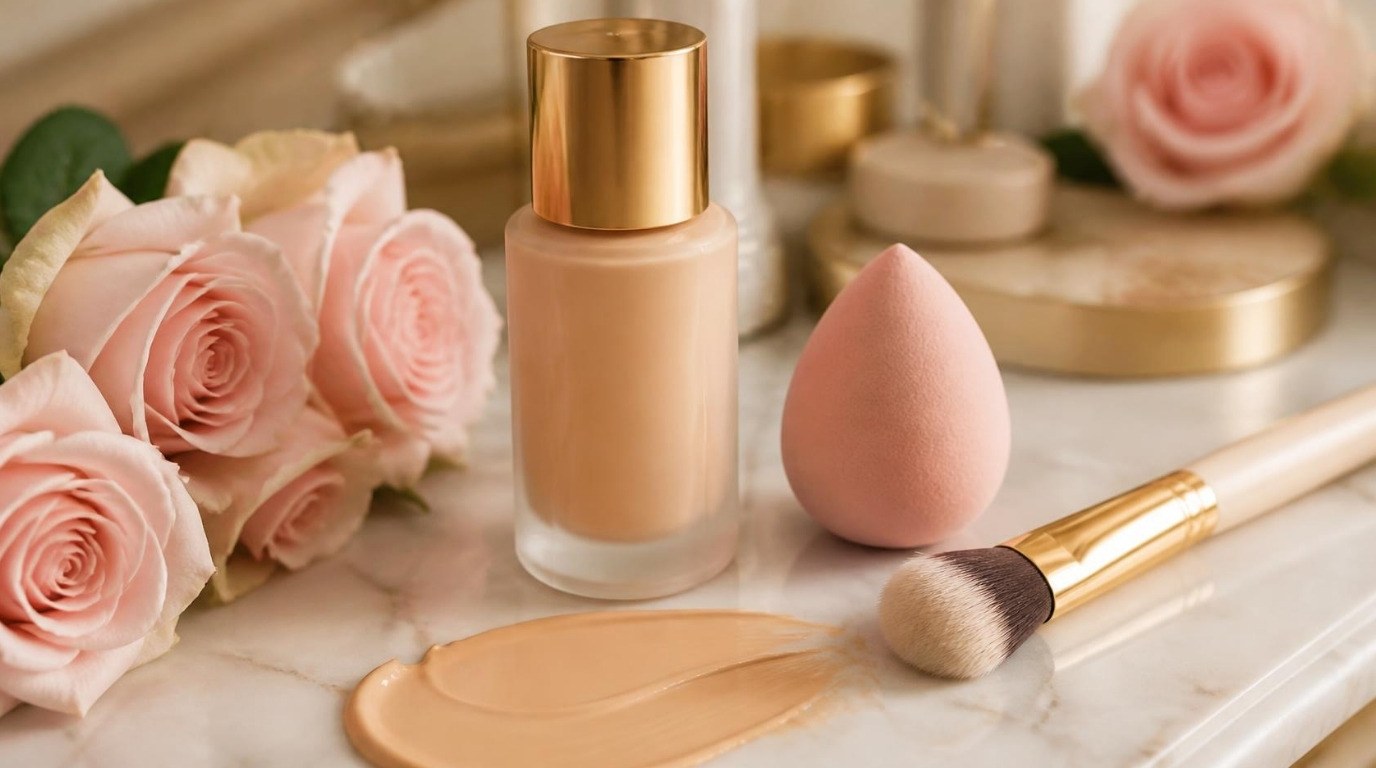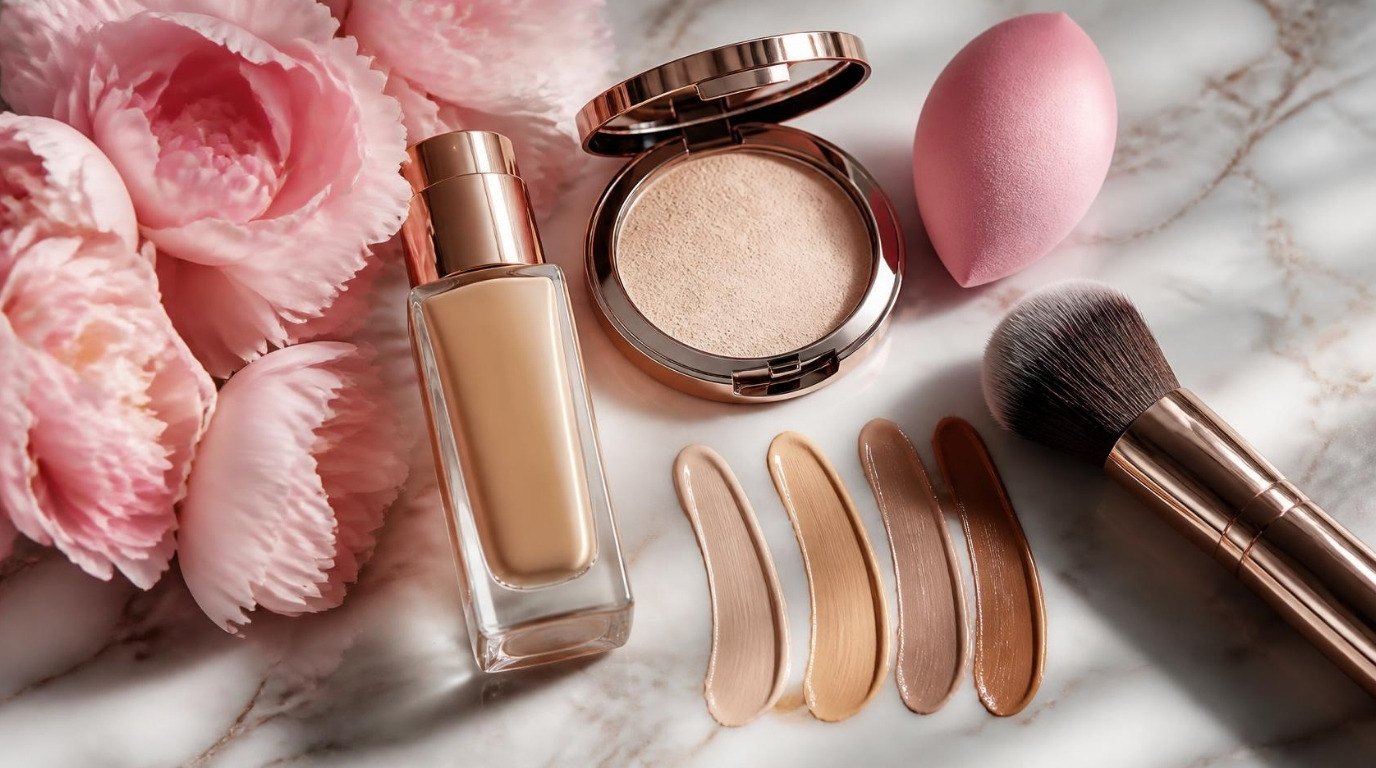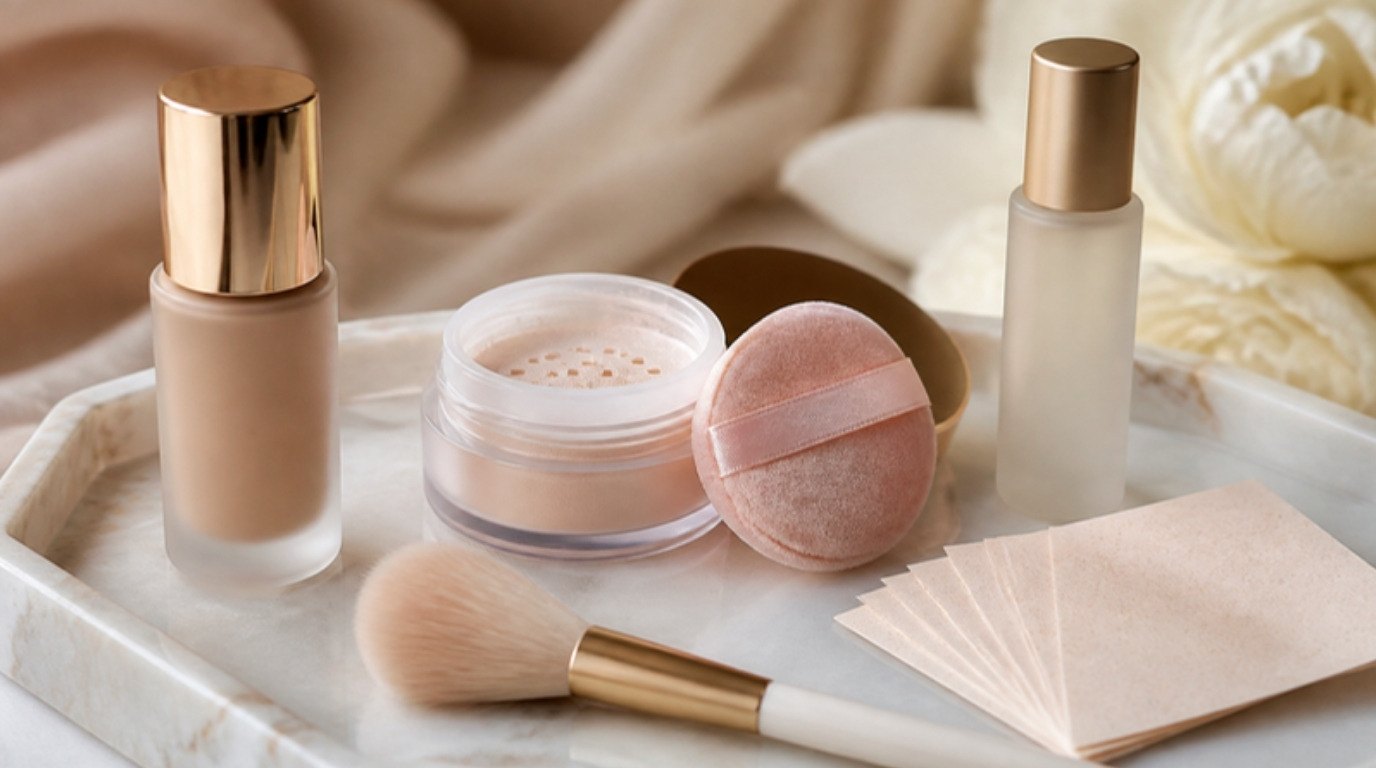
Foundation that looks perfect at 8 a.m. and slightly orange by lunch isn't a sign that you picked the wrong shade. It's usually oxidation: a reaction between the formula, your skin's oils, the products underneath and the air around you. The shade in the bottle was right. Something happened to it on your face.
The reassuring part is that oxidation is very fixable. Most of the time, a few small changes in prep, application and setting are enough to keep your foundation looking the way it did when you first put it on. And once you know how to test for it, you can avoid buying formulas that will turn on you in the first place.
In this guide on foundation oxidizing, we'll go through what oxidation looks like, why it happens, a simple cause-and-fix table, how to wear-test a foundation before you commit, seven practical ways to stop it, how to choose formulas that stay true and what to do if your makeup has already darkened midday.
I have combination skin with a shiny T-zone, which is pretty much the textbook profile for oxidation, so this topic is close to my heart.
What Foundation Oxidation Looks Like
Oxidation usually shows up in the first one to four hours after application. Common signs:
- Your face looks a shade darker than your neck and chest by midday.
- The color takes on an orange, warm or slightly muddy tone.
- The change is strongest on oilier areas like the nose, forehead and chin.
- A swatch on your hand looks noticeably deeper after 20–30 minutes than when you first applied it.
- Photos taken later in the day show a visible line at the jaw.
It's different from a foundation that's simply the wrong shade, which looks off from the very first minute. Oxidation is a change over time. Some formulas shift only slightly, others can go a full shade deeper, and the same foundation can behave differently on two people.
Why Foundation Oxidizes
There isn't one single cause. Usually it's a mix of your skin, your products and your environment, which is why fixing it is often about adjusting a few small things at once.
Your Skin's Oil and pH
Sebum (your skin's natural oil) mixes with the pigments in foundation and can deepen them as the day goes on. That's why oily and combination skin types notice oxidation most, and why the T-zone often darkens first. Your skin's natural acidity also plays a role, since some pigments and ingredients react a little differently on slightly more or less acidic skin. You can't change your skin's chemistry, but you can control how much oil reaches your foundation.
Skincare and Primer Interactions
What's underneath matters a lot. Vitamin C serums, rich oils, heavy moisturizers and some sunscreens can react with foundation or simply mix with it, changing the color. Applying foundation while skincare is still wet makes this much more likely. Primers can also clash: a silicone-heavy primer under a water-based foundation, or the other way around, can cause pilling, patchiness and uneven color.
Formula Ingredients
Some ingredients are more prone to oxidizing on contact with air and oil, including certain plant oils, some antioxidants and iron oxides (the pigments that give foundation its color). That doesn't make these ingredients bad, and it's not something you can always predict from the label. It's one more reason a wear test beats any ingredient list.
Heat and Humidity
Warm, humid days mean more oil and sweat, which speeds everything up. Foundation stored somewhere warm (a sunny bathroom windowsill, a hot car) can also start to change in the bottle. If an older bottle seems darker or smells different, it may be past its best. Keep foundation in a cool drawer or a closed makeup bag, close the cap tightly after every use, and avoid pumping air into the bottle more than you need to.
Cause and Fix Table
Here's the quick version. Find what sounds most like you and start there. Screenshot it for your next makeup bag clear-out.
| Cause | What you notice | Fix |
|---|---|---|
| Oily skin or T-zone | Nose, forehead and chin darken first | Oil-control primer on the T-zone, translucent powder, blotting papers midday |
| Skincare not absorbed | Patchy color, foundation slides or darkens fast | Wait 5–10 minutes after moisturizer and sunscreen before foundation |
| Rich oils or balms under makeup | Overall warm shift within a few hours | Use a lighter, oil-free moisturizer on makeup days |
| Vitamin C or active serums | Orange tint on some days but not others | Move the serum to your evening routine or let it absorb fully |
| Primer and foundation clash | Pilling, separation, uneven darkening | Match bases: water with water, silicone with silicone |
| Formula prone to oxidizing | Swatch deepens on any skin, any day | Choose a half shade lighter or try a different formula |
| Heat and humidity | Worse in summer or on busy days | Thin layers, powder, setting spray, blot instead of reapplying |
| Old or badly stored bottle | Color or smell has changed in the bottle | Store cool and closed, replace after about 12 months once opened |
How To Test a Foundation Before You Buy
A swatch in the store is only the first minute of the story. To see how a foundation really behaves on you, do a wear test:
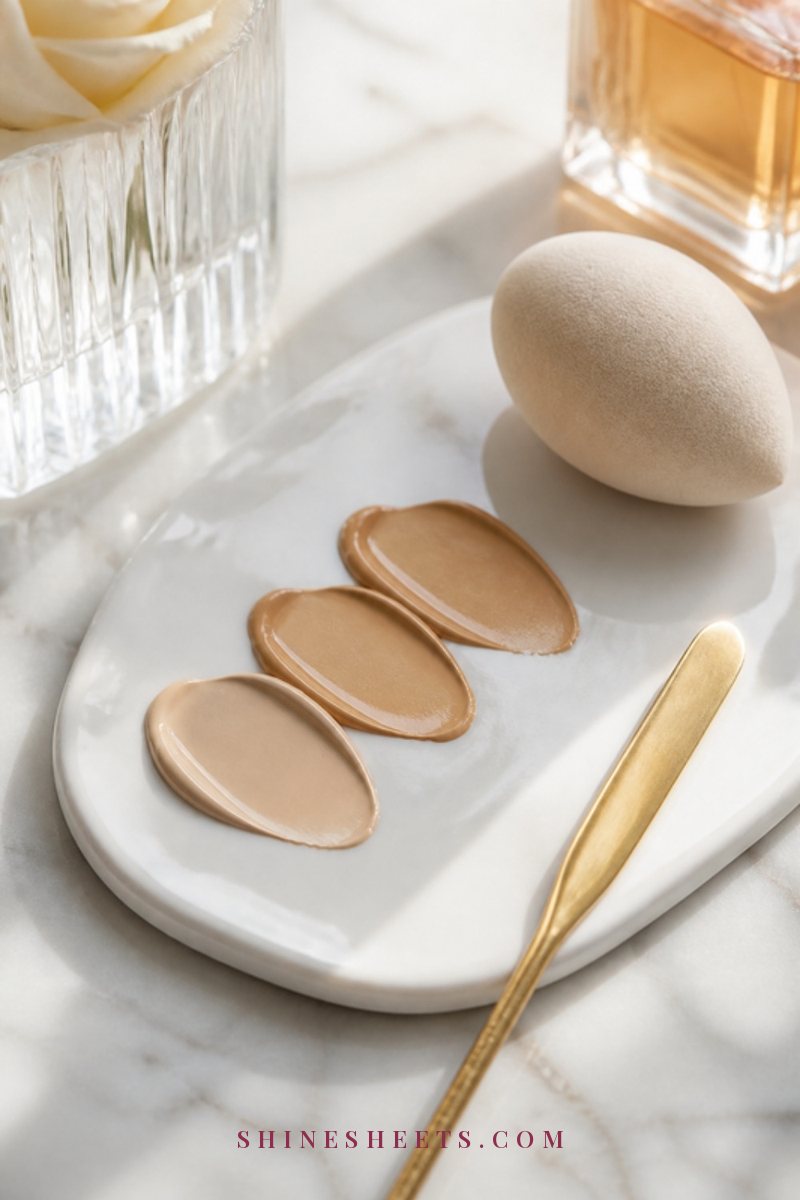
- Ask for a sample or swatch on your jaw. Apply a stripe from your cheek down onto your neck, not on your hand.
- Prep as you normally would, or as close to it as you can. Your usual moisturizer and sunscreen will be part of the reaction.
- Check in daylight right away. Note how well it matches.
- Wear it for 4–6 hours. Go about your day, ideally including some time outdoors.
- Check again in natural light. If the stripe has deepened or turned orange compared with your neck, it oxidizes on you.
You can also test at home with a mini experiment: apply a small dot of foundation on clean skin on one side of your jaw and a dot on top of your usual primer on the other. Check both after four hours. If only the primer side darkens, the combination is the problem, not the foundation itself.
If you're buying online, look for retailers with easy returns and test the first day at home before throwing away the box. A little patience here saves a lot of money and frustration.
7 Ways To Stop Foundation From Oxidizing
You don't need all of these. Start with the two or three that match the causes in the table, then add more if you still see a shift.
1. Let Skincare Absorb First
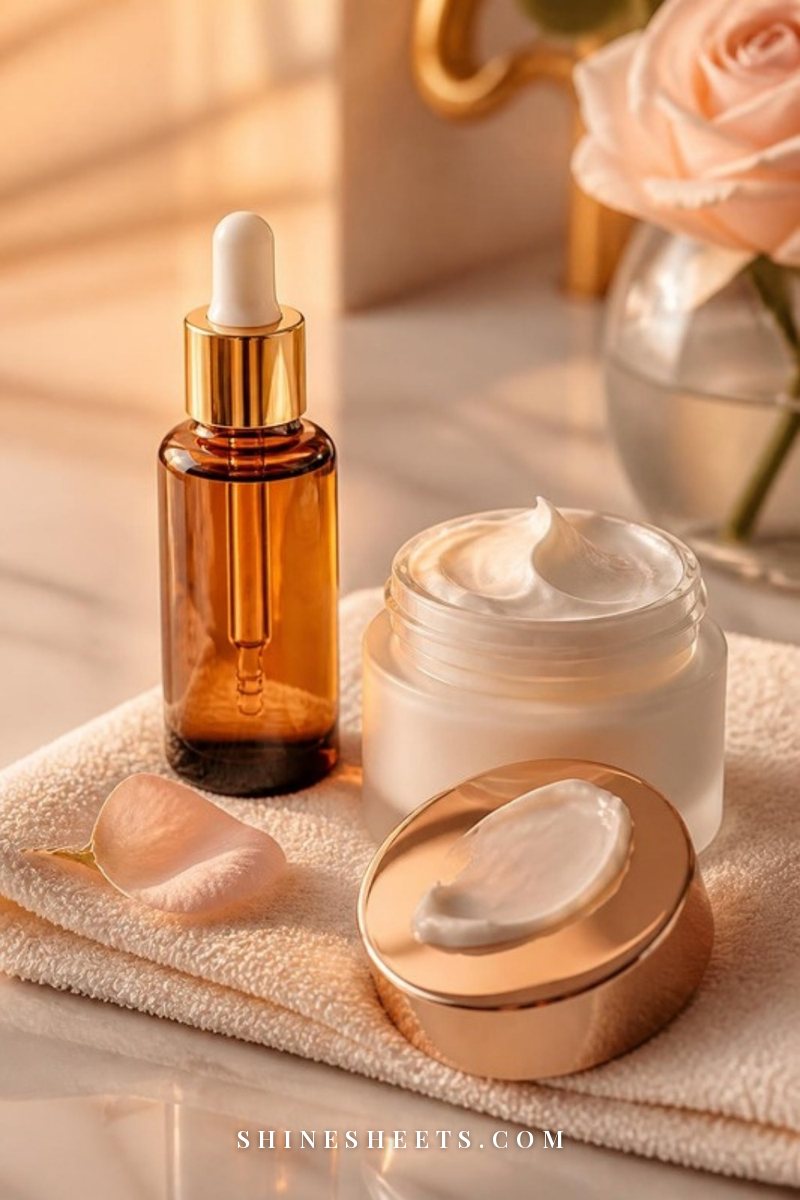
This is the simplest change and often the most effective. After moisturizer and sunscreen, wait 5–10 minutes before foundation. Use the time to do your brows, brush your hair or finish your coffee. Skin should feel comfortable and not tacky or slippery when you touch it lightly. On makeup days, switch to a lightweight, oil-free moisturizer if your usual one is rich.
2. Use an Oil-Control Primer
A primer creates a thin barrier between your skin's oil and your foundation. An oil-control primer is a pick for combination and oily skin: look for "mattifying" or "oil-control," a lightweight texture and a base that matches your foundation. Apply a thin layer only where you get shiny, usually the T-zone, and let it set for a minute before foundation. More primer isn't better – too much can make foundation slide.
3. Choose a Half Shade Lighter
If you love a formula that oxidizes slightly, choose a half shade lighter than your perfect match in the store, or a shade with a touch more neutral or pink undertone. By midday it settles into exactly your color. If you're between shades, mixing two can give you the ideal starting point.
To find your half shade lighter, compare your usual shade with the next lighter one on your jaw in daylight. The lighter one might look a touch pale at first. Check again after two hours: if it now matches your neck perfectly, that's your shade for this formula. Write it down in your phone notes so you don't have to repeat the experiment next time.
4. Apply Thin Layers With a Damp Sponge
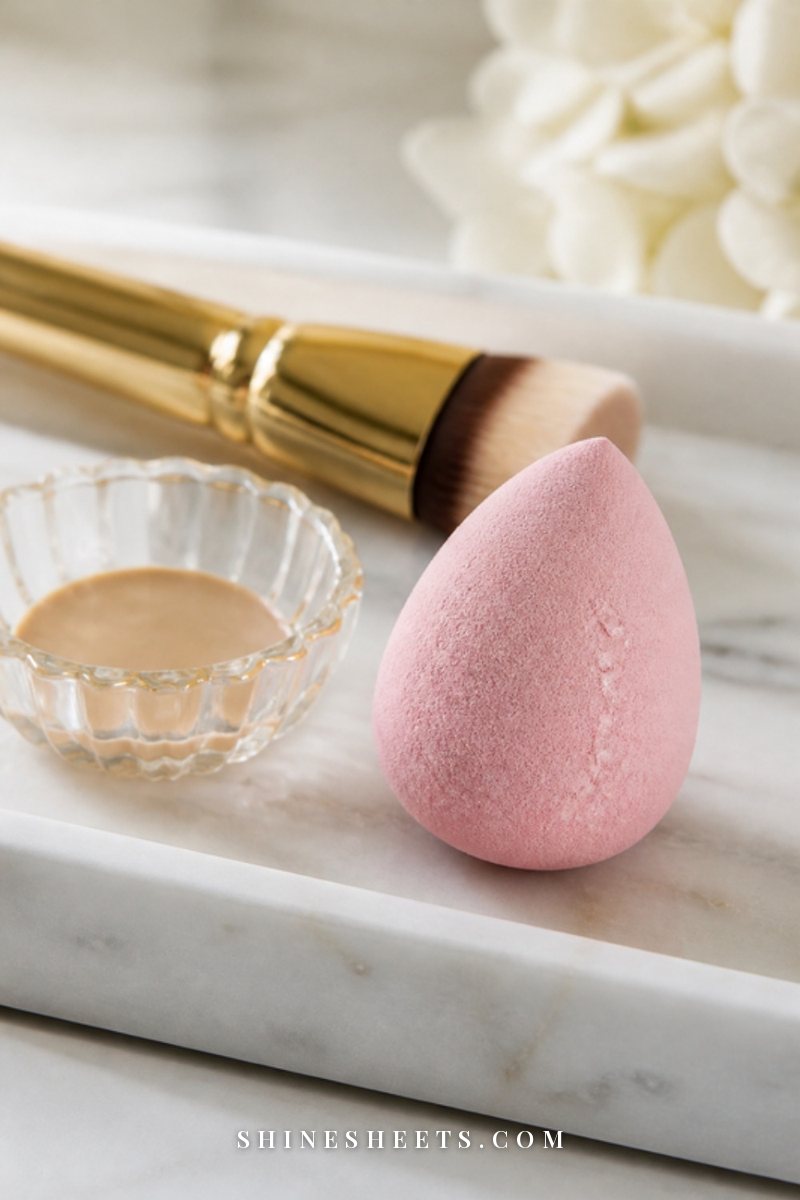
Thick layers of foundation have more pigment to oxidize and more room to mix with oil. Apply a small amount, then press it in with a damp makeup blending sponge in bouncing motions. Build only where you need coverage, and use concealer for spots instead of extra foundation all over. Heavy, dark-looking foundation is also one of the makeup mistakes that age you, so a lighter hand pays off twice. My guide on how to apply foundation walks through the full technique.
5. Set With Translucent Powder
Powder absorbs oil before it reaches your foundation's pigments. A translucent setting powder won't add color, so it can't shift your shade. Press a small amount onto the T-zone with a puff or sponge, and dust very lightly elsewhere if you need it. Follow with a mist of setting spray to melt everything together and help it stay put longer.
6. Blot Instead of Adding More
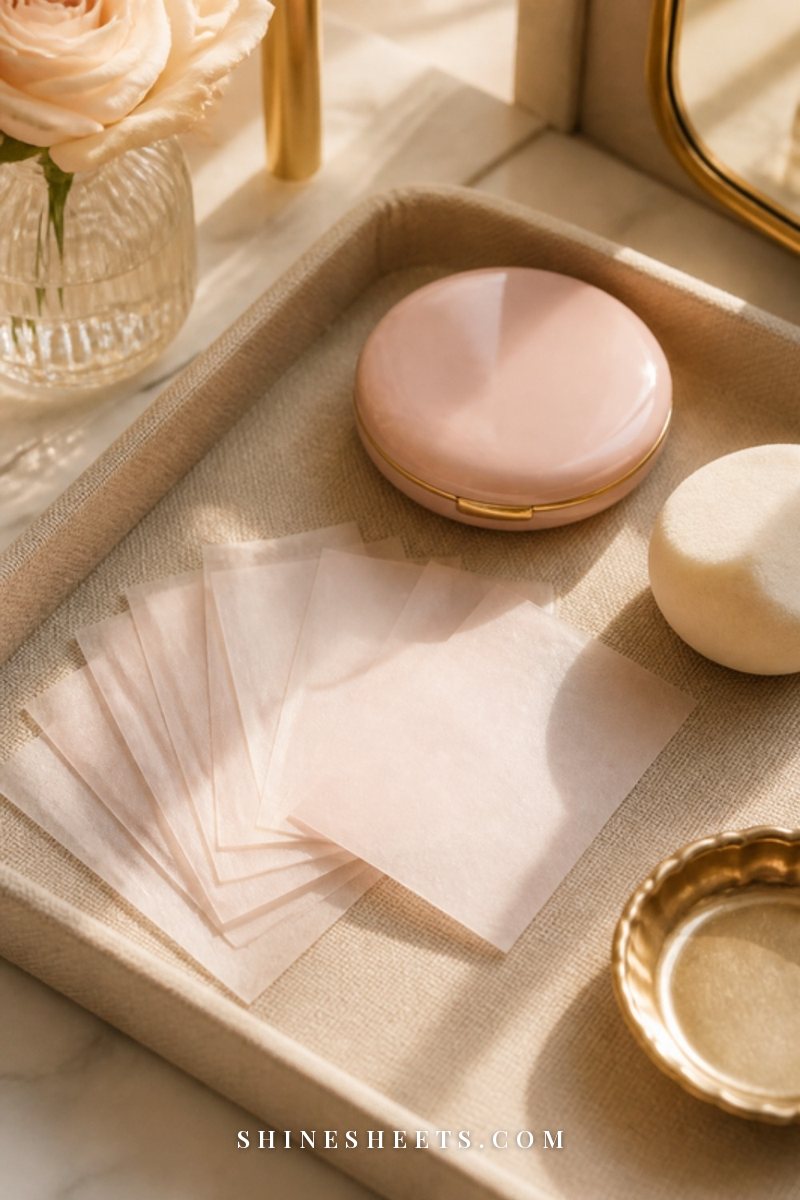
When shine appears midday, resist the urge to pile on more powder. Gently press blotting papers onto shiny areas to lift oil without disturbing your makeup. Removing the oil also removes one of the main things darkening your foundation. Keep a few in your bag, desk drawer or phone case.
For more ways to keep your base fresh on oily days, my guide on makeup for oily skin goes deeper.
7. Avoid Mixing Incompatible Bases
Skincare, primer and foundation all have a "base," usually water or silicone. Mixing a water-based product with a silicone-heavy one can cause separation, pilling and uneven color. A quick way to tell: if the first ingredients include something ending in "-cone" or "-siloxane," it's likely silicone-based. If water is first and there are few silicones, it's water-based. Keep your layers in the same family when you can, and you'll notice your makeup sitting more evenly.
How To Choose a Foundation That Won't Oxidize
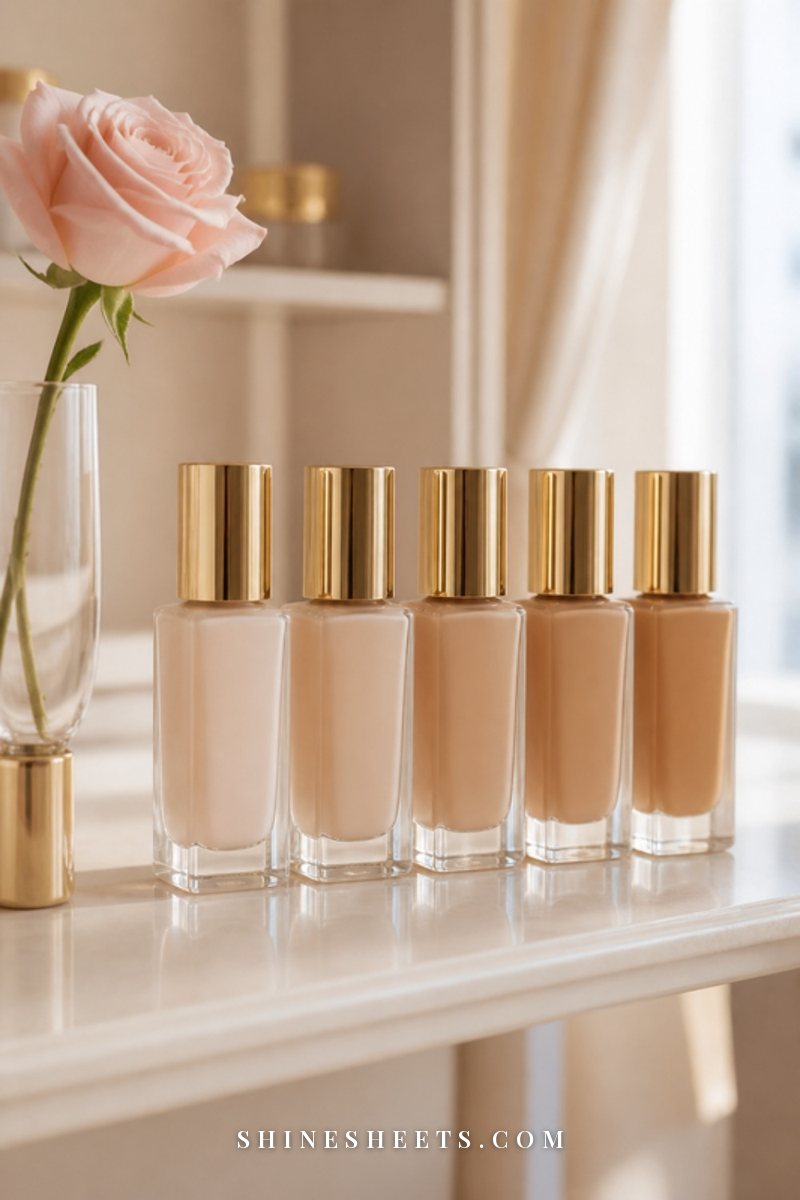
There's no guarantee any formula will stay true on every person, so I won't name specific "non-oxidizing" foundations. But a few general guidelines tilt the odds in your favor:
- Long-wear and oil-free formulas tend to hold their color better on oily and combination skin.
- Lighter textures such as skin tints and serum foundations have less pigment to change, so any shift is less noticeable.
- Undertone matters. If oxidation pulls orange on you, a neutral or slightly cooler undertone can balance it.
- Reviews from people with similar skin are more useful than general ratings. Look for notes about darkening after a few hours.
- Pump bottles and opaque packaging limit air and light exposure, which helps the formula stay stable.
If you prefer a light, skin-like base, the routine in my guide to clean girl makeup shows how to keep coverage sheer and fresh, which also makes oxidation far less obvious.
Oxidation or Something Else?
Not every midday makeup problem is oxidation, and the fix depends on what's actually happening. A quick way to tell:
- Oxidation: the color itself has deepened or turned warmer, especially on oily areas, but the texture still looks smooth.
- Separation: foundation breaks apart around the nose and chin, showing patches of bare skin. This usually means too much oil or a primer and foundation that don't mix well.
- Settling into lines: product collects in smile lines or under the eyes. Thinner layers and less powder in those areas help.
- Patchiness on dry spots: foundation clings to flaky areas. Gentle exfoliation and more hydration are the answer, not a different shade.
- Wrong shade from the start: it looks off the moment you apply it. Oxidation only shows up after a while.
Many people deal with two of these at once, oily T-zone separation and oxidation especially, which is why the oil-control steps above solve so much.
Quick Fixes When It Has Already Turned Orange
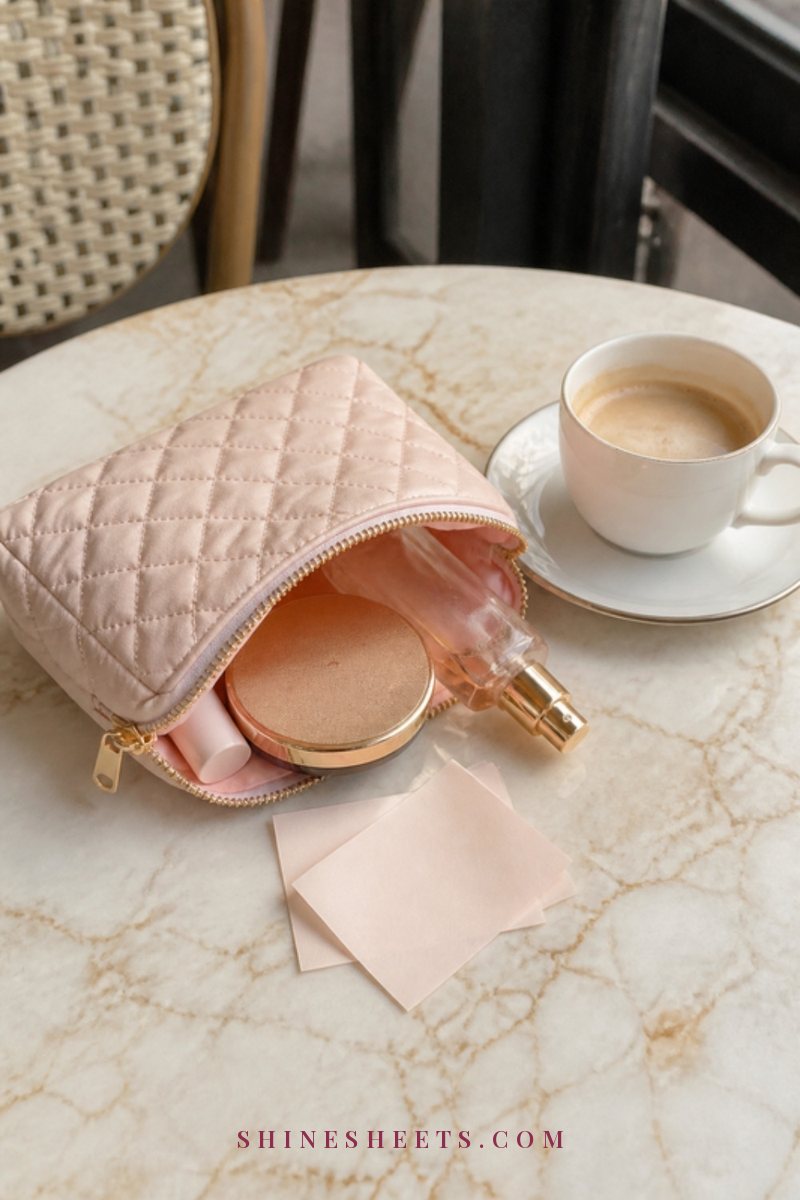
Already noticing a shift at work or before an evening out? A few quick rescues:
- Blot the darkened areas first to remove excess oil.
- Press a damp sponge over the area to lift and soften some of the foundation.
- Dust a little translucent powder on top, or a powder one shade lighter, to brighten it slightly.
- Blend foundation down onto your neck if there's a visible line at the jaw.
- Add a soft touch of blush, which draws the eye and makes the base look more intentional.
Then make a note of what you used that day, so you can adjust the routine next time.
Common Questions About Oxidizing Foundation
Does Oxidation Happen With Every Foundation?
Almost every foundation can change a little on some skin types, but many barely shift at all. If a formula consistently darkens on you even with good prep, it's simply not the right match for your skin chemistry, and that's nothing to feel bad about.
Can Expired Foundation Oxidize More?
Yes. Once opened, foundation is exposed to air and bacteria, and its ingredients slowly break down. Most last around 12 months after opening. If the color, texture or smell has changed, it's time to replace it.
Is Oxidation Bad for Your Skin?
Oxidation is a cosmetic color change, not a sign of a harmful reaction on its own. If a foundation ever causes itching, burning or breakouts, though, stop using it, and patch test new makeup on a small area first if your skin is sensitive. A dermatologist can help if reactions keep happening.
Does Setting Spray Help With Oxidation?
It helps indirectly. A setting spray melts powder and foundation together so the base holds up better against oil and humidity. It won't fix a formula that oxidizes heavily on your skin, but combined with a primer and powder, it can noticeably slow the shift.
Why Does My Foundation Look Fine in Some Weather and Not Others?
Heat and humidity increase oil and sweat, which speed up oxidation. Many people notice their foundation behaves perfectly in cool months and darkens in summer. Keeping a slightly lighter shade or a more oil-controlling routine for warm weather solves it.
A Morning Routine That Prevents Oxidation
Here's how it all comes together on a typical makeup day:
- Cleanse gently and apply a lightweight, oil-free moisturizer.
- Apply sunscreen and wait 5–10 minutes.
- Press a thin layer of oil-control primer onto the T-zone.
- Apply a small amount of foundation with a damp sponge, building only where needed.
- Conceal spots and under-eyes separately.
- Set the T-zone with translucent powder.
- Mist setting spray and let it dry naturally.
- Blot midday instead of adding more product.
For more tips on making your base last from morning to evening, see simple steps to make foundation last all day.
Final Thoughts
Foundation oxidizing isn't a mystery and it isn't your fault. It's a small chemistry reaction between your skin, your products and the day you're having, and a few simple habits – patient skincare, a thin layer, a good powder and a blotting paper – keep it in check.
Once you know what to look for, you'll choose formulas with more confidence and walk out the door knowing your makeup will still look like you hours later.