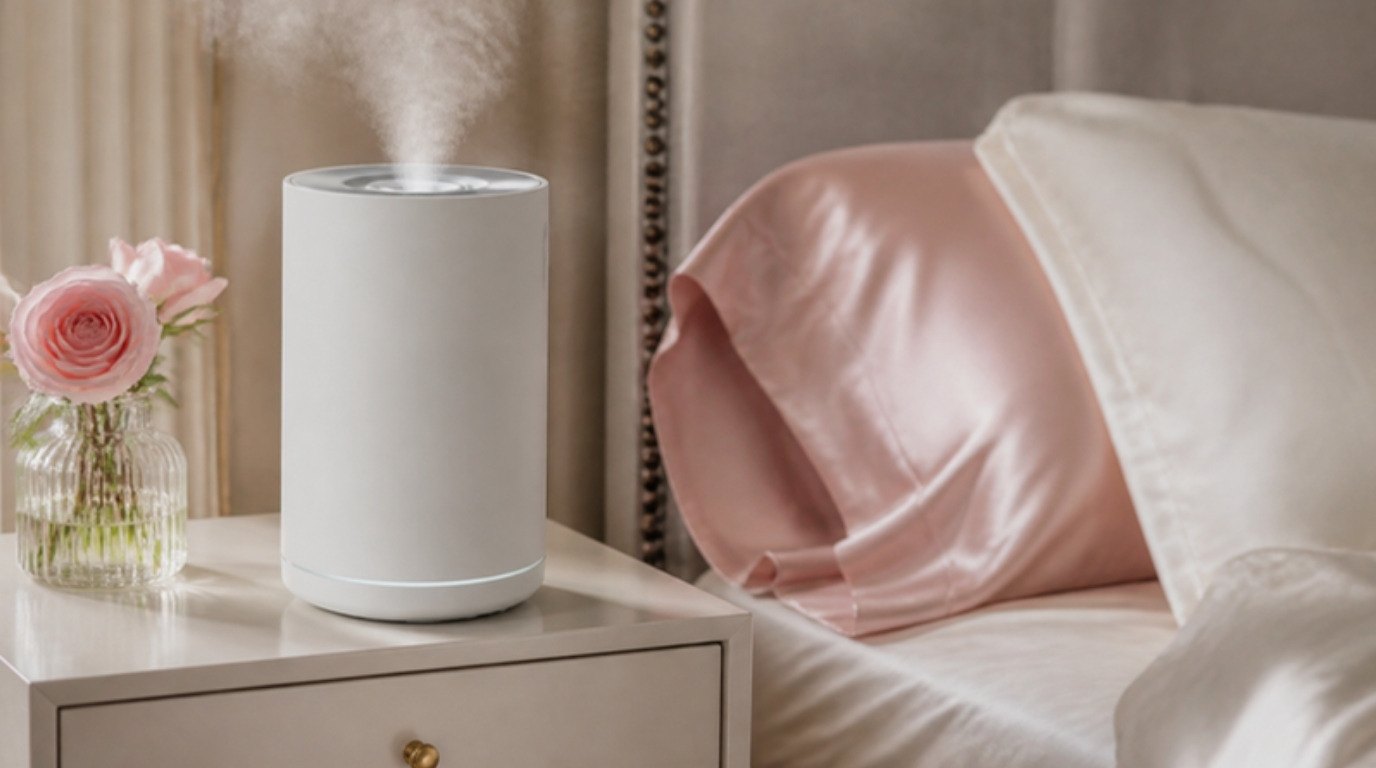
Dry winter air isn't something you have to put up with until spring, and you don't need a humidifier to change it. Every home already has a few quiet sources of moisture: the laundry, the bath, the kettle, the plants on the windowsill. Use them on purpose, keep the heat a touch lower, and you can lift the humidity in a room enough to feel the difference in your skin, your throat and your sleep.
The reason winter air feels so harsh indoors is simple. Cold outdoor air holds very little water, and when you heat it up inside, its relative humidity drops even further. A room that feels toasty can easily sit at 20 or 30 percent humidity, which is drier than many deserts. Your home, your wooden furniture and your skin all feel it.
This guide is about fixing dry air at home without buying a machine: the signs your air is too dry, how to measure it, ten budget-friendly ways to add humidity, a table comparing them, the safety rules that keep moisture from turning into mold and when a humidifier is still the better choice. I'm a big fan of fixes that use what you already own, and most of these cost nothing at all.
Signs the Air in Your Home Is Too Dry
Dry air sneaks up on you because the signs are small and easy to blame on something else. If several of these sound familiar, your heating is probably the culprit:
- Static everywhere. Little shocks from door handles, crackly sweaters and hair that floats toward the brush.
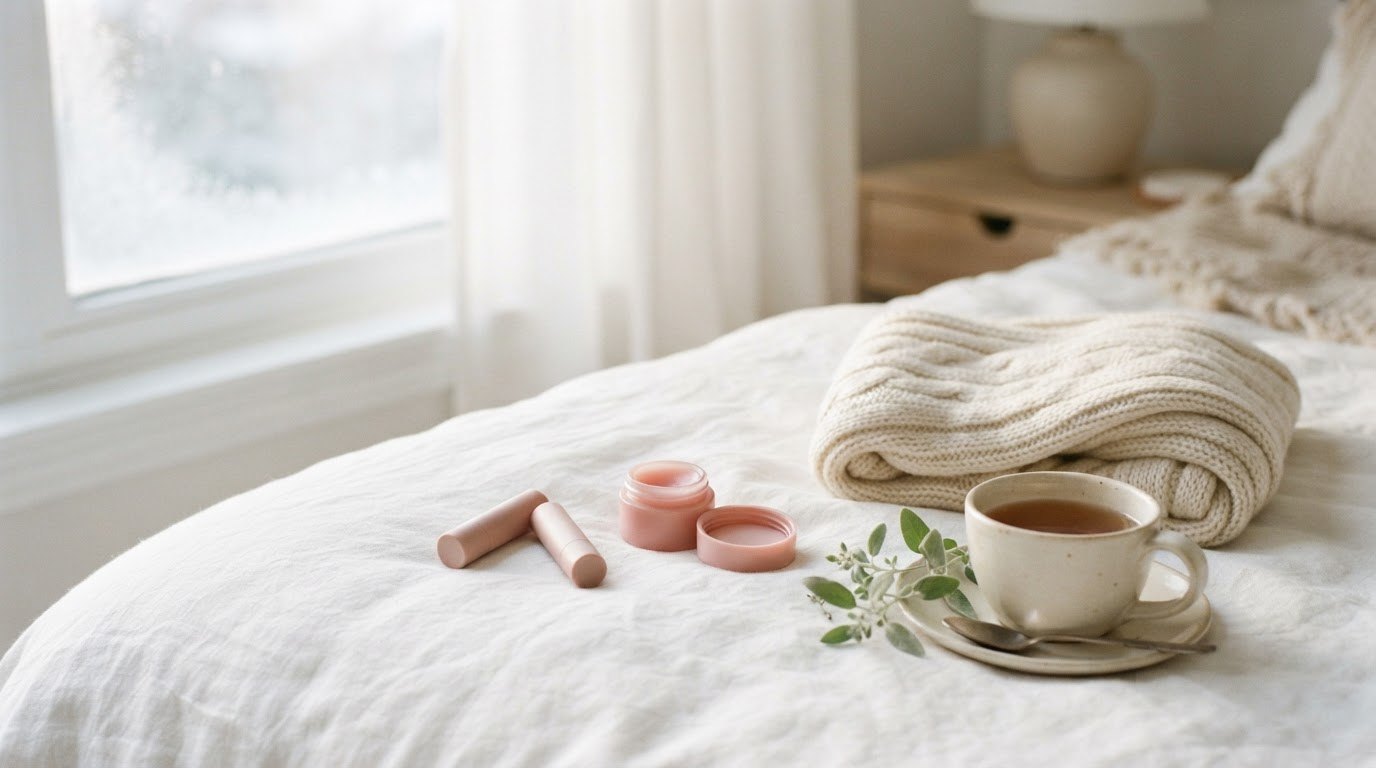
- Dry, tight lips that need balm far more often than they do in summer.
- Dry or itchy eyes, especially in the evening or after a long day indoors.
- A scratchy throat or stuffy nose in the morning that eases after breakfast.
- Skin that feels tight after washing, or a moisturizer that seems to stop working.
- Wooden floors, furniture or instruments with new small gaps or cracks.
- Houseplants with crispy brown leaf tips, even though you water them on schedule.
Hair is often the first to complain. If yours turns into a static cloud the moment you take off a hat, my guide to winter hair care for static and dry ends pairs perfectly with the methods below.
How To Check Your Indoor Humidity
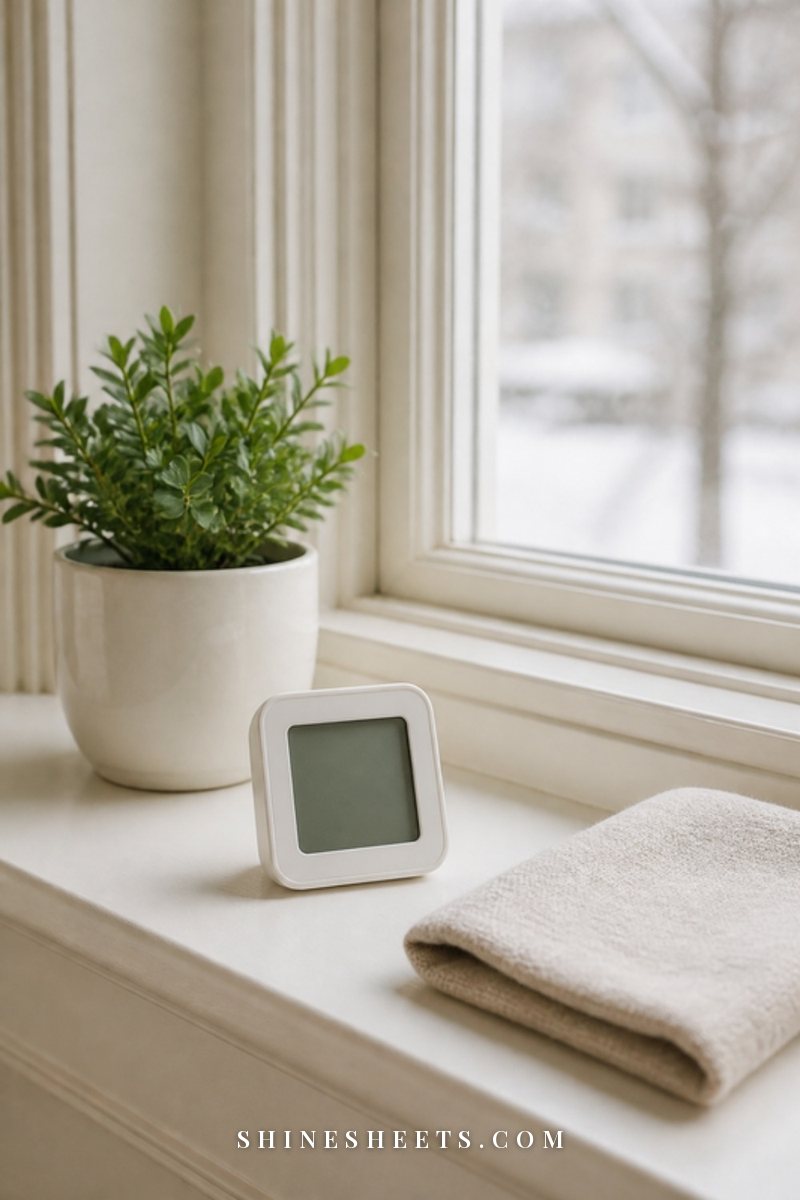
Guessing is tricky, because dry air and a slightly overheated room feel very similar. A small hygrometer tells you the real number in a few minutes and helps you see which of the tricks below actually work in your home.
A small digital hygrometer is the one thing I'd buy for this: look for one that shows both temperature and humidity, keeps a daily low and high and is small enough to move from room to room. Place it at about chest height, away from the kettle, the bathroom door and direct sunlight, and give it half an hour to settle before you read it.
Here's how to read the number:
- Below 30 %: very dry. This is where static, dry lips and morning throats show up.
- 30–40 %: a bit dry. Most homes sit here in winter, and a few small changes are enough.
- 40–50 %: the sweet spot. Comfortable for skin, sinuses and wooden furniture.
- Above 50–55 %: too much for winter. Condensation forms on cold windows and walls, and mold and dust mites love it.
Aim for 40–50 % and no higher. More is not better here, and that's the most important rule in this whole article.
10 Ways To Add Humidity Without a Humidifier
Each of these adds a little moisture. One alone may only nudge the number, but two or three together can move a room into the comfortable range. Try a few, check your hygrometer the next day and keep what works for your space.
1. Dry Your Laundry Indoors on a Rack
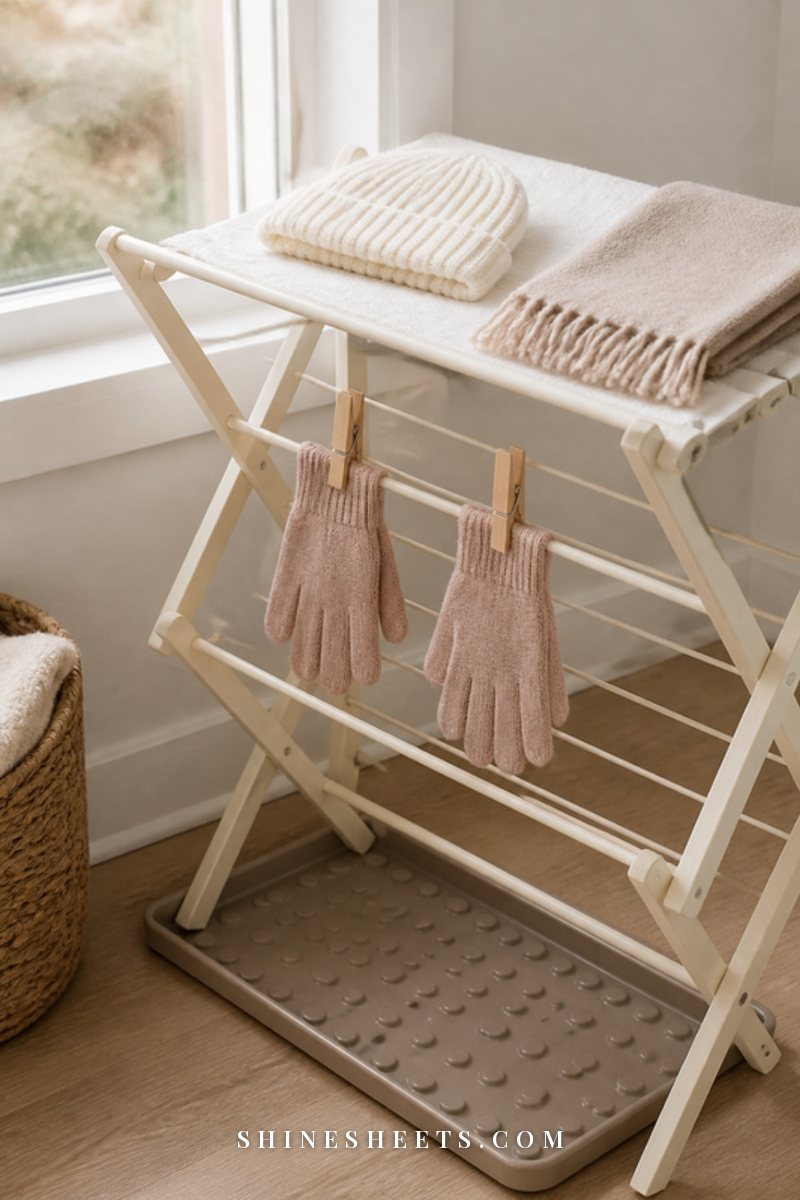
A full load of wet laundry holds a surprising amount of water, and as it dries, all of it goes into your air. Hang it in the room that feels driest, usually the bedroom or living room, rather than the bathroom, which is already humid.
A white wooden drying rack that folds flat is a lovely pick: look for smooth rails that won't snag knits, enough bars for a full load and a frame sturdy enough not to wobble. Keep it at least three feet from radiators and heaters, and give clothes space so they dry within a day. If clothes are still damp after 24 hours, the room is getting too humid or needs a little airing.
How often: whenever you do laundry. Most homes see the biggest boost from this one.
2. Let Bath Water Cool Before You Drain It
After a bath, leave the water in the tub until it has cooled to room temperature, usually 30 to 60 minutes, with the bathroom door open. The warm water keeps releasing moisture into the rest of your home instead of disappearing down the drain.
Only do this when no small children or pets are around, and drain it before bed. A standing tub of water is a risk for little ones, even when it's shallow.
3. Shower With the Bathroom Door Open
In winter, let some of that shower steam travel into the hallway and bedroom instead of trapping it all behind a closed door. Crack the door open while you shower, then leave it open for 15 minutes afterward.
The one exception: if your bathroom has no window or extractor fan and already shows mold on the ceiling or grout, keep the fan running and wipe the walls down instead. You want to share the steam, not move a moisture problem around the house.
4. Place Water Bowls Near, Never On, Radiators
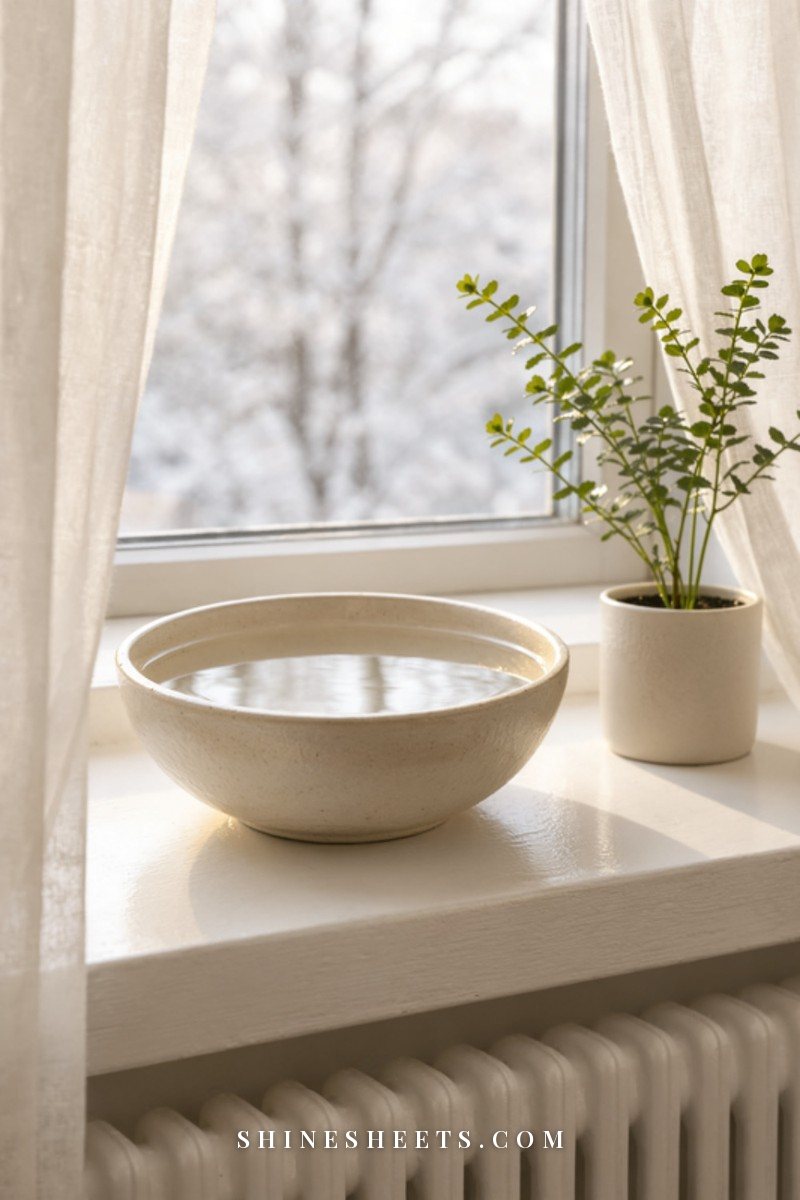
A wide bowl of water placed near a heat source evaporates slowly and steadily all day. The wider the bowl, the more surface the water has to evaporate from. A shallow cream ceramic bowl looks pretty on a shelf or windowsill, and I'd choose one that's wide, heavy enough not to tip and easy to rinse.
Place it on a stable surface next to the radiator or on the floor beside it, never on top. Water on a radiator can spill into the heating unit or onto electrical sockets, and a hot bowl is easy to knock over. Refill it every day or two and wash it twice a week with warm soapy water so nothing grows in it.
5. Leave a Pot Simmering While You Cook
If you're already in the kitchen, put a pot of plain water on a back burner at the lowest simmer while you make dinner, with the lid off. Add a few strips of orange peel or a cinnamon stick if you like a soft scent in the house.
Stay in the kitchen the whole time, top it up before it gets low and turn it off when you leave the room. A pot that boils dry can scorch, and an unattended stove is never worth the risk. Run your extractor fan on its lowest setting or not at all while it simmers, so the moisture stays in the house.
6. Group Your Houseplants Together
Plants release water through their leaves as part of their normal life, and a cluster of them creates a small pocket of humid air around itself. Group three to five plants together in the room you spend most time in, and set them on a tray of pebbles with a little water at the bottom (the pots sit on the pebbles, not in the water).
Leafy plants like peace lilies, ferns, pothos and spider plants tend to help the most. It's a small boost, but your plants will thank you too: crispy tips are their way of saying the air is dry. Keep pets in mind and choose pet-safe plants if you have a cat or dog.
7. Hang a Damp Towel Over a Chair
This is the fastest bedroom fix I know. Wet a clean hand towel, wring it out well and drape it over the back of a chair a few feet from your bed before you sleep. It slowly releases moisture overnight, right where you breathe.
Soft sage linen hand towels work beautifully for this, because linen releases water evenly and dries quickly: look for a medium weight that you can wring out easily. Wash the towel after each use and never hang it on a radiator, heater or lamp.
8. Turn the Heating Down a Degree
Warmer air doesn't add moisture, it just stretches the moisture you already have. Every degree hotter makes the relative humidity drop a little, so the air feels drier. Lowering the thermostat by one or two degrees can make a room feel noticeably less parched, and it's kinder on your heating bill.
Keep the bedroom slightly cooler than the living room, add a warm throw and socks, and let your sleep benefit too.
9. Keep a Stovetop Kettle Going
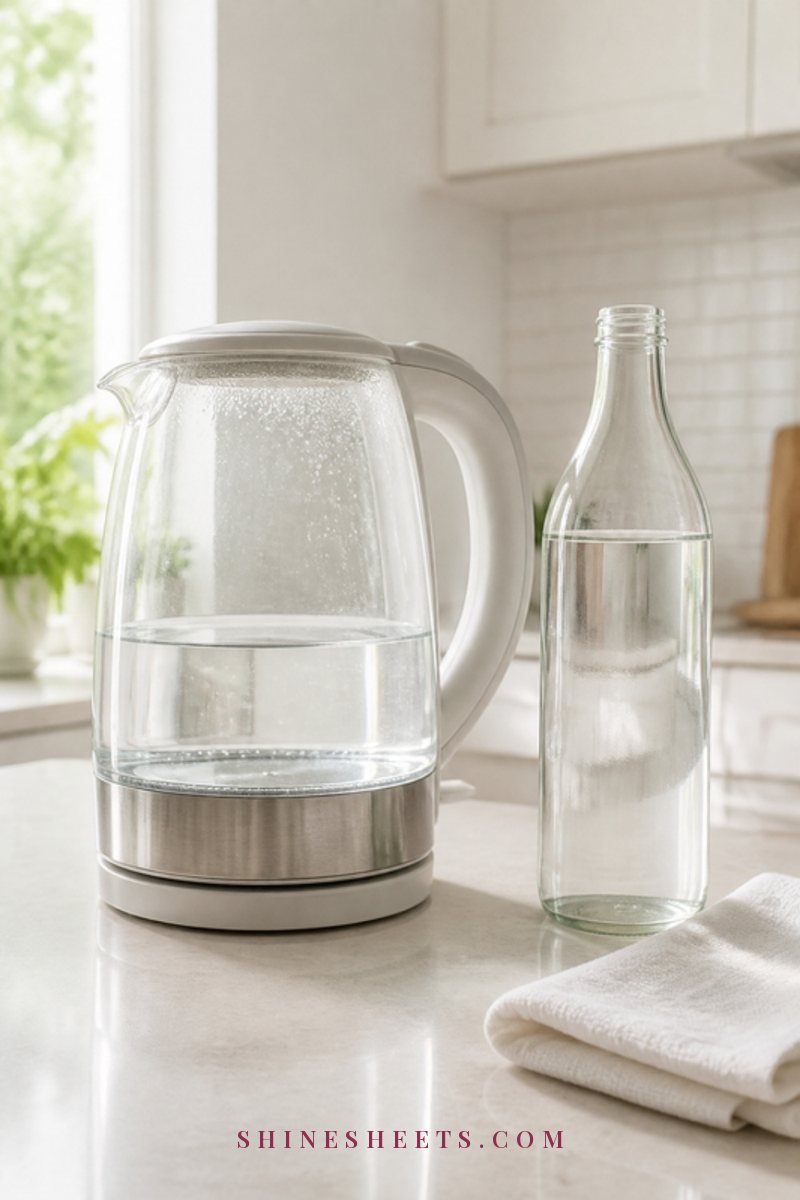
An old-fashioned stovetop kettle puffs out steam the whole time it heats, much more than an electric kettle that switches off the moment it boils. Fill it, let it come to a gentle simmer with the lid on, and make your tea when you're ready.
The rules are the same as for the simmering pot: stay close, turn it off when you leave the kitchen and never let it boil dry. My evening tea has quietly become one of my favorite humidity habits.
10. Air Out in Short Bursts Instead of Cracking a Window
This one sounds backward, but it works. A window left slightly open all day lets cold, dry air leak in constantly while your heating works overtime. Instead, open windows wide for five to ten minutes once or twice a day, ideally on opposite sides of the home, then close them.
A short burst swaps stale, damp air for fresh air without chilling the walls and furniture. Your room warms back up quickly, and the moisture you've added from laundry, plants and the kettle stays in balance rather than building up on the glass.
No-Humidifier Methods Compared
Here's a quick comparison so you can pick the right method for each room. The boosts are rough guides, because every home is different. Your hygrometer has the final word.
| Method | Humidity boost | Cost | Best room | Caution |
|---|---|---|---|---|
| Laundry on a rack | High | Nothing extra | Bedroom, living room | Keep 3 ft from heaters, dry within a day |
| Cooling bath water | Medium | Nothing extra | Bathroom, hallway | Never with small children or pets around |
| Shower door open | Medium | Nothing extra | Hallway, bedroom | Skip if the bathroom already has mold |
| Water bowls near radiators | Low | Low | Living room, office | Never on the radiator, clean twice a week |
| Simmering pot | Medium | Low | Kitchen, open plan | Never leave the stove unattended |
| Grouped houseplants | Low | Low to medium | Living room, bedroom | Choose pet-safe plants |
| Damp towel on a chair | Low to medium | Nothing extra | Bedroom | Never on a heater, wash after use |
| Heating a degree lower | Air feels less dry | Saves money | Whole home | Keep rooms comfortably warm |
| Stovetop kettle | Medium | Low | Kitchen | Stay close, never boil dry |
| Short bursts of airing | Keeps balance | Saves money | Whole home | Close windows after 5–10 min |
A Simple Daily Humidity Routine
You don't need to do all ten methods every day. A light rhythm that fits around things you already do is easier to keep up, and it stops you from overdoing it. Here's a gentle routine that works in most homes during the coldest weeks:
- Morning: open the windows wide for five to ten minutes while you make your coffee or tea, then close them. Wipe any condensation off the glass with a dry cloth. Check your hygrometer and note the morning number.
- Midday: top up the water bowls near the radiators and give your plant cluster a drink if the soil feels dry an inch down.
- Evening: hang a load of laundry on the rack if it's a laundry day, put the kettle on the stove for your evening tea and shower with the bathroom door ajar.
- Bedtime: drape a damp towel over a chair in the bedroom, turn the bedroom heating down a degree and put lip balm on before you sleep.
After three or four days, look at your morning numbers. If they've settled between 40 and 50 %, keep going exactly as you are. If they're still under 35 %, add one more method, usually laundry or the cooling bath. If they creep above 50 %, or you notice water on the windows every morning, drop one method and air out a little longer.
Think of it like finding the right thermostat setting. Every home is different: an old apartment with drafty windows loses moisture quickly, while a new, well-sealed one can tip into dampness with just a couple of tricks. A few days of noticing will show you exactly how much your space needs.
Safety: Water, Heat and Condensation
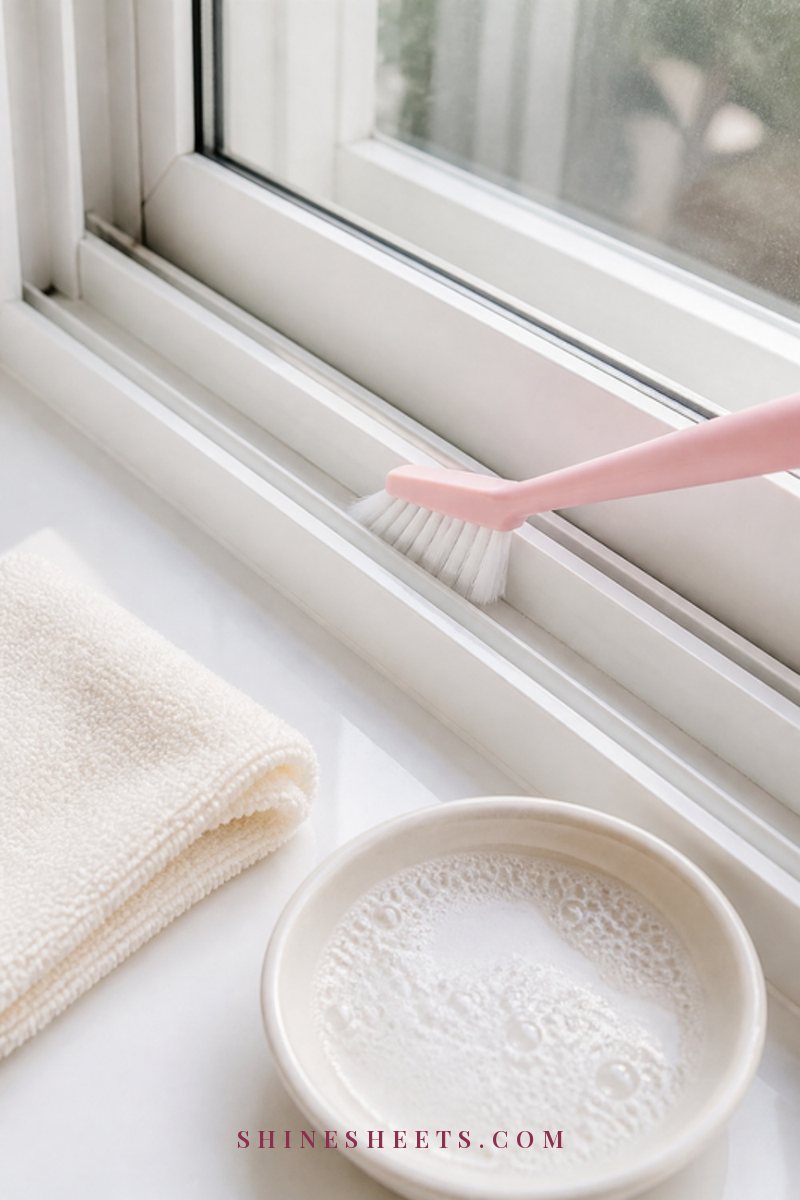
Adding moisture is gentle work, but water, heat and electricity need a little respect. Keep these rules in mind:
- Never leave the stove unattended. Simmering pots and kettles get turned off whenever you leave the kitchen.
- Keep water and damp fabric away from sockets, heaters and lamps. No towels on radiators, no bowls next to power strips, no racks touching a space heater.
- Wipe window condensation every morning. A quick wipe with a dry microfiber cloth stops water from soaking into frames and sills. If you see condensation every day, you've gone past the sweet spot, so scale back one method.
- Watch for mold. Dark spots in window corners, on the bathroom ceiling or behind furniture mean the humidity is too high or the airing too rare. Clean small spots promptly and reduce moisture.
- Stay at 40–50 %. Check your hygrometer every few days, especially in bedrooms and rooms with cold outer walls.
Your lips and skin will feel better in balanced air, but they still appreciate extra care in winter. A lip balm in a pretty little tin by the bed is a nice nightly habit (I'd choose a simple, unscented formula with shea butter or petrolatum), and my winter lip care routine covers the rest. For your face, my winter skincare routine explains what to swap once the heating comes on. If dry eyes, nosebleeds or a sore throat continue even in balanced air, it's worth checking in with a doctor.
When a Humidifier Is Still Worth It
These methods are wonderful for most homes, but some situations call for a machine:
- Your hygrometer stays below 30 % even after a week of combining three or four methods.
- You live in a very cold, dry climate with the heating on day and night for months.
- You have very dry skin, sensitive sinuses or a newborn, and a doctor has suggested more humidity.
- You sleep in a small bedroom and want steady humidity all night without a damp towel.
If you go that way, my guide to humidifier benefits for skin and hair covers what to look for, and my guide on how to clean a humidifier keeps it from becoming a little bacteria factory. A dirty humidifier is worse than none at all.
Final Thoughts
Winter air doesn't have to leave you with static hair, tight skin and a scratchy morning throat. A rack of laundry, a bowl of water, a cluster of plants and a kettle on the stove can do more than you'd expect, especially together.
Start with two methods, check your hygrometer tomorrow and adjust gently. Aim for that soft 40–50 % and enjoy a home that feels a little kinder to breathe in all season long.