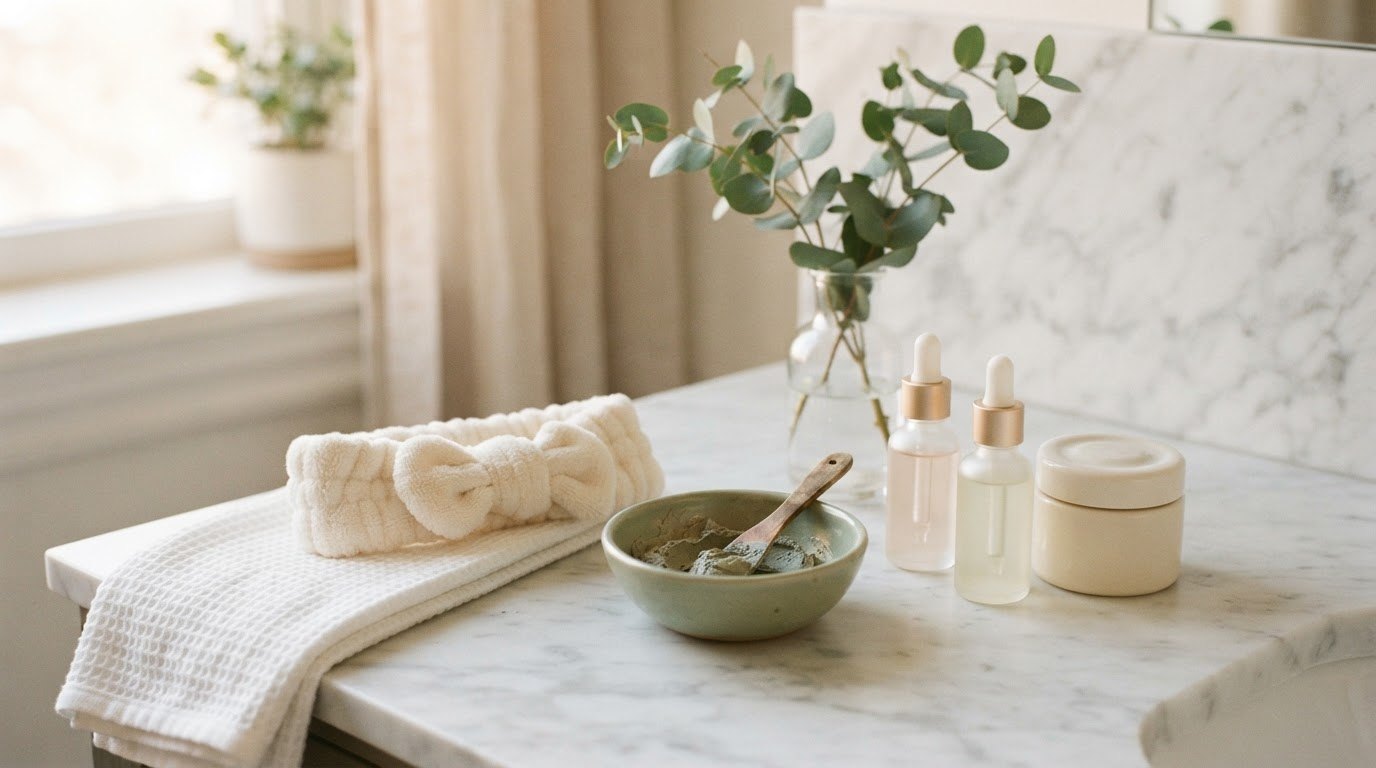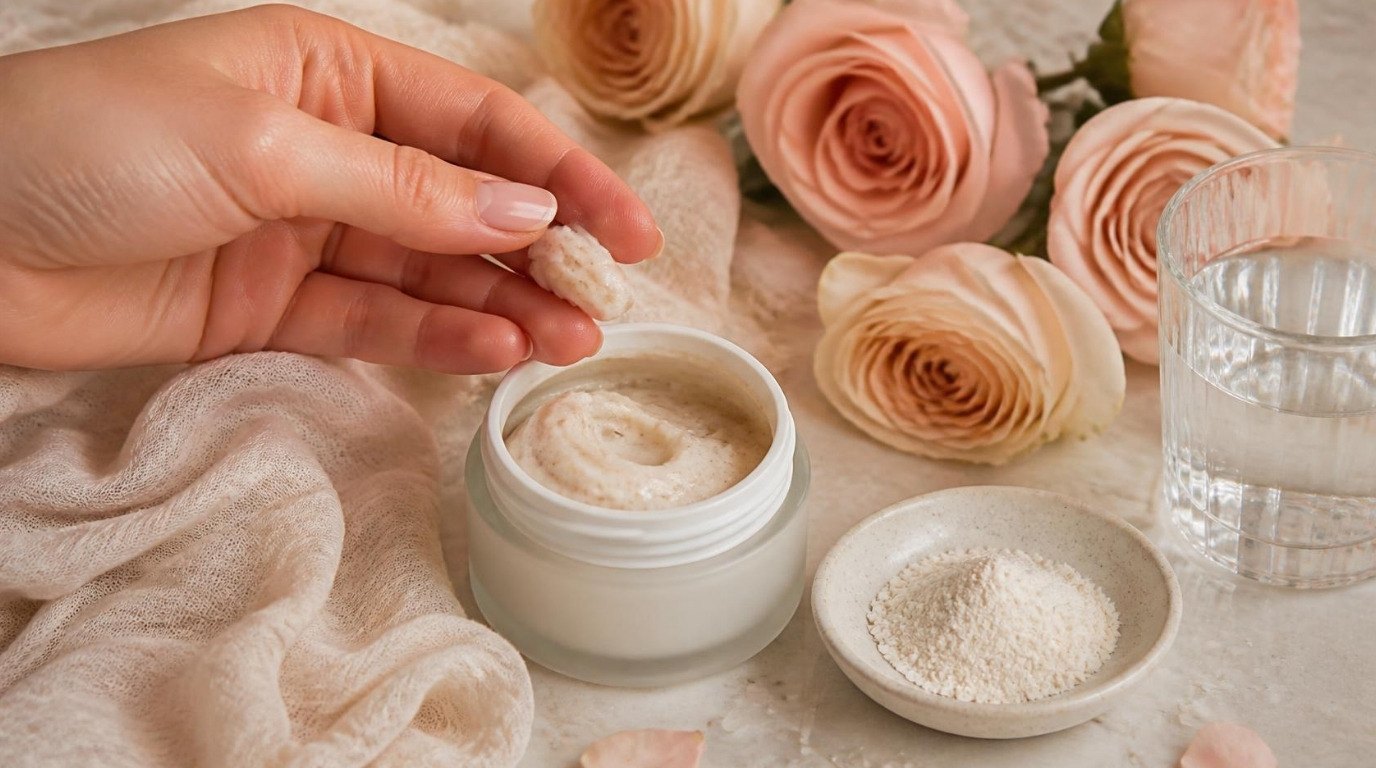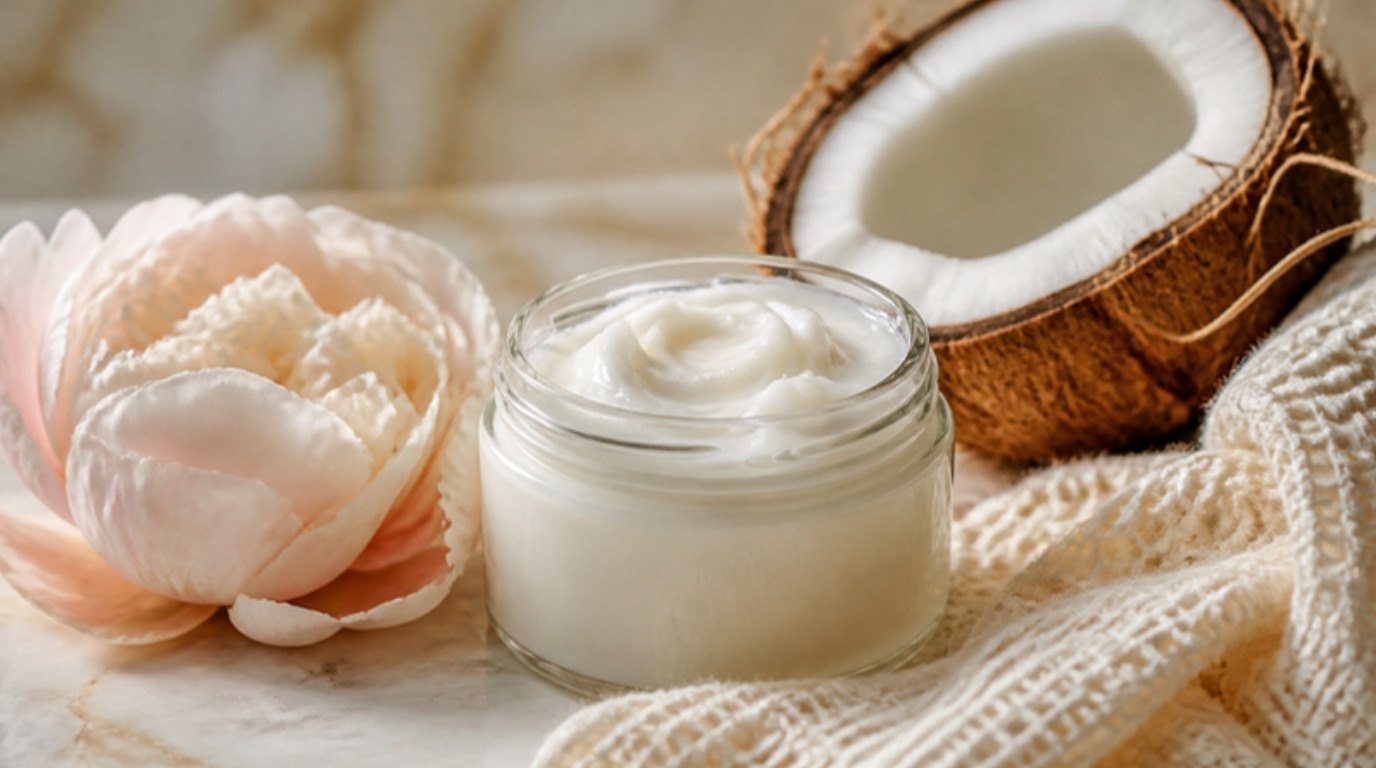
Coconut oil is wonderful for a lot of things, and your face is often not one of them. It's rich, comforting and smells like a holiday, which is exactly why so many people slather it on at night. But the same thick, waxy texture that makes it brilliant for dry heels and frizzy ends can sit on facial skin like a lid and leave clogged pores behind.
That doesn't make coconut oil "bad." It makes it a body-and-hair oil that only a small group of faces really get along with. Once you know which group you're in, you can use it where it shines and reach for something lighter where it doesn't.
This guide gives you the honest answer on coconut oil on your face: why it clogs pores for so many people, who might do fine with it and who should skip it, safer ways to use it, a simple comparison table of coconut oil vs squalane vs jojoba, the difference between virgin and fractionated coconut oil, and all the places on your body where it's genuinely lovely.
The Honest Answer: Is Coconut Oil Good for Your Face?
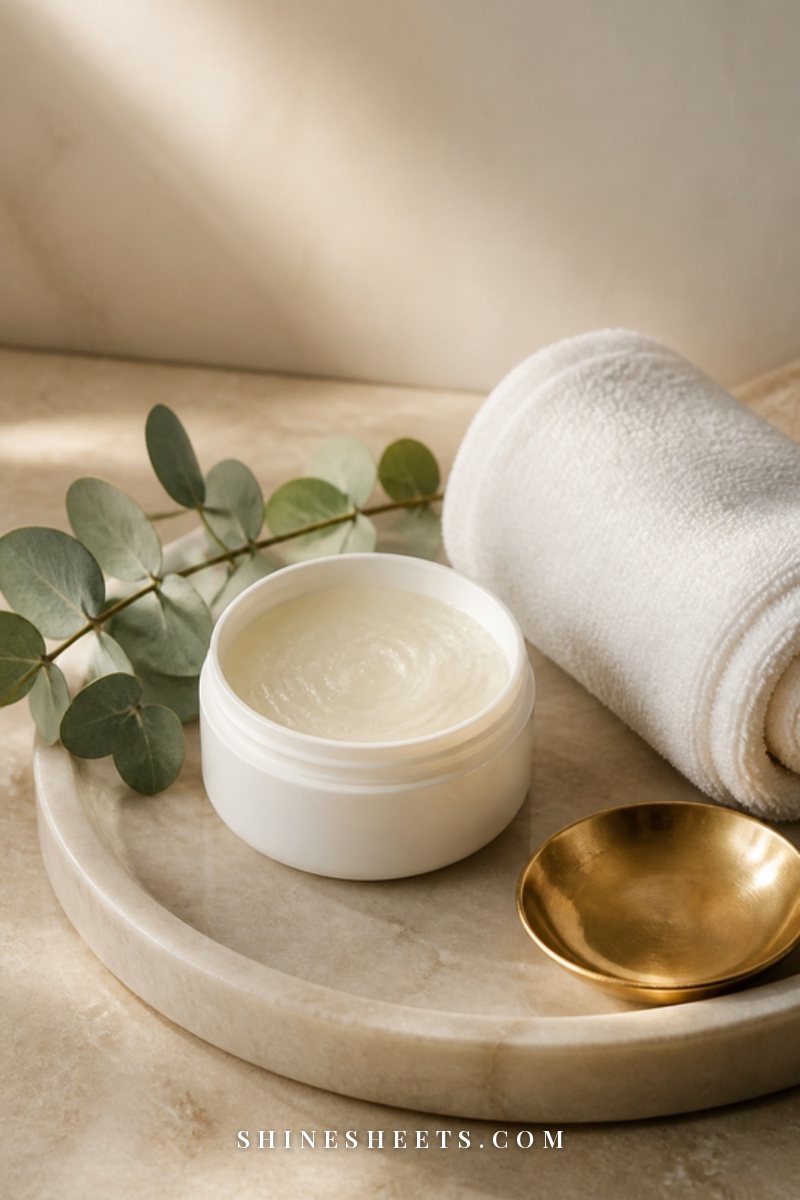
For most faces, coconut oil is a "not as a daily moisturizer" ingredient. For very dry skin that never breaks out, it can be fine in tiny amounts. For acne-prone, oily, combination or sensitive skin, it's one of the oils most likely to cause trouble, usually in the form of small bumps, closed comedones or a breakout that shows up a week or two later.
My own skin is combination and sensitive, with a T-zone that gets shiny by lunchtime, so coconut oil on my face is an easy no for me. On my hands, heels and hair ends, though, it's one of the simplest things you can keep in a bathroom cabinet.
Think of it like a winter coat: perfect in the right place, far too much in the wrong one.
Why Coconut Oil Can Clog Pores
A few things make coconut oil different from the lighter oils used in most face products.
It's Heavy and Very Occlusive
Coconut oil is mostly saturated fat, which is why it turns solid below about 76°F. On skin, it forms a thick, occlusive layer that slows water loss. That sounds great (and on very dry body skin, it is), but on a face with active oil glands, it can trap sebum, dead skin and bacteria in the pore. That's the perfect setup for clogged pores.
What "Comedogenic" Actually Means
You'll often see coconut oil rated high, around 4 out of 5, on comedogenic scales online. Those scales come from older lab tests and they're not perfect: how an ingredient behaves depends on the concentration, the formula and your own skin. Still, coconut oil scores consistently high across sources, and a lot of people's real-life experience matches it. If you're prone to breakouts, that's a strong enough signal to be cautious.
It's Low in Linoleic Acid
Skin that's prone to clogging often benefits from oils richer in linoleic acid, a lighter fatty acid found in oils like rosehip and grapeseed. Coconut oil is mostly lauric acid and other saturated fats with very little linoleic acid, so it tends to feel heavier and behave more like a balm than a serum.
Who Might Do Fine With Coconut Oil on Their Face
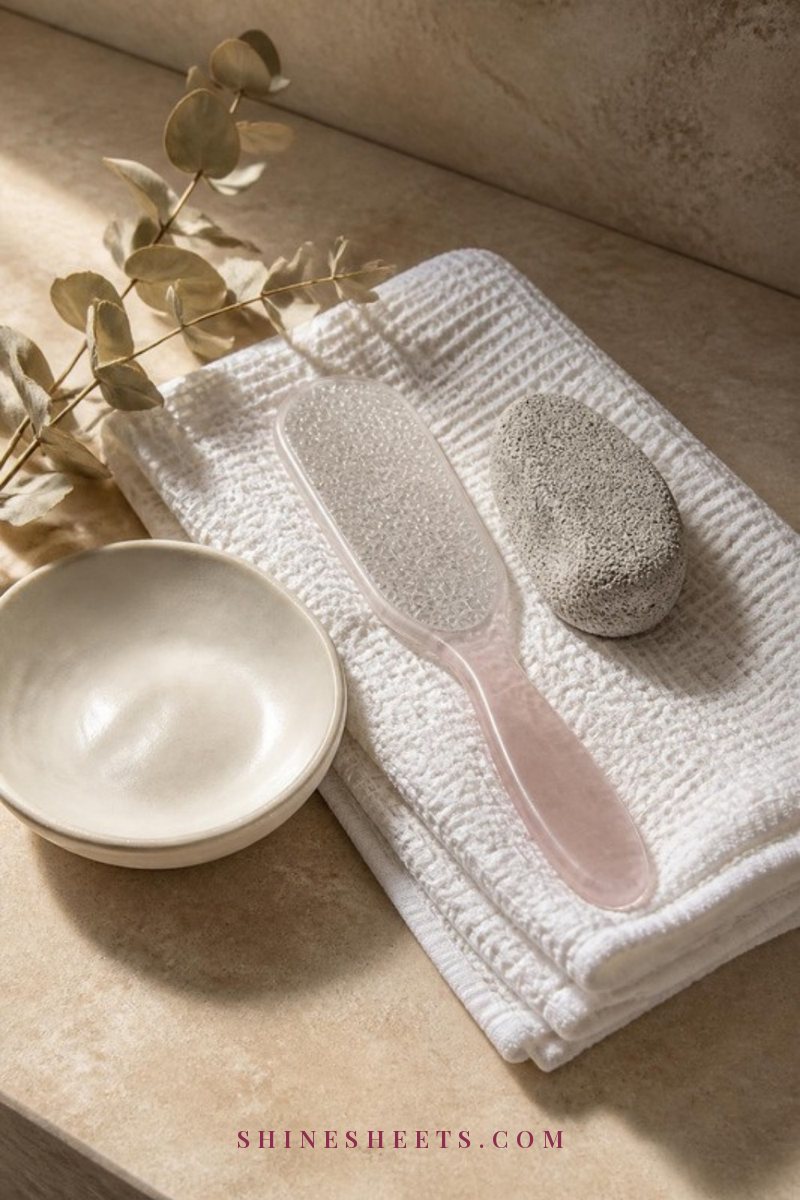
A small group of people can use coconut oil on their face without problems. You might be one of them if:
- Your skin is very dry and feels tight most of the day.
- You rarely or never get breakouts, clogged pores or milia.
- You don't have very sensitive or reactive skin.
- You're using it in a thin layer, a few nights a week, not as a thick mask.
Even then, start with a patch test (more on that below) and watch for small, flesh-colored bumps over the next two to three weeks. Clogged pores are slow to show up, so a "no reaction" after one night doesn't tell you much.
Who Should Skip It
I'd leave coconut oil off your face if any of these sound like you:
- Acne-prone skin. Including hormonal breakouts along the jaw and chin.
- Oily skin. Your skin already makes plenty of its own oil.
- Combination skin. Even if your cheeks are dry, the T-zone usually protests.
- Sensitive or reactive skin. Some people react to coconut-derived ingredients, and a thick layer can feel hot and itchy.
- Milia or lots of closed comedones. Those tiny white bumps under the skin tend to get worse with heavy occlusives.
- Fungal acne (small, itchy, uniform bumps). Many oils can feed the yeast involved, so it's worth checking with a dermatologist before using any oil.
If you've had persistent breakouts, redness or irritation that doesn't settle, a dermatologist can help you work out what's going on and which products are safe for your skin.
Coconut Oil vs Squalane vs Jojoba
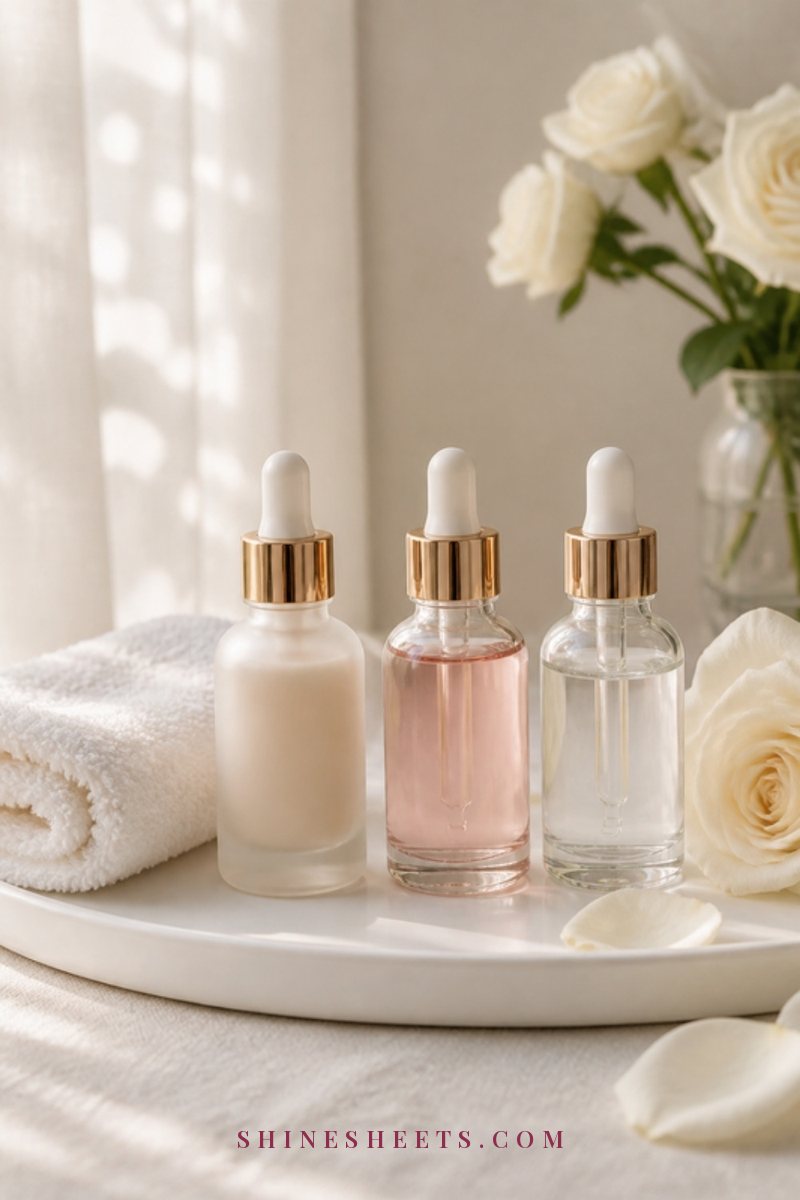
Here's how coconut oil compares to the two face oils I'd reach for first. Screenshot it for your next shopping trip.
| Coconut oil | Squalane | Jojoba | |
|---|---|---|---|
| Feel | Thick, waxy, solid when cool, greasy on the face | Very light, silky, absorbs in a minute or two | Light to medium, smooth, slight cushion |
| Pore risk | High for many people | Low for most skin types | Low to moderate |
| What it is | Plant fat, mostly saturated (lauric acid) | Stable version of a lipid skin makes naturally | A liquid wax very similar to skin's own sebum |
| Best for | Body, heels, cuticles, hair ends, very dry non-acne skin | Almost every face, including combination and oily | Normal, dry and combination faces, also hair and nails |
| How much on the face | A thin film, if at all | 2–3 drops | 2–3 drops |
| Shelf life | Long; keep cool and dry | Very stable | Very stable |
If you want the full rundown on choosing a face oil, my guide to facial oils by skin type covers rosehip, marula and others side by side.
Safer Ways To Use Coconut Oil Near Your Face
If you love coconut oil and want to keep using it, there are a few lower-risk ways to do it. The common thread: short contact time, tiny amounts, and nothing left sitting on your pores overnight.
As a Makeup Remover (Then Double Cleanse)
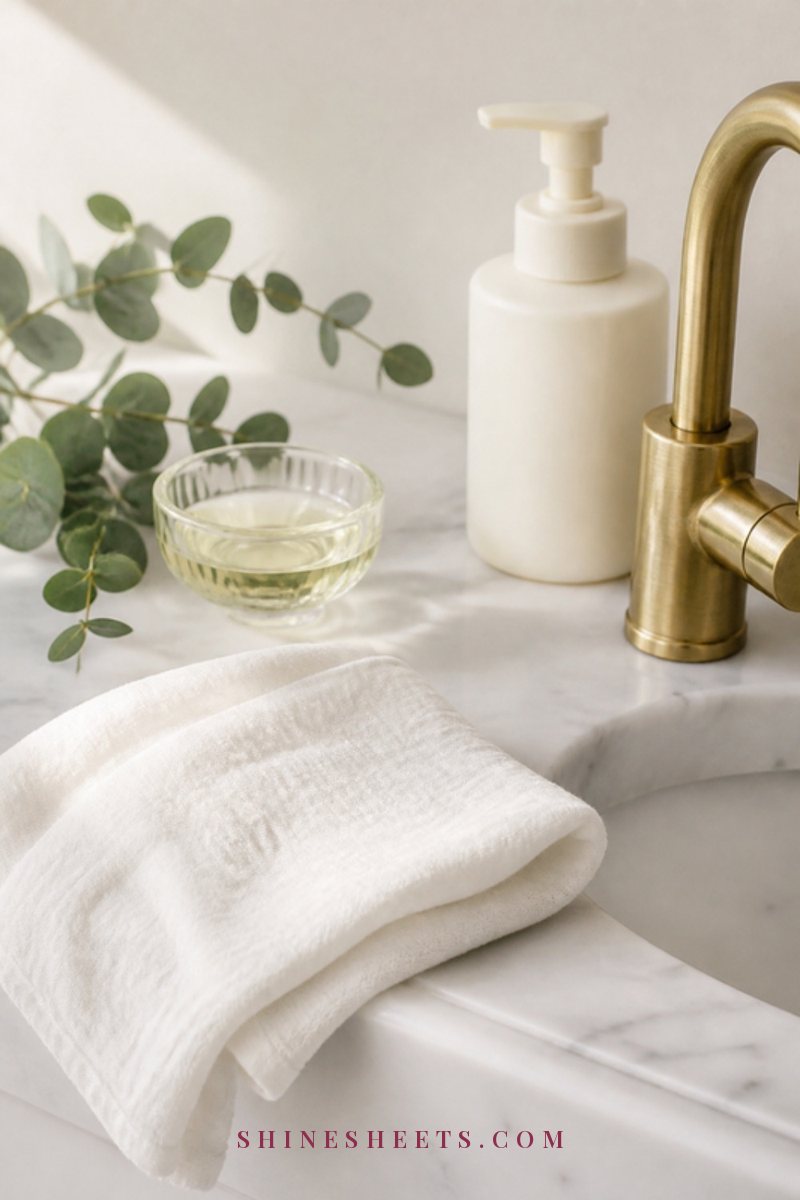
Oil dissolves oil, so coconut oil can melt waterproof mascara and long-wear foundation. If you use it this way, keep it brief: warm a small amount between your fingers, massage over dry skin for 30–60 seconds, then wipe off with a warm damp cloth. A set of soft white muslin face cloths makes this much easier.
Then follow straight away with a gentle water-based cleanser to remove every trace. That second step is what keeps the oil from lingering in your pores. My guide to double cleansing walks through the whole routine. Honestly, though, a cleansing balm made for the face does this job better: it melts makeup just as well and rinses off cleanly with water, because it contains emulsifiers that coconut oil alone doesn't have.
A Tiny Amount on Very Dry Patches
If you have a dry, flaky patch on your cheek or around your nose (and you're not acne-prone), you can press a pinhead-sized amount onto just that spot at night, over your moisturizer. Keep it away from the T-zone and hairline, where pores are more likely to clog.
On Lips
Lips don't have oil glands, so the pore issue doesn't apply. A thin layer of coconut oil at night can soften dry lips, as long as it doesn't drift onto the skin around your mouth if that area tends to break out.
Better Face Oils To Try Instead
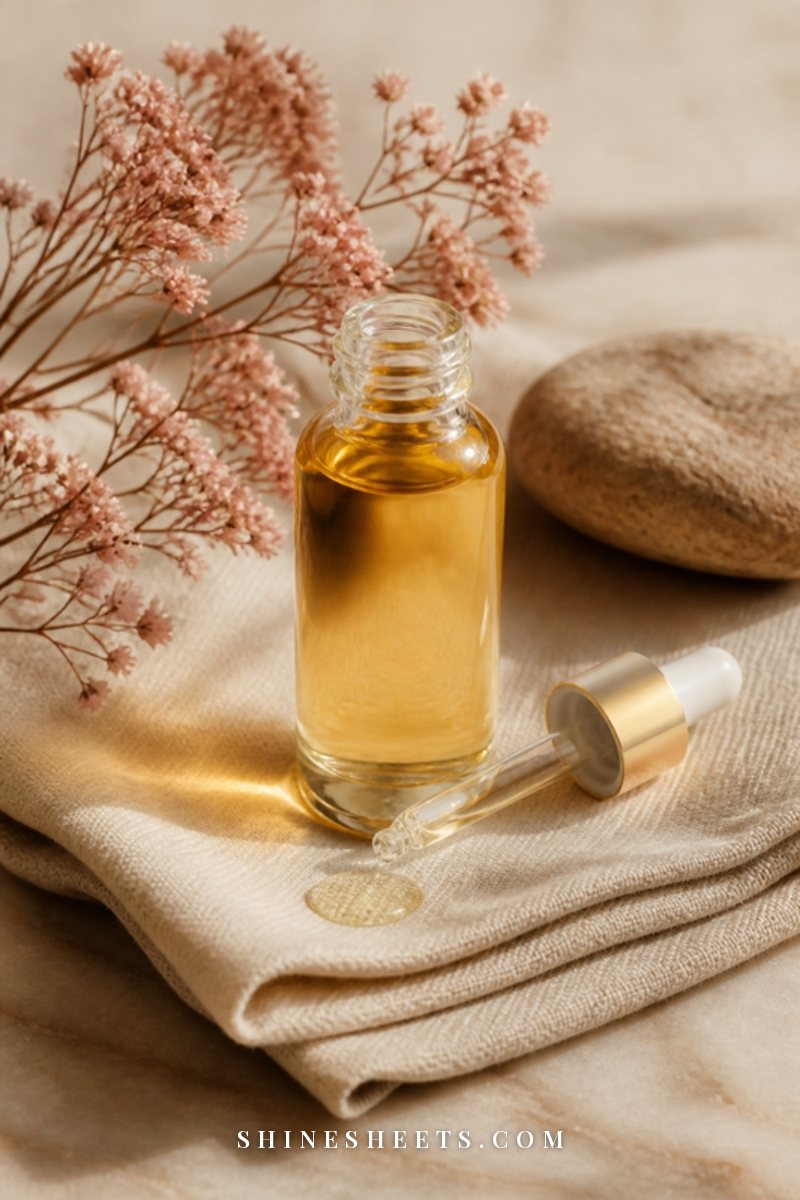
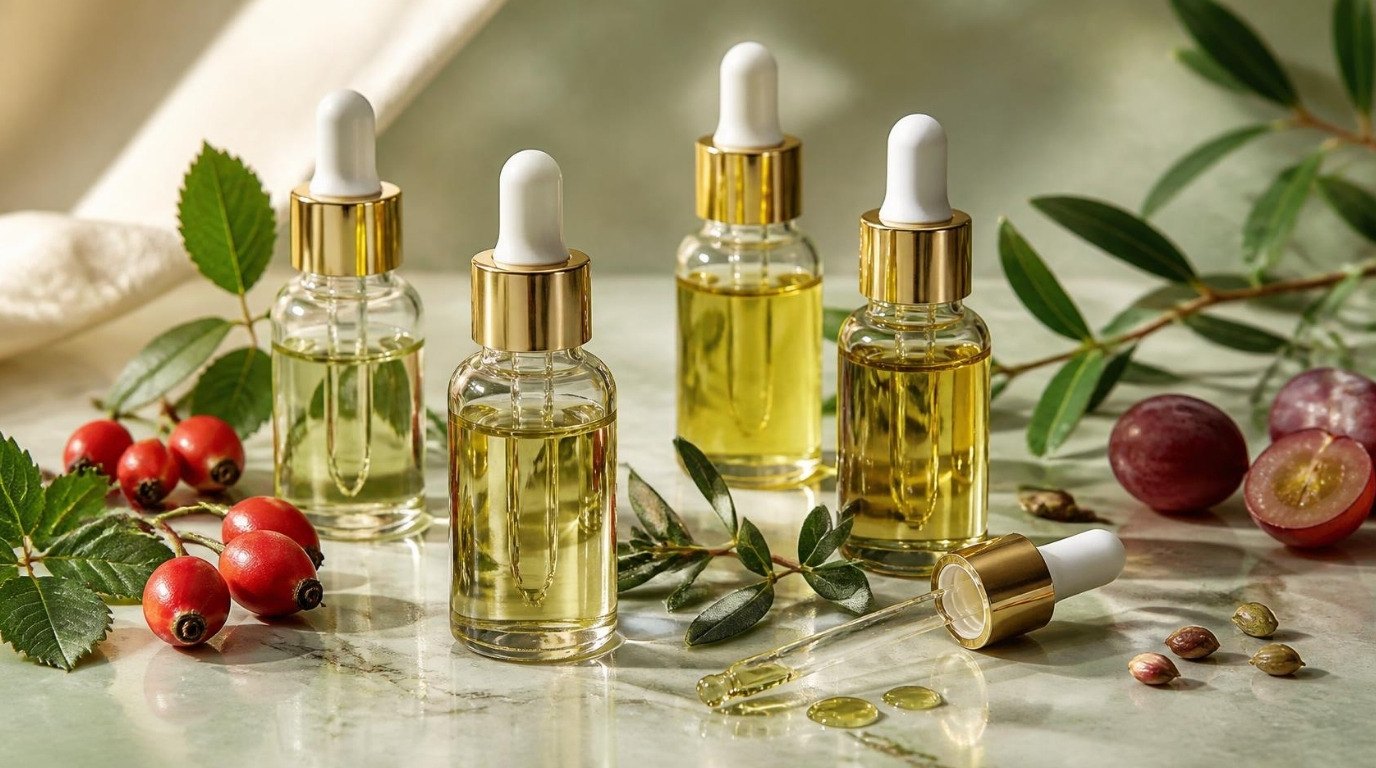
If what you really want is the soft, comforting feel of an oil on your face, these are kinder choices for most skin types.
- Squalane. The easiest face oil there is. It's light, stable and similar to a lipid your skin already makes. A bottle of pure, plant-derived squalane oil is the first thing I'd choose for combination or sensitive skin. My full guide to squalane for skin shows exactly how many drops to use for your skin type.
- Jojoba. Technically a liquid wax, it's remarkably close to human sebum, so many people find it balancing rather than heavy. Look for cold-pressed golden jojoba oil in a dark glass bottle.
- Rosehip. A "dry" oil rich in linoleic acid that suits normal to dry skin and absorbs quickly. Keep it in the fridge or a cool cupboard, as it can go rancid.
- A rich, fragrance-free cream or balm. Sometimes skin doesn't need an oil at all, it needs a moisturizer with ceramides and fatty acids that's been formulated not to clog pores.
Use any face oil as the last step at night, pressed over your moisturizer. If you love the idea of a thick overnight seal, slugging with a non-comedogenic occlusive is a much safer way to get it than coconut oil.
Where Coconut Oil Really Shines: Body, Hair and Cuticles

This is where coconut oil earns its place on your shelf. Body skin has fewer oil glands than your face, and hair and nails don't have pores at all.
Hair Ends
Coconut oil is one of the few oils that can partly penetrate the hair shaft, which is why it's loved for dry, frizzy ends. Warm a pea-sized amount between your palms and smooth it over the bottom few inches of dry or damp hair. Keep it off the scalp if you tend to get buildup or flakes, and wash it out within a few hours or the next morning if you used more than a little.
Cuticles and Hands
Rub a tiny dab into each cuticle at night, then pop on cotton gloves if you have them. For daytime, a ready-made cuticle oil pen is easier to keep in your bag. My cuticle care guide has the full routine.
Heels, Elbows and Knees
After a shower, while skin is still a little damp, massage a thin layer into rough heels, elbows and knees. Wear socks over your feet afterward so you don't slip on the floor.
Body Skin
On dry legs and arms, coconut oil can be a lovely after-shower seal. If you get body breakouts on your chest or back, keep it below your collarbones and away from your back, just as you would on your face.
Virgin vs Fractionated Coconut Oil
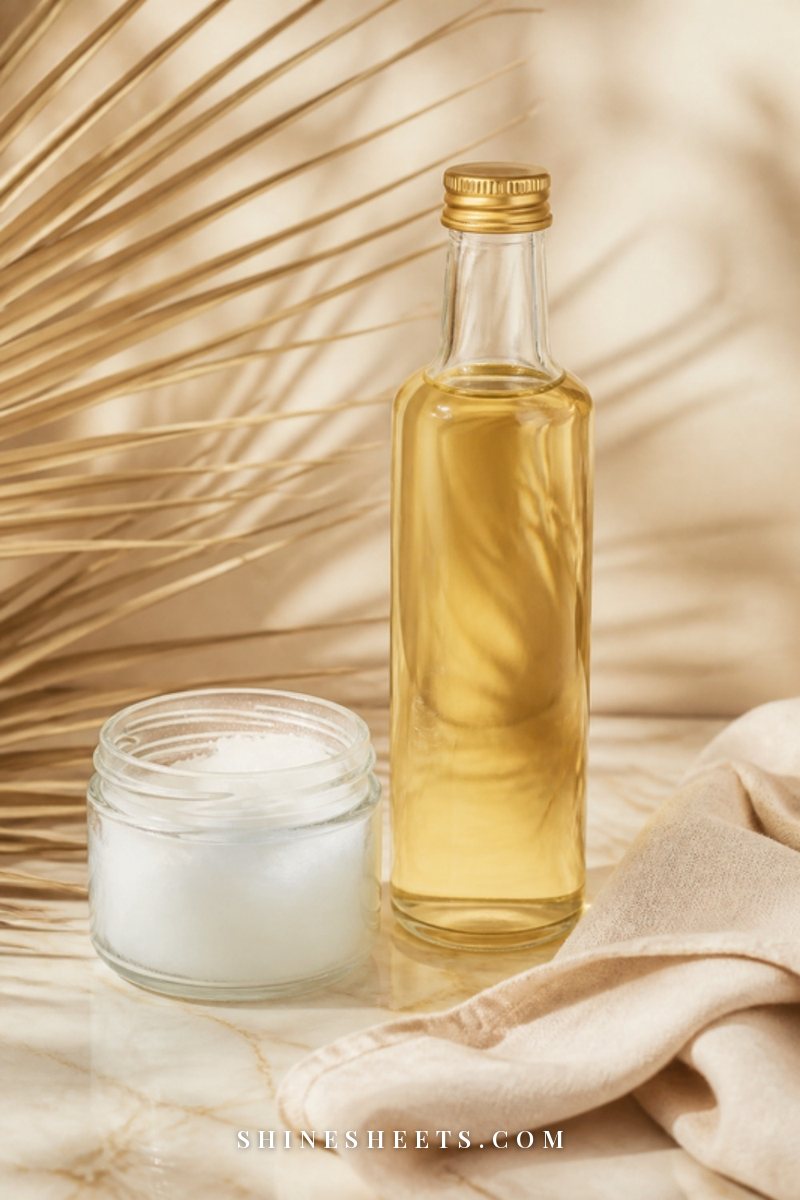
Not all coconut oil is the same, and the label matters.
- Virgin (unrefined) coconut oil is pressed from fresh coconut, smells of coconut and turns solid when cool. It's the richest and the most likely to clog pores.
- Refined coconut oil is processed to remove the scent and flavor. It feels similar on skin and carries the same pore risk.
- Fractionated coconut oil has had most of its long-chain fats, including much of the lauric acid, removed. What's left stays liquid at room temperature, feels lighter and absorbs faster. It's often used as a carrier oil in body oils and roll-ons.
Fractionated coconut oil is generally lighter and lower-risk than virgin, and a bottle of fractionated coconut oil for body and hair is the version I'd choose for after-shower legs and dry ends. It still isn't my first pick for an acne-prone face, though. For that, squalane or jojoba is the safer bet.
How To Patch Test Coconut Oil
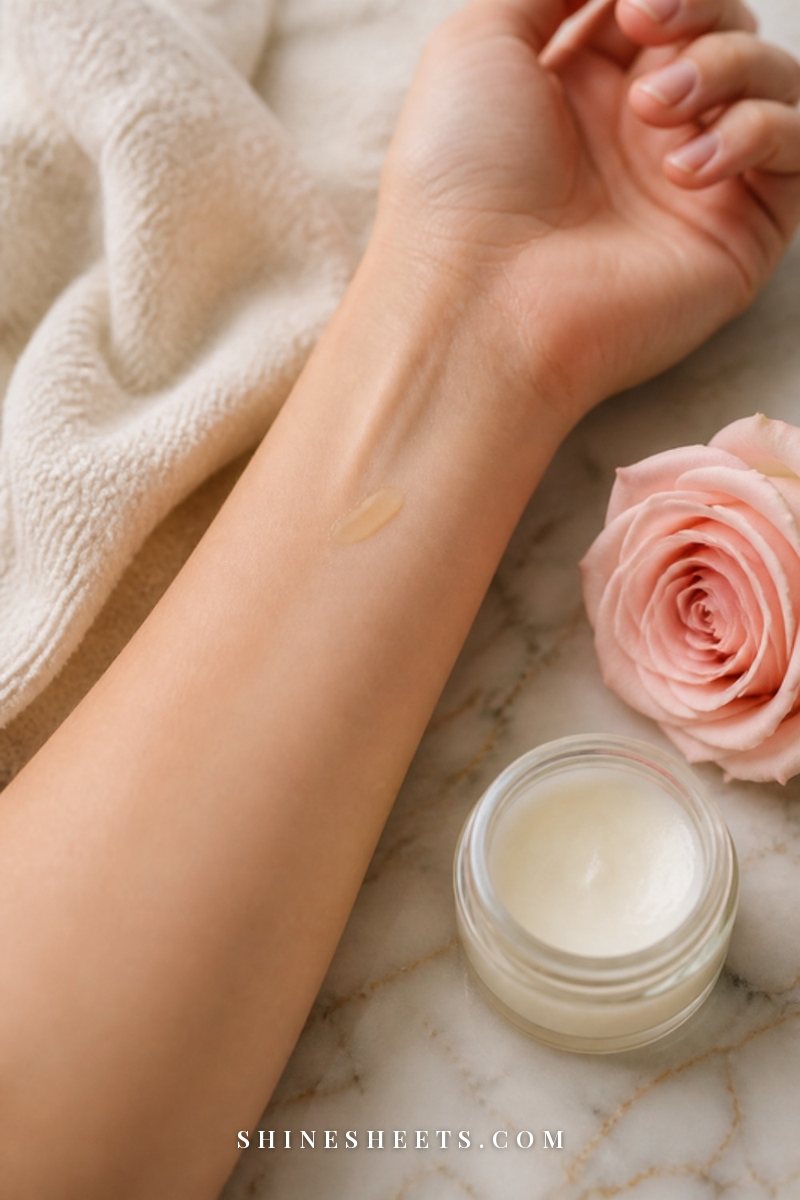
Before you use coconut oil (or any new oil) on your face, give it a proper test:
- Apply a small amount to your inner arm or behind your ear once a day for 3 days and watch for redness, itching or stinging.
- If that's calm, try a pea-sized amount on one small area of your face, like along the jaw, for 1–2 weeks.
- Look for small bumps, closed comedones or a new breakout in that area. Clogged pores can take a week or more to appear.
- If you see any reaction, stop and go back to your usual routine.
If you have a known allergy to coconut or are unsure, ask your doctor or dermatologist before trying it.
A Gentle Evening Routine for Dry Skin (Without Coconut Oil)
If the reason you reached for coconut oil was tight, dry skin, the fix is usually about order and layering rather than a heavier oil. This simple evening routine gives dry skin the comfort it's asking for while keeping pores happy:
- Cleanse gently. Use a creamy or gel cleanser with lukewarm water, never hot. Massage for 30–60 seconds, rinse and pat dry, leaving skin very slightly damp.
- Add water first. Press a hydrating toner or a serum with glycerin or hyaluronic acid into damp skin. Oils can't add water, so this step is what actually hydrates.
- Moisturize. Follow within a minute with a fragrance-free cream, ideally one with ceramides. Use a pea-sized amount for the face and a little more for the neck.
- Seal, lightly. Press 2–3 drops of squalane or jojoba over your moisturizer on the driest areas, usually cheeks and around the mouth.
- Give it time. Stick with the same routine for 3–4 weeks before judging it. Skin needs a full cycle to show what's working.
Small extras help too: a humidifier in the bedroom during winter, shorter, cooler showers and a soft pillowcase you wash weekly. None of them are glamorous, but together they often do more for dry skin than any single oil.
Coconut Oil Myths
- "Natural means safe for every skin." Plenty of natural ingredients clog pores or irritate. Natural doesn't tell you how your skin will respond.
- "Coconut oil works as sunscreen." It doesn't offer meaningful sun protection. Keep using a broad-spectrum SPF every morning.
- "It'll clear acne because it's antibacterial." Lauric acid has been studied in the lab, but putting heavy coconut oil on acne-prone skin is far more likely to make breakouts worse than better.
- "More oil means more moisture." Oils seal moisture in; they don't add water. Dry, tight skin often needs a hydrating serum or moisturizer under the oil.
Quick Answers
Can I leave coconut oil on my face overnight?
Only if your skin is very dry, not acne-prone, and you've patch tested. For everyone else, rinse it off with a cleanser after using it as a makeup remover.
Is coconut oil good for wrinkles?
It can make dry skin look smoother temporarily, the way any rich moisturizer does, but it won't change fine lines over time. Sunscreen and a well-chosen retinoid do far more.
Does coconut oil help dry winter skin?
On your body, yes, it can be a comforting seal after a shower. On your face, a ceramide moisturizer plus a few drops of squalane usually does the same job with far less risk of clogged pores, especially once the heating comes on and skin gets dry and reactive at the same time.
What about coconut-derived ingredients in skincare?
Many gentle cleansers and creams contain ingredients made from coconut, like certain emulsifiers and surfactants. These behave very differently from pure coconut oil, so seeing "coconut" in an ingredient list isn't a reason to avoid a product unless you know you react to it.
Is coconut oil safe around the eyes?
Many people use a tiny amount to remove eye makeup, but the skin around the eyes is prone to milia. Rinse thoroughly afterward and don't leave it on overnight.
Final Thoughts
Coconut oil isn't a villain, it's just in the wrong job when it lives on most faces. Let it soften your hair ends, cuticles, heels and legs, and give your face something lighter that was made for it.
Your skin isn't being difficult when it says no to a popular ingredient. It's simply telling you what it needs, and listening to it is one of the kindest things you can do.